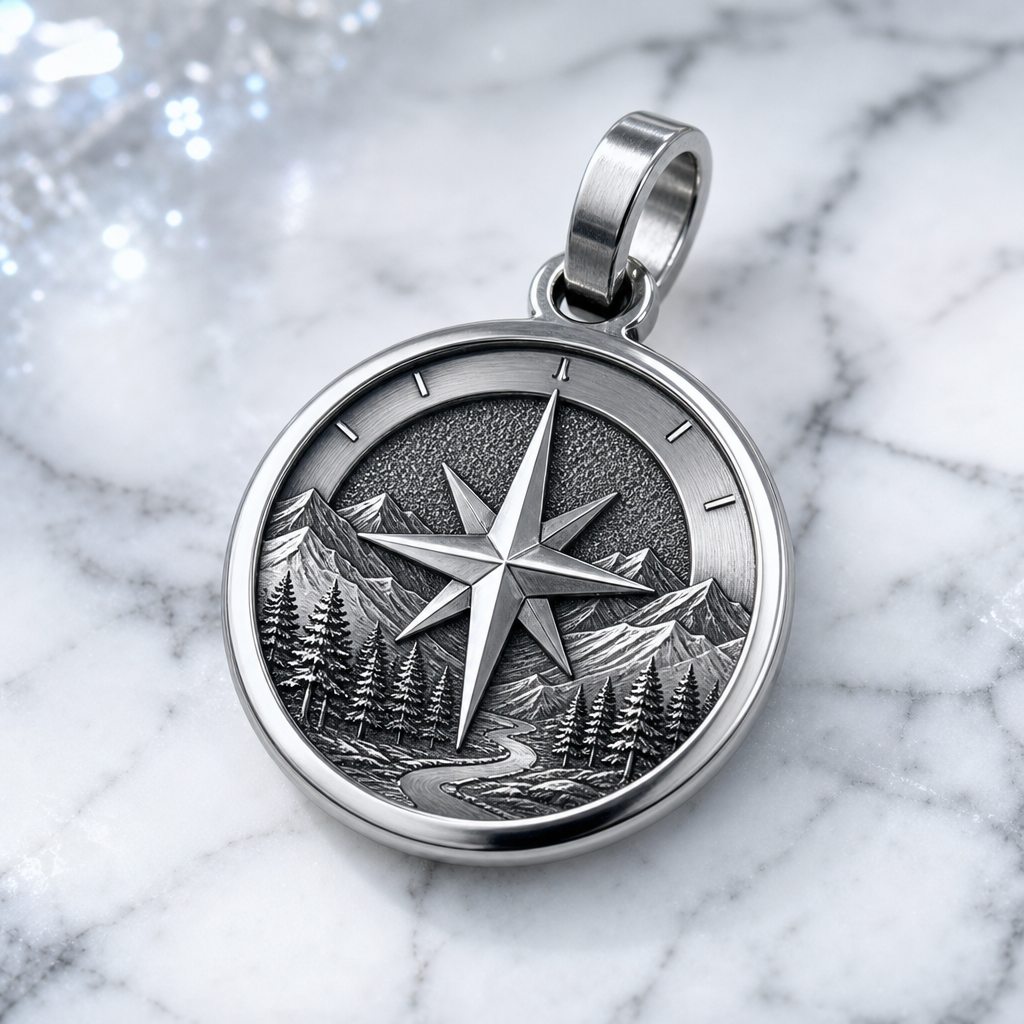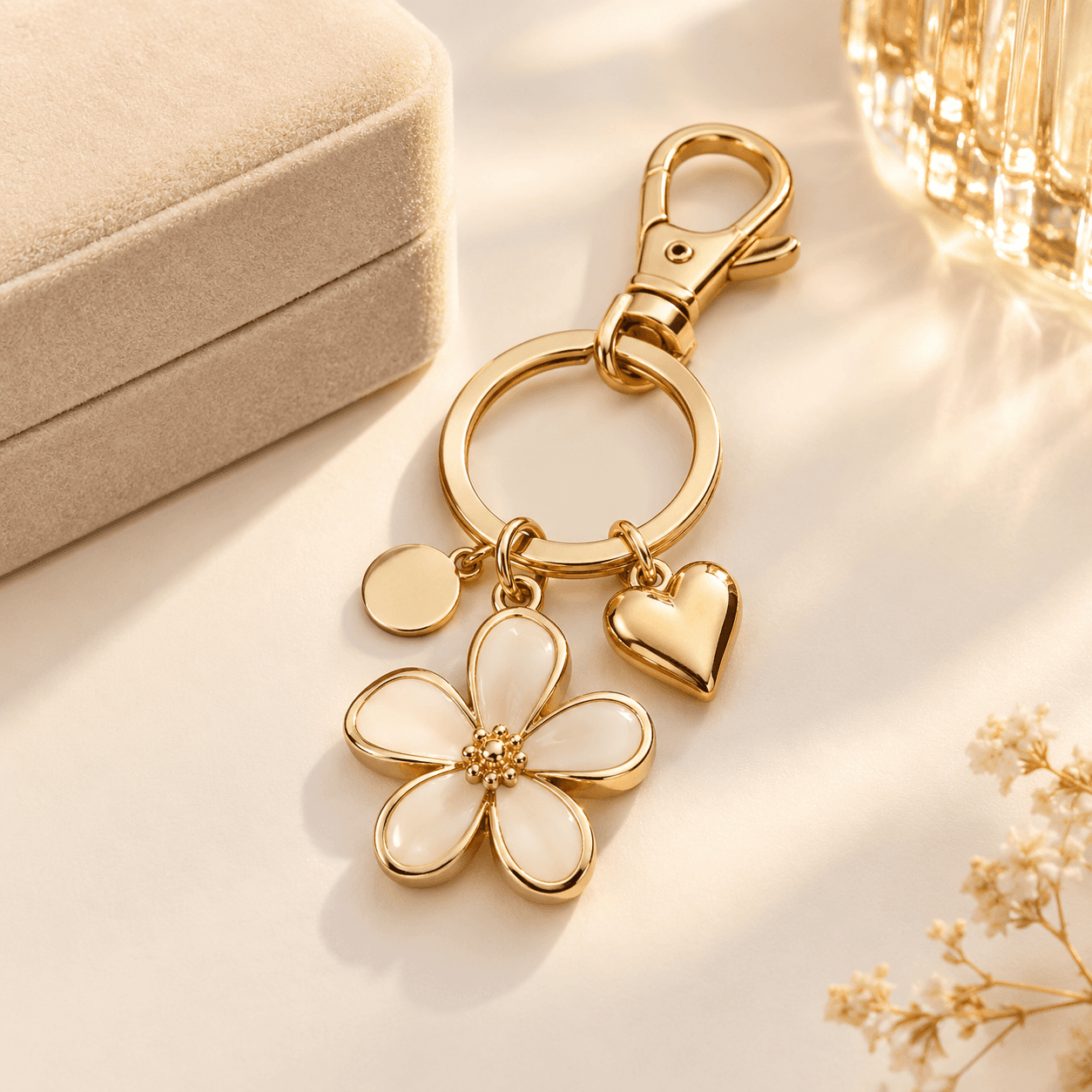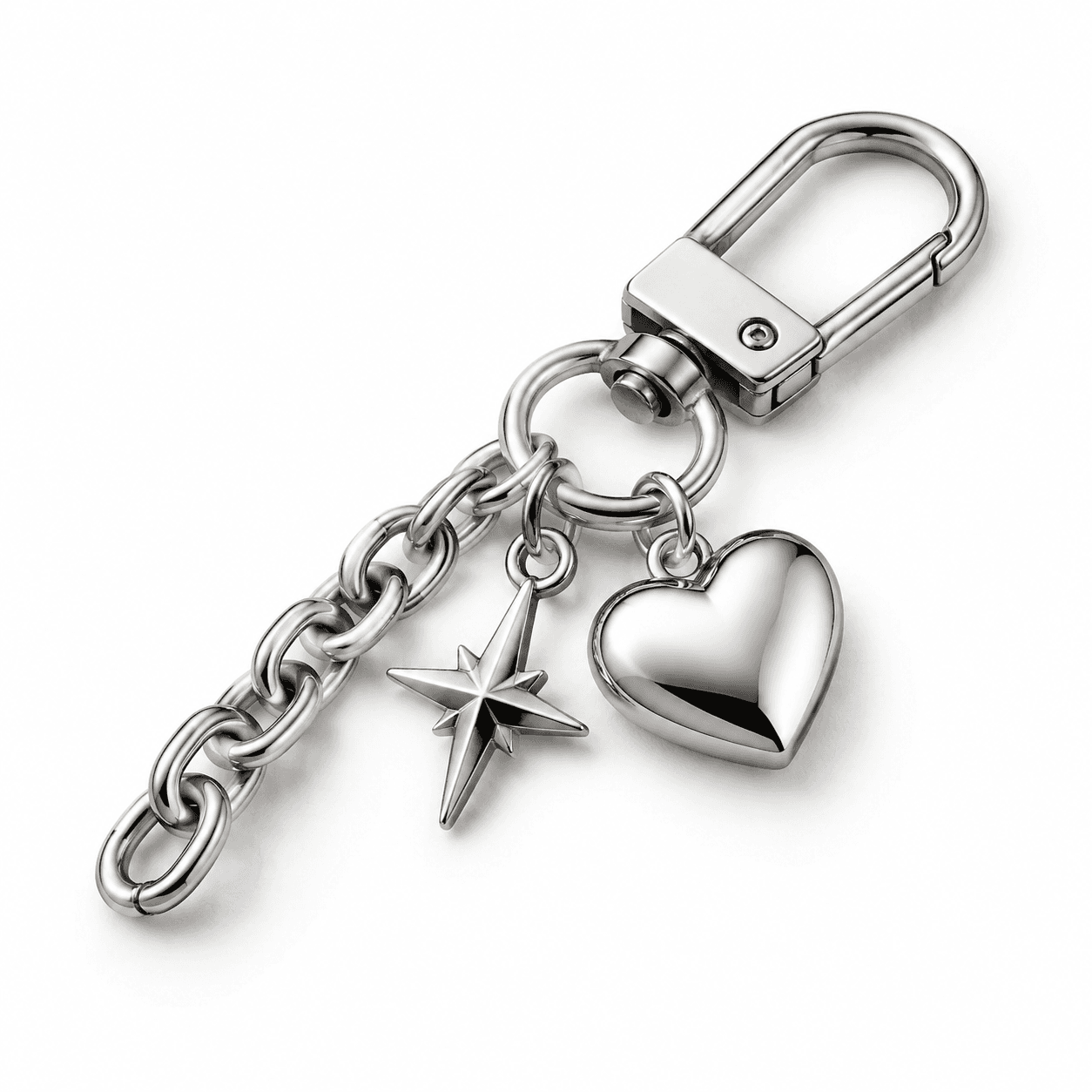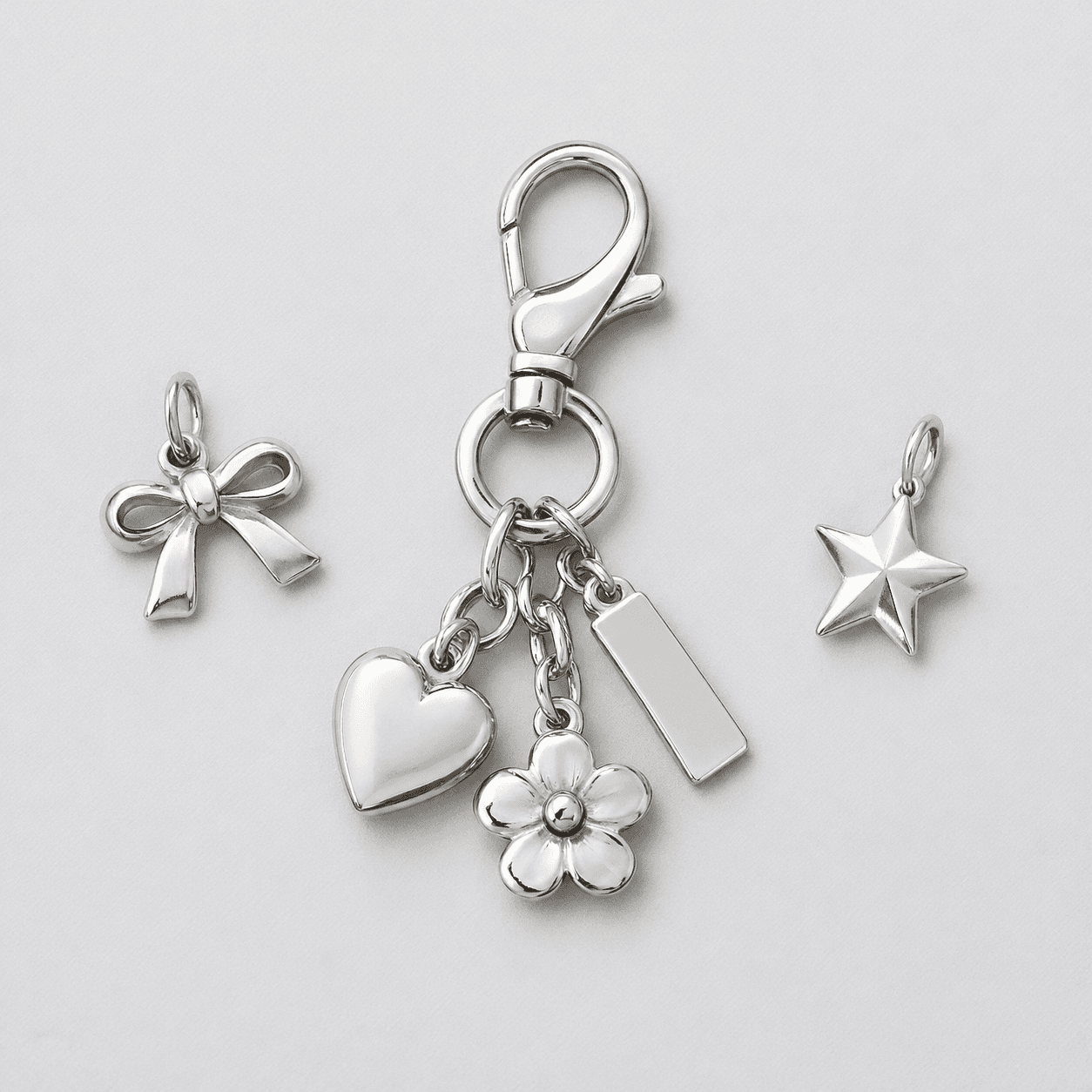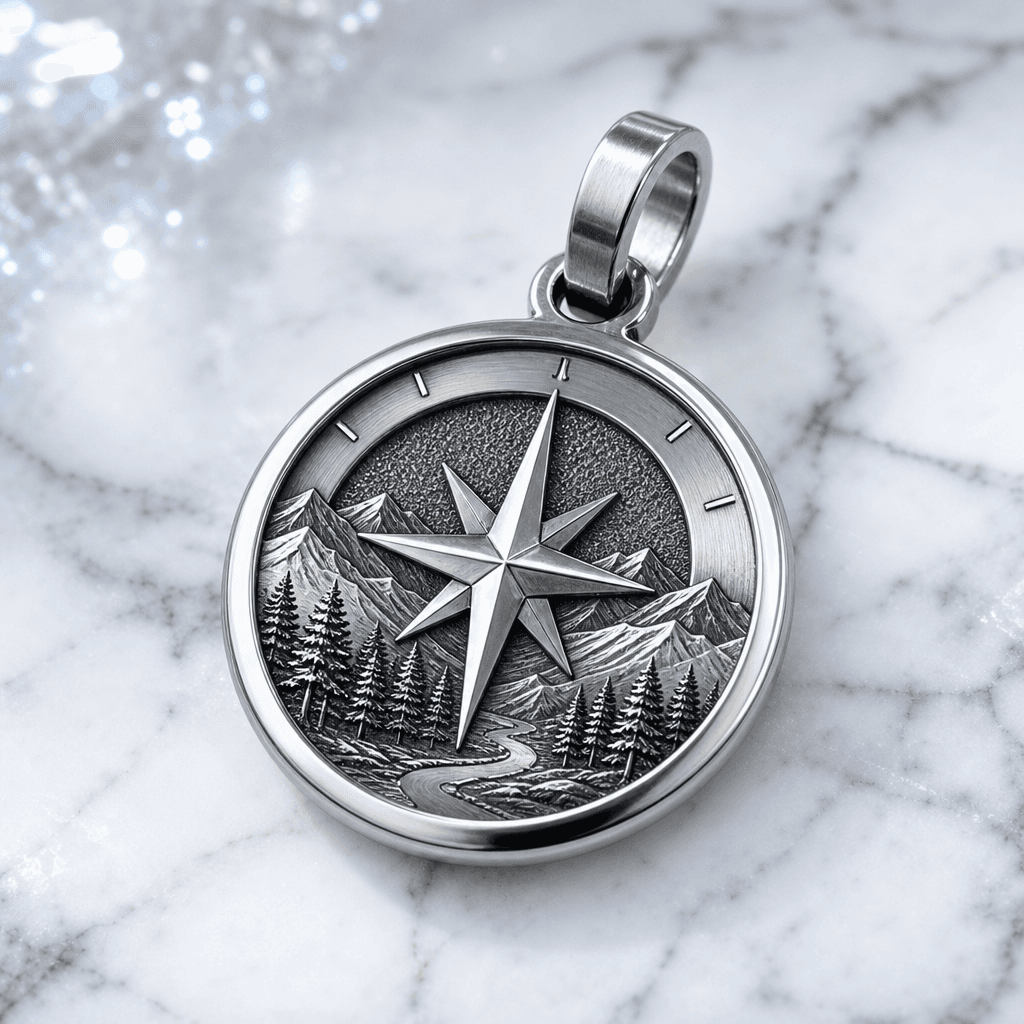
Procurement delays rarely come from design alone. They come from supplier uncertainty: unclear material compliance, weak documentation, inconsistent finishing, and engraving processes that fail quality gates. If your team is sourcing factory-direct stainless steel charms for boutique programs, charm bar accessories, and private-label gift runs, this checklist gives you a repeatable vendor-vetting workflow—built for global audits and documentation review.
Factory Direct Stainless Steel Charms Custom Engraving Sourcing Checklist
1) Confirm base material and process scope (before RFQ)
2) Certifications & compliance evidence you must collect (not just claim)
3) Engineering review: engraving quality, durability, and defect control
4) Traceability & batch documentation (audit-ready)
5) Sample development workflow (fast, controlled, documented)
Benefits/Why it matters: compliance-backed custom engraving for global markets
Key benefits for procurement teams
- Reduced regulatory risk: Evidence-based compliance supports your RoHS and REACH documentation requirements, reducing last-minute supplier back-and-forth.
- Skin-contact safety assurance: Nickel release testing evidence (EN1811 alignment) helps mitigate exposure risk for charm bar accessories and gift programs where end users may wear items for extended periods.
- Durability confidence: Salt spray expectations (240H) improve predictability for plated surfaces and long-term finish appearance in real-world usage.
- Operational stability: A supplier that can explain CNC/laser workflows, polishing control, and engraving depth management is less likely to ship inconsistent runs—supporting stable bulk charm orders.
- Audit readiness: Organized SGS reports and traceable batch documentation support internal vendor assessment, third-party audits, and retailer due diligence.
Detailed analysis & Guide: step-by-step vendor evaluation
Step 1: Build an RFQ dossier that forces clarity
- Include the material rule explicitly: the supplier must manufacture 316L stainless steel charms as the base material.
- Specify engraving outputs: character set, maximum character count per charm, acceptable placement deviation, and minimum legibility threshold.
- Define finish stack: if you use PVD plated stainless steel charms, specify whether engraving is visible through plated layers or filled for contrast.
- Ask for documentation up front: RoHS, REACH, SGS evidence, nickel release alignment, and salt spray results.
Step 2: Validate certifications against your markets (US/EU/UK/AU/CA/DE/FR/ES/NE/RU)
- Procurement teams often treat compliance as a checkbox. Instead, cross-check that reports reference the relevant restricted substances and test methods.
- For EU/UK-oriented programs, ensure your supplier provides the compliance narrative and test evidence your compliance stakeholders can reuse for audits.
- For broader global distribution, request evidence packages that can be standardized across SKUs—especially when you run private label charms with recurring engraving formats.
Step 3: Assess process capability (CNC/laser/finishing) through evidence
- Ask how they manage engraving consistency: laser marking settings, surface preparation, and polishing controls that prevent rough edges.
- Request macro/close-up images of engraved recesses and edges, plus a physical sample for tactile evaluation.
- Confirm production controls for mass runs: how they prevent drift across batches when engraving multiple SKUs.
Step 4: Confirm OEM/ODM readiness and private-label packaging controls
- Define who owns artwork formatting, tolerances, and revision cycles under OEM/ODM development.
- Check packaging readiness: label alignment, insertion plan, and batch-to-pack linkage so you can trace returns if needed.
- If you operate a charm bar assortment, verify replenishment logic: consistent engraving quality across the “series planning” window.
Step 5: Run a controlled trial for bulk charm orders
- Start with a sample-and-approval workflow that includes both visual checks and compliance documentation review.
- Lock acceptance criteria before bulk orders: engraving legibility, edge smoothness, defect rates, and finish uniformity.
- Require a first-run inspection and compare against your sample sign-off. Document outcomes and record any corrective actions.
FAQ
1) What compliance documents should we request for 316L stainless steel charms with custom engraving?
Request evidence for RoHS and REACH, plus SGS test reports covering Nickel Release EN1811 and any durability expectations such as Salt Spray 240H. Ensure documents are batch-traceable and version-controlled for audit readiness.
2) How do we evaluate engraving quality before approving production?
Require engraving proofs that validate legibility (stroke clarity), placement consistency, and surface feel after polishing. Approve acceptance gates based on measurable tolerances and provide tactile/visual review of recessed areas and edges.
3) Can a supplier support low MOQ charm production for multiple private label SKUs?
Yes—ask for the process they use to manage variation without quality drift. A strong OEM/ODM charm factory will support controlled sample development and documented revisions, even when SKU counts grow.
4) Why does salt spray testing matter for PVD plated stainless steel charms?
PVD plating performance can vary by preparation and finishing sequencing. Salt spray evidence (e.g., 240H) helps predict appearance and durability outcomes across repeated wear conditions, supporting your risk management for retail and gift programs.
Partner With Us
If you’re building a compliant, boutique-ready line of 316L stainless steel charms with custom engraving, Lancy Jewelry supports OEM/ODM development with documented manufacturing controls. Our modern facility includes CNC, laser cutting, laser marking, welding, and polishing—plus compliance-backed evidence for RoHS, REACH, SGS, nickel release, and durability expectations.
To start an RFQ, share your engraving artwork, finish requirements (including PVD, enamel, or crystal inlay where applicable), target charm size, and packaging format. We’ll align on sample development steps, acceptance criteria, and the documentation package your procurement team needs.
OEM Service | Request a Quote | Contact
Internal links: All Products for catalog context; OEM Service for custom development; Request a Quote for RFQ.