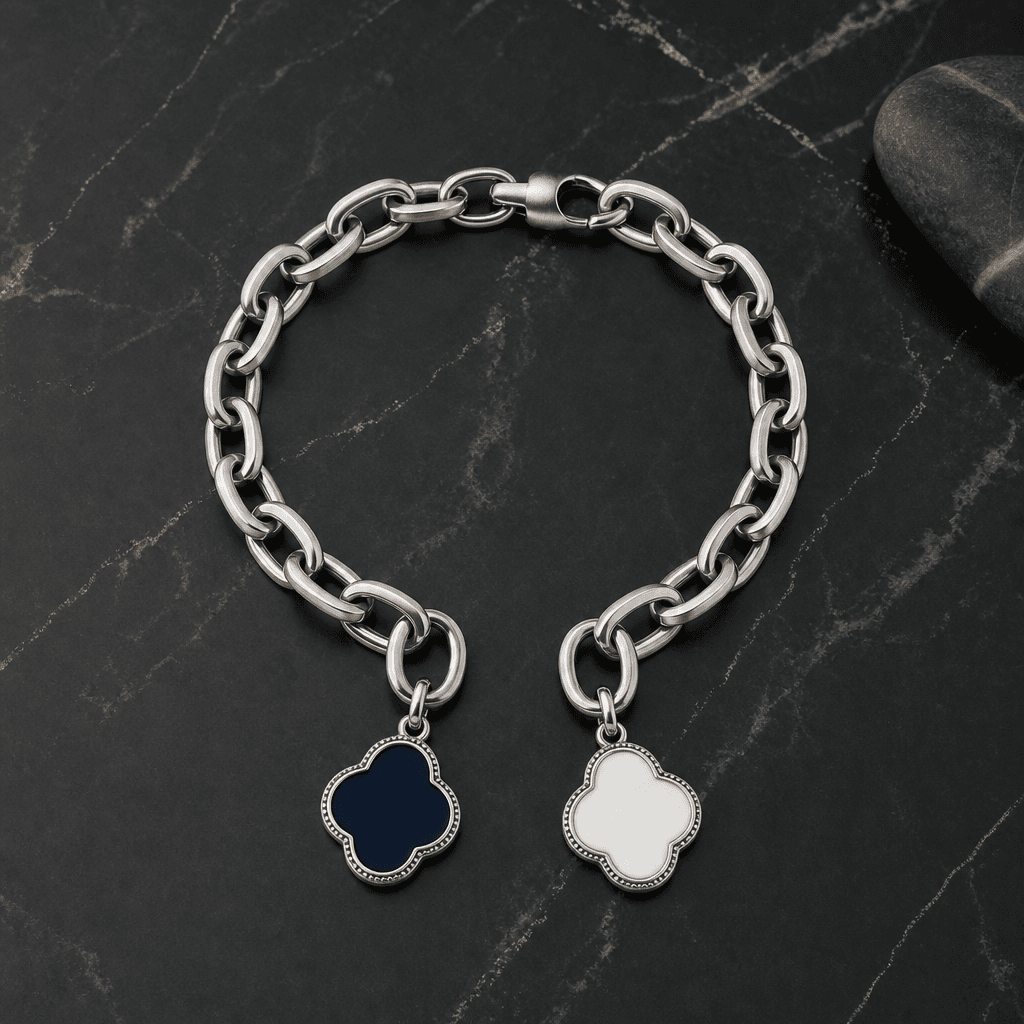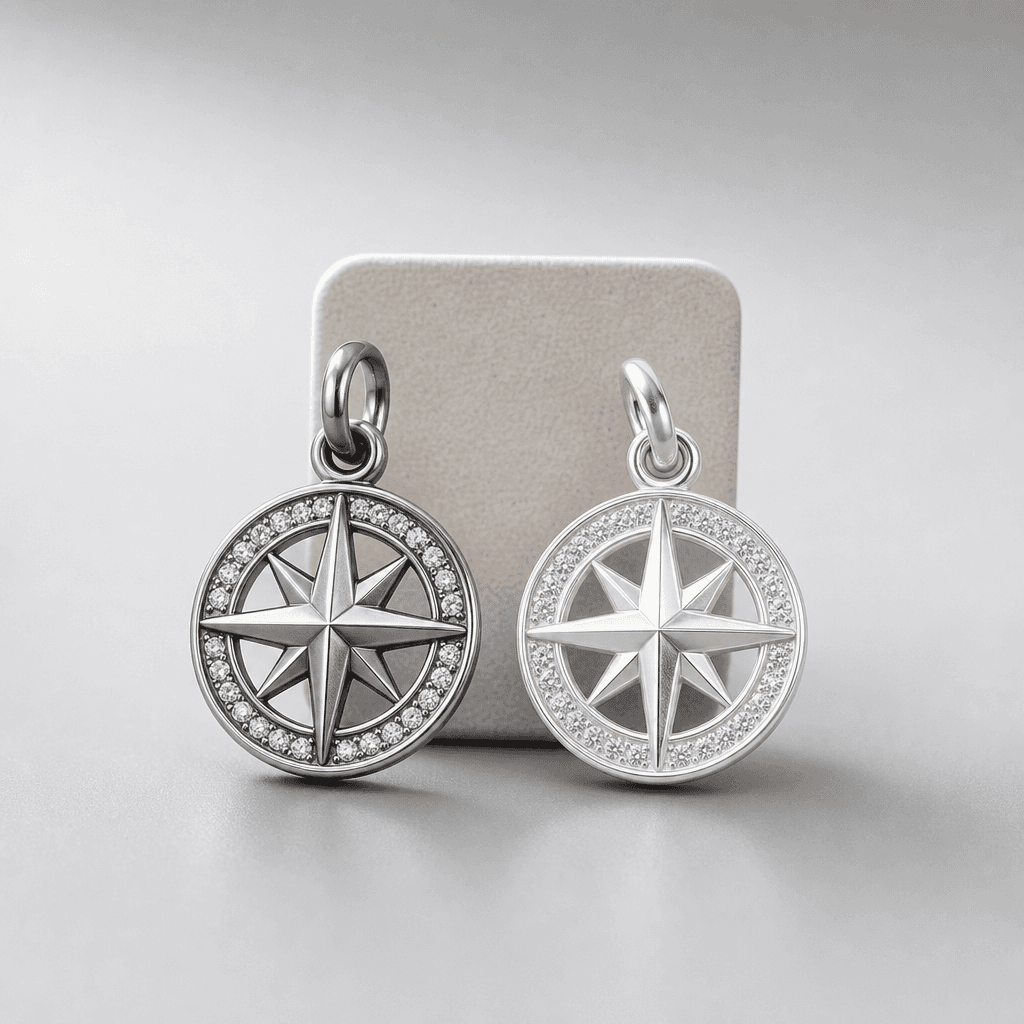
stainless steel charms vs silver is a sourcing question that impacts retail performance, margins, and brand consistency. In this material deep dive, Lancy Jewelry explains what jewelry designers and charm program managers should measure when choosing 316L stainless steel charms, including how finish systems (PVD, enamel, crystal inlay) influence appearance retention and wear resistance.
Because Lancy only manufactures 316L stainless steel charms as the base material, buyers can standardize specs across SKUs and build repeatable prototypes—without uncertainty around base-metal chemistry. We also decode common compliance checkpoints using SGS testing frameworks such as RoHS, REACH, EN1811, and Salt Spray so you can confidently plan OEM and ODM programs for wholesale and private label charm collections.
Material Deep Dive: stainless steel charms vs silver (What Buyers Should Actually Compare)
When buyers ask stainless steel charms vs silver, they usually want a practical answer: which base and finish system holds up better for daily wear, charm bar handling, and repeated customer selection? From a material technology perspective, the “best” choice depends on corrosion behavior, coating adhesion, and how surface layers respond to salts, oils, and cleaning routines. Lancy Jewelry supports one consistent foundation—316L stainless steel—so your sourcing process can be stabilized across designs, sizes, and packaging variants.
In B2B development, the goal is repeatability: prototypes that match production look, QC criteria that scale, and finishes that remain uniform through bulk charm orders. That’s why this guide focuses on what designers need for OEM/ODM prototyping—surface metallurgy, plating/coating performance, and certification interpretation—rather than generic marketing claims.
What “316L” means for charm sourcing decisions
316L stainless steel is selected for its corrosion resistance and consistent manufacturing response, making it a strong base for decorative charms. In practical terms, it supports stable microstructure during stamping, forming, and finishing steps—helpful for designers planning custom logo charms, enamel filling, and crystal setting where tight tolerances matter.
Benefits & Features: How 316L Finishes Drive Consistency for Wholesale
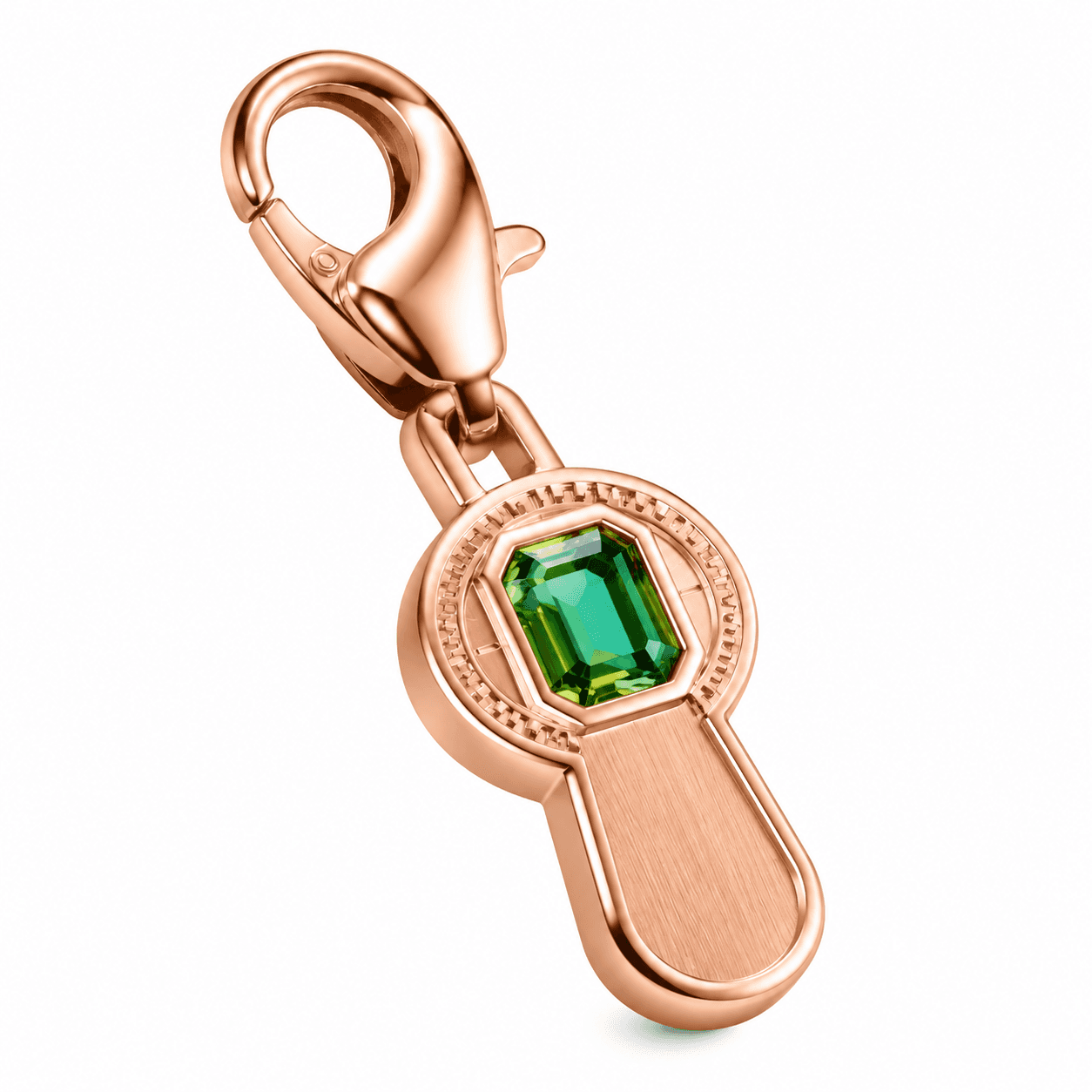
To make stainless steel charms vs silver decisions measurable, compare how the material system behaves under real-use stress. For 316L stainless steel charms, Lancy focuses on a complete surface strategy: base metal stability plus finishing layers such as PVD gold plating, silver finish, rose gold plating, enamel color filling, and crystal inlay systems. Each layer has a role—protecting the base and locking in color/visual texture for retail-ready presentation.
From a production viewpoint, finishing uniformity is what designers feel as “quality.” In bulk charm orders, differences in surface prep, coating thickness control, and curing/finishing process windows can show up as mottling, uneven gloss, or color shift. Lancy’s factory workflow is built to keep the look consistent across variants so charm bars and boutique programs don’t receive mixed-finish batches.
Finish performance: PVD, enamel, and crystal inlay as a system
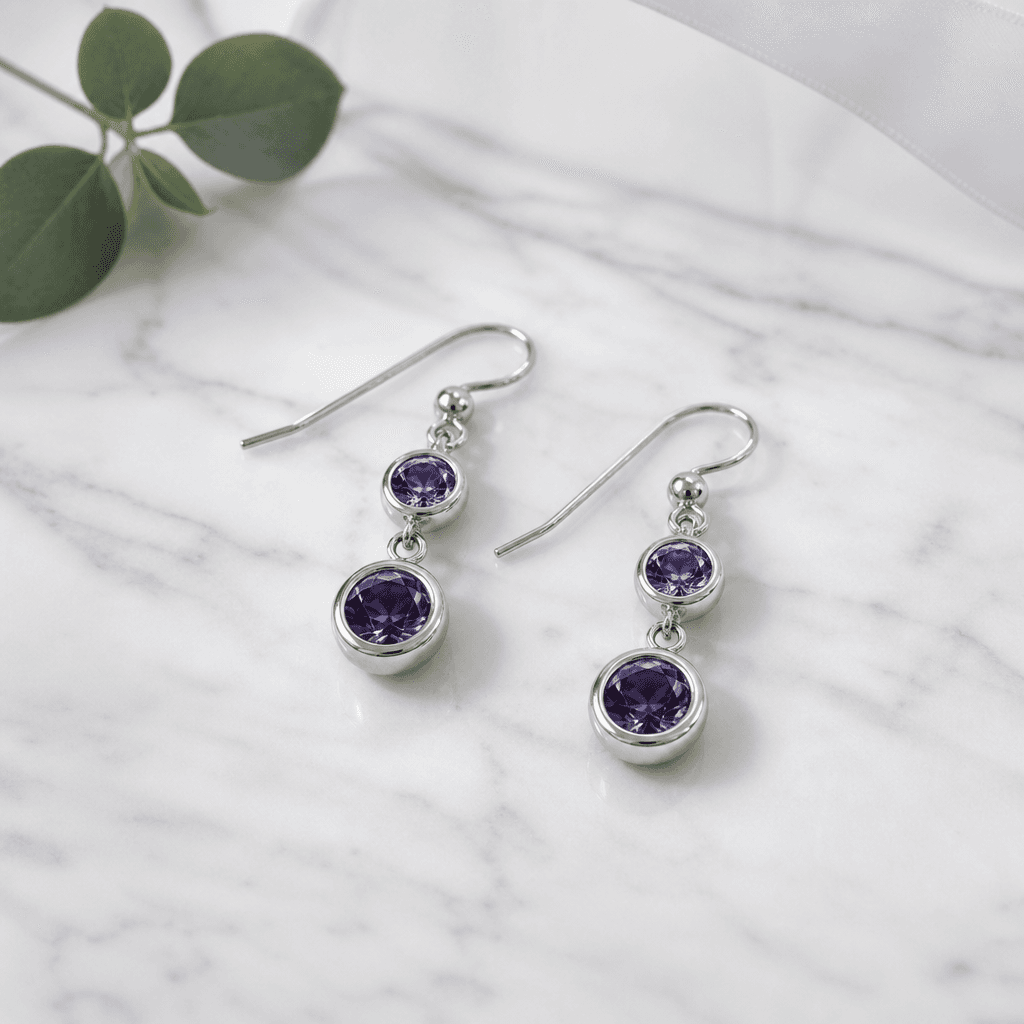
PVD plated stainless steel charms are commonly specified when brands want a stable metal color with improved surface wear resistance. Enamel stainless steel charms require controlled filling and curing to maintain edge definition and avoid surface dulling. For designs with crystal inlay, mounting integrity and surface planarity matter—because any misalignment can affect perceived symmetry under retail lighting.
- Prototype readiness: consistent plating and filling behavior helps designers iterate quickly with predictable outcomes.
- Retail handling: stable surfaces reduce visible wear during repeated customer selection.
- Design flexibility: custom logo charms and series planning can be expanded without changing the base material spec.
Compliance-First Sourcing: SGS Testing (RoHS, REACH, EN1811, Salt Spray) Explained
Material science doesn’t only live in the lab—it should show up in your buying documentation. When comparing stainless steel charms vs silver, buyers often search for measurable evidence: restricted substance controls, nickel-related considerations, and accelerated corrosion tests. Lancy uses SGS-aligned certification interpretations and testing frameworks to support your commercial checks, including RoHS, REACH, EN1811, and Salt Spray.
Here’s how these checkpoints map to real purchasing risk. RoHS and REACH are about restricted substances and regulatory compliance. EN1811 is frequently used in accessories compliance contexts to evaluate release-related considerations for direct contact jewelry components. Salt Spray is an accelerated corrosion indicator—useful for understanding how surfaces and coatings may behave when exposed to salty humidity environments, sweat, and daily transport conditions.
Using certifications in OEM/ODM decision-making
If you’re running an ODM charm supplier or OEM charms manufacturer evaluation, treat compliance documents as part of the spec pack—not a standalone checkbox. Request the test scope, the materials/coating stack referenced, and the test period assumptions. For private label charms, align your product description with the tested structure so your internal regulatory review stays consistent.
Because Lancy’s base material is standardized to 316L stainless steel, the compliance interpretation can be applied consistently across approved SKUs—an advantage for designers planning multi-month series drops.
Prototyping Workflow: Turning Material Choice into Designer-Ready Samples
For jewelry designers, prototyping is where material choice becomes tangible. When comparing stainless steel charms vs silver, consider how each material system behaves during development steps: CAD-to-tooling, stamping/forming, logo engraving, coating prep, enamel filling, and crystal placement. Lancy’s approach is to make prototyping predictable by keeping the base material fixed at 316L stainless steel and controlling the finish workflow around it.
In a real product program, you typically need: (1) an early look sample, (2) a durability-oriented finish check, and (3) final production confirmation tied to your packaging and merchandising presentation. Lancy supports this as sample development for designers and sourcing managers—so your creative options (custom logo charms, new colorways, updated shapes) can move forward without changing base metal assumptions.
What to ask for during sample development
- Finish verification: confirm PVD tone consistency (gold plated, rose gold plating, silver finish) under retail lighting conditions.
- Edge and definition: request enamel swatch samples to evaluate line sharpness and surface smoothness.
- Hardware quality: if your charm style uses a bail or jump ring, confirm the attachment mechanism is mechanically sound and aligned with the design opening.
These requests reduce trial cycles—especially when you’re building a boutique-ready series plan and need stability across multiple SKU launches.
Retail Performance & Packaging: Why 316L Helps Charm Bars and Gift Programs
In charm bar operations and gift programs, customers judge quality in seconds: color uniformity, clean edges, and how the charm reads on display. That’s where 316L stainless steel charms can outperform uncertain material variability—especially when your assortment rotates frequently. Lancy supports charm programs that need dependable finish output for wholesale stainless steel charms ordering and private label production.
Because Lancy is a factory-direct stainless steel charms manufacturer focused on 316L stainless steel charms, buyers can standardize procurement. This is useful when you manage multiple SKUs—such as themed series (birthstone, zodiac, special symbols) or event drops—while maintaining consistent base specifications across the lineup.
Low MOQ planning for boutique programs
Many sourcing teams start with limited commitments to validate demand. Lancy supports low MOQ charm production so boutique brands and distributors can test product-market fit. When performance is confirmed, you can scale to bulk charm orders with the same material and finishing strategy, reducing the risk of “look drift” between batches.
- B2B accessory supplier: structured development and repeatable specs for distributors and private label buyers.
- Boutique-ready series planning: expanded design ranges without changing your core material foundation.
- Packaging support: private-label packaging options for a cohesive unboxing experience.
Decision Framework for Buyers: Turning stainless steel charms vs silver into an RFQ Spec
Even when the debate is phrased as stainless steel charms vs silver, buyers often need a decision framework that includes costs, compliance workload, and lead time. Lancy’s practical positioning as an OEM/ODM partner is that your material base stays constant (only 316L stainless steel) while you choose finish expression: PVD gold plating, silver finish, rose gold plating, enamel colorways, and crystal inlay design elements.
This approach helps sourcing managers plan budgets more accurately. Instead of rebuilding the compliance and quality baseline for a new base material, you can iterate within the same 316L-based system and focus on measurable finish targets. For private label and wholesale programs, that’s how you reduce procurement variability and shorten internal approvals.
How to run an RFQ/spec comparison internally
Use a simple scoring checklist in your team:
- Material base certainty: confirm only 316L stainless steel is used for the charm body.
- Finish stack alignment: match your requested PVD/enamel/crystal configuration to the tested surface system.
- Durability indicators: review Salt Spray and related evidence used for surface corrosion expectation.
- Commercial readiness: evaluate whether the supplier can support MOQ targets, sample development timelines, and private-label packaging.
When these fields are clear, design teams can keep creative velocity while QC and compliance stay manageable.
Where Material Choice Matters Most: Charm Bars, Gifts, and Fashion Accessories
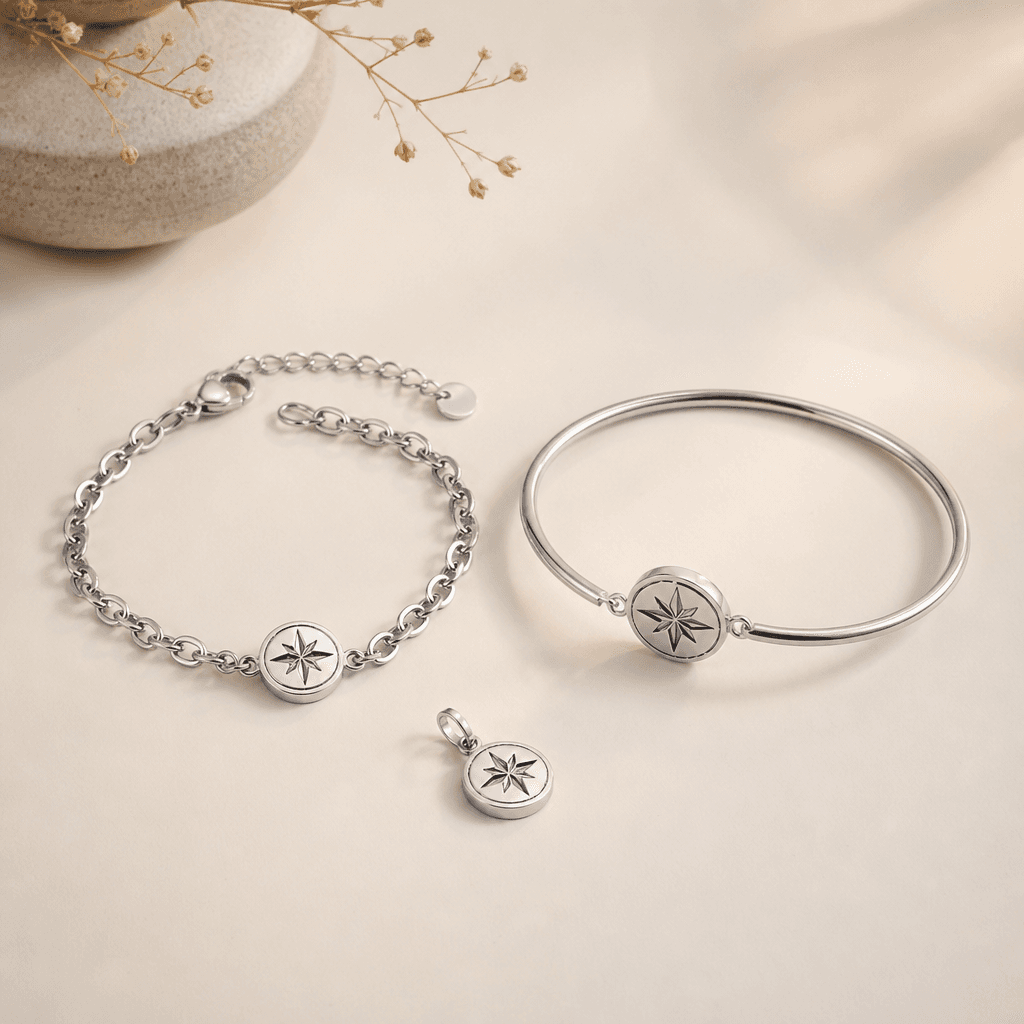
Frequently, buyers want to connect material choice to actual charm application use. For Lancy, the use contexts focus on jewelry charms across charm bar accessories, gift accessories, decorative accessories, keychain charms, car charms, bag charms, and fashion accessories—while keeping the charm product itself grounded in 316L stainless steel.
This matters because different placements can change customer handling patterns (frequent touch, sweat exposure, transport wear) even if the charm design looks similar. When you scale an assortment, you want durability expectations to stay aligned. A standardized base plus controlled finishing steps makes it easier to manage customer experience for wholesale distribution and distributor catalogs.
Design series planning with predictable chemistry
For boutique programs, series planning often combines themes (birthstone, zodiac, special symbols) with recurring aesthetic requirements: consistent shine, reliable color fill, and stable crystal seating appearance. Lancy supports these series through OEM/ODM development, helping you expand charm line-ups while maintaining stable material behavior.
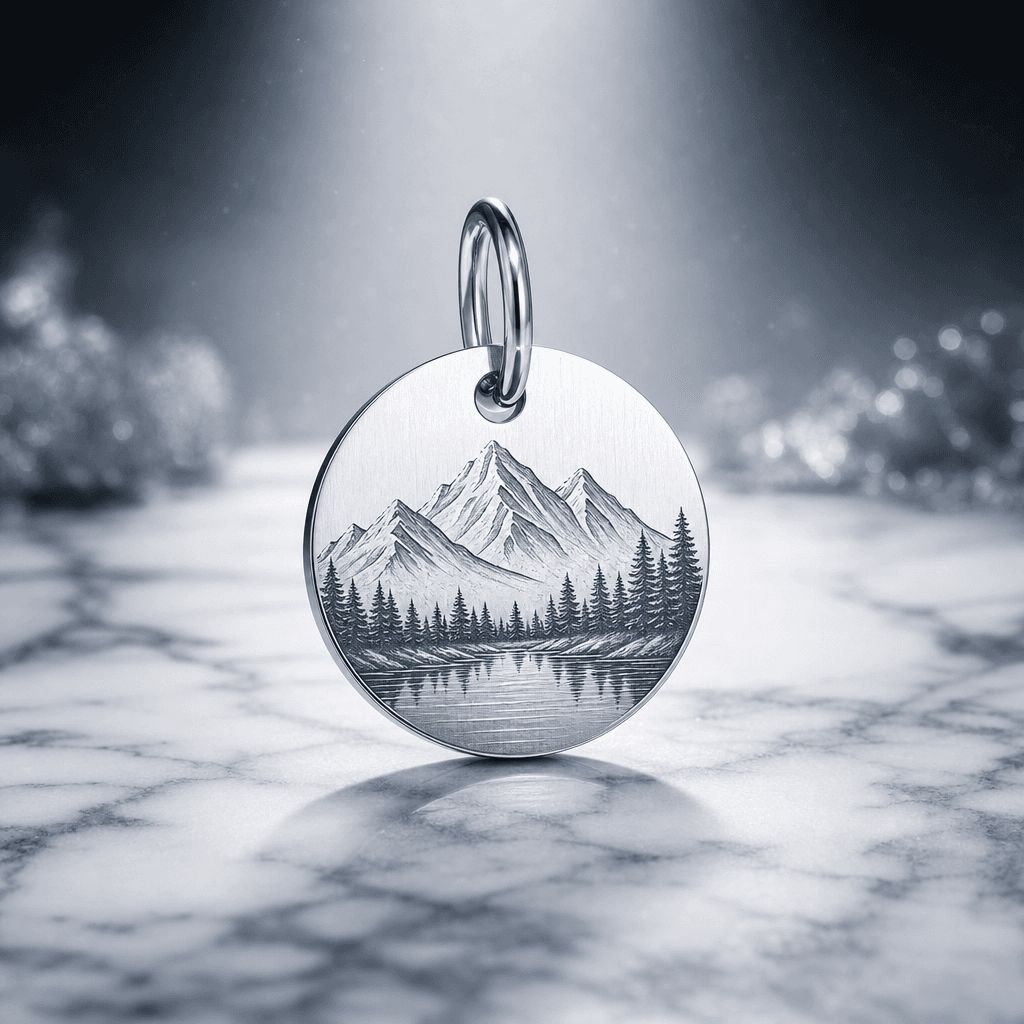
- Custom decorative charms: logo engraving and repeatable finish specifications for series expansion.
- Charm bar accessories: display-ready surface uniformity that holds up to frequent customer browsing.
- Wholesale readiness: stable 316L base and controlled finishing for scaled orders.
Frequently Asked Questions
Partner With Lancy Jewelry for OEM/ODM 316L Charms
Get started with Lancy Jewelry by sending your RFQ details for 316L stainless steel charms—including the intended finish stack (PVD gold plating, silver finish, rose gold plating, enamel colorway, and/or crystal inlay). If you’re deciding between stainless steel charms vs silver internally, we’ll help you translate your requirements into a build-ready spec so your designer and sourcing teams stay aligned.
To move fast, include: charm category/use context (e.g., charm bar accessories, bag charms, keychain charms), target size range, quantity and MOQ target for your first run, requested custom logo engraving details, preferred color references for PVD/enamel, and packaging requirements for private label. For compliance and durability planning, indicate what markets you’re targeting (US/EU/UK/AU/CA/DE/FR/ES/NL/RU) and whether you need SGS-aligned documentation for RoHS, REACH, EN1811, and Salt Spray review.
Next steps: use /oem for OEM development, /cart to request a quote (RFQ), and /contact to route technical questions to our factory team. You can also browse /products to reference existing 316L stainless steel charm directions such as birthstone charm wholesale series planning.
Related resources
Related resources
- Stainless Steel Custom Enamel Charms Wholesale Quality: Vendor Certifications & Durability Testing
- The Science Behind Stainless Steel Keychain Charms: 316L
- B2B 316L Stainless Steel Birthstone Charms Wholesale Quality Checklist: RoHS, REACH & Nickel Release
- Custom Engraved Charms Stainless Steel Bulk: Buyer Guide to Quality & Durability
- Quality Standards Behind Stainless Steel Charms: RoHS, REACH & Nickel Release
- Ensuring Quality in Stainless Steel Wholesale Charms for Jewelry Making: RoHS/REACH & Nickel Release Compliance Guide
- Custom Stainless Steel Charms Wholesale Quality: RoHS & REACH Guide
- Factory Direct Stainless Steel Charms Custom Engraving Sourcing Checklist
- B2B 316L Stainless Steel Charm Manufacturer OEM ODM: Buyer Compliance Checklist
- Bulk Stainless Steel Charms Wholesale: Supplier Vetting & Tests