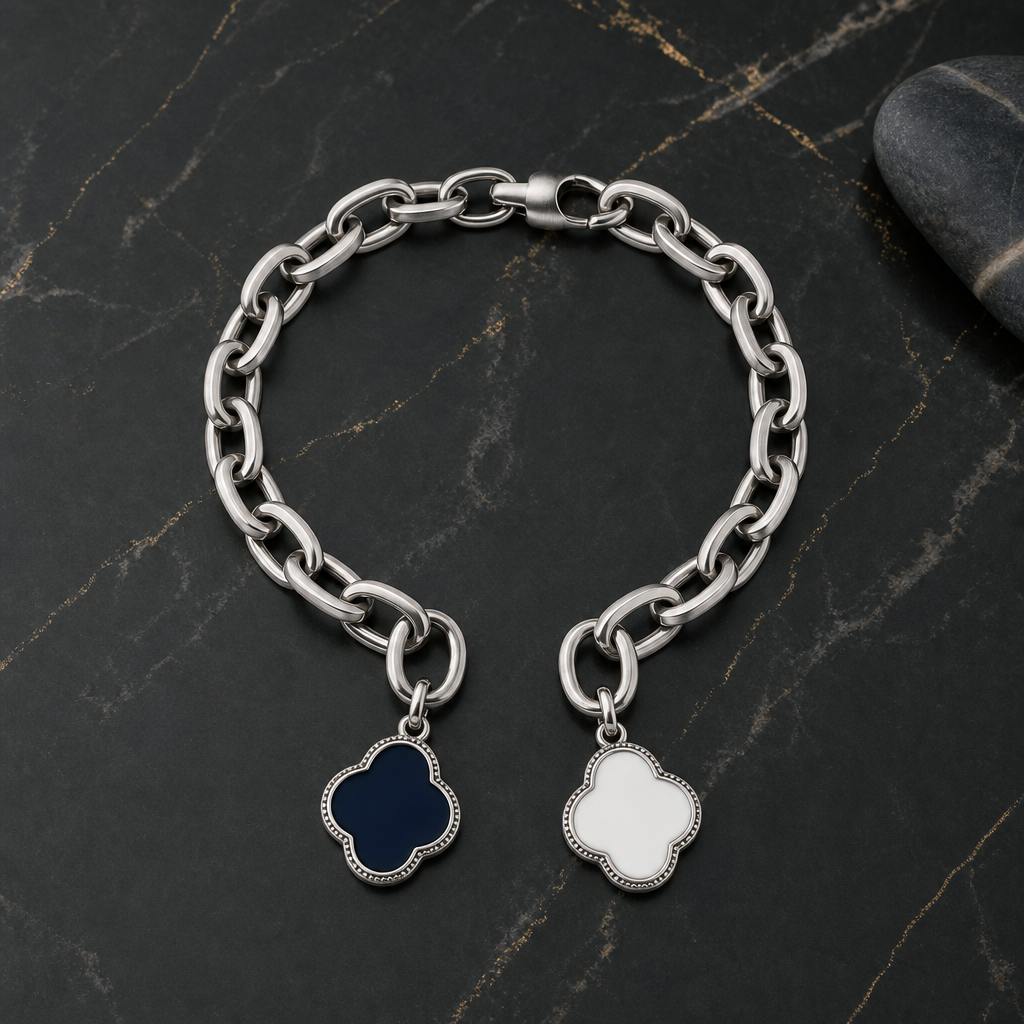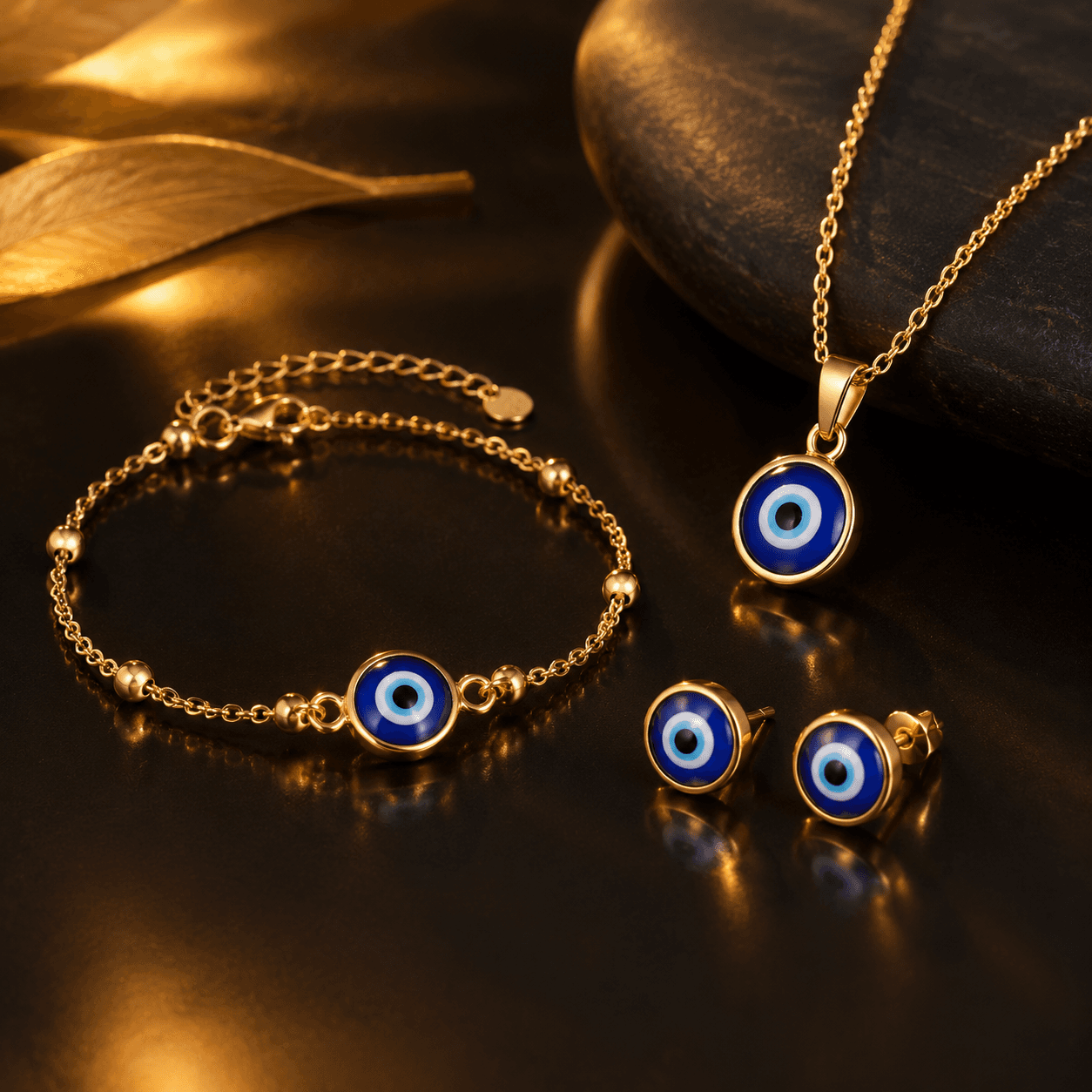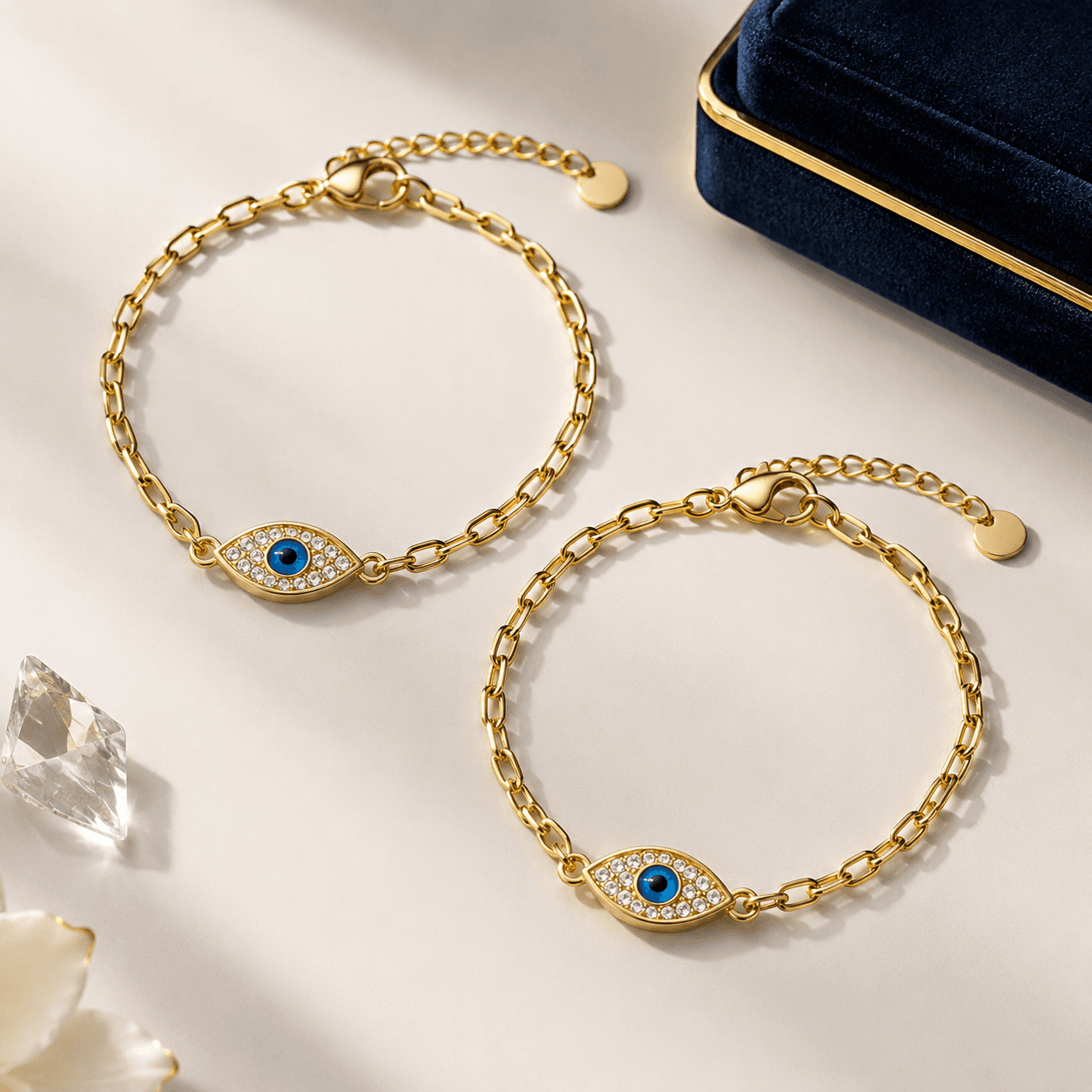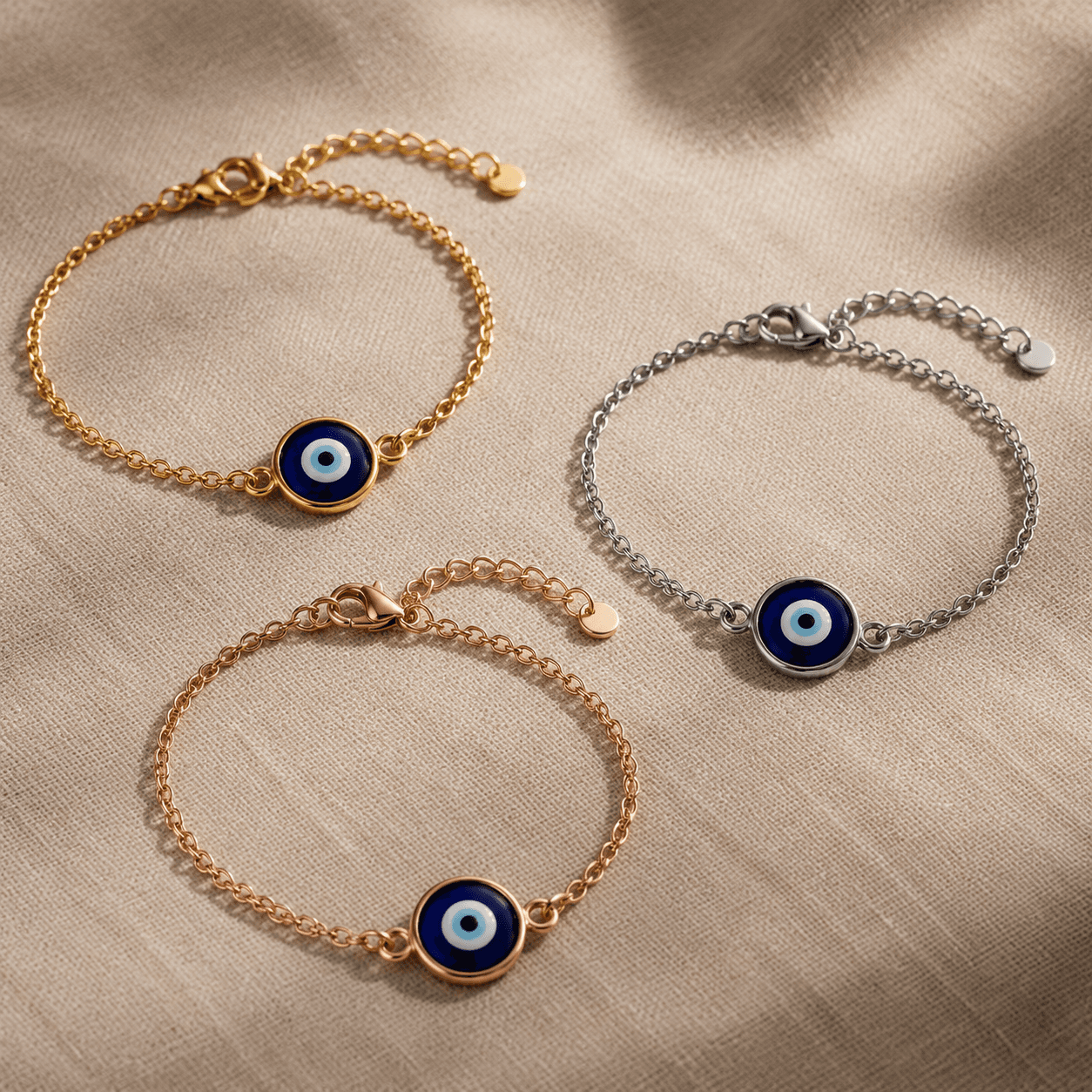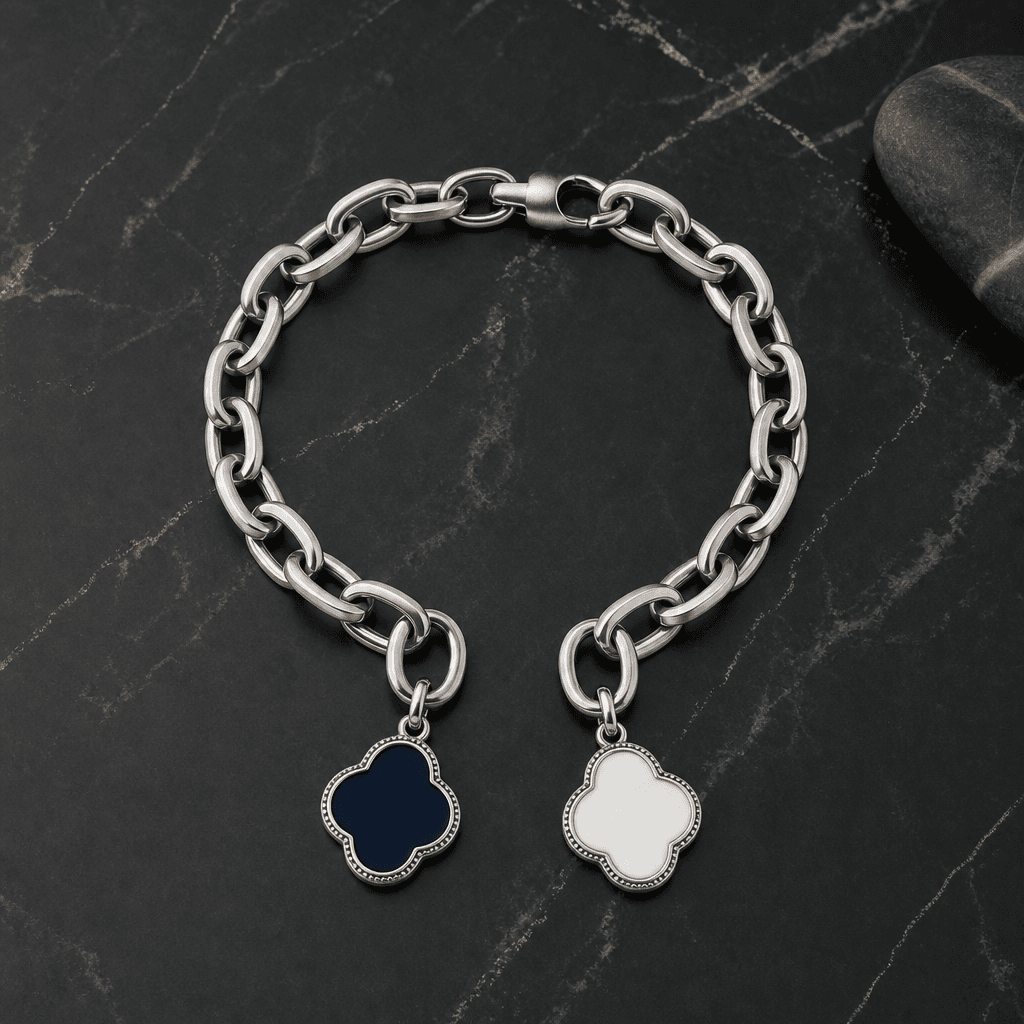
Wholesale charm programs live and die by two things: proof and performance. If you’re sourcing stainless steel custom enamel charms wholesale for boutique retail, gift programs, or charm bars, your procurement team needs more than glossy photos—you need traceable documentation and durability evidence that stands up across audits, shipping cycles, and real wear.
Vendor-Grade Results for Stainless Steel Custom Enamel Charms Wholesale
When buyers evaluate charm factory capability, the winning approach is to treat every specification like a quality dossier: materials, surface protection, coating systems, and pass/fail criteria. For 316L stainless steel charms with enamel and optional crystal inlay, durability testing should align to both regulatory expectations and practical failure modes such as corrosion, discoloration, edge wear, and contact-related irritation risks.
What procurement should request before placing bulk orders
- Material confirmation: written confirmation that the base is 316L stainless steel throughout charm construction (including core, post-processing, and finishing).
- Regulatory conformity documents: RoHS and REACH documentation appropriate for the region of sale, plus any relevant declarations for coatings and pigments used in enamel systems.
- Skin-contact risk testing: Nickel Release testing referenced to EN1811, including test reports, not just summary statements.
- Corrosion resistance evidence: salt spray results (e.g., 240H) to quantify surface integrity under harsh, salt-exposed conditions.
- Process control notes: how plating, enamel color filling, and sealing/finishing are controlled so that results remain consistent across the lifecycle of an OEM or ODM program.
Why “durability testing” must be specific to charms, not jewelry in general
Charms have small features, sharp transitions, and high edge exposure relative to their surface area. That makes them more sensitive to failure modes such as enamel chipping at corners, plating thinning at recessed areas, and long-term corrosion at micro-imperfections created during polishing and finishing. A defensible sourcing standard therefore includes testing that reflects real wear and real environmental stress—not generic claims.
Benefits/Why it Matters: Compliance, Audit Readiness, and Long-Term Wear
For procurement teams, the value isn’t only reduced returns—it’s reduced audit friction and predictable performance across markets. A well-instrumented manufacturing program supports buyer confidence, safer product claims, and stronger vendor governance.
Key benefits your quality team can defend
- Audit-ready documentation: certifications and test reports support procurement files for internal audits and customer due diligence.
- Known regulatory posture: RoHS and REACH documentation helps align product materials and substances with common compliance expectations across the US, EU/UK, and global distribution.
- Skin-contact risk management: EN1811 Nickel Release testing provides objective data for contact-related concerns.
- Corrosion and discoloration resistance: salt spray testing at 240H evaluates how the finished charm withstands salt exposure, a key durability indicator for accessories sold into humid or coastal environments.
- Consistent surface finishing: stable polishing and controlled enamel application reduce variability across batches—critical for charm bar programs that reorder frequently.
Durability testing outcomes that translate into procurement decisions
Instead of deciding based on aesthetics, procurement can use testing to set practical acceptance criteria: approved enamel adhesion behavior, expected corrosion resistance boundaries, and measurable performance against nickel release expectations. This enables faster RFQ decisions, fewer sampling loops, and clearer sign-off for bulk charm orders.
Detailed Analysis & Guide: Building a Vendor Vetting Checklist for Custom Enamel Charms
Below is a procurement-focused framework you can apply during vendor qualification for custom stainless steel charms and enamel-decorated charm lines. The goal is to create repeatable evaluation steps so your buying process works consistently across regions and product launches.
Step 1: Lock the material and finishing scope (no ambiguity)
- Confirm the base material is 316L stainless steel for the charm body.
- Clarify all surface operations in the manufacturing route: polishing stages, laser marking/engraving approach (if any), and how enamel is color-filled.
- If you require plated SKUs (e.g., gold plated finishes or rose gold plating), request the plating qualification approach and finish retention expectations in quality documents.
Procurement tip: Make sure your vendor’s documents cover the finished charm state, not only raw material. Many failures happen at the post-processing layer.
Step 2: Validate certification coverage for your target markets
A global buyer should map documentation to the markets you sell into. Lancy Jewelry maintains certification support including RoHS, REACH, Nickel Release EN1811, and Salt Spray 240H. Procurement teams should verify whether test reports align with the finished product configuration you will receive (enamel type, plating finish, and any crystal inlay).
Step 3: Turn test reports into acceptance criteria
Procurement doesn’t just collect reports; it converts them into actions. For example:
- Salt Spray 240H: define how results will affect your shelf-life confidence and your returns risk assumptions, especially for warmer or more humid regions.
- EN1811 Nickel Release: incorporate test results into your internal “skin contact risk” scoring for products that will be handled frequently.
- RoHS/REACH: ensure declarations support both your compliance posture and customer requests for substance transparency.
Step 4: Ensure manufacturing process capability matches your design complexity
Enamel charms require stable process control. Ask how the vendor handles:
- Surface prep before enamel filling so adhesion is consistent.
- Color fill uniformity at fine borders and recesses.
- Edge finishing to reduce chipping risk during wear.
- Crystal setting (if included) so mounting does not create stress points that compromise enamel or plating.
Lancy Jewelry operates with CNC, laser cutting, laser marking, welding, and polishing—capabilities that support repeatable charm geometry and controlled finishing behavior for OEM/ODM programs.
Step 5: Conduct sample development with durability-minded checkpoints
Even with strong documentation, procurement should require sample development that reflects the exact production configuration. Coordinate evaluation around:
- Visual inspection under consistent lighting to detect enamel coverage gaps or edge inconsistencies.
- Surface robustness checks focused on enamel edges and contact points.
- Finish stability expectations for plated or mixed aesthetic treatments, if applicable to your line.
- Packaging test alignment to prevent transit-related defects that mimic durability problems.
Because charm bar and gift programs reorder frequently, fast, repeatable sampling can reduce lead time. Lancy Jewelry supports sample development to help buyers validate both compliance posture and durability performance before bulk charm orders.
Step 6: Plan for private-label continuity and reorders
If you run a private-label charms program, your risk isn’t only first-batch performance. It’s performance continuity: the enamel tone, edge finishing, and plating consistency across reorder cycles. Ask how the vendor manages design files, logo engraving, and private-label packaging so new batches remain aligned to your approved sample.
FAQ: Vendor Certifications & Durability for Wholesale Custom Enamel Charms
What certifications should procurement request for enamel stainless steel charms?
Request documentation that covers RoHS and REACH, plus nickel-related testing using EN1811 for skin contact considerations, and corrosion resistance via salt spray testing such as 240H. Keep records aligned to the finished charm configuration you will receive.
Why does salt spray 240H matter for charm durability?
Salt spray testing is a controlled indicator of corrosion resistance and surface integrity under harsh conditions. For wholesale charm programs, it helps reduce uncertainty about discoloration and long-term wear performance in varied climates.
How do I verify the base material for OEM or ODM stainless steel charms?
Ask for written confirmation that the charm base is 316L stainless steel. Then confirm that any plating, enamel filling, or additional finishing does not change the base material specification across your final product build.
What’s the best way to reduce sampling cycles before bulk orders?
Send complete specs (dimensions, enamel color requirements, logo engraving placement) and request samples that match the exact finished configuration. Use the sample to validate both appearance and durability-critical touchpoints before moving to wholesale quantities.
Partner With Us: OEM/ODM Compliance and Durable Wholesale Enamel Charms
If you’re evaluating an OEM charms manufacturer or ODM charm supplier for enamel-decorated 316L stainless steel charms, Lancy Jewelry is built for procurement outcomes: documented compliance support, durability testing evidence, and production control designed for reorder continuity.
Next step: Share your charm concept, finish requirements, and target quantities. We’ll support private label charms, customize custom logo charms, and align low MOQ charm production with efficient sample development for your bulk charm orders.
Links for sourcing managers: