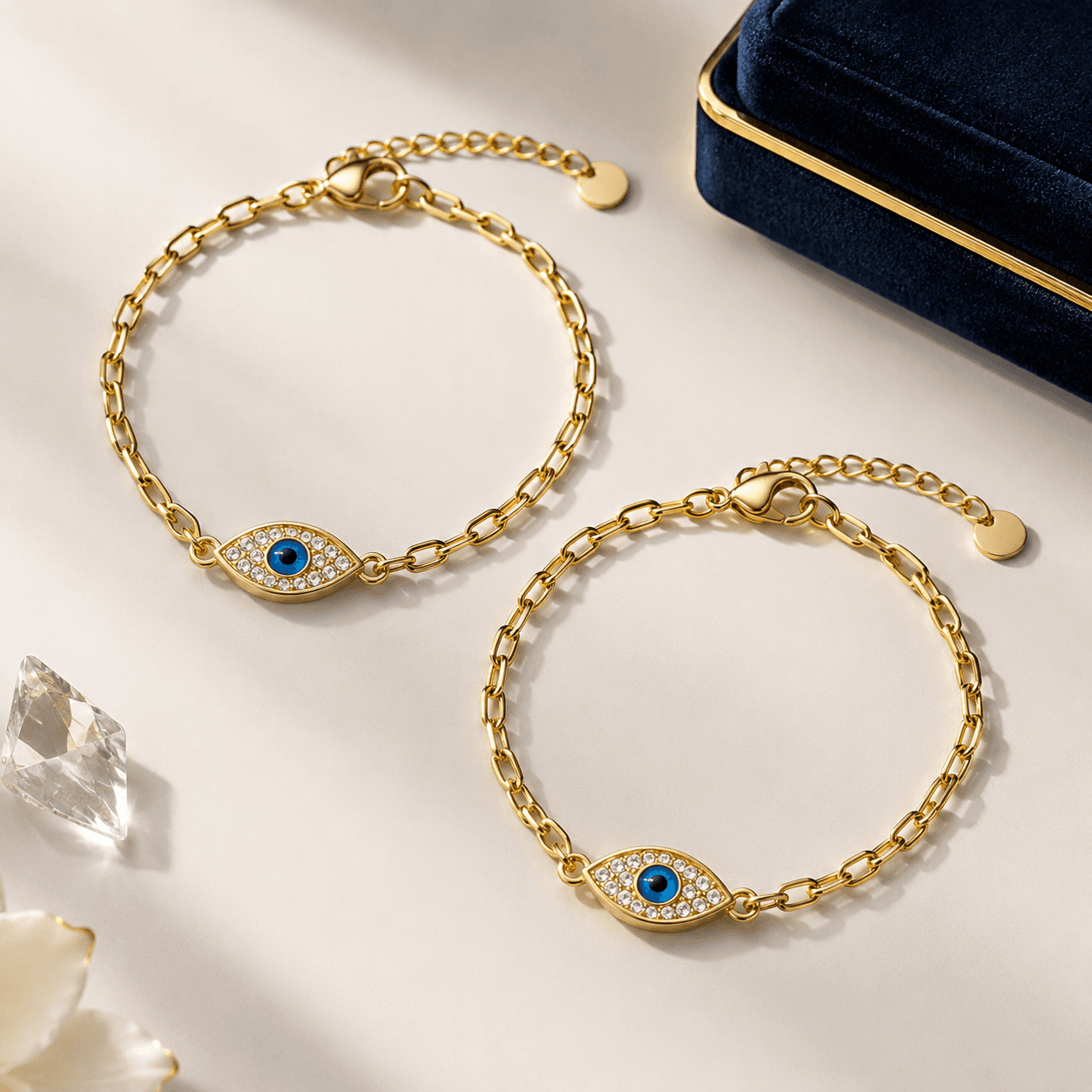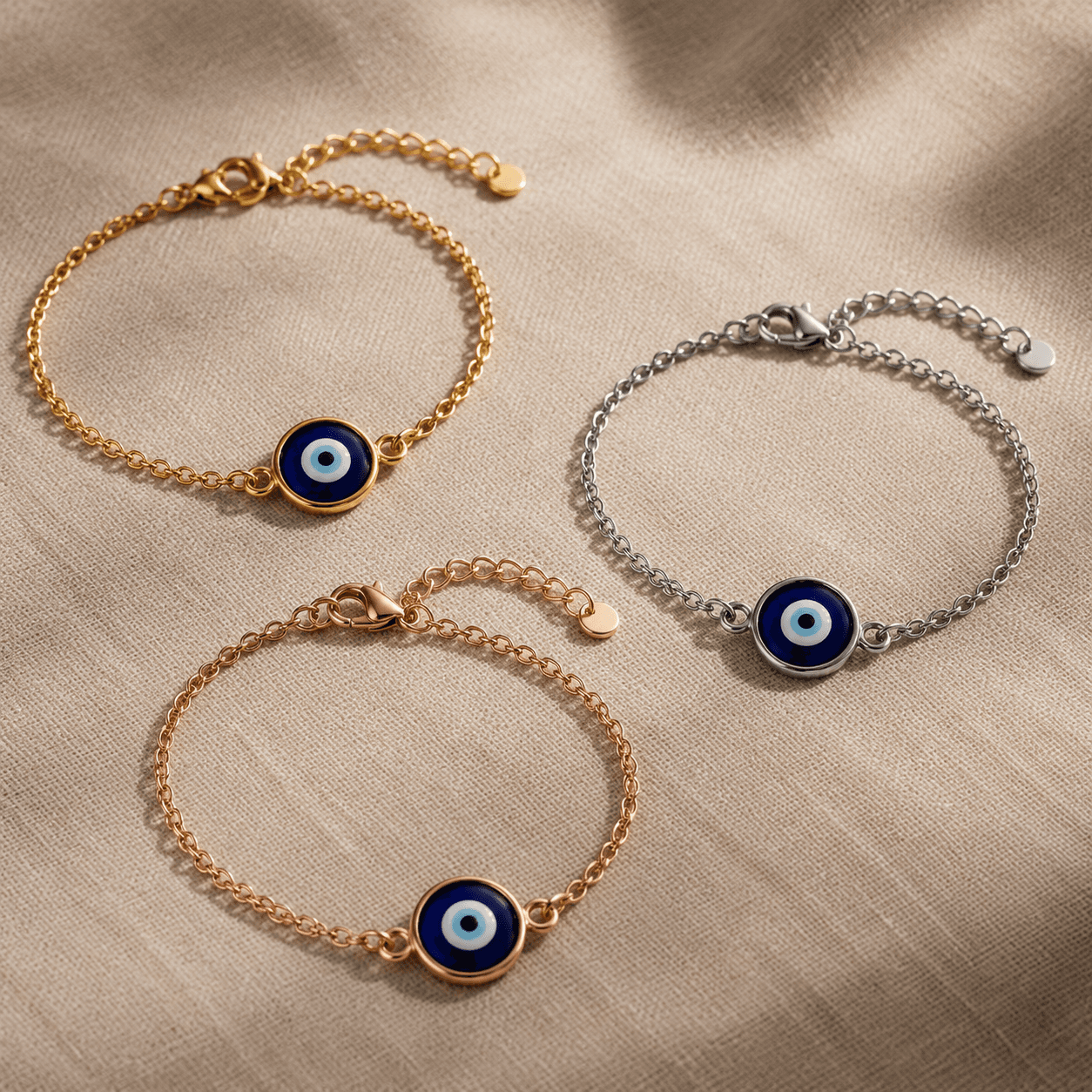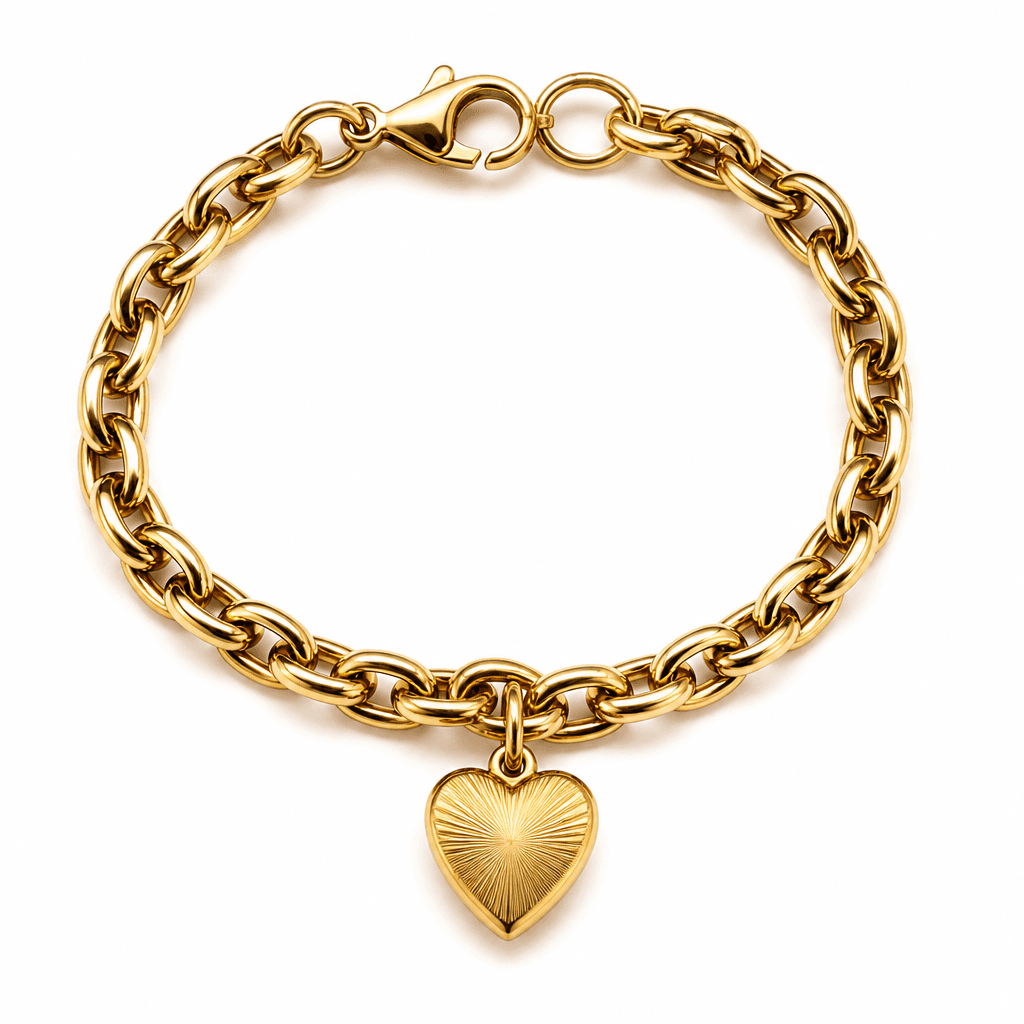
Charm programs move fast—yet compliance and durability can’t be “assumed.” When you source 316L stainless steel charms for charm bar accessories and gift offerings, your procurement team needs documentation that survives real audits: RoHS, REACH, third-party test reports (such as SGS), nickel release safety evaluation, and finish durability proof.
Stainless steel charm bracelet quality checklist (RoHS, REACH & testing)
Use the checklist below to standardize vendor vetting for a stainless steel charm bracelet style supply chain—without ambiguity. While charm “bracelet” language is common, this guide is for the charm components themselves: material verification, plating/finishing compliance, and safety & durability testing evidence.
Actionable procurement checklist (tick each item)
Why compliance and durability matter for buyers
Reduce audit risk and protect brand reputation
For global buyers, the operational problem isn’t just whether a charm “looks good.” It’s whether the evidence you hold stands up across markets and regulatory expectations. Procurement teams typically face:
- Customer audits and receiving checks: proof that the charm material and finishing systems meet safety criteria.
- Regulatory questionnaires: RoHS and REACH compliance are often mandatory fields for EU and UK procurement workflows, and commonly requested elsewhere.
- Consumer safety considerations: nickel release testing is frequently used as a risk-control metric for skin-contact products.
- Durability performance questions: salt spray and corrosion-resistance indicators help anticipate discoloration or coating breakdown during distribution and use.
Evidence-based manufacturing quality (what to look for)
Lancy Jewelry operates as a B2B 316L stainless steel charms OEM/ODM partner. The goal is to support procurement teams with test-ready documentation and consistent process controls. In our compliance approach, key third-party and internal quality anchors include:
- SGS-certified test coverage for relevant compliance categories, including RoHS and REACH.
- Nickel release evaluation referencing EN1811 safety requirements for risk management.
- Salt spray 240H durability indicators to support finish longevity expectations.
This evidence approach is designed for vendor vetting workflows: questionnaires, annual compliance renewals, and CAPA (corrective and preventive action) cycles after receiving issues.
Detailed guide: how to vet a charm supplier for RoHS, REACH, SGS, and nickel release
Step 1: Lock the technical scope before you request paperwork
Start with scope, because compliance documents are only useful when they match your exact product configuration. Clarify:
- Charm base material is 316L stainless steel across the product line.
- Finish system: PVD gold plating, silver finish, rose gold plating, enamel filling, and crystal inlay configurations (as applicable to the SKU).
- Any added decorative elements that could affect testing scope (enamel regions, inlay fixation, or plating coverage areas).
Procurement teams often reduce back-and-forth by using a single “compliance scope sheet” for each SKU family.
Step 2: Request compliance reports by test category (not by marketing claim)
When you submit an RFQ or start an OEM/ODM discussion, request documents mapped to compliance categories. A practical request package should include:
- RoHS report (covered substances and test method alignment).
- REACH report (substance declaration approach and scope).
- SGS test reports or equivalent third-party evidence for the categories you require.
- Nickel release results referencing EN1811 (or your internal standard mapping requirements).
- Durability testing evidence such as salt spray 240H to validate corrosion resistance for the finish system.
If you run audits, specify that documents should identify the tested product configuration—finish type and application context—so your compliance file is defensible.
Step 3: Validate manufacturing consistency for finish performance
Durability and safety outcomes rely on process control. In your supplier evaluation, ask about controls tied to the charm’s surface systems:
- PVD plating consistency (thickness targets, adhesion controls, surface preparation practices).
- Enamel color filling process stability (coverage uniformity, curing control, and defect handling).
- Crystal inlay retention strategy (how seating and finishing protect against loosening and edge failures).
Factory-direct suppliers can typically provide clearer process narratives than brokers, because the production steps are owned end-to-end.
Step 4: Use sample development to de-risk documentation and finish performance
Compliance and durability should be validated early through sample development. Align your sample stage with your checklist: confirm the finish looks correct, feels smooth at contact zones, and matches the documentation scope. For procurement teams, this means:
- Approve samples against your defect definitions and acceptance thresholds.
- Request that the sample package includes the compliance evidence relevant to the selected SKU finish configuration.
- Document outcomes internally so the production order is a “repeatable approval,” not a one-off.
Where your business model requires flexibility, look for low friction ordering: some buyers rely on MOQ-friendly production planning to test new series while keeping compliance documentation aligned from the first shipment.
Step 5: Prepare for ongoing audits with traceability and change control
Even if the initial test results are strong, audits will often look for change control. Ensure the supplier supports:
- Lot traceability (base material batch and finishing batch linkage).
- Document update policy when finish parameters change or when new SKU variants are introduced.
- Audit responsiveness with fast turnaround for updated paperwork for wholesale and private-label orders.
Procurement teams benefit from a “revision log” approach: what changed, when it changed, and which tests (if any) need renewal for your compliance file.
FAQ: RoHS, REACH & testing for stainless steel charm components
1) Do RoHS and REACH documents need to match each charm finish (PVD, enamel, crystal inlay)?
Yes. For defensible vendor vetting, the compliance scope should match the actual configuration you plan to distribute. Ask for documents tied to the tested product scope (base material and finishing system) rather than generic certificates.
2) Why is nickel release testing important for procurement teams?
Nickel release data supports safety risk control for skin-contact products. Procurement teams use the results (for example, referenced to EN1811) to manage customer requirements and reduce risk during audits.
3) What durability tests should we expect for plated and finished charms?
Many buyers request finish durability evidence such as salt spray 240H to support corrosion resistance expectations for the selected finish system. Confirm the tested configuration aligns with your SKU.
4) How do OEM/ODM suppliers reduce compliance uncertainty for wholesale or private label orders?
Suppliers who offer structured OEM/ODM development typically support sample development with a documented compliance package, then carry forward traceability and change-control discipline into bulk charm orders.
Partner with a compliance-ready 316L stainless steel charms manufacturer
If your procurement team needs a practical, test-ready approach for stainless steel charms manufacturer sourcing, Lancy Jewelry is set up for B2B OEM/ODM production of 316L stainless steel charms with finish options including PVD plating, enamel, and crystal inlay.
To move from RFQ to documented approval faster, request a quote and align your compliance checklist with our sample development process. We support private-label packaging and consistent production planning for bulk charm orders.
Next step: OEM Service for custom development or Request a Quote to start your compliance-aligned sample plan. For general sourcing questions, visit Contact.
Note: This guide is for procurement and vendor vetting. Always verify document scope against your internal audit requirements and destination market expectations.