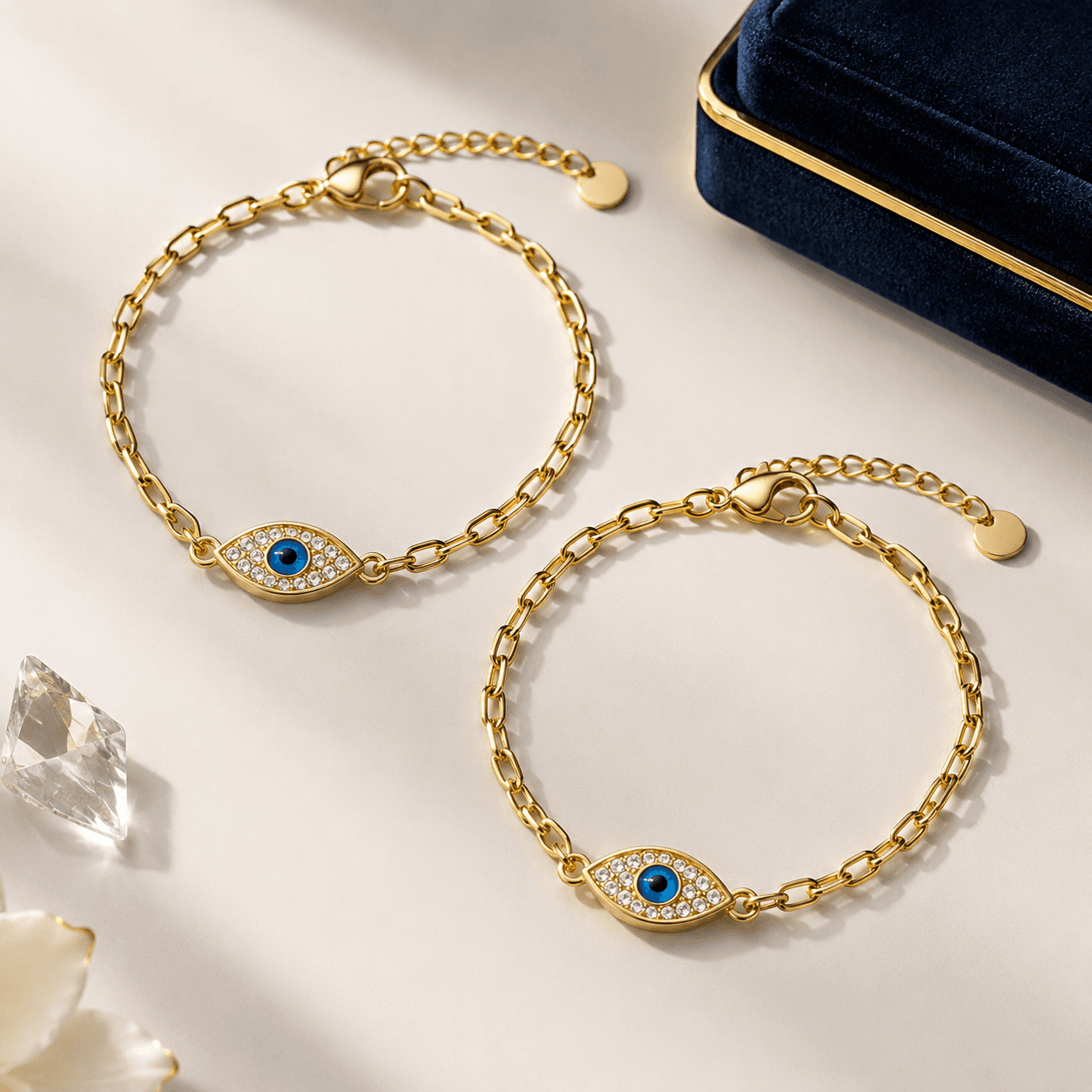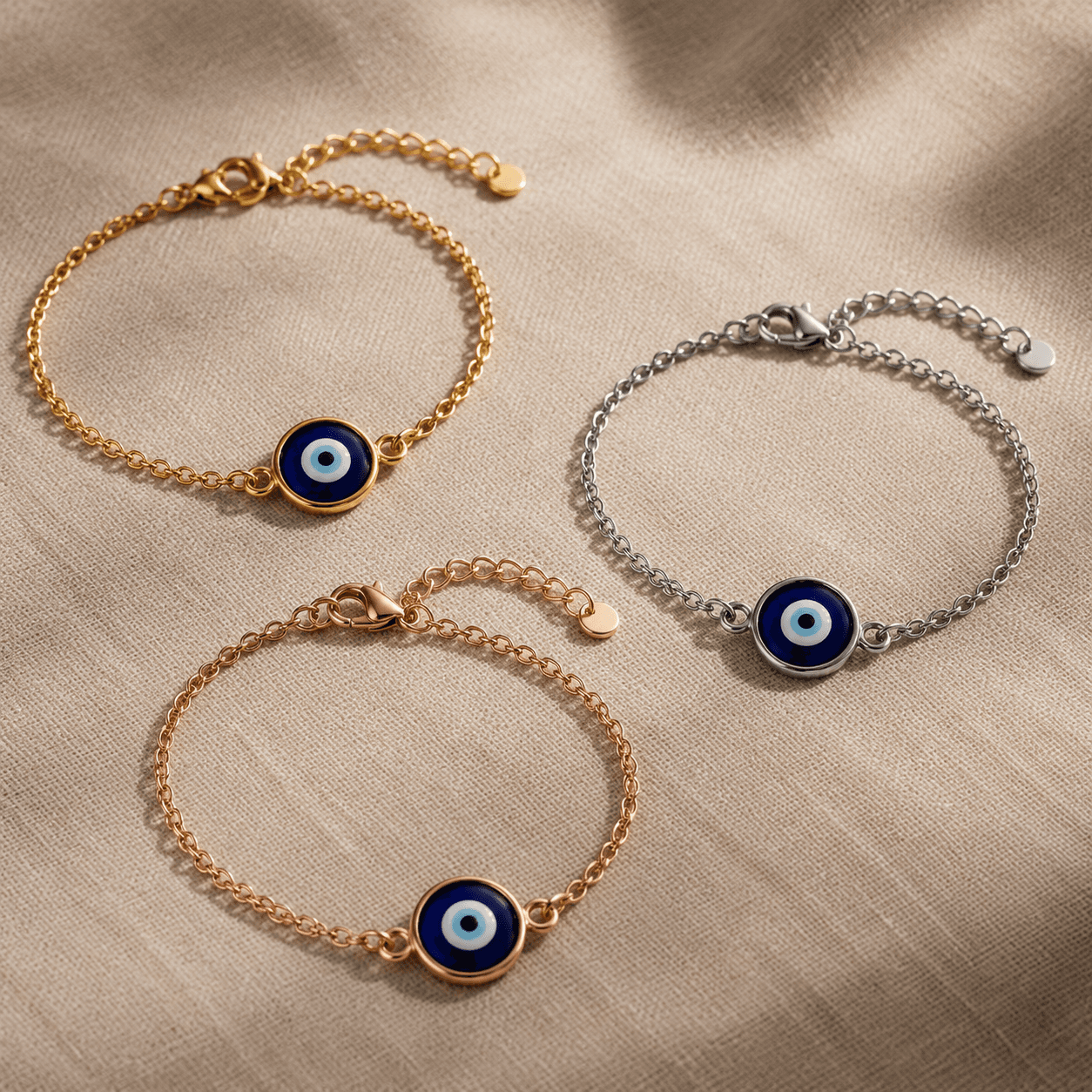
When procurement teams approve a stainless steel charms manufacturer, the decision can’t rely on finish visuals alone. For wholesale programs across the US, EU, UK, AU, CA, DE, FR, SP, NE, and RU, compliance documentation and measurable safety testing determine whether shipments pass audits, retailer requirements, and regulatory scrutiny.
Custom stainless steel charms wholesale quality checklist (RoHS & REACH)
This checklist is built for vendor vetting and audit readiness. Use it to evaluate OEM/ODM suppliers of 316L stainless steel charms—including plated, enamel, and crystal inlay programs—while specifically verifying RoHS and REACH alignment, nickel-release safety, and lab evidence you can file for bulk charm orders.
Quick scope confirmation (before you request documents)
- ☐ Confirm base material policy: only 316L stainless steel charms are in-scope for the product program.
- ☐ Confirm coating scope: PVD (gold plated / rose gold plating) and whether the compliance pack must include coating-specific statements.
- ☐ Confirm decorative scope: enamel color filling and crystal inlay (and whether those components require separate compliance evidence).
- ☐ Confirm testing jurisdiction needs: cross-market compliance expectations for EU/UK/US-facing procurement workflows.
Document request checklist (what procurement should collect)
- ☐ RoHS technical evidence: supplier statement and test report referencing restricted substances methodology.
- ☐ REACH compliance evidence: supplier declaration and relevant statement on SVHC handling for materials used in the charm and finishing process.
- ☐ Nickel release testing evidence: verify testing aligned to Nickel Release EN1811 requirements (include report number, test date, and testing lab where applicable).
- ☐ SGS (third-party) lab reports where available: ensure at least one compliance package is backed by SGS test documentation.
- ☐ Corrosion/salt spray evidence: confirm availability of performance testing such as Salt Spray 240H (especially critical for plated and colored finishes).
- ☐ Product specification sheet: dimensions, material grade declaration, plating finish description, enamel formulation notes (as allowed), and finishing process summary.
- ☐ Traceability support: request how you can link a production lot to the documented testing basis (batch records, date ranges, and material lots).
Acceptance criteria checklist (how you verify “it meets”)
- ☐ Consistent plating quality: verify the plating layer process is controlled (adhesion, uniformity, and wear behavior) through documented test outputs or supplier QA summaries.
- ☐ Nickel release risk control: confirm nickel release results sit within accepted limits for the intended contact conditions and target markets.
- ☐ Corrosion resistance: confirm salt spray outcomes support durability expectations for wholesale handling, display time, and customer usage patterns.
- ☐ Finish stability: request evidence that PVD gold plated, silver finish, and rose gold plating programs maintain appearance and integrity under routine stress.
- ☐ Enamel/crystal integrity: verify that enamel color filling and crystal setting remain stable without compromising safety or releasing materials.
Benefits/Why it matters for procurement teams
Reduce audit exposure with verifiable safety data
RoHS and REACH compliance are not “paper-only” topics for wholesale sourcing. Procurement risk drops when your documentation includes the right test categories—especially nickel release evidence (EN1811) and durability indicators (such as Salt Spray 240H). This also strengthens your internal vendor approval process during audits.
Lower returns and brand risk through durability-proofing
For custom stainless steel charms programs that use PVD plating, enamel, and crystal inlay, performance depends on both material discipline and finishing control. When salt spray and release testing are part of your qualification package, you make it easier to predict customer-visible outcomes and reduce rework cycles.
Make global sourcing decisions faster
Cross-market buyers face different inspection rhythms. A standardized evidence pack (RoHS, REACH, SGS reports, nickel-release test results, and corrosion testing references) creates a single procurement workflow that scales across multiple regions. That’s the difference between reactive compliance and proactive vendor vetting.
Detailed analysis guide: how to assess compliance readiness end-to-end
Step 1: Align your product definition to compliance boundaries
- ☐ Confirm the product is a 316L stainless steel charm base, not a mixed or substituted base material.
- ☐ Define which finishes apply: PVD gold plated, silver finish, rose gold plating, enamel, crystal inlay.
- ☐ Specify the intended retail usage context for buyer records (charm bar accessories, gift accessories, decorative accessories).
Step 2: Vet the supplier’s testing position (not just their statements)
- ☐ Verify whether reports reference relevant compliance categories (RoHS, REACH, nickel release, corrosion/durability).
- ☐ Check lab evidence availability: SGS certified reports increase audit credibility because they are third-party test outputs you can reference.
- ☐ Require report identifiers: ask for report numbers, test dates, and what was tested (finish type and configuration).
Step 3: Evaluate how durability testing maps to real-world outcomes
Salt spray testing helps predict long-term surface stability and corrosion resistance for plated finishes. When your supplier provides Salt Spray 240H evidence, you can assess whether the plating and surface system are designed for recurring exposure and handling during wholesale distribution.
- ☐ Ask how the tested configuration matches your final product: same base, same plating type, same enamel/crystal workflow.
- ☐ Confirm any process changes trigger re-testing rules (supplier change-control behavior).
- ☐ Require confirmation that the charm’s mechanical features (like loop hardware integration) do not introduce unverified materials into the safety profile.
Step 4: Confirm nickel-release controls for customer safety
For jewelry-like accessories, nickel-release compliance can be a deciding factor in approval. Procurement should require evidence that nickel release testing aligned to Nickel Release EN1811 has been addressed for the relevant finish system.
- ☐ Confirm the testing basis covers the finish program you’re buying (e.g., PVD plated vs. non-plated variants).
- ☐ Record whether results are based on representative samples or the exact production setup.
- ☐ Ask what the supplier monitors to prevent drift: plating thickness controls, finishing consistency, and QA checks.
Step 5: Validate QA capability and production traceability
Even with strong compliance reports, procurement should ensure operational discipline. A modern production setup supports repeatability and documentation accuracy—especially for bulk programs and rapid sample development cycles.
- ☐ Confirm manufacturing steps: CNC, laser cutting, laser marking, welding, polishing (and how these steps support dimensional and surface consistency).
- ☐ Confirm plating process capability: PVD plating consistency across production runs.
- ☐ Confirm traceability: how the supplier ties your charm specifications to batch production records.
Step 6: Use sample development to lock compliance expectations early
For OEM/ODM programs, compliance is easiest to control when you evaluate the sample configuration before scaling. Use sample development to verify that the final finishing stack matches the compliance pack.
- ☐ Request samples with the same PVD and enamel/crystal setup intended for bulk charm orders.
- ☐ Confirm labeling and packaging expectations for private label charms (pack design support, insert cards, and shipment-ready formats).
- ☐ Document outcomes: capture both visual acceptance and compliance evidence alignment.
FAQ: RoHS & REACH readiness for 316L stainless steel charm wholesale
1) What should we ask for to prove RoHS compliance for stainless steel charms?
Request the RoHS compliance documentation package that includes supplier declarations and supporting test evidence that addresses restricted substances for the actual charm configuration (including PVD finishes and any decorative components where applicable).
2) How do we verify REACH compliance during vendor vetting?
Ask for REACH compliance statements that cover SVHC considerations for the materials and processes used in your charm program. Ensure the evidence aligns with your finish stack and that documentation includes traceable details you can reference during audits.
3) Why is nickel release testing (EN1811) specifically important?
Nickel release testing is a key safety metric for jewelry-like accessories. Procurement should confirm the supplier can provide nickel release evidence aligned to Nickel Release EN1811 for the relevant 316L stainless steel charm finish system, especially for plated programs.
4) What durability proof should procurement prioritize for PVD plated charms?
Prioritize durability outputs such as Salt Spray 240H evidence and ensure it maps to your final configuration (same base material and finish process). This supports durability expectations across global wholesale distribution.
Partner With Us: OEM/ODM 316L stainless steel charm production with compliance-ready documentation
If you’re sourcing custom stainless steel charms for wholesale, you need a supplier that treats compliance as a system—test evidence, traceability, and finish stability—so your procurement teams can pass audits with confidence.
Lancy Jewelry supports OEM/ODM development for boutique brands and private-label buyers with low MOQ charm production, fast sample development, and documentation-backed quality. For RFQ-ready timelines, request a quote and share your product specification, target finish, and compliance documentation requirements.
- Internal reference: learn about OEM capabilities at /oem.
- Start your inquiry via /cart for RFQ and bulk orders.
- Browse current stainless steel charm programs in the catalog at /products.
- For sourcing questions, contact sales at /contact.