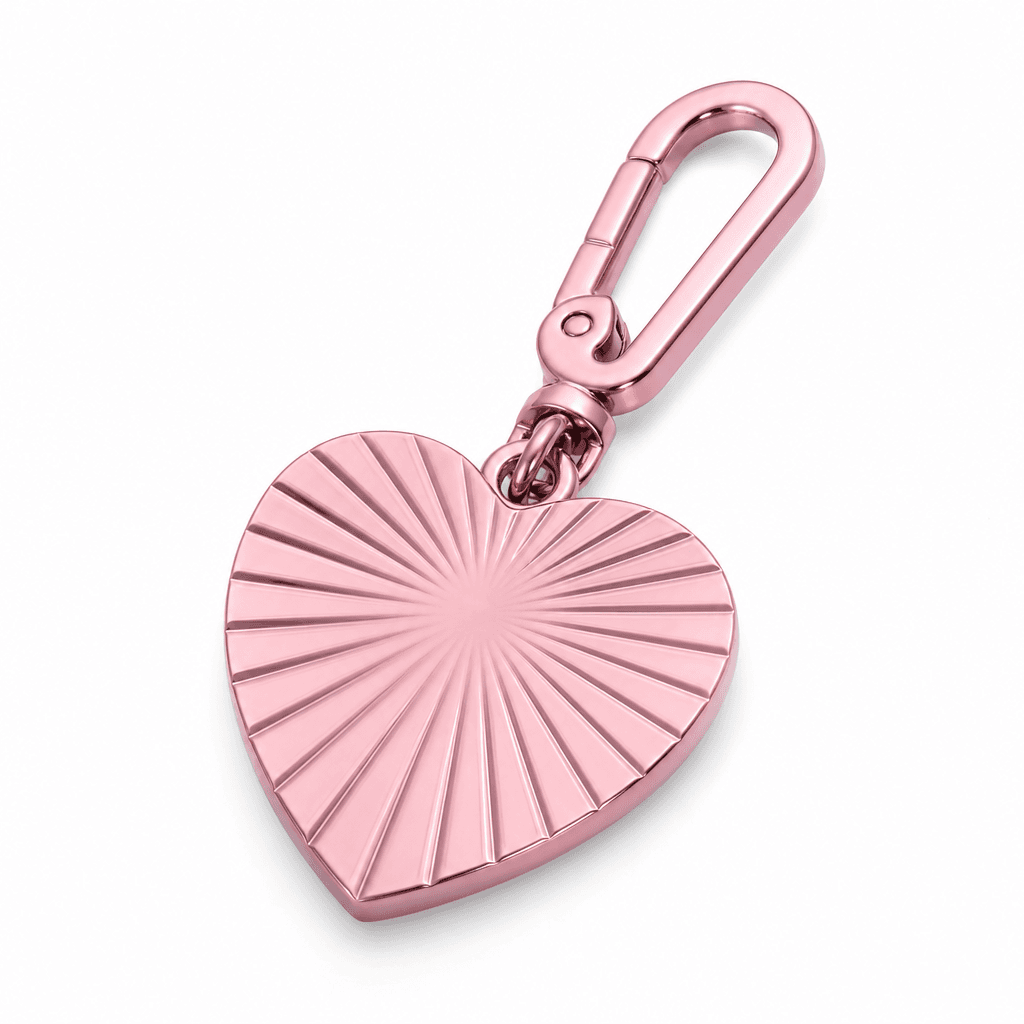
Finishing Stainless Steel Pink Keychain Charm with PVD Plating
For experienced jewelry designers and sourcing managers, achieving a durable, consistently colored pink finish on a 316L stainless steel keychain charm is a blend of material science, process control, and precise color management. This advanced guide dives into finishing strategies that elevate a pink stainless steel charm from concept to boutique-ready production. As a trusted OEM/ODM partner, Lancy Jewelry emphasizes robust PVD rose-gold finishes, electroplating options, and rigorous surface treatments that align with global sourcing requirements and SGS-certified quality benchmarks. This article targets planners and engineers responsible for customization, color accuracy, and scale-able private-label programs. For ongoing partner support, explore our OEM service and RFQ / Request a Quote options, or contact sales to discuss sample development and private-label packaging.
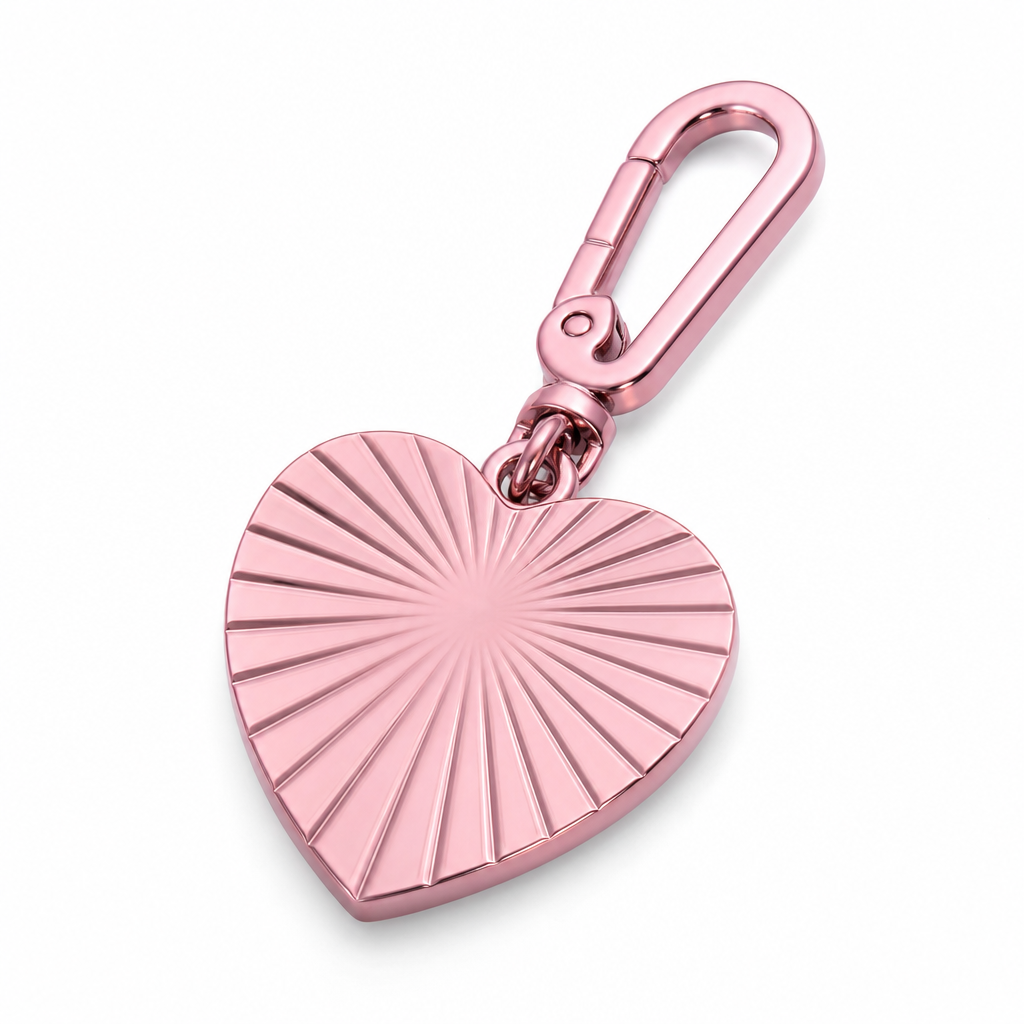
H2 Main Topic: Finishing Techniques for a Pink 316L Stainless Steel Keychain Charm
H3 1. Why 316L stainless steel is the foundation for pink finishes
316L stainless steel remains the industry baseline for premium charm production due to its corrosion resistance, prima facie hardness, and biocompatibility in consumer products. When the goal is a sustained pink appearance, a clean, defect-free substrate is essential. Lancy Jewelry’s factory capabilities—including CNC machining, laser cutting, laser marking, welding, and polishing—enable consistent surface roughness and seam integrity prior to any coating step. The inherent ductility and low carbon content of 316L support high-integrity PVD deposition and uniform color development across complex charm geometries. For designers, this means predictable coating adhesion, minimal edge discoloration, and repeatable results across lots, which is critical for private-label programs and bulk orders.
H3 2. Surface prep and pre-treatment for consistent pink color
Surface preparation is the backbone of color stability. Even minor residual oils, handling oils, or polishing compounds can seed micro-patches that influence coating uniformity. Recommended steps include a rigorous alkaline degrease, precise ultrasonic cleaning, and a controlled acid passivation sequence to form a uniform passive film. Massage through an optional light mechanical polish to control micro-roughness before deposition. A clean, stable substrate reduces pinholes and ensures the rose-gold tint develops evenly across recessed areas, holes, and outer edges. For private-label runs, pre-approved process sheets and verification protocols are essential for sample development and to meet cross-market consistency demands.
H3 3. PVD rose-gold plating: deposition principles and control parameters
Physical Vapor Deposition (PVD) creates a robust rose-gold color that adheres well to 316L stainless steel. Key advantages include high hardness, excellent color stability, and superior wear resistance—crucial for daily-handling items like keychain charms. In practice, target materials and process parameters must be tuned for uniform thickness and color uniformity across the charm’s surfaces. Typical PVD rose-gold finishes for 316L stainless steel charms are controlled in the 0.5–2.0 micron range, balancing color depth with abrasion resistance. Critical controls include: - Substrate temperature management during deposition to minimize internal stresses. - Consistent chamber pressure and deposition rate to avoid color banding on curved or etched surfaces. - Real-time color monitoring and post-deposition annealing to relieve stresses without altering color. - Layer architecture that may include a decorative topcoat to enhance corrosion resistance and maintain brightness. For OEM/ODM collaborations, it is essential to define a formal finish specification (Cpk targets, color coordinates, thickness tolerance) before large-scale production. Lancy Jewelry maintains robust PVD capabilities within a modern facility to support consistent color outcomes across private-label runs, ensuring that each batch reflects the same pink hue that boutiques demand.
H3 4. Electroplating vs PVD: selecting the right pink finish
Electroplating and PVD serve different design and performance goals. Electroplating can deliver lower cost and thicker color layers but may be more susceptible to wear or color migration over time if the base metal is not perfectly passivated or if coatings are compromised. PVD, conversely, offers superior adhesion, hardness, and color stability, making it well-suited for high-rotation items such as keychain charms destined for gift programs and global retailers. For pink finishes, PVD rose-gold is generally preferred where long-term appearance under varied environmental conditions matters most. When a client requires bi-color accents or subtle gradient effects on a single charm, a tailored combination of PVD and selective electroplating can achieve the desired aesthetic while preserving performance. This approach aligns with Lancy Jewelry’s OEM/ODM capabilities, allowing customization of finish strategy to satisfy global buyers and private-label packaging demands.
H3 5. Post-deposition polishing and surface treatment
Post-deposition operations refine the final appearance and tactile feel. Light mechanical polishing or chemico-mechanical polishing can restore gloss without thinning the PVD layer. A controlled passivation step may follow to seal micro-scratches and inhibit surface corrosion at exposed edges. For pink finishes, a final micro-polish helps remove faint rainbow hue or streaking that can occur after deposition, delivering a uniform, boutique-ready surface. If a satin or matte pink look is desired, controlled texturing or a light etch can be implemented prior to the PVD step, with subsequent deposition layers tuned to achieve the chosen texture and color depth. Standard operating procedures must specify acceptable surface roughness (Ra values) and post-treatment curing times to deliver reproducible results for private-label packaging campaigns and wholesale programs.
H3 6. Durability, testing, and certifications
Durability is evaluated through a suite of tests aligned with SGS certifications (RoHS, REACH, Nickel Release EN1811, Salt Spray 240H). A pink PVD finish on 316L stainless steel should exhibit excellent salt spray resistance, low nickel ion migration, and stable color under typical wear. Routine measurements include coating thickness verification (micron-level), adhesion checks (pull-off or scratch tests), and visual inspections under standardized lighting. Lancy Jewelry’s compliance framework ensures coatings maintain color integrity and surface integrity across long-term use, supporting bulk orders and ongoing supply to global markets.
H3 7. Private-label considerations: color consistency and packaging
For private-label programs, establishing a color-midelity protocol across lots is critical. This includes batch-to-batch color matching, consistent post-process cleaning, and standardized packaging to protect the finish during transit. Our private-label packaging options are designed to align with boutique branding while ensuring the pink PVD layer remains pristine from factory to shelf. By defining a clear color standard and packaging specification early in the program, customers can minimize rework and reduce lead times for new releases and seasonal collections. To begin an ODM or OEM collaboration, review our OEM/ODM service offer and initiate a quote to discuss finish options, MOQs, and sample development timelines.
H2: Benefits/Why it matters
H3 Key benefits of a robust pink PVD finish on 316L stainless steel charms
- Superior color stability and wear resistance compared to traditional electroplated pink tones, essential for daily-keychain handling.
- Consistent rose-gold appearance across production lots, supported by color science controls and SGS-certified testing.
- Excellent corrosion resistance and nickel-release control, aligning with RoHS/REACH requirements for global distribution.
- High adhesion and scratch resistance from PVD deposition, improving lifecycle performance for private-label and wholesale programs.
- Factory-direct manufacturing with low MOQ support and streamlined sample development for OEM/ODM customers.
These advantages underpin Lancy Jewelry’s value proposition as a OEM charms manufacturer and ODM charm supplier, enabling boutique brands to scale private-label programs with confidence. Our capabilities support private-label packaging, consistent plating quality, and rapid sample development for new pink finishes across a global market footprint, including the US, EU, UK, AU, CA, DE, FR, ES, NE, and RU. For ongoing partnership, explore our OEM/ODM services and request a formal quote to align on MOQs and production schedules.
H2: Detailed analysis / Step-by-step guide
H3 Step 1: Define finish specification and target attributes
Begin with a clear color target, thickness tolerance, and adhesion requirement. Define the rose-gold hue in CIE L*a*b* coordinates or a master shade reference, plus the acceptable color drift across a range of production temperatures. Document the desired surface texture (gloss level) and whether a satin or high-polish look is required. For OEM projects, create a formal finish spec sheet that includes coating thickness range, adhesion criteria, and salt spray durability expectations. This specification becomes the backbone for sample development and scalable bulk orders arrangements and should be referenced in all supplier communications and purchase orders.
H3 Step 2: Pre-treatment and substrate conditioning
Pre-treatment ensures coating consistency and long-term color stability. Execute precise cleaning and drying cycles, followed by passivation to create a uniform chromium oxide layer that improves PVD adhesion. For intricate charm geometries, consider dedicated jigging or masking strategies to protect edges and decorative details during deposition. Document the jig design and masking materials as part of process controls to enable repeatable outcomes for ongoing supply and potential re-orders.
H3 Step 3: PVD deposition planning and color control
Plan deposition with a multi-parameter matrix: target color depth, decal thickness, substrate temperature, gas composition, and deposition time. Implement inline color metrology and post-deposition color stabilization steps to prevent subtle hue shifts between shifts or between machines. If gradient or bi-color accents are required, specify a precise sequence of PVD passes and masking strategies to realize color zoning without compromising adhesion or finish uniformity. For partners, this translates into robust material control and predictable time-to-market for new private-label releases.
H3 Step 4: Post-deposition finishing and surface conditioning
Depending on the desired final finish, perform post-deposition polishing to achieve the target gloss or texture. If a matte pink look is preferred, implement a controlled satin pass and optionally apply a protective topcoat to preserve color depth while maintaining tactile feel. Validate that the post-polish step does not erode the PVD layer or abrade edges. Include a standardized curing/air-drying window to stabilize the coating before packaging and dispatch.
H3 Step 5: QC, testing, and batch release
Adopt a batch-release protocol that includes coating-thickness verification, adhesion testing, and salt-spray durability checks in line with SGS certifications (RoHS, REACH, Nickel Release EN1811, Salt Spray 240H). Establish acceptance criteria and implement a deviation log for non-conforming units. This level of rigor is essential for global distribution and helps sustain trust with boutique brands, gift companies, and distributors who rely on predictable, ready-to-market products from a single supplier.
H3 Step 6: Private-label packaging readiness and supply-chain alignment
Coordinate packaging design, label placement, and tracking to support private-label programs. Consider protective packaging that shields the pink finish from abrasion during transit and display-in-store. Align packaging timelines with manufacturing calendars to reduce lead times for new collections and ensure smooth ramp-ups for bulk charm orders. For ongoing collaborations, maintain open channels with the OEM team, monitor MOQs, and adjust production windows to meet seasonal demand.
H2: FAQ
Q1: What ensures color stability for pink PVD finishes on 316L charms?
A robust PVD process, strict pre-treatment, and controlled deposition parameters guarantee color stability. Additionally, adherence to SGS-certified testing and nickel-release controls minimizes color migration and ensures compliance for global markets. For ongoing programs, partners should request a color master reference and formal acceptance criteria as part of sample development workflows.
Q2: Can Lancy support private-label packaging with pink finishes?
Yes. Lancy Jewelry offers private-label packaging options and turnkey OEM/ODM support, enabling boutique brands to develop private-label lines with consistent finish and packaging across multiple SKUs. This includes color-controlled finishes, packaging design, and coordinated lead times for bulk orders.
Q3: What are typical MOQs for a pink PVD charm program?
MOQs depend on finish complexity, packaging, and labeling requirements. Lancy supports low MOQ options for pilot runs and sample development requests, with scalable production plans for wholesale and bulk orders once the design is validated.
Q4: How do I initiate an ODM/OEM project for pink 316L stainless steel charms?
Start by requesting a formal quote via our RFQ channel, or contact the OEM team to discuss custom designs, finish specs, and packaging. A well-defined scope accelerates development, aligns with cross-market expectations, and reduces iteration cycles for production-ready samples. See our OEM service page and RFQ / Quote flow to begin the process.
H2: Call to action — Partner With Us
Grow your pink stainless steel charm program with a proven 316L stainless steel charms manufacturer that delivers consistent PVD rose-gold finishes, reliable private-label packaging, and versatile OEM/ODM support. Lancy Jewelry combines a modern manufacturing footprint with SGS-certified quality and a client-focused approach to sample development, low MOQ charm production, and scalable bulk orders. If you’re planning a new collection or expanding into global markets, we invite you to explore our capabilities and start a conversation about your design, finish, and packaging requirements. Contact us to discuss a tailored finish specification, production timelines, and the best path to market for your pink-themed keychain charms. Browse 316L stainless steel charms to see current options, or reach out through sales to begin a private-label program today.