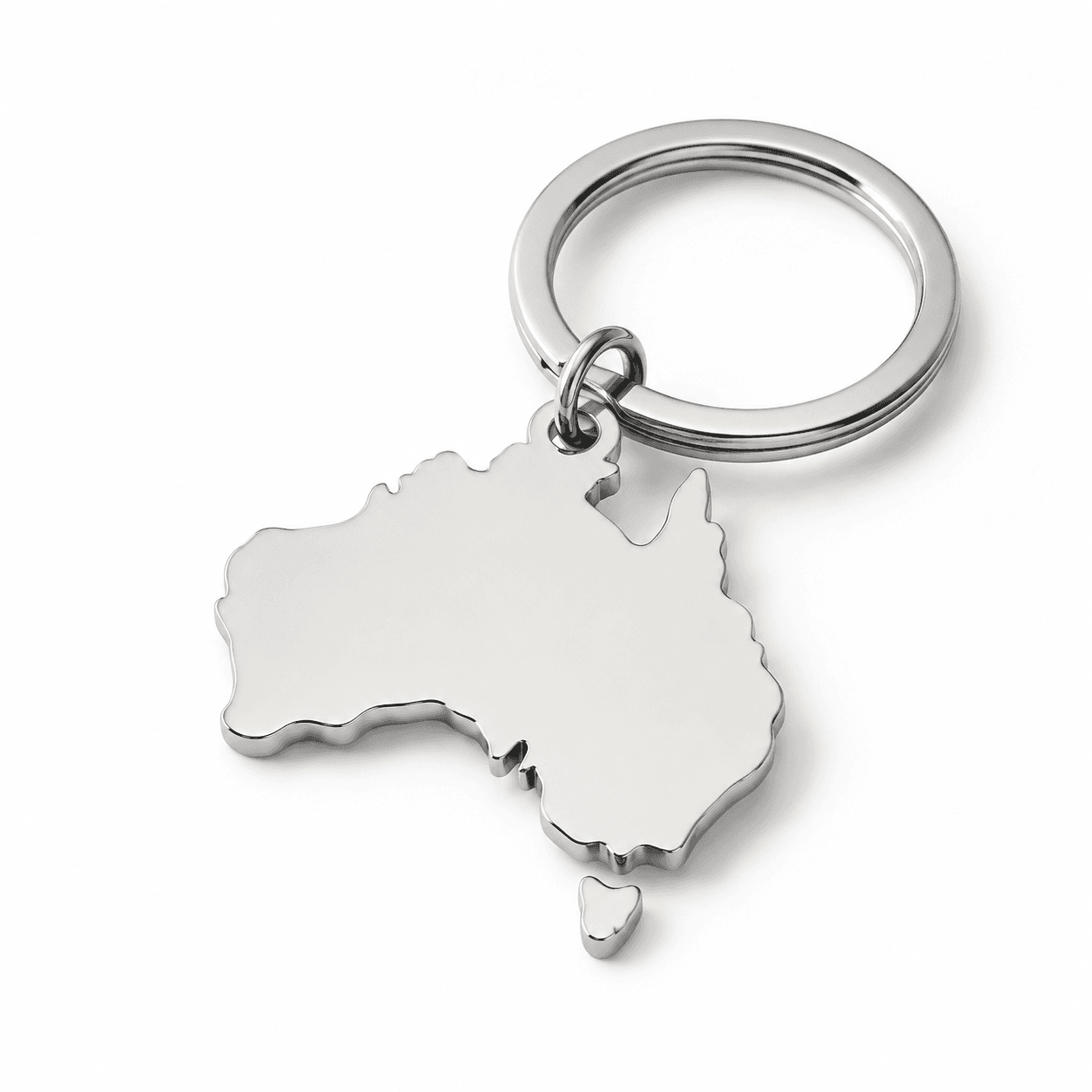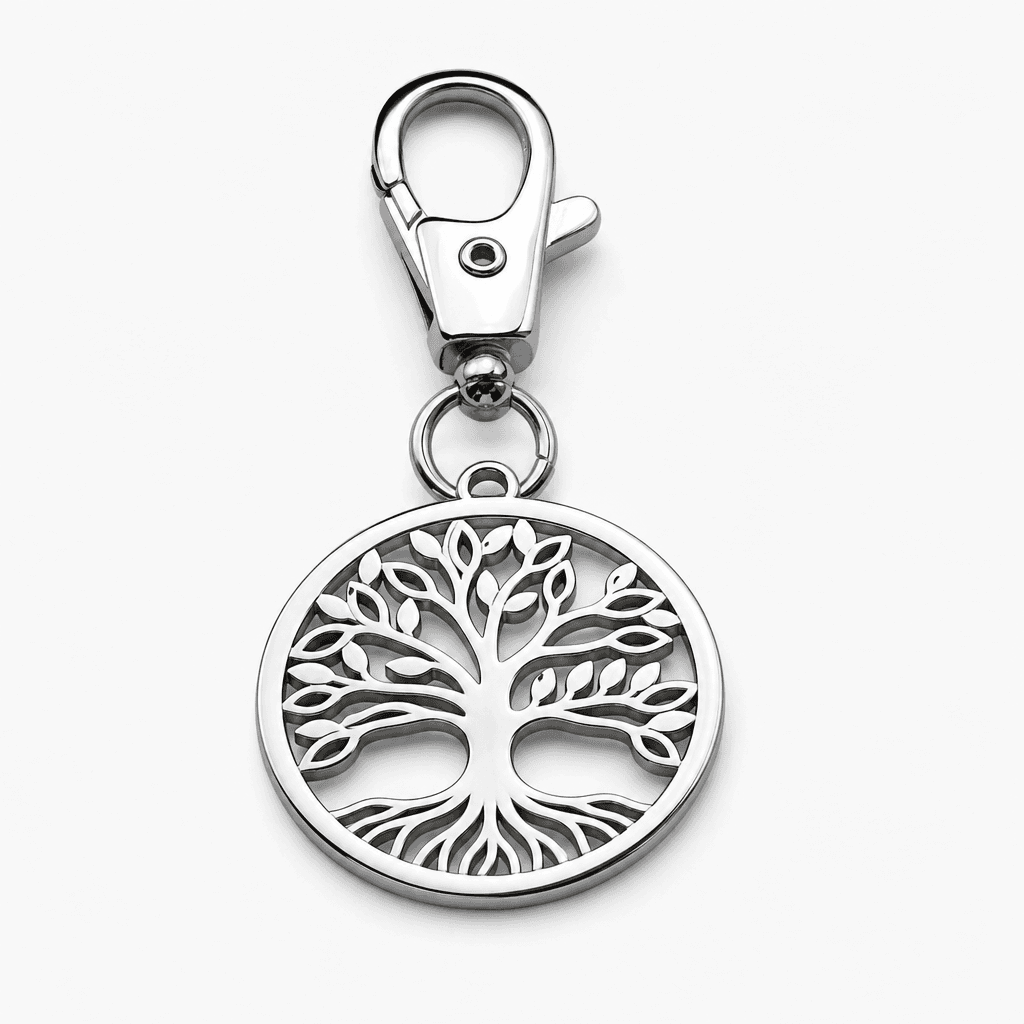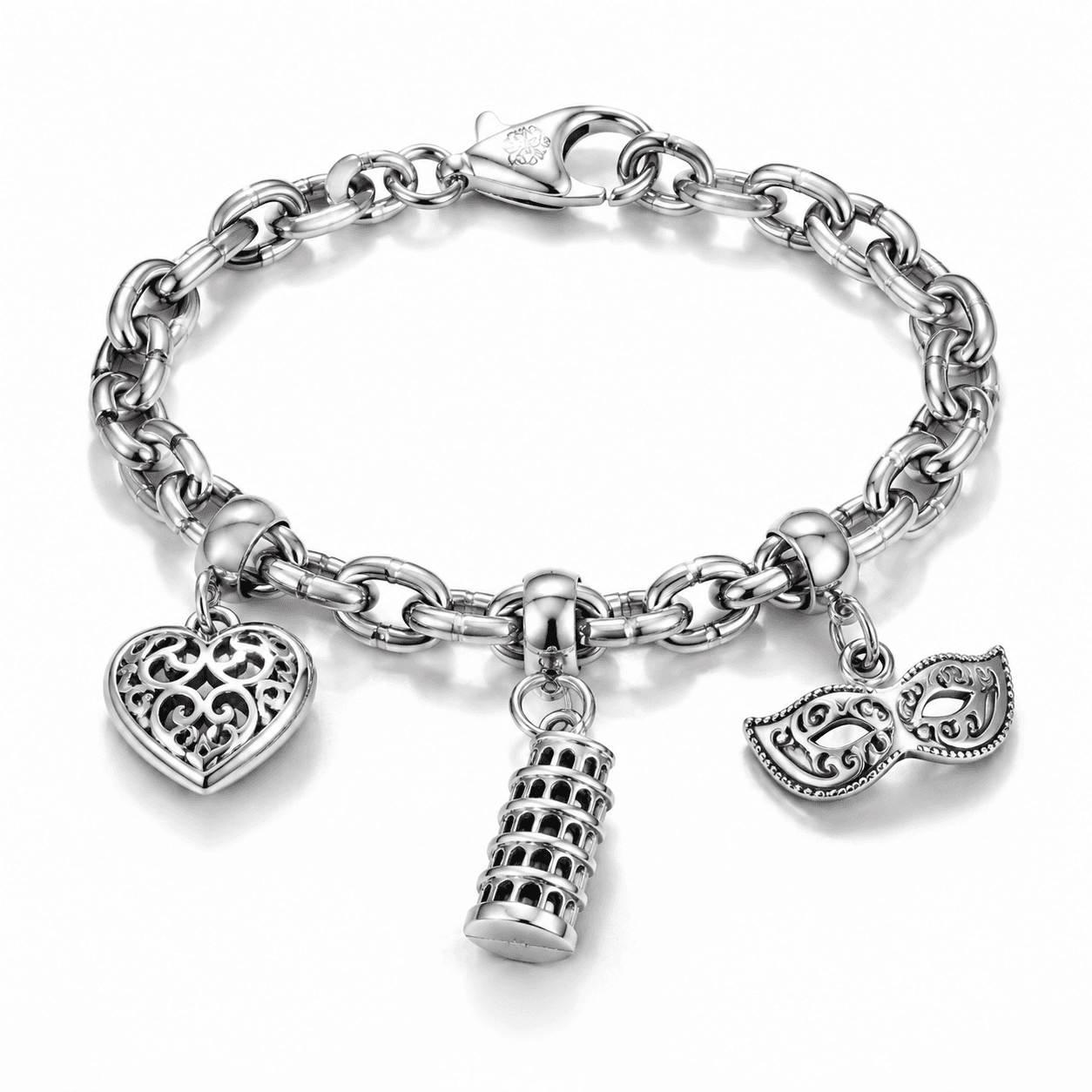
316L Stainless Steel Charms: Materials Science for Wholesale
For wholesale buyers, material integrity matters as much as design. This deep-dive examines 316L stainless steel charms through the lens of materials science, focusing on alloy behavior, corrosion resistance, and additive finishes that drive consistency across large orders. The discussion emphasizes practical implications for bulk production, MOQ negotiations, and reliable supply chains in global markets.
Main topic: stainless steel charm materials and properties
Why 316L stainless steel matters for charms
316L stainless steel is selected for its corrosion resistance, good formability, and compatibility with a variety of finishes. The 316L designation denotes a low-carbon variant of 316 stainless steel, which reduces sensitization risk during welding and heat treatment. The molybdenum content enhances resistance to chlorides and acids, a key advantage for jewelry that may encounter sweat, lotions, and humid environments. For wholesale programs, this baseline durability translates into lower defect rates across large production runs and steadier plating performance over time.
Alloy chemistry and microstructure
In 316L stainless steel, the primary elements are iron with chromium (Cr), nickel (Ni), and molybdenum (Mo). Chromium forms a protective passive film on the surface, while nickel provides toughness and ductility, supporting stable austenitic microstructure at room temperature. Molybdenum further improves corrosion resistance, particularly against chloride-containing environments. The low carbon content in 316L minimizes carbide precipitation during welding, which helps maintain toughness and reduces grain boundary weaknesses that could otherwise affect filler metals and coatings during subsequent processing like PVD plating or enamel filling.
Implications for plating and finishes
Surface finishes rely on a robust base that accepts adhesion of coatings such as PVD gold plating, rose gold plating, enamel, and crystal inlay. A stable passive layer on 316L is essential for uniform plating thickness and consistent color throughout high-volume orders. Proper surface preparation—cleaning, pickling, and passivation—ensures optimal adhesion of decorative finishes while preserving dimensional tolerances that matter for assembly with jump rings, clasps, and chains.
Finish options and compatibility
Finish options include PVD plated stainless steel charms in gold, rose gold, or silver tones, along with enamel color filling and crystal inlay. Enamel adds color without sacrificing base material strength, while crystal inlay requires precise settings and compatible bonding methods. Each finish interacts with base chemistry differently; for wholesale programs, standardizing finish processes reduces variability and helps deliver boutique-ready consistency across large SKU sets.

Production processes and quality assurance
A modern production line for 316L charms typically combines CNC milling, laser cutting, laser marking, welding, and polishing, followed by surface treatments such as passivation and plating. Quality assurance today often includes dimensions checks, finish thickness measurement, adhesion tests, salt spray corrosion tests, and nickel release assessments in line with RoHS and REACH requirements. Certifications like SGS demonstrate compliance with global testing standards, strengthening confidence for wholesale buyers evaluating supplier reliability and ongoing quality control for bulk orders.
Benefits and why it matters for wholesale programs
Key benefits for bulk orders and supplier reliability
- Consistent plating quality across large production runs reduces rework and returns.
- Low MOQ charm production options help new brands test designs without heavy upfront commitments.
- Private-label packaging capabilities streamline go-to-market for boutique brands and gift programs.
- Fast sample development accelerates time-to-market while preserving technical fidelity from design to finished piece.
From a material science perspective, 316L foundation chemistry supports predictable behavior under various processing steps, ensuring that finishes adhere well and maintain color stability after assembly with connectors and packaging. SGS certified processes reinforce supplier credibility, which matters in long-term wholesale partnerships with distributors and private-label buyers.
Detailed analysis and practical guide for decision making
Step 1: Define material spec and tolerances
Start with a clear spec for the base material: 316L stainless steel with a defined carbon content range, minimum chromium and nickel percentages, and molybdenum content that matches your corrosion resistance goals. Tolerances on inner holes for jumps rings, outer silhouette, and fabrication features should be documented to ensure every batch aligns with accessory assembly requirements. Coordinate with the supplier on how tolerances influence downstream processes such as enamel filling and crystal setting.
Step 2: Select finishes and compatibility
Choose finishes based on market needs and durability expectations. PVD plating offers robust color and wear resistance, but applicants should confirm adhesion to 316L and confirm post-plating passivation. Enamel colors require compatible bonding agents and a surface free of micro-defects. Crystals demand precise settings; ensure the base design leaves adequate mechanical engagement for reliable crystal retention over time, especially in high-rotation environments such as charm bars or key rings.
Step 3: Plan finishes in production runs and QC checks
Plan finishes as part of a certified QC plan. Pre-production samples tested for adhesion, corrosion resistance, and color stability help identify potential failure modes. Salt spray tests (240 hours) and nickel release tests are typical checks under SGS guidelines to protect both end customers and brand reputation across regions with strict regulatory scrutiny.
Step 4: Manage sample development and private-label packaging
Sample development is a critical step for private-label buyers and distributors evaluating new shapes or themed series. A structured sample program reduces time-to-market and provides tangible references for marketing assets. Private-label packaging adds another layer of value, supporting brand differentiation and shelf appeal in global markets.
Step 5: Scale with an OEM/ODM partner and plan MOQ strategy
When scaling, engage an OEM charms manufacturer or ODM charm supplier that can translate your designs into repeatable production. Align on MOQ expectations, lead times, and capacity planning to ensure margins stay healthy as order quantities grow. A clear collaboration framework helps sustain consistent plating quality and timely deliveries for wholesale accounts, distributors, and gift programs.
FAQ
What makes 316L stainless steel ideal for charms?
316L combines corrosion resistance, formability, and weldability with a low carbon content that minimizes sensitization. This composition supports reliable plating adhesion and long-lasting finishes suitable for bulk jewelry production.
What is the typical MOQ for OEM/ODM charm production?
MOQ varies by design complexity and finish, but many programs offer low MOQ options to support test orders and private-label launches. It is common to discuss tiered MOQs aligned with lead times and manufacturing capacity to protect margins on wholesale and private-label sales.
How does PVD plating affect durability and color stability?
PVD plating creates hard, dense coatings with excellent wear and color stability. For 316L bases, proper surface preparation and consistency in process parameters are essential to achieve uniform thickness and adhesion across lots, which translates to cleaner finishes for bulk charm orders.
What certifications does your facility carry?
We have SGS certification covering RoHS, REACH, Nickel Release EN1811, and Salt Spray 240H, reinforcing compliance across global markets and supporting wholesale buyers with audit-ready quality claims.
Call to action: Partner With Us
Explore how Lancy Jewelry can support your wholesale strategy with reliable 316L stainless steel charms, OEM/ODM capabilities, and scalable private-label packaging. Start with our OEM/ODM service to initiate custom development, review our catalog through product listings, or request a formal quote via RFQ / Request a Quote. For direct inquiries or ongoing support, contact sales to discuss lead times, MOQs, and private-label programs. Our modern facility, equipped with CNC, laser cutting, laser marking, welding, and polishing, ensures end-to-end control from design to finished charm.