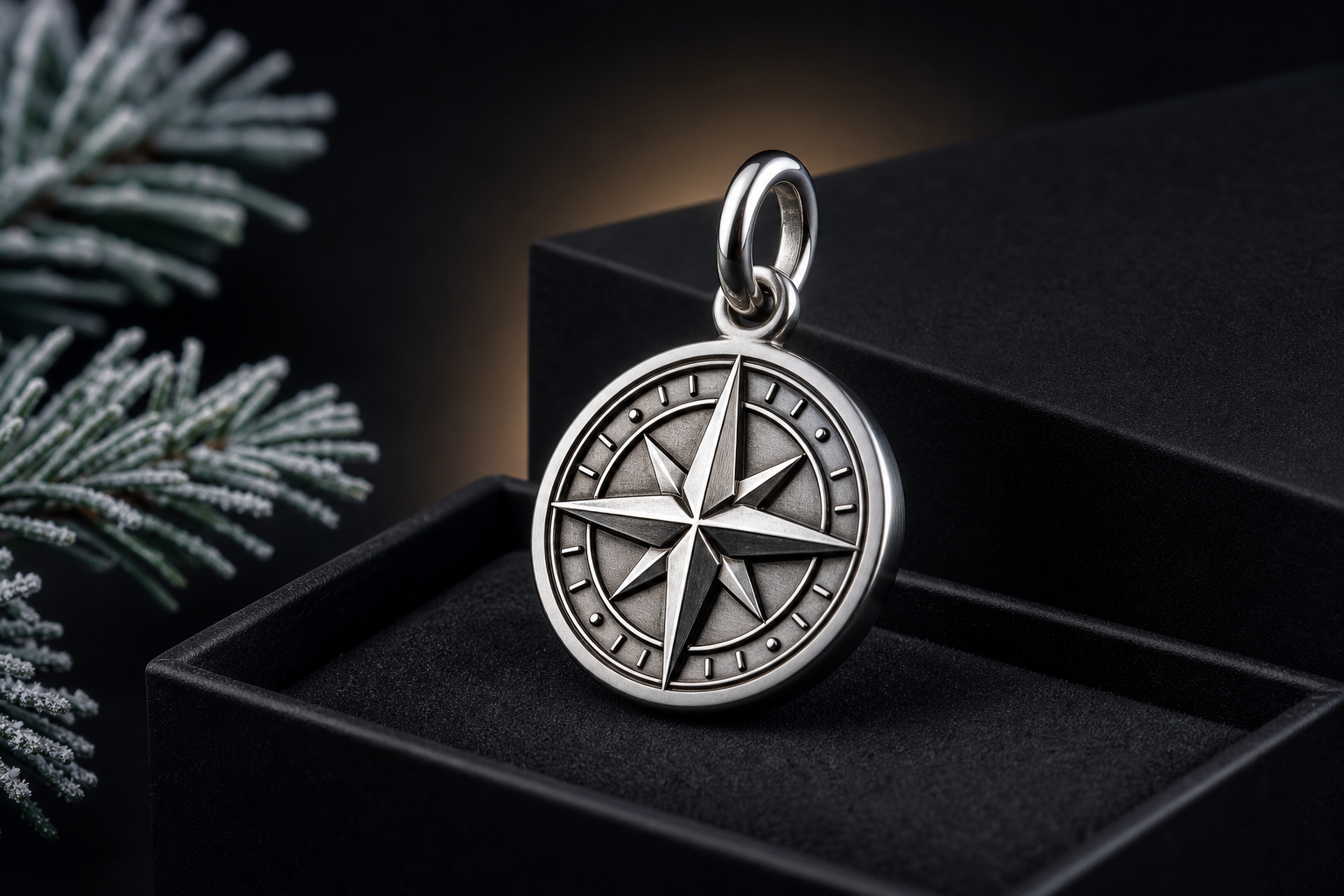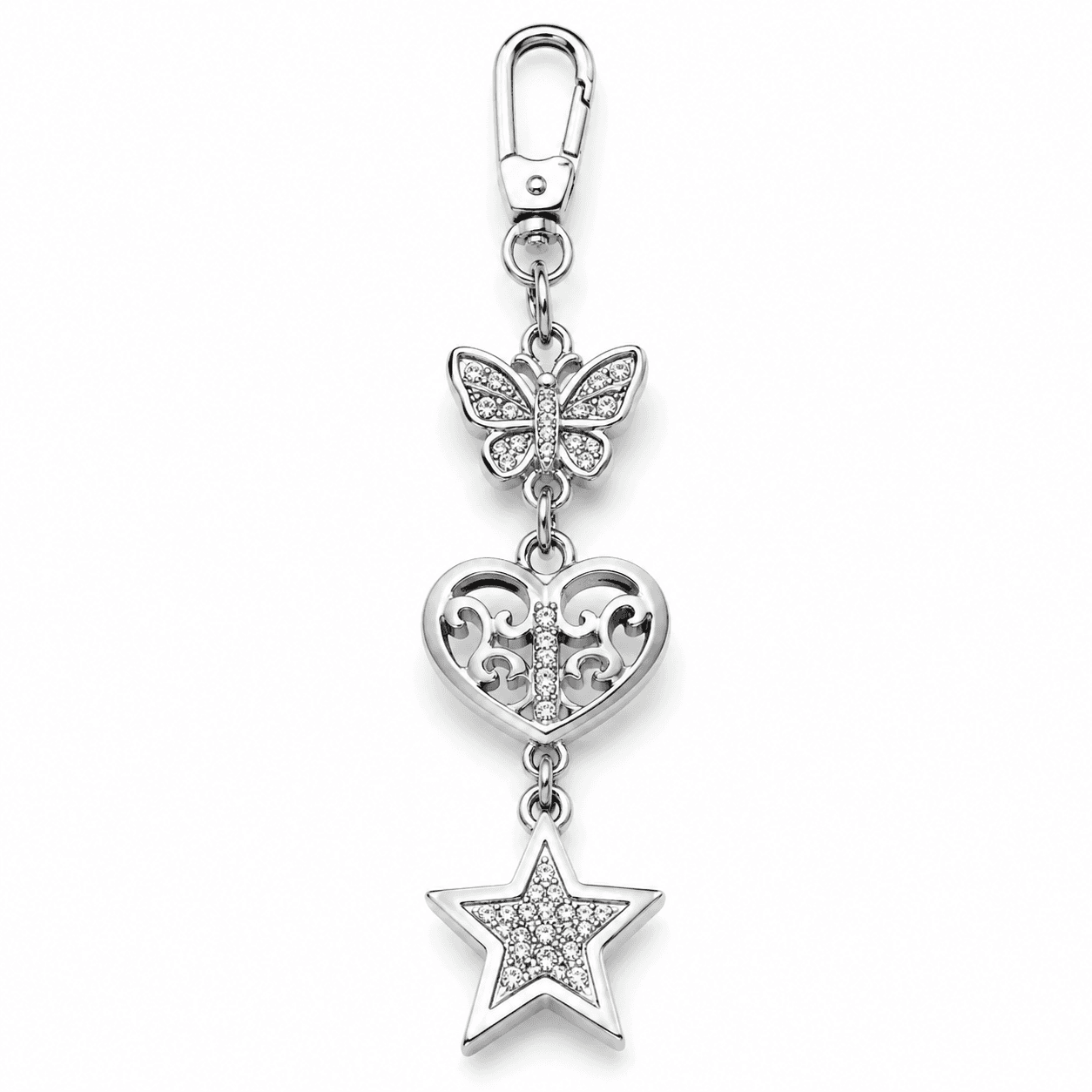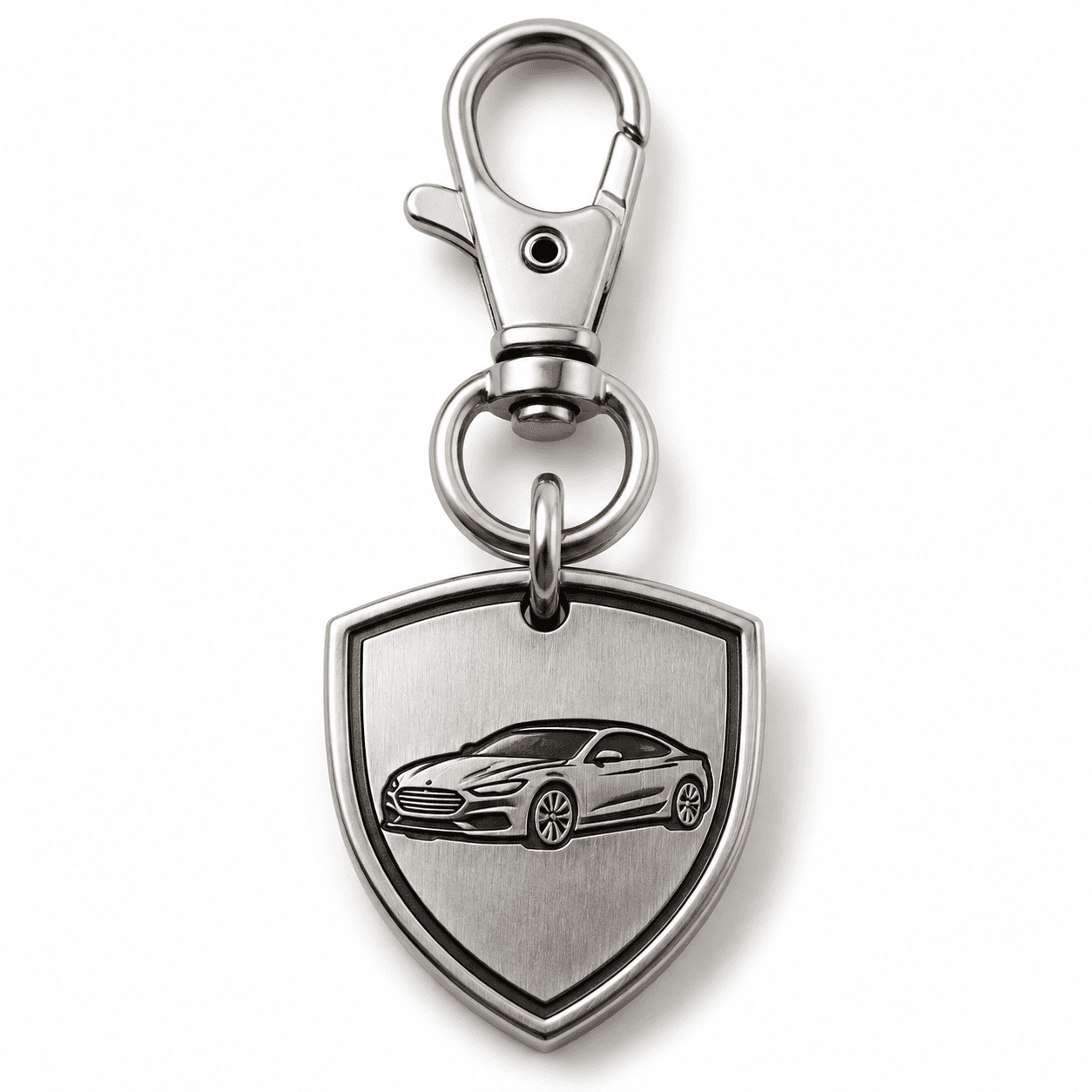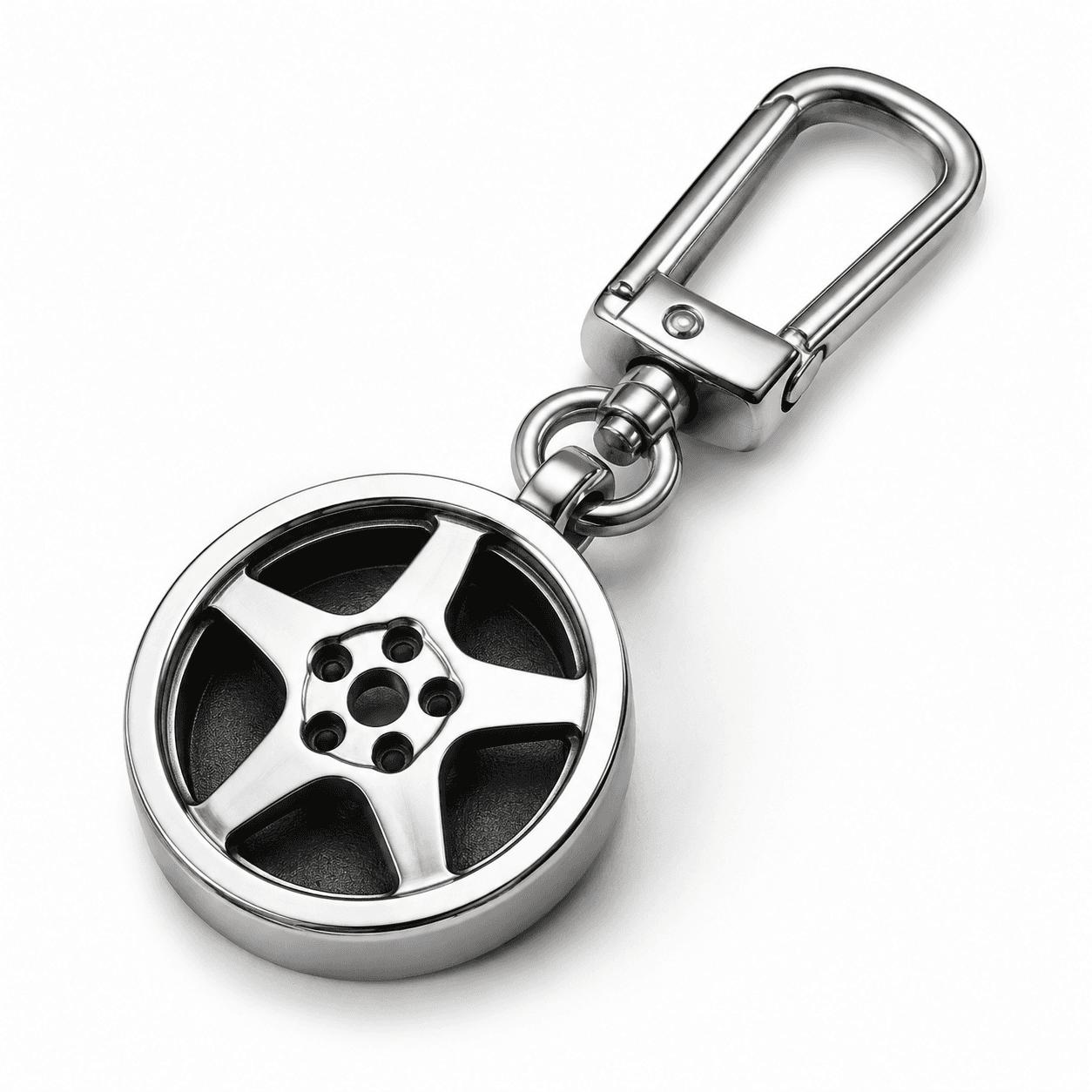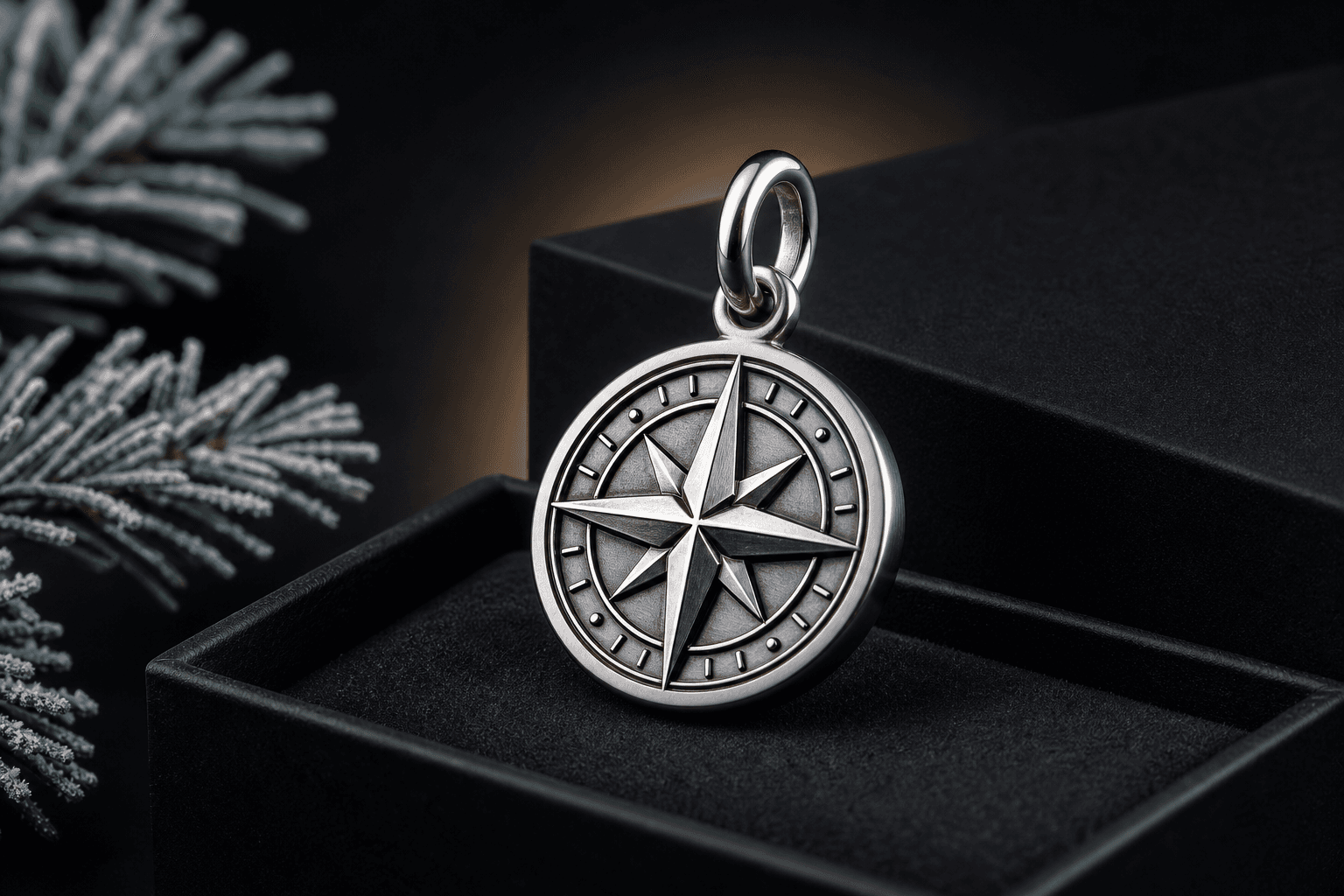
In today’s global supply landscape, boutique brands and private-label buyers need a reliable, scalable source for 316L stainless steel charms designed for keychains. The risk of inconsistent plating, variable material chemistry, or long lead times can derail programs that rely on tight timelines, regulatory compliance, and repeatable quality. This sourcing guide from Lancy Jewelry delivers a practical, step-by-step framework for procurement teams to find, vet, and partner with trusted suppliers of stainless steel charms for keychains—covering material science, documentation, audits, and commercial terms. If you are evaluating partners, consider how a supplier’s technical prowess, process controls, and articulation of OEM/ODM capabilities align with your private-label goals and packaging needs. For additional options and a direct path to collaboration, explore our OEM service and contact channels as you build your vendor shortlist.
H2: Stainless Steel Charms for Keychains: Sourcing Guide
Material fundamentals: 316L stainless steel chemistry and properties
At the core of any sourcing decision for metal charms is the material itself. 316L stainless steel is defined by its corrosion resistance, mechanical strength, and corrosion resistance in a variety of environments. Typical alloy composition for 316L stainless steel includes approximately 16-18% chromium (Cr), 10-14% nickel (Ni), and 2-3% molybdenum (Mo), with the balance iron. The low-carbon modification (the 3L designation) enhances weldability and formability, which is critical for small charm parts that require precise CNC or laser processing, delicate filigree work, and consistent finishing.
- Corrosion resistance: Mo presence improves pitting resistance in chloride-rich environments, which is essential for keychain charms exposed to sweat, moisture, and outdoor use.
- Mechanical properties: The 316L composition supports good strength and ductility, enabling reliable forming operations and durable finished parts.
- Biocompatibility and regulatory alignment: The alloy is widely used in consumer items and medical applications due to its stable chemistry and relatively low allergen potential when properly finished, which is important for global product compliance programs.
For buyers, the practical implication is clear: select suppliers who can provide 316L stainless steel charms with tight tolerances, stable chemistry, and traceable material data. The Lancy Jewelry roadmap emphasizes material controls, batch-level testing, and packaging that preserves surface finish through assembly and shipping. Our SGS-certified facilities operate under RoHS and REACH compliance, with EN1811 nickel-release testing and salt spray exposure (240 hours) to verify long-term performance and safety for end-use environments. This is particularly important for private-label programs seeking consistent plating quality and reliable color retention across enamel fills and PVD finishes.
H3: Material specifications to request from suppliers
- Raw material certificate for 316L stainless steel with chemical analysis (ASTM or EN equivalents).
- Batch traceability documentation linking material lot to finished charms.
- Plating and coating specs (PVD plating, enamel fills, crystal inlays) with thickness tolerances and adhesion criteria.
- Nickel release testing results (EN1811) andRoHS/REACH compliance certificates.
- Salt spray test results (240 hours) for corrosion resistance in typical consumer-use conditions.
In practice, you should assess whether a supplier can deliver PVD plated stainless steel charms with consistent coating thickness and uniform color across lots, and whether enamel or crystal inlays are applied within controlled process windows. Lancy Jewelry maintains a modern facility with CNC, laser cutting, laser marking, welding, and polishing capabilities to support consistent, boutique-ready finishes. This alignment between material science and manufacturing capability is a core advantage in a global supply chain where cross-market performance matters.
H2: Vendor vetting and documentation: what to check
Effective supplier vetting goes beyond a price quote. It requires a thorough review of process controls, laboratory testing, and quality management practices, especially for private-label and OEM/ODM engagements. The goal is to establish a baseline of reliability before committing to long lead times or large MOQ commitments.
Key vetting criteria
- Does the supplier demonstrate CNC, laser cutting, laser marking, welding, polishing, and plating capabilities on 316L stainless steel charms? Can they support custom logo engraving, enamel filling, and crystal setting to your design specifications?
- Are chemical compositions, process routes, and QC checks well-documented and auditable? Is batch-level data traceable from raw material to finished product?
- Do they hold SGS certifications and provide RoHS/REACH compliance, EN1811 nickel-release data, and salt spray test reports? Can they supply current certificates and test reports on demand?
- Production scalability: Do they offer OEM/ODM flexibility, low MOQ options, and private-label packaging capabilities to scale with your program?
- Quality control: What inspection regimes exist (in-process, final inspection, statistical sampling)? Are there documented rejection reasons and corrective action processes?
At Lancy Jewelry, we highlight OEM/ODM capabilities, low MOQ, and robust sample development cycles, ensuring your team can iterate designs quickly while maintaining consistent plating quality and finish. Our facility is SGS-certified, with dedicated processes to support logo engraving, enamel color filling, crystal inlay, and private-label packaging, which helps accelerate vendor qualification and onboarding for global buyers.
H2: Benefits you gain by choosing the right supplier
Why supplier quality and material science matter
- Consistency across runs: Tight control of chemistry and finishing yields uniform appearance, reducing design deviations across batches.
- Regulatory readiness: SGS-certified processes and EN1811 nickel-release data support global compliance for sensitive markets like the US and EU.
- Lifecycle resilience: 316L stainless steel resists corrosion and wear, promoting long service life for keychain charms in varied climates.
- Supply chain clarity: Traceable material data and documented QA enable confident audits and supplier performance reviews.
In addition to technical performance, a supplier with a clear path to private-label packaging, sample development cycles, and bulk charm orders can shorten time-to-market for new product families. Lancy Jewelry emphasizes boutique-ready series planning, consistent plating quality, and private-label packaging—delivering a credible foundation for faster, safer market introductions.
H2: Detailed analysis and step-by-step guide
Step 1 — Define your requirements and success metrics
Begin with a formal requirements document that covers: target finishes (PVD gold, silver finish, rose gold), enamel options, crystal inlays, and surface treatments; mechanical tolerances; bail/jump ring compatibility; packaging and labeling needs; and lead times. Include a preliminary MOQ and a target price range. For 316L stainless steel charms, ensure that all requirements reference 316L as the base material and avoid any non-stainless alternatives in the spec sheet. If your program includes private-label packaging, specify carton dimensions, hang tags, and branding guidelines. This upfront clarity reduces renegotiations and accelerates supplier qualification.
Step 2 — Conduct supplier discovery and initial screening
Use trusted sourcing channels and directly search for stainless steel charms manufacturer and custom stainless steel charms providers. Screen for capability in CNC, laser processes, PVD plating, enamel filling, crystal setting, and private-label packaging. Review their sample development timelines and the ability to provide logo engraving with repeatable fidelity. Early conversations should surface whether OEM/ODM options exist and whether low MOQ charm production is feasible for pilot runs. A capable partner will outline a staged onboarding plan that aligns with your private-label branding and packaging requirements.
In your outreach, emphasize your market needs, expected volumes, and any regulatory constraints that apply to your regions (for example, REACH compliance for EU). This helps suppliers tailor proposals with transparent milestones and clear price-break structures for bulk charm orders.
Step 3 — Technical diligence: chemistry, processes, and tolerances
Request a materials dossier including chemical analysis, process flow diagrams, and finish thickness data for plating and enamel fills. Validate plating processes and ensure the coating thickness meets your aesthetic and durability targets. For color finishes, obtain enamel color specifications, adhesion data, and wear performance metrics. If you anticipate crystal inlays, request impact and retention test data to ensure stones remain secured under typical handling and shipping scenarios.
As a practical check, compare supplier capability claims against outcomes observed in short-run samples. The sample development phase should deliver a tangible path to first article approval, with metrics such as dimensional tolerance (for example, ±0.1–0.2 mm on key dimensions), surface finish grade, and color uniformity across a small lot.
Step 4 — Sample development and validation
Start with a controlled sample batch to verify form, fit, and finish. Validate that the bail or jump ring can pass through intended holes or loops without deformation, and that connectors are robust under typical use conditions. If you require private-label branding, ensure logo engraving is legible at scale and that surface treatments survive packaging and shipping without dulling or chipping. The sample cycle should be integrated with a defined timeline and a clear path to feedback and revision, enabling a rapid iteration loop.
Step 5 — Compliance, testing, and audits
Confirm supplier adherence to RoHS and REACH requirements, and review EN1811 nickel-release data for consumer safety. If audits are part of your procurement policy, schedule a remote or on-site assessment focusing on process control, traceability, and containment of hazardous substances. Salt spray tests (240 hours) for corrosion resistance should be examined for the finishes you plan to use (PVD plating, enamel, crystal inlays). For global markets, document how plating quality and finish uniformity are maintained across batches and across factory floors.
Step 6 — Commercial terms and conditions
Finalize terms that reflect the scale of your project: MOQ, price ladders for bulk orders, lead times, payment terms, warranty, and replacement policies. For projects with private-label packaging or OEM/ODM timelines, ensure contractual clarity on intellectual property protection, logo usage rights, and packaging artwork approvals. In many cases, working with a supplier who can offer low MOQ charm production in initial runs helps de-risk the transition from pilot to full-scale production while still delivering boutique-grade results.
Step 7 — Private-label packaging and go-to-market readiness
Align packaging design with your brand guidelines, including hang tags, blister cards, and retail-ready displays. A supplier who offers private-label packaging can shorten the time to market and ensure that the packaging complements the charm aesthetics. This capability is particularly valuable for boutique brands seeking a seamless product presentation across channels and markets.
Step 8 — Ongoing partner management and continuous improvement
Establish a cadence for performance reviews, defect reporting, and process improvement. Maintain open lines of communication for design changes, new finishes, or expanded product families. A forward-looking supplierrelationship will include product roadmaps, sample development slots for new colorways, and scalable production capacity to support seasonal campaigns or private-label launches.
H2: FAQ
Q1: What makes 316L stainless steel charms suitable for keychains?
A1: 316L stainless steel offers strong corrosion resistance, good formability, and compatibility with various finishing processes (PVD plating, enamel, crystal inlay). For keychains exposed to moisture, sweat, and handling, 316L provides durable performance with stable aesthetics over time. It also supports reliable machining and finishing required for boutique charm programs.
Q2: Do you offer low MOQ charm production and sample development?
A2: Yes. Lancy Jewelry supports low MOQs and a structured sample development workflow to help clients validate designs before committing to larger runs. This enables rapid prototyping, design refinements, and a smoother transition to full-scale production with consistent plating quality.
Q3: What certifications should I expect from a reputable stainless steel charms supplier?
A3: Look for SGS-certified facilities with RoHS, REACH, EN1811 nickel release testing, and salt spray exposure data. These certifications support regulatory compliance across major markets and demonstrate robust quality control and material safety practices.
Q4: How do OEM and ODM options work for private-label programs?
A4: OEM (Original Equipment Manufacturer) and ODM (Original Design Manufacturer) capabilities let you either source standard products with customized branding or collaborate on new designs with co-managed development. A supplier should provide logo engraving, private-label packaging, and a clear path from concept to first article to full-scale production, along with competitive lead times and scalable capacity.
H2: Call to action — partner with Lancy Jewelry
If you are a procurement team seeking a reliable, factory-direct source for 316L stainless steel charms for keychains, consider partnering with Lancy Jewelry. We offer OEM/ODM capabilities, low MOQs, and a structured sample development pathway to accelerate your private-label program while ensuring consistent plating quality and material integrity. Explore our OEM service options or request information through sales contact. For catalog browsing and scalable options, you can also peruse our product solutions and learn how we support wholesale stainless steel charms programs. When you’re ready to move forward, start with a formal RFQ via Request a Quote to receive a detailed proposal built around your private-label branding requirements and lead-time targets.