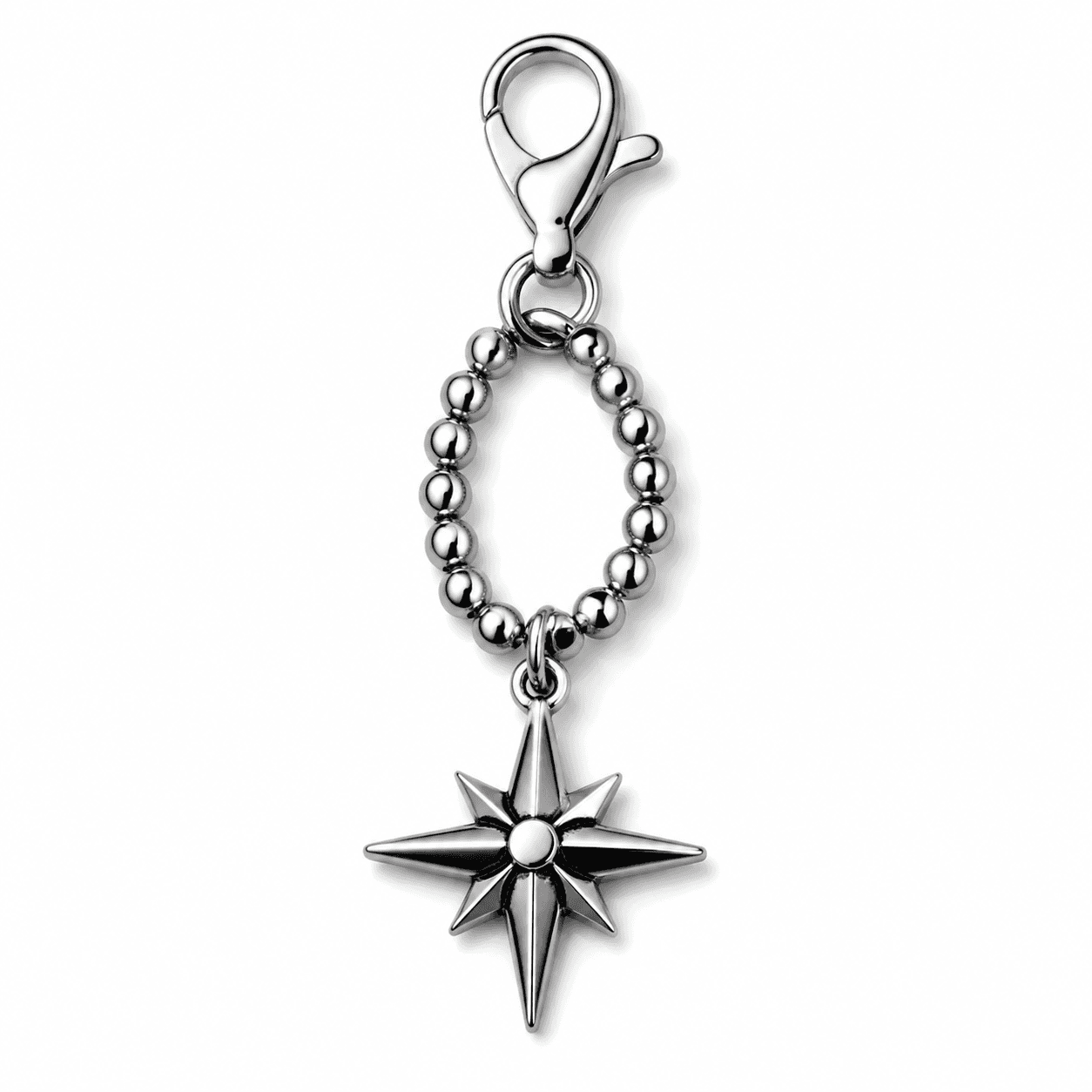
Hook: In a world of global supply chains, choosing a stainless steel charms manufacturer for 316L beaded keychain charms demands more than competitive pricing. It requires a structured vetting process that verifies material integrity, production capability, and reliable documentation across markets. For procurement teams, the goal is clear: minimize risk, accelerate private-label programs, and ensure consistent finishes that meet boutique-brand standards. This deep-dive guide walks you through a practical, step-by-step approach to evaluate suppliers who can deliver 316L stainless steel beaded keychain charms at scale, while aligning with certification requirements and global compliance expectations. Note: Lancy Jewelry operates as an OEM/ODM partner with a modern facility and SGS-certified processes for RoHS, REACH, Nickel Release EN1811, and Salt Spray 240H testing.
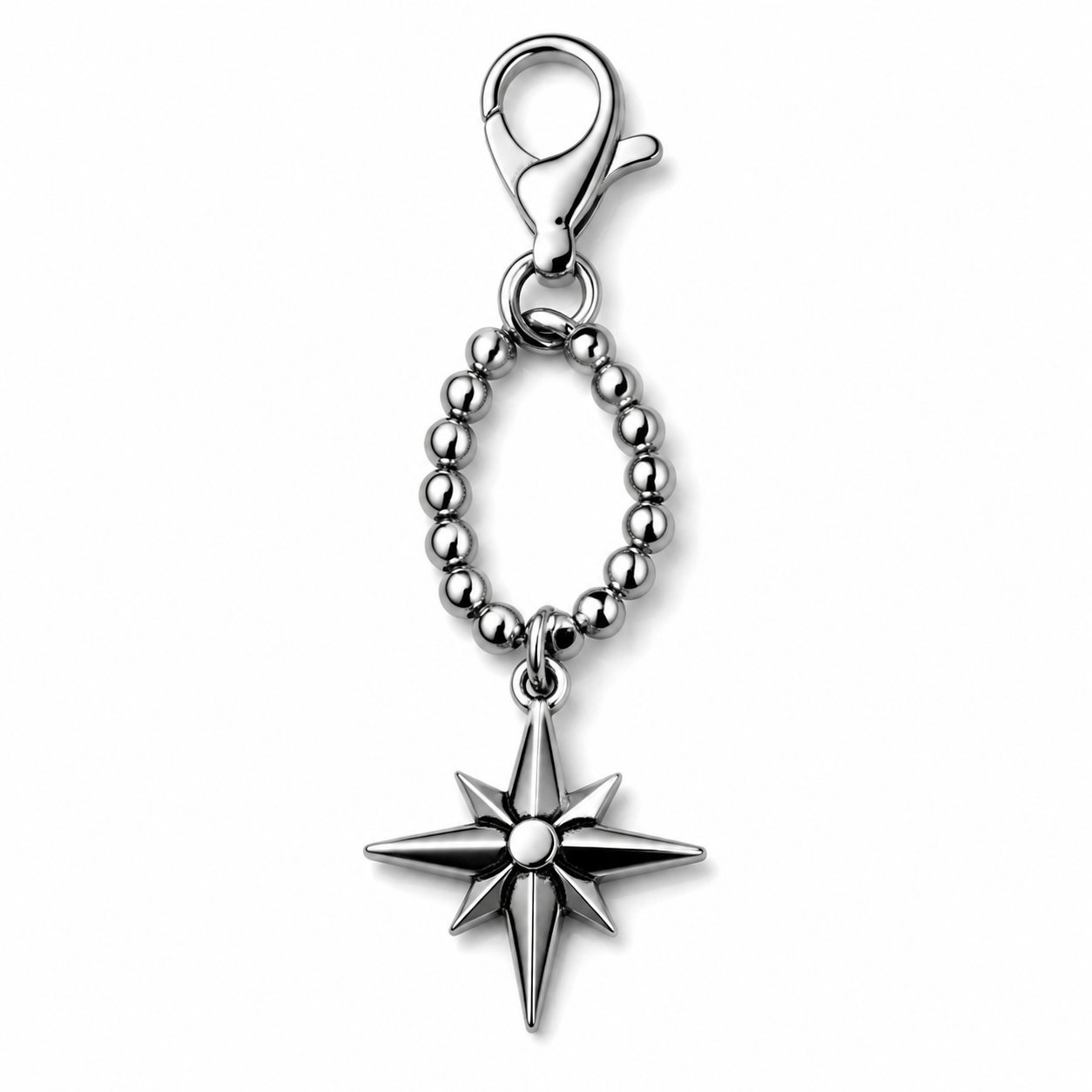
How to Vet Stainless Steel Beaded Keychain Charm Suppliers (316L)
As a sourcing guide for procurement teams, the core objective is to identify suppliers who can reliably produce 316L stainless steel beaded keychain charms that satisfy technical, compliance, and commercial criteria. The emphasis here is on materials science, process capability, and evidence-based vendor evaluation. This section centers on the practical questions you should ask, the documentation you should request, and the audit steps that reduce risk in cross-market programs.
Why 316L stainless steel matters for beaded keychain charms
316L stainless steel is the low-carbon variant of 316 stainless steel, optimized for jewelry-grade applications where corrosion resistance, biocompatibility, and formability are essential. The typical alloy composition includes chromium (Cr), nickel (Ni), and molybdenum (Mo). The presence of Mo enhances pitting resistance in chloride-rich environments, a valuable property for beaded keychain charms that may encounter sweat, humidity, or salt spray in daily use. The low carbon content of 316L reduces carbide precipitation during welding, improving weld integrity in small assemblies and enabling reliable laser marking and engraving without compromising structural performance. For 316L stainless steel, the emphasis is on: - Corrosion resistance and passivation behavior in real-world use - Stable color and plating compatibility with PVD finishes (gold, rose gold, silver) and enamel fills - Consistent microstructure that supports precise engraving, laser marking, and crystal inlay bonding - Traceability and documentation that confirm alloy grade, composition, and compliance with global standards
Vetting criteria at a glance
- Material chemistry and grade verification (316L specificity, minimal ferrite content, low sulfur and phosphorus where applicable).
- Process capability for tiny beaded charms: CNC, laser cutting, laser marking, welding, and polishing with tight tolerances (surface finish, edge relief, and hole integrity).
- Finish consistency: PVD plating thickness, adhesion, wear resistance, and color stability for gold, rose gold, and silver finishes.
- Enamel and crystal inlay capabilities without compromising base material integrity or plating adhesion.
- Private-label packaging and branding support, including SKU-level labeling, packaging inserts, and tamper-evidence features.
- Lead times, MOQ structure, and scalable production capacity for wholesale stainless steel charms and bulk orders.
- Documentation package: material test reports, SGS certifications, and factory audit readiness for cross-market sales.
- Quality management: in-process controls, final inspection criteria, nondestructive testing where applicable, and reject/rework policies.
- Logistics and compliance: factory shipping capabilities, incoterms alignment, and traceability for each lot (COO, batch codes).
Documentation you should request
Document requests are a cornerstone of risk mitigation. A robust supplier should readily provide:
- Material Test Certificate (MTC) or Chemical Composition Report confirming 316L grade, with elemental ranges for Cr, Ni, Mo, C, Mn, Si, and other residuals.
- SGS-certified RoHS and REACH conformity documentation, plus EN1811 Nickel Release test results to demonstrate skin-safety compliance for jewelry components.
- Salt Spray ( corrosion) test results (e.g., 240H) to showcase plating and base metal interaction under accelerated corrosion conditions.
- Plating specification sheets: PVD thickness, color tolerance, adhesion test results, and uniformity across multiple batches.
- Process capability indices (Cp/Cpk) and statistical process control (SPC) data for plating and finishing lines.
- Engraving/marking capability and tolerances when logos or serials are needed on 316L charms.
- Material safety data where applicable, and compliance declarations for EN 1811 nickel release and related regulations.
- Factory capability overview: list of equipment, certification status (SGS, RoHS, REACH), and evidence of modern CNC, laser, welding, and polishing processes.
- Quality agreements and warranty terms, including defect rates, replacement policies, and RMA handling.
- Private-label packaging options, labeling, and carton/SKU-level packaging mockups.
Documentation path for audits and compliance
Audits are not only about compliance; they establish trust for long-term partnerships. A practical approach includes:
- Pre-audit data collection: gather MTCs, test reports, and process capability data before on-site visits.
- On-site verification: observe manufacturing workflow, QC checkpoints, and plating lines. Confirm fade-free color, consistent texture, and grip integrity of finished products.
- Sample audit: compare sample documentation with production lots, including lot traceability for each charm and its components (bails, jump rings, enamels, crystals).
- Post-audit action items: close any gaps, implement corrective actions, and schedule follow-up reviews if necessary.
Benefits/Why it matters
Choosing the right supplier for 316L stainless steel beaded keychain charms has downstream benefits across cost, quality, and time-to-market. The following benefits are especially relevant for procurement teams managing cross-market programs.
Key benefits (with certifications in mind)
- Reliability across markets: SGS certifications (RoHS, REACH) and Nickel Release EN1811 compliance reduce regulatory risk as you scale to US, EU, UK, AU, CA, DE, FR, SP, NE, RU markets.
- Consistent plating quality: A partner with proven PVD capability delivers stable gold plated and rose gold finishes, minimizing color shifts between batches.
- Material integrity: Demonstrated 316L stainless steel chemistry ensures corrosion resistance, predictable wear, and durable beaded charm aesthetics under daily use.
- Private-label scalability: End-to-end packaging and branding support align with private-label programs, enabling rapid SKU launches with controlled MOQ, sample development, and bulk orders.
- Supply-chain resilience: A modern facility with CNC, laser, welding, and polishing capabilities supports rapid prototyping and larger runs, reducing lead times for new collections.
Detailed analysis/Guide
This section provides a practical, repeatable framework to vet suppliers, with actionable steps you can implement from initial outreach to post-award management.
Step 1: Define your 316L beaded keychain charm requirements
Start with a clear specification: charm size (8-18 mm typical), beaded design geometry, hole/loop dimensions for bail compatibility, preferred finishes (PVD gold plating, silver finish, rose gold plating), enamel options, and crystal inlay needs. For OEM/ODM collaborations, specify whether you require custom logos, mark engravings, or private-label packaging. Also define MOQ expectations, anticipated order cadence (monthly/quarterly), and required lead times for samples and bulk runs.
Step 2: Request documentation package upfront
Shortlist potential suppliers and request the documentation outlined in the previous section. Evaluate the completeness and clarity of each document. A strong partner will provide a concise MTC, test reports, and current SGS certifications. Use a checklist to assess whether the 316L chemistry aligns with your internal material standards and whether plating data aligns with your color and thickness tolerances.
Step 3: Technical evaluation – material chemistry and metal science
Assess the alloy composition against your product requirements. Look for low carbon content to reduce carbide precipitation and ensure weldability for laser marking. Confirm the absence of prohibited base materials and verify that the base metal remains 316L even when coated with PVD finishes or enamel fills. Evaluate corrosion resistance through available test data and consider how enamel and crystals will interact with 316L under environmental exposures your products will encounter.
Step 4: Process capability for beaded charms
Beaded charms demand precision in small features: delicate holes, tight bead seams, and consistent geometry around the outer silhouette. Verify that the supplier’s CNC programs, laser marking capabilities, and welding stations produce repeatable results with minimal surface roughness. Inspect edge radii and bead alignment across sample sets. Validate that the plating line can deliver uniform thickness across both high- and low-relief areas, including inside holes and between beads.
Step 5: Finish and decoration – PVD plating, enamel, crystals
PVD plating is central to achieving durable, boutique-ready finishes. Request data on plating thickness ranges, color tolerance (ΔE values if available), and adhesion tests. For enamel fills, review colorfastness, crack resistance, and fill depth. For crystal inlays, confirm crystal size consistency, setting methods, and bonding strength to the base 316L substrate. Ensure that the combination of materials (base metal, enamel, crystals) does not undermine corrosion resistance or plating integrity.
Step 6: Quality control and sampling workflow
Establish a factory-wide QC plan with stage gates: incoming raw materials, in-process checks, and final inspections. Ask for SPC data on critical processes (plating thickness, enamel fill consistency, and crystal seating). Define how samples are produced, the expected turnaround times, and the criteria for advancing to mass production. For private-label programs, require logo engraving feasibility, packaging mockups, and branding accuracy in samples.
Step 7: Commercial terms – MOQ, pricing, and lead times
Compare supplier proposals using a consistent framework. Confirm MOQs align with your private-label program scale, whether the supplier can offer flexible MOQs during launch phases, and how pricing scales with volume. Document intended lead times for samples, pre-production runs, and bulk orders, including any buffer stock options to cover promotional cycles. Ensure terms for RFQ submission and procurement workflow map directly to your internal processes.
Step 8: Compliance and audits – certifications and traceability
Compliance is a cornerstone of risk management. Beyond material chemistry, verify that the supplier’s management system and factory practices support traceability for each batch. Confirm renewal dates for SGS certifications and ensure that test reports correspond to the specific lot numbers you will receive. Establish a clear path for audit scheduling, auditor access rights, and how findings are tracked to closure. Lancy Jewelry, for example, maintains SGS-certified RoHS, REACH, Nickel Release EN1811, and Salt Spray 240H testing, underscoring its commitment to cross-market readiness.
Step 9: Supplier comparison and decision matrix
Develop a decision matrix that scores suppliers against each criterion: materials, process capability, finish quality, packaging, regulatory compliance, and commercial terms. Use a weighted approach to reflect your program’s priorities (e.g., 25% material integrity, 25% finish consistency, 20% certifications, 15% private-label capability, 15% lead times). The goal is a balanced view that supports scalable private-label charm programs, wholesale partnerships, and consistent vendor performance over time.
Step 10: Pilot and scale
Initiate a controlled pilot with the selected supplier to validate the end-to-end process. Monitor sample development turnaround, material stability under environmental tests, and the integration of your branding. Use pilot results to refine the production plan, finalize MOQ, and accelerate the path to bulk charm orders. Ensure packaging and labeling align with your brand guidelines and regional regulatory requirements.
FAQ
- What is 316L stainless steel and why is it preferred for charms?
- 316L is a low-carbon austenitic stainless steel known for excellent corrosion resistance, strong formability, and compatibility with PVD plating and enamel. Its chemistry supports reliable jewelry-grade performance, even in humid or salty environments, and it welds well for precise engraving and marking on small charms.
- What documentation should I request from a stainless steel charms manufacturer?
- Request a current material test certificate (MTC) or chemical composition report confirming 316L grade, SGS RoHS/REACH declarations, EN1811 nickel release results, Salt Spray test data, plating specification sheets (thickness, adhesion, color tolerance), and factory capability documentation (CNC, laser, welding, polishing). Also seek packaging and private-label capability details, plus warranty terms.
- How long does sample development typically take, and what should be included?
- Sample development timelines vary; a reliable partner should provide a defined SLA for laser-marked logo samples, finish swatches, and a functional beaded charm with a tested bail/jump ring. Expect a few days to a couple of weeks for initial samples, with expedited options for urgent programs. Samples should include documentation and packaging concept previews for private-label programs.
- OEM vs ODM: how should I choose?
- OEM typically emphasizes production according to your defined design and branding, whereas ODM includes design collaborations or in-house design modifications. For private-label and boutique-brand programs, ODM capabilities with robust tooling, engraving, and packaging support can accelerate time-to-market while maintaining brand control.
Call to action — Partner With Us
If you are seeking a trusted, 316L stainless steel charms manufacturer with a modern facility, robust testing, and a proven track record across global markets, consider partnering with Lancy Jewelry. We offer OEM and ODM capabilities, low MOQs for early programs, and a structured sample development process to de-risk your private-label charm launches. Explore our OEM service and start an RFQ or inquiry today to align with your cross-market sourcing needs: OEM Service | Request a Quote | Contact. To browse our product ranges, visit Birthstone Collection, Alphabet Series, Ocean Life, or Key Rings.
With SGS-certified processes and a commitment to private-label packaging, Lancy supports wholesale stainless steel charms and bulk orders for boutique brands worldwide. For ongoing updates, you can also review our capabilities page and product portfolio to ensure your next beaded keychain charm program is scalable, compliant, and market-ready.