How to Vet Stainless Steel Keychain Charm Suppliers
When your brand relies on consistent quality and reliable supply, selecting a stainless steel charms supplier is a strategic decision. This practical how-to guide walks procurement teams through a methodical vetting process, with emphasis on 316L stainless steel chemistry, plating integrity, and audit-ready documentation. Whether you’re building a new private-label program or expanding a wholesale catalog, a rigorous supplier evaluation helps reduce risk, protect timelines, and safeguard your brand reputation. If you are exploring partners for OEM/ODM charm production, this guide highlights concrete steps you can apply across markets and product lines. Note: Lancy Jewelry operates as a modern OEM/ODM stainless steel charms manufacturer with options for logo engraving, PVD plating, enamel fills, and private-label packaging.
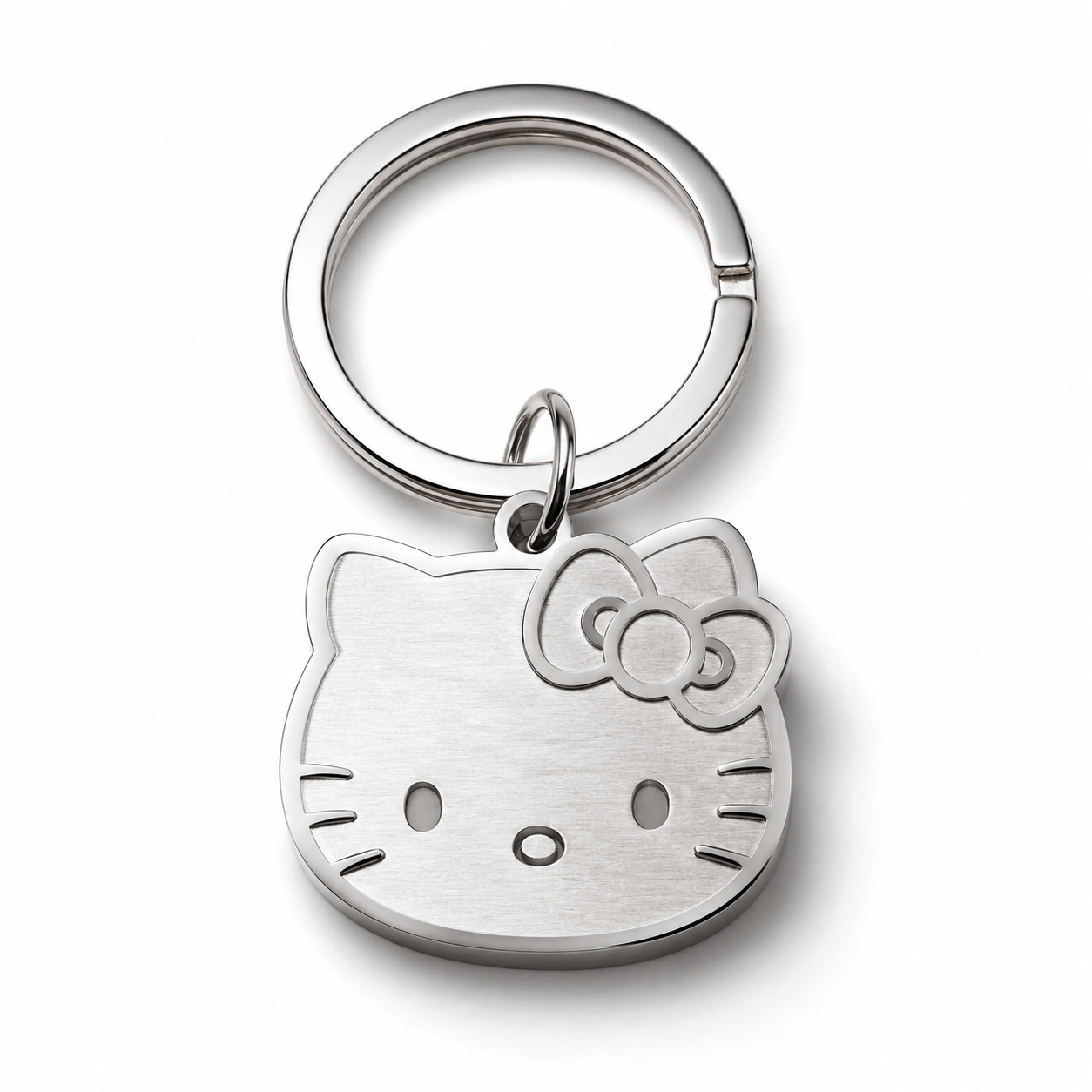
Main topic: Vetting stainless steel keychain charm suppliers
To vet effectively, anchor your criteria around material science, manufacturing capability, and documented quality assurance. The goal is a supplier who can consistently deliver 316L stainless steel charms with stable finishes, traceable processes, and scalable production capacity. A robust vetting process also reduces the risk of non-compliance with RoHS, REACH, and Nickel Release testing, which are critical for global distribution. For buyers working on OEM/ODM charm programs, the ability to support private-label packaging, sample development, and bulk orders is as important as the core metal work. This guide aligns with the needs of procurement teams seeking reliable partners for worldwide sourcing and cross-market execution.
Sub-point: Key keywords and supplier evaluation focus
In your evaluation, prioritize documentation and capabilities that map to 316L stainless steel charms, PVD plating, enamel options, and crystal inlay. Look for a supplier who can articulate alloy composition, plating thickness, and finish consistency. A supplier who can demonstrate OEM and ODM capabilities, low MOQ options, and a clear sample development timeline demonstrates readiness for private-label and wholesale programs. For a global program, ensure the partner understands cross-border compliance and multi-market packaging requirements, while maintaining secure production methods and consistent plating quality across batches. At Lancy Jewelry, we emphasize 316L stainless steel charms as the base material and provide documented SGS-certified testing to support global distribution.
Benefits/Why it matters
Key benefits of rigorous supplier vetting
- Material integrity: Confirm 316L stainless steel composition, corrosion resistance, and low nickel release profile per EN1811 testing and RoHS/REACH compliance.
- Finish stability: Validate consistent PVD plating thickness and color stability across lots (gold, rose gold, silver finishes) as well as enamel and crystal inlay compatibility.
- Manufacturing capabilities: Ensure the supplier supports CNC, laser cutting, laser marking, welding, polishing, and finished assembly with configurable OEM/ODM workflows.
- QA and certifications: Verify SGS-certified RoHS, REACH, Nickel Release EN1811, and Salt Spray 240H results, plus traceable production records and material certificates.
- Operational reliability: Assess private-label packaging options, sample development speed, and the ability to handle bulk orders with reliable lead times.
These benefits align with global sourcing needs and reflect the standards expected by boutique brands and private-label buyers. The goal is to create a supplier relationship that supports growth, reduces risk, and keeps your product line consistent across markets.
Detailed analysis/Guide
Step 1: Define technical specs for 316L stainless steel charms
Start with a precise spec package. Define base material (316L stainless steel only), allowable finishes (PVD gold plating, silver finish, rose gold plating), and embellishments (enamel color filling, crystal inlay). Clarify finish thickness targets, tolerances, and plating-on-stainless-steel compatibility. Include dimensional tolerances for typical charm sizes within 8–18 mm as standard, with notes on larger pendant forms if relevant. A clear spec reduces misinterpretation during tactile inspection and accelerates sampling.
Step 2: Request documentation and certifications
Ask for documentation that demonstrates material compliance and safe production. Essential documents include SGS certificates (RoHS, REACH, Nickel Release EN1811, Salt Spray 240H) and material test reports. Request a bill of materials (BOM), process flow diagrams for plating and finishing, and inspection/test plans. A supplier who can provide audit trails and traceability records helps support global distribution and private-label labeling claims. At Lancy Jewelry, we maintain SGS-certified testing and clearly document material chemistry and finish procedures as part of our OEM/ODM offering.
Step 3: Evaluate manufacturing capabilities
Assess whether the supplier’s factory setup can meet your production needs. Key capabilities include CNC machining, laser cutting, laser marking, welding, and polishing, plus assembly and packaging. For character-themed or decorative charms, enamel filling and crystal inlay capabilities are essential for design versatility. Confirm that the supplier can execute logo engraving for private-label programs and provide consistent plating across orders. The ability to support low MOQ charm production and rapid sample development is especially valuable for testing new lines and seasonal editions.
Step 4: Inspect raw material selection and supply chain stability
Request supplier information on their raw material sources, supplier qualification criteria, and any approved vendor lists. Investigate the supply chain for 316L stainless steel bars or sheets, and verify that the metal meets the required chemistry (Cr, Ni, Mo, and other alloying elements appropriate to 316L). Evaluate the supplier’s capacity to sustain long-term supply and predictable lead times, especially when handling private-label orders or wholesale programs. A stable supply chain is critical for preventing stockouts and ensuring consistent finishes across seasons.
Step 5: Review quality control, testing, and audit readiness
Quality control should be explicit, with sample plans that include visual inspection, dimensional checks, plating adhesion tests, salt spray tests, and nickel-release tests. Inquire about their internal audit cadence, non-conformance handling, and corrective action processes. A factory that demonstrates proactive QA culture—documented test results, calibration certificates, and traceable lot codes—reduces risk of recalls or batch rejections. If you plan to scale, ensure they can provide ongoing QA feedback and improvement plans across multiple production runs.
Step 6: Examine packaging, labeling, and private-label options
For private-label and gift programs, packaging is a critical differentiator. Confirm whether the supplier offers private-label packaging, packaging artwork templates, and blister or card-based presentation options. Ensure packaging materials comply with your target markets’ packaging regulations and labeling requirements. A partner who can deliver private-label packaging at scale supports faster time-to-market for new collections and minimizes rework in downstream distribution.
Step 7: Analyze commercial terms and sample development timelines
Clarify pricing for different volumes, including the MOQ and tiered pricing for bulk orders. Establish a realistic timeline for sample development, including initial lead time, modifications, and final approval. Confirm payment terms, shipping terms, and intellectual property protections for logo engraving or signature designs. A supplier who aligns with your commercial expectations and provides clear terms reduces negotiation friction and accelerates program launches.
Step 8: Conduct or request a supplier audit or factory visit
Where possible, perform or request a supplier audit to validate facilities, equipment condition, workforce practices, and safety compliance. A documented on-site assessment complements written certifications and helps you verify that the production environment supports consistent quality. For global buyers, virtual tours or third-party audit reports can suffice when travel is constrained, provided the documentation is thorough and up-to-date.
FAQ
Q1: What is the typical composition of 316L stainless steel used for charms, and why does it matter?
A: 316L stainless steel is an austenitic alloy that typically contains chromium, nickel, and molybdenum. The presence of molybdenum enhances corrosion resistance, making 316L well-suited for long-wearing jewelry charms. Its low carbon content (L) reduces sensitization during welding and improves formability. For buyers, this translates to predictable mechanical properties, better plating adhesion, and more reliable performance in everyday wear. This material stability supports consistent finishes when applying PVD plating and decorative fills.
Q2: Do you provide SGS certificates and testing, and what tests are typically included?
A: Yes. SGS-certified testing ensures RoHS and REACH compliance, nickel release per EN1811, and Salt Spray testing (240 hours) for corrosion resistance. These tests provide a documented baseline that the charm can withstand typical environmental exposures in global markets. Request current certificates for specific production lots to verify ongoing compliance across your supply.
Q3: What is the typical MOQ and what are the sample lead times?
A: MOQ varies by project and finish, but many OEM/ODM partners offer low MOQ options to support new collections and private-label launches. Sample development timelines depend on complexity (logo engraving, enamel colors, crystal inlay), but a typical cycle ranges from a few days to a couple of weeks for a first sample. Clear milestones help your team plan production and marketing calendars.
Q4: Can you support private-label packaging and multi-market labeling?
A: Yes. A qualified supplier should provide private-label packaging options, labeling templates, and coordinated packaging across multiple markets. This support helps maintain brand consistency and reduces rework during regional launches. For buyers seeking a streamlined path to market, partnering with a vendor who integrates packaging design and compliance checks with manufacturing is highly beneficial.
Call to action: Partner With Us
Ready to source reliable 316L stainless steel charms with consistent plating, enamel options, and private-label packaging? Partner with Lancy Jewelry, a modern OEM/ODM charms manufacturer specializing in 316L stainless steel charms for boutique brands and private-label buyers. We offer robust OEM and ODM capabilities, low MOQ support, fast sample development, and private-label packaging that aligns with global compliance standards ( SGS certified ). Explore our capabilities and request a quote to begin your supplier evaluation. You can review our catalog and contact options at:
- View catalog and products: /products
- OEM service: /oem
- Request a quote: /cart
- Contact sales: /contact
Choosing the right partner accelerates time-to-market, improves quality, and supports scalable growth across US, EU, UK, AU, CA, DE, FR, ES, NE, and RU markets. For global procurement teams, our structured approach to material science, QA, and packaging ensures a consistent, compliant supply chain from first sample to mass production.