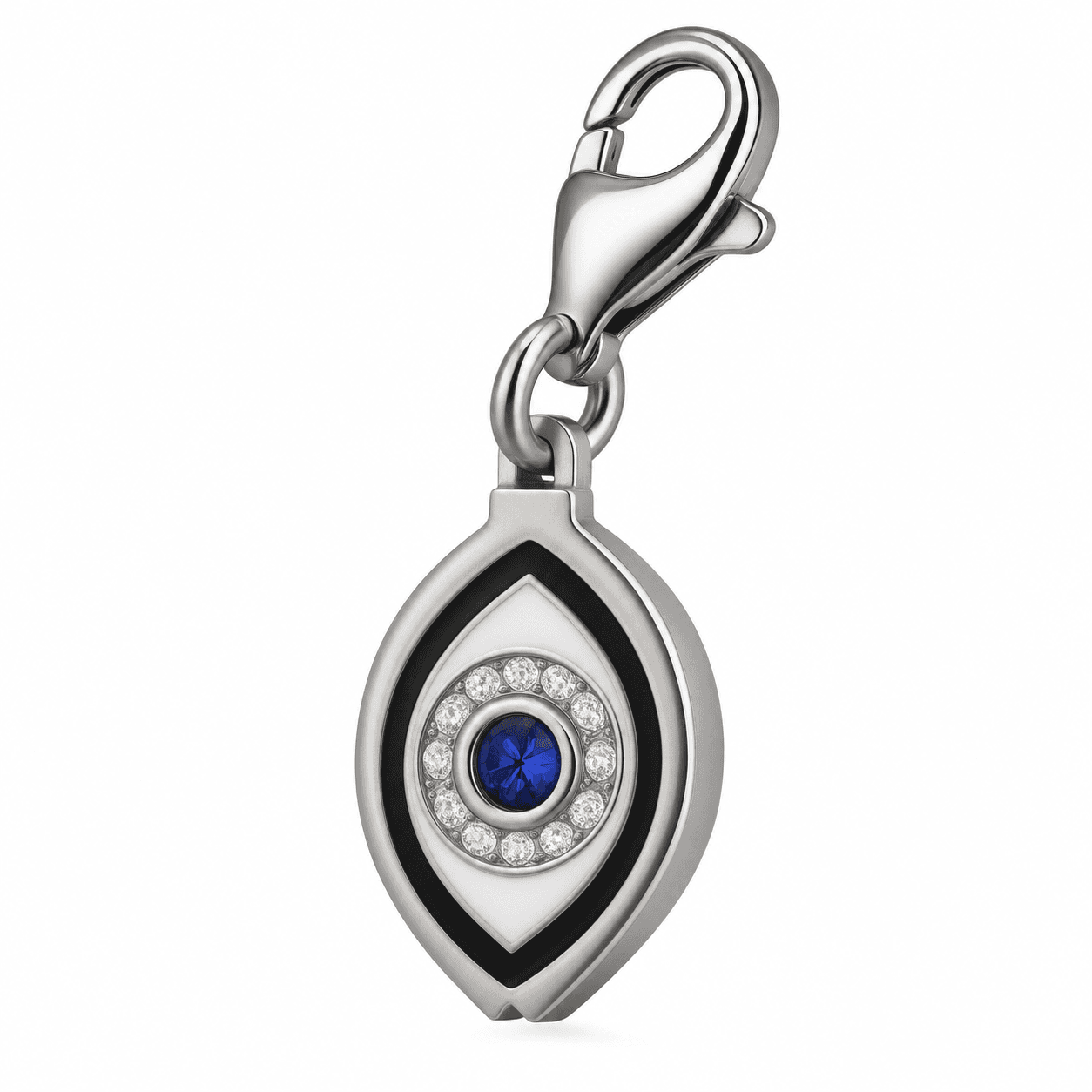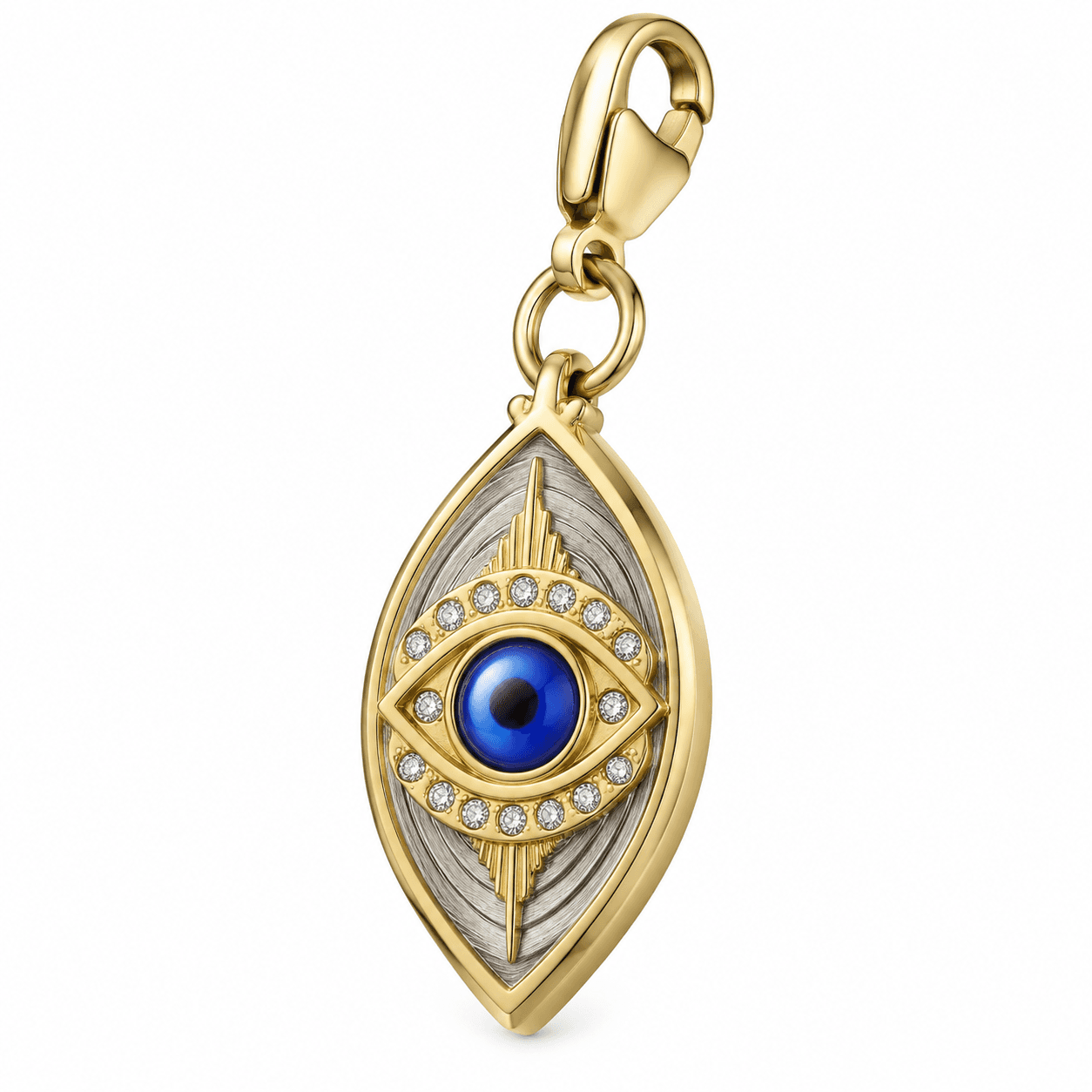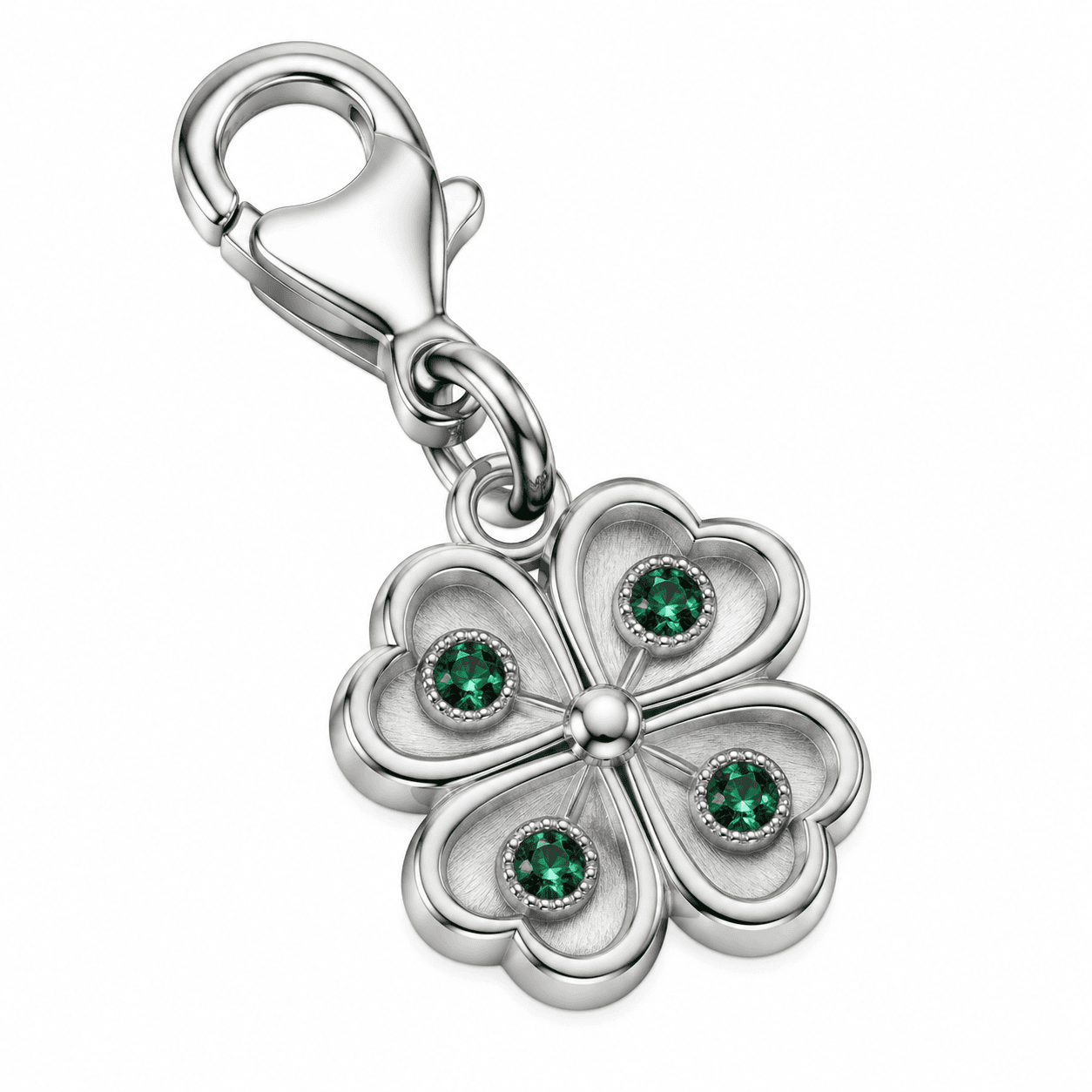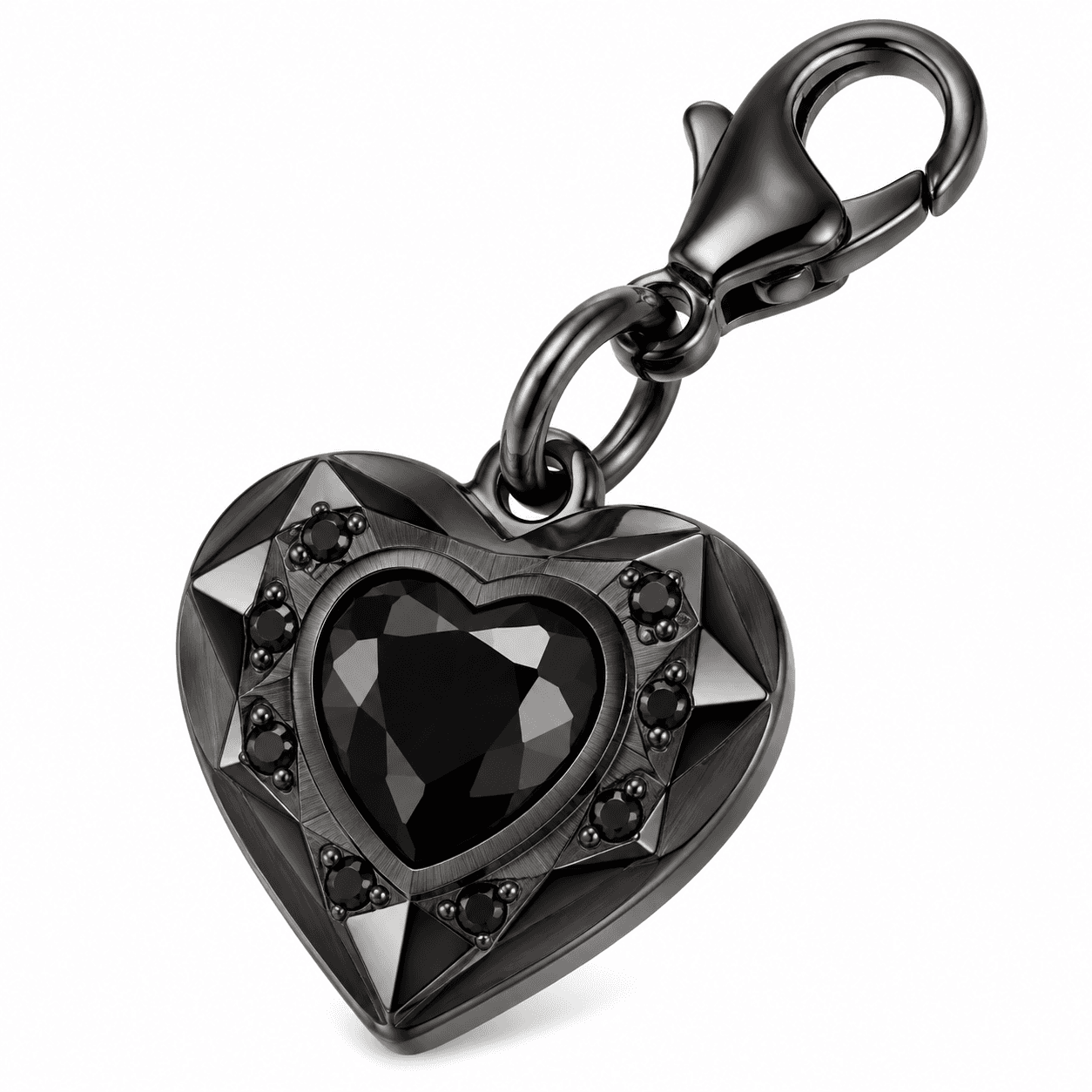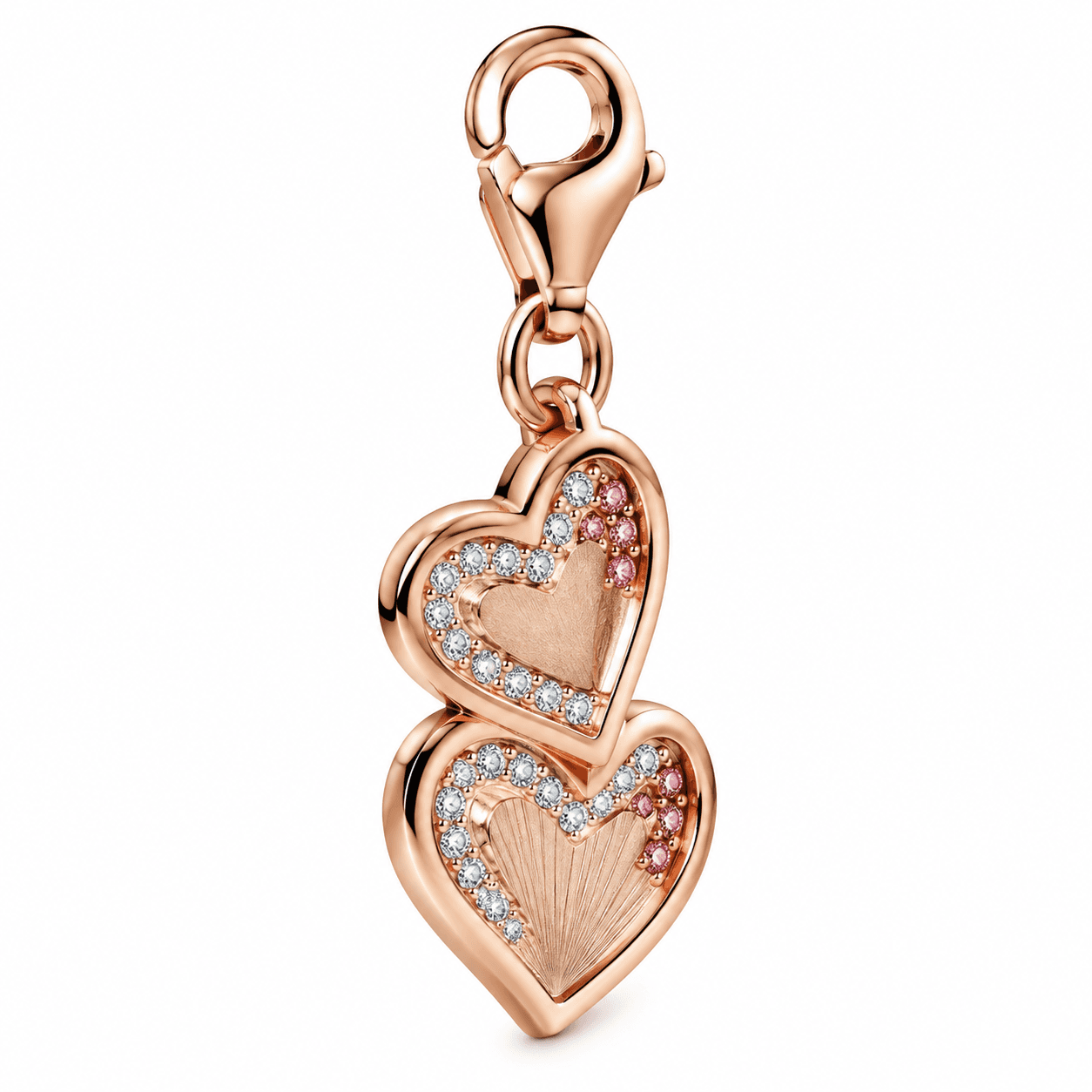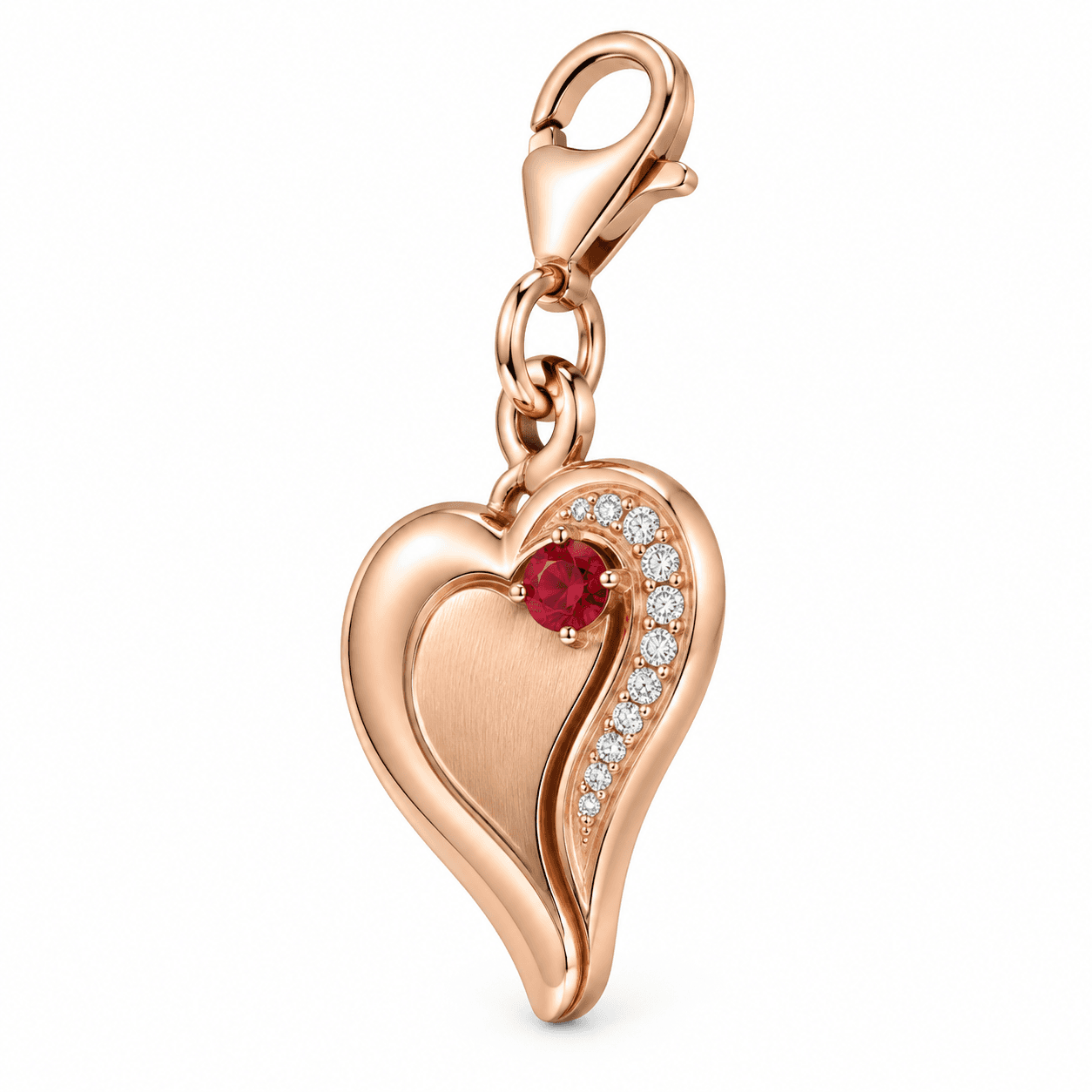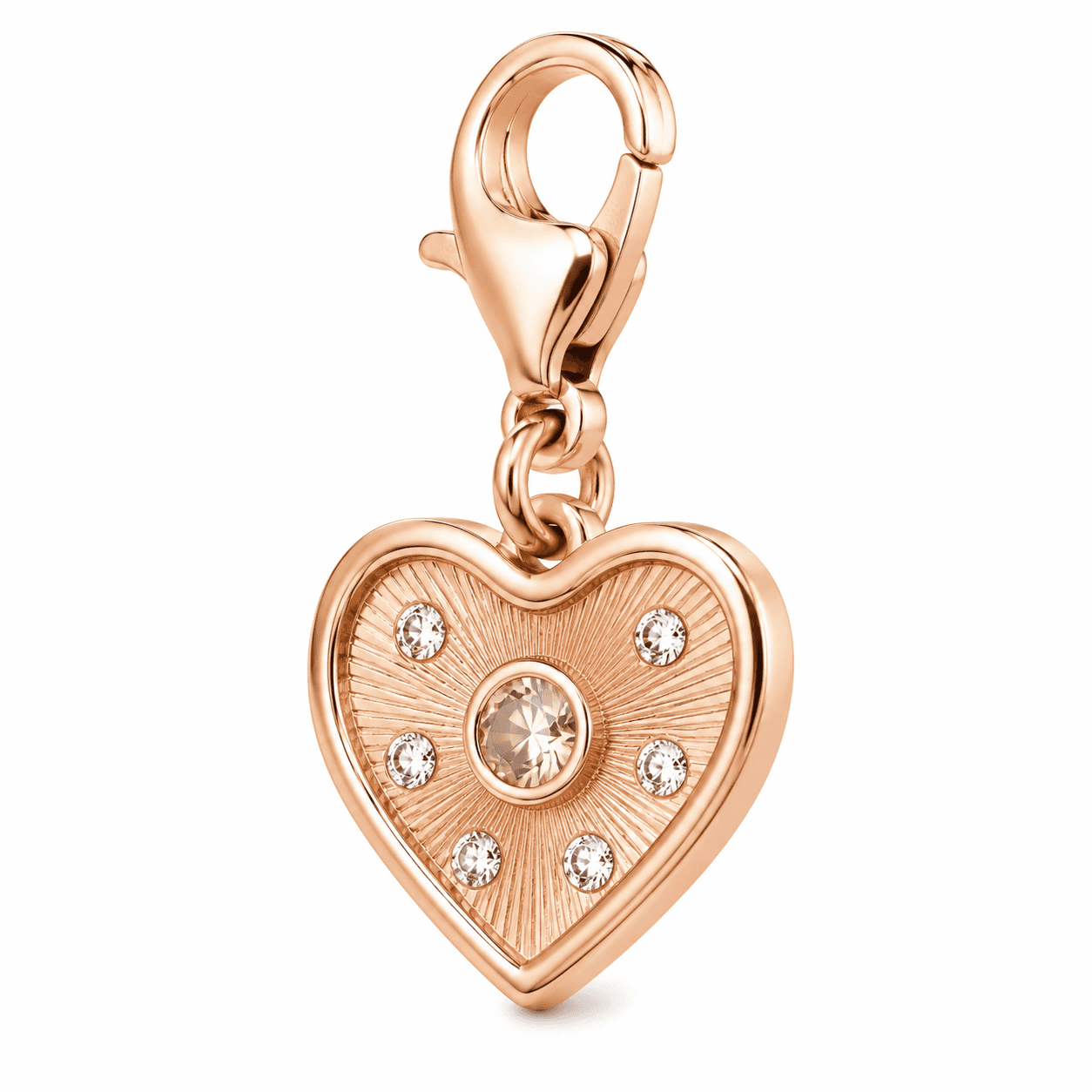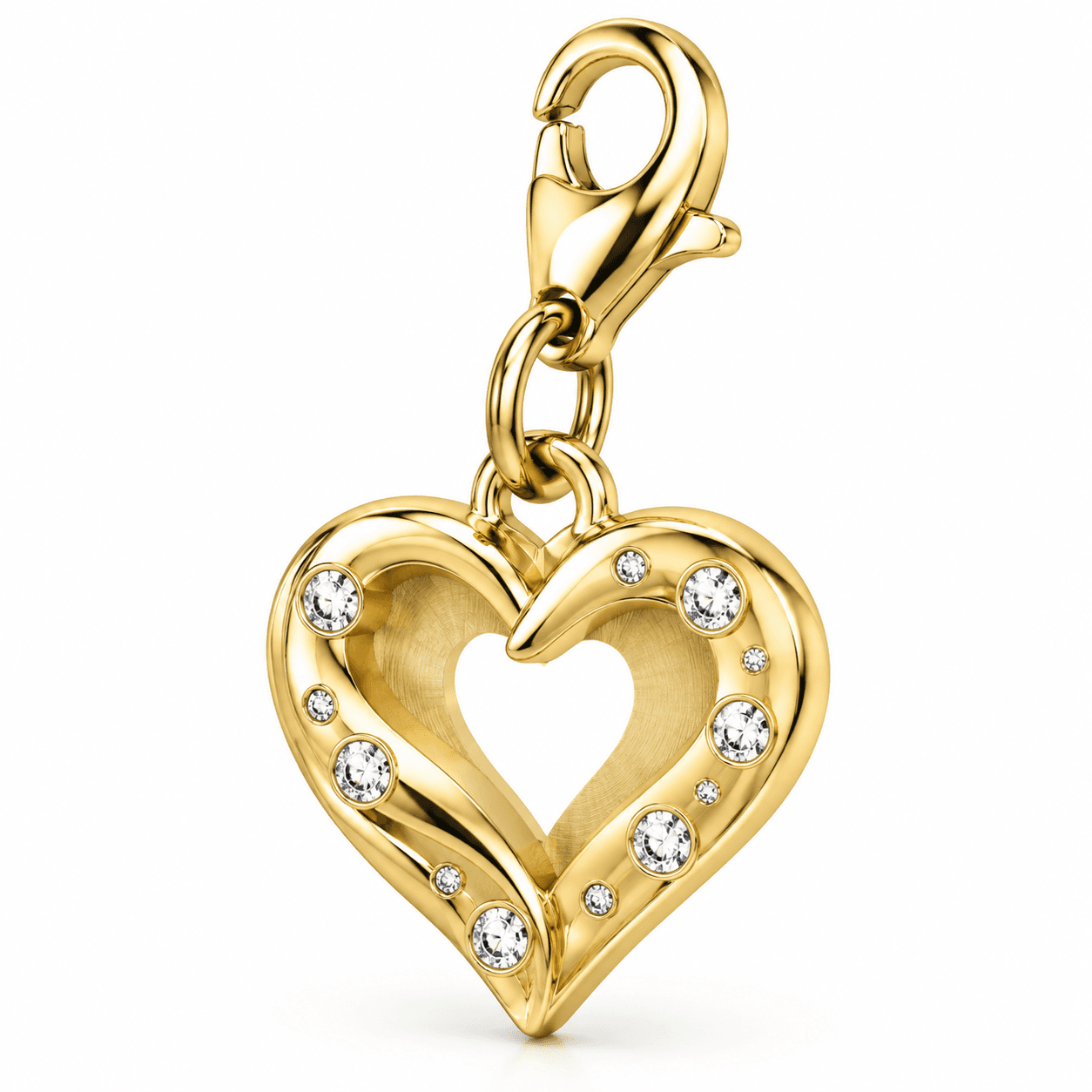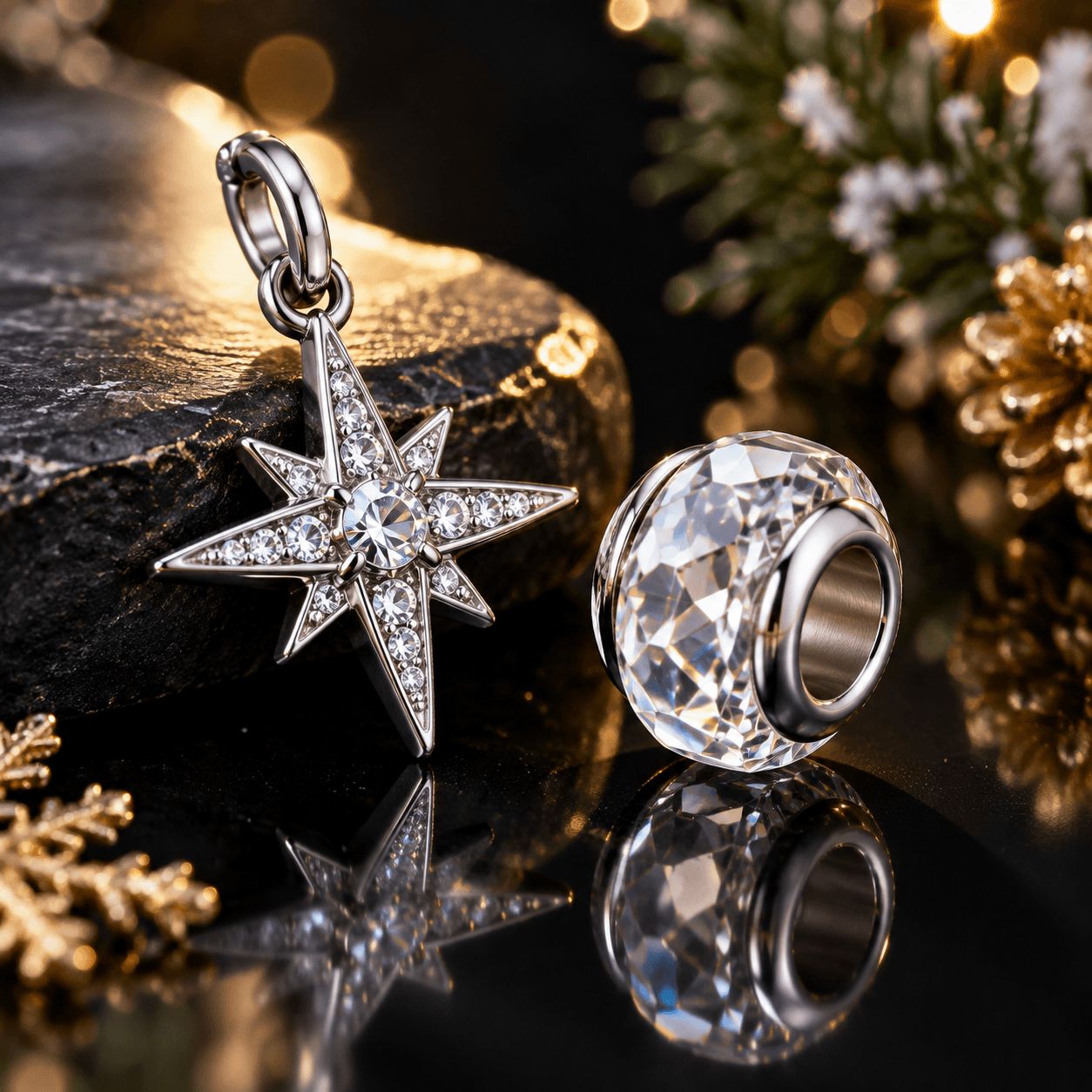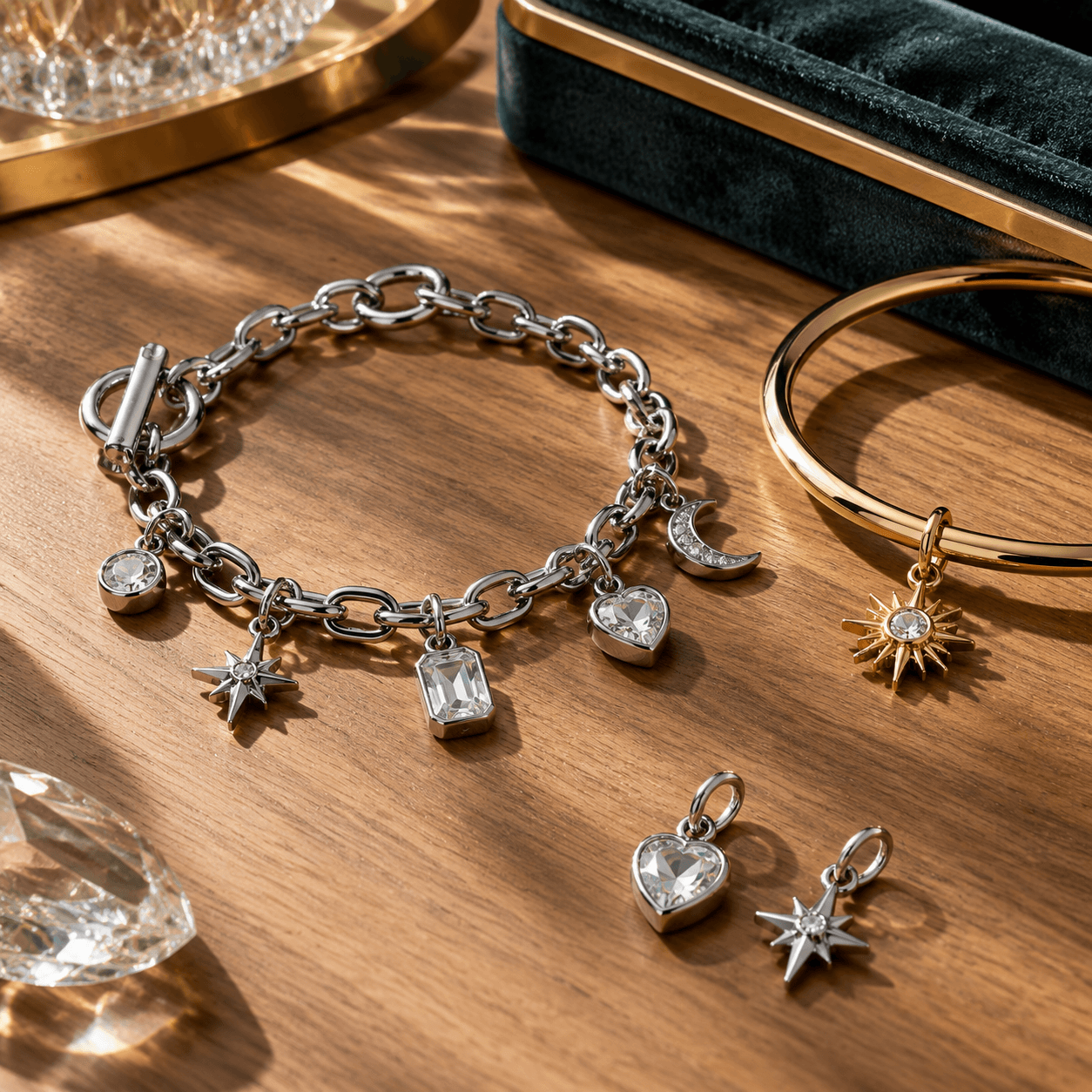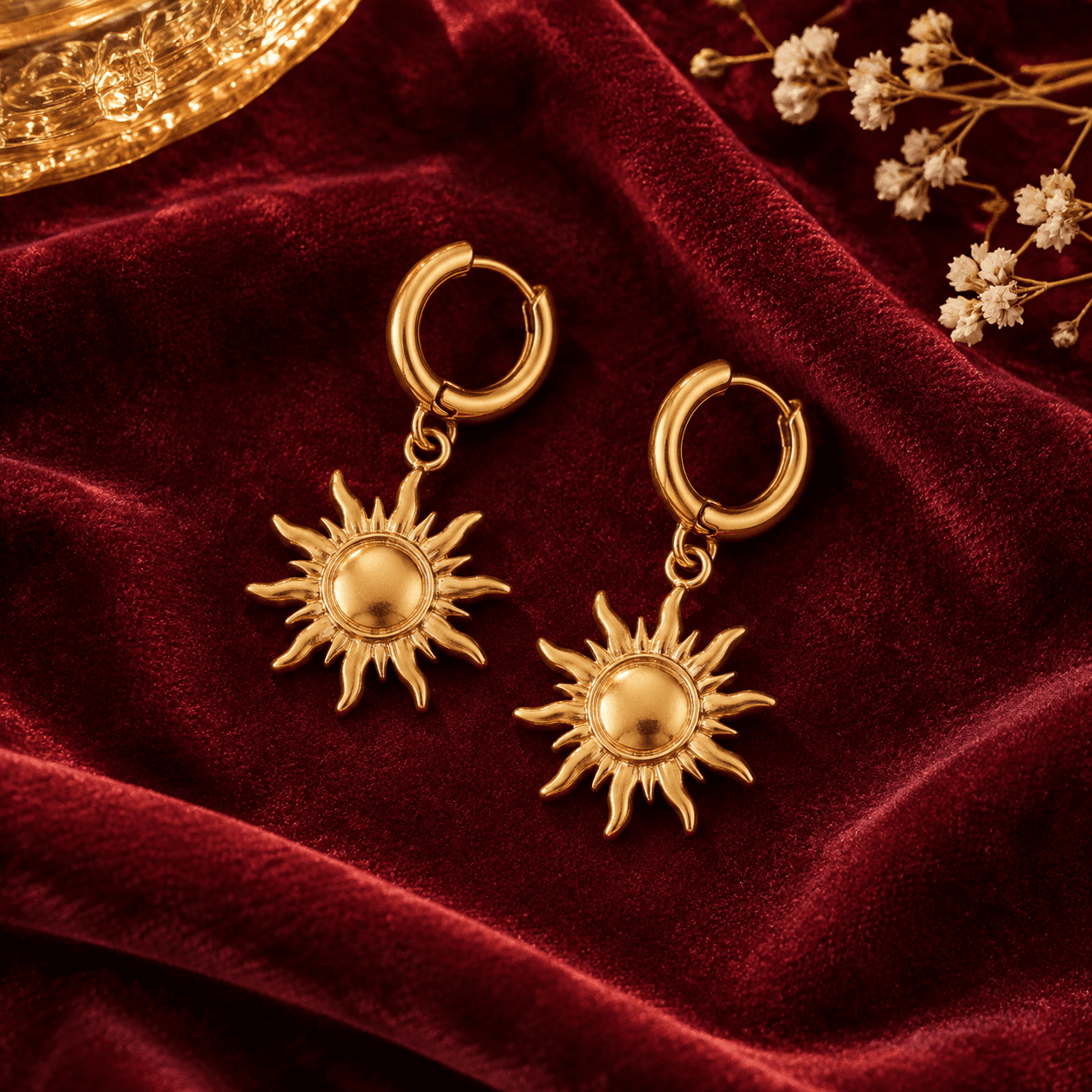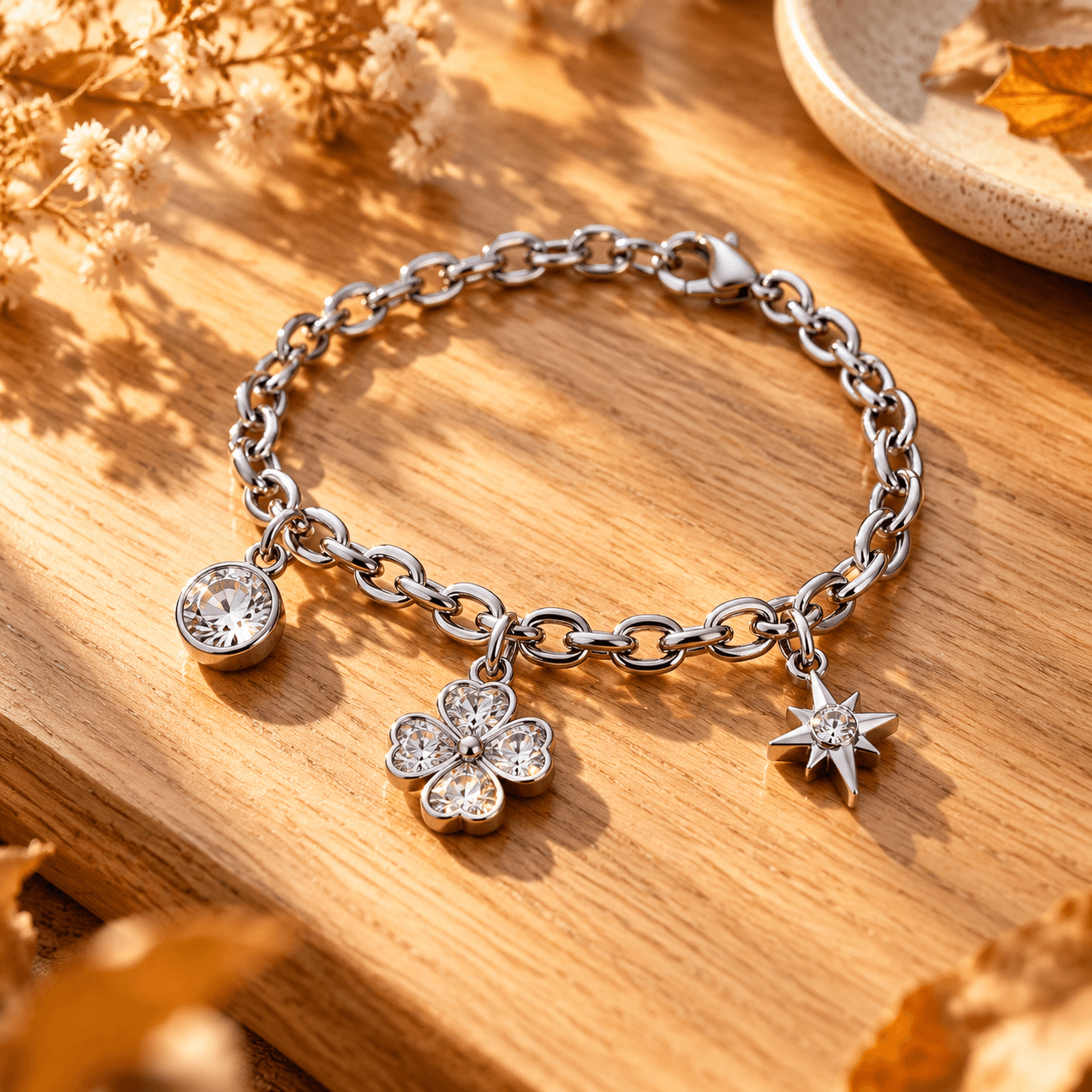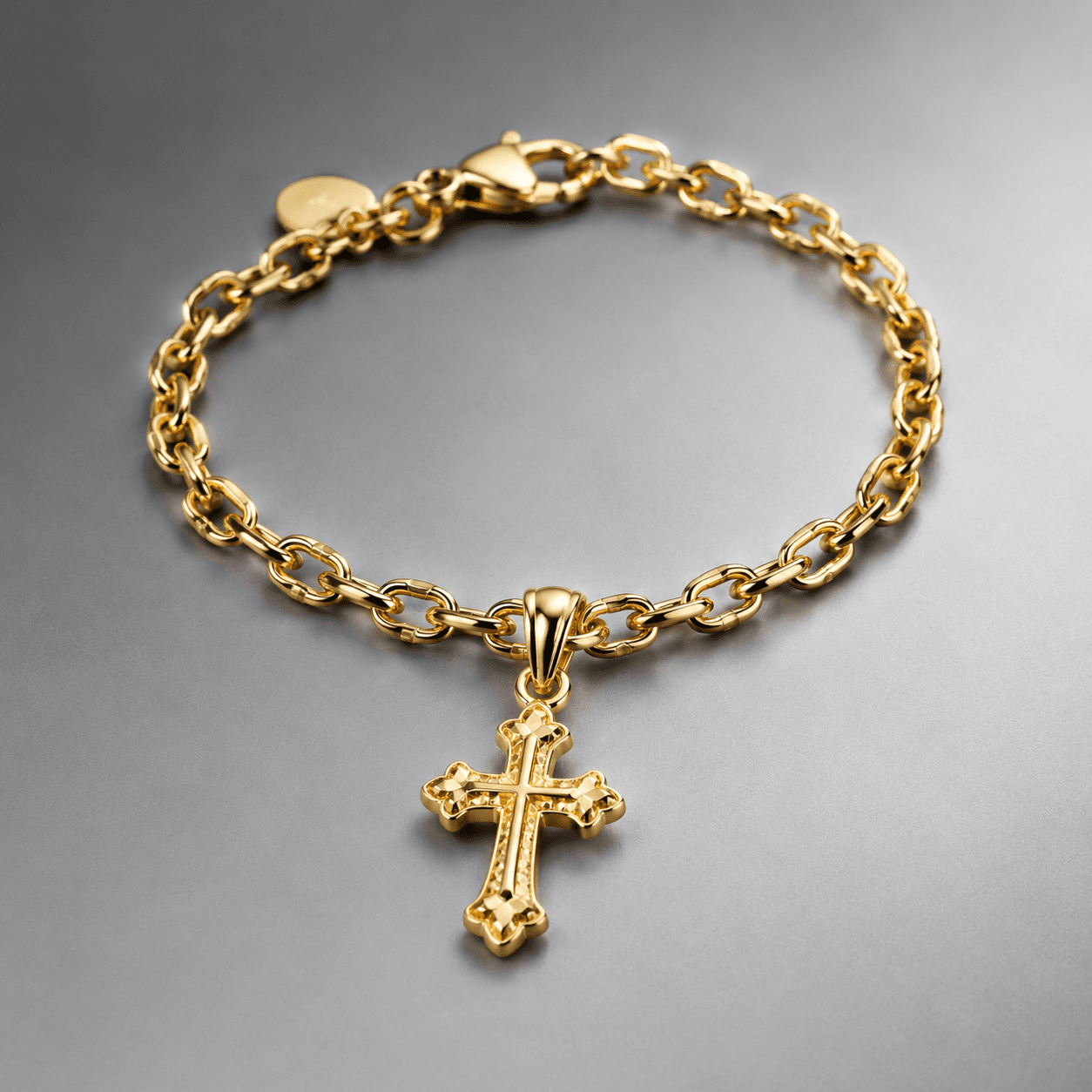
For buyers building a gold cross charm bracelet program around charms, the “gold look” depends on the surface finish system—especially when the base is strictly 316L stainless steel. This 2026 materials guide focuses on sourcing-ready factors: how PVD gold plating is applied to 316L, how enamel color filling and crystal inlay are inspected for consistency, and which documentation helps you make safer wholesale purchasing decisions.
Lancy Jewelry supports boutique brands, charm bar retailers, and private-label buyers with OEM and ODM development of 316L stainless steel charms. We use a controlled manufacturing approach (surface prep, plating control, enamel filling, crystal setting, and final QA) to help you standardize product appearance across your catalog, photos, and reorder cycles.
When you’re ready to move from concept to production, send an RFQ with your target charm size, finish type, and private-label packaging requirements for sample development and bulk charm orders. Our goal is simple: provide a repeatable manufacturing plan so your team can approve materials with clear acceptance criteria.
Material Deep Dive: 316L Stainless Steel Base for a Gold Cross Charm Bracelet
A gold cross charm bracelet concept usually starts with a charm that has strong front-face readability and a durable gold-tone finish. In sourcing terms, the first decision is the base metallurgy. For consistent output across shipments and reorders, keep the base strictly to 316L stainless steel, then control the finishing system on top. When your production plan is built around one base material, it becomes easier to manage tolerance behavior during polishing, plating, and decorative steps.
Lancy Jewelry manufactures 316L stainless steel charms with a charm factory workflow designed for predictable results: tooling and forming for cross silhouettes, cleaning and surface preparation before finishing, and inspection checkpoints after each stage. This matters because buyers typically evaluate charms in three moments—sample approval, catalog photography, and day-to-day handling by customers. Consistency in base and process helps reduce “variant drift” that can happen when charms are built from different material sources.
From a B2B standpoint, this also supports structured catalog planning for charm bar accessories and gift programs. With OEM / ODM capability, you can request custom logo charms through engraving on the cross face, then apply finishing such as PVD gold plated surfaces, enamel color filling, or crystal inlay—while keeping the base at 316L stainless steel for uniform performance across your product line.
Finish Options for a Gold Cross Charm Bracelet (316L + PVD, Enamel, Crystal Inlay)
If you’re comparing finishes for a gold cross charm bracelet program, use a checklist approach rather than relying on vague color claims. Below are finish choices that work on a 316L stainless steel charm base. Lancy groups options by how they affect durability, visual clarity in photos, and manufacturing control—so sourcing managers can translate material selection into SKU planning and reorder rules.
| Finish Layer | Best Fit for Cross Designs | Durability Signals to Check | Photo / Listing Impact | Sourcing Notes for OEM/ODM |
|---|---|---|---|---|
| PVD gold plated stainless steel | Classic gold-tone cross with consistent luster | Color stability checks + batch inspection after plating | Strong specular highlights for front-face readability | Ask for plating thickness targets and acceptance inspection steps |
| Enamel color filling on 316L | Cross accents that need crisp color boundaries | Edge coverage inspection and smoothness feel after curing | High contrast for thumbnail clarity | Provide enamel color codes, opacity goals, and curing finish feel |
| Crystal inlay on 316L | Cross charms where sparkle is a conversion driver | Secure setting + surface flush alignment inspection | Catchlight and macro detail consistency | Specify crystal size range and expected surface look in macro shots |
| Silver finish on 316L (as a design variant) | Two-tone design programs using one base metallurgy | Uniform base handling during finishing and polishing steps | Editorial contrast for catalog layouts | Plan variant structure early for smoother bulk charm orders |
For wholesale decision-making, the most practical comparison is: finish consistency + documented testing + clearly defined sample acceptance. This is where OEM programs benefit. When you lock finish targets during sample development, you can build a stable relationship between your product pages, customer expectations, and the charm factory’s production controls—leading to smoother bulk charm orders over time.
Practical Technical Analysis: PVD Gold, Enamel, and Crystal Inlay on 316L
1) PVD gold plating on 316L stainless steel charms
For a gold cross charm bracelet that needs consistent gold tone across batches, PVD is commonly selected because the finish can be engineered for stable appearance when process parameters are controlled. In B2B sourcing, you should evaluate plating uniformity across the cross face and edges, not only the front-center area. Ask how the factory handles surface prep, how post-plating inspection is performed, and what acceptance criteria is used during sample development.
2) Enamel color filling on 316L
Enamel is often chosen when the cross design relies on defined color blocks or when you need high visual separation between gold-tone areas and colored accents. Buyer success depends on edge definition, coverage uniformity, and the smoothness of the finished enamel field after curing. During sample development, provide your target saturation, whether you prefer a matte or slightly satin enamel look, and request sample handling checks to confirm the charm feels smooth in contact—important for gift accessories and charm bar use.
3) Crystal inlay on 316L
Crystal inlay can lift conversion for charm bar accessories because sparkle is noticeable in small-format photography and even in natural light. For sourcing, focus on secure setting, surface flush alignment, and minimizing visible gaps around stones. Request sample angles that demonstrate catchlight and include a simple internal checklist for what “good” looks like when the charm surface is rotated under light. This helps you prevent surprises during reorders and supports faster approval cycles for wholesale stainless steel charms programs.
Recommendation: Build a Reorder-Friendly Gold Cross Charm Bracelet Material Stack
Recommendation verdict for most B2B buyers
If you want a gold cross charm bracelet assortment where the gold perception stays consistent across thumbnails, PDP zooms, and repeat stocking, prioritize PVD plated stainless steel charms using a 316L stainless steel base. Then add enamel or crystal inlay only where the design genuinely benefits: enamel for color boundary clarity, crystal inlay for sparkle emphasis. This sequencing typically reduces complexity during bulk charm orders while keeping your catalog visually coherent.
How to choose for conversion (not just aesthetics)
- Check photo-readiness: Request samples photographed under comparable lighting conditions with front-facing visibility of gold luster, clear edge readability, and macro surface clarity.
- Verify finish stability claims: Ask for testing documentation aligned with safety and durability expectations, including SGS program results such as RoHS and REACH, and relevant finishing-focused assessments like EN1811 and Salt Spray where applicable.
- Standardize manufacturing inputs: Lock size range, plating target, enamel color specs, and crystal size during OEM/private label planning to prevent variant drift between the launch batch and subsequent production.
Quality standards and factory credibility signals
Lancy operates as a charm factory with a focus on repeatable output: controlled finishing steps, batch inspection, and final QA checks before shipment. Through OEM and ODM development, we support custom logo charms and private-label packaging so your product presentation is boutique-ready. Buyers generally move faster when they receive a clear sample plan, finish workflow expectations, and an inspection-focused approach that aligns with your approval workflow for wholesale stainless steel charms.
B2B Sourcing Workflow: Samples, MOQ Planning, and Bulk Charm Orders
For charm bar retailers, gift companies, and private-label buyers, the fastest path to consistent inventory is a structured sourcing workflow. Start by defining what you mean by “gold” in measurable terms: finish type (PVD gold plated, enamel, or crystal inlay), charm size targets, and the decorative placement for the cross. This converts concept into a production-ready spec for OEM/ODM sampling and later bulk charm orders.
Low MOQ charm production planning
Lancy supports low MOQ charm production so you can validate market demand before scaling. In practice, we recommend using sample development to confirm three things: (1) gold tone and surface finish under your preferred lighting, (2) decoration accuracy for enamel or crystal inlay, and (3) packaging presentation for your private-label program. Once samples meet acceptance criteria, the production plan becomes simpler to forecast for both lead time and cost.
Bulk order controls for consistency
When moving to wholesale stainless steel charms volume, confirm the exact finish workflow (plating steps for 316L stainless steel charms, enamel filling parameters, and crystal setting/inspection). Buyers should also request batch documentation expectations so that reorder shipments are aligned with the first approved sample. This approach helps you manage the entire product lifecycle—from sample development through distribution—without relying on “finish guesswork” or variable supplier outcomes.
Frequently Asked Questions (Gold Cross Charm Bracelet Materials)
Request an RFQ for 316L PVD Gold Cross Charm Bracelet Materials (Samples + Private Label)
Ready to source a 316L PVD gold cross charm program?
Send an RFQ so we can prepare a material-accurate sample development plan. The goal is to match your finish expectations for a gold cross charm bracelet using 316L stainless steel charms, with the right level of decoration (PVD gold plating, enamel, and/or crystal inlay) and packaging readiness for private-label buyers.
Include these details in your inquiry:
- Finish specification: PVD gold plated stainless steel, enamel color filling, and/or crystal inlay (and any combination rules for your variant set).
- Charm specs: cross charm measurements (front face and thickness targets), plus any tolerance preference for your product line.
- Customization: custom logo engraving requirements (placement and provided artwork reference/measurements) for your OEM / ODM build.
- Private-label packaging: packaging type, labeling format, inserts (if any), and units per set.
- MOQ and quantity plan: your target MOQ, sample quantity request, and estimated bulk charm orders timeline.
Once submitted, our sourcing team will respond with a sample workflow proposal, recommended finish approach for your photos and retail channel, and a production plan. Use Request a Quote to send the RFQ, or contact OEM Service / sales contact to confirm documentation and shipment requirements for your wholesale stainless steel charms program.
Factory-Direct Quality Signals for 316L + PVD Gold Cross Charm Programs
Quality control is not only about end-of-line inspection; it’s about repeatability at every stage that affects the final look and durability of a gold cross charm bracelet charm. For buyers, the most useful quality signals are those that connect manufacturing steps to observable product outcomes: surface appearance, decoration integrity, and consistency between sample approval and bulk production. When the base material is standardized to 316L stainless steel, the finishing workflow becomes easier to control—especially for PVD gold plating, enamel filling, and crystal inlay.
During sample development, ask for a clear acceptance checklist. For example: how the cross face is inspected after plating, how edges are evaluated for enamel coverage smoothness, and how crystal inlay is checked for secure seating and surface flush alignment. For B2B compliance and buyer confidence, requesting relevant testing documentation is also a practical step. Lancy aligns sample plans with safety and durability documentation expectations and supports SGS program results such as RoHS and REACH, and finishing-related assessments like EN1811 and Salt Spray where applicable to your production needs.
Finally, consider logistics signals: stable lead time planning, batch consistency controls, and private-label packaging verification before shipment. When your charm factory confirms packaging details (labels, card formats, and insert requirements), your retail team can place charms on shelves or in charm bar displays immediately, reducing operational friction for boutique brands and gift companies. This factory-direct approach is designed to help you scale from low MOQ trials into reliable wholesale stainless steel charms supply without losing visual consistency.
Related resources
Related resources
- Lancy Charms Bar
- Stainless Steel Decorative Philips Screwhead Pendant Charm: OEM Guide
- Guide: stainless steel bag charm keychain manufacturer china QC
- Stainless Steel Mobile Keychain Charm Factory China: OEM Guide
- OEM / ODM Services
- stainless steel wholesale jewelry charms china: OEM Guide for Brands
- stainless steel charm keychain manufacturer Guide: Quality Risk Tips
- How to Choose a stainless steel keychain bag charm supplier
- Hollow vs Solid Stainless Steel Charms: Quality & RoHS/REACH Guide
- stainless steel charms wholesale uk: A Buyer’s Quality Checklist