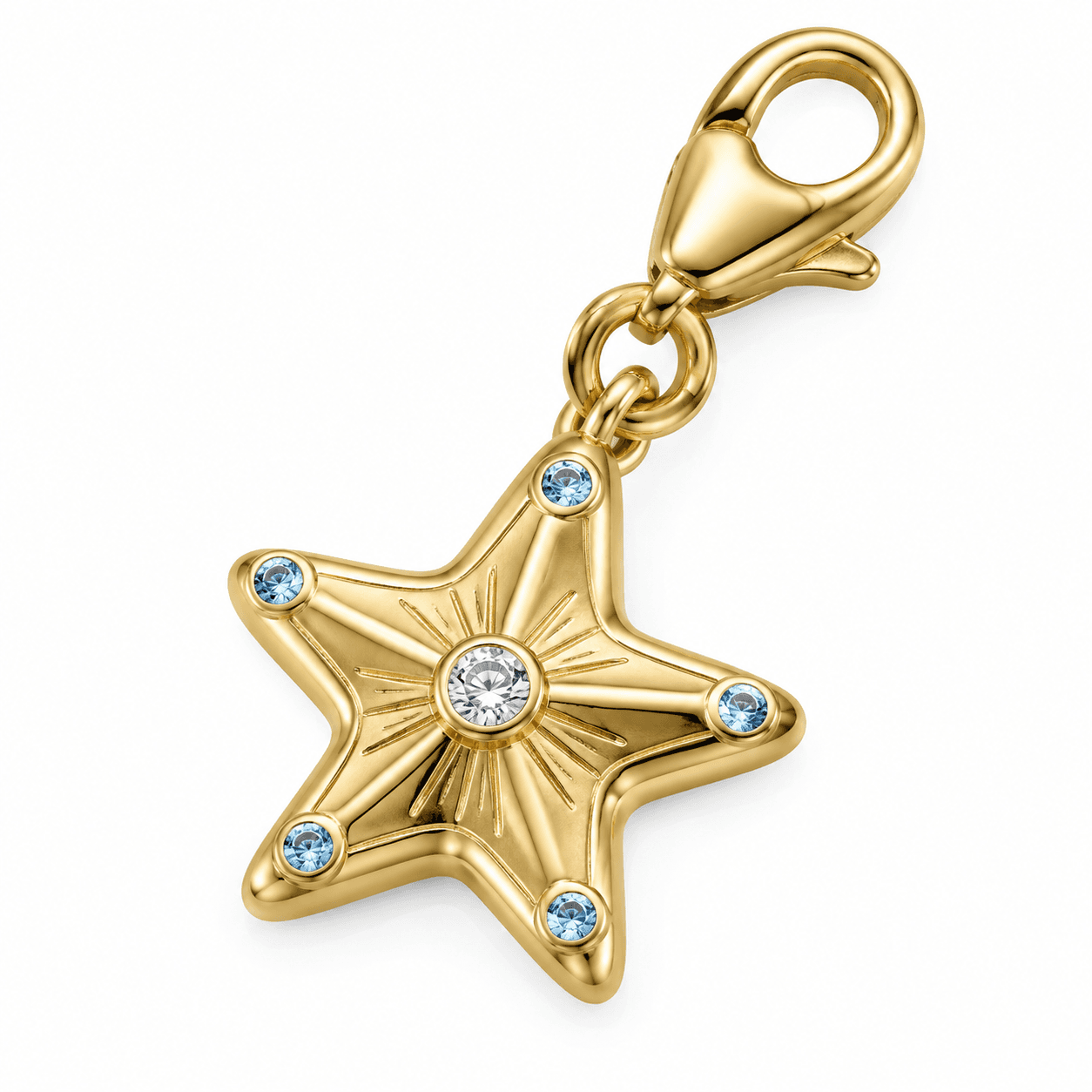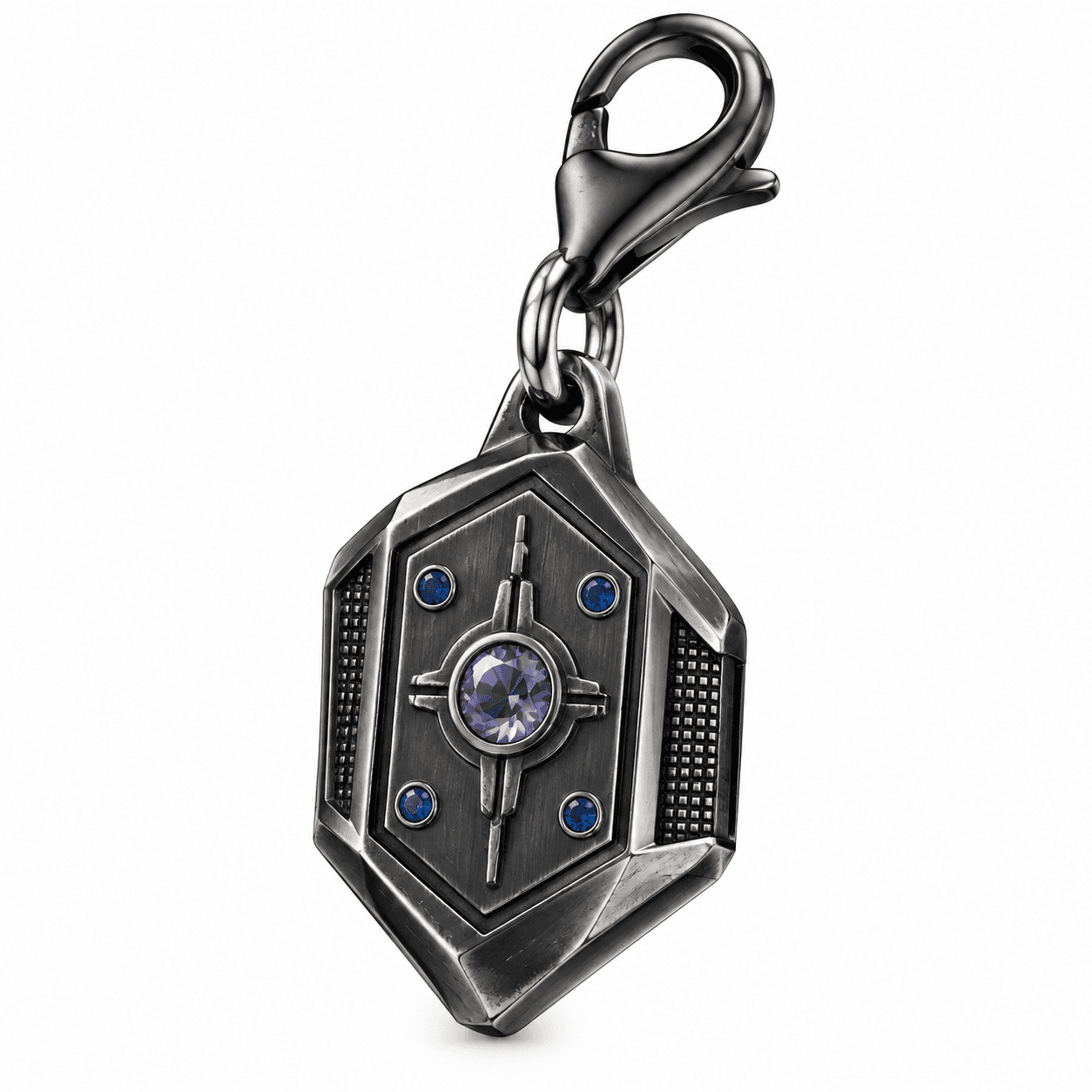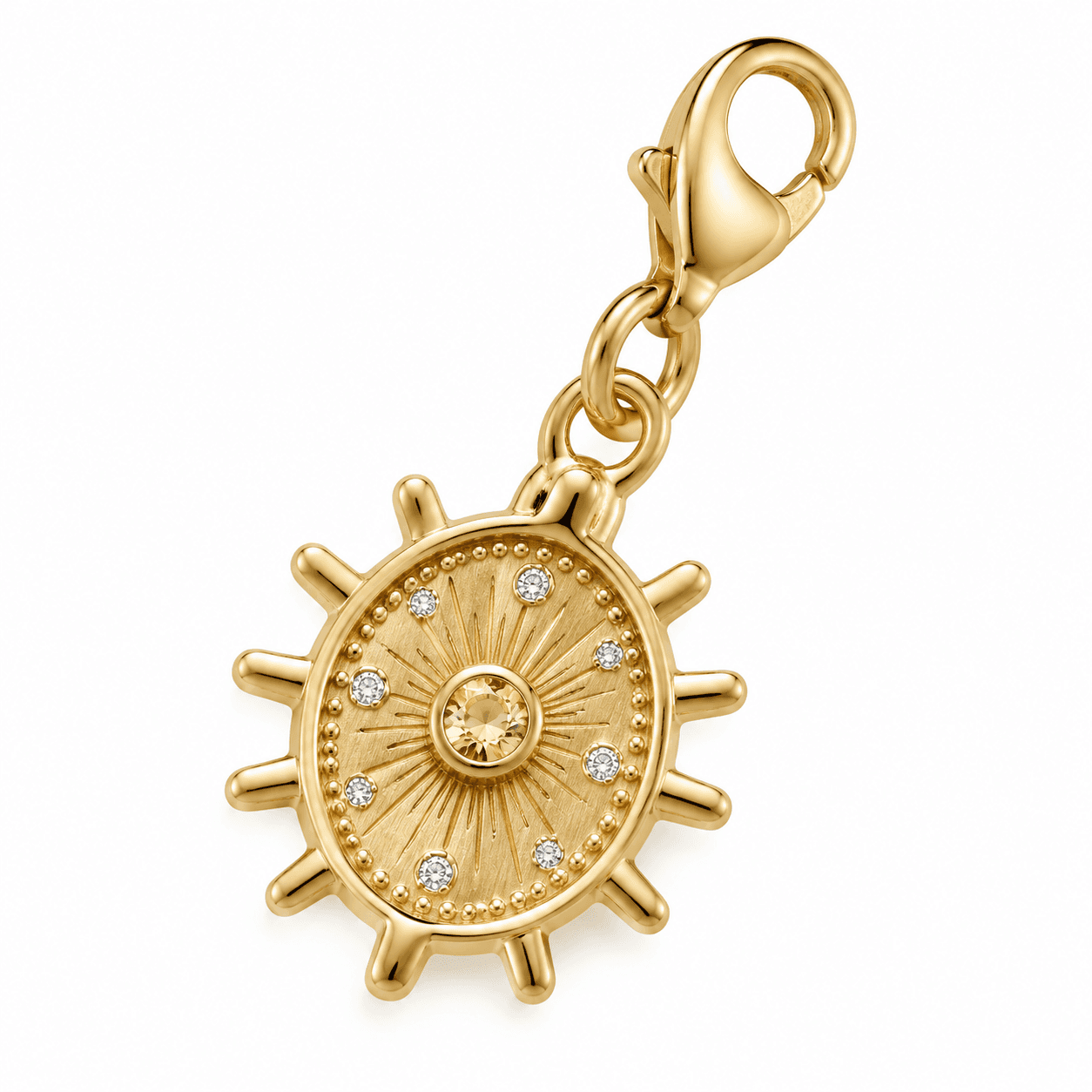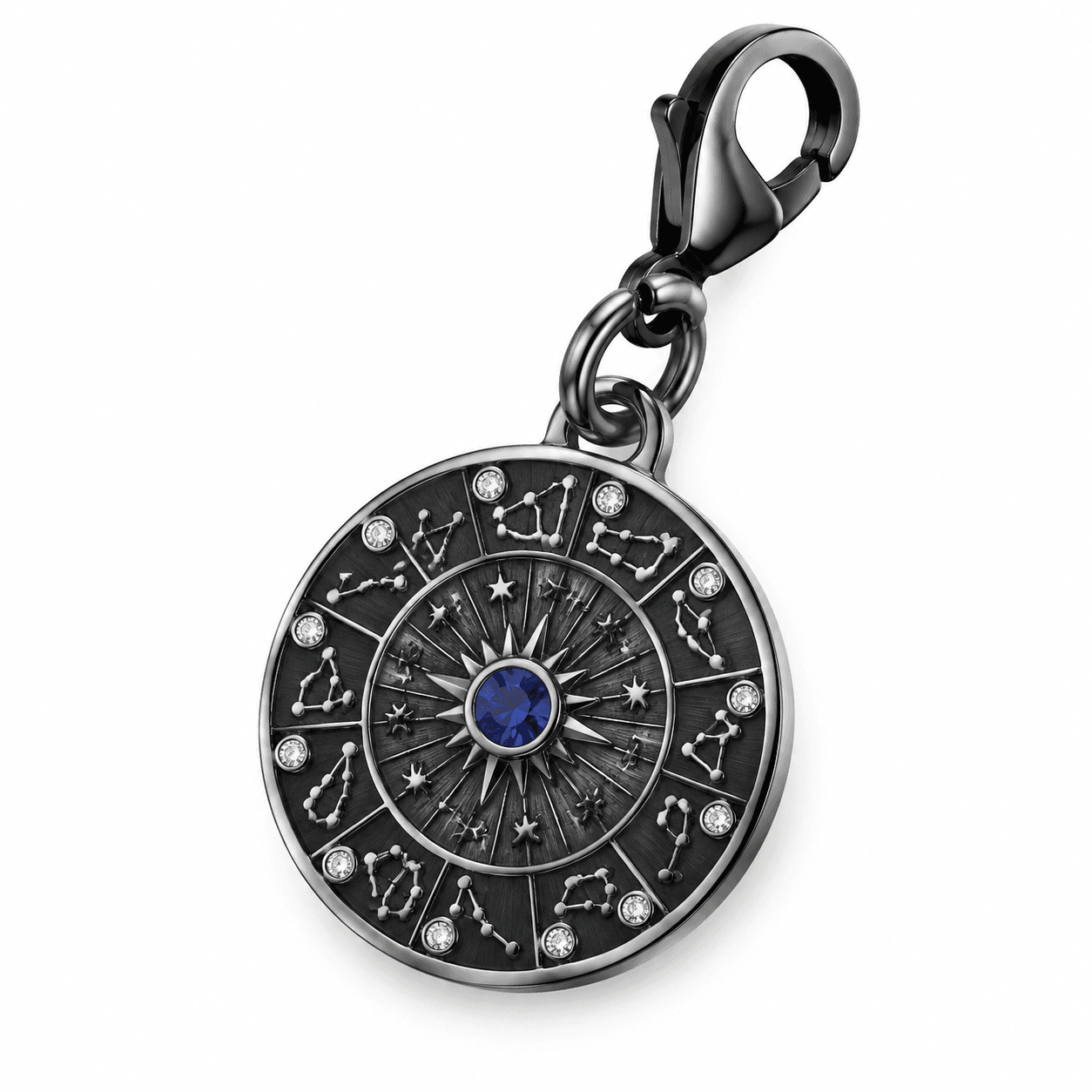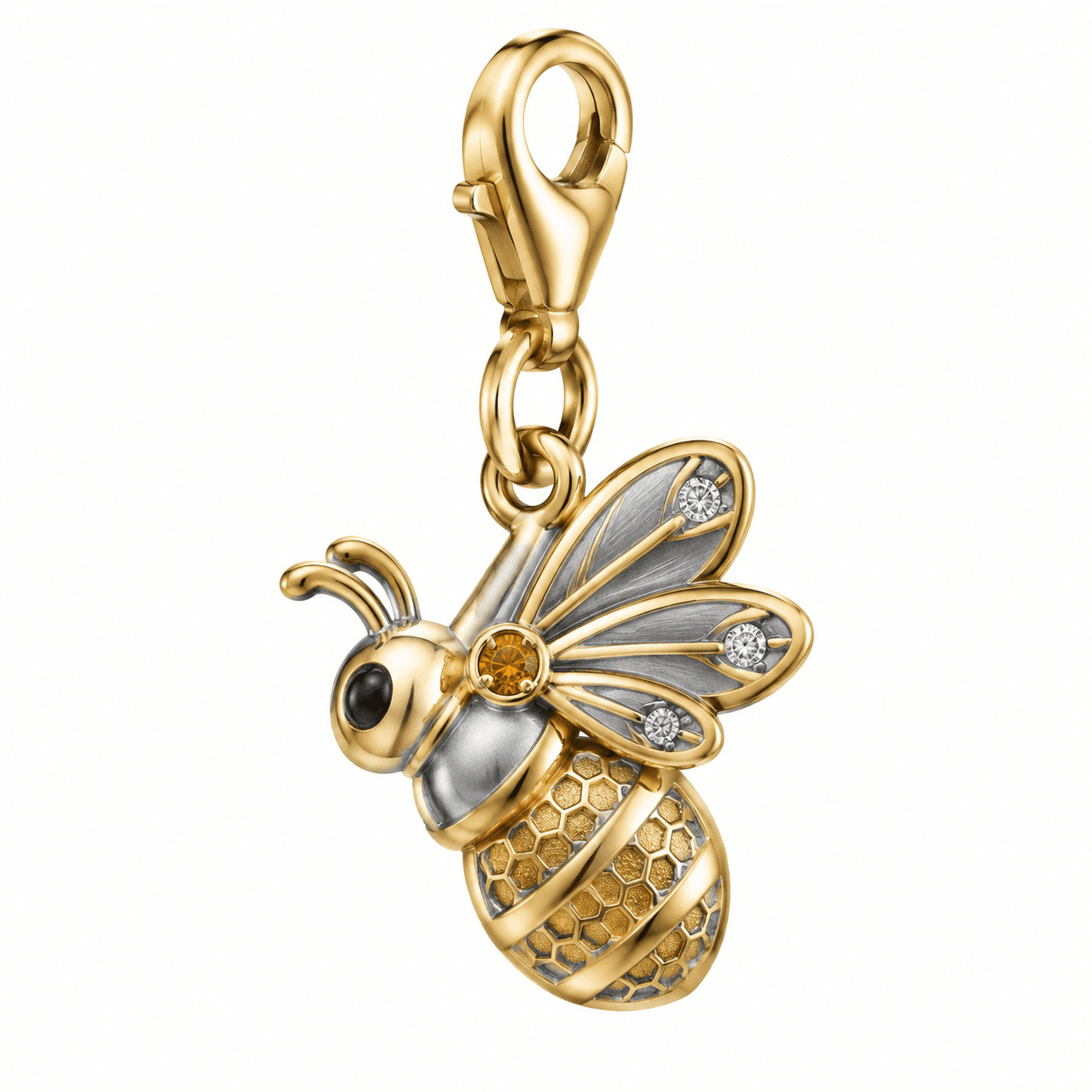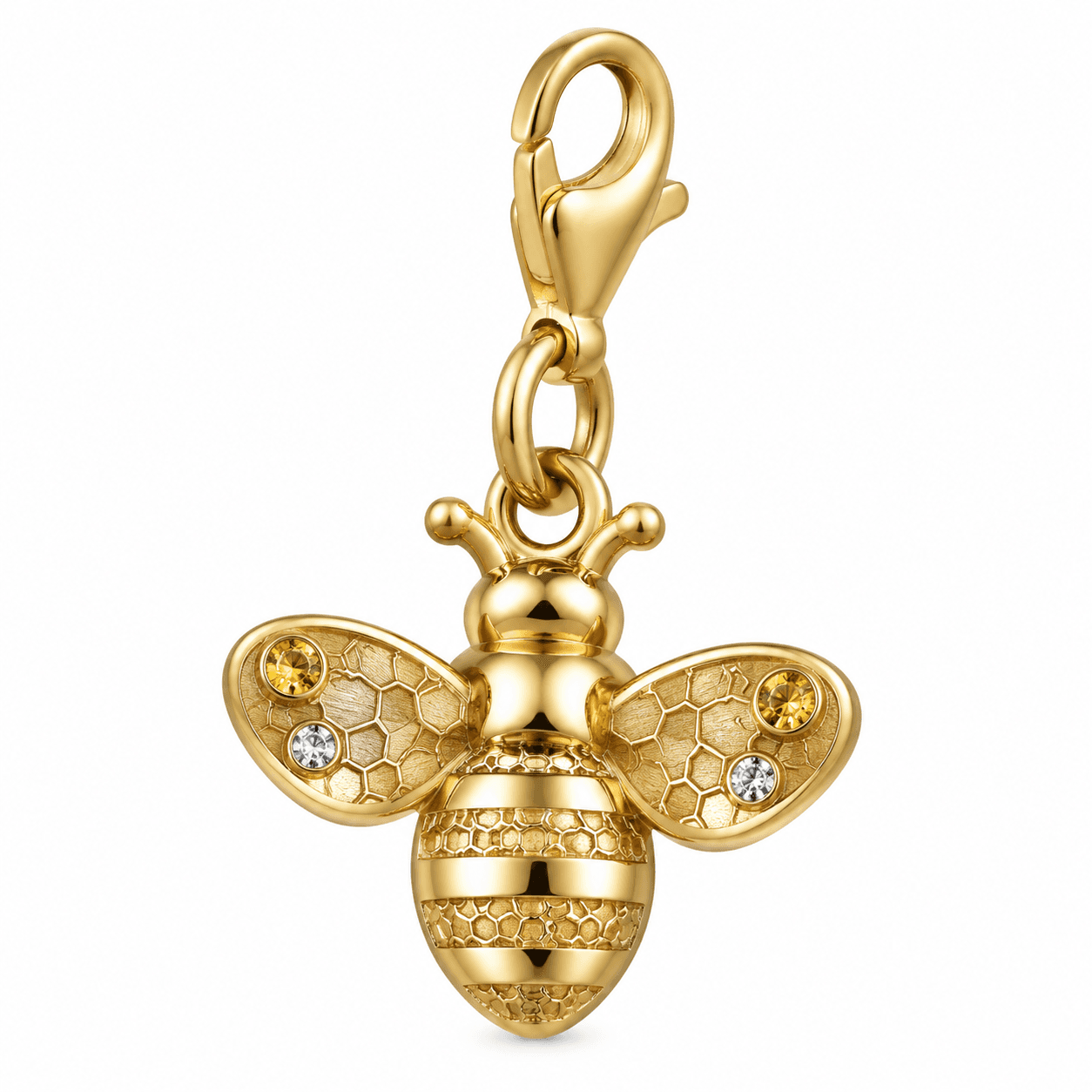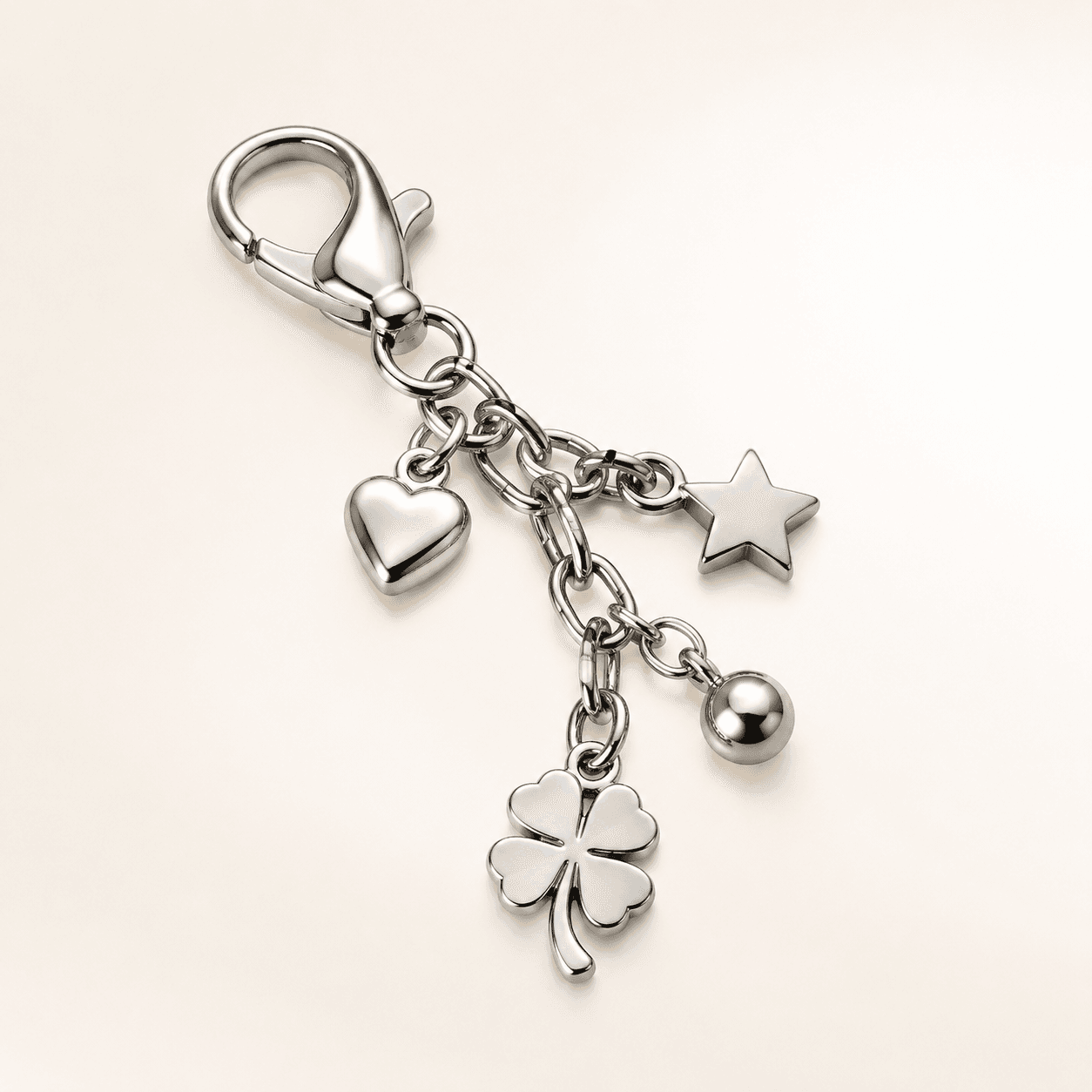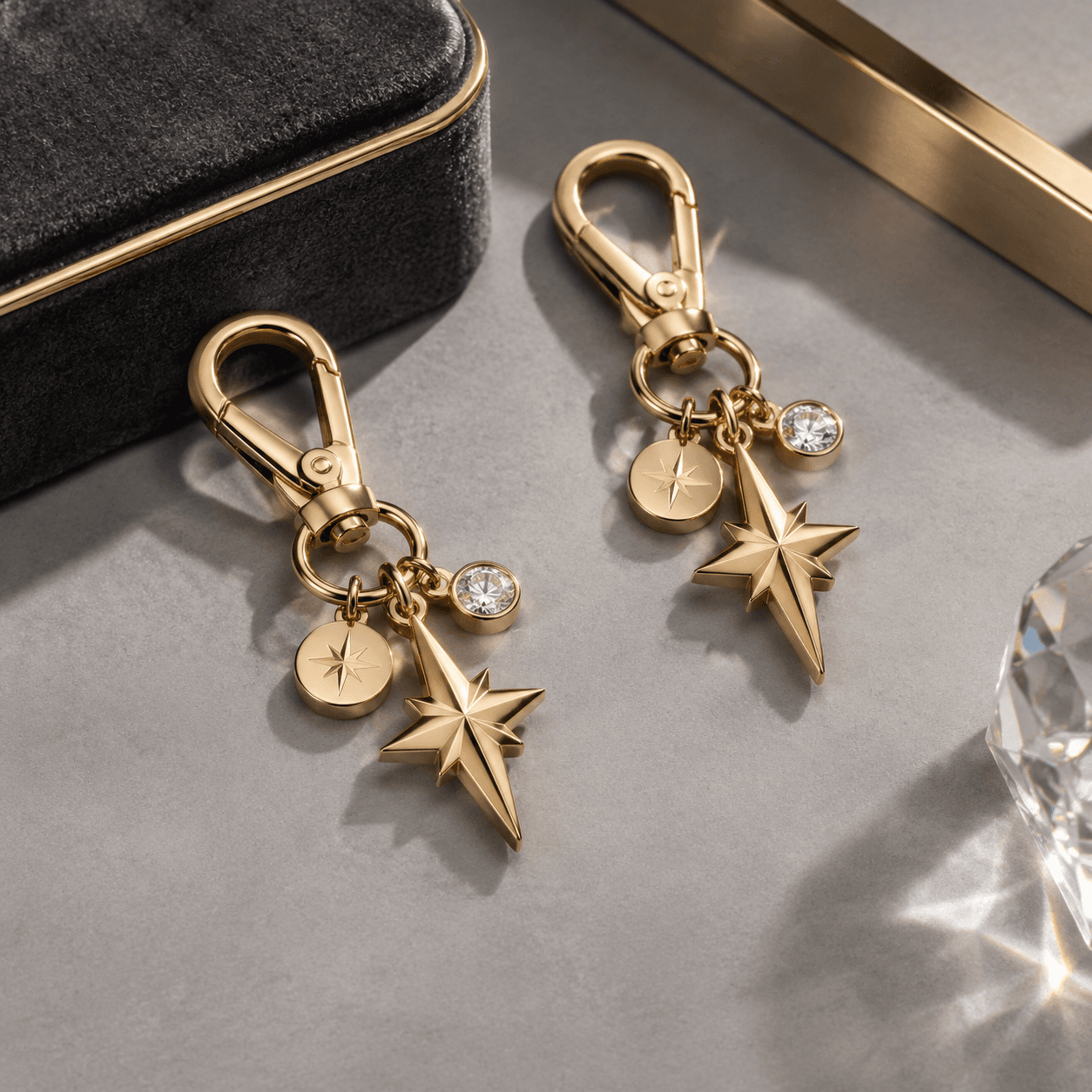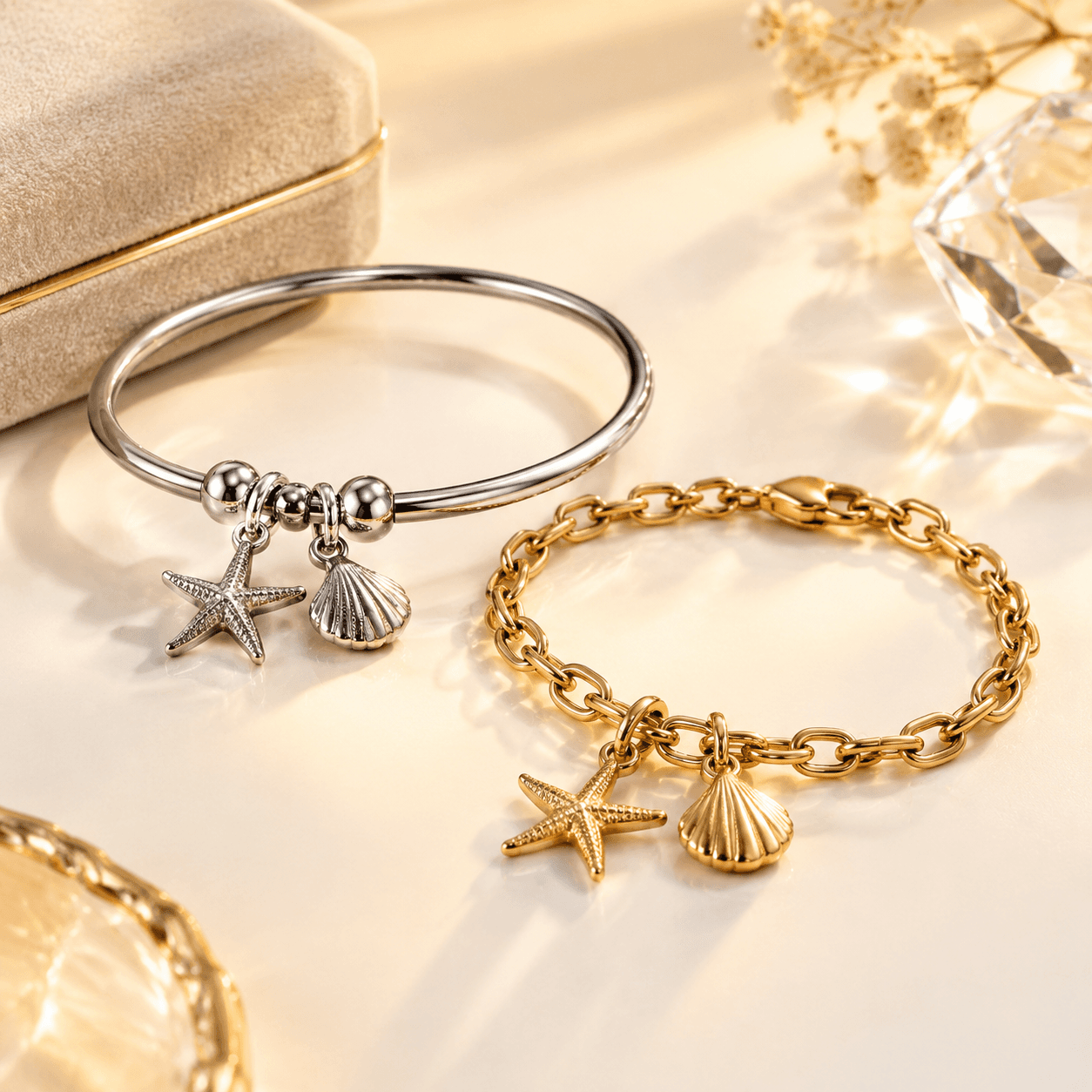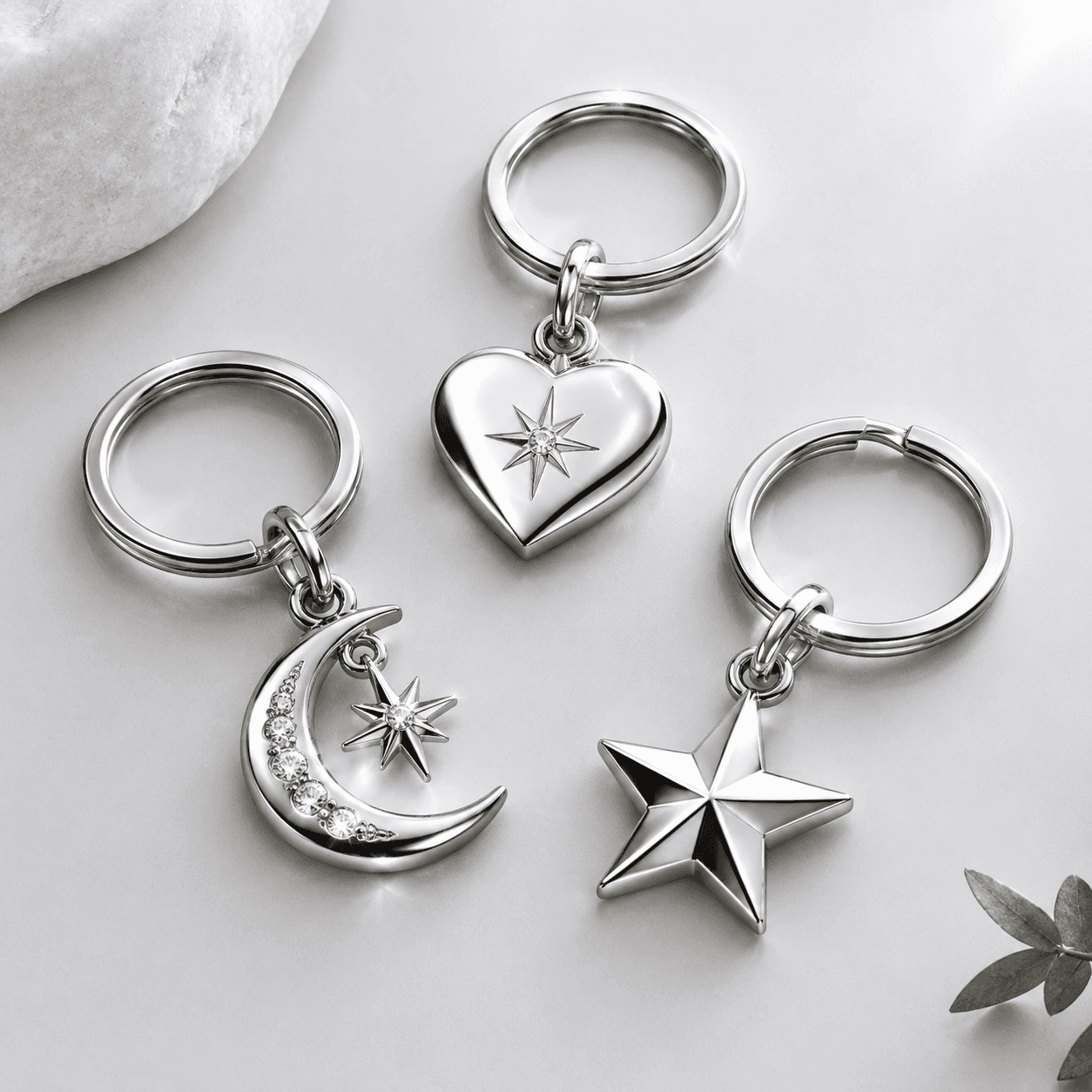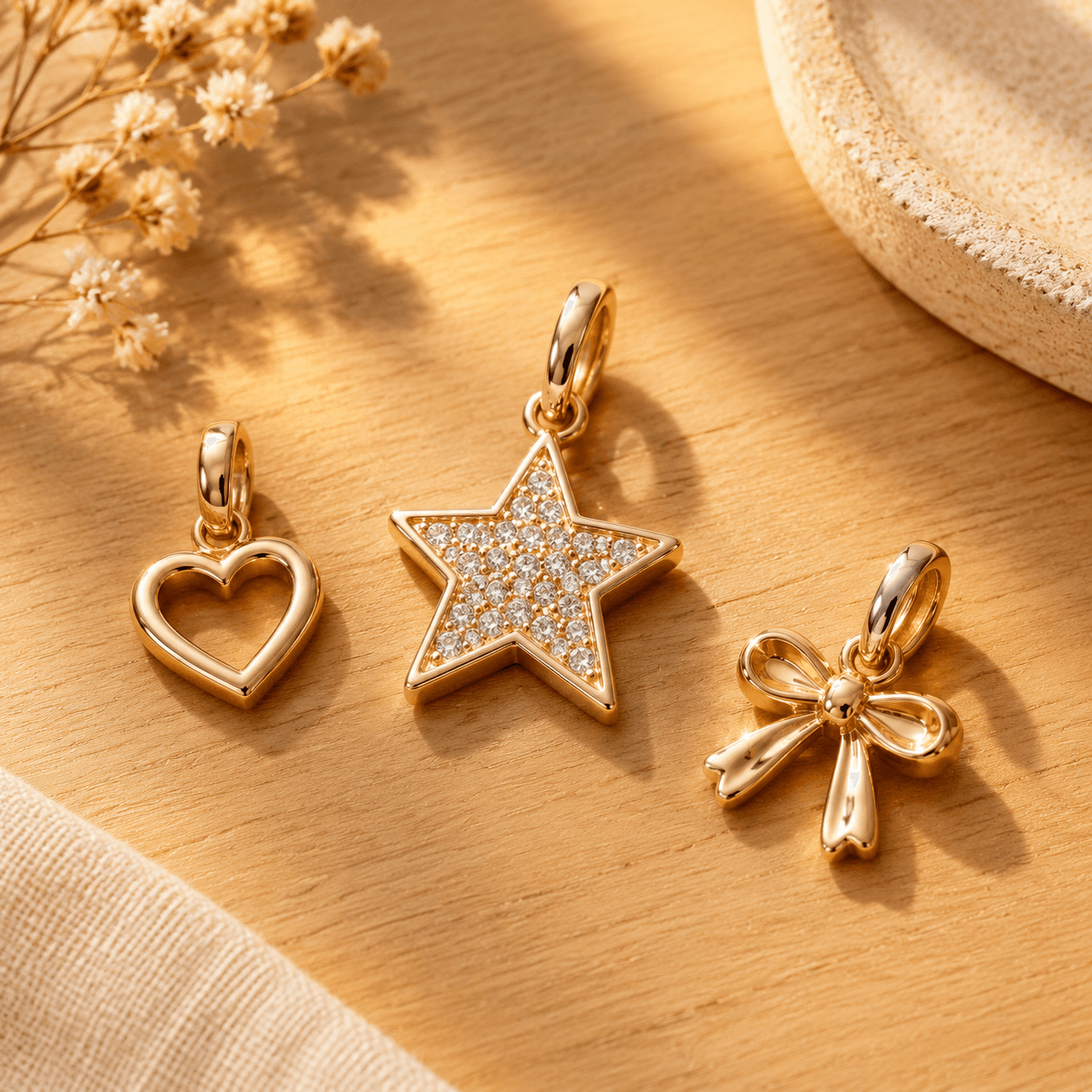
This buyer guide reframes the requested search topic into a compliant B2B resource focused on 316L stainless steel charms for boutique jewelry brands, charm bar retailers, gift companies, distributors, and private-label buyers. Lancy Jewelry develops factory-direct charm programs with OEM and ODM support, helping buyers move from concept selection to samples, production, finishing, and packaging with a clear sourcing workflow.
For buyers searching for a distinctive charm program, the key decisions are design direction, dimensions, attachment structure, surface finish, color application, quality requirements, packaging, and order volume. Lancy supports custom stainless steel charms, PVD finishes, enamel color filling, crystal inlay, logo engraving, low MOQ projects, and private-label packaging while maintaining 316L stainless steel as the base material.
How to Plan a 316L Stainless Steel Charm Collection
A commercially useful charm collection starts with a clear product architecture rather than isolated designs. For a boutique assortment, organize designs around recognizable themes such as celestial symbols, initials, zodiac motifs, hearts, botanical forms, animals, or meaningful decorative symbols. This makes it easier for retailers to merchandise multiple SKUs together and gives customers a reason to build a coordinated assortment. Lancy can support sample development from buyer sketches, reference dimensions, logo requirements, or production-ready artwork.
Design specifications should define the overall charm dimensions, thickness, hole or loop position, attachment mechanism, finish, color areas, and any crystal inlay requirements. The attachment point deserves particular attention because a visually attractive charm can still create returns or poor customer experience if the jump ring or bail position is impractical. Lancy develops 316L stainless steel charms with mechanically plausible attachment structures and can review production details before sampling.
For wholesale programs, buyers should also decide how many core designs will launch together, which finishes will share the same tooling, and which designs should become evergreen replenishment items. A planned range can improve purchasing efficiency while keeping the assortment visually consistent across retail displays, packaging cards, and online product pages.
Finishes, Decoration, and Private-Label Presentation
Finish selection strongly influences the commercial positioning of a charm collection. Lancy supports polished stainless steel presentation, PVD gold plated finishes, rose gold plating, silver finish, enamel color filling, crystal inlay, and logo engraving. Buyers can specify a single finish for a consistent collection or create controlled finish variations for different retail price points and seasonal assortments.
PVD production requires attention to surface preparation, coating consistency, color control, and inspection. For a private-label program, the finish specification should be documented using approved samples or clearly defined reference requirements so repeat orders can be evaluated against the same standard. Enamel and crystal details should likewise be checked for clean boundaries, secure placement, visual consistency, and appropriate separation from functional attachment points.
Packaging is another important part of the B2B offer. Lancy provides private label charms support that can extend from product selection to packaging presentation. Buyers can discuss packaging cards, labeling requirements, assortment structure, and retail-ready presentation together with the product specification so the final program is easier to launch through boutiques, gift channels, and charm bar environments.
Quality Control for Commercial Charm Orders
Quality control should cover both appearance and function. For each production program, buyers should define acceptable standards for dimensions, surface finish, color consistency, engraving clarity, enamel filling, crystal setting, attachment holes, and overall silhouette. A production sample or approved pre-production sample provides a practical benchmark for subsequent bulk manufacturing.
Lancy can support inspection planning around material identity, surface treatment, decorative details, and mechanical construction. Buyers may also request relevant SGS testing or certification documentation covering requirements such as RoHS, REACH, EN1811, and salt spray performance where applicable to the intended market and product specification. These documents should be matched to the actual production specification and destination-market requirements rather than treated as a substitute for product inspection.
For international sourcing, consistent documentation is especially valuable. A purchase specification can record the 316L stainless steel requirement, approved finish, color references, dimensions, tolerance expectations, logo artwork, packaging details, inspection checkpoints, and carton requirements. This creates a repeatable quality standard for both initial production and future replenishment orders.
OEM and ODM Development for Boutique Buyers
OEM charms manufacturer support is most effective when the buyer provides a clear commercial brief. Useful inputs include the target retail positioning, preferred charm dimensions, collection theme, estimated quantity, desired finishes, logo requirements, packaging expectations, target markets, and desired launch timing. Lancy can then help convert the brief into manufacturable specifications, sample options, and an organized production plan.
ODM development is useful when a buyer wants to start from a production-ready concept direction rather than a fully engineered drawing. Lancy can help refine decorative proportions, attachment details, finish combinations, and collection architecture while keeping the products within 316L stainless steel manufacturing requirements. Buyers can also use an initial sample round to validate size, appearance, packaging presentation, and merchandising suitability before approving production.
For repeat purchasing, a structured SKU system is important. Each approved design should have a stable specification covering dimensions, finish, decorative treatment, packaging, and inspection criteria. This helps purchasing teams communicate clearly with the factory and reduces ambiguity when replenishing popular designs or extending a collection.
MOQ, Sampling, and Bulk Order Planning
MOQ planning should balance factory efficiency with the commercial reality of boutique launches. Lancy supports low MOQ charm production for suitable projects, allowing buyers to test a focused assortment before committing to larger quantities. The exact MOQ depends on design complexity, tooling requirements, finish, decoration, packaging, and order configuration, so buyers should provide enough detail for an accurate RFQ.
Sample development is an important checkpoint before bulk orders. A practical sample process can include artwork review, dimensional confirmation, prototype or sample production, finish approval, decorative inspection, packaging review, and final production confirmation. Buyers should record any revisions after sampling so the approved version becomes the reference for manufacturing.
When preparing a bulk order, buyers should also forecast replenishment demand and identify priority SKUs. Core designs can be planned for repeat production while experimental designs can remain in smaller launch quantities. This approach gives boutique brands flexibility without sacrificing a coherent collection strategy.
Sourcing Workflow for International Buyers
A reliable international sourcing workflow begins with a concise RFQ. Include the required 316L stainless steel specification, product drawings or reference images, approximate dimensions, desired finish, enamel or crystal requirements, logo artwork, expected quantity, packaging needs, target market, and requested delivery window. This allows the factory to evaluate manufacturing complexity instead of quoting from an incomplete product description.
After the RFQ, buyers should compare the proposed specification with their commercial requirements, confirm sample expectations, and establish the approval process. A strong supplier relationship should make it clear which details are fixed and which can be adjusted during development. Lancy's OEM and ODM workflow is designed to support this transition from concept to approved sample and then to production.
For buyers managing multiple channels, collection-level planning can also reduce operational complexity. A coordinated assortment can use shared finish standards, packaging formats, and quality checkpoints while retaining different decorative themes. Buyers can explore the full product catalog, review OEM service options, or prepare an RFQ and inquiry when specifications are ready.
Building a Boutique-Ready Charm Assortment
A boutique-ready assortment should provide enough variety to create discovery while maintaining a recognizable product language. A practical starting structure can combine several evergreen themes with seasonal or campaign-specific designs. Initials, zodiac concepts, symbols, hearts, botanical motifs, animals, and celestial themes can each serve different customer motivations without requiring a completely different manufacturing process for every SKU.
Merchandising also benefits from controlled variation. For example, a single charm design can potentially be developed in stainless steel, PVD gold plated, or rose gold plating finishes, subject to the final specification. Enamel or crystal inlay can then create additional visual differentiation. The objective is not simply to maximize SKU count, but to create a collection in which designs can be purchased individually or presented as a coordinated range.
Lancy combines factory-direct development with wholesale stainless steel charms production, enabling buyers to plan assortments around their target channel. For private-label programs, the same planning process can incorporate packaging and logo engraving so the finished assortment is prepared for the buyer's own retail presentation.
Frequently Asked Questions
Request a Custom Charm Quote
Ready to develop a boutique or private-label charm program? Send Lancy an RFQ with your preferred designs, target dimensions, 316L stainless steel requirement, finish, enamel or crystal inlay details, logo artwork, estimated quantities, packaging needs, destination market, and desired timeline. If the design is still being refined, include sketches or reference specifications and explain the intended retail application.
Lancy can use these details to evaluate OEM or ODM development, recommend a sampling route, clarify MOQ requirements, and prepare a production-focused quotation. For faster evaluation, identify your priority SKUs and whether you need sample development before a bulk order. You can also explore the product catalog, review OEM manufacturing services, or submit an RFQ to begin the sourcing discussion.
Related resources
Related resources
- Stainless Steel Floating Charm Keychain Wholesale: OEM Guide
- Lancy Charms Bar
- Stainless Steel Decorative Philips Screwhead Pendant Charm: OEM Guide
- stainless steel custom charms keychain Sourcing Guide: Vetting Tips
- How to Choose a stainless steel mobile keychain charm supplier
- Wholesale stainless steel fish cross charms: OEM Sourcing Guide
- Small Batch Custom Stainless Steel Charm Cost Drivers: Buyer Guide
- Stainless Steel Car Charms Sourcing Guide: Finishes & Suppliers
- stainless steel charm keychain supplier Guide to PVD Finishes & Tests
- Stainless Steel Custom Keychain with Charms Supplier Checklist