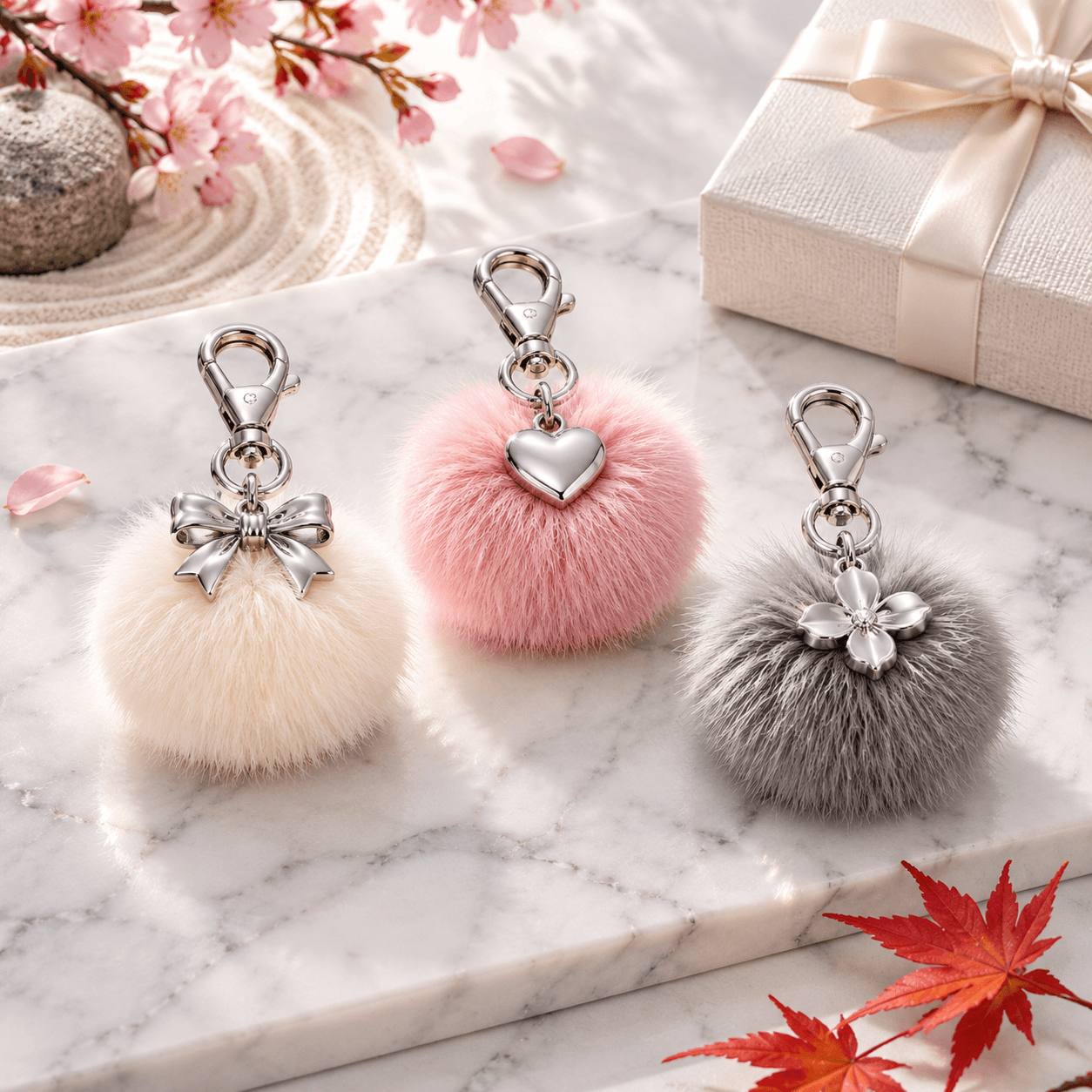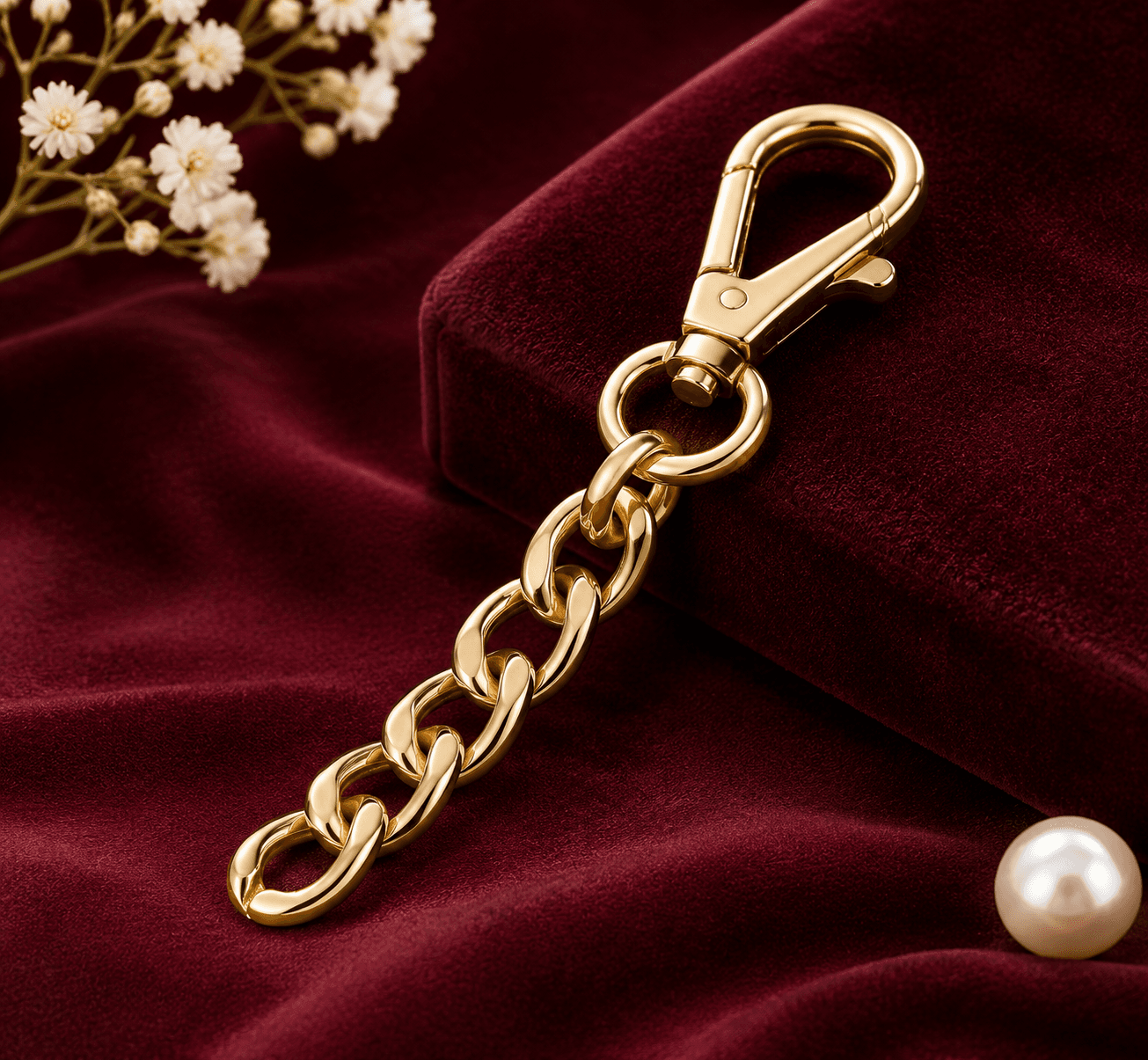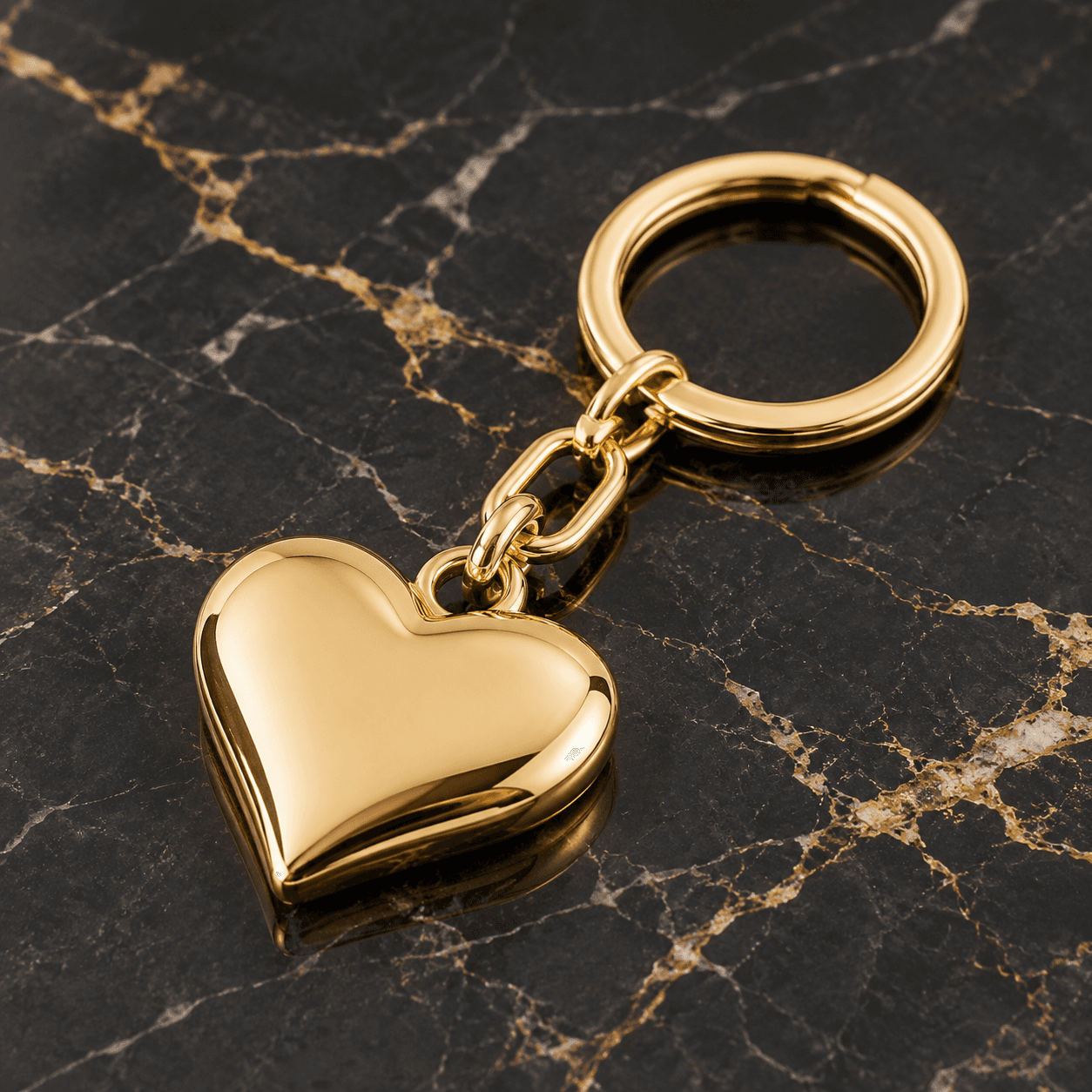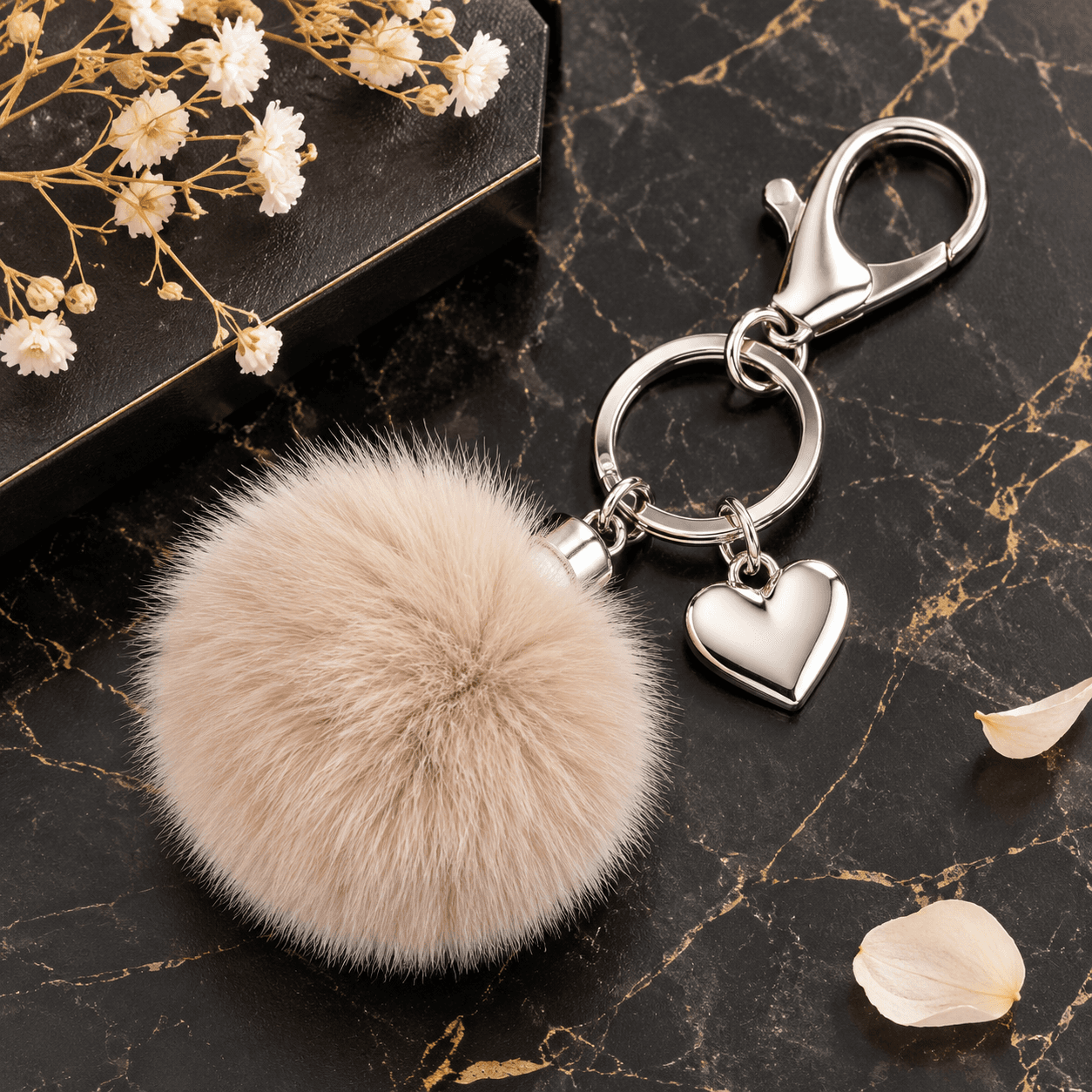
A successful fur bag charm collection requires more than an attractive decorative element. For jewelry designers and boutique buyers, material chemistry, corrosion resistance, surface finishing, attachment engineering, and supplier consistency determine whether a product can perform reliably across a commercial collection. Choosing the right manufacturing partner is particularly important when developing decorative bag accessories for the North American market, where buyers increasingly value durable finishes, distinctive customization, and transparent product specifications.
316L stainless steel offers a strong foundation for this product category. Its chromium, nickel, and molybdenum composition provides useful corrosion resistance, while its compatibility with precision manufacturing and PVD finishing creates substantial design flexibility. This guide examines the material from a sourcing perspective and explains how to evaluate a stainless steel charms manufacturer, specify custom designs, and manage wholesale production with greater technical confidence.
Stainless Steel Fur Bag Charm Wholesale: Understanding the Material Behind the Product
When sourcing stainless steel fur bag charm wholesale products, distinguish between the decorative styling of the finished accessory and the material used for its structural charm component. Fur can serve as a visual styling context for a bag accessory, while the charm itself can be manufactured from 316L stainless steel. This distinction matters because the structural component must maintain its finish, shape, and attachment integrity throughout normal handling and repeated use.
What Makes 316L Stainless Steel Different?
316L stainless steel is a low-carbon grade within the austenitic stainless steel family. Its composition typically includes iron as the principal constituent, approximately 16–18% chromium, 10–14% nickel, and 2–3% molybdenum. Carbon is limited to a maximum of approximately 0.03%. Exact ranges depend on the applicable material specification and production standard.
Each constituent contributes a distinct metallurgical function:
- Chromium: Supports the formation of a thin, protective chromium-rich passive surface film. This film helps reduce corrosion under appropriate service conditions.
- Nickel: Stabilizes the austenitic crystal structure and contributes to ductility, toughness, and fabrication characteristics.
- Molybdenum: Improves resistance to localized corrosion, particularly pitting corrosion in chloride-containing environments.
- Low carbon content: Reduces the tendency toward chromium carbide precipitation during certain thermal processing conditions, helping preserve corrosion resistance around welded areas.
- Iron: Forms the principal structural foundation of the material.
For jewelry designers, these properties translate into a practical combination of durability, precision fabrication potential, and suitability for decorative components that experience regular contact and handling.
Why Material Chemistry Matters for Bag Accessories
A bag charm may encounter humidity, perspiration transferred from handling, cosmetics, environmental contaminants, friction, and occasional contact with cleaning products. The material beneath the decorative finish therefore matters as much as the initial appearance.
316L stainless steel develops a passive surface film that helps protect the underlying material. Unlike a decorative coating, this corrosion-resistance mechanism is associated with the material's surface chemistry itself. However, it is not absolute protection against every environment. Strong chemicals, prolonged exposure to chlorides, surface contamination, and unsuitable maintenance can still affect performance.
Buyers should consequently evaluate both the base material and the final surface treatment. A technically appropriate material does not automatically guarantee consistent production quality.
Why 316L Stainless Steel Matters for Wholesale Bag Charm Programs
1. Corrosion Resistance and Long-Term Product Appearance
Corrosion resistance is an important commercial consideration for bag accessories because decorative components are repeatedly handled and exposed to changing environmental conditions. The chromium-rich passive film provides a protective mechanism, while molybdenum contributes additional resistance to localized corrosion.
For North American boutique brands, this can support a product positioning centered on everyday practicality and dependable appearance. Nevertheless, buyers should avoid unsupported claims such as completely corrosion-proof or maintenance-free. Product performance depends on the complete manufacturing process, finish, usage conditions, and care instructions.
2. Precision Manufacturing for Distinctive Designs
316L stainless steel supports multiple manufacturing processes relevant to custom decorative charms. CNC machining, laser cutting, laser marking, welding, and precision polishing allow manufacturers to develop recognizable silhouettes, controlled edge details, engraved logos, and consistent attachment features.
Designers can explore several customization directions:
- Initial and alphabet-shaped charms with personalized engraving.
- Botanical, animal, celestial, and geometric decorative silhouettes.
- Raised or recessed logo details for private-label collections.
- Enamel color filling for distinctive visual contrast.
- Crystal inlay for selected decorative focal points.
- Polished silver finish, gold plated, and rose gold plating options.
These possibilities allow a single collection to maintain a consistent material foundation while offering different visual identities and retail price positions.
3. Consistency Across Commercial Production
For wholesale buyers, repeatability is a commercial requirement. A successful sample must be reproducible across subsequent production batches. Dimensional tolerances, surface preparation, polishing quality, plating parameters, and attachment geometry should be documented before approving bulk orders.
Working with an experienced OEM charms manufacturer helps establish these controls at the beginning of product development rather than attempting to correct inconsistencies after delivery.
4. Certification and Testing Considerations
Technical documentation provides a more reliable basis for supplier evaluation than general quality statements. Lancy Jewelry supports material and product evaluation through SGS certification and testing documentation covering RoHS, REACH, Nickel Release EN1811, and Salt Spray 240H.
Each document serves a different purpose:
- RoHS: Addresses restrictions on specified hazardous substances within its applicable product scope.
- REACH: Addresses chemical substance requirements under the applicable European regulatory framework.
- Nickel Release EN1811: Provides a recognized test method for evaluating nickel release from relevant articles intended for direct and prolonged skin contact.
- Salt Spray 240H: Provides corrosion-test information under specified laboratory conditions. The result should be interpreted according to the tested sample, method, and acceptance criteria.
Buyers should request reports relevant to the actual material, finish, and product construction. A test report for one configuration should not automatically be treated as proof that every variation has identical performance.
Detailed Material Comparison: 316L Stainless Steel and Finished Charm Specifications
For an informed purchasing decision, separate intrinsic material properties from manufacturing and finishing characteristics. The following comparison examines the main specifications that influence finished charm quality.
316L Material Properties Compared with Surface Finish Properties
| Evaluation factor | 316L stainless steel | PVD or decorative finish |
|---|---|---|
| Primary function | Structural material and corrosion-resistant foundation | Controls surface appearance and provides an additional functional surface layer |
| Chemical characteristics | Chromium, nickel, molybdenum, iron, and controlled carbon content | Depends on the selected coating chemistry and deposition process |
| Corrosion behavior | Supported by the chromium-rich passive film | Depends on coating integrity, adhesion, thickness, and exposure conditions |
| Color options | Natural stainless steel appearance | Gold plated, rose gold plating, and other specified PVD finishes |
| Customization | Supports precision cutting, machining, marking, and polishing | Supports controlled decorative color and surface appearance |
| Quality verification | Material documentation and appropriate testing | Coating inspection, adhesion assessment, thickness measurement, and relevant durability testing |
This distinction is essential: PVD does not change the underlying grade of the structural material. It modifies the surface. Buyers should therefore specify both the 316L stainless steel requirement and the intended finish rather than treating a particular color as proof of material quality.
Comparing Common Finishing Options
| Finish | Visual characteristics | Recommended design application | Buyer evaluation priority |
|---|---|---|---|
| Natural silver finish | Clean, reflective stainless steel appearance | Minimalist, geometric, and everyday decorative collections | Polishing uniformity and surface clarity |
| PVD gold plated | Warm metallic gold appearance | Premium-looking boutique collections and gift accessories | Color consistency, adhesion, and coating durability |
| Rose gold plating | Soft pink-gold appearance | Romantic, feminine, and personalized designs | Color matching and batch consistency |
| Enamel details | Defined colored sections and graphic contrast | Animal, floral, alphabet, and themed collections | Color accuracy, filling quality, and edge definition |
| Crystal inlay | Reflective decorative focal points | Statement charms and gift-oriented designs | Setting alignment and retention inspection |
These finishes can be planned as coordinated product variations. However, buyers should approve each finish independently because surface preparation, coating conditions, decorative processes, and inspection requirements may differ.
How to Evaluate a Stainless Steel Fur Bag Charm Wholesale Supplier
Supplier evaluation should follow a structured technical and commercial process. A competitive quotation is valuable only when the supplier can reproduce the approved design, maintain material requirements, and deliver the agreed specifications.
Step 1: Confirm the 316L Stainless Steel Specification
Begin with a written material requirement. Specify 316L stainless steel for the structural charm component and request supporting material documentation. Ask how incoming material is identified and verified before processing.
Useful supplier questions include:
- Can the supplier provide material certificates or traceability documentation?
- Are incoming material specifications recorded by production batch?
- How are material substitutions prevented?
- Can the supplier provide relevant SGS testing documentation?
Do not accept a generic description such as premium stainless steel as a substitute for a specific material-grade requirement.
Step 2: Evaluate Design and Engineering Capabilities
A decorative charm must be visually appealing while remaining mechanically practical. Review the supplier's capabilities in CNC machining, laser cutting, laser marking, welding, and polishing.
Pay particular attention to the attachment mechanism. A charm intended for a bag accessory should have a properly designed hole or closed loop through which its jump ring or connector passes. The connector must be appropriately sized, securely closed, and positioned without obstructing the decorative face.
Request engineering feedback before approving complex designs. Very narrow sections, sharp internal corners, delicate protrusions, and poorly positioned attachment points can create manufacturing or durability challenges.
Step 3: Assess PVD and Decorative Process Control
Surface finishing should be evaluated using approved physical samples rather than digital color references alone. A supplier should be able to explain its surface preparation sequence, polishing standards, PVD process controls, and inspection methods.
For gold plated and rose gold plating options, request samples showing the actual production finish. Examine color uniformity, visible surface defects, coating coverage around edges, and the appearance of recessed details.
For enamel and crystal inlay, assess color consistency, filling boundaries, setting alignment, and retention. Decorative complexity should never compromise the structural integrity of the charm.
Step 4: Request Sample Development Before Bulk Production
Sample development is where design intent becomes a verifiable manufacturing specification. A good sample approval process should cover:
- Design confirmation: Approve the silhouette, dimensions, thickness, logo position, and decorative details.
- Material confirmation: Confirm 316L stainless steel and the relevant documentation.
- Finish confirmation: Approve the actual surface appearance, color, and decorative treatment.
- Mechanical inspection: Check the jump ring, bail, loop, and attachment geometry.
- Functional assessment: Examine the finished charm during representative handling and attachment use.
- Reference retention: Keep an approved sample and specification record for production comparison.
For private-label buyers, this process also establishes the foundation for repeatable product development across future collection extensions.
Step 5: Compare MOQ, Lead Time, and Production Capacity
Commercial terms should be evaluated alongside manufacturing capability. A low quotation does not necessarily represent a better sourcing decision if the supplier cannot maintain finish consistency or support repeat orders.
Compare the following factors:
| Commercial factor | What buyers should request |
|---|---|
| MOQ | Minimum quantity by design, finish, and customization level |
| Sample cost | Prototype charges, development scope, and revision arrangements |
| Production lead time | Separate sample, approval, and bulk manufacturing schedules |
| Quality control | Inspection stages, acceptance criteria, and defect handling |
| Packaging | Private-label options, packaging specifications, and labeling requirements |
| Repeat production | Reference sample retention, finish records, and reorder procedures |
Low MOQ support is particularly useful for boutique brands testing new designs. It allows buyers to evaluate customer demand before committing to larger quantities, provided the supplier can maintain commercially reasonable unit economics.
North American Market Considerations for Fur Bag Charm Buyers
Design Preferences in the United States and Canada
North American boutique buyers often seek decorative accessories that combine recognizable visual themes with practical everyday use. Initial charms, personalized symbols, botanical motifs, animal details, and coordinated color stories offer opportunities for collection differentiation.
Fur bag charm styling can also create a seasonal merchandising opportunity. Buyers can develop coordinated charm designs for gift programs, autumn and winter accessories, boutique displays, and personalized accessory selections. The structural charm should remain clearly specified as 316L stainless steel regardless of the surrounding styling concept.
For US and Canadian retailers, consider the following product-development priorities:
- Compact designs that remain visually legible on bags.
- Attachment hardware that can withstand ordinary handling.
- Coordinated finishes across related charm designs.
- Personalization options that support gifting and repeat purchases.
- Packaging suitable for boutique merchandising and private-label presentation.
Regulatory and Documentation Considerations
Regulatory review should be based on the intended market, product classification, target consumer, and actual product claims. Ordinary decorative bag accessories do not automatically fall under FDA authorization requirements. FDA considerations become relevant when a product or its claims bring it within the agency's jurisdiction. Buyers should not interpret an SGS material or chemical test report as FDA approval.
For the United States, sourcing teams should assess applicable Consumer Product Safety Commission requirements, relevant chemical restrictions, and additional obligations for products intended for children. California Proposition 65 exposure should also be evaluated where applicable.
For Canada, review applicable Consumer Product Safety Act requirements and relevant restrictions on chemical substances in consumer products. Importers should maintain appropriate supplier records, product specifications, and supporting test documentation.
Nickel release testing under EN1811 is particularly relevant to applicable European skin-contact requirements. Although it is useful technical documentation, it should not be treated as a universal substitute for reviewing US or Canadian legal obligations. The test method, tested configuration, and intended application must all be considered.
Why Choose Lancy Jewelry for Custom Stainless Steel Charms?
Lancy Jewelry focuses on B2B OEM/ODM manufacturing of 316L stainless steel charms for boutique jewelry brands, charm bar retailers, gift companies, distributors, and private-label buyers.
Our manufacturing approach combines material-focused product development with practical customization capabilities. The facility uses CNC equipment, laser cutting, laser marking, welding, and polishing to support the development of detailed charm designs and repeatable production specifications.
Factory Capabilities for Boutique and Private-Label Projects
- OEM development: Develop custom designs according to buyer drawings, specifications, and approved samples.
- ODM development: Support product concepts, design refinement, and coordinated collection planning.
- Logo engraving: Add controlled branding details through laser marking and engraving processes.
- PVD finishing: Develop gold plated and rose gold plating options with defined appearance requirements.
- Decorative customization: Support enamel color filling and crystal inlay for selected designs.
- Private-label packaging: Develop packaging presentations aligned with boutique retail and gift programs.
- Sample support: Provide a practical development process before bulk production approval.
Our SGS certification and testing documentation covers RoHS, REACH, Nickel Release EN1811, and Salt Spray 240H. Buyers can use relevant documentation as part of their supplier qualification and product review procedures.
For collection planning, Lancy can support coordinated alphabet, birthstone, zodiac, heart, botanical, animal, ocean, and special-symbol charm concepts. These categories provide a structured starting point for developing recognizable product families rather than isolated designs.
Explore our 316L stainless steel charm collections to review product directions, or visit our OEM and ODM manufacturing service to understand custom development opportunities.
Frequently Asked Questions
1. Why is 316L stainless steel suitable for wholesale bag charms?
316L stainless steel combines chromium-based corrosion resistance with the structural and fabrication characteristics needed for detailed decorative components. Its molybdenum content contributes to resistance against localized corrosion, while its low carbon content supports appropriate fabrication practices. It also provides a suitable foundation for polishing, PVD finishing, enamel, and crystal inlay customization.
2. Can Lancy Jewelry customize stainless steel fur bag charms?
Yes. Lancy Jewelry supports OEM and ODM development of 316L stainless steel charms with custom shapes, laser logo engraving, PVD finishes, enamel color filling, crystal inlay, and private-label packaging. Fur styling can be treated as the intended bag accessory presentation, while the structural charm remains 316L stainless steel.
3. What certifications and testing should wholesale buyers request?
Buyers should request documentation relevant to the actual product and intended market. Lancy supports SGS certification and testing documentation covering RoHS, REACH, Nickel Release EN1811, and Salt Spray 240H. The appropriate reports should be checked against the specific material, finish, construction, and applicable market requirements.
4. How can buyers start a low MOQ private-label charm project?
Start by providing a design reference, target dimensions, finish requirements, estimated order quantity, logo requirements, and packaging preferences. The manufacturer can review technical feasibility, clarify MOQ, prepare a quotation, and arrange sample development. Approve the physical sample and written specifications before authorizing bulk production.
Partner With Lancy Jewelry for Your Next Wholesale Charm Collection
Successful wholesale sourcing begins with precise material requirements, documented finishing standards, and a manufacturing partner capable of translating design concepts into repeatable products. For stainless steel fur bag charm wholesale projects, 316L stainless steel provides a technically established foundation, while PVD finishes, enamel, crystal inlay, and custom engraving create opportunities for distinctive boutique collections.
Lancy Jewelry combines OEM/ODM development, precision manufacturing, finish customization, sample support, and private-label packaging to help B2B buyers build commercially practical charm programs.
Prepare your design references, estimated quantities, preferred finishes, and packaging requirements. Our team can review your project and provide a manufacturing proposal based on your specifications.
Ready to develop your next collection? Submit an RFQ for a custom quotation, or contact Lancy Jewelry to discuss your OEM/ODM requirements and sample development plan.