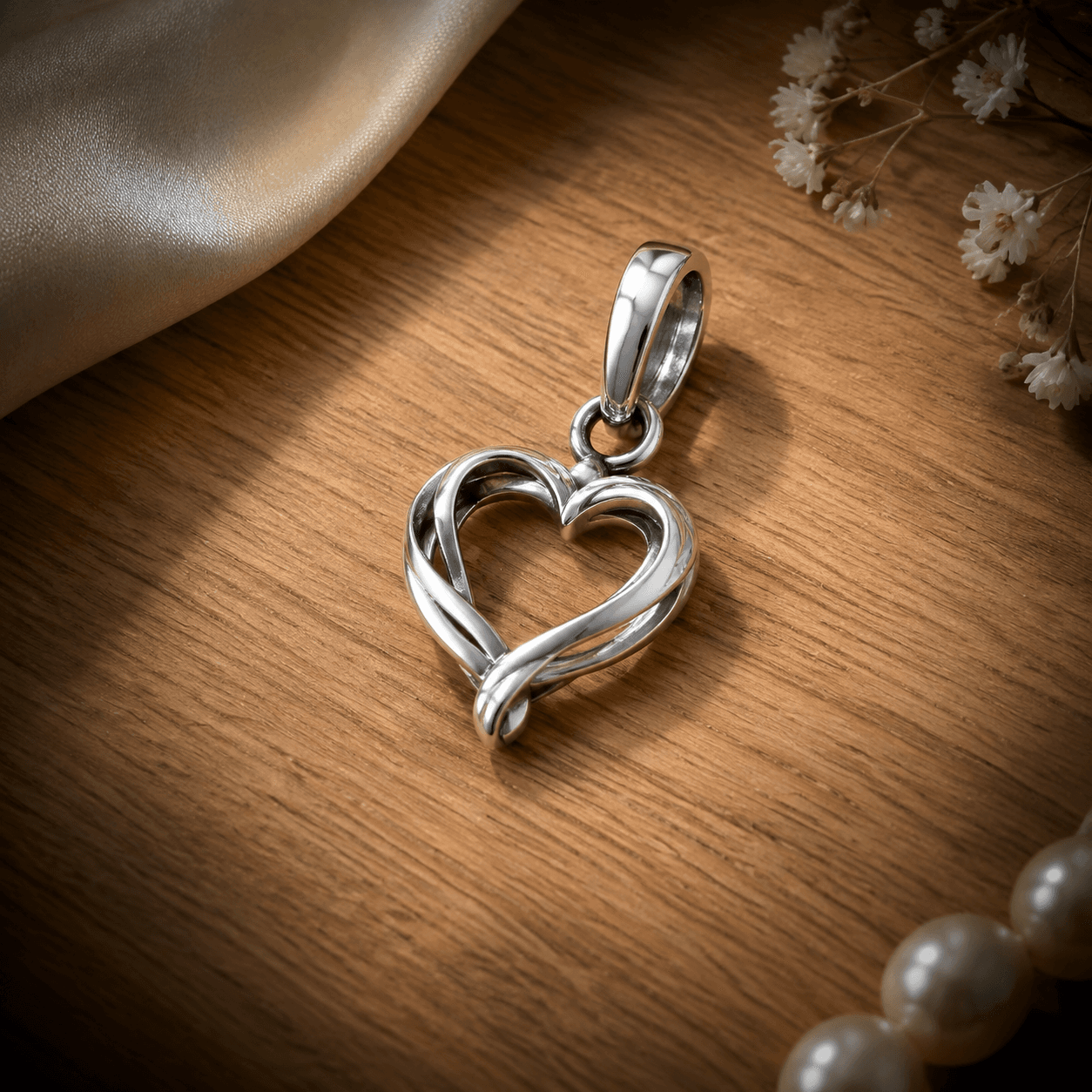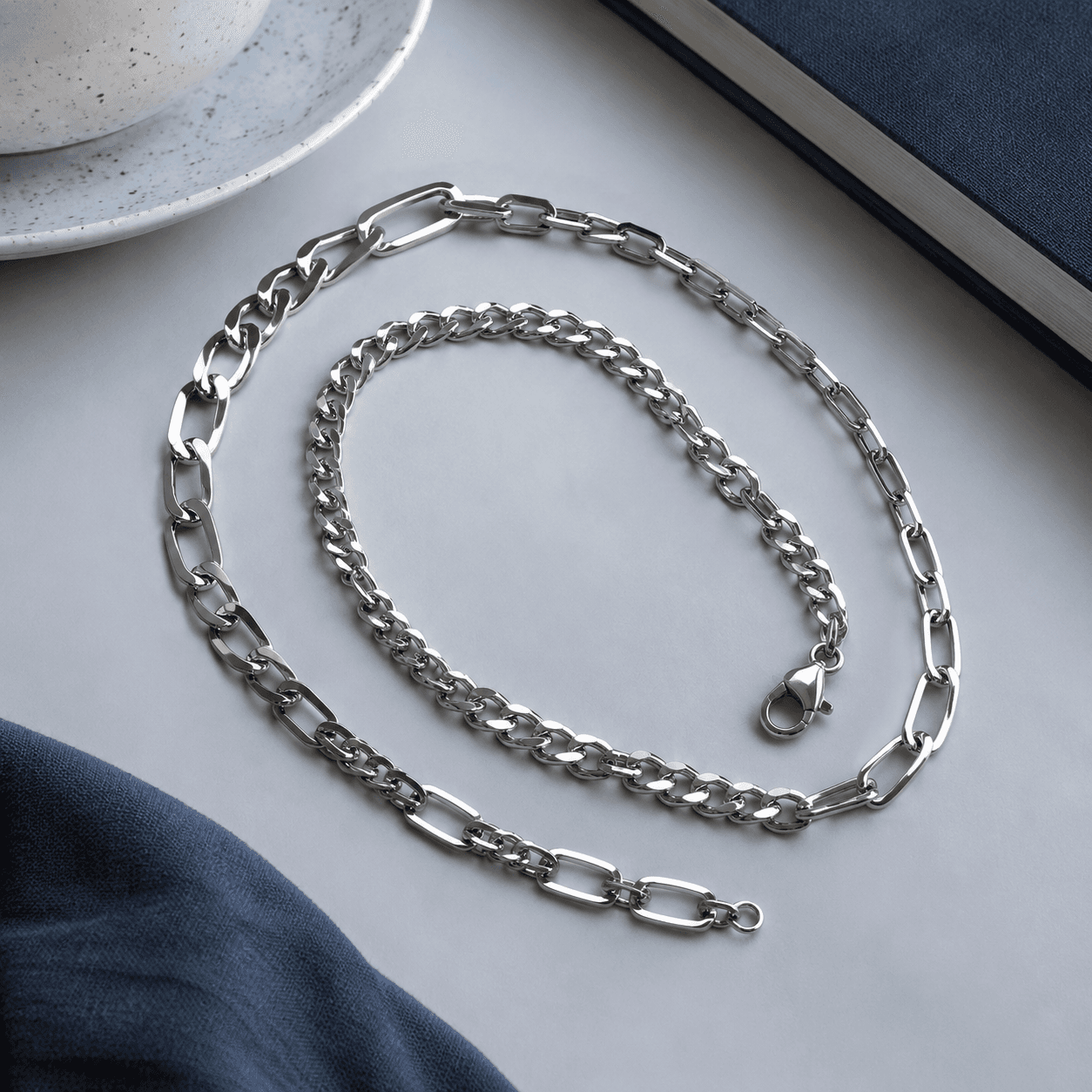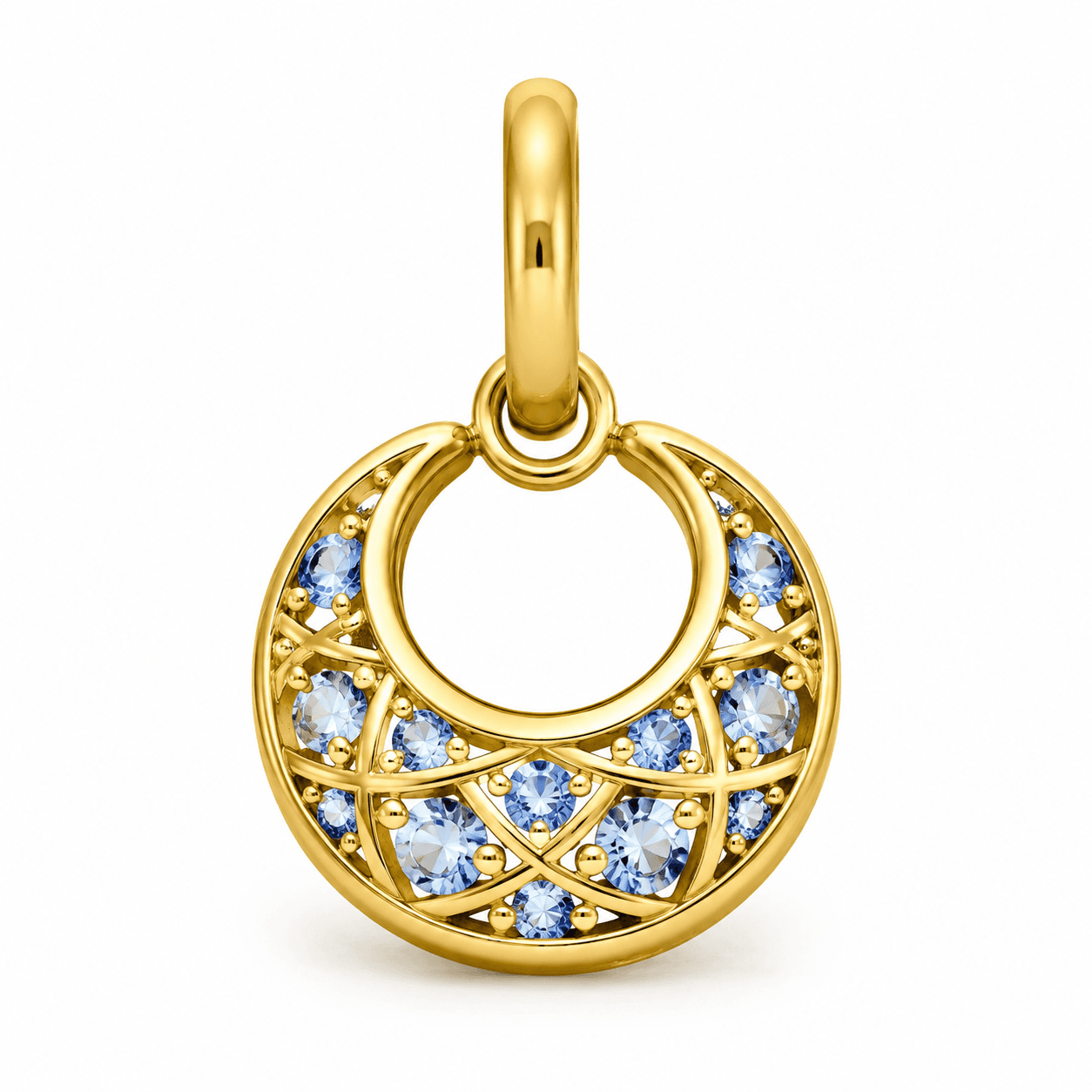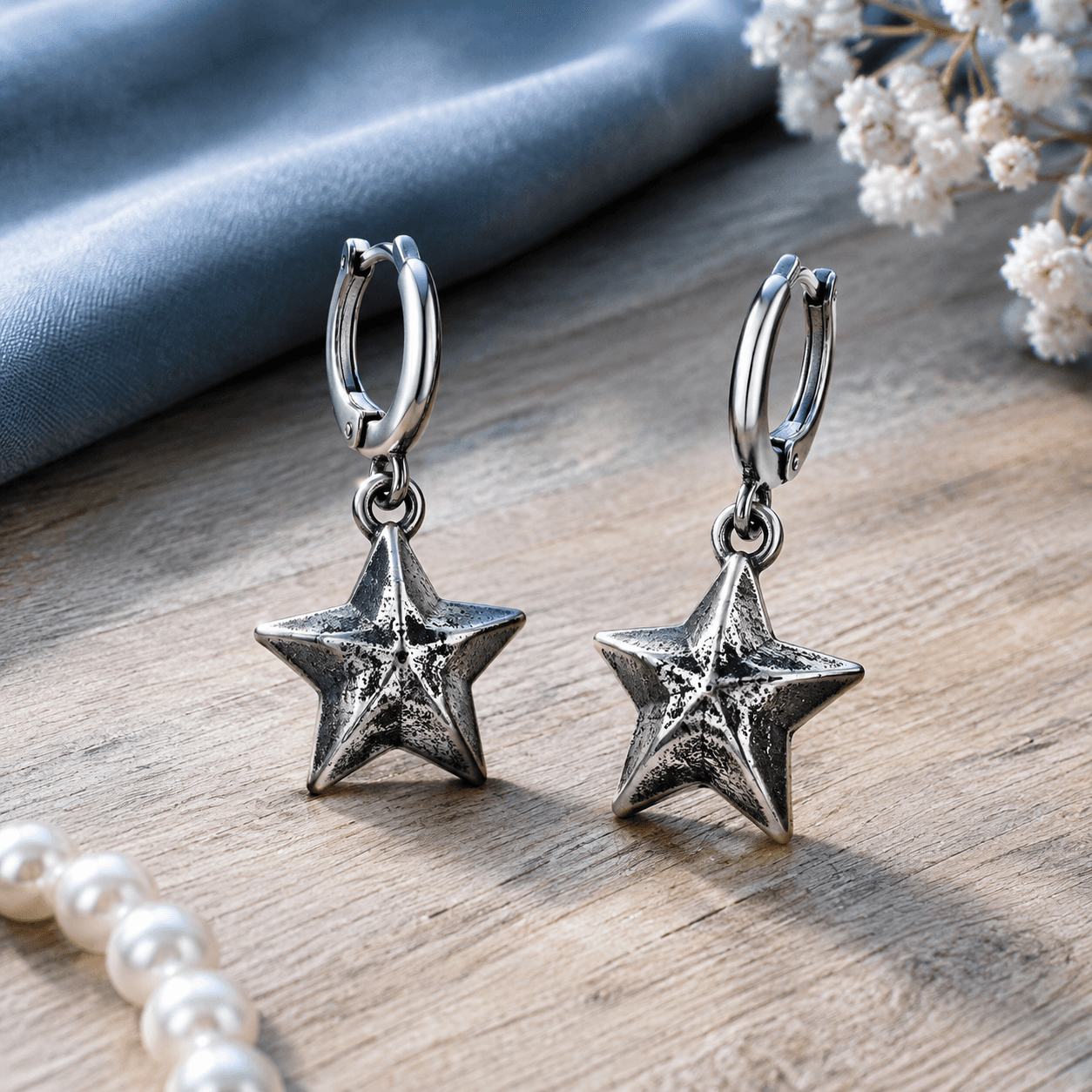
An antique distressed finish can give a charm collection visual depth, a vintage-inspired character, and a distinctive surface that stands out in boutique retail. For jewelry designers and private-label buyers, however, appearance is only half the decision. The finish must also withstand handling, routine wear, storage, and distribution without losing the details that define the design.
The key is to evaluate the finish as a complete surface system rather than judge a sample by appearance alone. Base material, surface preparation, recessed detailing, finishing processes, and inspection standards all influence long-term performance. This buyer's guide compares antique distressed effects with uniform finishes on 316L stainless steel charms and explains how to specify, test, and source products with confidence.
Antique Distressed Finish on Stainless Steel Charms: What Buyers Need to Know
How an antique distressed effect is created
An antique distressed finish is a controlled visual treatment that emphasizes depth, contrast, and selected surface details. Depending on the approved design and manufacturing process, raised areas may appear brighter while recessed areas retain a darker appearance. Fine surface texturing and carefully controlled polishing can further define the design.
On 316L stainless steel charms, the objective is to create intentional contrast without compromising the integrity of the underlying surface. A successful finish should look deliberate and consistent, not scratched, stained, or unevenly processed.
For OEM development, designers should provide a reference sample or a clear visual specification. Identify which areas should remain bright, which recesses should appear darker, and how much variation is acceptable between individual units. These decisions give the manufacturer measurable criteria for sample approval and bulk production.
Why the base material matters
316L stainless steel provides a durable foundation for decorative charms and supports a wide range of surface treatments. Its corrosion resistance makes it a practical choice for collections that may experience frequent handling and everyday exposure to moisture. Actual performance still depends on the finished product, the processing conditions, and the environment in which it is used.
Buyers should distinguish between the durability of the base material and the durability of the visible finish. A strong substrate does not automatically guarantee that every surface treatment will retain its original appearance indefinitely. The complete manufacturing process must be evaluated.
Distressed appearance versus uncontrolled wear
The most important distinction is whether the contrast is part of the approved design or the result of premature deterioration. Intentional distressing should be repeatable, positioned consistently, and documented in the approved sample. Unexpected discoloration, rough edges, or progressive finish loss should be treated as quality concerns rather than accepted as part of the aesthetic.
Benefits of Antique Distressed Finishes for Jewelry Designers
Distinctive visual character
Selective contrast helps engraved symbols, botanical details, geometric patterns, and sculpted surfaces remain visually legible. It can make a compact charm appear more detailed without requiring an oversized design. This is especially useful when developing coordinated collections for boutique brands, charm bar retailers, and gift programs.
Greater flexibility in collection planning
Designers can use a distressed appearance across several related shapes while retaining a recognizable visual direction. For example, a collection may combine initial charms, nature-inspired motifs, and decorative symbols through a shared contrast level and surface texture. Consistent design rules help retailers merchandise the range as a coherent series.
Clearer product differentiation
Compared with a uniformly polished appearance, an antique distressed effect places greater emphasis on recesses, edges, and relief. This provides another option for brands seeking to differentiate their own product development. The effect should be specified independently for each design because fine engraving and broad recessed areas may require different finishing controls.
Documented quality and compliance checks
Lancy Jewelry supports 316L stainless steel charm manufacturing with quality checks that can include material verification, finish inspection, and applicable laboratory testing. The stated SGS certification and testing credentials include RoHS, REACH, Nickel Release EN1811, and Salt Spray 240H.
These credentials serve different purposes. RoHS and REACH relate to applicable chemical and regulatory requirements, while EN1811 addresses nickel release under the relevant test method. A 240-hour salt spray result provides evidence about corrosion performance under the specified test conditions. None of these results alone proves that every distressed finish will remain visually unchanged throughout its service life. Buyers should request applicable reports and confirm their scope, test conditions, and relevance to the exact product and finish.
Detailed Comparison: Distressed and Uniform Finishes
Side-by-side finish comparison
| Evaluation factor | Antique distressed finish | Uniform polished or silver finish | PVD gold plated finish |
|---|---|---|---|
| Visual effect | Contrasting recesses and raised details | Consistent brightness and surface reflection | Consistent gold-tone appearance when properly processed |
| Design emphasis | Relief, engraving, texture, and vintage character | Clean contours and smooth surface presentation | Color consistency and a coordinated warm-tone collection |
| Production priority | Repeatable contrast and controlled detail placement | Uniform polishing and surface cleanliness | Controlled PVD processing and color consistency |
| Primary inspection concern | Unintended scratches, irregular shading, and contrast variation | Visible marks, uneven reflection, and surface defects | Color variation, surface defects, and finish adhesion |
| Wear evaluation | Check whether intentional contrast remains visually consistent | Check changes in brightness, scratches, and surface appearance | Check color retention, wear, and coating integrity |
| Best suited to | Detailed motifs and character-led boutique collections | Minimal designs and clean decorative forms | Collections requiring a defined gold-tone finish |
This comparison describes general design and inspection priorities, not a universal ranking of durability. Performance depends on the exact process, geometry, surface preparation, and test conditions. Buyers should approve the selected finish using production-representative samples.
How to compare durability fairly
Do not assume that a darker finish is more durable because it appears less reflective, or that a bright finish is less durable because scratches are easier to see. Visual detectability and actual material loss are different measurements. Use the same test conditions, handling method, inspection lighting, and acceptance criteria when comparing alternatives.
For distressed designs, document the approved appearance before testing. After each test, compare the sample against the baseline for changes in contrast, color, surface texture, and visible defects. Record both the condition of the surface and the location of any change.
A Practical Durability Checklist for B2B Buyers
1. Define the finish before requesting samples
Describe the intended effect in production terms. Specify the bright areas, recessed contrast, texture intensity, edge treatment, and acceptable variation. Include front, side, and close-up references when the design contains fine details.
For repeat orders, make the approved sample and its written specification the controlling references. Avoid relying solely on broad descriptions such as antique, vintage, or distressed because different suppliers may interpret these terms differently.
2. Verify the 316L stainless steel foundation
Confirm that the charm's base material is 316L stainless steel and request appropriate material documentation. Ask the manufacturer to explain the surface preparation and finishing sequence. This helps buyers understand which stages influence corrosion resistance, detail clarity, and final appearance.
Lancy Jewelry develops custom stainless steel charms using manufacturing processes that include CNC machining, laser cutting, laser marking, welding, and polishing. The appropriate process combination depends on the design, dimensional requirements, and selected finish.
3. Inspect the sample under consistent conditions
Examine samples under neutral lighting at normal viewing distance and under magnification. Check whether recessed areas are clearly defined, raised areas remain clean, and small design features are not obscured by excessive finishing. Inspect edges and attachment points for roughness or processing defects.
Review multiple samples where possible. A single attractive prototype cannot establish production consistency. Request samples from a representative process and document acceptable differences before approving the design.
4. Select tests that match the expected use
Choose testing according to the finish, intended application, and expected exposure. Common evaluation methods include the following:
| Test or check | What it evaluates | Buyer action |
|---|---|---|
| Salt spray testing | Corrosion behavior under defined accelerated conditions | Confirm the method, duration, and acceptance criteria; review results at the specified intervals. |
| Nickel release testing | Nickel release under the applicable EN1811 test conditions | Request relevant documentation for the product and applicable market requirements. |
| Surface abrasion assessment | Changes caused by controlled rubbing or contact | Agree on a repeatable method and inspect both color and surface detail after testing. |
| Finish adhesion assessment | Resistance of the applicable surface treatment to separation or lifting | Select a method suitable for the actual finish and product geometry. |
| Visual consistency inspection | Variation in color, contrast, texture, and workmanship | Compare against an approved reference under consistent lighting. |
Not every test applies to every surface treatment. A manufacturer should recommend relevant methods and explain their limitations. Salt spray testing, for example, does not directly predict the exact number of years a charm will retain its appearance during daily wear.
5. Establish acceptance criteria before bulk production
Write down what constitutes an acceptable product. Include color and contrast tolerances where measurable, allowable cosmetic variation, attachment integrity, edge quality, and packaging requirements. Specify how defects will be classified and how many units will be inspected under the agreed sampling plan.
For bulk charm orders, confirm that production samples, inspection records, and finish specifications remain traceable to the order. This makes it easier to investigate discrepancies and maintain consistency when replenishing a successful collection.
6. Evaluate the complete product, not just the finish
Attachment geometry, drilled holes, loops, and connecting points affect practical durability. Ensure the attachment mechanism is correctly formed and securely finished. Inspect the complete charm for sharp edges, weak connections, or details that may interfere with normal handling.
Also consider storage and packaging. Individual separation, suitable protective packaging, and clear handling instructions can reduce surface contact during transport. Packaging does not replace proper finishing, but it can help preserve the approved appearance between production and retail presentation.
OEM and ODM Sourcing Considerations
How to prepare a useful RFQ
A detailed RFQ allows a stainless steel charms manufacturer to assess the project accurately. Include the following information:
- Charm dimensions, thickness, weight targets, and design files.
- Confirmation that 316L stainless steel is the required base material.
- Finish references showing the intended distressed effect and contrast distribution.
- Required surface treatments, such as PVD gold plated finishing, silver finish, or rose gold plating where appropriate.
- Logo engraving, enamel color filling, or crystal inlay requirements, if applicable.
- Target MOQ, estimated order volume, packaging requirements, and delivery expectations.
- Requested compliance documents, durability tests, and inspection criteria.
Clear specifications reduce avoidable sample revisions and help the factory identify manufacturing risks early. If a design contains deep recesses, fine engraving, or very small attachment holes, ask for a feasibility review before finalizing the production artwork.
Compare suppliers using the same criteria
| Supplier evaluation point | Questions to ask | Evidence to request |
|---|---|---|
| Material control | Can the supplier document the specified 316L stainless steel base? | Relevant material records and product specifications |
| Finish development | Can the intended distressed pattern be reproduced consistently? | Approved samples and written finish references |
| Testing capability | Which durability and compliance tests apply to the product? | Relevant reports, methods, and acceptance criteria |
| Order flexibility | What MOQ and sample development options are available? | Written quotation and sample schedule |
| Private-label support | Can the supplier provide logo marking and retail-ready packaging? | Packaging specifications and sample approval process |
For buyers building a differentiated collection, ODM development can help translate a design direction into production-ready specifications. OEM projects can follow an established design supplied by the buyer. In both cases, the manufacturer should confirm technical feasibility, sample approval requirements, and the controls used to maintain consistency across production.
Explore Lancy Jewelry's OEM and ODM manufacturing services for custom development, logo engraving, finish selection, and private-label packaging. Buyers can also browse the product catalog to assess available design directions before preparing a project brief.
Frequently Asked Questions
Is an antique distressed finish on 316L stainless steel charms durable?
It can be durable when the base material, surface preparation, finishing process, and quality controls are appropriate. However, performance varies by design and treatment. Confirm durability through production-representative samples and tests selected for the intended use rather than relying on appearance alone.
Does a 240-hour salt spray result guarantee long-term finish retention?
No. A 240-hour salt spray result indicates performance under specified accelerated test conditions. It does not guarantee a fixed service life or prove that every decorative detail will remain unchanged during daily use. Review the test method, acceptance criteria, and relevance to the exact product.
Can Lancy Jewelry develop custom distressed stainless steel charms?
Lancy Jewelry supports OEM and ODM development of 316L stainless steel charms, including design refinement, surface finishing, logo engraving, sample support, and private-label packaging. Share your artwork, target finish, dimensions, and estimated order quantity to confirm feasibility and the appropriate development process.
What should buyers include when requesting a quote?
Provide the design file, dimensions, required 316L stainless steel base material, finish references, customization details, target MOQ, expected order quantity, packaging needs, and applicable testing requirements. Complete information helps the manufacturer assess cost, lead time, sampling needs, and production feasibility.
Partner With Lancy Jewelry for Durable Custom Charms
A successful antique distressed finish combines deliberate visual design with repeatable manufacturing controls. Buyers should evaluate the underlying 316L stainless steel, document the intended contrast, approve representative samples, and establish practical durability and inspection criteria before placing bulk orders.
Lancy Jewelry works with boutique jewelry brands, charm bar retailers, gift companies, distributors, and private-label buyers on custom stainless steel charms. Our manufacturing capabilities include CNC machining, laser cutting, laser marking, welding, polishing, surface finishing, logo engraving, enamel color filling, crystal setting, and private-label packaging. Low MOQ support and sample development help buyers validate product details before scaling production.
Prepare your specifications and send an RFQ for your custom charm project, or contact Lancy Jewelry to discuss your design, testing expectations, sample requirements, and production schedule. A clearly defined brief is the first step toward a distinctive finish and a more predictable sourcing process.