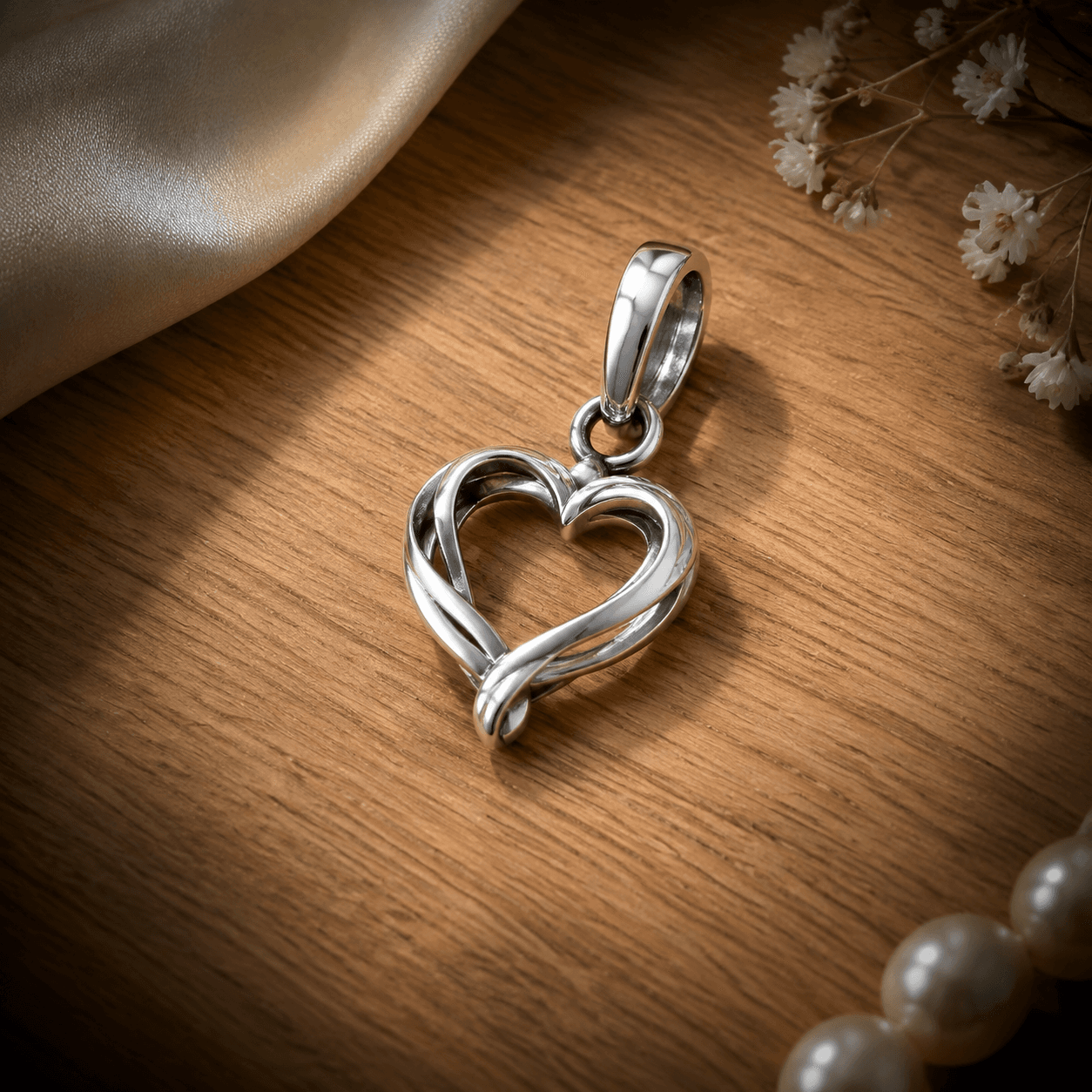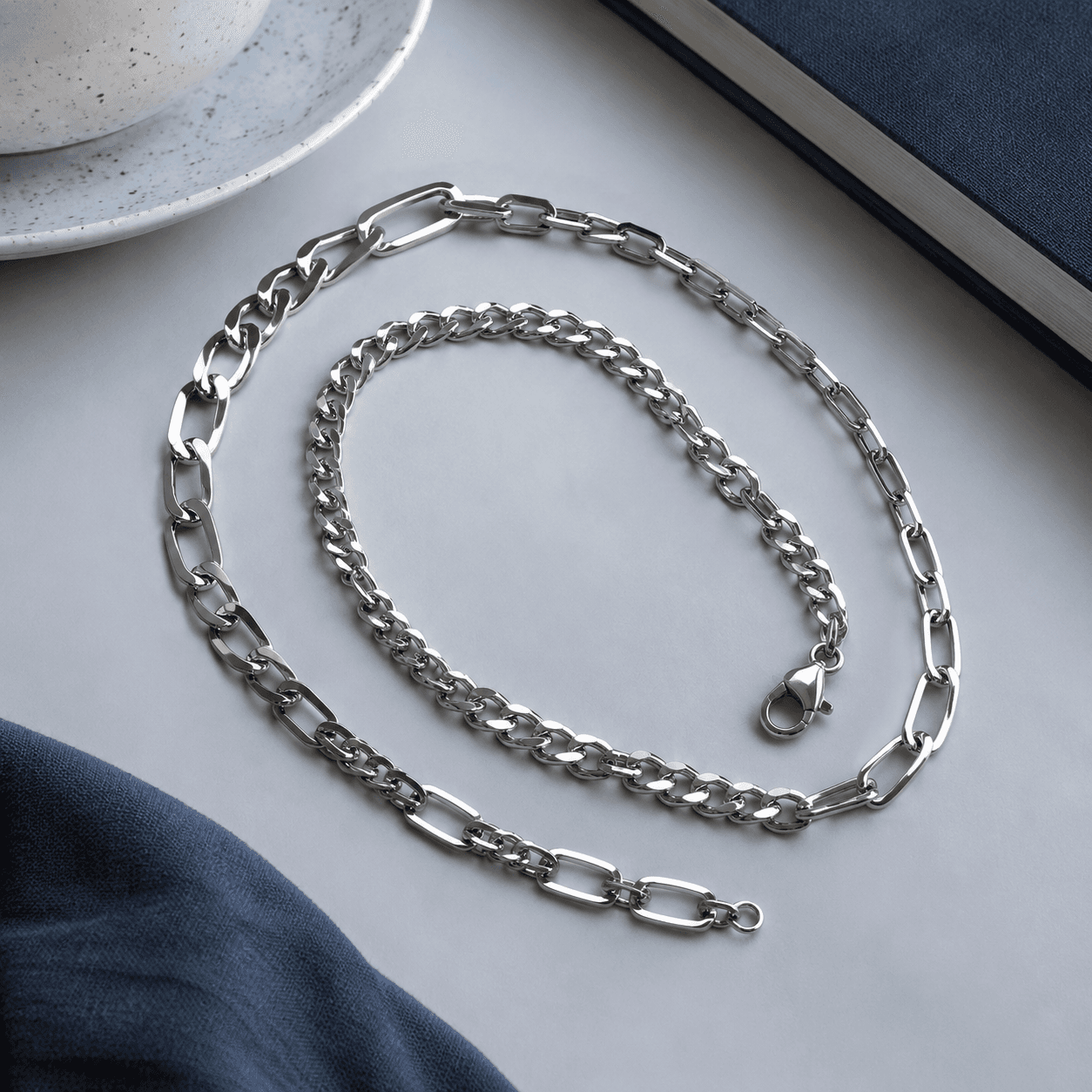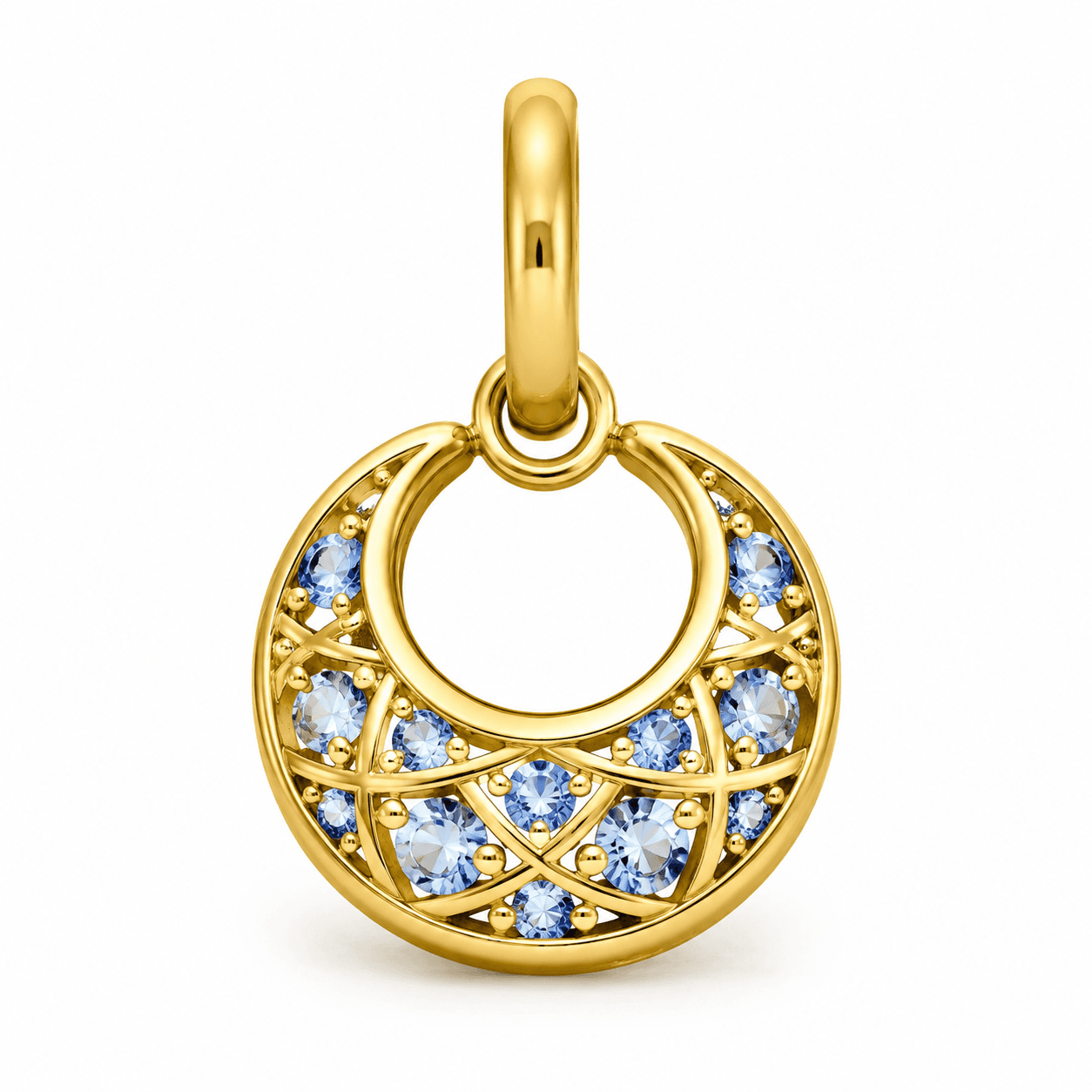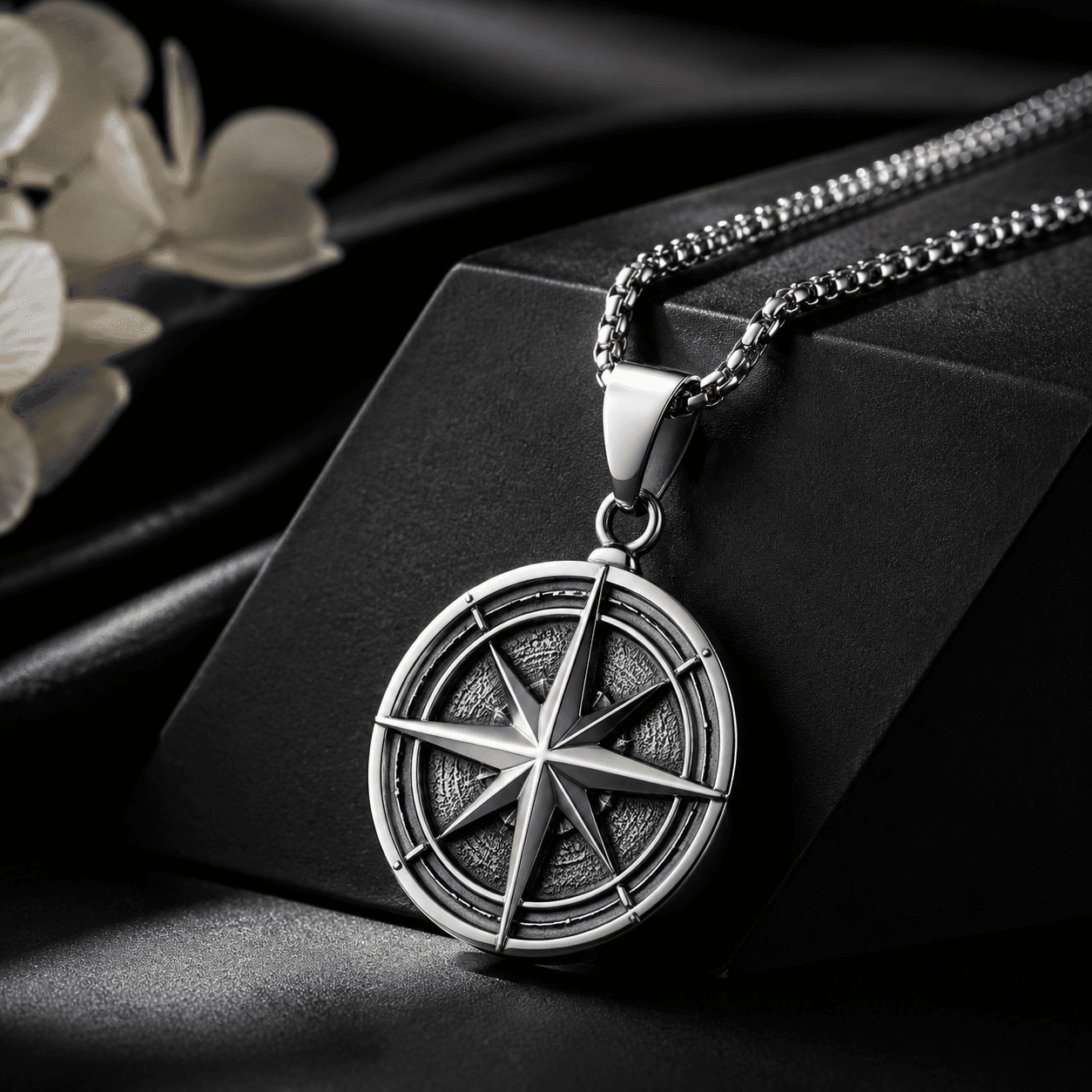
Hook: Designers deserve a reliable, scalable path from concept to boutique-ready charm sets. This guide reveals how to find and evaluate stainless steel necklace charms suppliers that deliver consistent 316L charms, customizable options, and private-label packaging—supporting global production with confidence.
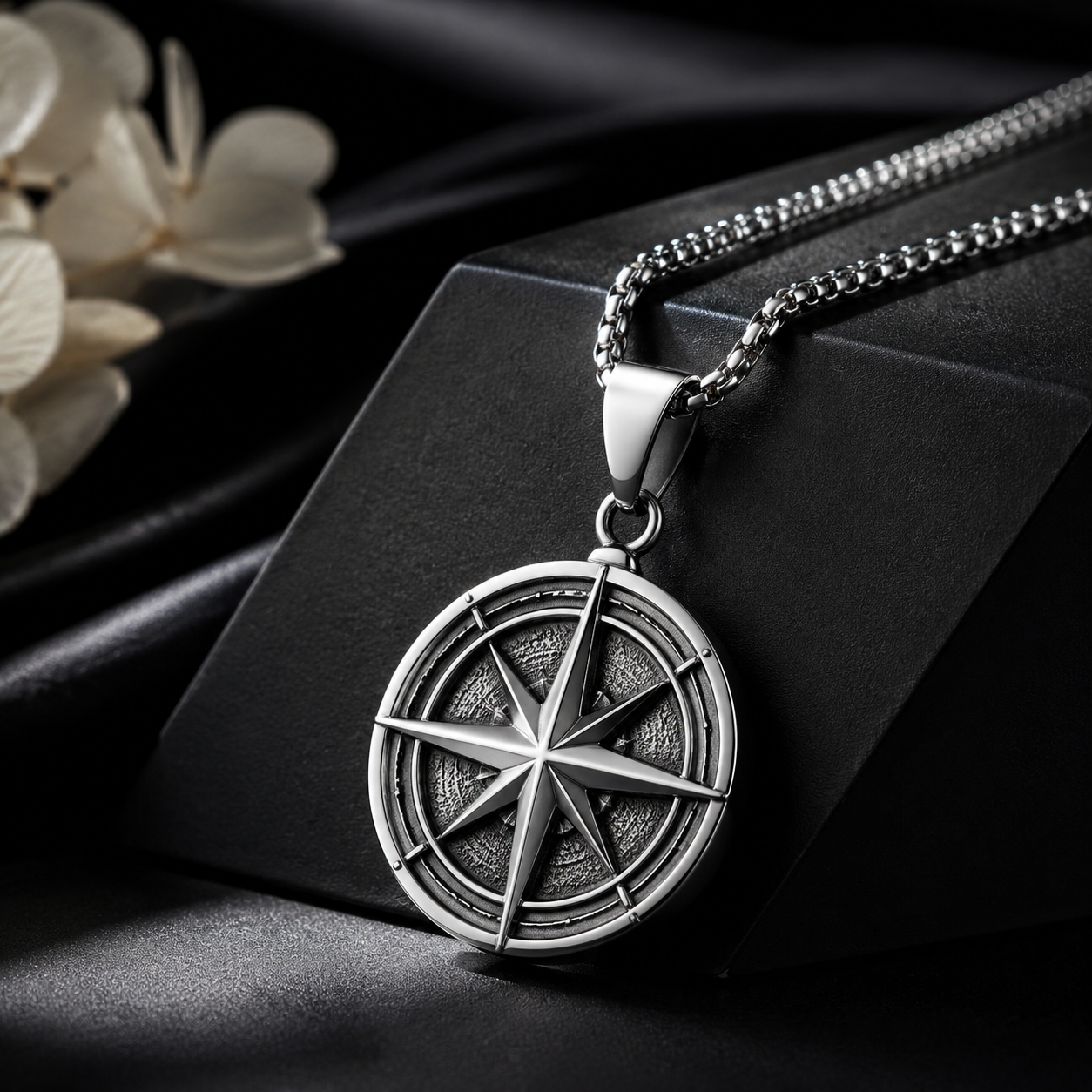
Stainless Steel Necklace Charms: Finding 316L Necklace Charms Suppliers
For design studios and brands that build collections around small, repeatable components, the choice of base material is foundational. 316L stainless steel offers a balanced combination of corrosion resistance, weldability, and biocompatibility, making it a dependable platform for charm designs intended for daily wear and boutique presentation. When evaluating suppliers, start with material science and go deeper into process capabilities, finishes, and private-label options.
What 316L stainless steel means for necklace charms
316L is an austenitic stainless steel grade with low carbon content, optimized for welding and formability. Typical alloy composition includes chromium ~16–18%, nickel ~10–14%, and molybdenum ~2–3%, which enhances corrosion resistance in chloride-rich environments. The low carbon content (the “L” designation) reduces carbide precipitation during welding, improving solderability and reducing susceptibility to sensitization. For designers, this translates into reliable mechanical performance, long-term tarnish resistance, and compatibility with advanced finishes such as PVD plating, enamel color filling, and crystal inlays. In practice, this means you can expect stable plating adhesion, consistent color, and repeatable production across batches.
Key chemistry considerations include:
- Corrosion resistance suitable for daily wear under consumer-use conditions
- Excellent weldability for customized logos or integration with other hardware
- Biocompatibility suitable for skin-contact applications
- Compatibility with decorative finishes like PVD plating, enamel, and crystal inlay
How to evaluate suppliers
Beyond material chemistry, the supplier's capability set defines practical outcomes for your lines. Look for:
- Manufacturing capabilities: CNC machining, laser cutting, laser marking, welding, polishing for consistent surface finishes
- Finish options: PVD plating (gold, rose gold), silver finish, enamel color filling, crystal inlay, and durable protective coatings
- Sample development speed: quick iterations to test fit, finish, and engraving
- Private-label packaging: branded packaging options for co-branded launches
- Quality assurance: inline inspection, incoming inspection, and SGS-certified testing
When sourcing, consider partners who are able to provide OEM and ODM capabilities, as well as private-label packaging—facilitating faster speed to market for boutique brands. For reference, the capability set commonly found in reputable 316L stainless steel charms manufacturers includes CNC, laser cutting, laser marking, welding, and polishing, plus packaging and private-label options. If you’re exploring a partner such as Lancy Jewelry, you’ll find a factory with a modern workflow and SGS-certified compliance, including RoHS, REACH, Nickel Release EN1811, and Salt Spray 240H testing.
What to ask during RFQ
When preparing a request for quotation (RFQ), structure questions to extract actionable supplier data:
- Base material specification: 316L stainless steel composition and carbon content
- Finish options: available plating and finishes, color stability, and wear resistance
- Decoration capabilities: enamel fill, crystal inlay, engraving/laser marking
- MOQ and pricing tiers: private-label packaging options and tiered pricing for private-label lines
- Lead times and sample development cycle: timeline from drawing approval to first production batch
- Quality tests and certifications: SGS certificates, RoHS, REACH, EN1811 nickel release, Salt Spray tests
- Packaging options: private-label packaging, anti-tarnish treatment, and insert cards
- OEM/ODM scope: logo engraving, production tooling, and customization allowances
To streamline evaluation, request a sample run with engraving and color options that mirror your intended line. Use the sample to validate alloy behavior, finish adhesion, and visual consistency across a small batch. You can explore supplier pages like /oem for more on our customization capabilities or browse catalog options at /products to understand available finishes and forms.
Benefits/Why it matters
Choosing the right supplier for 316L stainless steel charms impacts your brand’s reliability, speed, and cost. The right partner delivers not only material compatibility but also a predictable production rhythm that supports a boutique-ready collection with consistent plating quality and private-label packaging. The following benefits are central to B2B success:
Key benefits
- Material reliability: 316L stainless steel provides corrosion resistance and weldability for intricate designs.
- Finish versatility: PVD plating, silver finish, and rose gold plating offer durable color options for a cohesive line look.
- Decoration options: enamel, crystal inlay, and engraving enable distinctive design language.
- Manufacturing capability: access to CNC, laser cutting, laser marking, welding, and polishing ensures consistent quality across runs.
- Packaging and branding: private-label packaging supports brand differentiation without redesigning production.
- Compliance and certifications: SGS-certified RoHS, REACH, Nickel Release EN1811, and Salt Spray 240H provide regulatory assurance for global markets.
With this approach, designers gain a turnkey path from concept to market. When you partner with a trusted supplier like Lancy Jewelry, you gain a manufacturing partner that aligns with private-label timelines and supports low MOQ charm production, enabling flexible growth into new collections and markets.
Detailed analysis/Guide
This section breaks down a practical, step-by-step approach to sourcing 316L stainless steel charms for necklace designs, emphasizing material science, process control, and supplier evaluation.
Step 1 — Define design specs and material choices
Begin with a precise bill of materials and design brief that captures:
- Base form and silhouette: single charm with bail design specifications
- Dimensions: typical 8–18 mm for pendant charms, with variation for micro-details
- Finish requirements: PVD color family (gold, rose gold, silver), enamel palette, crystal settings
- Engraving or marking: logo engraving depth, positioning, and font styles
- Armor and coatings: surface hardness, tarnish resistance, and anti-scratch considerations
With 316L as the base, you can confidently request a range of finishes that hold up in retail environments and pass regulatory checks in multiple regions.
Step 2 — Decide finishes and decoration options
Selection of finish and decoration determines both aesthetics and performance. Consider:
- PVD plating: durable color layers with excellent adhesion to stainless steel
- Enamel filling: color stability, resilience to chipping, and process compatibility
- Crystal inlay: setting stability, cut quality, and impact resistance
- Engraving: laser-marked logos or serials for traceability
Ensure your supplier can provide consistent results across batches and maintain colorfastness in wear tests. Inline process controls and quality gates help prevent variation between runs.
Step 3 — Vet suppliers and audit capabilities
Assess supplier credibility with a structured evaluation grid that covers:
- Material specification transparency and testing data
- Manufacturing workflow: CNC, laser cutting, welding, polishing, and final assembly
- Quality controls: first-piece inspection, in-line checks, and finished-goods testing
- Certification scope: RoHS, REACH, EN1811 nickel release, Salt Spray testing
- Private-label readiness: packaging design, branding, and carton/proofing support
- Lead times and capacity: ability to scale with your line expansions
Cross-market viability is essential. The best suppliers offer flexible tooling, scalable production, and clear communication for global clients, including multi-language documentation and predictable shipping windows.
Step 4 — Request samples and quotes with testing plans
Request samples that replicate your top finishes and engraving. When evaluating samples, test:
- Color stability after simulated wear
- Adhesion and edge quality of plating
- Engraving legibility and durability
- Enamel color consistency and crack resistance
- Copper/nickel release behavior for potential allergen concerns (per EN1811 testing)
Include a formal test protocol in your RFQ and ask for lead times for both samples and first production lots. If your target is private-label lines with packaging, request sample packaging proofs as well.
Step 5 — Plan private-label packaging and MOQ considerations
Private-label programs benefit from low MOQ charm production and branded packaging options. Discuss packaging minutiae such as anti-tarnish treatments, insert cards, and carton branding. A capable partner should offer scalable MOQs aligned to your initial launch and growth plans, with clear cost implications for private-label runs and repeat orders.
Step 6 — Place RFQ and transition to production
After selecting a supplier, finalize the RFQ with definitive technical drawings, material specs, finishes, and packaging. Confirm payment terms, warranty, and post-launch support. On project kick-off, maintain open lines of communication and request progress updates against a shared production schedule. If you’re seeking a trusted OEM/ODM partner, explore Lancy Jewelry’s capabilities for 316L stainless steel charms and related services.
Internal reference: For detailed information about our OEM/ODM capabilities and private-label packaging options, explore our OEM service page at /oem and see how our sample development process accelerates new line launches. You can also view our catalog at /products to understand available forms and finishes.
FAQ
Q1: How can I verify the 316L stainless steel composition and safety?
A: Request material certificates and SGS-certified test results, including RoHS/REACH compliance and Nickel Release EN1811 testing. These certifications provide regulatory assurance for global markets and skin-contact usage.
Q2: What finishes and decorations are commonly available?
A: Common options include PVD plating in gold, rose gold, and silver finishes; enamel color filling for vibrant accents; and crystal inlays for subtle sparkle. Engraving services may also be offered for branding or serialization.
Q3: What is typical MOQ, and how does sample development work?
A: Reputable suppliers offer low MOQs for private-label programs to support boutique brands, with rapid sample development cycles. Confirm lead times for both samples and the first production run, plus any costs associated with tooling or engraving files.
Q4: How should packaging and private-label options be integrated?
A: Discuss packaging formats, branding on cards or boxes, anti-tarnish treatments, and packaging durability for retail environments. Ensure your supplier can deliver consistent private-label packaging aligned with your brand guidelines and shipping requirements.
Call to action — Partner With Us
Partner with Lancy Jewelry to access a modern 316L stainless steel charms manufacturing platform with robust OEM/ODM capabilities, sample development support, and private-label packaging. We offer low MOQs and consistent plating quality across boutique-ready series. Ready to start a new collection or expand an existing line? Explore our OEM Service page for customization options, or request a quote to initiate bulk charm orders. For direct inquiries, contact our sales team or browse our catalog at All Products to align your design brief with available forms and finishes.