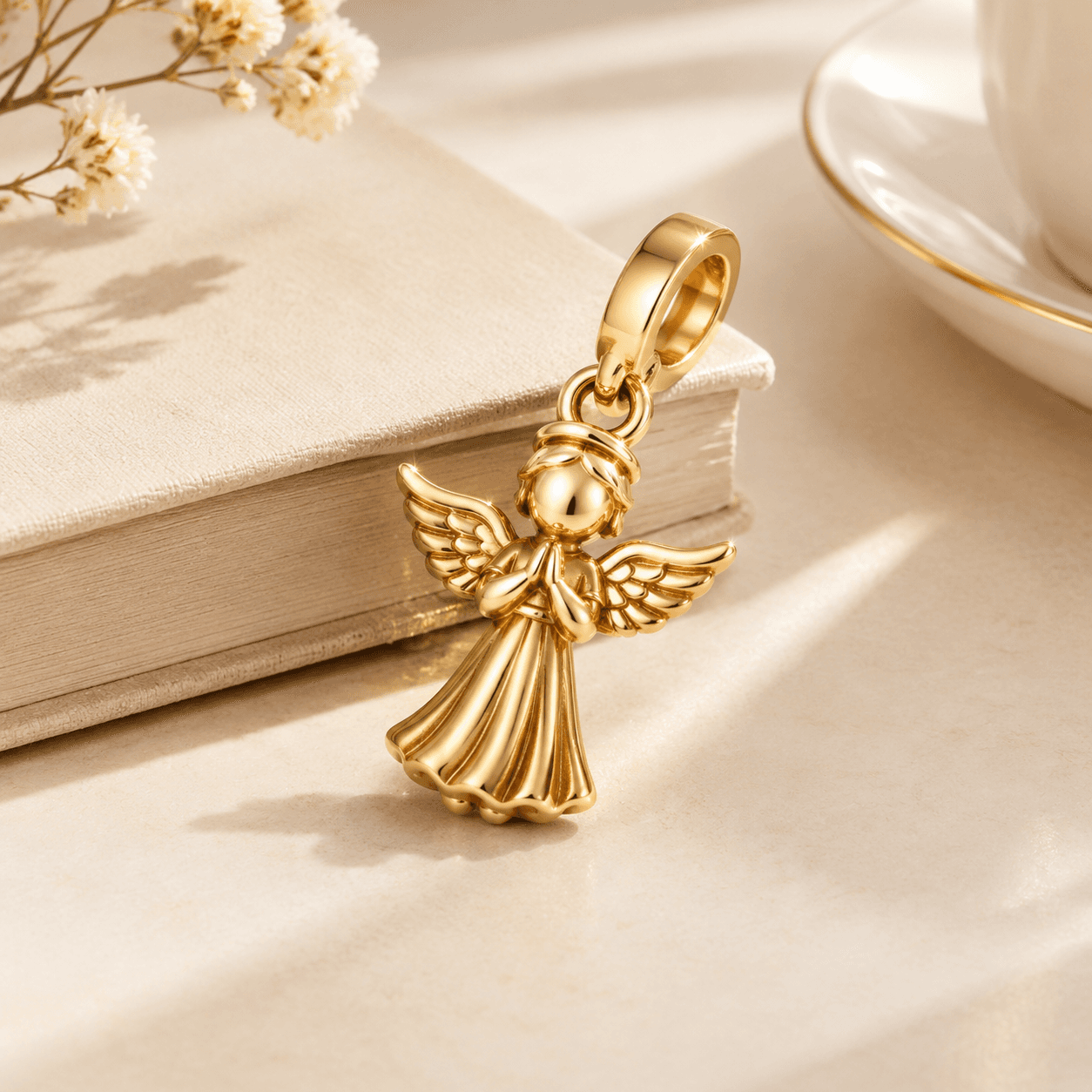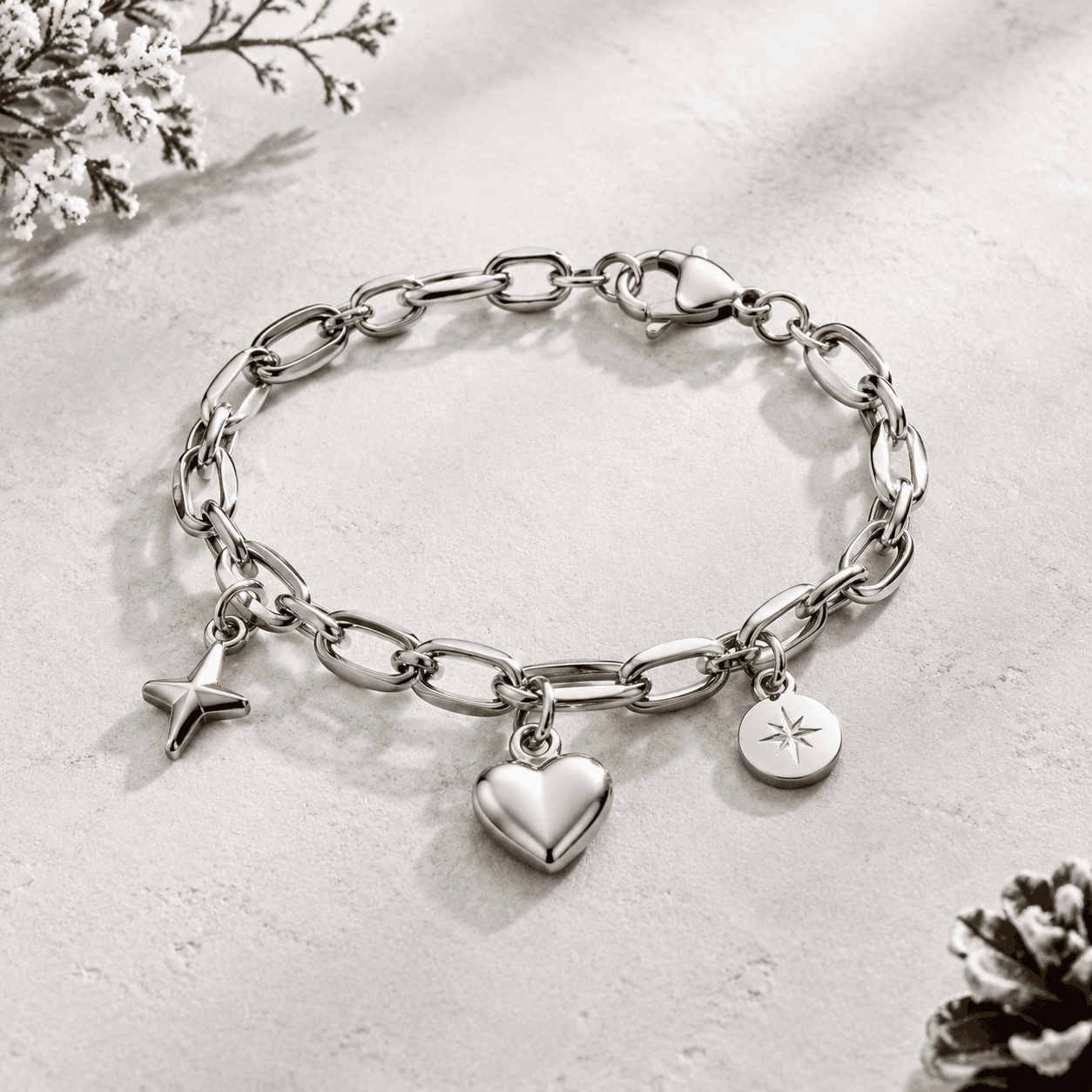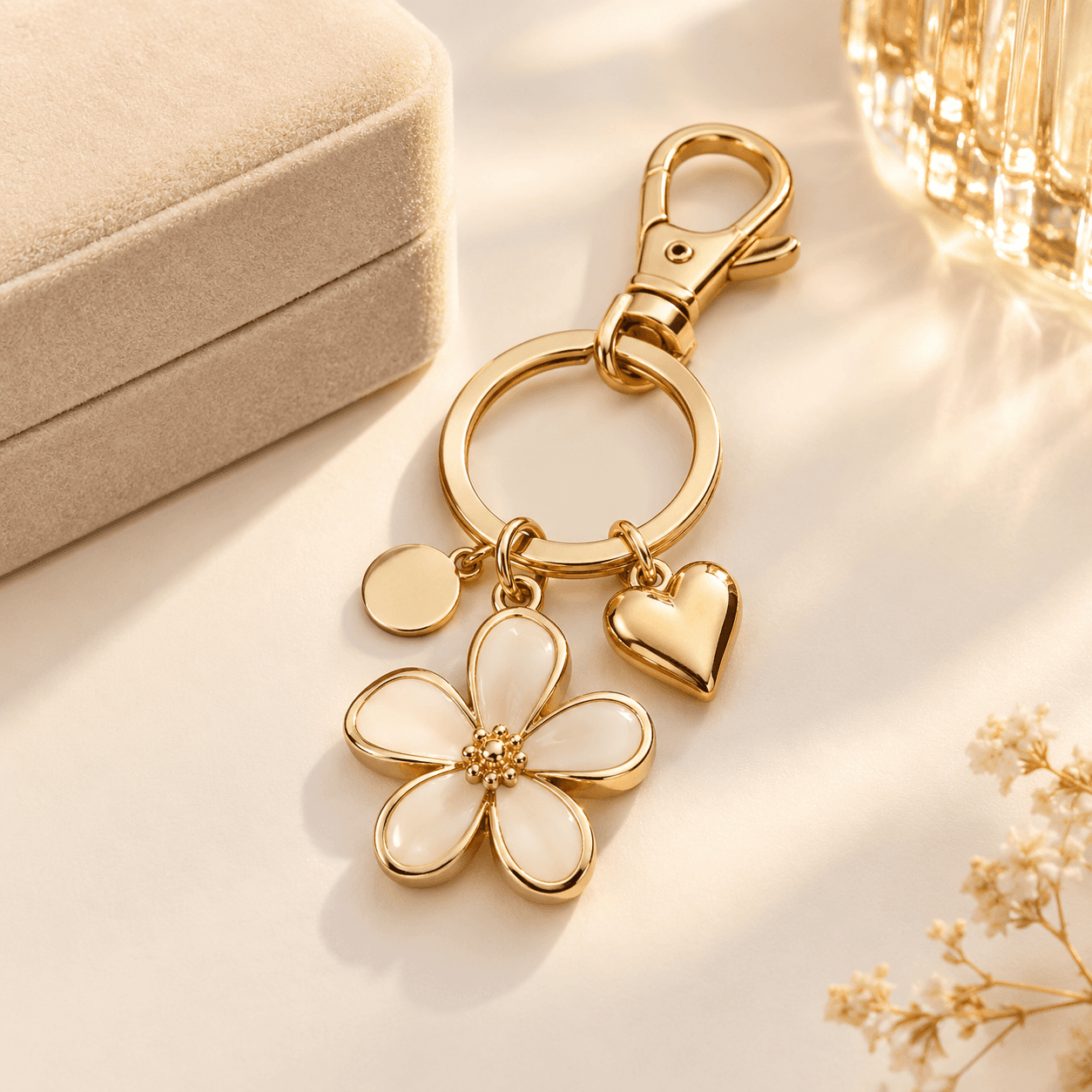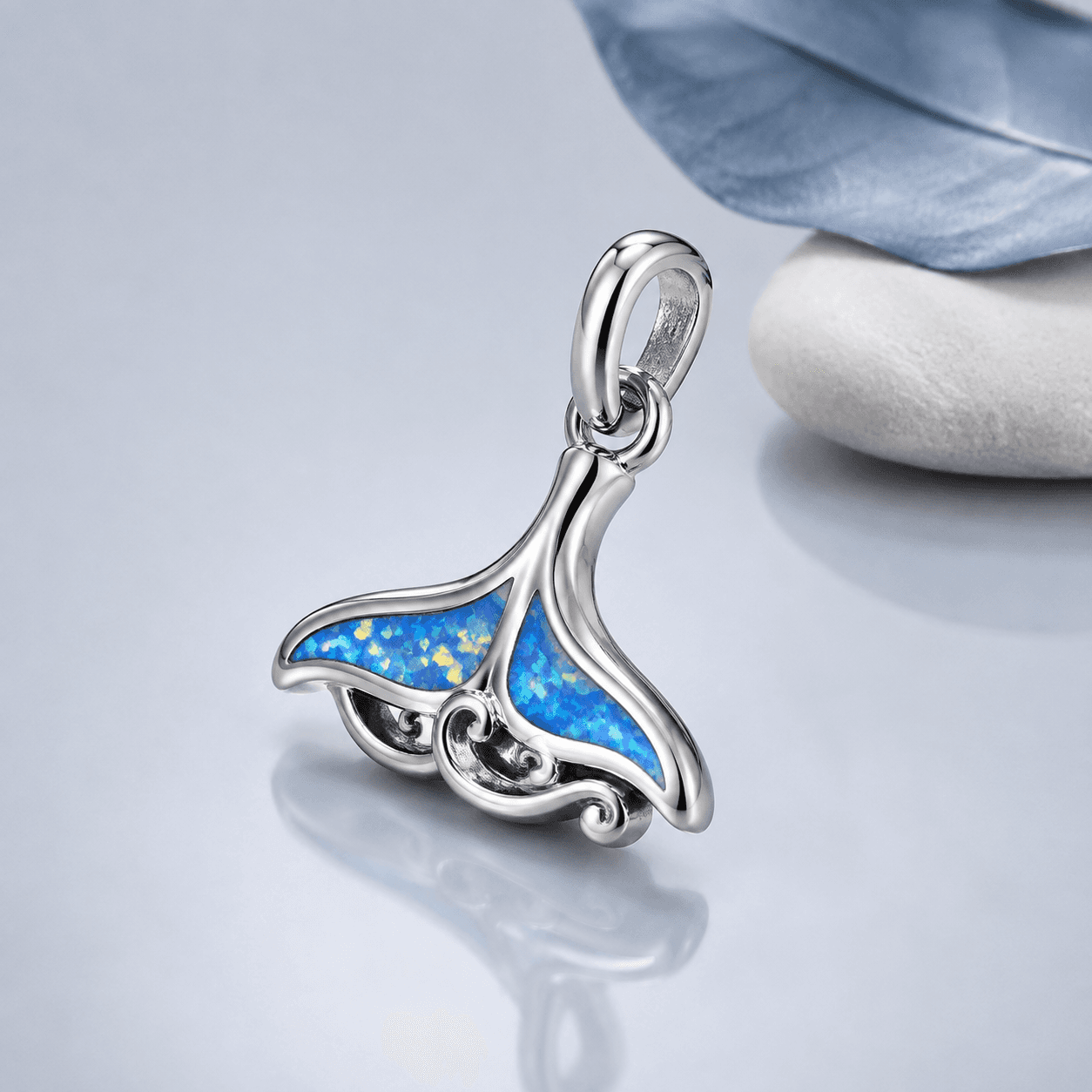
For boutique jewelry brands and private-label buyers, understanding stainless steel charm production steps helps create better product plans, control development timelines, and select the right manufacturing partner. A clear production process reduces uncertainty from the first concept through final delivery, especially when developing new collections with specific finishes, details, and packaging requirements.
Lancy Jewelry supports global buyers with structured OEM and ODM manufacturing for 316L stainless steel charms. From early design communication to sample development and bulk production, each stage is organized to help product developers achieve consistent quality, reliable lead times, and market-ready collections.
Stainless Steel Charm Production Steps for OEM Buyers
The manufacturing process of a charm involves multiple controlled stages. Understanding each step allows buyers to prepare accurate designs, evaluate production feasibility, and build efficient launch schedules.
Step 1: Design Review and Production Planning
The first stage begins with reviewing product concepts, drawings, dimensions, surface requirements, and functional details. An experienced stainless steel charms manufacturer will analyze whether the design can be produced efficiently while maintaining the intended appearance.
During this stage, Lancy Jewelry reviews charm structures, attachment points, engraving areas, color sections, and finishing requirements. Product developers can discuss options for logo engraving, enamel application, crystal inlay details, and PVD finishes before moving into prototype preparation.
Early planning is important because it helps define expected lead times, production requirements, and cost factors. Buyers preparing OEM or ODM projects benefit from sharing complete design information, including reference drawings, target sizes, and packaging expectations.
Step 2: Prototype and Sample Development
After design approval, the next step is sample development. This stage transforms a concept into a physical product that can be evaluated for shape, details, and finishing results.
For custom stainless steel charms, prototype development allows buyers to check important elements such as edge quality, engraving clarity, connection points, and overall appearance. Lancy provides sample support to help brands review designs before moving into larger production quantities.
Sample development is also a key opportunity to refine product details. Adjustments may include improving surface textures, confirming color placement, or reviewing how different finishes appear under normal retail lighting conditions.
Step 3: Precision Manufacturing and Component Processing
Once samples are approved, production moves into manufacturing. Lancy Jewelry uses modern factory equipment, including CNC processing, laser cutting, laser marking, welding, and polishing systems, to produce detailed 316L stainless steel charms with consistent specifications.
The manufacturing team follows controlled procedures to maintain accuracy across repeated orders. Production planning considers order volume, design complexity, and finishing requirements to support stable delivery schedules for wholesale stainless steel charms projects.
Attention to mechanical details is especially important for charms because attachment points, holes, and connecting areas must remain practical for jewelry applications, keychain charms, bag charms, and other approved accessory uses.
Step 4: Surface Finishing and Decorative Processing
After the main forming process, charms move through finishing procedures. Surface treatment influences the final appearance, durability, and market positioning of each collection.
Lancy offers PVD plated stainless steel charms with options including gold plated finishes, silver finish, and rose gold plating. Additional decorative processes include enamel color filling and crystal inlay to help brands develop differentiated collections.
For product developers, finishing decisions should be confirmed during the development stage. Factors such as collection theme, target market preferences, and packaging presentation can influence the most suitable finish combination.
Step 5: Quality Inspection and Compliance Testing
Quality control is a critical stage before shipment. Each production batch is reviewed to confirm appearance, finishing consistency, structural details, and production requirements.
Lancy Jewelry is SGS certified for RoHS, REACH, Nickel Release EN1811, and Salt Spray 240H testing. These certifications support buyer confidence when developing products for international markets with different compliance expectations.
Inspection procedures help identify issues before products leave the factory. Checking details such as surface condition, engraving quality, color application, and connector functionality helps maintain stable results for repeat orders.
Step 6: Packaging Preparation and Bulk Order Delivery
The final production stage includes packaging preparation and shipment planning. For private label buyers, packaging is an important part of presenting a complete product solution.
Lancy provides private label packaging support to help brands prepare retail-ready products. Buyers can coordinate packaging requirements alongside production schedules to create a smoother launch process.
For bulk charm orders, effective production planning helps manage quantities, inspection timing, and delivery arrangements. Clear communication between buyer and factory supports efficient cooperation from approval to final shipment.
Why Understanding the Production Process Matters
Better Product Development Decisions
A clear understanding of manufacturing steps allows product developers to create realistic timelines and make informed design choices. Knowing when decisions must be confirmed helps prevent unnecessary revisions and improves development efficiency.
Consistent Quality for Growing Collections
Professional production systems are important for brands that plan multiple releases or seasonal collections. A structured process supports repeatable results across different designs while maintaining the quality expectations of boutique buyers.
Reliable OEM and ODM Support
Working with an experienced OEM charms manufacturer gives buyers access to manufacturing knowledge, production planning support, and practical recommendations during development. This is especially valuable for brands creating unique collections without managing factory operations internally.
Detailed Guide: How Buyers Can Prepare for Production
Prepare Complete Design Information
Before requesting development, buyers should prepare product dimensions, preferred shapes, finish requirements, logo details, and packaging needs. Complete information allows the factory team to provide more accurate feedback and development estimates.
Confirm Material and Finish Requirements
Lancy focuses on 316L stainless steel charms as the base material. Buyers should confirm desired finishes, including PVD options, gold plated appearance, silver finish, rose gold plating, enamel sections, or crystal inlay details.
Review Samples Carefully
Sample review is one of the most important checkpoints in the production process. Buyers should evaluate design accuracy, surface quality, attachment points, and overall presentation before approving mass production.
Plan MOQ and Production Timing
Understanding MOQ requirements and lead times helps buyers schedule launches effectively. Early communication about expected quantities allows manufacturers to prepare suitable production plans and support efficient delivery.
Build a Long-Term Manufacturing Partnership
Reliable manufacturing partnerships are built through communication, quality consistency, and continuous improvement. Lancy works with boutique brands, distributors, and private-label buyers to support ongoing product development and collection expansion.
FAQ About Stainless Steel Charm Production
What are the main steps in stainless steel charm production?
The main steps include design review, sample development, precision manufacturing, surface finishing, quality inspection, packaging preparation, and final delivery. Each stage helps ensure the finished charms meet buyer requirements.
How long does sample development usually take?
Sample development timelines depend on design complexity, decorative requirements, and approval speed. Providing complete design information early helps manufacturers create a more efficient development schedule.
Can Lancy support custom logo charms for private label projects?
Yes. Lancy provides OEM and ODM support for custom logo charms, including development assistance, logo engraving, finishing options, and private label packaging solutions for global buyers.
Why choose 316L stainless steel charms for commercial collections?
316L stainless steel charms provide a durable and consistent base for customized accessory collections. Combined with professional finishing processes and quality testing, they support reliable production for different international markets.
Partner With Lancy Jewelry for OEM Charm Manufacturing
Choosing the right manufacturing partner helps brands move from ideas to successful product launches with greater confidence. Lancy Jewelry combines production expertise, modern equipment, sample support, and flexible development services for global buyers.
Whether you need ODM charm supplier support, low MOQ charm production, or a complete private label program, Lancy can help develop professional 316L stainless steel charm collections. Explore our OEM service, browse available options through our product catalog, or send an RFQ to discuss your next project.