Stainless Steel Charm Bracelets: A Materials Science Deep Dive
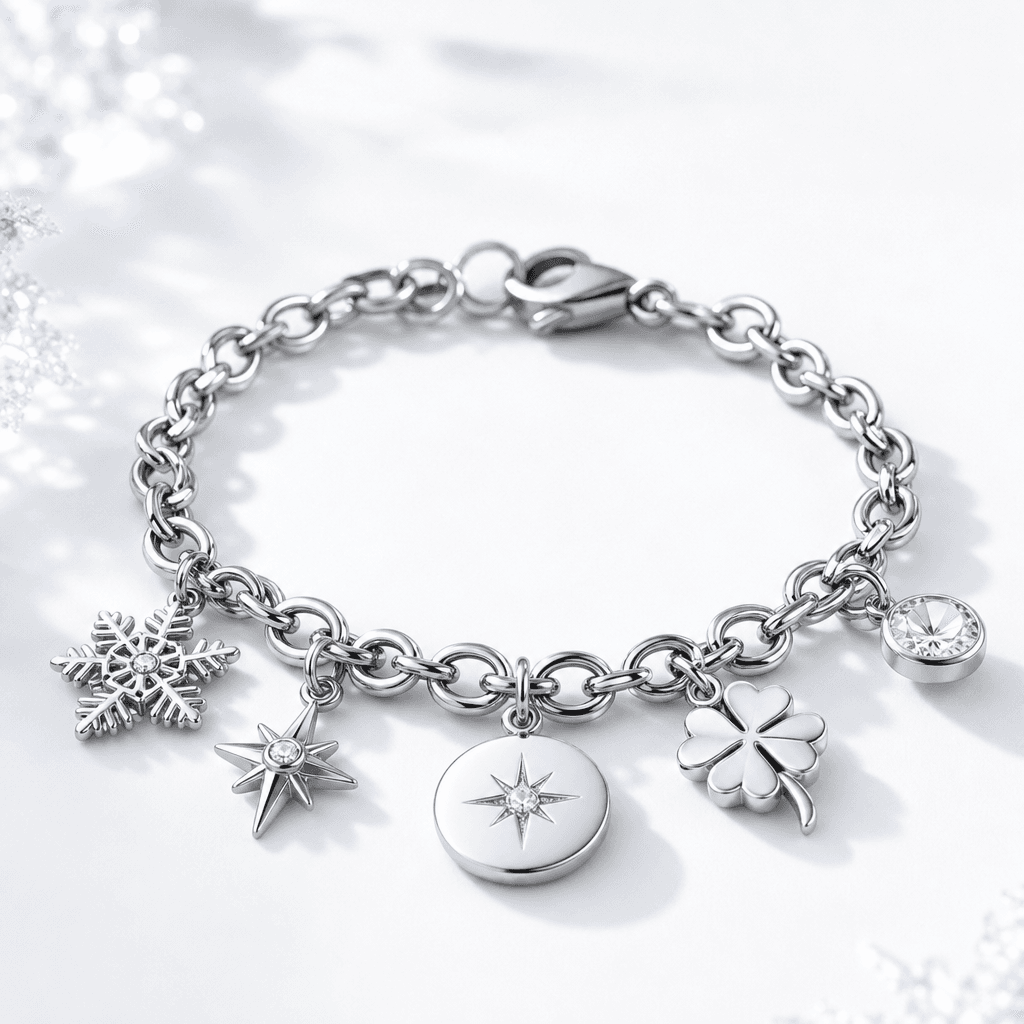
In the boutique jewelry ecosystem, designers increasingly seek a durable, scalable material foundation that supports private-label programs, rapid prototyping, and reliable mass production. 316L stainless steel offers a unique blend of corrosion resistance, formability, and cost-efficiency that makes it well suited for charm bracelets and related accessories. This technical deep dive unpacks the material science, alloy chemistry, and processing steps behind 316L-based charms, with a practical lens for jewelry designers, sourcing managers, and private-label buyers working with a dedicated 316L stainless steel charms manufacturer such as Lancy Jewelry.
Stainless Steel Charm Bracelets: Main Topic and Keyword
316L Stainless Steel: Alloy Composition and What It Means for Charms
316L is a low-carbon austenitic stainless steel variant that provides improved weldability and reduced susceptibility to carbide precipitation during heat treatment. Its typical composition includes approximately 16–18% chromium (Cr), 10–14% nickel (Ni), and 2–3% molybdenum (Mo), with carbon limited to 0.03% or less. The addition of Mo enhances pitting corrosion resistance, especially in chloride-rich environments, which aligns with shared global usage in jewelry finishing and sealing. The low carbon profile (L) minimizes sensitization at welding heat-affected zones, improving ductility and reducing intergranular corrosion risk in complex charm geometries. For designers, this chemistry translates into predictable machining behavior, stable dimensional tolerances, and consistent plating adhesion when paired with PVD methods.
From a manufacturing standpoint, 316L provides a robust baseline for CNC milling, laser cutting, and micro-welding—operations commonly performed in modern factory floors that house facilities with CNC, laser cutting, laser marking, welding, and polishing capabilities. When you design 316L charms, you can expect clean edge definition, smooth surface finishes, and reliable repeatability across large-volume runs. This predictability is critical for private-label programs and wholesale orders where brand consistency matters across multiple batches and collection cycles.
Corrosion Resistance, Nickel Release, and Biocompatibility
The corrosion resistance of 316L stainless steel stems from its chromium-rich surface layer that forms a self-healing chromium oxide film. The nickel content enhances ductility, while molybdenum improves resistance to chlorides and corrosive environments. For charm bracelets, this chemistry yields superior surface integrity for long-term wear, including in the presence of skin oils and perspiration. SGS-certified testing (RoHS, REACH, and EN1811 nickel release) is commonly part of quality programs for 316L charms, helping ensure low nickel release and compliance with international health and safety standards. For designers and sourcing teams, these certifications offer measurable confidence when selecting a material for private-label production and wholesale programs.
It is important to acknowledge that jewelry-grade 316L is chosen for its balance of biocompatibility and machinability, not novelty. While some materials might present flashy color options, 316L provides a robust platform for finishes like PVD plating (gold, rose gold, silver), enamel color filling, and crystal inlay—without compromising structural integrity or long-term color stability when properly processed.
Surface Finishes: PVD Plating, Enamel, Crystal Inlay
One defining advantage of 316L charms is their compatibility with diverse surface finishes. Physical Vapor Deposition (PVD) plating enables durable gold-plated, silver finish, or rose-gold appearances with strong adhesion to the 316L substrate. PVD coatings provide enhanced scratch resistance and color stability, which is especially valuable for boutique programs where repeated handling is common in charm bars or gift programs. Enamel filling adds color depth and design versatility, while crystal inlay can introduce subtle sparkle. Each finish has its own processing intricacies—adhesion, thickness control, and thermal compatibility—that a capable OEM/ODM partner must manage through validated plating cycles and controlled curing temperatures.
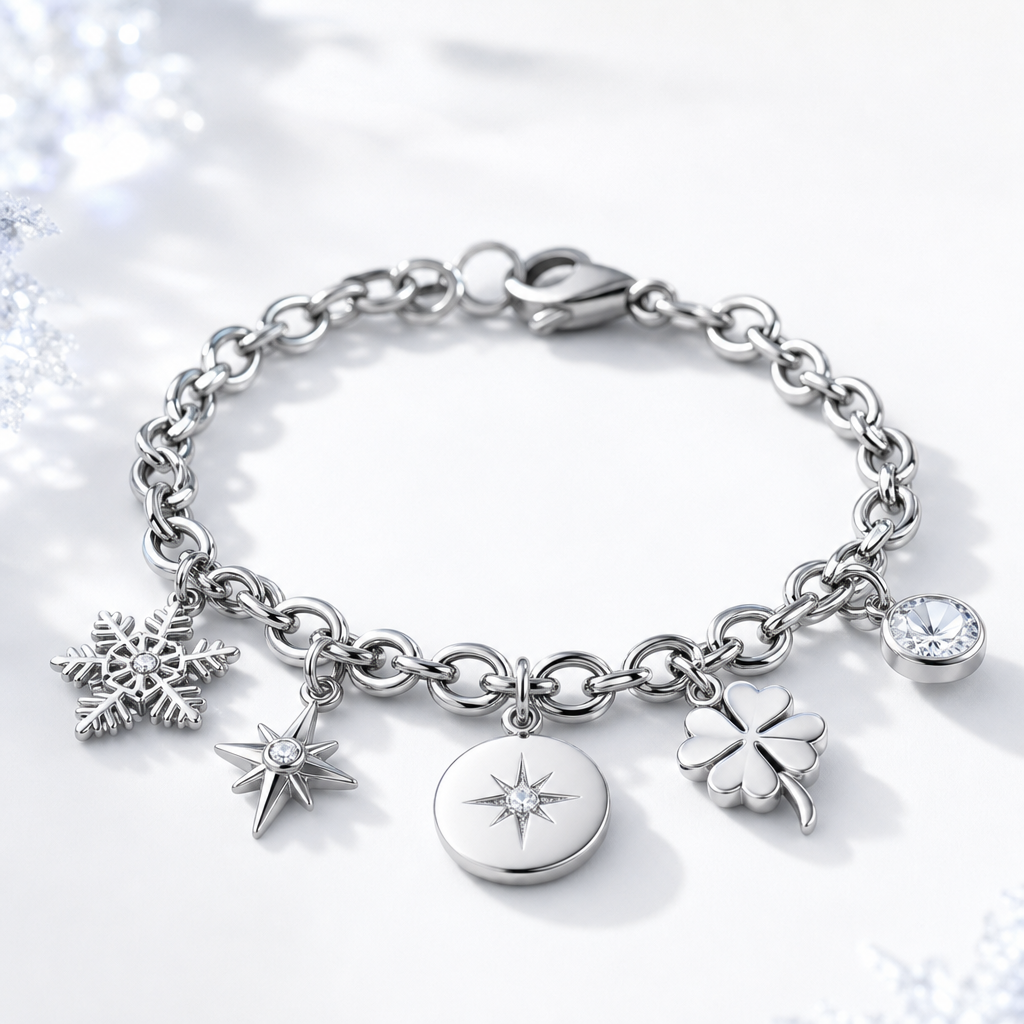
Manufacturing Considerations: From CNC to Final Finish
In a modern 316L stainless steel charms factory, a typical workflow includes precision CNC milling or laser-cutting for the charm base, followed by laser marking for logos or identifiers. Welding and finishing steps, including deburring and polishing, establish the base geometry and surface quality prior to any plating or enamel work. A reliable finishing plan considers both aesthetic design and functional compatibility: plating thickness uniformity, enamel fill depth consistency, and crystal inset depth alignment. The design must account for tolerances that ensure bail holes and jump rings align with standard charm chain assortments. A key advantage of working with a capable supplier is the ability to integrate custom logo engraving or private-label packaging into the same production line, enabling a seamless path from concept to market with stable lead times and predictable costs.
Benefits and Why It Matters
Key Material Benefits for Designers and Private-Label Projects
316L stainless steel provides a practical combination of chemical stability, mechanical strength, and compatibility with popular finishes. For designers, the consistent baseline reduces risk when exploring chain options (e.g., charm chains, jump rings, end clasps) and ensures predictable wear characteristics across the product life cycle. For private-label buyers and wholesalers, 316L enables scalable production with consistent color and finish quality across multiple SKUs, aiding multi-brand programs and seasonal rollouts. The material’s corrosion resistance translates into longer-lasting appearance in real-world wear and storage conditions, which is essential for gift programs and charm bars that rely on repeat orders and kit-based merchandising.
Certifications and Quality Assurance
In addition to material stability, SGS-certified RoHS and REACH compliance, along with Nickel Release EN1811 testing and Salt Spray 240H, demonstrate a supplier’s commitment to safety and durability. Such certifications support global market access, especially in North America, Europe, and other regions where retailers require evidence of supplier quality. Lancy Jewelry operates a modern facility equipped with CNC, laser cutting, laser marking, welding, and polishing—plus coating and finishing capabilities. This combination supports private-label packaging, sample development, and bulk orders for boutique brands and distributors alike. When evaluating suppliers, prioritize those that clearly articulate their testing regimes, process controls, and traceability for each lot.
Detailed Analysis and Practical Guide
Step 1: Material Chemistry and Microstructure
Understanding 316L surfaces begins with the fundamental chemistry. The chromium forms a passive oxide layer; molybdenum improves resistance to chlorides, reducing pitting risk in saline environments. The low carbon content minimizes carbide precipitation and reduces sensitization risk during welding. The austenitic crystal structure, stabilized by nickel, yields high toughness and formability, allowing for intricate charm shapes and fine engraving without brittle fracture. For designers, this means the same alloy can be shaped into small, delicate components or larger pendant-style charms with consistent performance across production lots.
Step 2: Processing Pathways and Tolerances
Manufacturing tolerances matter when you plan logo engraving, enamel fills, and crystal inlays. Typical tolerances for small charms are in the hundredths of a millimeter range for bored holes, geometry angles, and engraving depth. When using CNC milling or laser cutting, feed rates and tool geometry must be tuned to avoid inducing surface micro-cracks or residual stress that could affect plating adhesion. Welding, if used for assembly, should minimize heat-affected zones to preserve the base microstructure. A trusted partner will maintain a robust calibration regime, including tool wear tracking, temperature control, and process documentation, to guarantee repeatable results for private-label lines or bulk orders.
Step 3: Finishing Options and Design Implications
PVD Plating
PVD creates durable, uniform color across complex shapes. Thickness control in the 0.5–5 micron range often determines wear resistance and color consistency. For gold-plated or rose-gold finishes, post-plating sealing and cleaning steps are essential to prevent color fading or dulling in wash cycles. PVD is particularly attractive for retail-ready pieces that require long shelf-life and minimal maintenance, aligning with OEM/ODM supply chains that emphasize stable finishes across seasons.
Enamel Color Filling
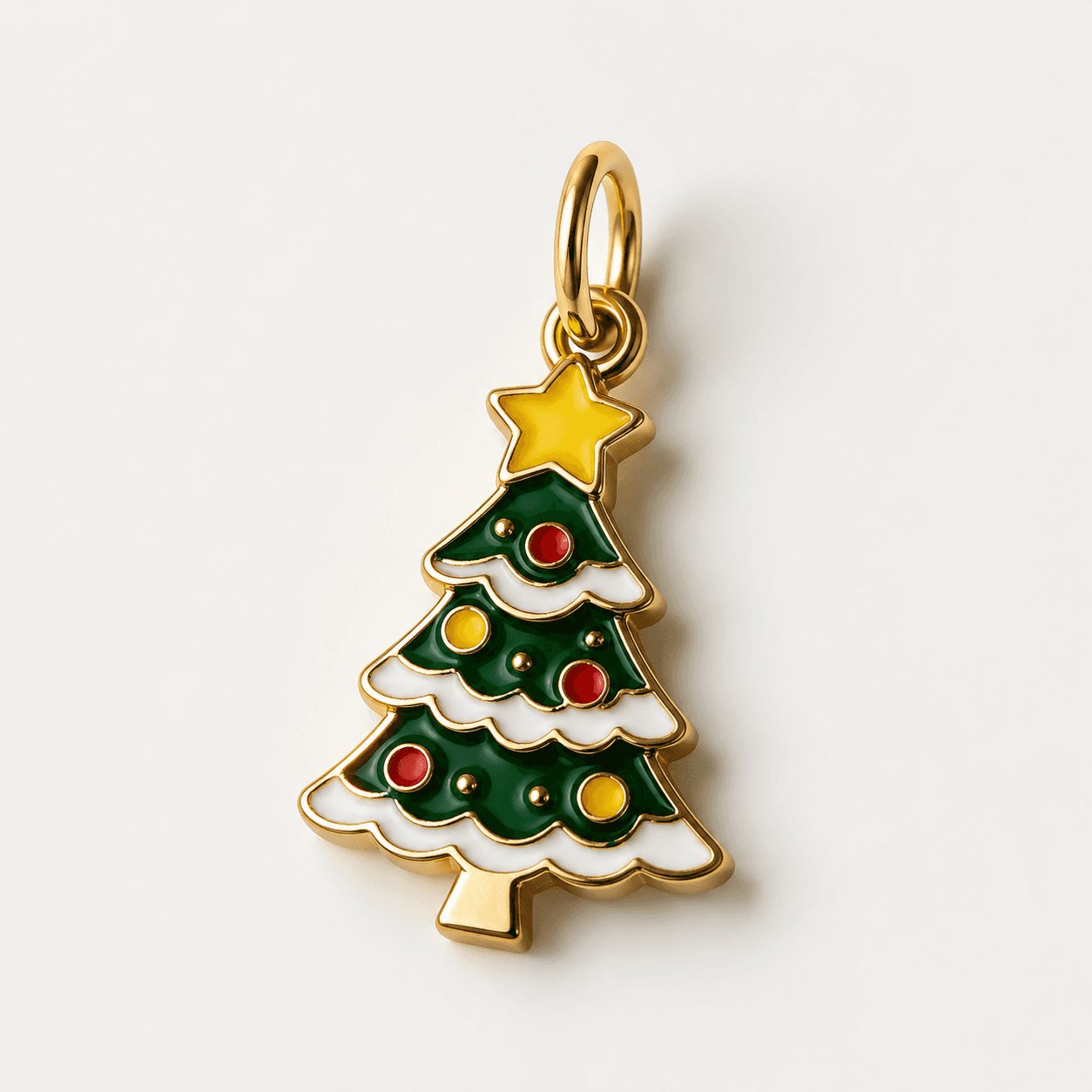
Enamel adds color depth and brand-driven visual identity. The enamel must be sealed to prevent chipping and to maintain color uniformity during curing. Designers should consider colorfastness under UV exposure and routine wear, with an eye toward consistent shade matching across production lots. The interplay between enamel and 316L substrate is highly reliable when performed in controlled environments by qualified technicians.
Crystal Inlay
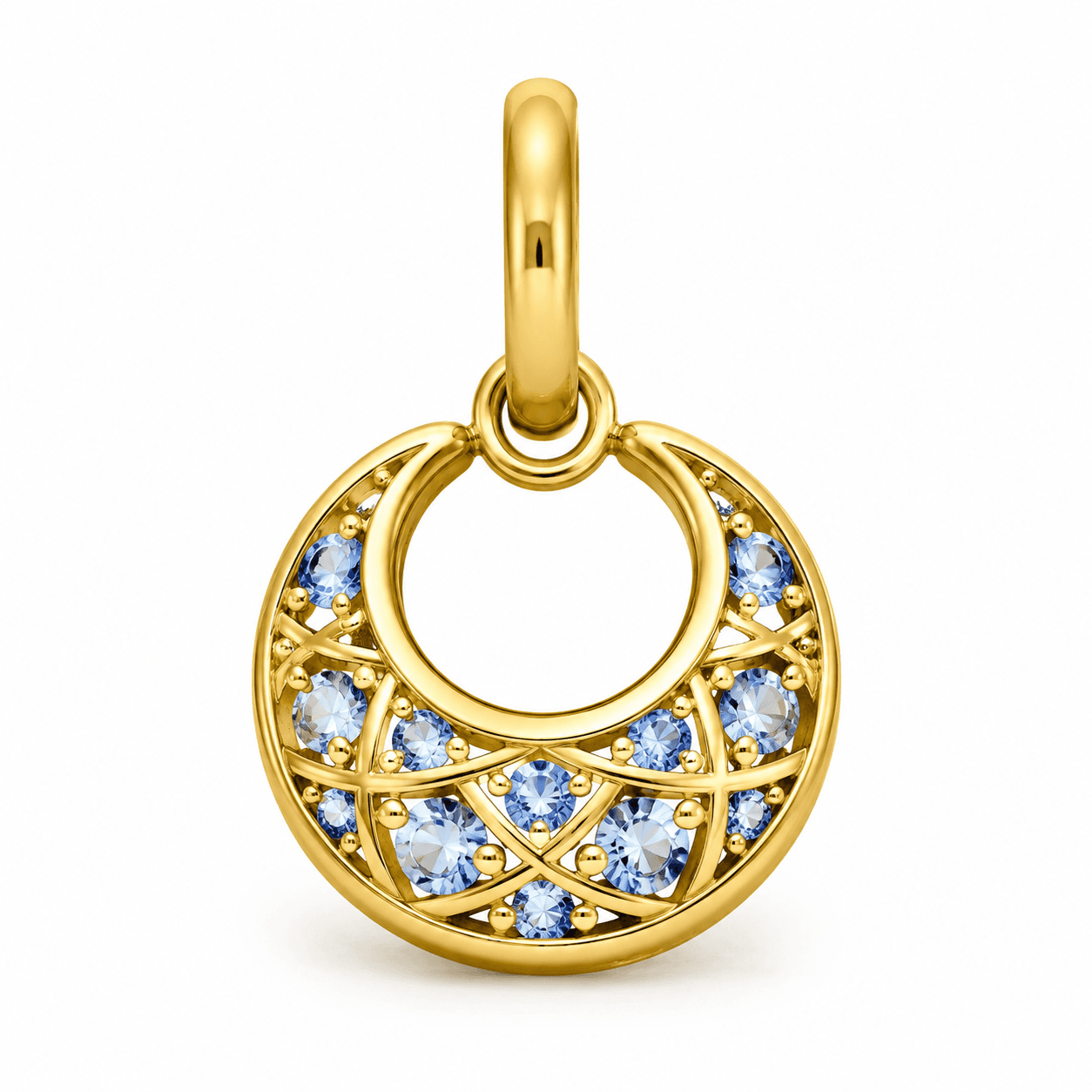
Crystal inlays bring sparkle and premium appeal, but require precise seat depth and secure stone setting to withstand daily use. The micro-mechanical compatibility of 316L with crystal settings depends on controlled surface finishes and careful seating depth. The result is a visually striking charm that remains durable under routine handling and garment wearers’ activity.
Step 4: Quality Control and Testing Benchmarks
Nickel Release and Safety
Nickel-release testing (EN1811) confirms low nickel migration, a critical criterion for consumer safety. For global distribution, combining EN1811 with RoHS/REACH demonstrates compliance with widely accepted safety standards. This testing supports claims of biocompatibility and is often a prerequisite for private-label programs seeking to minimize regulatory risk while expanding market reach.
Corrosion and Salt Spray Testing
Salt spray (neutral or Cu Cam) testing approximates long-term exposure to humid environments. A robust 316L charm should retain surface integrity and finish under typical consumer storage and wear scenarios. Consistent results across lots support supply-chain confidence, particularly in wholesale or large-B2B channels that demand predictable performance from season to season.
FAQ
- What makes 316L stainless steel ideal for charm bracelets?
- 316L combines corrosion resistance, good formability, and compatibility with common finishes like PVD plating, enamel, and crystal inlays. Its low carbon content reduces sensitization risk during welding, supporting robust manufacturing for private-label and OEM programs.
- What certifications should I look for when partnering with a stainless steel charms manufacturer?
- Look for SGS-certified RoHS, REACH, and EN1811 nickel-release testing, plus documented salt spray performance. These certifications help ensure material safety and finish durability for global markets and private-label initiatives.
- What finishes work best for 316L charms in a wholesale or OEM program?
- PVD plating (gold, silver, rose gold) offers durable color with excellent adhesion to 316L. Enamel fills enable vibrant branding colors, while crystal inlays add premium sparkle. The best choice depends on the design brief, production capacity, and packaging strategy in your OEM/ODM plan.
- How can I start a private-label or bulk-order program with Lancy Jewelry?
- Begin with an RFQ and discuss your private-label packaging, logo engraving, and sample development needs. Lancy Jewelry operates as an OEM/ODM partner with a modern facility capable of producing private-label charms, coordinating packaging, and supporting fast sample development for new launches. You can reach the OEM service page or request a quote directly through our site.
Call to Action: Partner With Us
If you are designing a private-label charm collection or sourcing wholesale stainless steel charms for a charm bar, Lancy Jewelry provides a dedicated, factory-direct path from concept to market. As a 316L stainless steel charms manufacturer, we offer OEM/ODM development, logo engraving, PVD plating, enamel color filling, crystal inlay, private-label packaging, and rapid sample development. Our SGS-certified, RoHS- and REACH-compliant facility emphasizes low MOQ options, consistent plating quality, and reliable lead times across global markets. Let us help you turn your design brief into a scalable, market-ready program.
Explore our All Products to understand the range of stainless steel charm capabilities, or connect with us directly for tailored guidance on your next collection. For a formal request, visit OEM Service or Request a Quote, or contact our team at Contact to discuss private-label packaging, logo engraving, and sample development options. You can also browse our collections and design inspirations to align finishes and textures with your brand identity.