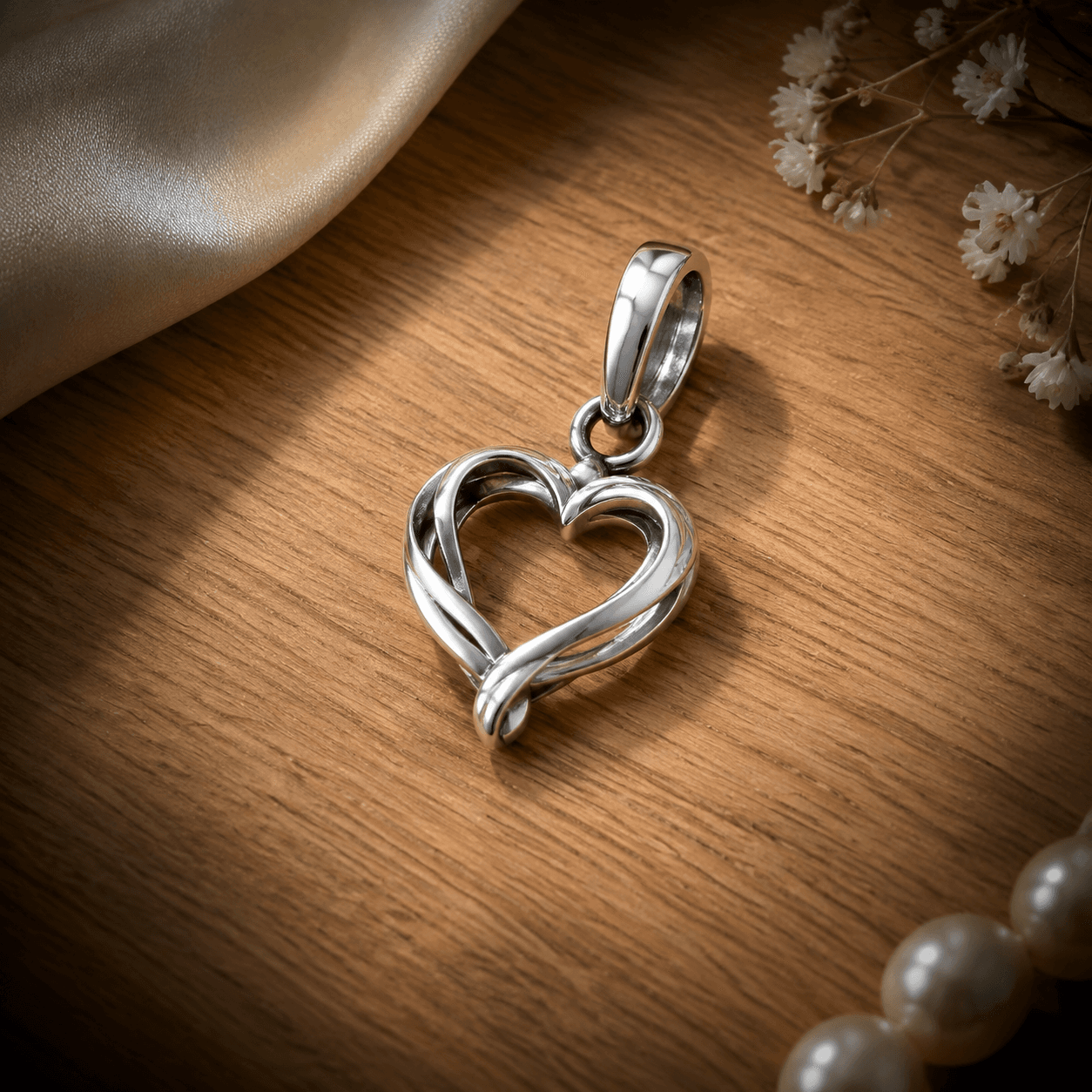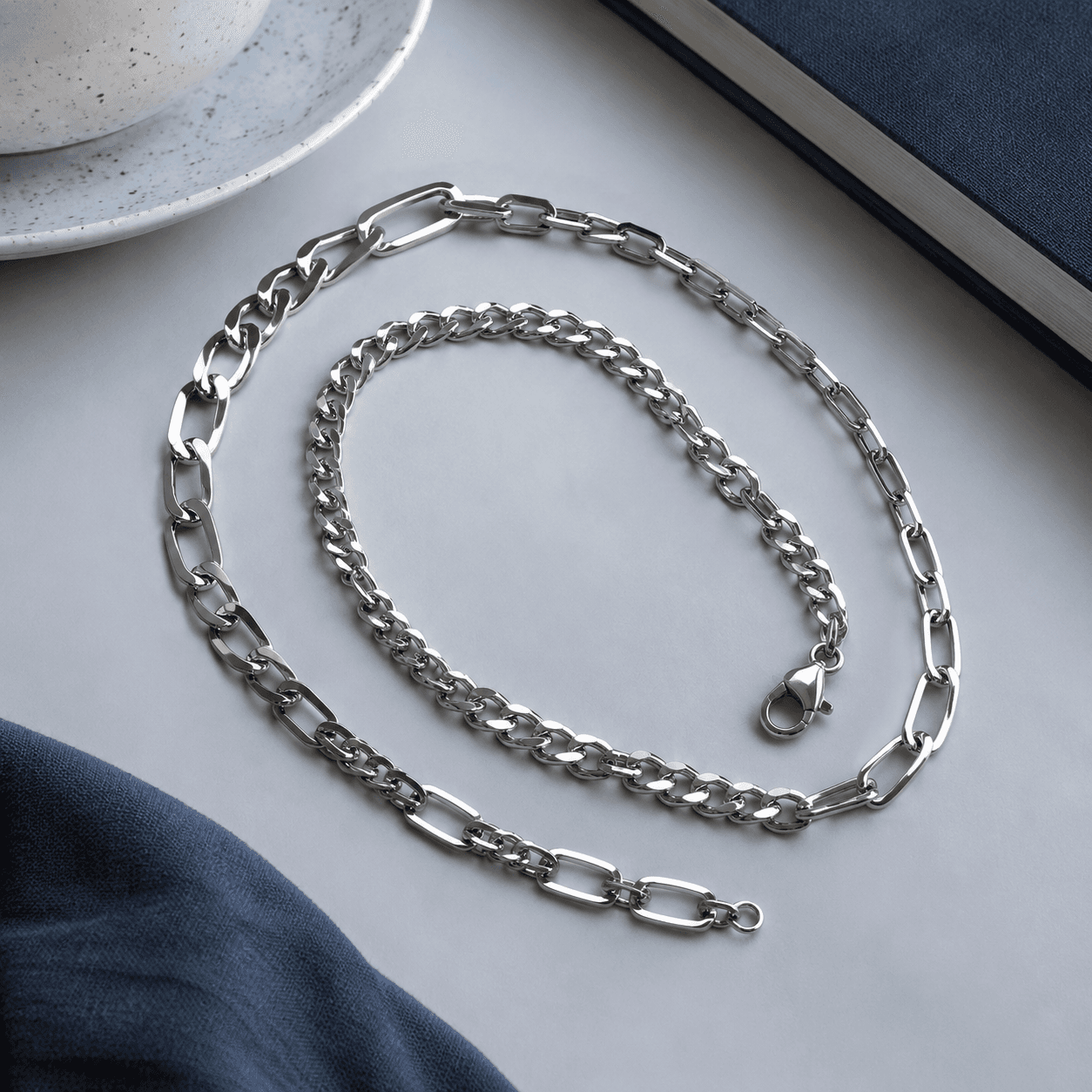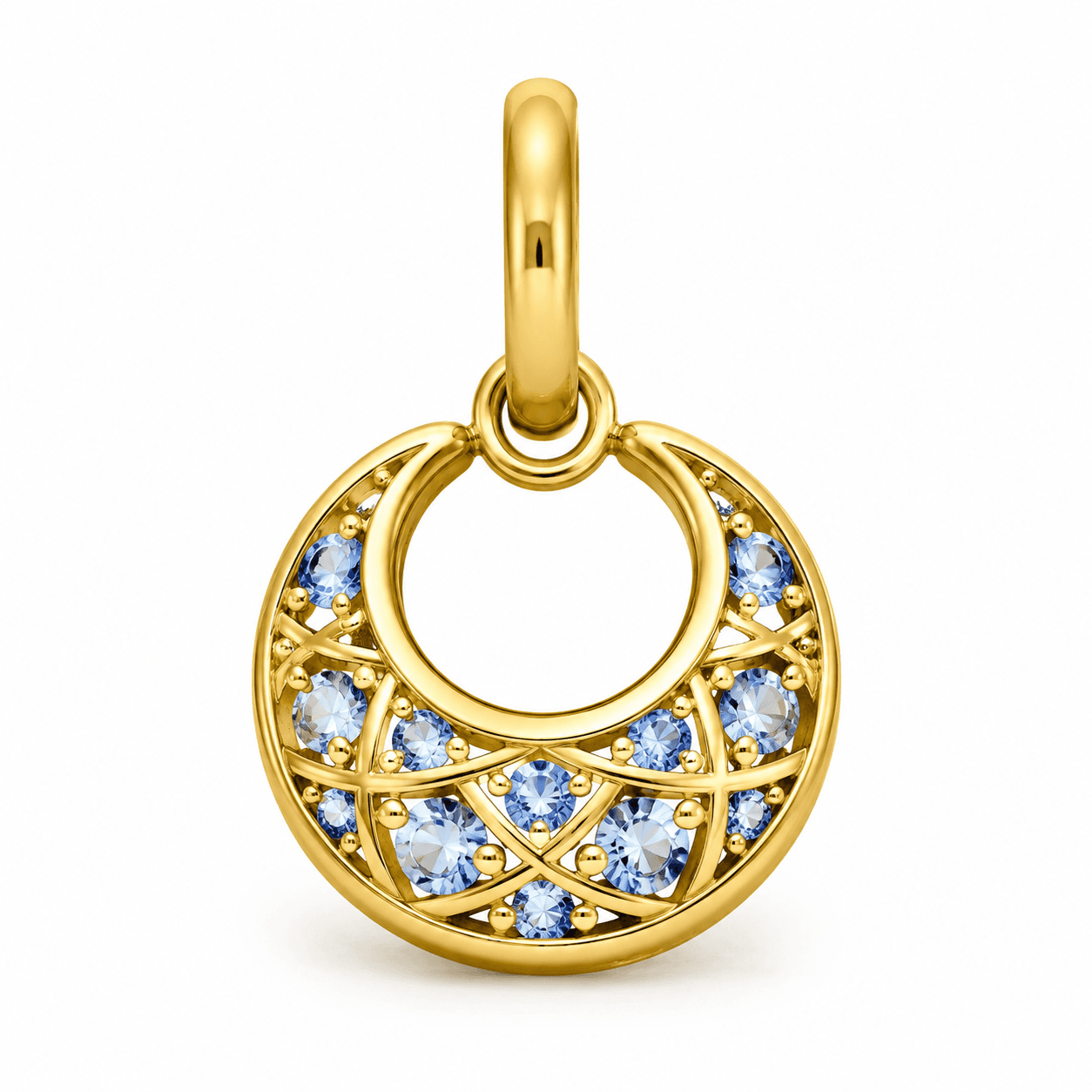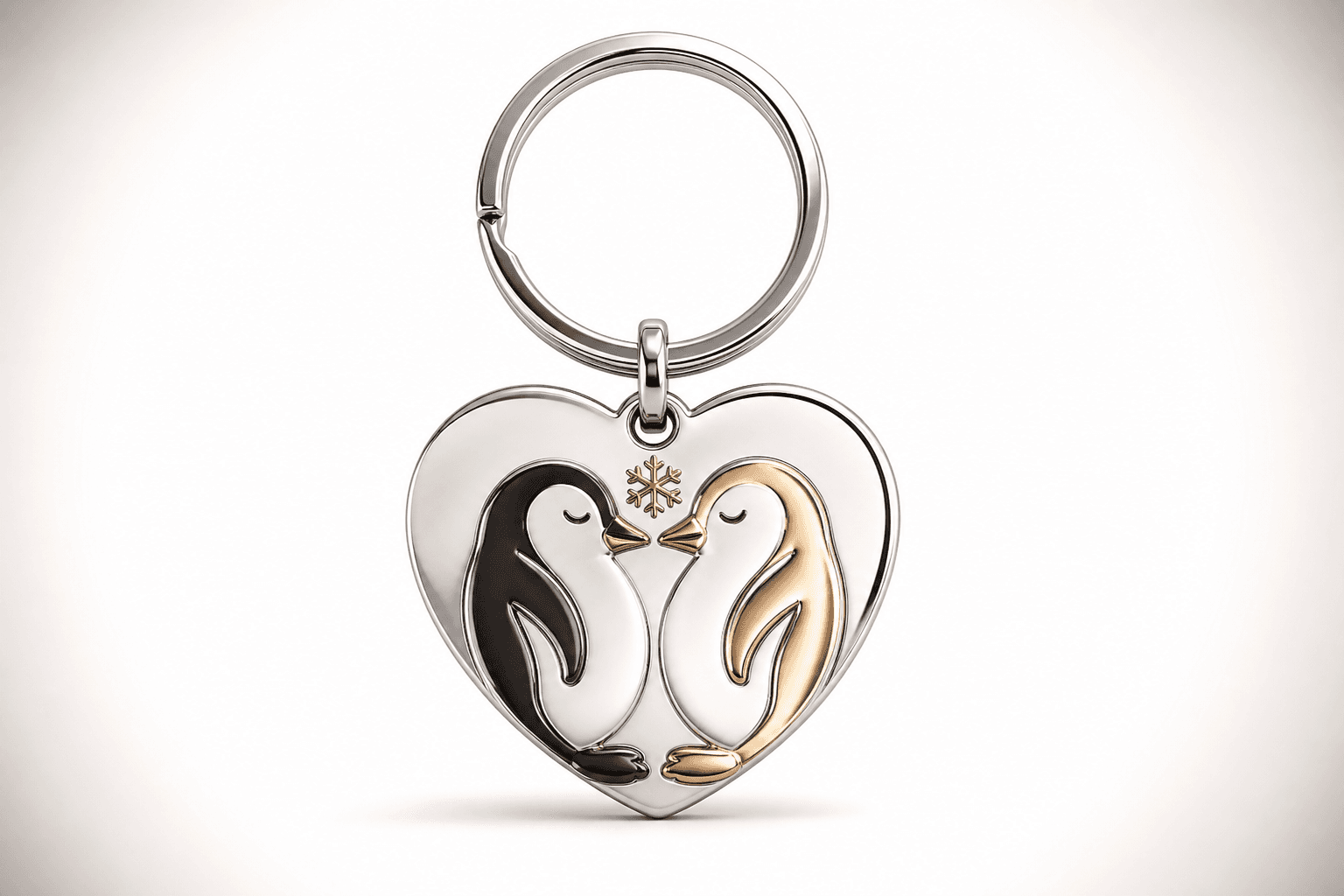
Finish is a conversation between material science and design intent. For boutique-style charm programs, the way a piece shines under showroom lighting defines perceived value, durability, and customer trust. This technical deep dive walks you through finishing stainless steel shiny charm keychains using PVD coatings, electroplating, and precision polishing. Written for jewelry designers and sourcing managers, the guide blends material properties, process control, and practical workflow to support OEM/ODM collaborations, private-label programs, and wholesale initiatives. As a modern factory with CNC, laser cutting, laser marking, welding, and polishing, Lancy Jewelry brings SGS-certified practices to every step from sample development to bulk charm orders. For easy access to manufacturing options, explore our OEM service and see how we can support your private-label line or wholesale program via Request a Quote or by contacting us through Contact.
Stainless Steel Shiny Charm Keychain Finishing: PVD & Polishing
Understanding 316L stainless steel properties for charms
316L stainless steel charms are the baseline for durability, corrosion resistance, and color stability in demanding wear environments. The low-carbon matrix improves weldability and polishability, enabling consistent surface finishes across batches. When you design a charm for a boutique line, the material acts as a stable platform for decorative options such as enamel fills, crystal inlays, and subtle texturing. For manufacturers and suppliers, this base supports high-repeatability, which is essential for OEM charms manufacturer collaborations and ODM charm supplier engagements. In practice, 316L stainless steel supports a broad color palette and plating compatibility while meeting RoHS/REACH expectations through SGS-certified processes.
PVD coating options for shiny finishes
Physical Vapor Deposition (PVD) provides durable, decorative coatings that are metal-true and wear-resistant. Typical options for charms include gold-plated, silver finish, and rose gold plating. PVD coatings offer excellent color retention and scratch resistance, making them ideal for high-use items such as keychains and charm bars. When paired with textured or enamel-filled surfaces, PVD enhances light interaction and ensures a boutique-grade shine that holds up under handling in retail environments. For designers, PVD-plated stainless steel charms enable consistent branding across a private-label program or wholesale collection, while keeping production aligned with the low MOQ charm production framework often preferred by boutique brands.
Electroplating vs PVD: trade-offs
Electroplating remains a cost-effective option for certain finishes, but PVD offers superior hardness, color uniformity, and adhesion that withstands daily wear. Electroplating can be thinner and more prone to color drift if process controls vary; PVD, performed in vacuum, produces a robust bond with the 316L substrate. For Lancy Jewelry, offering PVD plated stainless steel charms as a standard option supports consistent plating quality across production lots and aligns with private-label and OEM programs. When you design for mass customization, the choice between electroplating and PVD affects lead time, tool costs, and the ability to maintain a strict color standard across a collection.
Polishing, surface treatment, and texture options
Polishing is the bridge between process chemistry and visual appeal. Mechanical polishing, vibratory finishing, and chemical polishing determine initial luster and smoothness, while passivation improves corrosion resistance on stainless steel surfaces. Surface treatments, including micro-scrub textures or satin finishes, can be combined with PVD to produce a uniform, boutique-ready sheen. The combination of polishing quality and coating integrity ultimately governs long-term appearance. For designers and sourcing teams, specifying a finish standard early in the design phase reduces rework and accelerates sample development timelines.
Process integration for OEM/ODM projects
From concept to finished product, integrating finishing options into an OEM/ODM workflow requires clear specification of base material, coating color, thickness tolerance, and post-process QA. A well-defined finishing spec supports custom stainless steel charms development and scalable production for private label charms or wholesale stainless steel charms programs. Lancy’s factory setup—CNC, laser, welding, and polishing—facilitates rapid iteration and reliable ramp-up for new designs. For designers seeking scalable partners, collaborating with a charm factory that can manage sample development and bulk orders is essential to meeting launch timelines.
Quality control and certification readiness
Quality control is integral to every finishing step. Post-coating inspection includes color uniformity checks, adhesion tests, and thickness verification to ensure the coating remains intact under typical wear. Lancy Jewelry operates a SGS-certified facility, with RoHS, REACH compliance, Nickel Release EN1811 testing, and Salt Spray 240H. These certifications reassure clients in the US, EU, UK, and other global markets that the finishing process meets stringent safety and durability standards. For buyers, this means smoother onboarding for private-label projects and reduced compliance risk for wholesale engagements.
Benefits of PVD & Polishing Finishes in 316L stainless steel charms
Brand consistency across batches
With a controlled PVD process and standardized polishing, color and luster remain consistent across production lots. This consistency is critical for multi-model lines in wholesale or private-label programs where a single finish must carry across all SKUs. By integrating a stable finishing protocol, Lancy supports stainless steel charms manufacturer requirements for predictable aesthetics and reliable supply.
Compliance and client trust
SGS certifications and documented process controls provide third-party validation of safety, environmental, and performance standards. For brands seeking a dependable B2B accessory supplier, the combination of material integrity and tested finishes underpins confidence in producing private-label or OEM collections at scale.
Manufacturing efficiency for OEM/ODM
A defined finishing pathway reduces design ambiguity and speeds up sampling cycles. Lancy’s capabilities—from sample development to bulk charm orders—support designers who require OEM charms manufacturer partnerships with predictable lead times and consistent plating quality. The compatibility with custom stainless steel charms design concepts helps turn concepts into market-ready lines faster.
Cost and MOQ considerations
Finishing strategies influence total program cost and MOQ planning. PVD-based finishes may carry different cost profiles than electroplated options, but their durability often yields lower replacement rates and better long-term value for clients. For boutique brands and private-label buyers, a low MOQ charm production and flexible sample development support can make a big difference in pilot runs and early collections.
Detailed analysis / Guide: Step-by-step finishing workflow
Step 1 — Define the base material and finish requirements
Confirm 316L stainless steel as the base material for all charms. Specify finish goals, such as gold-plated appearance, rose gold accents, or enamel-filled surfaces. Document target color tolerances and adhesion standards to align with OEM/ODM expectations. This initial step supports effective collaboration with a charm factory and ensures compatibility with PVD or enamel options.
Step 2 — Select coating and surface options
Choose between PVD plating and enamel-filled finishes. For a long-lasting shine, PVD-coated stainless steel charms provide superior hardness and color stability. If a design requires color accents, enamel filling can be applied over a PVD base, delivering vibrant hues without compromising metal integrity. Align coating thickness, color codes, and enamel palette with the design brief for custom decorative charms.
Step 3 — Surface preparation and cleaning
Effective pretreatment is essential for coating adhesion. Cleaning, degreasing, and micro-surface conditioning remove oils and contaminants. Passivation may be used to enhance corrosion resistance before coating. A clean substrate minimizes coating defects and ensures uniform color in every batch.
Step 4 — Deposition or plating process
For PVD, place the part in a vacuum chamber and apply the desired target material under controlled temperatures to produce a uniform coating. Thickness targets are defined by color and durability requirements. For electroplating, ensure consistent current density and bath composition to achieve even color distribution. In both cases, process control is key to achieving repeatable results for 316L stainless steel charms.
Step 5 — Post-treatment and polishing
Polishing after coating enhances luster and removes minor surface imperfections. Mechanical or chemical polishing steps refine the surface, while passivation may be performed again to maximize corrosion resistance. For delicate enamel finishes, ensure polishing does not disturb filled colors. The result should be a smooth, mirror-like surface that aligns with boutique expectations.
Step 6 — Quality checks and tolerance validation
Implement thickness measurement, color uniformity checks, and adhesion tests. Document results for each batch and establish a QA protocol that can be reviewed during sample development or bulk charm orders. This ensures consistency for private-label and wholesale programs and supports long-term supplier relationships.
Step 7 — Finalize packaging and branding integration
Coordinate private-label packaging, labels, and logo engraving if required. Finishing decisions should align with packaging design and branding guidelines to deliver a cohesive product line. This is particularly important for designers pursuing a true OEM/ODM partner experience with OEM service and All Products alignment.
Step 8 — Documentation, compliance, and risk management
Maintain documentation of material specs, coating codes, processing parameters, and certification results (SGS, RoHS, REACH, EN1811, Salt Spray). Having a robust paper trail supports cross-market launches and reduces risk for global retailers and distributors evaluating bulk charm orders.
Step 9 — Sample development and iteration cycles
Work with a partner capable of rapid sample development to validate finish choices before committing to full production. In a typical cycle, designers submit a design brief, request a sample, review the finish, and approve or iterate. Efficient sample development accelerates time-to-market while preserving design intent.
Step 10 — Production ramp-up and ongoing optimization
With a proven finish standard, scale production for wholesale stainless steel charms or private-label campaigns. Monitor coating stability across runs, adjust process parameters as needed, and maintain continuous improvement for consistent results across orders.
Frequently Asked Questions
Q1: What makes PVD finishes preferred for 316L stainless steel charms?
A1: PVD finishes offer superior hardness, color uniformity, and adhesion compared to some electroplating options. They resist wear and tarnish, provide consistent appearance across batches, and work well with enamel accents. For designers pursuing long-lasting boutique aesthetics, PVD provides dependable performance for charm keychains and other accessories.
Q2: Do you offer low MOQ options for private-label programs?
A2: Yes. We understand the needs of boutique brands and start-up lines, and we offer flexible MOQs along with sample development support. This helps you test concepts without large upfront commitments while maintaining high-quality plating and finishing across orders.
Q3: Can you engrave logos or custom engravings on 316L stainless steel charms?
A3: Yes. Logo engraving is a common capability within our OEM/ODM services. Precise laser marking can reproduce complex logos on metal surfaces, and we can coordinate with your artwork guidelines to ensure the final finish aligns with your branding goals.
Q4: What certifications and compliance should buyers expect from finishing processes?
A4: Our SGS-certified facility covers RoHS, REACH, Nickel Release EN1811, and Salt Spray 240H. This ensures that finishes meet safety and performance standards for global markets, supporting trust with distributors, retailers, and end consumers.
Call to Action: Partner With Us
If you’re designing a new private-label line, expanding a wholesale program, or pursuing OEM/ODM charm development, partner with Lancy Jewelry—your 316L stainless steel charms manufacturer. We specialize in custom stainless steel charms with reliable OEM and ODM support, offer low MOQ charm production, and provide comprehensive sample development services. Explore our OEM service to plan your finish strategy, review coating options, and align packaging with your brand. For quick budgeting and project scoping, request a quote via Request a Quote, or reach out to our team through Contact to discuss custom decorative charms, enamel finishes, and bulk orders for your market.