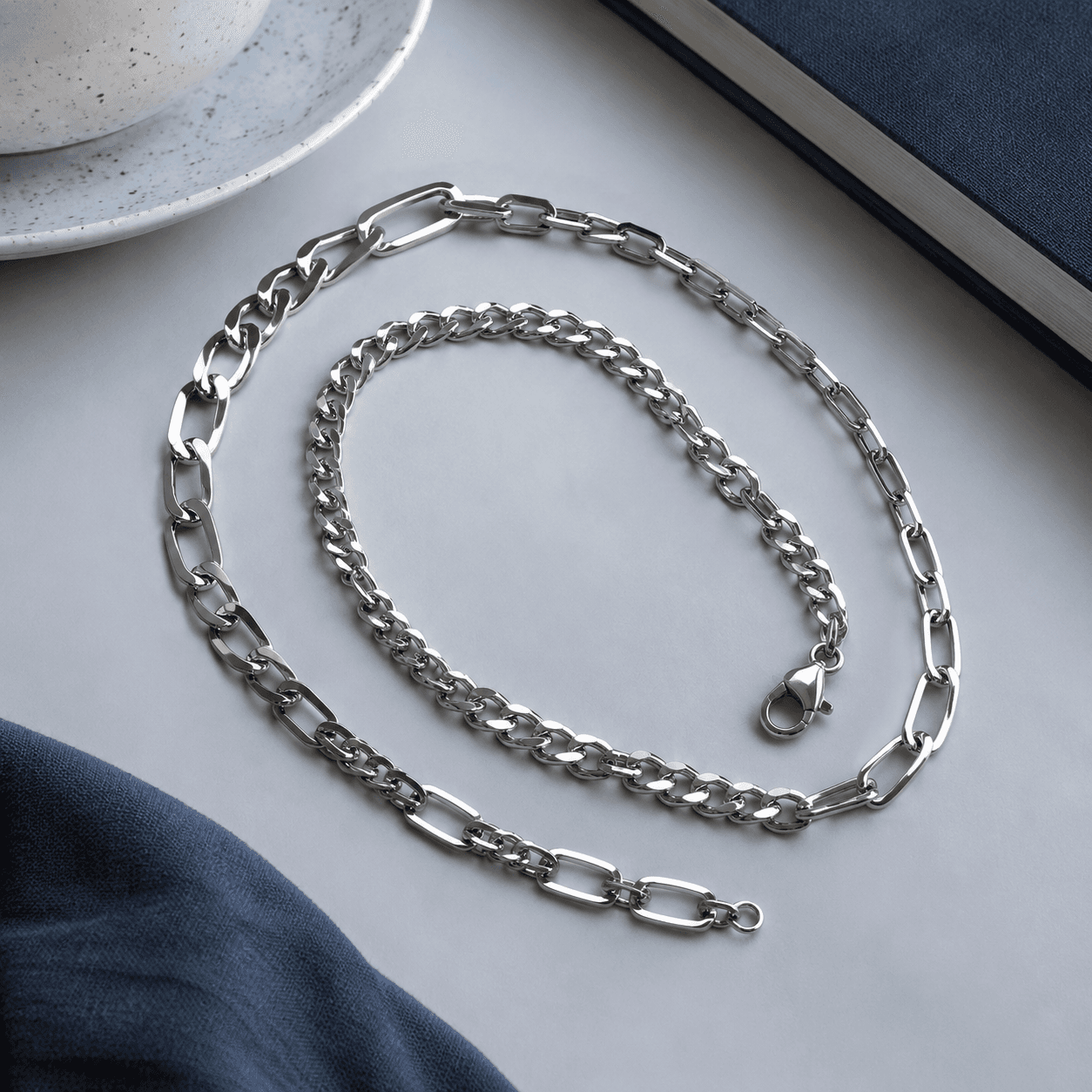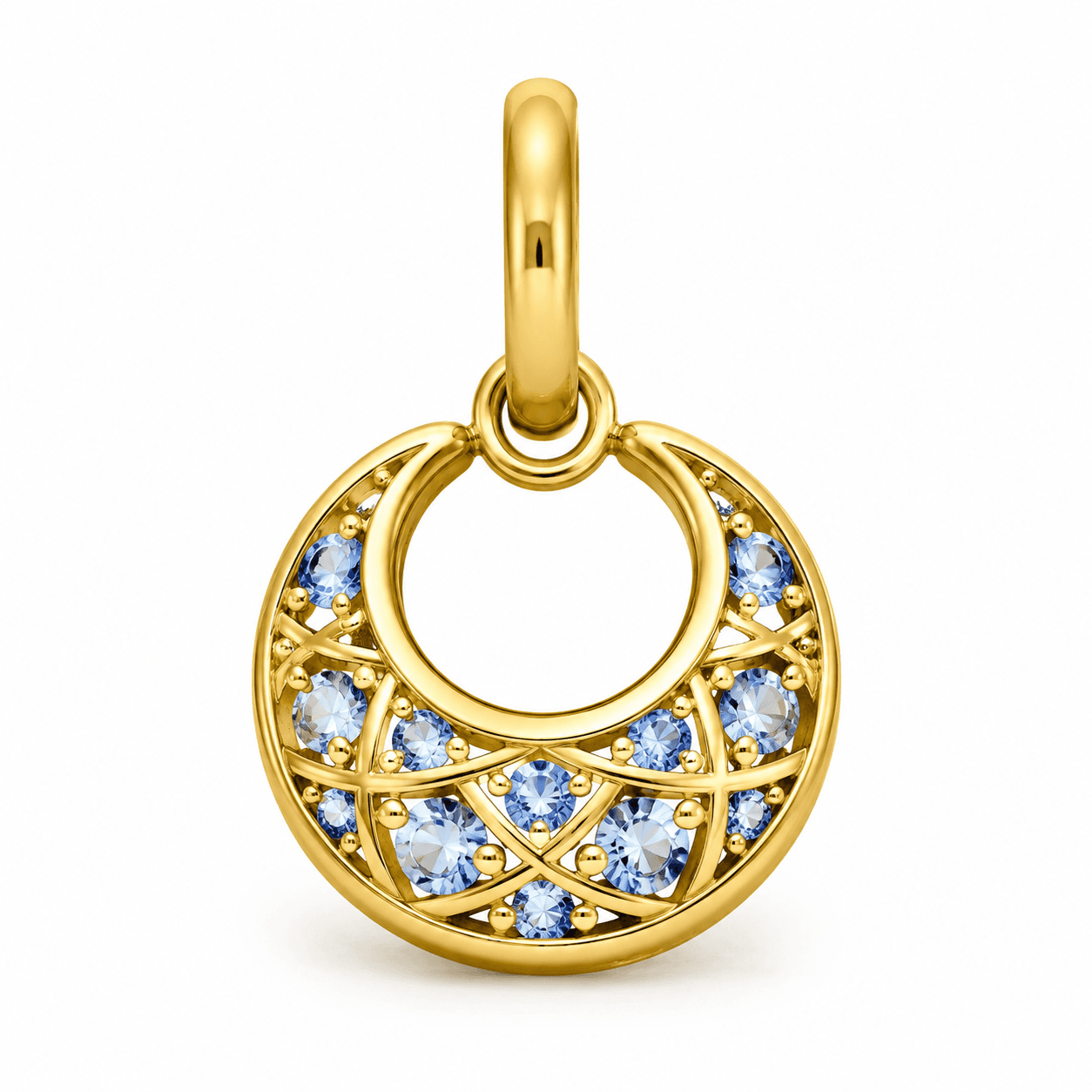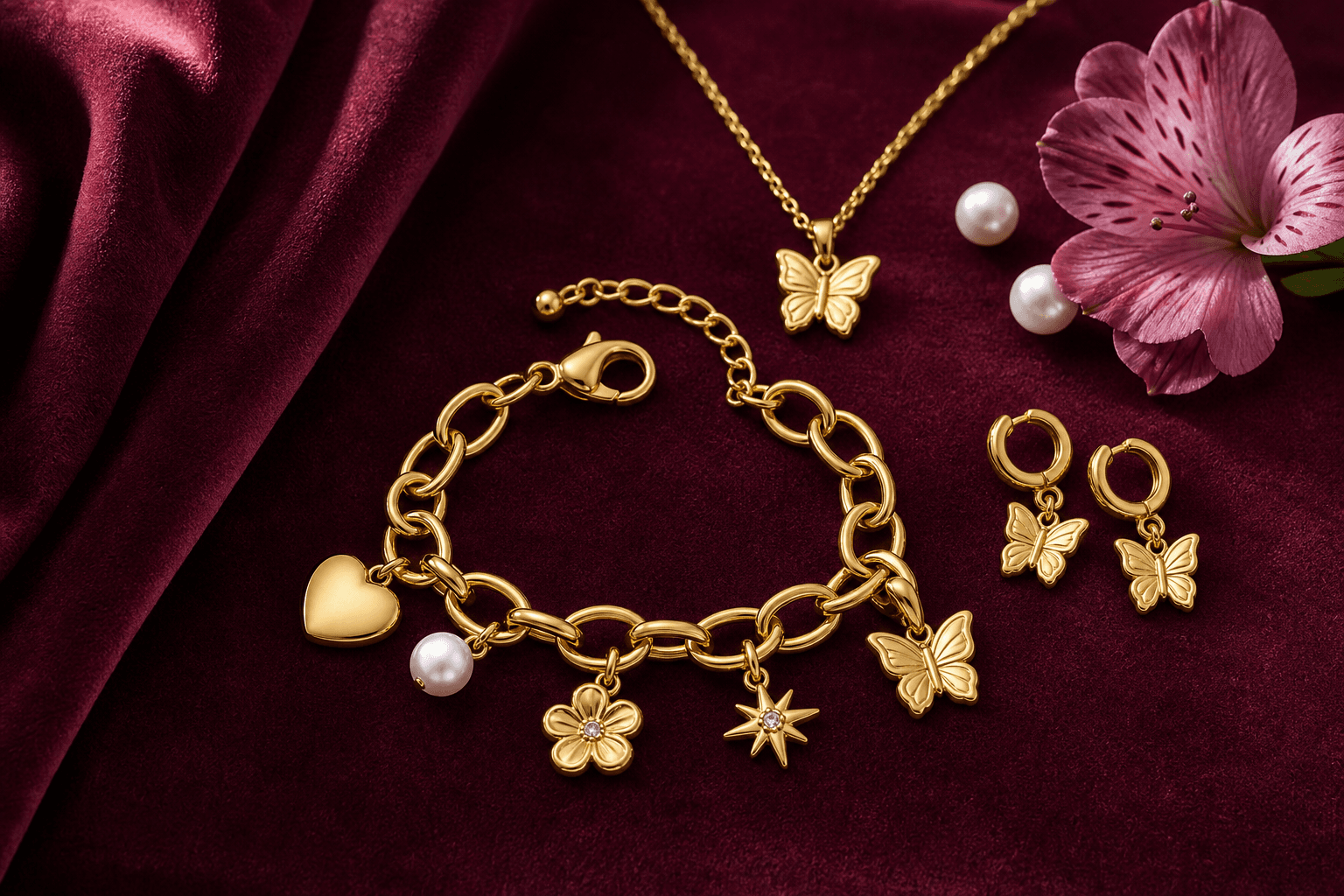
For advanced design teams and sourcing managers, finishing is where a concept becomes a boutique-market-ready product. This in-depth guide explores finishing techniques for stainless steel gold charm bracelet programs, focusing on 316L stainless steel foundations, PVD gold coatings, enamel accents, crystal inlays, and precision polishing. We’ll translate material science into practical production steps, bridging design intent with repeatable, scalable factory outcomes. If you are an OEM charms manufacturer or a private-label buyer, this guide helps you build consistent, market-ready finishes across cross-market programs.
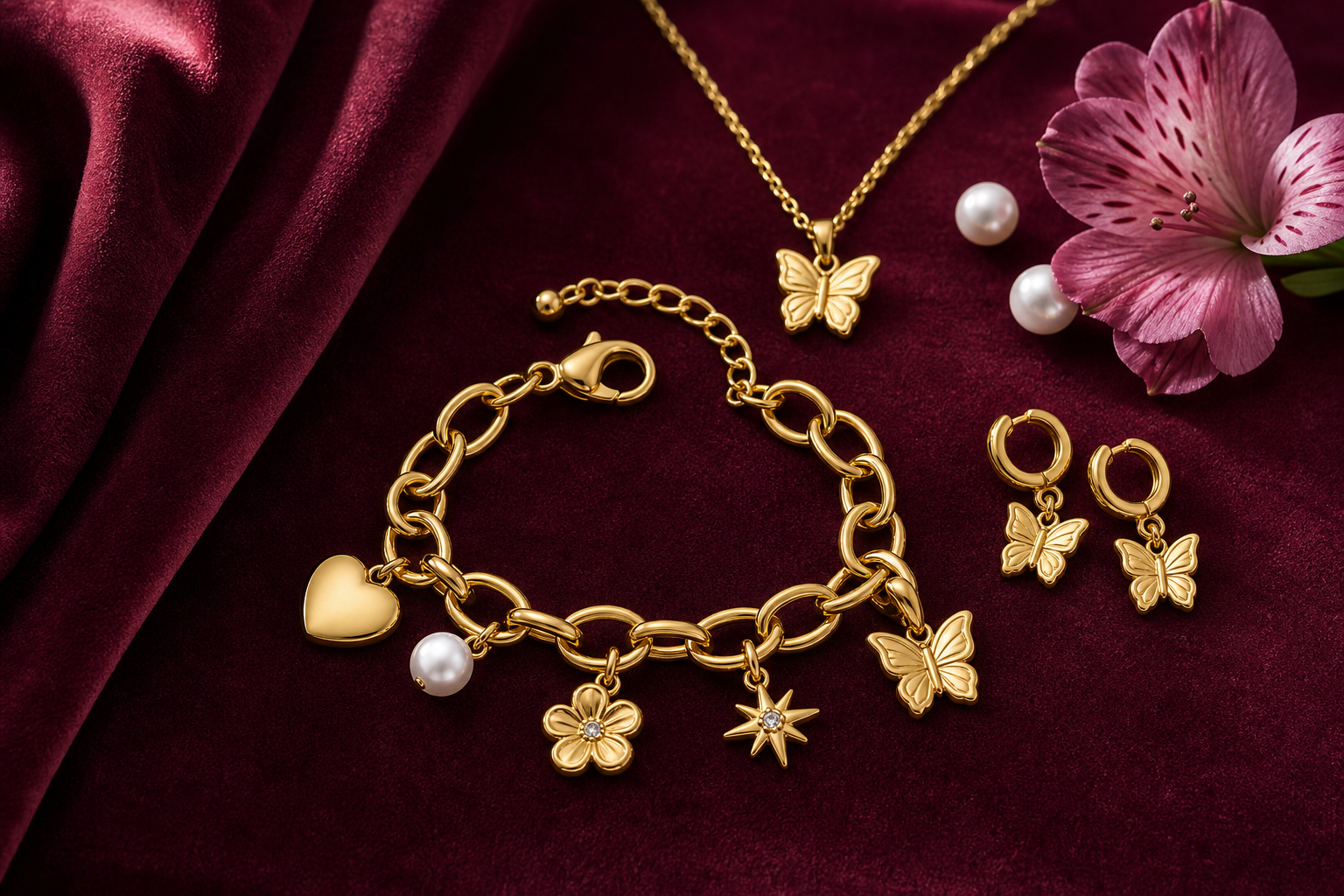
Mastering Stainless Steel Gold Charm Bracelet Finishing
Sub-points
- Material properties and surface prep for 316L stainless steel charms
- PVD coating vs electroplating: selecting the right gold look and durability
- Color options, enamel filling, and crystal inlay as finish accelerators
- Polishing regimes, passivation, and long-term wear resistance
- Quality control, certification considerations, and private-label packaging
As a trusted OEM/ODM charm factory, Lancy Jewelry emphasizes a process-driven approach. The goal is to deliver a consistent, boutique-ready gold finish that stands up to daily wear, across market channels from the US to EU, UK, AU, and beyond. The following sections outline a practical workflow and decision framework you can apply to your next collection.
Benefits of Finishing Choices: Why It Matters
Key Benefits
- Durability: Proper finishing reduces wear-through on high-contact points, preserving color and luster in daily wear scenarios.
- Consistency: A defined process minimizes batch-to-batch variation in color, hardness, and adhesion.
- Market-readiness: Finishes align with boutique-brand expectations, enabling private-label packaging and compliant labeling.
- Certification footing: Our SGS-certified facility (RoHS, REACH, Nickel Release EN1811, Salt Spray 240H) supports global supply chains with auditable standards.
In practice, a well-executed finish improves overall value, reduces post-production rework, and supports scalable wholesale or bulk orders. The combination of PVD plating, enamel filling, and crystallized accents offers a durable, color-stable solution suitable for cross-border programs under private-label or OEM agreements.
Detailed Analysis / Step-by-Step Guide
Step 1: Prepping the 316L stainless steel base
The foundation for any high-end finish begins with surface cleanliness and preparation. The steps typically include:
- Precision laser-cut charms undergo degreasing to remove machining oils and residues.
- Mechanical and chemical polishing to achieve a uniform baseline satin or bright surface depending on design intent.
- Micro-etching or light passivation to enhance surface energy and plating adhesion while preserving hollow cores and bail openings.
Step 2: Selecting the gold finish path
Two primary pathways dominate boutique finishes: PVD coating and electroplating. Each has trade-offs:
- PVD coating: Vapor-deposited gold alloys provide excellent wear resistance and color stability. Ideal for long-term use in high-traffic charm programs and Global private-label lines.
- Electroplating: Traditional gold plating can yield deep, rich color with cost advantages for medium-volume runs. Best when paired with a protective clear overcoat.
Step 3: PVD plating specifics for 316L charms
When choosing PVD, consider:
- Color family and thickness targets: typical gold appearance ranges from pale to rich yellow with thickness in the micron range.
- Adhesion and surface energy: ensure pre-treatment is optimized for 316L substrates with minimal porosity and consistent energy across production lots.
- Thickness control: tight process windows reduce color drift between batches, crucial for private-label programs and wholesale lines.
Step 4: Electroplating as a complementary route
If electroplating is chosen for specific color variants or cost targets, key controls include:
- Pre-plating cleaning and acid etching for uniform adhesion.
- Controlled diffusion to avoid over- or under-plating at bail holes and detailed edges.
- Final brightening and optional clear overcoat to improve tarnish resistance.
Step 5: Enamel color filling and crystal inlay
Finish accents can elevate the perceived value. For enamel and crystal inlays:
- Use enamel colors that are stable to UV exposure and wear; fill with precision machines or skilled hand-pilling as needed.
- Crystal inlays require careful setting to ensure stones sit flush with the surface and do not shift during handling.
- Sealants or protective clear coats can help prevent chipping or dulling of enamel or crystals under daily wear.
Step 6: Final polishing, passivation, and protective coatings
The finishing sequence concludes with:
- Final mechanical polishing to achieve a uniform sheen without removing critical engraved details.
- Passivation to improve corrosion resistance and maintain color stability on 316L stainless steel.
- Topcoat or clear overcoat application when needed to further protect from wear while preserving color depth.
Step 7: Quality control, packaging, and private-label readiness
Quality checks cover visual appearance, color tolerance, coating adhesion (rub test), and mechanical integrity (bail threading, jump ring connection). SGS-certified facilities enable batch-level documentation for RoHS/REACH compliance and nickel release testing, essential for global distribution. Packaging considerations include private-label packaging options, barcode labeling, and anti-tamper seals for wholesale or bulk orders.
Practical Considerations for Global Markets
Design teams must harmonize aesthetic goals with manufacturing realities. Considerations include:
- Cross-market color expectations: yellow gold hues may appear differently across lighting environments; plan color targets with standardized color references.
- Wear patterns: bracelets tend to experience more abrasion at the clasp and charm bail; tailor finish thickness and protective coatings accordingly.
- Regulatory readiness: ensure all finishes comply with RoHS and EN1811 nickel release standards for global distribution.
FAQ
Q1: What finishes are available for 316L stainless steel charms?
A1: Options include PVD gold plating in various tones, silver finish, rose gold plating, enamel color fillings, and crystal inlays. All options are applied to 316L stainless steel bases with careful surface prep and QC protocols.
Q2: Do you offer low MOQ and private-label packaging?
A2: Yes. As an OEM charms manufacturer, Lancy Jewelry supports low MOQ charm production and private-label packaging, facilitating private-label programs and wholesale partnerships for global brands.
Q3: How long does sample development take?
A3: Sample development timelines vary by finish type and complexity, typically ranging from a few weeks for standard finishes to longer cycles for enamel or crystal-intensive variants. We support rapid prototyping under a formal RFQ and provide detailed specs for validation.
Q4: How durable are gold finishes in wear-heavy applications?
A4: Durability depends on the finishing route and protective steps. PVD gold coatings generally offer excellent wear resistance and color stability, while enamel and crystal elements require careful bonding and sealing. Our process controls, including passivation and optional topcoats, optimize performance across cross-market usage while meeting SGS-certified standards.
Call to Action: Partner With Us
Ready to elevate your charm program with consistent, boutique-grade finishes on 316L stainless steel charms? Partner with Lancy Jewelry, your OEM/ODM partner for private-label charms, low MOQ production, and reliable sample development. Explore how our modern CNC, laser, welding, and polishing capabilities translate into scalable finish quality for global markets.
Visit our OEM service page to start a project, or request a quote to formalize your private-label or wholesale program. You can also browse our product catalog to understand standard finishes before initiating a collaboration.
OEM Service | Request a Quote | Contact | All Products
Related resources