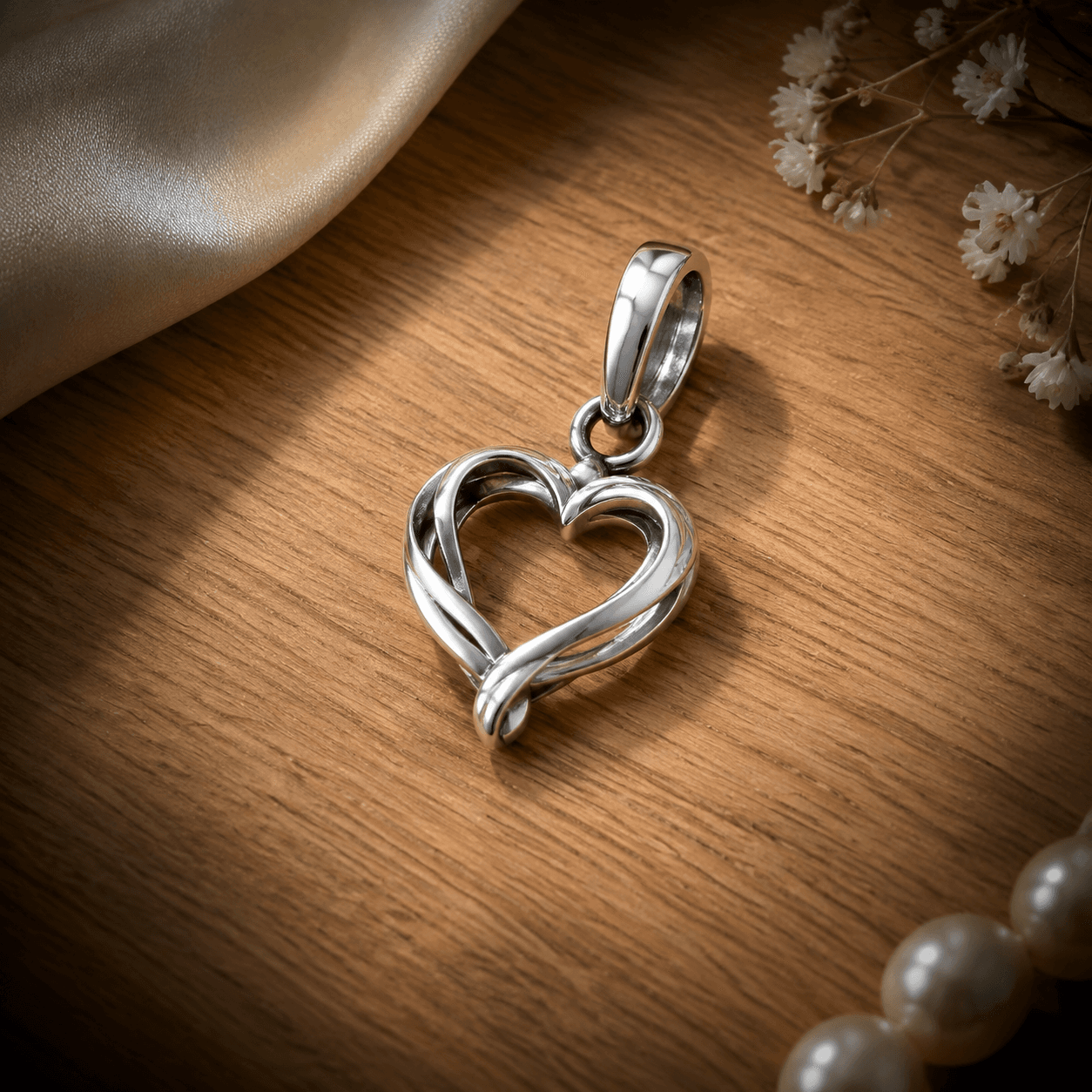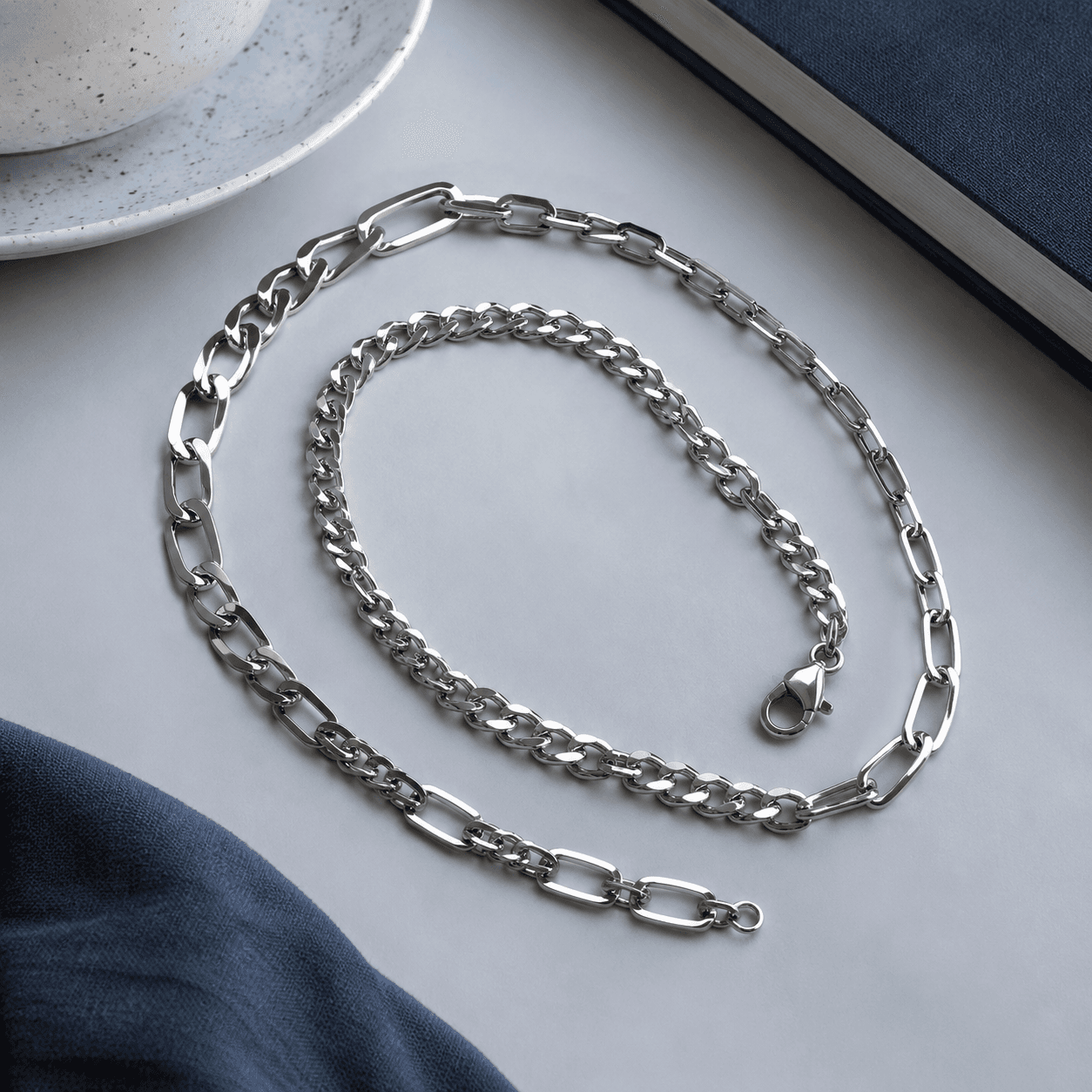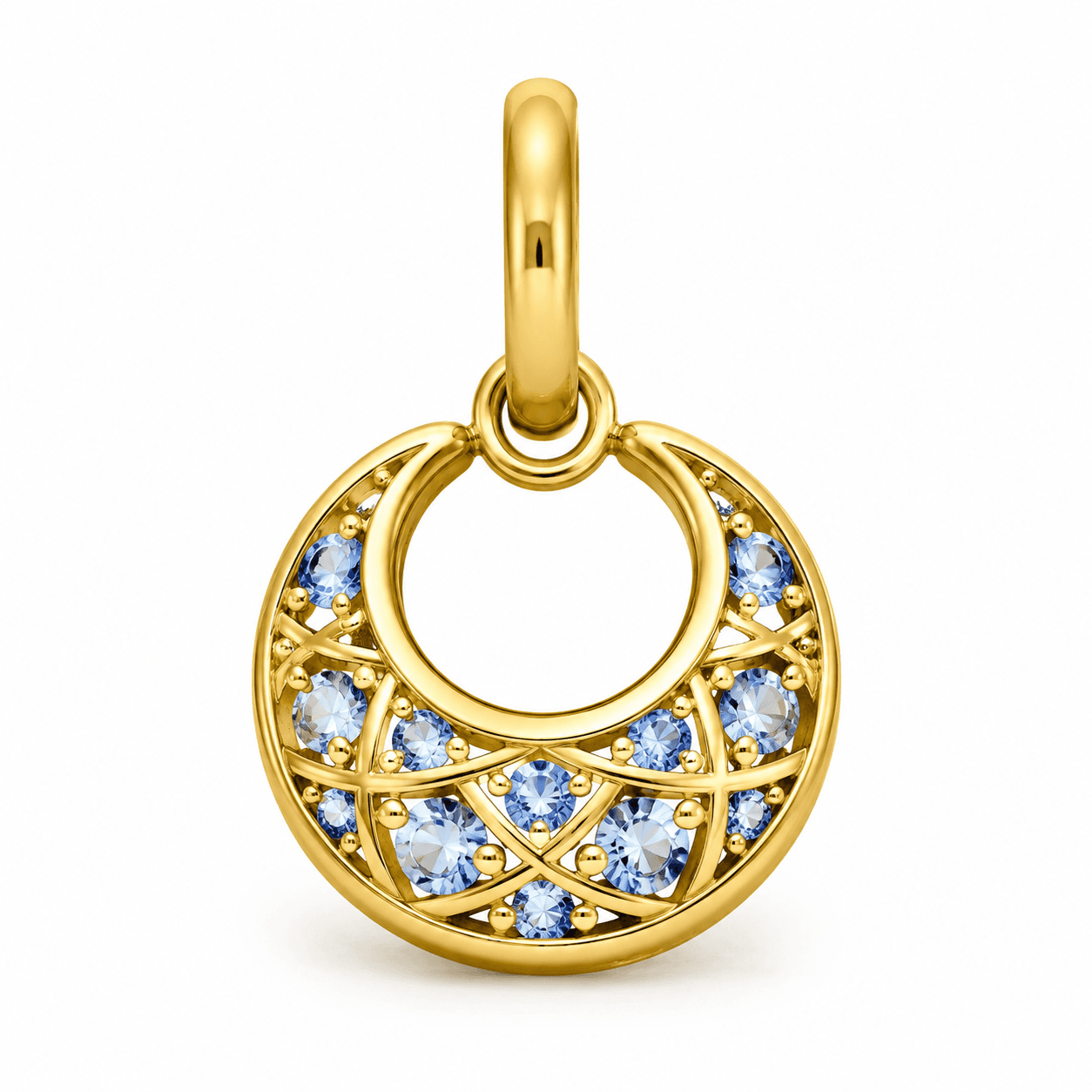
Hook: For jewelry brands seeking durable, color-rich charms that stay vibrant through wear and wash, 316L stainless steel enamel charms offer reliable performance and design freedom. This article by Lancy Jewelry provides a practical, factory-direct perspective on material choice, enamel processes, finishes, and private-label manufacturing to help sourcing teams and designers make confident decisions.
Stainless steel enamel charms for jewelry making: a 316L-focused overview
Why 316L stainless steel is the base metal for enamel charms
316L stainless steel is the industry-standard base metal for enamel charms due to its low carbon content and strong corrosion resistance in varied environments. The material enables precise stamping, clean edge definition, and robust attachment points for jump rings or bag charms. The 316L designation reflects a composition that typically includes chromium, nickel, and molybdenum, delivering a balanced mix of formability, strength, and passivity. The low carbon content minimizes carbide precipitation during welding and heat treatment, helping to preserve toughness and enamel adhesion. For boutique charm programs, this translates to predictable relief mapping, consistent enamel pockets, and reliable performance when charms are mounted on chains, key rings, or other connectors used in daily wear.
Enamel finishes: color stability, adhesion, and process control
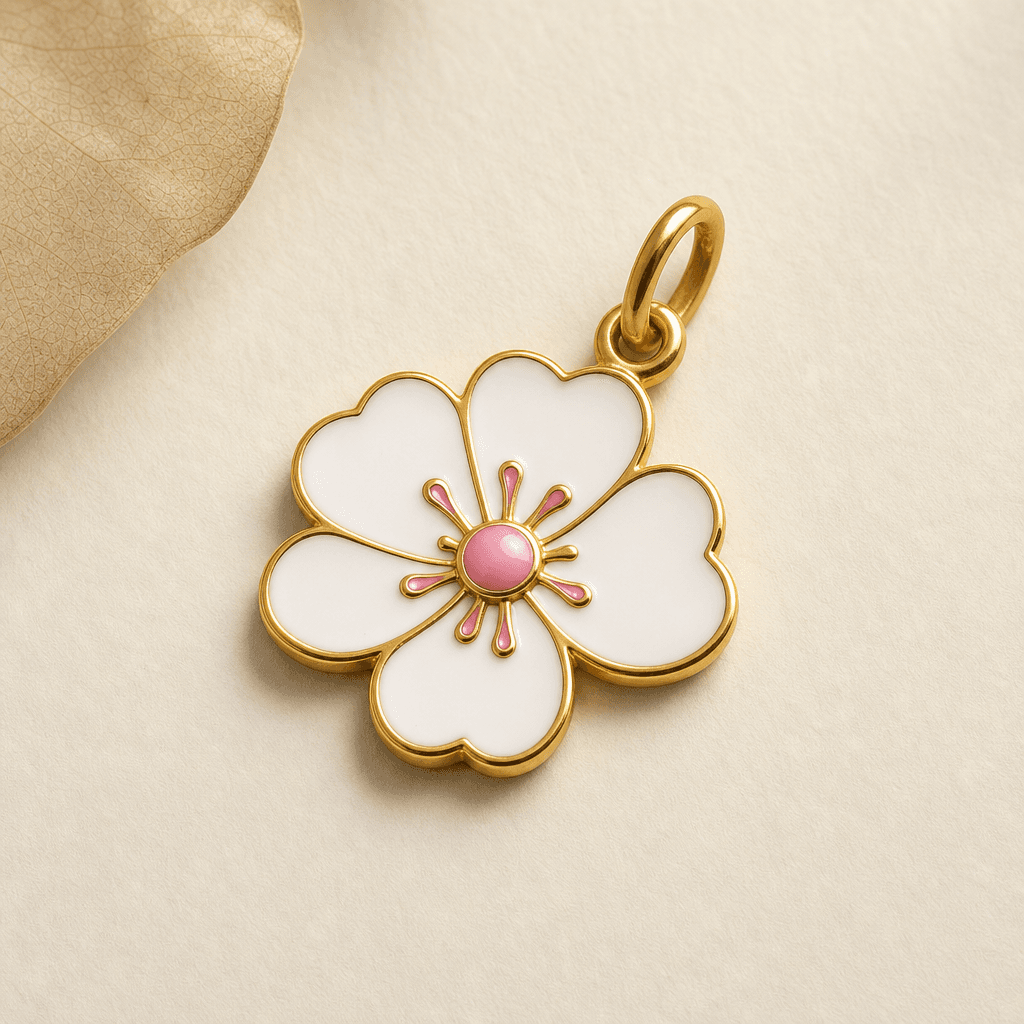
Enamel color filling is central to the visual appeal and durability of enamel charms. Proper enamel fills deliver vibrant hues with strong adhesion to the stainless substrate. Common approaches include powder enamel and fused vitreous enamel, as well as epoxy-based color systems used in rapid prototyping. A well-controlled process yields enamel that remains crack-free through wear, cleaning, and temperature variations, with color fidelity maintained over time. In a modern OEM/ODM supply chain, surface preparation, controlled enamel viscosity, and precise firing or curing cycles are essential to ensure uniform enamel thickness and sharp color borders across lots. For designers, this means palettes can be planned with confidence, knowing enamel performance is repeatable across production runs.
PVD plating and color options: gold, rose gold, and silver finishes
Physical vapor deposition (PVD) plating provides durable color and wear resistance on 316L stainless steel charms. Available finishes include gold-plated, rose-gold, and silver tones, each exhibiting strong adhesion to stainless steel and good abrasion resistance. PVD adds a protective layer that helps prevent surface micro-scratches from dulling the underlying metal or enamel. Surface preparation—cleaning, passivation, and masking—is critical to protect enamel borders during plating and to maintain crisp color boundaries. For OEM/ODM collaborations, plating thickness, hue, and texture can be tailored to align with brand aesthetics and regional preferences, supporting cohesive collections across markets such as the US, EU, UK, AU, CA, DE, FR, ES, NE, and RU.
Alloy chemistry and why 316L matters
Beyond the general composition, understanding 316L’s behavior during processing helps explain performance differences across finishes. The typical alloy includes chromium, nickel, molybdenum, and very low carbon content. The molybdenum boosts corrosion resistance, while the chromium-nickel combination supports a stable oxide layer that aids enamel adhesion and long-term color retention. This combination enables designers to engrave or mark small charms with confidence, knowing the substrate will resist edge micro-cracking and staining when exposed to sweat, cosmetics, or household cleaners. When enamel fills are paired with PVD finishes, the result is a durable, color-stable product suitable for global programs and private-label lines.
Manufacturing workflow: from blank to finished enamel charm
The journey from raw 316L stainless steel to a finished enamel charm involves a sequence of tightly controlled steps. Modern facilities employ CNC machining or laser cutting for blank shaping, with laser engraving options for logos or serial marks if required. Welding or assembly ensures a robust bail or jump ring connection, followed by electropolishing and passivation to yield a bright, corrosion-resistant surface ready for enamel filling and plating. Key process controls include:
- Surface preparation: degreasing, pickling, and ultrasonic cleaning to promote enamel adhesion.
- Enamel filling: controlled viscosity and separation to maintain clean borders and uniform color.
- Firing or curing: optimized temperatures to set enamel without warping.
- Finishing: polishing and optional protective coatings or sealants.
- Final assembly: secure closure of attachment hardware to withstand repeated handling.
For brands pursuing private-label or OEM programs, a defined workflow supports predictable turnarounds, part-to-part consistency, and scalable production for bulk orders. As a stainless steel charms manufacturer, Lancy Jewelry offers OEM/ODM development, logo engraving, enamel color filling, and sample development to streamline concept-to-production timelines.
Quality controls and compliance you can trust
Quality and regulatory compliance are central to B2B sourcing decisions. Lancy Jewelry maintains certifications addressing safety and environmental standards, including RoHS and REACH considerations, nickel-release testing, and corrosion resistance assessments. A multi-stage QC regimen covers raw-material verification, dimensional accuracy, plating thickness, enamel uniformity, and final inspection. Having a robust factory program backed by standardized tests helps brands align with cross-market requirements and supplier qualification processes, while reducing supplier risk in private-label and wholesale collaborations.
Customization options: logo engraving, private-label packaging, and more
Boutique brands and private-label buyers often seek branding control and display-ready packaging. Lancy supports logo engraving on charms and provides private-label packaging solutions to enable turnkey gift programs for retailers and charm bars. Brands can select specific enamel palettes, PVD finishes, and packaging formats designed to showcase a cohesive look in-store or online. This customization extends to product naming, catalog presentation, and sample development timelines, enabling rapid prototyping and faster market testing for global rollouts.
Benefits for global BOMs and sourcing
Practical benefits for designers and procurement teams
316L stainless steel enamel charms offer several advantages for BOMs and sourcing strategies:
- Durability: Enamel remains bright through wear, while the substrate withstands daily use and environmental exposure.
- Global consistency: PVD finishes and enamel color stability support a uniform look across markets, reducing SKU fragmentation.
- Private-label flexibility: OEM/ODM options and private-label packaging simplify brand rollouts across regions.
- Low MOQ and sample development: Small initial runs help brands test concepts with limited risk.
- Certifications: Independent third-party certifications streamline regional reviews and vendor qualification.
For designers, these benefits translate into a more predictable development timeline, clearer cost planning, and stronger alignment with brand identity across finished charms and display materials.
Why certifications matter for global brands
Certifications signal commitment to safety and compliance, helping with retailer negotiations and distributor onboarding. Standards addressing skin safety and corrosion resistance reduce regulatory risk and support faster procurement cycles. When coordinating with partners for private-label catalogs or wholesale programs, these certifications can accelerate approval processes and vendor qualification across markets.
Private-label packaging and program economics
Private-label packaging is a key element of storytelling and brand experience. Economically, packaging programs can amortize design and tooling costs across higher volumes, improving unit economics for retailers and gift programs. For brands testing new collections, packaging flexibility reduces time-to-market and preserves brand integrity across international channels.
Detailed guide: from specification to finished enamel charm
Step-by-step overview (summary)
Step 1 — Define alloy targets and baseline characteristics: set mechanical tolerances, surface finish expectations, and post-processing needs; confirm target Cr/Ni/Mo ranges and low-carbon requirements to support enamel adhesion.
Step 2 — Enamel strategy: decide on color breadth, borders, and filling technique; plan for color borders to optimize adhesion and edge definition; consider thermal budgets if firing is involved.
Step 3 — Surface finishing and plating: choose a plating strategy that complements enamel and meets market aesthetics; align plating thickness with wear expectations and consider masking to protect enamel borders during plating.
Step 4 — Engraving and branding: prepare vector files with clean separations and depths; verify engraving fidelity across samples to maintain legibility on small charms.
Step 5 — Assembly and hardware compatibility: ensure attachment hardware works with anticipated chain widths or key-ring connectors; demonstrate final assembly in realistic usage contexts to confirm fit and function.
Step 6 — Sample development: use rapid prototyping to test color, finish, and tolerance; leverage private-label or OEM sample support to refine designs before bulk production.
Step 7 — Production and QA: scale from samples to bulk orders with multi-stage checks, including dimensional, plating-thickness, enamel integrity, and nickel-release testing; align with cross-market compliance as needed.
Step 8 — Private-label packaging and distribution: finalize packaging, labeling, and distribution documentation to support retailer expectations and marketing calendars.
FAQ
Q1: Why choose 316L stainless steel enamel charms for jewelry making?
A1: 316L stainless steel provides reliable corrosion resistance, strong mechanical properties, and excellent compatibility with enamel fills and PVD finishes. Its low carbon content supports clean engravings and robust assembly for high-volume or boutique production across regions.
Q2: What is the typical MOQ and sample lead time for OEM/ODM enamel charms?
A2: Private-label and OEM projects often include low MOQs to ease entry for boutique brands. Sample lead times range from days to a few weeks, depending on engraving, color palette, and finish complexity. For larger programs, phased production can align with market launch timelines. Confirm current capabilities with your factory partner.
Q3: Do the certifications cover skin safety for enamel charms?
A3: Yes. Certifications addressing RoHS, REACH, nickel release, and corrosion resistance provide independent validation of material safety and regulatory compliance, supporting skin-safety expectations across markets.
Q4: What customization options does Lancy offer for enamel charms?
A4: Lancy supports logo engraving, enamel color fills, PVD plating finishes, private-label packaging, and sample development for rapid iteration. These capabilities enable OEM/ODM collaborations and private-label programs aligned with brand aesthetics and retailer requirements.
Call to action: Partner With Us
Ready to translate enamel charm concepts into scalable, factory-direct products? Lancy Jewelry is a dedicated stainless steel charms manufacturer with capabilities for CNC, laser, welding, and polishing. We offer OEM/ODM development, private-label packaging, and comprehensive sample support to help designers bring concepts to market with confidence. If you’re evaluating private-label or wholesale stainless steel charms, request a quote or initiate an RFQ to discuss your needs. Explore our OEM service page, All Products catalog, or contact us for personalized guidance.