Choosing a manufacturing partner for enamel pins and decorative charms requires more than comparing unit prices or reviewing attractive product samples. For boutique brands, charm bar retailers, gift companies, and private-label buyers, the supplier's material specifications, enamel application, surface durability, production controls, and documentation all influence product quality and brand reputation. A small inconsistency in color, plating, or attachment hardware can become a costly problem when thousands of units reach customers.
This buyer guide provides a practical checklist for evaluating manufacturing capabilities, defining quality requirements, and reducing sourcing risks for the North American market. It focuses on 316L stainless steel enamel charms and explains how to assess a supplier's actual production scope, sample performance, and quality commitments before approving bulk orders. The objective is to establish measurable acceptance criteria rather than relying on marketing claims.
How to Choose a Stainless Steel Enamel Pins Manufacturer with Charms
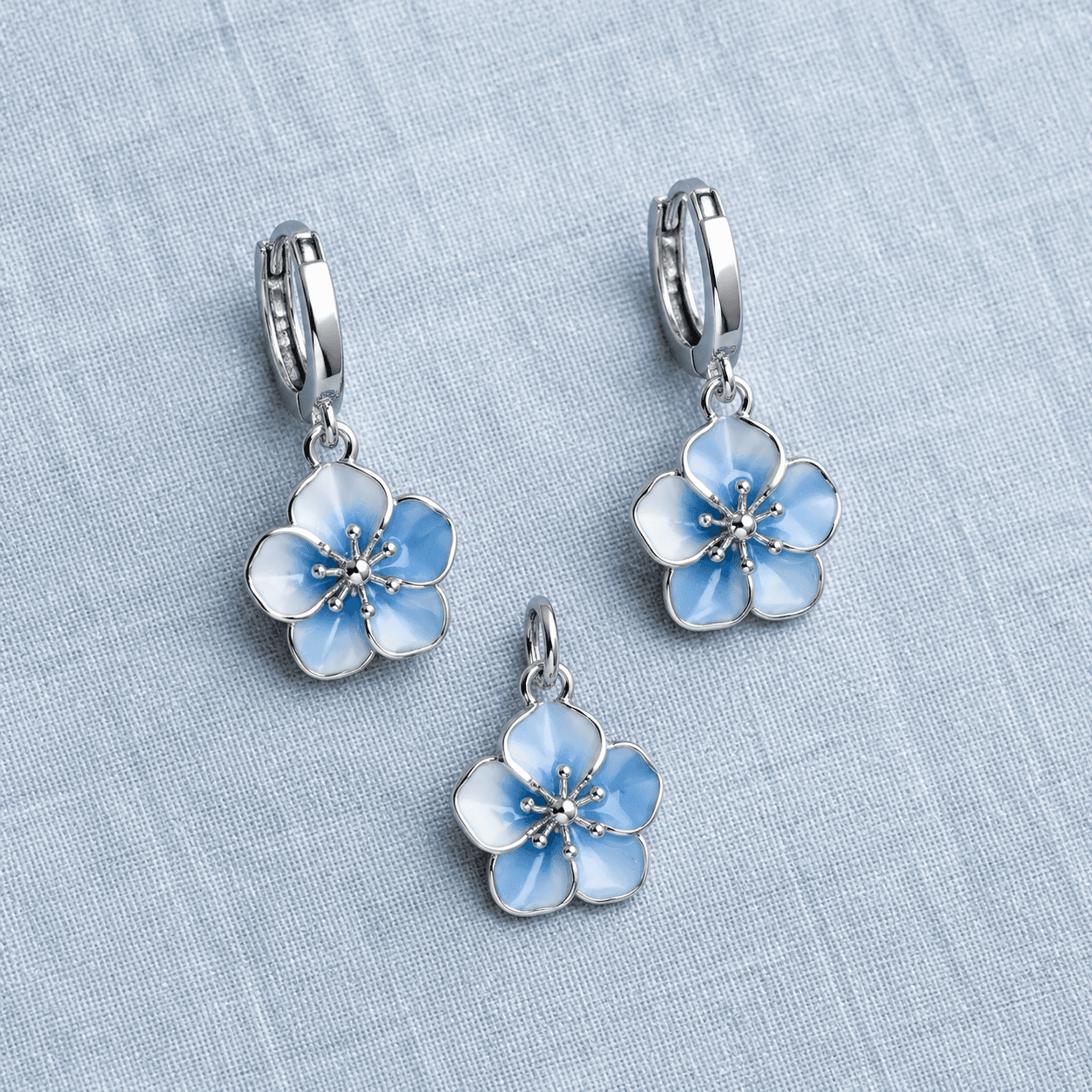
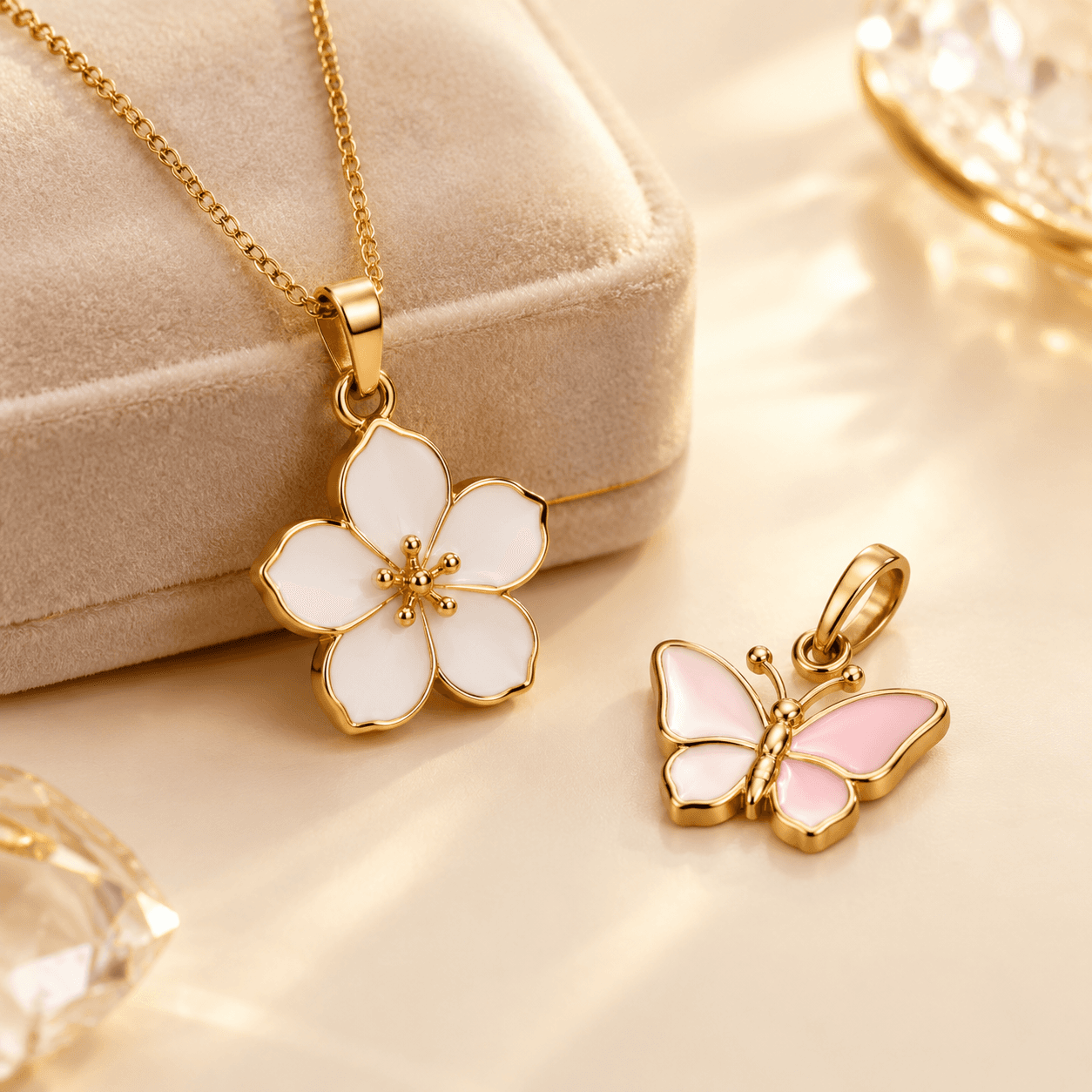
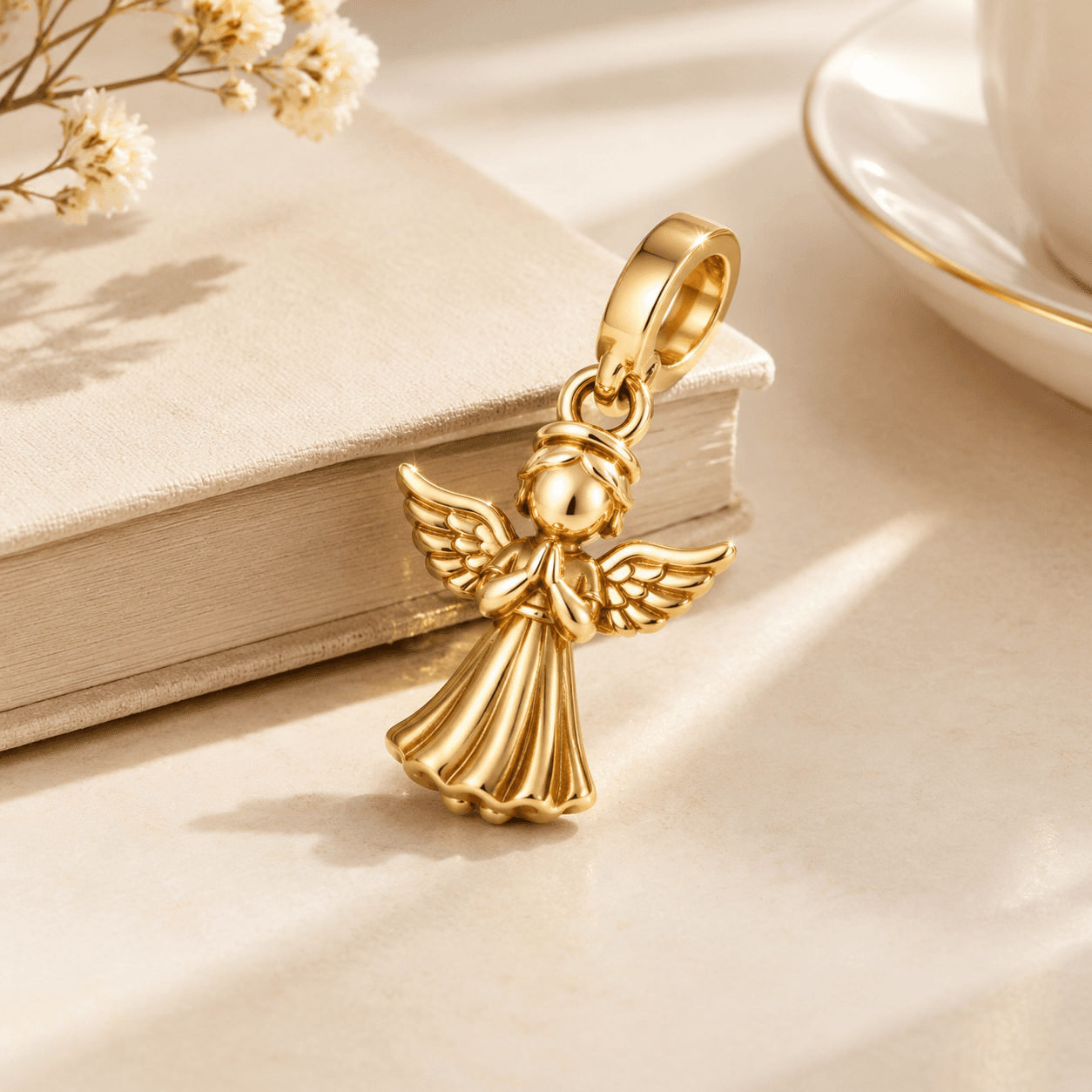
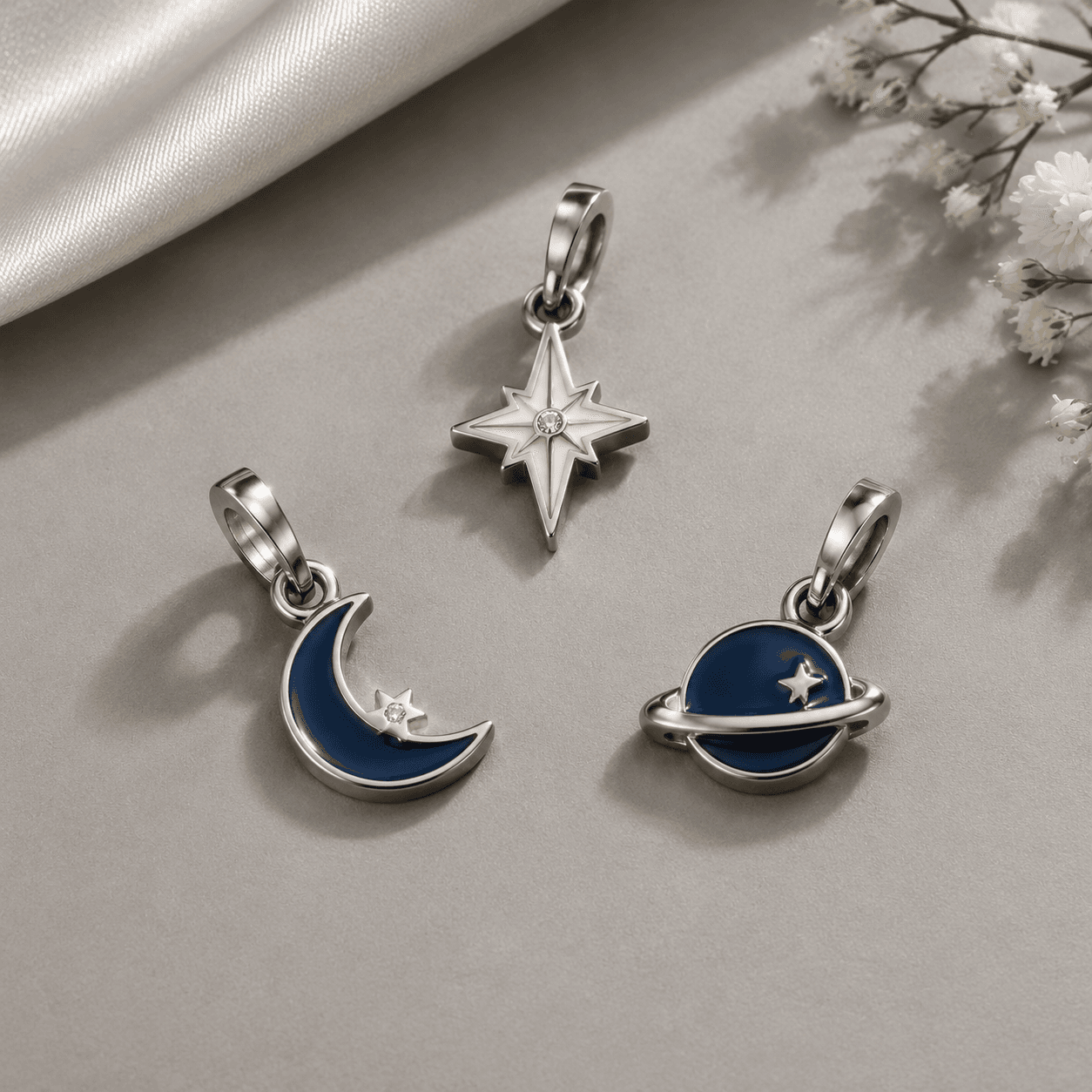
When evaluating a stainless steel enamel pins manufacturer with charms, first establish whether the supplier can manufacture each product type in your purchasing brief. Pins and charms can have different attachment structures, tooling requirements, and functional tests. A supplier that specializes in charms should not automatically be assumed to manufacture pins. Lancy Jewelry focuses on 316L stainless steel charms, including enamel color-filled designs, custom details, and private-label production.
Checklist 1: Confirm the manufacturing scope
- Confirm that the supplier manufactures the specific product form, size, and attachment mechanism required by your collection.
- Request a written specification covering 316L stainless steel, enamel colors, surface finish, dimensions, and applicable tolerances.
- Verify whether laser marking, logo engraving, polishing, PVD plating, and enamel filling are performed in-house or managed through qualified production partners.
- Establish who approves technical drawings, samples, color references, and final production changes.
A capable stainless steel charms manufacturer should explain its process clearly and identify which requirements can be confirmed through inspection or testing. Buyers should also distinguish between an available customization service and a capability that has been validated on the exact product design.
Checklist 2: Match the product to your brand positioning
For North American boutique brands, product consistency is essential to a recognizable collection. Review the intended retail price, target customer, packaging requirements, and planned assortment before finalizing specifications. A gift-oriented charm program may prioritize clear visual details and presentation, while a charm bar retailer may require repeatable colors, consistent dimensions, and dependable replenishment.
- Define the design language, finish options, and permitted color variation.
- Confirm the charm's intended use, such as a bracelet, necklace, bag charm, or gift accessory.
- Check that the attachment hole, bail, or jump ring is appropriate for the intended application.
- Document the approved sample as the visual reference for subsequent production.
Benefits of a Quality-Focused Manufacturing Partner
Supplier selection affects more than appearance. A documented manufacturing process can help buyers reduce inspection disputes, manage replenishment, and protect their brand's quality standards. The strongest partnerships combine defined material requirements, repeatable finishing processes, relevant compliance documentation, and clear corrective-action procedures.
Key benefit 1: More predictable material and finish quality
316L stainless steel provides a defined base material for a consistent charm collection. Its corrosion resistance and suitability for detailed finishing make it a practical choice for many everyday decorative applications. However, material grade alone does not establish the quality of the finished product. Geometry, surface preparation, enamel application, plating parameters, and handling also influence the final result.
For gold plated or rose gold plating options, request a specification identifying the PVD finish, its approved appearance, and the inspection method. For a silver finish, define the expected color and reflectivity. These requirements make it easier to evaluate repeat orders objectively rather than relying on subjective descriptions such as premium quality.
Key benefit 2: Better documentation for North American sourcing
Buyers serving the United States and Canada should request documentation appropriate to the product, its intended use, and the destination market. Lancy Jewelry reports SGS-certified testing coverage for RoHS, REACH, nickel release under EN1811, and a 240-hour salt spray test. Before relying on these claims for a specific purchase, ask for the relevant reports, their dates, tested samples, scope, and applicability to the proposed product and finish.
RoHS and REACH documentation addresses specified regulatory requirements and chemical restrictions within their respective scopes. EN1811 is a recognized reference method for assessing nickel release from relevant articles. Salt spray testing evaluates corrosion behavior under defined test conditions; a 240-hour result does not guarantee a particular service life in every environment. Buyers should confirm whether the test method and acceptance criteria match their product requirements.
In the United States, FDA requirements are relevant when a product falls within the agency's regulated scope, such as certain products intended for food contact or particular children's product applications governed by applicable rules. Ordinary decorative jewelry is not automatically FDA-certified simply because it is sold in the United States. Children's products may trigger separate requirements, including applicable Consumer Product Safety Commission rules and testing obligations. Confirm the intended audience, claims, and applicable federal and state requirements with a qualified compliance professional.
Key benefit 3: More reliable private-label launches
For private-label charms, a supplier must translate brand requirements into repeatable production instructions. Consistent logo placement, controlled enamel colors, approved finish references, and dependable packaging specifications help prevent variation between product batches.
An OEM charms manufacturer should also clarify sampling charges, tooling ownership, production lead times, order quantities, inspection arrangements, and responsibility for defects. Written agreements reduce ambiguity when a collection includes multiple shapes, finishes, or color combinations.
Detailed Buyer Checklist: Quality, Durability, and Production Control
Step 1: Verify the 316L stainless steel specification
- Request a material specification identifying 316L stainless steel as the base material.
- Ask whether material traceability or supporting documentation is available for the production batch.
- Review edges, cutouts, hole dimensions, surface flatness, and dimensional tolerances.
- Confirm that welding, laser cutting, polishing, and marking processes do not leave unacceptable burrs or visible defects.
Material verification should be proportionate to the order's risk and commercial value. Documentation, supplier controls, and appropriate verification methods can provide complementary evidence. Do not assume that a polished appearance or a supplier's verbal assurance independently proves material grade.
Step 2: Evaluate enamel application and color consistency
Enamel introduces a strong visual element to a charm collection, but performance depends on the design, surface preparation, application method, and curing process where applicable. Small color differences can become obvious when several charms are displayed together, especially in coordinated collections.
- Approve a physical color reference or a documented color standard before production.
- Inspect color coverage, fill depth, boundaries, bubbles, pinholes, and visible contamination.
- Examine narrow recesses, corners, and detailed areas for incomplete filling.
- Request a suitable adhesion or wear test for the actual enamel system and product design.
- Establish acceptable color variation and defect limits in writing.
Ask the manufacturer to identify the test method, sample preparation, conditioning, evaluation criteria, and pass/fail threshold. Avoid accepting an unspecified claim of scratch-resistant or permanent enamel without supporting evidence. Any test should reflect the finished construction rather than an unrelated demonstration sample.
Step 3: Test plating and corrosion performance
PVD finishes can support consistent decorative surface colors when the preparation and deposition processes are controlled. Performance still depends on the complete manufacturing system, including substrate preparation, geometry, process parameters, and post-production handling. A finish that looks uniform on a flat area may behave differently around sharp edges or recessed details.
- Compare approved samples under consistent lighting for color, gloss, and coverage.
- Inspect edges, holes, recesses, and contact points for visible finish irregularities.
- Request relevant abrasion, adhesion, corrosion, or salt spray test results when appropriate.
- Confirm the salt spray method, exposure conditions, evaluation criteria, and tested finish.
- Define how finish defects and corrosion findings will be recorded and resolved.
Salt spray exposure is a comparative laboratory assessment, not a direct prediction of years of use. Results depend on the test conditions and acceptance criteria. For realistic quality decisions, combine appropriate laboratory tests with visual inspection and application-specific wear evaluation.
Step 4: Validate attachment hardware and mechanical durability
A charm can retain its appearance and still fail if its loop, bail, or connecting ring opens, deforms, or detaches during normal use. Mechanical details therefore deserve the same attention as the visible design.
- Check that the jump ring or bail passes through a real hole or loop and closes securely.
- Inspect attachment points for sharp edges, deformation, incomplete joints, and excessive movement.
- Request suitable pull, load, or repeated-use tests based on the intended application.
- Inspect multiple samples to identify variation rather than approving a single favorable unit.
- Establish rejection criteria for broken connections and other safety-related defects.
Test loads should be specified by the buyer and manufacturer according to product dimensions, construction, use, and applicable requirements. A result from one charm design should not automatically be applied to every product in a collection.
Step 5: Approve a representative pre-production sample
Sample development is a risk-control step, not simply a design preview. The approved sample should represent the intended material, enamel colors, finish, attachment structure, logo details, and packaging where relevant. If production parameters change after approval, the supplier should disclose the change and determine whether another approval is necessary.
- Review dimensions, weight where specified, finish, color, and surface quality.
- Confirm logo size, placement, legibility, and engraving depth where applicable.
- Verify that the attachment mechanism works with the intended application.
- Record sample approval with dated photographs, specifications, and identified reference units.
- Retain an approved reference sample for comparison with delivered goods.
Step 6: Set bulk-order inspection and acceptance criteria
Before authorizing bulk charm orders, agree on a quality plan that identifies inspection stages, sampling methods, defect classifications, and corrective actions. Buyers should distinguish critical safety or functional defects from major appearance defects and minor cosmetic deviations. Appropriate sampling levels depend on the order, product risk, and agreed inspection standard.
- Define the pre-production approval and any in-process inspection checkpoints.
- Specify the final inspection method and acceptance thresholds before manufacturing begins.
- Confirm how nonconforming units will be segregated, reworked, replaced, or credited.
- Establish traceability for purchase orders, product versions, and relevant test reports.
- Agree on realistic production, packing, and shipment milestones.
Step 7: Evaluate MOQ, lead time, and total sourcing cost
Low MOQ support can help boutique brands test a collection before committing to a larger assortment. However, the lowest quoted unit price is not always the lowest total sourcing cost. Sample charges, tooling, packaging, color changes, inspection, shipping, and the cost of correcting defects can materially affect the final budget.
- Request a quotation with quantities, specifications, finish options, and packaging clearly itemized.
- Ask whether MOQ applies per design, finish, color, or combined purchase order.
- Confirm sample lead time, production lead time, and approval deadlines.
- Clarify payment terms, shipping responsibilities, and the handling of quality claims.
- Compare suppliers using the same approved specifications and inspection requirements.
These checks are especially valuable when planning seasonal releases, gift programs, or coordinated collections that require consistent replenishment.
Step 8: Check brand control and long-term support
Private-label production requires more than adding a logo. Buyers should establish ownership and use rights for approved artwork, custom tooling, packaging layouts, and product-specific technical files. The supplier should also explain how revisions are documented and how confidential design information is handled.
- Confirm artwork approval, logo authorization, and the agreed treatment of confidential files.
- Review available packaging options and their branding specifications.
- Agree on written defect remedies, inspection responsibilities, and claim deadlines.
- Ask whether the manufacturer can maintain approved specifications for repeat orders.
Do not treat a general longevity statement as an unconditional guarantee. Request a written warranty or quality agreement that defines coverage, exclusions, evidence requirements, and available remedies.
Frequently Asked Questions
1. What should a buyer look for in a stainless steel enamel pins manufacturer with charms?
Verify the supplier's actual product scope, material specifications, enamel and finish controls, attachment design, testing documentation, sample process, and written quality terms. If charms are the priority, choose a supplier with demonstrated experience in 316L stainless steel charms and confirm separately whether pin manufacturing is available.
2. Which tests are important for 316L stainless steel enamel charms?
Depending on the product and destination market, useful checks may include material verification, nickel release assessment, enamel adhesion or wear testing, finish inspection, corrosion testing, and mechanical testing of attachment points. The correct test plan depends on intended use and applicable requirements. Ask for reports covering the actual product and finish rather than relying on general certification statements.
3. Does a 240-hour salt spray result guarantee long-lasting plating?
No. A 240-hour salt spray result indicates performance under a specified laboratory exposure and evaluation method. It does not establish a universal service-life guarantee. Buyers should review the test conditions, acceptance criteria, tested construction, and any additional wear evidence before approving a finish.
4. How can a private-label buyer reduce quality risks before a bulk order?
Approve a representative pre-production sample, document material and finish requirements, define measurable acceptance criteria, review relevant compliance reports, and agree on inspection and defect remedies in writing. Also confirm MOQ, production milestones, packaging specifications, and the process for approving changes.
Partner With Lancy Jewelry for Custom Charm Manufacturing
For boutique brands, gift companies, charm bar retailers, and distributors, a reliable sourcing process starts with a manufacturer that understands material consistency, detailed finishing, and practical production requirements. Lancy Jewelry specializes in 316L stainless steel charms and supports OEM and ODM development, laser logo engraving, PVD plating, enamel color filling, crystal inlay, and private-label packaging.
Our production capabilities include CNC processing, laser cutting, laser marking, welding, and polishing. We support sample development and low MOQ discussions to help buyers evaluate designs before scaling production. Available testing documentation includes SGS-certified coverage for RoHS, REACH, nickel release under EN1811, and a 240-hour salt spray test; the relevant scope and reports should be confirmed for each proposed product.
Before requesting a quotation, prepare your target dimensions, design files, finish preferences, enamel color references, estimated order quantity, packaging requirements, and target delivery date. Include any required testing standards and acceptance criteria so the quotation can reflect your actual needs.
Explore OEM and ODM manufacturing services to discuss your private-label development requirements. Browse the product catalog to review available designs, or submit an inquiry through Request a Quote to discuss specifications, MOQ, sampling, and bulk production planning.
A structured supplier evaluation helps protect product quality, reduce avoidable sourcing costs, and establish a repeatable foundation for your next charm collection. Use this checklist before sample approval and keep the same documented criteria throughout production and replenishment.