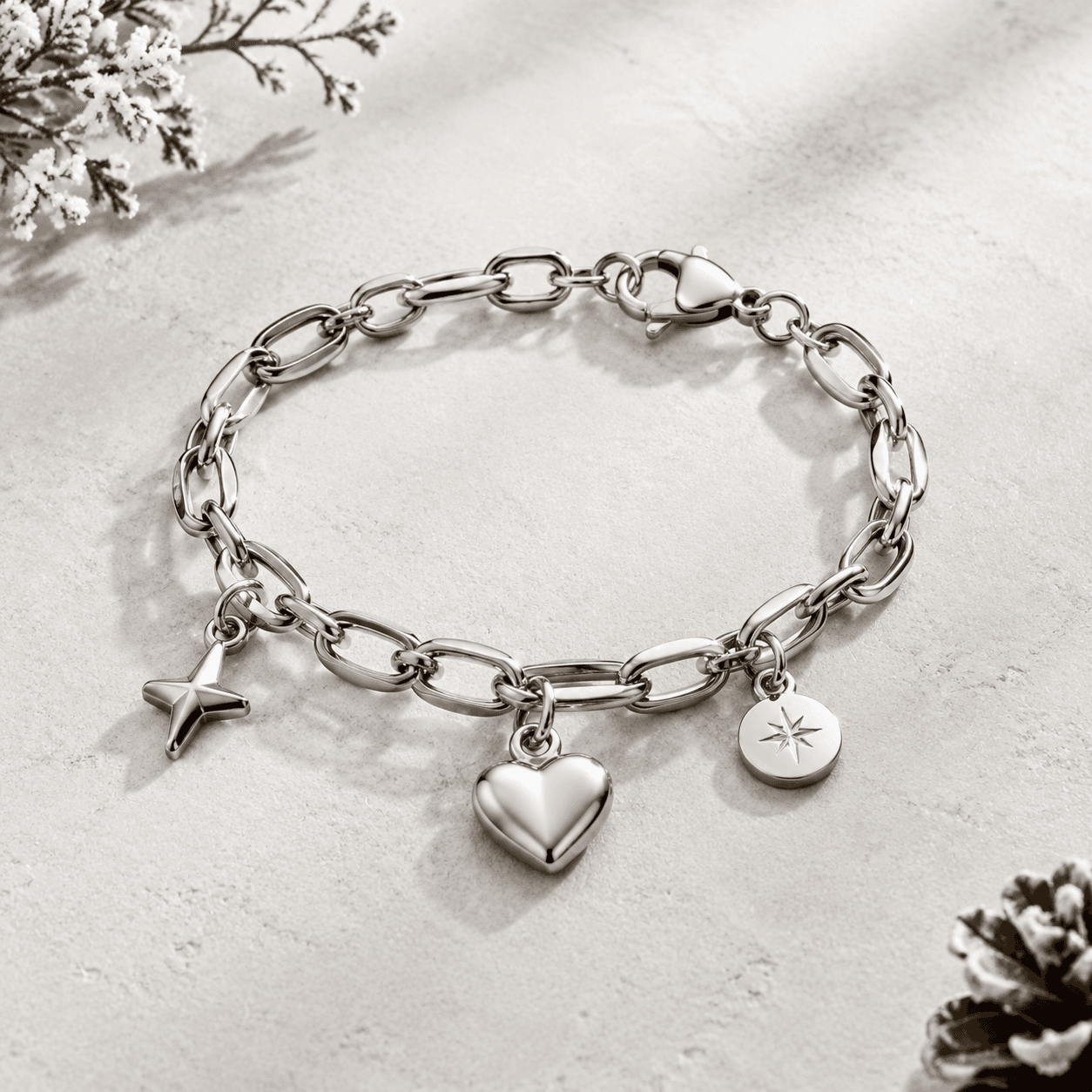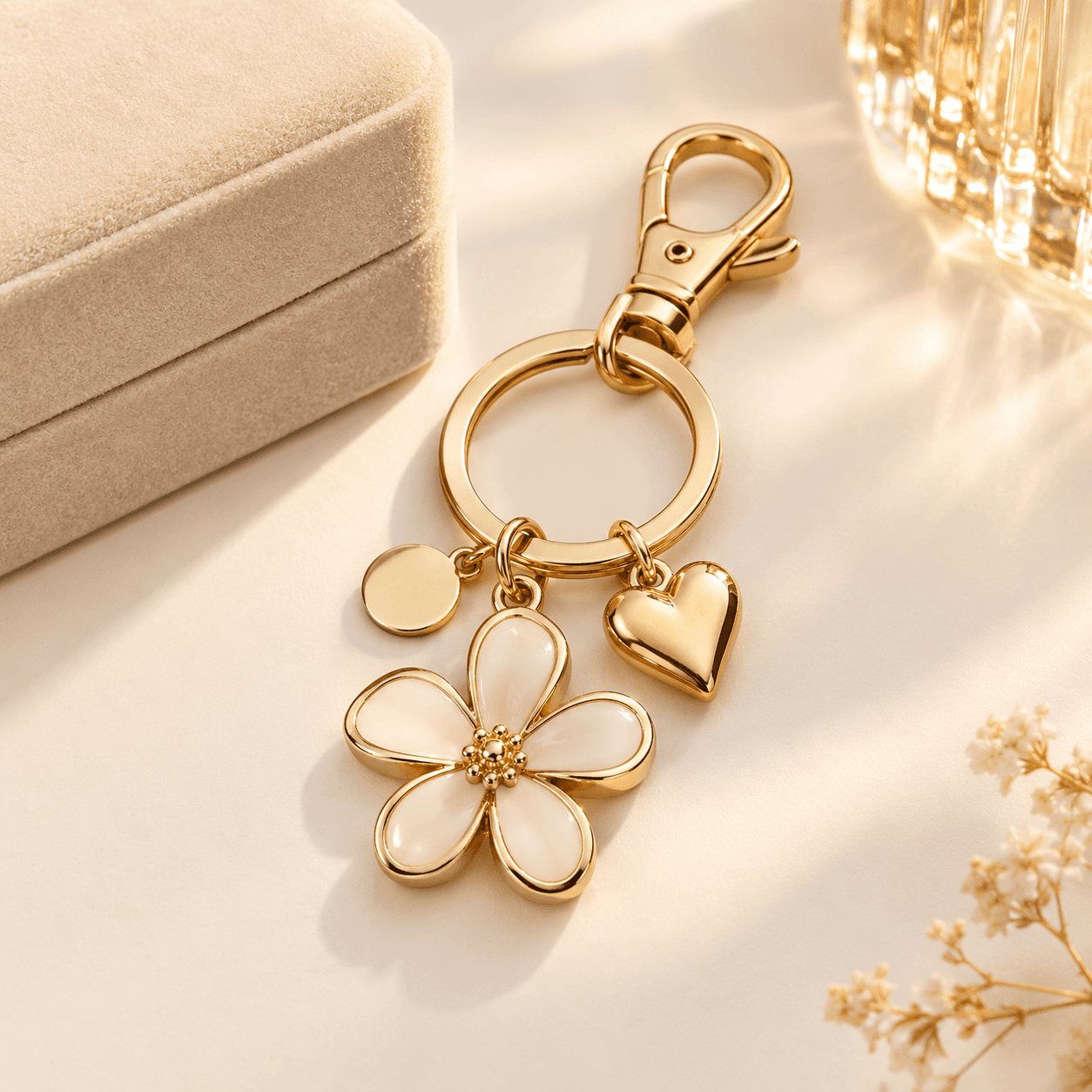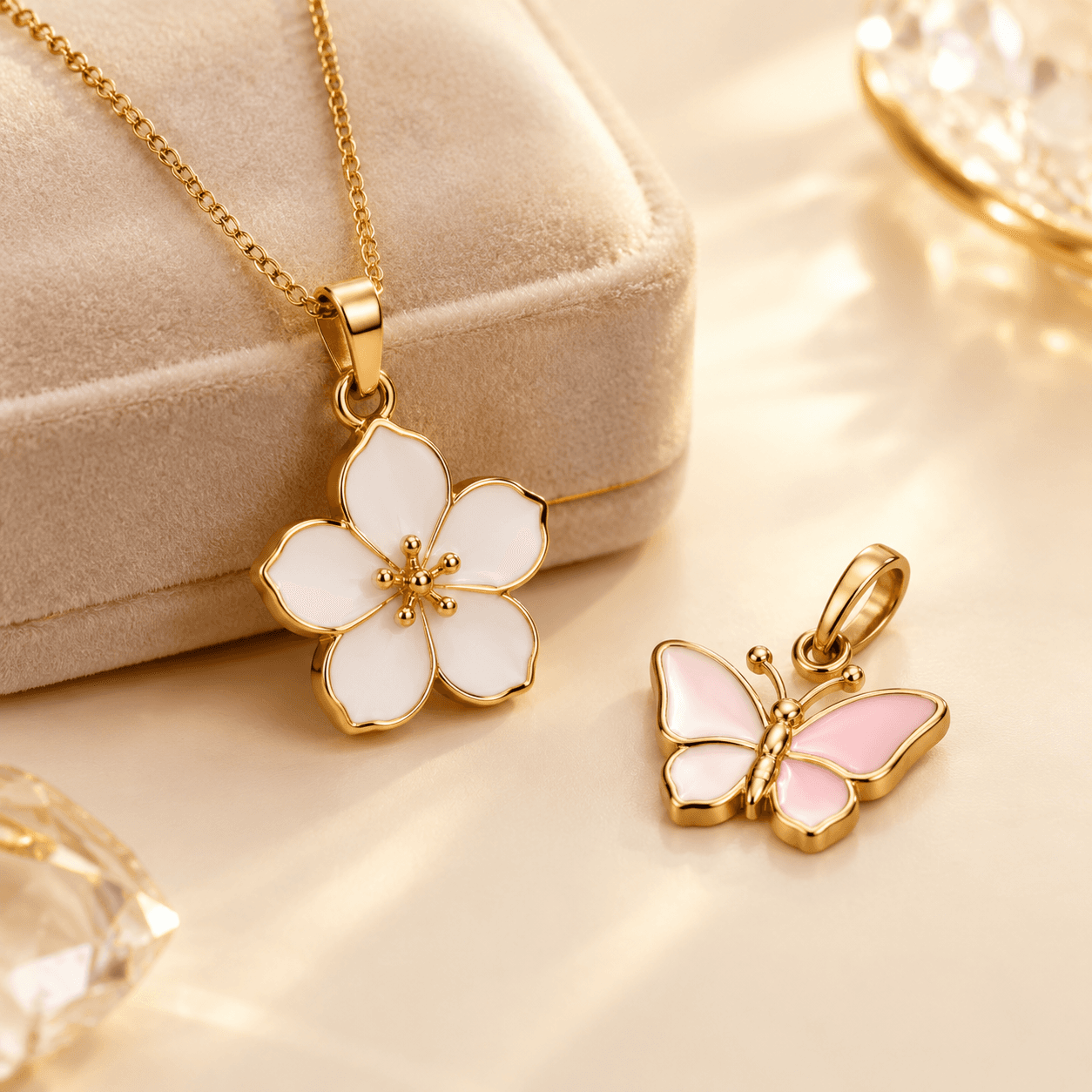
Choosing a supplier for stainless steel white label custom enamel charms requires more than reviewing attractive samples and comparing quotations. Procurement teams must verify material identity, coating performance, enamel adhesion, regulatory documentation, production consistency, and the supplier's ability to reproduce approved specifications across repeat orders. A weakness in any of these areas can lead to customer complaints, rejected shipments, unexpected rework, or costly inventory replacement.
For North American buyers, a reliable qualification process should connect supplier documentation with measurable acceptance criteria. The following checklist provides a structured approach to evaluating a stainless steel charms manufacturer, establishing durability requirements, and approving private label charms before commercial production. It is designed for procurement managers, quality engineers, sourcing teams, and product developers managing OEM programs.
Stainless Steel White Label Custom Enamel Charms: The Quality Checklist
White label manufacturing places responsibility on both the supplier and the purchasing business. The supplier must manufacture to an agreed specification, while the buyer must define the intended application, applicable market requirements, inspection method, and acceptable defect limits. Do not treat a supplier's general quality statement as a substitute for product-specific evidence.
1. Verify the 316L Stainless Steel Base Material
The first checkpoint is material traceability. Lancy Jewelry focuses on 316L stainless steel charms, allowing buyers to establish a consistent base-material specification for their custom programs.
- [ ] Obtain a written material specification identifying 316L stainless steel as the base material.
- [ ] Request material certificates or other appropriate traceability records for the relevant production lot.
- [ ] Confirm that incoming material identification and lot records connect to the finished charm batch.
- [ ] Review the supplier's method for controlling material substitutions and unauthorized process changes.
- [ ] Establish a documented response procedure for material discrepancies, including containment, investigation, and corrective action.
Where material identity is commercially or legally critical, consider independent material verification using a suitable analytical method. Select the test according to the question being investigated: a screening method may identify certain elements, but it does not necessarily establish complete grade conformity. Require an appropriate laboratory method when definitive composition evidence is needed.
2. Inspect Enamel Coverage, Color, and Adhesion
Enamel quality affects appearance, perceived value, and resistance to routine handling. A charm may look acceptable under showroom lighting but reveal uneven filling, exposed edges, pinholes, or adhesion problems under magnification.
- [ ] Approve a physical reference sample with documented color references and finish expectations.
- [ ] Inspect fill depth, edge definition, surface smoothness, and consistency between colored sections.
- [ ] Define acceptable limits for bubbles, pinholes, visible gaps, contamination, and color variation.
- [ ] Check the transition between enamel and surrounding stainless steel for sharp edges, overflow, and inconsistent borders.
- [ ] Request evidence of an appropriate adhesion assessment on representative production samples.
- [ ] Specify how color differences will be evaluated under consistent lighting and viewing conditions.
Color approval should not rely exclusively on photographs or screen displays. Digital images can distort hue, saturation, brightness, and contrast. Where color consistency is important, agree on a physical master sample, an appropriate color measurement method when feasible, and a documented tolerance before production begins.
3. Validate Surface Finish and PVD Performance
Stainless steel charms may use a polished stainless steel appearance, silver finish, PVD gold plating, or rose gold plating. Each finish requires its own visual standards and performance criteria. Enamel and crystal inlay details, when specified, should also be included in the approved configuration.
- [ ] Identify the required finish and document the applicable surface preparation and finishing process.
- [ ] Define acceptable limits for scratches, pits, discoloration, polishing marks, and visible plating defects.
- [ ] Request process documentation and test reports appropriate to the selected finish.
- [ ] Establish a repeatable inspection method for color uniformity across individual pieces and production lots.
- [ ] Verify that any wear-resistance claim is supported by a defined test method, sample configuration, and recorded result.
Salt spray testing can provide useful information about corrosion behavior under specified conditions, but it does not independently prove resistance to every form of daily wear. Similarly, a reported plating thickness alone cannot guarantee long-term appearance. Substrate condition, surface preparation, coating uniformity, geometry, handling, and exposure conditions all influence performance.
4. Examine Construction and Attachment Points
A charm can pass visual inspection and still fail in use if its opening, loop, or attachment point is poorly formed. Mechanical integrity is particularly important when products will be repeatedly attached and removed in retail charm bar settings.
- [ ] Confirm that the attachment opening or loop is correctly formed, unobstructed, and free of sharp burrs.
- [ ] Check that any jump ring or connector passes through a real opening and closes securely.
- [ ] Inspect weld areas, edges, and narrow sections for visible defects or inconsistent finishing.
- [ ] Define an appropriate pull, load, or repeated-handling test for the intended product design.
- [ ] Verify that functional tests do not introduce unacceptable deformation, finish damage, or enamel chipping.
- [ ] Record critical dimensions and tolerances for attachment features that affect product function.
Testing severity should reflect the intended application, charm size, attachment geometry, and foreseeable handling. A test designed for a small decorative charm should not automatically be applied to a larger statement charm without considering differences in leverage and stress concentration.
Why a Structured Quality Checklist Matters
Lower the Risk of Nonconforming Bulk Orders
A documented checklist turns subjective expectations into verifiable requirements. It also creates a consistent basis for supplier comparisons, pre-production approvals, incoming inspection, and corrective action. Procurement teams can identify weaknesses before committing to a large order instead of discovering them after products reach distribution centers or retail locations.
For wholesale stainless steel charms programs, establish the acceptance criteria before requesting final quotations. Suppliers can then assess process feasibility, inspection requirements, packaging controls, and realistic production costs against the same specification. This approach reduces disagreements about what constitutes an acceptable finished product.
Support Regulatory Due Diligence in the United States and Canada
North American compliance reviews should begin with the product's intended use, target consumer, age grading, claims, and distribution markets. Jewelry-related products are not automatically subject to every rule governing other consumer goods. Applicable obligations depend on the product, its intended use, composition, marketing, and the jurisdictions in which it is sold.
In the United States, the Food and Drug Administration primarily regulates products within its statutory jurisdiction, including food, drugs, medical devices, cosmetics, and certain other product categories. Ordinary decorative jewelry charms do not become FDA-regulated simply because they are consumer products. Buyers should nevertheless assess whether a particular product or its intended use falls within FDA jurisdiction. For ordinary jewelry, other federal, state, and local requirements may be more relevant.
Procurement teams should also review applicable consumer product requirements, chemical restrictions, labeling obligations, and any rules relevant to children's products when the product is marketed to children or otherwise falls within those requirements. In Canada, review applicable federal and provincial requirements, including relevant consumer product and chemical restrictions. Obtain qualified regulatory advice where classification or legal obligations are uncertain.
Do not accept a generic certificate as proof of universal compliance. Match each document to the product, tested configuration, applicable requirement, test date, and issuing organization. Confirm whether the report covers the finished product, the relevant coating or enamel, or only a material sample.
Key Benefits of Supplier Certifications and Test Evidence
Lancy Jewelry reports SGS certification and testing documentation covering RoHS, REACH, nickel release under EN 1811, and 240-hour salt spray testing. These records can support supplier qualification, but procurement teams should verify the exact scope, product coverage, report validity, and applicable acceptance criteria before relying on them for a purchasing decision.
- [ ] RoHS: Confirm the applicable restriction requirements and whether the report covers the relevant product and substances.
- [ ] REACH: Check which substances, restrictions, or obligations the documentation addresses; a general REACH reference is not proof of compliance with every applicable requirement.
- [ ] Nickel release under EN 1811: Verify the tested item, contact configuration, test conditions, and reported result. Determine whether the method and limits are appropriate for the target market and intended use.
- [ ] Salt spray 240H: Review the actual test conditions, specimen preparation, finish, evaluation criteria, and results rather than relying on duration alone.
Certification and test terminology must be used precisely. A supplier's statement that a facility is certified does not necessarily mean every design, finish, or production batch has been independently tested. Buyers should obtain the relevant reports and confirm the scope with the issuing organization when needed.
Detailed Supplier Evaluation and Production Approval Guide
5. Audit the Supplier's Manufacturing and Quality Controls
Supplier vetting should establish whether the factory can control the complete production process, from material receipt to final packing. Lancy Jewelry's manufacturing capabilities include CNC processing, laser cutting, laser marking, welding, polishing, and support for OEM and ODM development. Procurement teams should evaluate the controls associated with each process used in their specific product program.
- [ ] Review incoming material inspection, identification, storage, and traceability practices.
- [ ] Ask how drawings, artwork, dimensions, and approved samples are controlled at production stations.
- [ ] Check how laser marking, polishing, welding, enamel filling, and finishing are inspected where applicable.
- [ ] Verify that nonconforming products are identified, segregated, and prevented from entering approved stock.
- [ ] Request examples of corrective action records showing root-cause analysis, containment, and verification of effectiveness.
- [ ] Confirm equipment maintenance, operator training, inspection responsibilities, and process-change authorization.
- [ ] Determine whether outsourced processes are controlled through documented supplier qualification and incoming verification.
An effective supplier audit examines records and process execution, not just a presentation or facility tour. Select a representative order and trace its documentation from the material lot through production, inspection, and final shipment. This exercise can reveal gaps in traceability that a general quality manual may not disclose.
6. Establish a Documented Sample Development Process
Sample development is the stage at which design assumptions become measurable production requirements. A well-managed sample process reduces ambiguity and creates a reference for repeat orders.
- [ ] Provide controlled artwork, dimensions, tolerances, finish requirements, enamel colors, and attachment specifications.
- [ ] Request a pre-production sample made using the intended production materials and relevant finishing processes.
- [ ] Review appearance, dimensions, attachment function, surface finish, and any specified durability tests.
- [ ] Record sample approval in writing, including the revision number and date.
- [ ] Identify any deviations accepted for the sample and confirm whether they will carry into bulk production.
- [ ] Require reapproval when changes affect material, geometry, finish, enamel formulation, manufacturing process, or other critical characteristics.
Do not assume that a visually similar sample guarantees equivalent production performance. If the sample uses a different finishing route or process setting, its results may not predict the behavior of the final product. Make sample representativeness an explicit approval requirement.
7. Define Durability Tests Before Ordering
Wear resistance should be demonstrated through a test plan that reflects the product's intended use. Avoid vague requests such as “high durability” or “long-lasting finish” unless the supplier translates them into measurable and verifiable requirements.
- [ ] Corrosion resistance: Define the applicable salt spray method, exposure conditions, evaluation procedure, and acceptance limits.
- [ ] Finish abrasion: Specify a suitable abrasion or rubbing procedure, including the contact material, load, cycle count, and inspection criteria.
- [ ] Enamel adhesion: Select an appropriate adhesion assessment and define acceptable outcomes for the actual surface geometry.
- [ ] Color stability: Where relevant, establish exposure or cleaning tests and specify acceptable color change and visual condition.
- [ ] Mechanical integrity: Define pull, load, or repeated-use testing for the attachment point and other critical features.
- [ ] Cleaning resistance: Test only against realistic, clearly identified cleaning agents and procedures relevant to the intended care instructions.
- [ ] Post-test inspection: Document whether scratches, coating loss, corrosion, color change, deformation, or enamel damage are acceptable.
There is no single test that proves a charm will remain unchanged under every real-world condition. Sweat composition, humidity, friction, chemicals, storage, and user behavior can vary substantially. A meaningful durability assessment therefore combines appropriate laboratory testing, defined acceptance criteria, and realistic use guidance.
8. Create a Risk-Based Inspection Plan
Sampling should reflect defect severity, production history, order size, and the consequences of failure. A standard sampling plan may be appropriate for routine appearance defects, while critical material or attachment failures may require separate controls.
- [ ] Classify defects as critical, major, or minor using documented definitions relevant to the product.
- [ ] Define inspection stages, sample sizes, acceptance numbers, and escalation rules before production starts.
- [ ] Inspect critical characteristics such as material identity and functional attachment features using suitable verification methods.
- [ ] Use a recognized sampling approach where appropriate, documenting the selected standard, inspection level, and acceptance quality limit.
- [ ] Retain inspection records, photographs, lot identifiers, and nonconformance decisions.
- [ ] Require corrective action and reinspection when results exceed agreed acceptance limits.
An acceptance quality limit is a sampling-plan parameter, not a promise that a shipment contains a specific maximum defect percentage. Procurement teams should understand the statistical basis of their inspection plan and avoid treating sample inspection as a substitute for process control.
9. Approve Packaging, Labels, and Lot Traceability
Private label charms must arrive ready for the buyer's distribution workflow. Packaging errors can create commercial problems even when the charms themselves pass inspection.
- [ ] Approve packaging specifications, label content, SKU identification, and carton marking.
- [ ] Confirm that packaging protects the finish and prevents products from rubbing against one another during transport.
- [ ] Verify that lot or batch identification can be linked to the applicable production and inspection records.
- [ ] Check barcode, country-of-origin, warning, and other labeling requirements when applicable to the product and destination market.
- [ ] Confirm that packaging quantities, carton counts, and packing lists match the purchase order.
- [ ] Request retained samples or representative packing photographs for the approved configuration.
Packaging validation should account for the distribution route, transit duration, handling, and storage environment. A package that works for local delivery may require additional protection for a longer international shipment.
10. Review MOQ, Lead Time, and Commercial Controls
Commercial terms should align with the quality plan rather than override it. A low MOQ can help boutique buyers validate demand, but a smaller order still requires clear specifications, traceability, and appropriate inspection.
- [ ] Confirm the MOQ for each design, finish, enamel color configuration, and packaging option.
- [ ] Obtain a written schedule covering sample development, approval, production, inspection, and dispatch.
- [ ] Clarify which changes trigger a new sample, revised quotation, or additional validation.
- [ ] Define the buyer's right to review inspection records and report nonconformities.
- [ ] Establish responsibility for rework, replacement, freight, and corrective action when an agreed specification is not met.
- [ ] Confirm how repeat orders will be matched to approved samples and prior production records.
For an OEM charms manufacturer, the commercial quotation should identify the exact configuration being priced. Separate costs for development, special finishing, testing, packaging, and inspection where necessary. This creates a more reliable comparison than evaluating unit price without accounting for specification and quality obligations.
11. Require a Written Warranty and Corrective Action Agreement
Durability guarantees are meaningful only when their scope is defined. Avoid relying on broad verbal promises that a finish will never change or that every charm will last indefinitely.
- [ ] Specify the warranty period, start date, and products or production lots covered.
- [ ] Define covered failures, exclusions, evidence requirements, and the process for submitting a claim.
- [ ] State how the supplier will investigate defects, identify root causes, and prevent recurrence.
- [ ] Agree on practical remedies, such as repair, rework, replacement, or credit, subject to the purchase agreement.
- [ ] Clarify how handling, storage, misuse, unauthorized cleaning, and normal cosmetic wear affect coverage.
- [ ] Establish response times for containment, investigation findings, and corrective action closure.
A warranty does not replace verification before shipment. Use it as one element of supplier accountability alongside material records, test evidence, inspection results, and a documented change-control process.
Frequently Asked Questions
What documents should a buyer request before placing a bulk order for custom enamel charms?
Request the approved product specification, 316L stainless steel material evidence, applicable compliance reports, finish and enamel test results, inspection criteria, sample approval records, and packaging requirements. Confirm that the documents cover the intended configuration and relevant production lot where applicable.
Does a 240-hour salt spray report guarantee long-term corrosion resistance?
No. A 240-hour result applies to specified test conditions and evaluation criteria. It does not establish unlimited service life or predict every use environment. Review the method, specimen preparation, acceptance criteria, and actual findings alongside other relevant durability evidence.
Do ordinary decorative jewelry charms require FDA approval in the United States?
Ordinary decorative jewelry charms do not generally require FDA approval simply because they are consumer products. FDA requirements depend on statutory product jurisdiction and intended use. Buyers should evaluate the requirements that apply to their actual product, including relevant consumer product, chemical, labeling, and children's product rules where applicable.
How can procurement teams verify a supplier's durability claims?
Request product-specific test reports, check the issuing laboratory and test scope, compare results with written acceptance criteria, and confirm that the tested samples represent the production configuration. Include independent testing when risk, uncertainty, or market requirements justify it.
Partner With Lancy Jewelry for Private Label Charms
Reliable private label production starts with a clearly defined specification and a supplier that can support development, manufacturing, documentation, and inspection as one coordinated process. Lancy Jewelry provides OEM and ODM support for 316L stainless steel charms, with capabilities that include laser marking, CNC processing, polishing, welding, PVD finishing, enamel color filling, and private label packaging.
Our approach supports buyers who need consistent product specifications, practical sample development, low MOQ options, and a clear path from design approval to bulk production. The appropriate requirements and testing plan can be established according to the product configuration and target market.
Before submitting an RFQ, prepare your target dimensions, design files, finish selection, enamel color references, expected order quantity, packaging needs, destination market, and any required compliance documents. This information helps the team assess feasibility and define a more accurate development plan.
Explore OEM and ODM manufacturing services to discuss custom development, or browse all products to review available product directions. For project pricing, specifications, and sample arrangements, contact Lancy Jewelry with your sourcing requirements.
Use this checklist as a formal supplier qualification tool, attach it to your sourcing brief, and convert each applicable checkpoint into a documented approval criterion. That discipline helps procurement teams reduce avoidable quality risks while building a more dependable private label supply program.