For jewelry designers and boutique brands in the US and Canada, zodiac bracelet charms offer a practical way to build personalized collections around birthdays, astrology, and meaningful gifts. However, choosing the right wholesale supplier involves more than reviewing attractive designs or comparing unit prices. Material verification, surface durability, production consistency, customization options, and quality documentation all influence whether a collection performs well after launch.
This checklist explains how to evaluate a 316L stainless steel charms manufacturer before placing wholesale orders. It focuses on the technical questions sourcing managers should ask, the tests worth reviewing, and the production details that help jewelry designers develop distinctive zodiac collections while controlling commercial risk.
How to Evaluate 316L Stainless Steel Zodiac Bracelet Charms Wholesale Suppliers
Checklist 1: Confirm the Base Material
Start by establishing exactly what material the supplier uses for the charm body. For a collection specified as 316L stainless steel, the supplier should be able to explain its material controls and provide relevant documentation rather than relying on a product description alone.
- [ ] Request a material specification identifying 316L stainless steel as the base material.
- [ ] Ask whether material documentation can be traced to the production batch or incoming material lot.
- [ ] Confirm that the same material specification applies to approved samples and bulk production.
- [ ] Request relevant third-party test reports when material composition needs independent verification.
- [ ] Clarify how material substitutions are prevented without written buyer approval.
316L stainless steel is valued for its corrosion resistance and suitability for everyday jewelry applications. Its performance still depends on manufacturing quality, surface condition, exposure, and care. A material designation alone does not prove that every finished charm will remain unchanged under all conditions.
Checklist 2: Review the Construction of Zodiac Designs
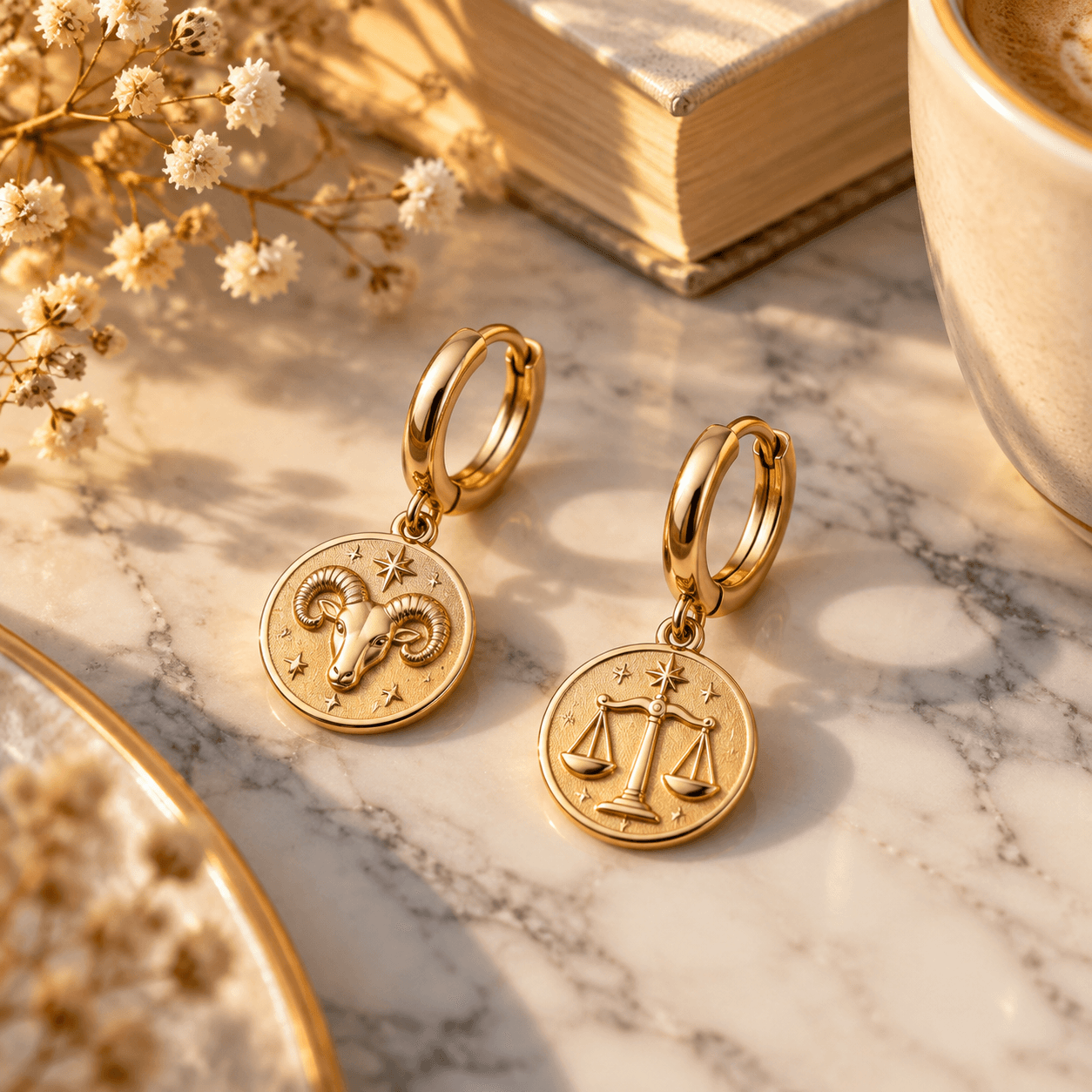
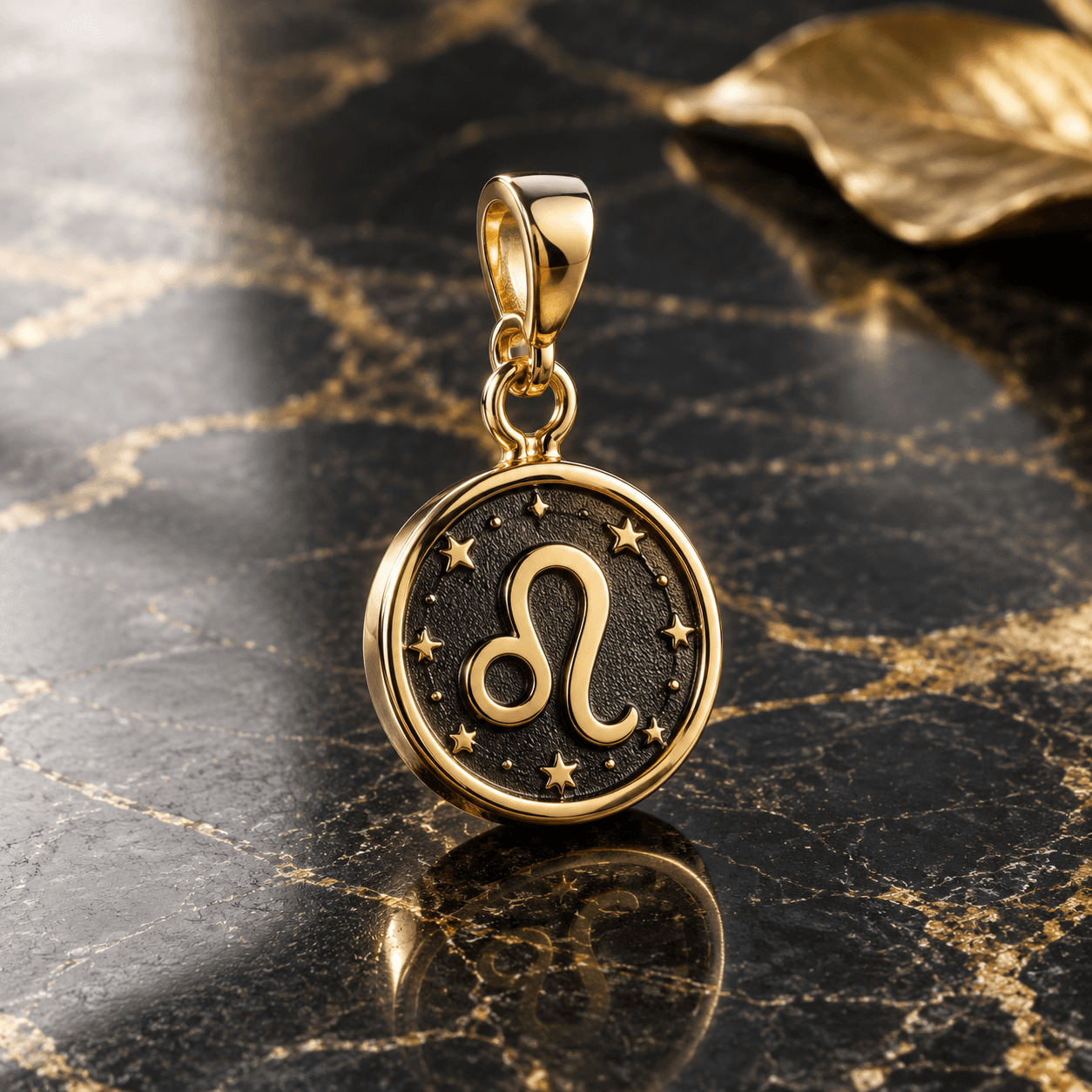
Jewelry designers often need a consistent visual language across twelve zodiac signs. Each design should be attractive, recognizable, and mechanically suitable for a bracelet or charm bar program.
- [ ] Inspect the complete outline of each zodiac symbol and check for clean, consistent edges.
- [ ] Verify that the bail or jump ring passes through a real hole or closed loop.
- [ ] Check connector dimensions against the intended bracelet attachment system.
- [ ] Review the thickness of narrow details and confirm that delicate features are not easily distorted during normal handling.
- [ ] Examine polished surfaces, engraving depth, enamel boundaries, and crystal settings where applicable.
- [ ] Confirm that all twelve designs follow consistent sizing, finishing, and attachment specifications.
Ask for technical drawings or dimensioned samples before approving a new design. Laser cutting, CNC processing, laser marking, welding, and polishing can support precise development, but the final result should be evaluated against agreed drawings and physical samples.
Checklist 3: Assess PVD Plating and Surface Durability
Surface finish has a direct effect on perceived quality. Gold plated and rose gold plating options can help designers create different price-positioned collections, while a silver finish provides a clean, versatile appearance. For PVD finishes, ask the supplier to explain its process controls and evidence of wear resistance.
- [ ] Confirm the specified finish, color reference, and intended surface appearance.
- [ ] Ask how plating consistency is monitored across production batches.
- [ ] Request documented test conditions and results relevant to corrosion resistance and surface durability.
- [ ] Check for visible color variation, pinholes, rough areas, or uneven coverage on approved samples.
- [ ] Ask how the supplier evaluates finish adhesion and resistance to ordinary handling.
- [ ] Establish inspection criteria for scratches, discoloration, and other cosmetic defects.
Salt spray testing can help assess corrosion behavior under a defined test environment. Lancy Jewelry reports SGS-certified testing coverage that includes a 240-hour salt spray test. Buyers should request the applicable report and verify its scope, sample identification, method, and acceptance criteria. A 240-hour result should not be interpreted as a guaranteed number of years of wear or as proof that every finish is immune to damage.
Checklist 4: Verify Enamel and Crystal Inlay Quality
Enamel color filling and crystal inlay can add visual distinction to zodiac bracelet charms. These features also introduce additional inspection requirements because color boundaries, setting security, and surface alignment affect both appearance and durability.
- [ ] Check enamel colors against an approved physical reference or agreed color specification.
- [ ] Inspect color filling for gaps, overflow, bubbles, and inconsistent coverage.
- [ ] Confirm that crystal inlay components sit securely and evenly within their settings.
- [ ] Ask how the supplier checks for loose settings and defects during final inspection.
- [ ] Review sample performance after appropriate handling and any agreed durability checks.
- [ ] Ensure that decorative details do not obstruct attachment holes or weaken narrow structural sections.
For coordinated collections, establish acceptance criteria before production begins. Clear visual standards make it easier to identify meaningful defects and reduce disagreements during bulk inspection.
Why Supplier Evaluation Matters for Wholesale Zodiac Charms
Key Benefit 1: More Predictable Product Longevity
A well-controlled manufacturing process can reduce the risk of premature corrosion, inconsistent finishes, loose decorative components, and attachment failures. For US and Canadian retailers, this supports a better customer experience and helps protect the reputation of a boutique collection.
Ask suppliers to distinguish between material properties, test results, and commercial warranties. Material properties describe expected behavior under appropriate conditions. Test reports record performance under defined methods. A warranty establishes specific commercial remedies and exclusions. These are related but not interchangeable.
Key Benefit 2: Stronger Quality Documentation
Documentation helps sourcing teams make decisions based on evidence rather than assurances. Lancy Jewelry reports SGS-certified coverage for RoHS, REACH, Nickel Release EN1811, and Salt Spray 240H. Buyers should request the relevant documents and confirm that the named products, materials, test methods, and dates apply to their purchasing requirements.
Nickel release testing is particularly relevant when evaluating jewelry intended for prolonged skin contact. EN 1811 provides a test method for determining nickel release from relevant articles. A test result does not automatically establish compliance for every product configuration, finish, or market. Confirm applicable requirements with the supplier and, where necessary, a qualified compliance professional.
For North American buyers, FDA considerations should be assessed according to the actual product claims, intended use, and any applicable regulated components. Ordinary decorative jewelry charms should not automatically be described as FDA approved. FDA oversight is not a substitute for material verification, nickel release assessment, or appropriate product safety documentation.
Key Benefit 3: Better Control Over Customization and Collection Planning
A capable ODM charm supplier can help designers translate a collection concept into production-ready specifications. An OEM partner can manufacture designs according to agreed customer requirements. For zodiac collections, this may include custom proportions, engraved logos, coordinated finishes, enamel colors, crystal placement, and private-label packaging.
Consistent specifications also make it easier to introduce related products without losing the collection's visual identity. A supplier that supports sample development and low MOQ planning can help a boutique brand evaluate market response before committing to a larger bulk order.
Detailed Supplier Evaluation Checklist: From Samples to Bulk Orders
Step 1: Define the Product Brief
Prepare a clear brief before requesting quotations. Include the zodiac signs required, target dimensions, charm thickness, attachment design, finish, decorative details, logo requirements, packaging, target order quantity, and expected delivery schedule.
- [ ] Specify 316L stainless steel as the required base material.
- [ ] Identify the required finish, such as PVD gold plated, rose gold plating, or silver finish.
- [ ] Provide artwork, dimensioned drawings, or reference sketches created for your own project.
- [ ] Identify which designs need enamel or crystal inlay.
- [ ] Define the intended retail positioning and target landed cost.
- [ ] List applicable destination-market compliance requirements and documentation needs.
A detailed brief allows suppliers to quote comparable specifications and reduces the risk of hidden assumptions during sampling.
Step 2: Compare Suppliers on Evidence, Not Price Alone
When reviewing quotations from a stainless steel charms manufacturer, evaluate the full scope of the offer. A low unit price may not include tooling, sampling, custom packaging, testing, or inspection. A higher quotation may include services that reduce downstream risk.
- [ ] Compare quotations against the same material, dimensions, finish, and decoration requirements.
- [ ] Request a clear breakdown of sample charges, tooling costs, packaging costs, and production pricing where available.
- [ ] Confirm MOQ requirements for each design, finish, and custom feature.
- [ ] Ask whether the supplier can consolidate a coordinated zodiac series within an agreed order structure.
- [ ] Review the production lead time, sample turnaround estimate, and shipping assumptions.
- [ ] Ask what inspection records and test documents are provided before shipment.
For wholesale stainless steel charms, the most useful comparison is total sourcing value: product quality, service scope, consistency, lead time, and the cost of managing defects or delays.
Step 3: Approve a Representative Sample
Do not approve a twelve-sign collection based only on a digital rendering. Request physical samples that represent the proposed material, finish, attachment structure, and decorative techniques. For a larger program, select samples that challenge the production process, such as designs with fine engraving, narrow outlines, detailed enamel, or multiple crystal settings.
- [ ] Measure sample dimensions and compare them with the approved drawing.
- [ ] Inspect the front, back, edges, and attachment point under consistent lighting.
- [ ] Compare color and surface appearance with the agreed reference.
- [ ] Check connector movement and attachment security using the intended hardware.
- [ ] Record any changes required before final approval.
- [ ] Keep an identified approval sample and a written specification for production comparison.
For repeat orders, retain the approved sample and define acceptable tolerances for dimensions, color, finish, and decoration. This gives both parties a shared standard for resolving production questions.
Step 4: Review Testing Standards and Acceptance Criteria
Testing should answer a defined quality question. Avoid accepting vague statements such as “durable finish” without understanding the supporting evidence. Ask which method was used, what the pass criteria were, and whether the tested sample represents the product you intend to buy.
- [ ] Review material identification and any applicable composition test reports.
- [ ] Check the scope of RoHS and REACH documentation against relevant regulatory requirements.
- [ ] Request Nickel Release EN1811 results where applicable to the intended product and market.
- [ ] Review Salt Spray 240H documentation and the actual acceptance criteria.
- [ ] Ask whether additional finish adhesion, abrasion, or handling checks are appropriate for the design.
- [ ] Establish a documented final inspection plan before mass production.
Salt spray exposure, abrasion, adhesion, and nickel release address different properties. One test cannot replace the others. Likewise, results from one finish or product geometry should not automatically be applied to every design in a collection without a technical basis.
Step 5: Agree on a Realistic Durability Commitment
Longevity expectations should be specific and supportable. Rather than relying on broad claims that a charm will never fade or last forever, ask the supplier to define the conditions and remedies attached to any quality guarantee.
- [ ] Confirm which defects are covered, such as finish irregularities, structural defects, or loose decorative settings.
- [ ] Define the period during which claims may be submitted and the evidence required.
- [ ] Clarify whether the remedy is repair, replacement, credit, or another agreed solution.
- [ ] Record exclusions related to misuse, unsuitable chemicals, physical damage, or normal cosmetic wear.
- [ ] Establish how production-lot issues will be investigated and documented.
A meaningful guarantee should be written into the purchase agreement or approved quality terms. Test reports support technical evaluation, but they do not independently establish a commercial warranty.
Step 6: Confirm Production and Inspection Controls
Before releasing bulk orders, ask how the supplier maintains consistency from the approved sample to the finished shipment. Lancy Jewelry operates a modern facility with CNC processing, laser cutting, laser marking, welding, and polishing capabilities. These processes can support detailed charm development, but buyers should still evaluate the quality controls used for their specific products.
- [ ] Confirm that the approved material and finish specifications are included in the production documents.
- [ ] Ask how incoming material, work in progress, and finished charms are checked.
- [ ] Agree on cosmetic defect classifications and sampling or inspection requirements.
- [ ] Verify logo placement, engraving legibility, packaging details, and product counts.
- [ ] Request notification and approval before any proposed production change.
- [ ] Review corrective-action procedures if a batch does not meet the agreed specification.
Step 7: Evaluate Private-Label and Reorder Support
For boutique brands and gift companies, production support extends beyond the individual charm. Private-label packaging, coordinated product assortments, and reliable reorder specifications help maintain a consistent customer experience across sales channels.
- [ ] Confirm packaging options and artwork requirements.
- [ ] Ask whether logo engraving and packaging can follow approved brand specifications.
- [ ] Document SKU references for each zodiac sign, finish, and decorative variation.
- [ ] Establish a repeat-order process using the approved sample and production records.
- [ ] Confirm lead-time expectations and capacity planning for seasonal demand.
- [ ] Agree on a practical communication process for RFQ updates and quality questions.
These details are especially useful for North American businesses preparing birthday gifting assortments, astrology-themed collections, and charm bar accessories. A documented assortment plan also makes it easier to monitor best-selling designs and plan replenishment.
Questions to Ask Before Sending an RFQ
Use the following questions when contacting potential suppliers. Their answers can quickly reveal whether a manufacturer is prepared to support a quality-focused custom program.
- [ ] Can you provide documentation identifying 316L stainless steel as the base material?
- [ ] Which tests and reports are available for the proposed material and finish?
- [ ] What PVD finish options, enamel colors, and crystal inlay configurations can you develop?
- [ ] What is the MOQ for standard designs and for custom zodiac charms?
- [ ] Can you provide physical samples before bulk production?
- [ ] How do you inspect attachment points, surface finish, engraving, and decorative settings?
- [ ] What written warranty terms and defect-resolution procedures do you offer?
- [ ] Can you support private-label packaging and repeat orders using an approved reference sample?
Clear answers supported by documents and samples are more useful than general assurances. If a requirement is important to product safety, finish durability, or commercial performance, record it in the specification and purchase terms.
Frequently Asked Questions
How can buyers verify that zodiac bracelet charms use 316L stainless steel?
Request a material specification, relevant batch documentation, and independent composition test reports where appropriate. Confirm that the documents identify the material used in the actual charm body and that the approved sample and bulk order follow the same specification.
Does a 240-hour salt spray test guarantee that PVD plating will never fade?
No. Salt spray testing evaluates corrosion behavior under specified conditions and acceptance criteria. It does not predict an exact service life or guarantee resistance to every cause of fading, scratching, or wear. Ask for the report scope and consider additional tests based on the intended use.
What should a US or Canadian buyer request for jewelry compliance?
Request relevant material, REACH, RoHS, and nickel release documentation as applicable to the product and destination market. Confirm any additional local requirements with a qualified compliance professional. Do not treat a single certificate as proof of universal regulatory approval, and do not describe ordinary decorative charms as FDA approved without a valid, product-specific basis.
Can a supplier support low MOQ custom zodiac charms?
Possibly, depending on the design, tooling, finish, decoration, and packaging requirements. Ask for the MOQ for each configuration, sample costs, and options for coordinating a twelve-sign collection. Lancy Jewelry supports OEM/ODM development, sample support, custom logo engraving, PVD plating, enamel color filling, crystal setting, and private-label packaging. Confirm project-specific quantities and lead times through an RFQ.
Partner With Lancy Jewelry for Custom Zodiac Charms
Choosing the right supplier means balancing creative flexibility with material control, finish consistency, documented testing, and practical production planning. A structured checklist helps jewelry designers assess these factors before committing to wholesale quantities and gives sourcing teams clear criteria for supplier approval.
Lancy Jewelry is a B2B OEM/ODM manufacturer focused on 316L stainless steel charms for boutique brands, charm bar retailers, gift companies, distributors, and private-label buyers. Our capabilities include CNC processing, laser cutting, laser marking, welding, polishing, logo engraving, PVD plating, enamel color filling, crystal setting, sample development, and private-label packaging.
Whether you are developing a coordinated zodiac series or refining an existing product brief, start with a clear specification and a representative sample. Discuss your target quantities, finish requirements, testing documentation, packaging needs, and expected schedule before approving bulk production.
Ready to evaluate your next zodiac charm project? Explore our product catalog, learn about our OEM and ODM services, or contact Lancy Jewelry to discuss your requirements. For pricing and production feasibility, submit your specifications through our RFQ request route.