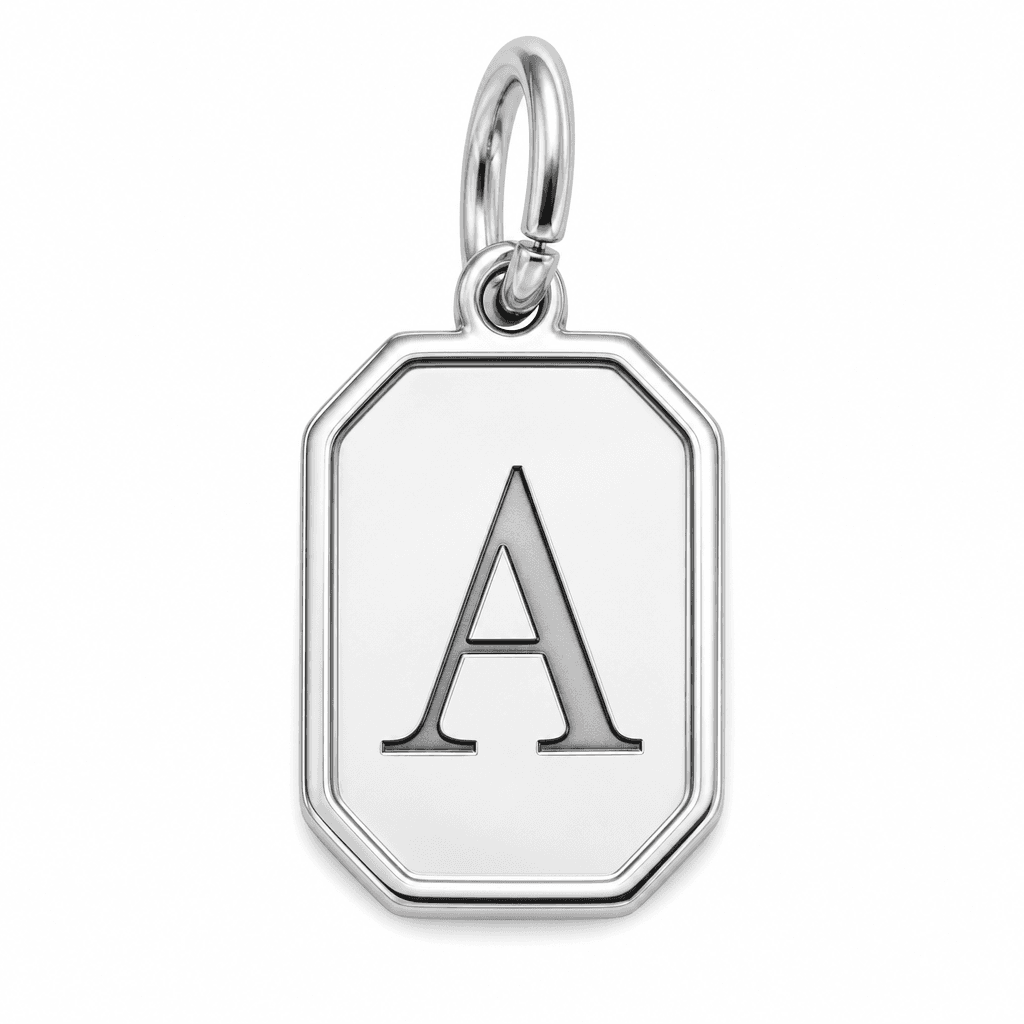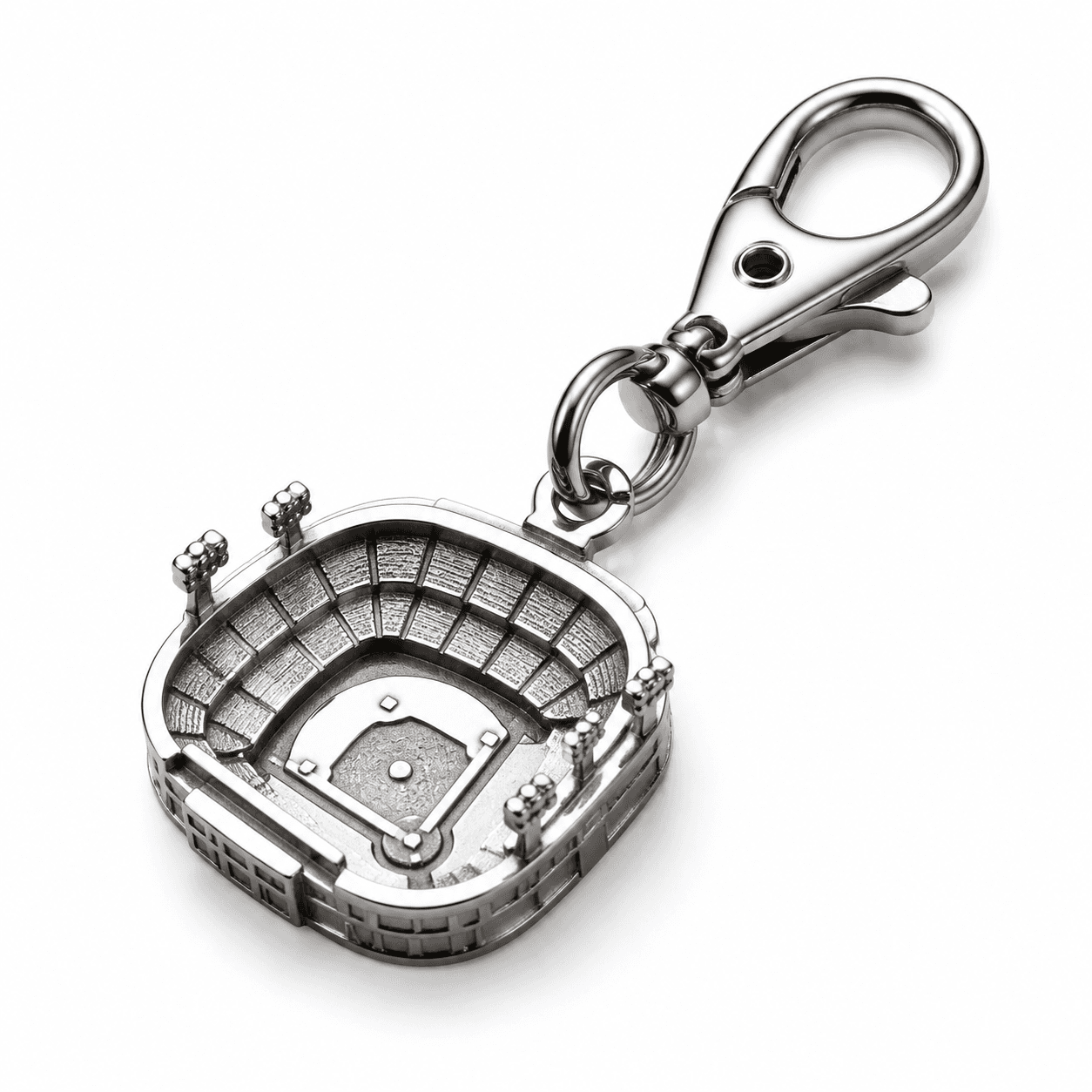
Hook
In today’s global boutique jewelry market, private-label programs rely on reliable, scalable sourcing of 316L stainless steel charms for keychains. This practical guide helps brand managers evaluate suppliers, confirm quality, and tailor customization options—from logo engraving to PVD finishes—so you can confidently grow your private-label line. The path below emphasizes OEM/ODM capabilities, consistent plating, and efficient sample development to support worldwide distribution.
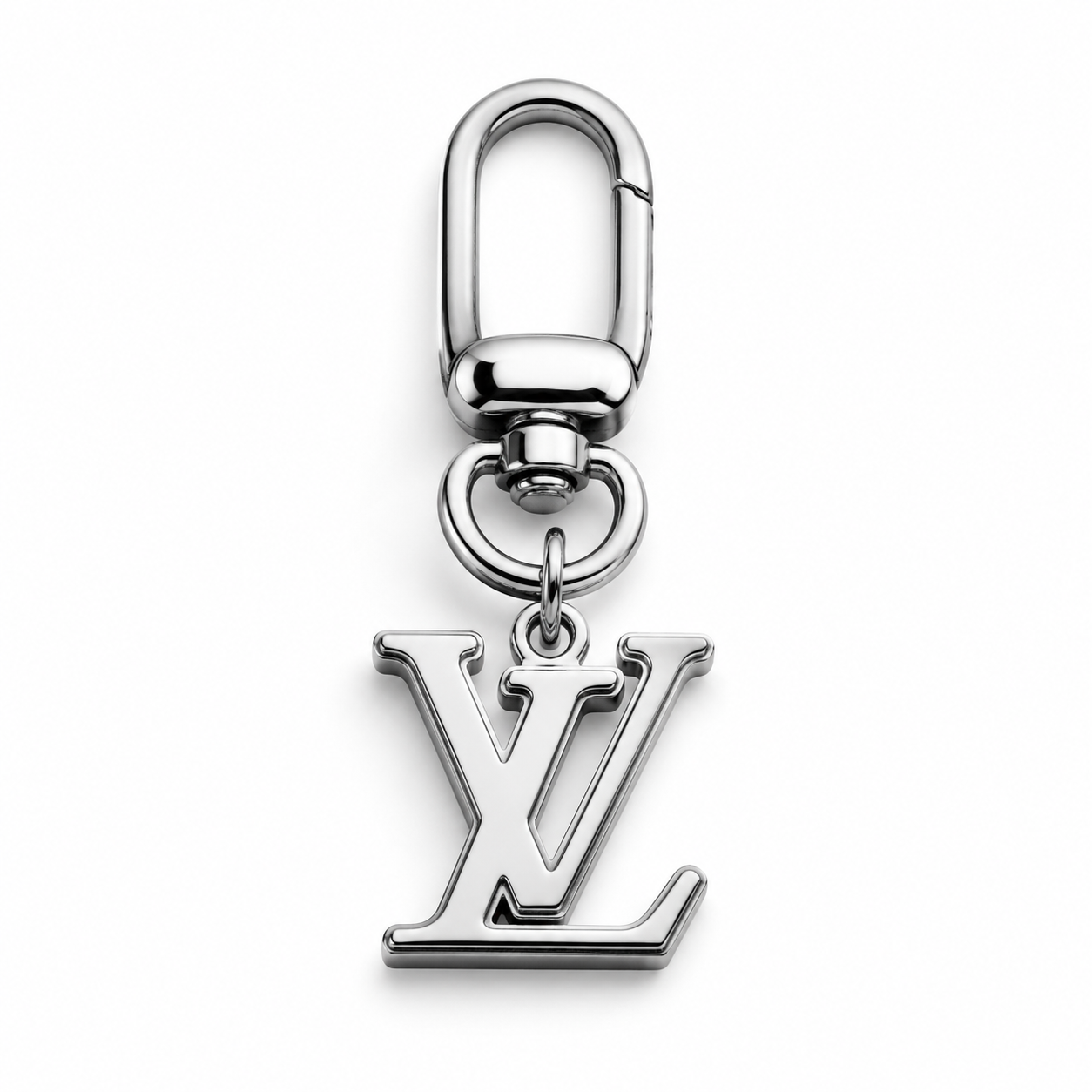
How to Source Stainless Steel Charm Keychains for Private-Label Brands
Define your private-label goals and specifications
Start by outlining the core requirements for your charm keychain program. Decide on base material (316L stainless steel only, per factory standards), finishes (PVD gold plating, silver finish, rose gold plating, enamel, crystal inlay), sizes, and attachment options (bail, jump ring, clasp). Consider whether you need custom logo engraving or laser marking, and whether you want private-label packaging for resale-ready presentation. Clear goals help you communicate with suppliers and reduce back-and-forth during quotes.
Identify essential capabilities to evaluate
Look for a supplier with a modern manufacturing facility and the right capabilities, including CNC machining, laser cutting, laser marking, welding, and polishing. These basics enable robust OEM/ODM customization and consistent plating quality. Certifications to verify include SGS certification covering RoHS, REACH, Nickel Release EN1811, and Salt Spray 240H; these signals indicate rigorous health, safety, and corrosion testing standards that matter for cross-market sales.
Ask for an overview of customization options
Private-label programs often require options such as logo engraving, enamel color filling, crystal setting, and bespoke packaging. Confirm what is feasible: can you add your brand logo to the charm surface, specify enamel colors, or incorporate small crystals? If you plan to offer a branded packaging concept, verify whether the supplier can supply private-label packaging that aligns with your brand positioning and carton specs.
Evaluate real-world examples and references
Request sample sets that demonstrate the finishes you want, such as PVD plated stainless steel charms and enamel-filled surfaces. Review surface quality, plating thickness, adhesion, and color consistency across multiple samples. If possible, compare sample results against a short pilot production to assess repeatability before committing to larger orders.
Save time with a structured RFQ process
Prepare a concise RFQ that captures material, finishes, logo options, packaging, MOQ (low MOQ options are common to support boutique brands), lead times, and pricing tiers for sample development and bulk orders. Use a standard RFQ approach to compare multiple suppliers fairly and transparently. For ongoing sourcing, many brands favor partners who can handle both OEM and ODM requests, enabling faster time-to-market for new collections. For RFQ submissions, you can visit our OEM service page to start a formal inquiry: OEM service and our RFQ pathway at Request a Quote.
Plan for quality control and testing
Quality control is critical when working with global private-label programs. Request a written QA plan and agree on acceptance criteria for plating, color, and finish tolerance. At minimum, ensure the supplier can provide plating consistency across batches, cosmetic defect limits, and color-milling tolerances for enamel and crystal inlay. The SGS-certified facility helps reinforce confidence in long-term reliability across markets like the US, EU, UK, AU, CA, and beyond.
Design the path to production and private-label packaging
After selecting a supplier, finalize the product design, engraving artwork, and private-label packaging concept. Confirm packaging dimensions, labeling requirements, and carton specs for global shipping. Plan a production timeline with clear milestones—from sample approval to first bulk run—to minimize delays for seasonal launches or limited edition drops.
Implement a scalable production plan for ongoing growth
With a reliable supplier, build a scalable plan that accommodates private-label orders, wholesale programs, and bulk charm orders. Ensure the supplier can handle repeat orders with consistent finish, reliable lead times, and the ability to adjust to changing demand. A trusted partner should support ongoing sample development and rapid re-orders as your program expands.
Internal navigation: For more about the full range of manufacturing capabilities, visit our OEM/ODM Manufacturing page, or explore product examples at All Products. To begin formal discussions or request a quote, use Request a Quote or reach our team via Contact.
Benefits and Why it Matters for Global Private-Label Programs
Key benefits
Choosing the right stainless steel charm supplier streamlines your private-label journey and supports consistent product quality across markets. Key advantages include:
- OEM/ODM customization to meet brand positioning and collection concepts
- Low MOQ options to reduce initial investment and test-market new designs
- Consistent plating quality and finish options (PVD plating, enamel, crystal inlay)
- Private-label packaging capabilities for boutique-brand presentation
- Sample development support to shorten time-to-market
These benefits matter across the US, EU, UK, AU, CA, DE, FR, SP, NE, RU and other markets, ensuring your products arrive with high-quality finishes and reliable supply.
Note: The factory operates with modern CNC, laser cutting, laser marking, welding, and polishing capabilities, and carries SGS certification covering RoHS, REACH, Nickel Release EN1811, and Salt Spray 240H.
Detailed Analysis / Step-by-Step Guide
Step 1: Define your material and finish requirements
Choose 316L stainless steel as the base material and select finishes that align with your brand: PVD gold plating, silver finish, rose gold plating, enamel colors, or crystal inlays. Confirm compatibility with your logo engraving or laser marking needs. This step ensures the final product meets both aesthetic standards and durability expectations across markets.
Step 2: Assess supplier capabilities and certifications
Verify the supplier’s manufacturing capabilities (CNC, laser cutting, laser marking, welding, polishing) and quality controls. Confirm SGS certification coverage and that testing passes RoHS, REACH, Nickel Release EN1811, and Salt Spray 240H criteria. A compliant facility reduces risk for cross-border sales and helps build trust with private-label partners.
Step 3: Request samples and evaluate thoroughly
Request a representative sample set that showcases current finishes, logo engraving, enamel work, and crystal inlays. Review surface texture, engraving clarity, color uniformity, and the integrity of attachments (bail, jump rings, clasps) when threaded through real holes or loops. Conduct your own basic tests for wear resistance and corrosion potential in representative environments.
Step 4: Confirm customization options and packaging plan
Finalize whether logo engraving or laser marking is used, and confirm the exact font, size, and placement. If private-label packaging is part of the program, share packaging concepts and material specs so the supplier can align production runs with your labeling and carton sizing requirements.
Step 5: Align on pricing, MOQs, and lead times
Negotiate pricing tiers based on anticipated order volume, expected re-orders, and lead times for both samples and bulk runs. Confirm low MOQ options, as many boutique brands benefit from flexible order quantities while maintaining cost efficiency. Establish a realistic timeline from sample approval to bulk production, and account for any rework cycles if color or engraving changes are needed.
Step 6: Pilot production and quality verification
Run a pilot production to validate scale-up feasibility. Check consistency across a small batch and verify color matching, plating thickness, and finish uniformity. Use the pilot to refine packaging, QC steps, and shipping documentation before committing to larger orders.
Step 7: Scale up to full production with ongoing support
When the pilot succeeds, place a bulk-order contract and set up a cadence for re-orders. Establish a single point of contact for ongoing sample development, design tweaks, and logistics. A stable supplier should support your evolving line with reliable delivery and responsive technical support.
FAQ
1) What is a typical MOQ for private-label stainless steel charm keychains?
Most suppliers offer low MOQ options to suit boutique brands. The exact MOQ depends on factors like engraving complexity, finish type, and packaging. Discuss your target launch quantities with the supplier to identify the best entry-point that minimizes risk while enabling scale.
2) How long does sample development take?
Sample development timelines vary, but many suppliers deliver initial samples within 1-2 weeks after artwork and specs are confirmed. If multiple finishes or engraving options are required, plan accordingly for iterative refinements.
3) What certifications should I look for?
Look for SGS-certified facilities with RoHS, REACH, Nickel Release EN1811, and Salt Spray 240H testing. These certifications indicate compliance with health, safety, and corrosion resistance standards across markets.
4) Can I add my logo to the charm?
Yes. Most manufacturers offer logo engraving or laser marking as part of OEM/ODM services. Provide the artwork in the required file format and specify size, placement, and finish to achieve the best results.
Call to Action
Ready to start your private-label stainless steel charm keychain program with a trusted OEM/ODM partner? Lancy Jewelry offers a modern manufacturing facility, robust customization options, and a proven path from sample development to bulk orders. Partner with us to align on product design, packaging, and scalable production. Explore our OEM/ODM capabilities, or contact our team to discuss your project. To begin formal inquiries and RFQ, visit Request a Quote and reference our private-label options for 316L stainless steel charms.