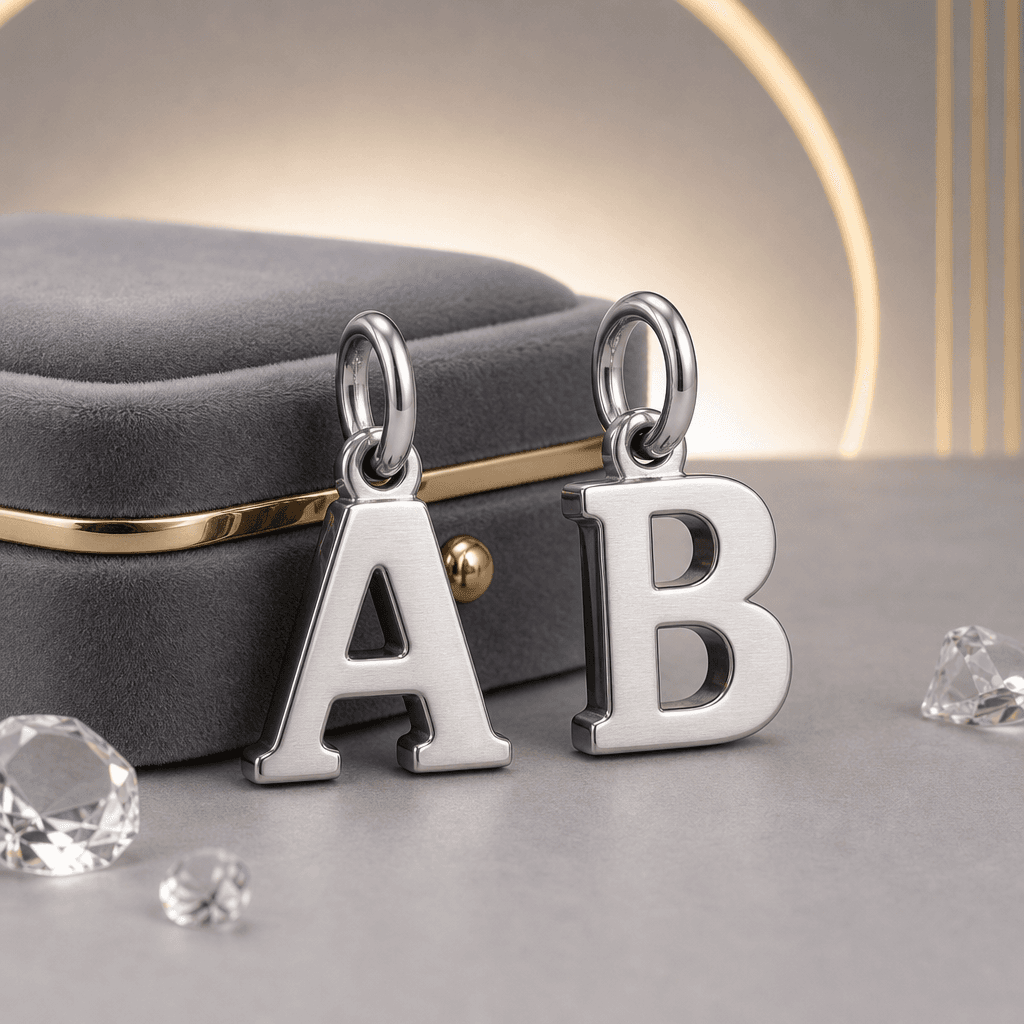
In the competitive world of sourcing 316L stainless steel alphabet charms, procurement teams face pressure to balance cost, compliance, and delivery timelines. For B2B buyers engaging OEM or ODM suppliers, thorough vetting is essential to mitigate risks and safeguard brand reputation.
How to Vet B2B 316L Stainless Steel Alphabet Charms OEM ODM Suppliers
Checklist for Procurement Teams
- Verify supplier specialization: Ensure they are an OEM charms manufacturer with proven experience in alphabet charm series.
- Confirm base material compliance: Supplier must exclusively produce using 316L stainless steel.
- Review certifications: RoHS, REACH, SGS nickel release EN1811, and salt spray tests above 240 hours should be documented.
- Request sample development: Assess plating quality, enamel filling, and engraving precision.
- Audit production capability: Inspect CNC, laser cutting, polishing facilities.
- Check MOQ agreement: Ensure terms align with your bulk orders and private label programs.
- Confirm private-label packaging services.
- Conduct compliance audits for environmental and safety standards.
- Cross-market compatibility checks for US, EU, UK, AU, CA buyers.
Why Compliance Matters in Supplier Vetting
Global Market Readiness
Global buyers require suppliers who meet cross-market standards. A wholesale stainless steel charms vendor with RoHS and REACH certifications avoids customs delays and supports brand credibility.
Safety Standards
Nickel release testing ensures wearers experience minimal skin irritation. SGS-certified processes indicate professional handling from raw material to final charm plating.
Consistency for Private Labels
OEM and ODM projects rely on consistent plating quality—especially in PVD gold plated, silver finish, or rose gold variants—so buyers can confidently expand product lines.
Step-by-Step Supplier Vetting Guide
Step 1: Identify Core Manufacturing Capabilities
Confirm the supplier manufactures exclusively in 316L stainless steel and offers full OEM/ODM development including logo engraving and enamel filling. Visit their OEM service page for scope alignment.
Step 2: Evaluate Certifications and Test Reports
Request documents for SGS RoHS, REACH, nickel release compliance. These should be current and relevant to alphabet charms. Cross-check validity with issuing bodies.
Step 3: Review Sample Development
Order samples to evaluate detail accuracy in letter engravings, surface finish, and enamel color depth. Use this phase to assess supplier communication and responsiveness.
Step 4: Audit Production Facilities
Conduct on-site or virtual inspections to confirm CNC machining, laser marking, and welding equipment are suitable for small-format charms.
Step 5: Analyze Commercial Terms
Review MOQ flexibility, lead times, and bulk order pricing. Match these with your RFQ and seasonal procurement plans.
Step 6: Check Private-Label Packaging Options
Assess packaging quality for retail readiness, ensuring alignment with boutique brand positioning.
FAQ
What certifications should a supplier have?
SGS-certified RoHS, REACH, nickel release testing, and salt spray resistance are essential for global regulatory compliance.
Why only use 316L stainless steel for alphabet charms?
316L stainless steel offers superior corrosion resistance, hypoallergenic properties, and long-lasting plating durability compared to non-compliant materials.
Can suppliers handle bulk orders and sample development?
Yes, reputable OEM/ODM charm factories support both bulk production and rapid sample development to meet buyer timelines.
How important is plating quality?
Consistent PVD plating across charm batches ensures brand-standard colors and reduces returns due to tarnishing or uneven finish.
Partner With Lancy Jewelry
As a dedicated OEM charms manufacturer specializing in 316L stainless steel alphabet charms, Lancy Jewelry supports boutique brands and private-label buyers with low MOQ, precise production control, and full compliance. Visit our catalog to explore designs or request a quote today.