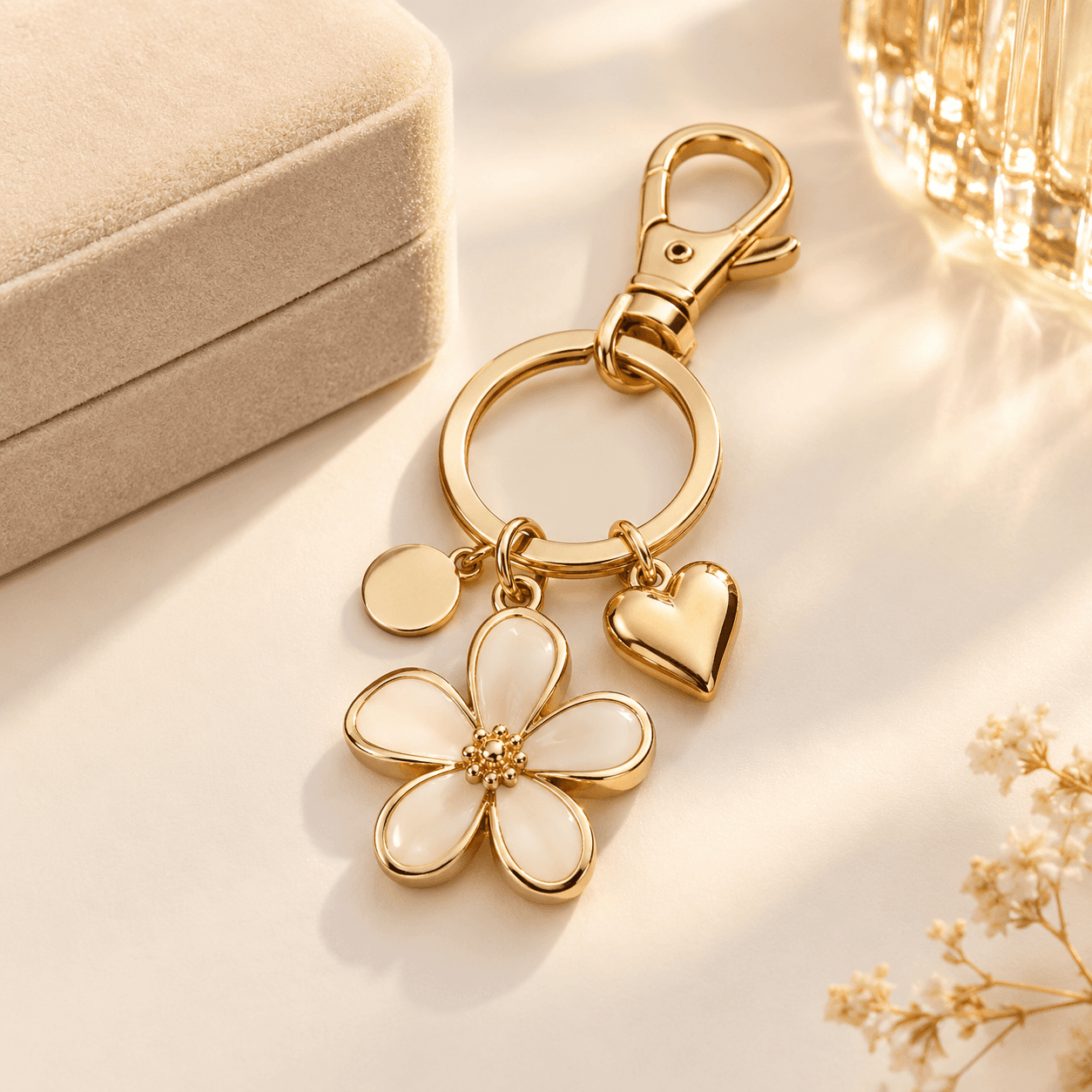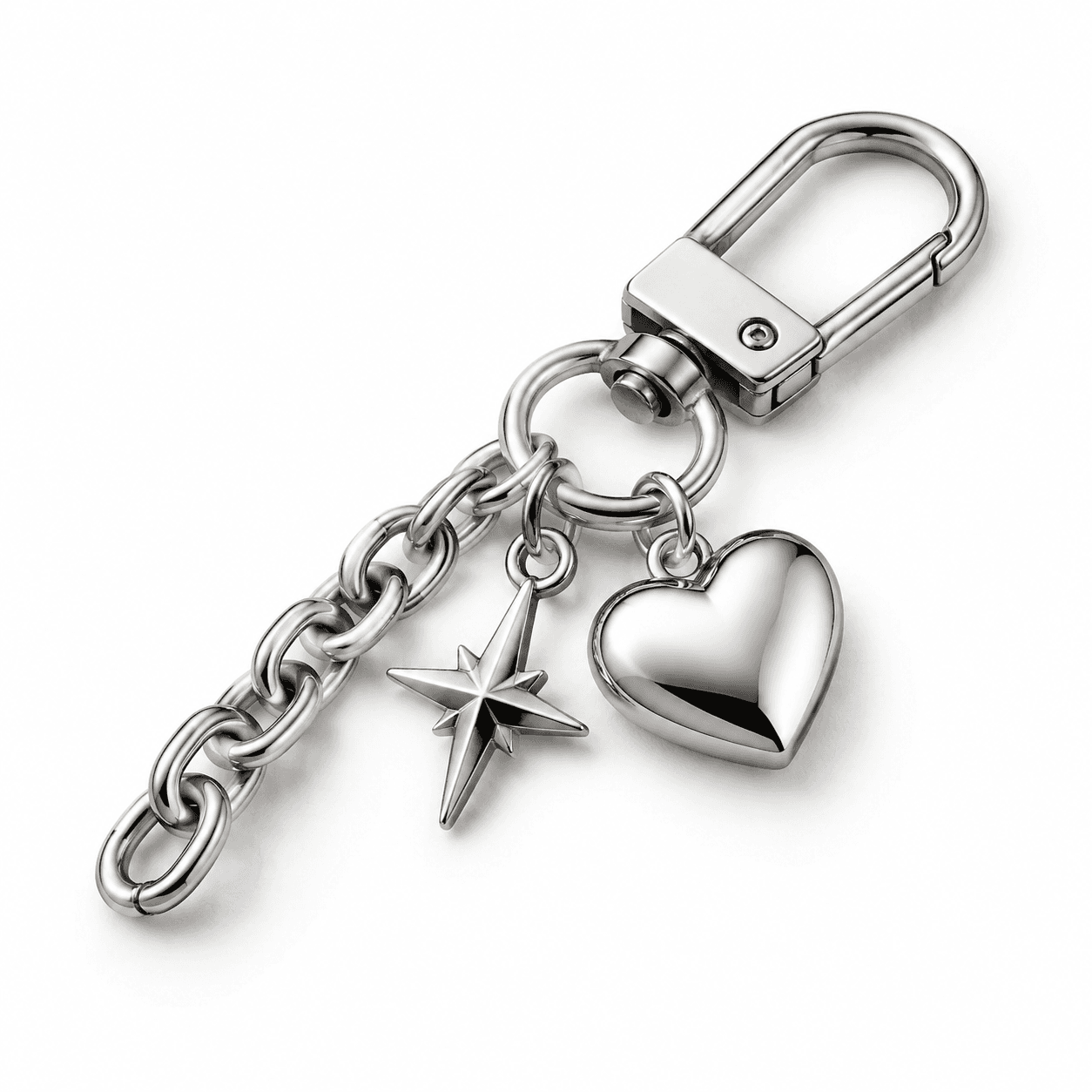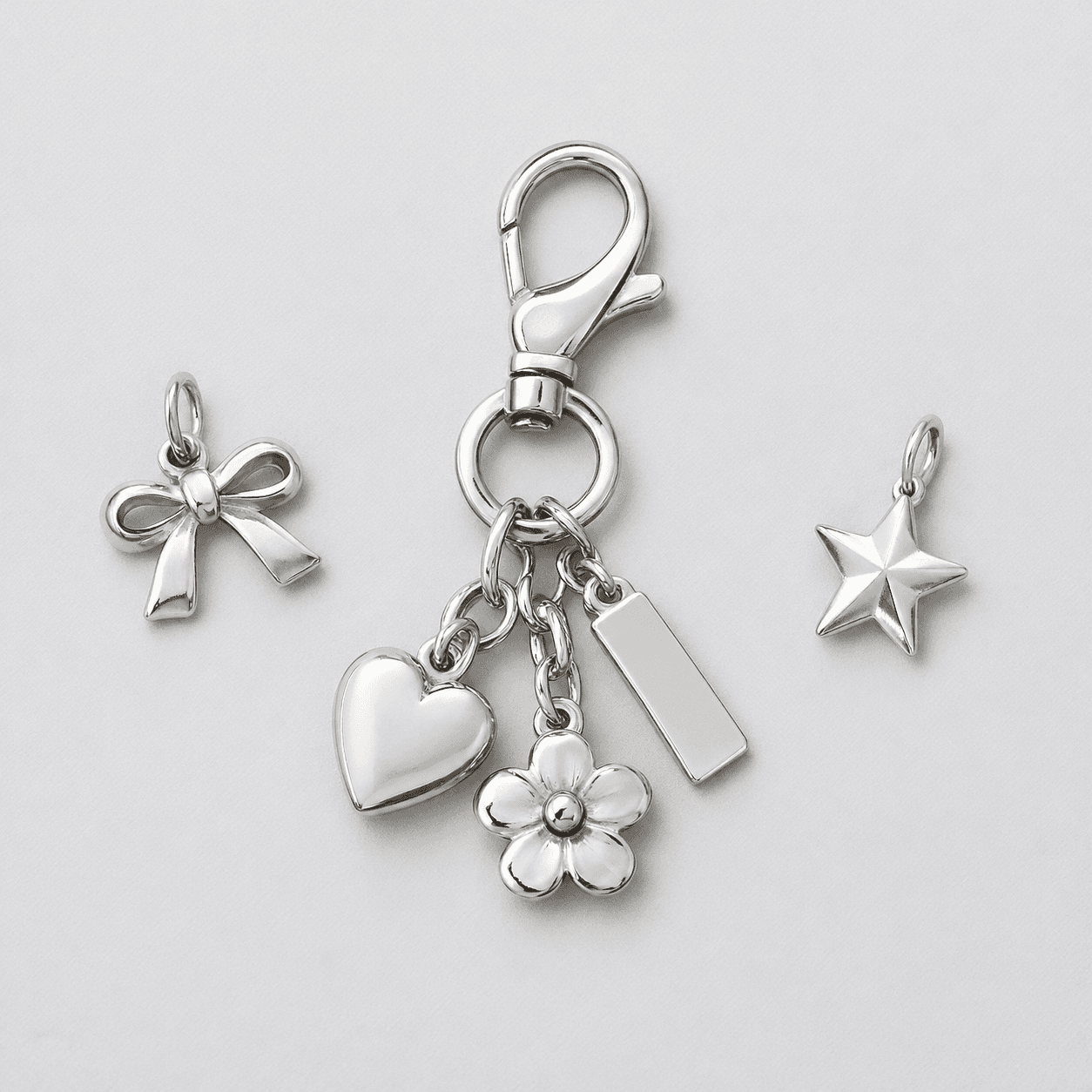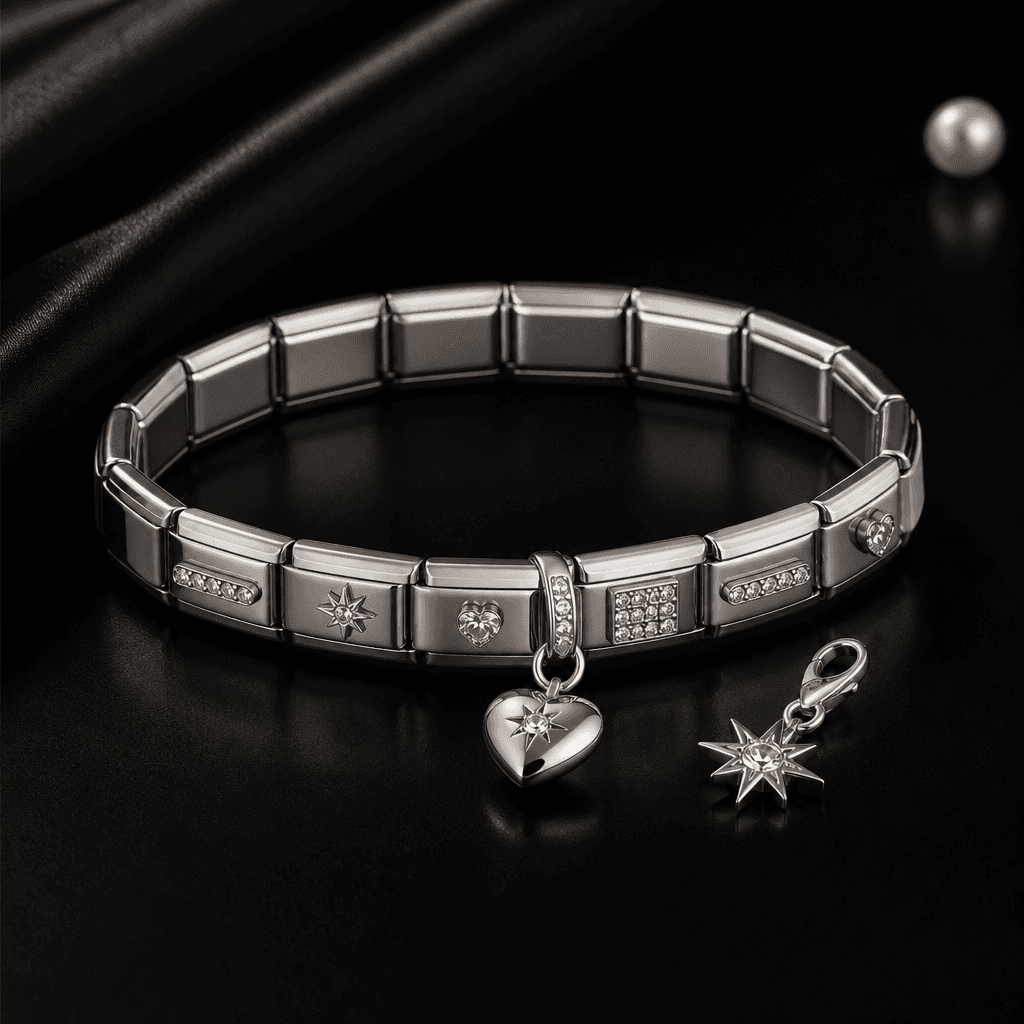
In the world of private-label and boutique-brand charm programs, selecting the right supplier for link charm bracelets made from 316L stainless steel is a critical decision. Procurement teams must assess material chemistry, manufacturing capabilities, and compliance as part of a rigorous vendor vetting process. This sourcing guide walks through practical steps to identify trustworthy partners, evaluate technical readiness, and establish a pathway to reliable, scalable orders for worldwide markets. You’ll gain a structured approach that aligns with global procurement norms, while keeping a sharp focus on 316L stainless steel properties, plating options, and finish consistency. If you’re seeking a factory-direct partner with OEM/ODM capabilities and private-label packaging, explore how Lancy Jewelry fits into your supplier shortlist by visiting our OEM service page and reviewing our sample development process. For quick catalog comparisons, see our All Products catalog. When you’re ready to move, you can Request a Quote and begin the collaboration workflow with our team.
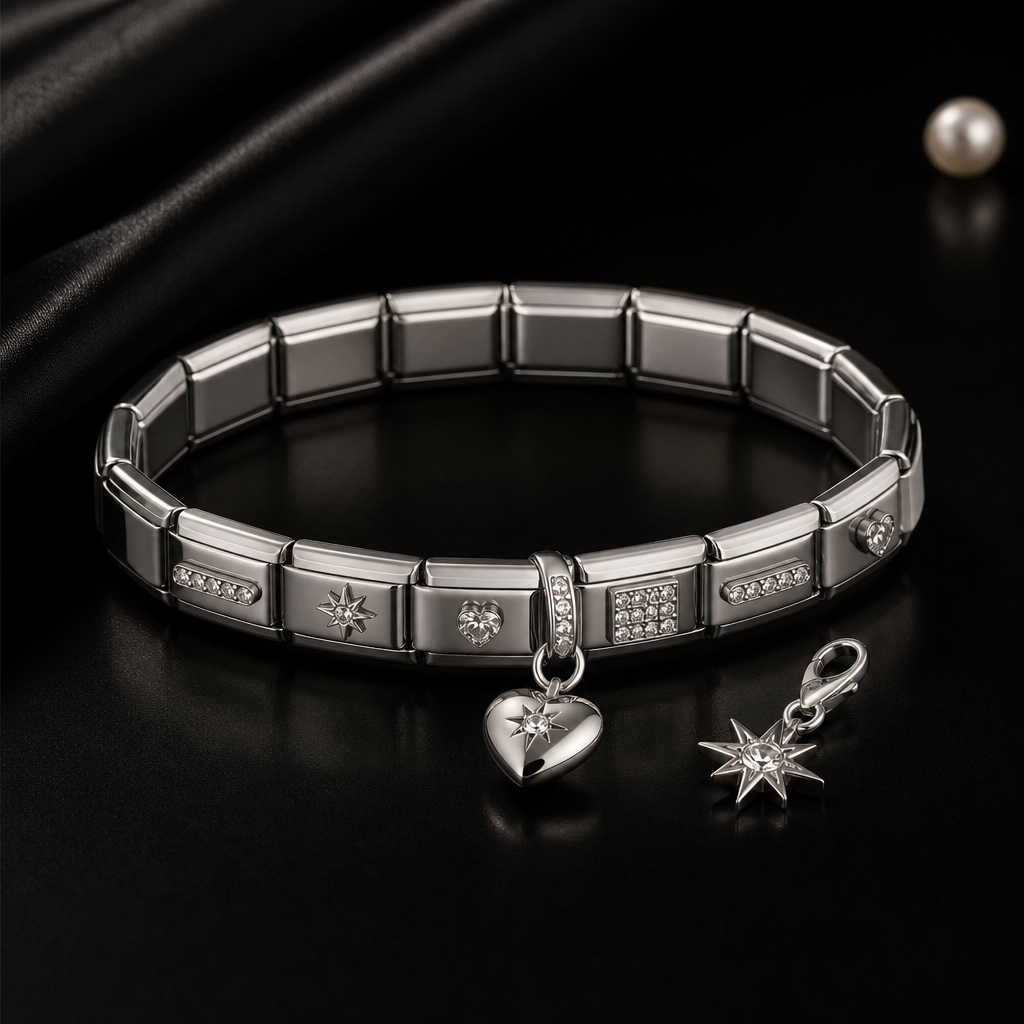
Link Charm Bracelet Stainless Steel: Sourcing Guide
Step 1 — Define your technical specs for 316L stainless steel charms
Begin with a clear specification set that your supplier can verify. Define base material as 316L stainless steel, and specify required finishes such as PVD gold plating, silver finish, rose gold plating, and enamel or crystal inlay options. Document tolerance ranges for dimensions (diameter, thickness, hole size) and the expected surface finish (bright, brushed, or matte). Establish acceptable corrosion resistance targets, salt spray tolerance, and nickel-release requirements aligned to EN1811 testing. This step is essential for any OEM/ODM engagement and helps ensure consistent performance across markets. A reputable stainless steel charms manufacturer will provide a data sheet or material certificate showing alloy composition, with typical chromium (Cr) around 16-18%, nickel (Ni) around 10-14%, and molybdenum (Mo) around 2-3% for 316L variants. If you plan enamel or crystal inlays, specify bonding standards and compatibility with the chosen finishing process. When ready, initiate the process via our OEM/ODM service and share your design brief, logo, and packaging needs to start sample development.
Step 2 — Vet supplier capabilities and production readiness
Assess a candidate’s manufacturing footprint and technical capabilities. Look for CNC machining, laser cutting, laser marking, welding, and polishing capabilities, along with plating lines for PVD finishes and enamel filling. A strong partner should demonstrate controlled plating quality with repeatable color thickness, uniformity, and adhesion. Request details about their line layout, inspection gates, and in-line QC checks. If your program includes private-label packaging or serialized lot tracking, confirm packaging capabilities and labeling controls. Consider visiting the supplier’s facility or requesting a detailed factory profile, and compare it against your internal supplier checklist. For a tested path to scale, evaluate our OEM charms manufacturing capabilities and our private-label packaging options as part of your short list.
Step 3 — Require formal documentation and compliance data
Compliance is non-negotiable in global sourcing. Request RoHS and REACH declarations, Nickel Release EN1811 test results, and Salt Spray 240H test reports. Ask for a current SGS certificate confirming material safety and performance, along with any applicable QA/QC standards and process controls. Demand a complete material declaration and a bill of materials (BOM) for the charm base, including any plating layers and color finishes. If you plan to source through a boutique factory, confirm their ability to provide traceability, lot numbers, and chain-of-custody documentation for private-label programs. A reliable partner will supply these documents upfront or as part of a formal RFQ package available through our Request a Quote flow.
Step 4 — Initiate sampling and evaluate design feasibility
Move to sample development to validate both fit and finish. A typical path includes 2–4 weeks to produce a prototype with the intended 316L base, a chosen finish (PVD gold, silver, rose gold), and any enamel or crystal accents. Evaluate bail/jump rings compatibility, hole alignment, and mechanical strength of the connector through realistic handling tests. Ensure the sample reflects your packaging and branding requirements if you’re pursuing private-label programs. When samples meet spec, request a small pilot order as a controlled trial—this is often the most reliable way to detect any process variation before bulk charm orders are placed.
Step 5 — Assess risk, quality control, and ongoing performance
Quality control is the backbone of a long-term supplier relationship. Review the supplier’s QC plan, finished-goods testing, and non-conformance handling. Look for batch-level test data, salt spray results, and finish adhesion tests relevant to PVD-coated surfaces. Confirm that plating thickness tolerances remain within defined ranges across multiple lots, and that color retention remains stable under expected use conditions. If your program requires serial numbering or private-label packaging, verify labeling accuracy, packaging integrity, and carton-level QA checks. A responsible partner will align with your internal risk framework and provide ongoing documentation with each shipment. For compliance-rich sourcing, consider partners who maintain SGS-certified processes and robust traceability and leverage them as a cornerstone of your global supplier network.
Step 6 — Finalize terms and prepare for scale
Before locking in a agreement, align on MOQ, pricing, lead times, and payment terms. If your business model involves repeat orders, negotiate favorable low MOQ options and tiered pricing that recognizes volume growth. Confirm packaging options, branding guidelines, and any CRM or ERP-ready data exchanges (e.g., packing lists, material certs, lot tracking). Ensure the supplier can support ongoing bulk charm orders and rapid reorders with consistent plating and finish quality. When ready, formalize the partnership with a contract that includes change-control processes for design updates, a clear escalation path for issues, and documented acceptance criteria drawn from your initial samples and audits. For ongoing sourcing needs, explore how our team supports global procurement with dependable OEM/ODM and private-label solutions—visit our OEM page or contact our team to begin the process.
Benefits/Why it matters
Key benefits for 316L stainless steel charm programs
- Material science and performance: 316L stainless steel offers excellent corrosion resistance, good formability, and background corrosion resistance, making it an ideal base material for high-volume charm programs across jewelry, key rings, and bag charms.
- Consistent plating quality: PVD plating options (gold, rose gold, silver) provide robust color finish with good wear resistance, helping you maintain a boutique-ready appearance across lots.
- Compliance and reliability: SGS-certified RoHS, REACH, and Nickel Release EN1811 testing reduce compliance risk and support cross-market sales in the US, EU, UK, AU, CA, and beyond.
- Private-label packaging: Private-label packaging options streamline boutique-brand programs and enable faster market entry with your branding guidelines.
- Supply-chain efficiency: Low MOQ support, fast sample development, and a factory-direct supply chain improve order velocity and cost predictability for campaigns and seasonal lines.
Why these benefits matter in global markets
Global buyers demand consistent performance, traceability, and documented safety across regions. By partnering with a 316L stainless steel charms manufacturer that demonstrates strong technical capability and clear compliance, you reduce risk across supplier audits, importer checks, and retailer approvals. For ongoing collaboration, review how our team combines manufacturing excellence with private-label packaging and scalable production to meet fluctuating demand. If you’re evaluating multiple suppliers, flag those with robust testing regimes and transparent documentation. To explore our certification-ready capabilities, see our SGS-certified processes described on our site and feel free to reach out to discuss a formal audit package via Contact.
Detailed analysis/Guide (deeper dive)
Step 7 — Chemistry and alloy verification
Dig into the alloy composition and metallurgy by requesting a full material certificate (MC) and a supplier’s metallurgy data sheet. Confirm that the 316L stainless steel base meets industry standards for nickel release and corrosion resistance. If your program requires specific color finishes, verify compatibility with the 316L base and whether each finish requires pre-treatment, adhesion promotion, or post-treatment sealing. A reliable partner will provide batch-level traceability and the ability to reproduce the same alloy composition across production runs. Consider requesting a sample with a different finish (e.g., enamel-filled vs. crystal-inlay) to compare bonding strength and long-term wear performance.
Step 8 — Validation testing and supplier audits
Conduct a hands-on assessment of the supplier’s QA procedures and testing laboratories. Ask for audit reports, process capability indices (Cpk) for critical processes, and evidence of equipment calibration. Verify plating adhesion and absence of micro-cracks using non-destructive testing methods. If you expect shipments to cross borders frequently, ensure that the supplier’s logistics and packaging meet your distribution standards and that the packaging materials protect the finish during transit. A well-structured audit helps you foresee potential supply interruptions and establishes a baseline for continuous improvement.
Step 9 — Pilot orders and scale planning
Transition from sampling to pilot orders with a defined acceptance criteria set. Specify lead times, packaging formats, and labeling requirements for each pilot run. Use pilot data to refine pricing, refine internal approvals, and plan for seasonal campaigns. If private-label packaging is part of your strategy, validate branding accuracy and packaging quality during the pilot. Once pilot success is documented, scale to bulk charm orders with a clear growth plan and a stable supply agreement. For a proven path to scale, connect with our team to discuss how OEM/ODM capabilities support rapid expansion and consistent quality across large programs.
FAQ
-
What makes 316L stainless steel a good base material for charms?
316L stainless steel offers excellent corrosion resistance, superior formability, and compatibility with a wide range of finishes (PVD plating, enamel, crystal inlays). Its low nickel-release characteristics, when properly certified, support safe use in jewelry and gift programs across global markets.
-
What documents should procurement request when vetting a supplier?
Request a material declaration, MC/chemical composition data, RoHS/REACH statements, Nickel Release EN1811 test results, Salt Spray test (240H) reports, and SGS certificates. Also obtain QC plans, process capability data, and packaging specs for private-label programs.
-
How long does sample development typically take?
Most programs complete initial samples within 2–4 weeks, depending on finish options (PVD, enamel, crystal inlays) and logo engraving requirements. Fast-track options may be available with clear design briefs and a defined BOM. You can start this process through our OEM/ODM service and request sample development timelines during the RFQ phase.
-
How do I initiate an OEM/ODM partnership with Lancy?
Prepare your design brief, branding elements (logo) and packaging needs, then contact our team via Contact. You can also begin the formal process by using Request a Quote to share your specifications and timeline. We offer low MOQs, scalable production, and private-label packaging to support boutique-brand launches and wholesale programs.
Call to action
Ready to move from evaluation to partnership? Lancy Jewelry provides OEM/ODM capabilities for 316L stainless steel charms, with private-label packaging and fast sample development to accelerate your time-to-market. Explore our capabilities and start a dialogue with our team through OEM services, or initiate a quotation via Request a Quote. For ongoing catalog and product options, browse All Products and contact us to tailor a private-label program that aligns with your brand standards and supply-chain goals. Partner with a trusted charm factory that serves boutique brands and private-label buyers worldwide.