Mold Development Cost Stainless Steel Charms: ROI Guide
For product developers building a new charm collection, mold development is one of the most important early investments. The initial tooling decision influences product consistency, sampling efficiency, production speed, and long-term profitability. A well-planned mold strategy allows boutique brands, gift companies, and private-label buyers to transform creative concepts into scalable collections while controlling total ownership costs.
At Lancy Jewelry, mold development is managed as part of a complete OEM and ODM manufacturing process. By combining engineering experience with CNC processing, laser cutting, laser marking, welding, polishing, and professional finishing capabilities, Lancy supports buyers who need reliable 316L stainless steel charms with commercial production potential.
Mold Development Cost Stainless Steel Charms: Understanding the Investment
What determines mold development pricing?
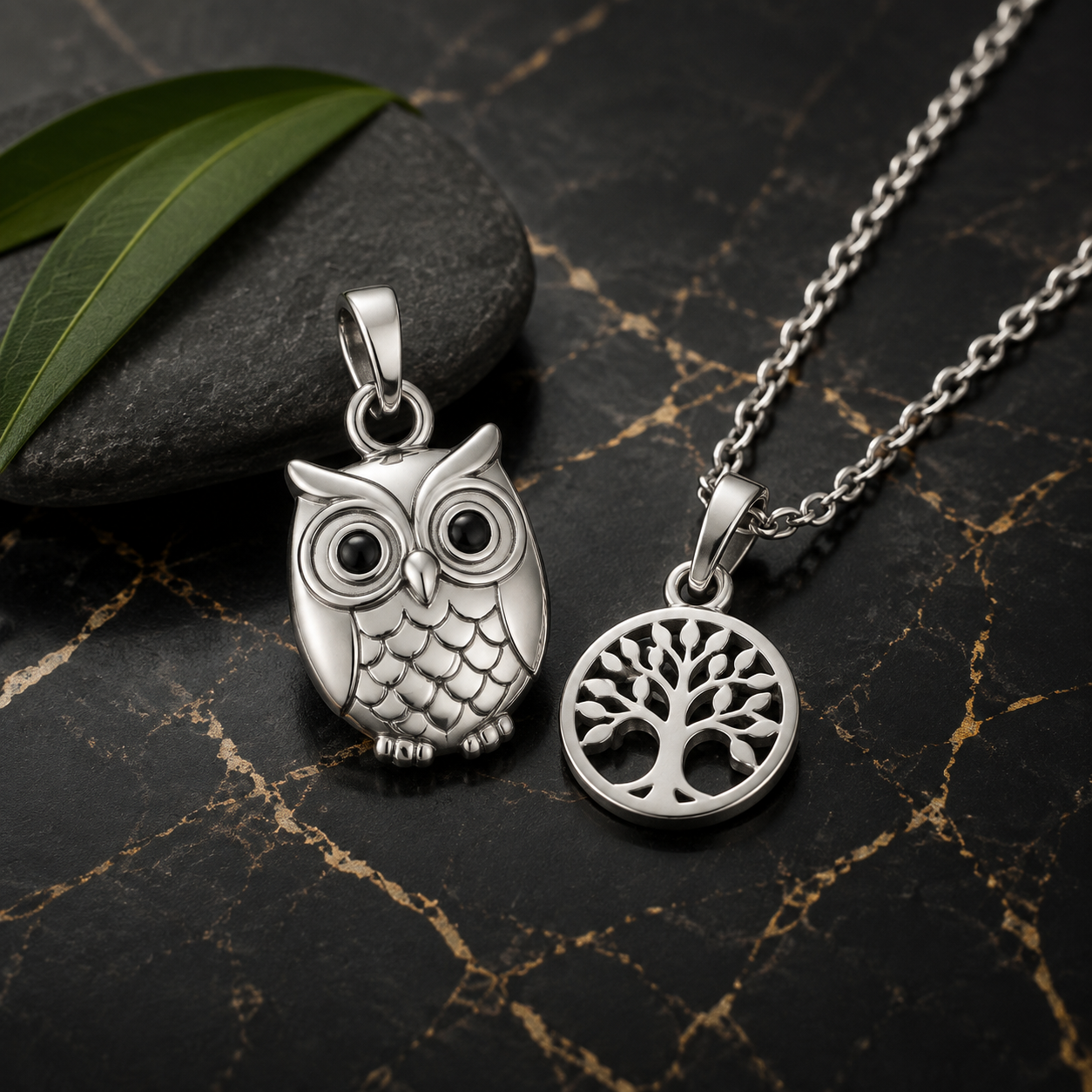
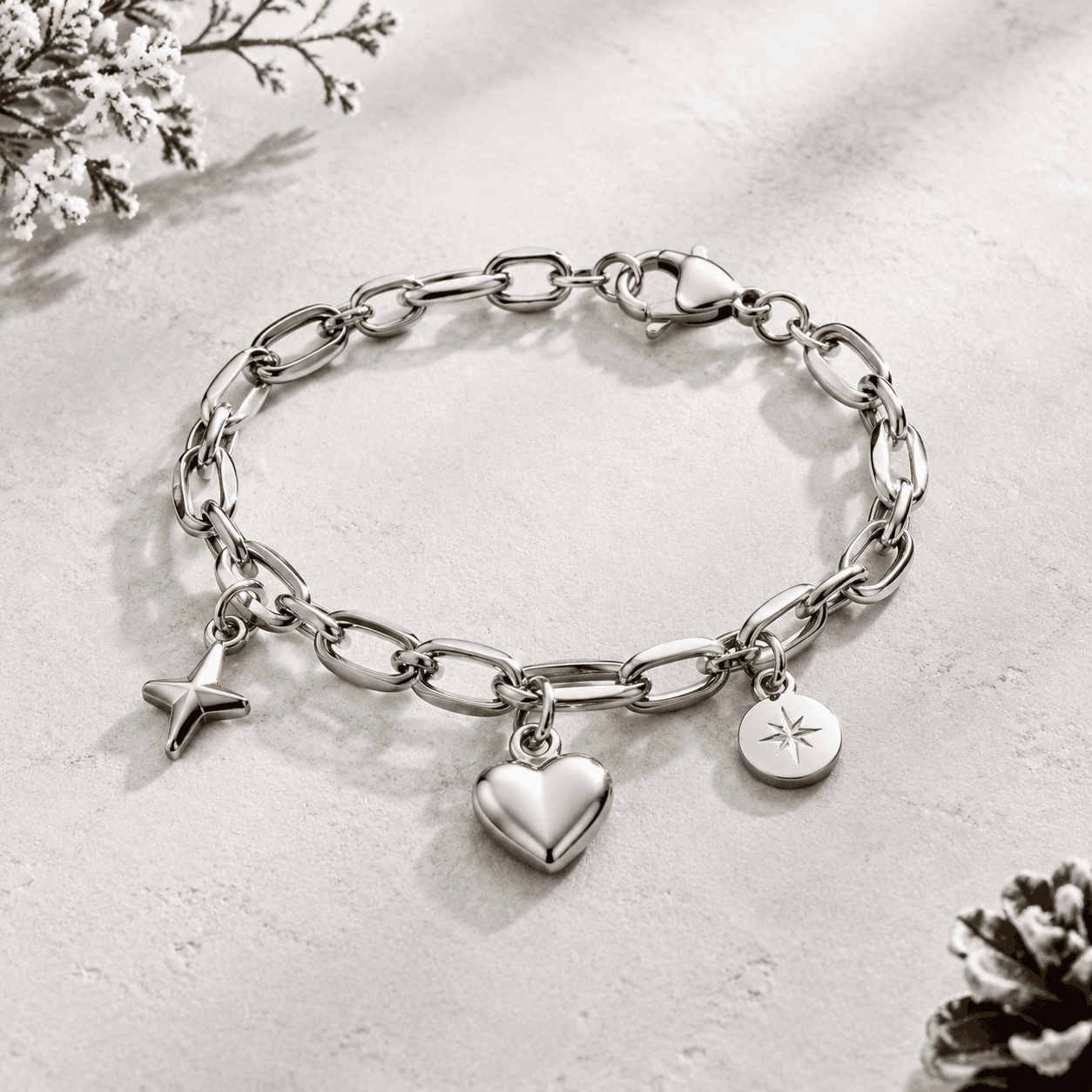
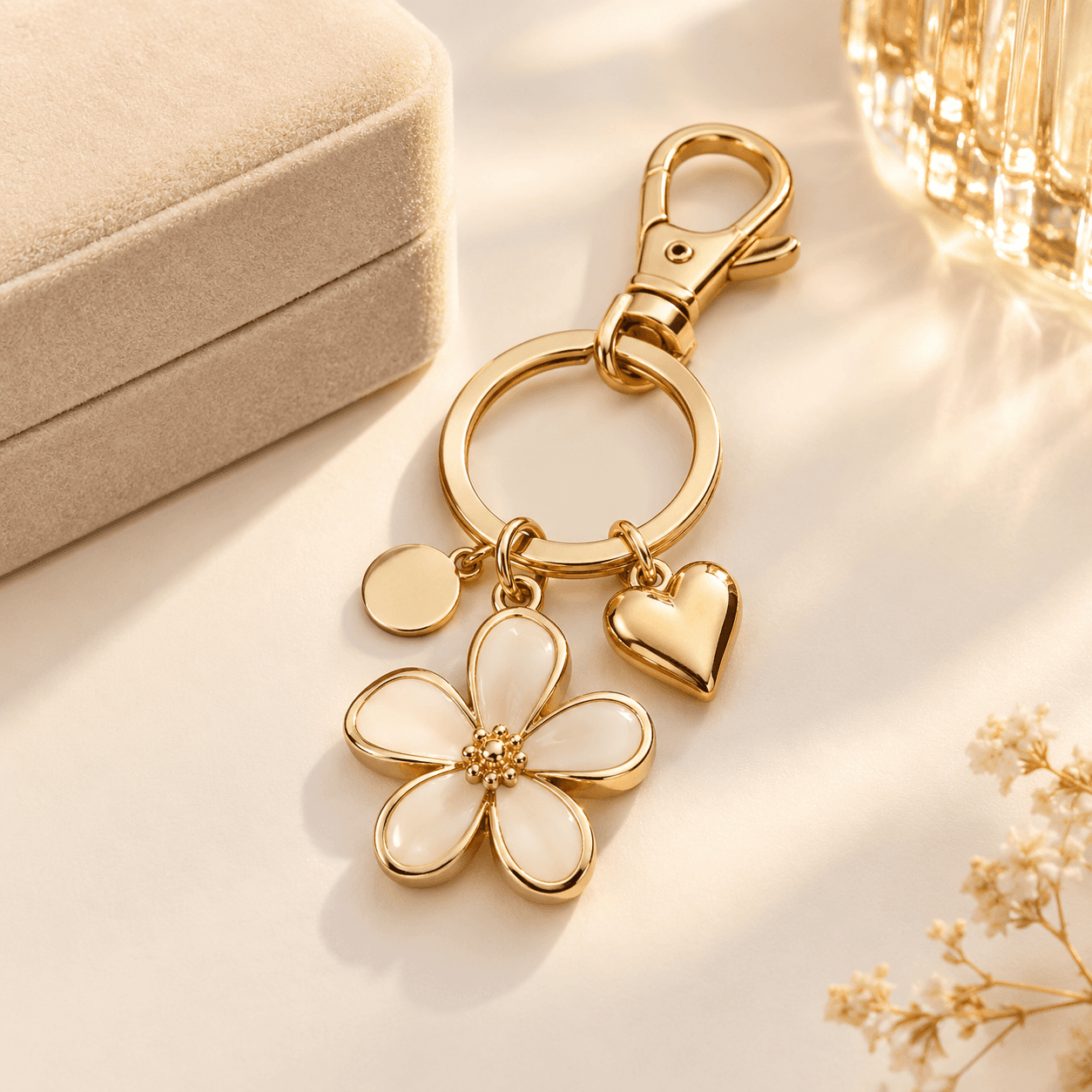
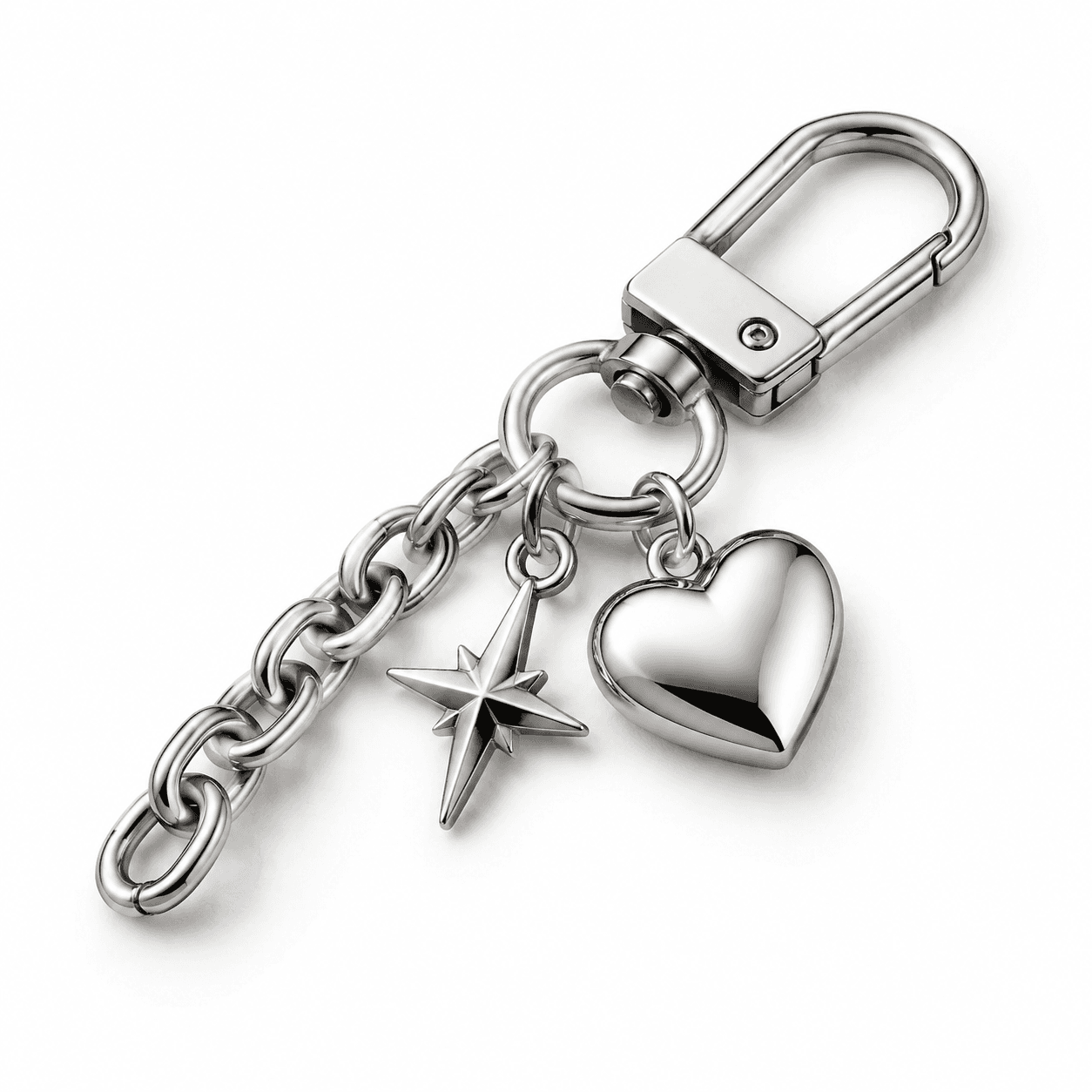
The cost of developing molds for stainless steel charms depends on several technical and commercial factors. Product complexity is usually the first consideration. A simple geometric charm requires fewer engineering steps, while a detailed design with multiple surface levels, fine engraving, enamel areas, or crystal inlay requires more development time and precision control.
Material selection also affects the development approach. Lancy focuses on 316L stainless steel charms, which require manufacturing processes designed for durability, consistent finishing, and stable production performance. The goal is not only to create a successful first sample but also to ensure the design can move efficiently into repeat manufacturing.
Key cost components in mold development
A complete mold development budget typically includes several stages:
- Design review and engineering evaluation: The factory analyzes the artwork, dimensions, attachment points, and production feasibility.
- Tooling preparation: Manufacturing specialists develop the required production tooling based on the approved design.
- Sample development: Initial samples are produced and reviewed for shape, detail accuracy, surface quality, and functional performance.
- Modification and optimization: Adjustments may be required to improve details, production stability, or finishing results.
- Production preparation: Final approval allows the design to enter bulk manufacturing.
For buyers planning wholesale stainless steel charms programs, understanding these stages helps create realistic budgets and launch schedules.
Why mold investment matters for ROI
Mold development should be evaluated as a long-term business asset rather than only an upfront expense. When a charm design is expected to generate repeated orders, the initial development cost can be distributed across multiple production cycles. This reduces the average development cost per unit and creates stronger profit potential.
For growing brands, investing in custom stainless steel charms can also improve collection identity, support exclusive product planning, and create opportunities for seasonal releases. A structured development process helps avoid unnecessary revisions and protects valuable launch timelines.
Benefits of Professional Mold Development for Charm Programs
Improved product consistency and quality control
Professional mold development provides better control over shape accuracy, attachment structure, and surface finishing. For 316L stainless steel charms, consistency is especially important because buyers often need repeat production across different collections and markets.
Lancy Jewelry applies quality-focused manufacturing procedures supported by SGS certification standards, including RoHS, REACH, Nickel Release EN1811, and Salt Spray 240H testing. These certifications support buyer confidence when developing products for international markets.
Faster innovation from concept to market
Product developers often compete through speed. A factory with strong sample development capabilities can shorten the time between initial concept and market-ready product. Efficient communication between design teams and manufacturing engineers helps identify production challenges before they become expensive delays.
Through ODM charm supplier support, buyers can access manufacturing expertise while developing collections that match their target customers, pricing strategies, and launch plans.
Better control of total production value
The true value of mold development includes more than the initial tooling expense. It includes reduced correction costs, improved production efficiency, lower sampling waste, and stronger customer satisfaction. A reliable development process creates a foundation for long-term bulk orders.
Detailed Analysis: How to Evaluate Mold Development ROI
Step 1: Define the commercial purpose of the design
Before starting development, buyers should define the role of each charm within their product strategy. Is the design intended for a seasonal collection, a permanent catalog item, a gift program, or a private label launch? Clear objectives help determine acceptable development investment and expected sales volume.
A design expected to remain active for multiple years usually justifies more detailed development because the tooling value can be recovered over many production cycles.
Step 2: Analyze design complexity and manufacturing requirements
Every design should be reviewed from an engineering perspective. Important factors include:
- Overall charm size and thickness requirements.
- Engraving depth and surface detail.
- Placement of enamel color filling.
- Crystal inlay requirements.
- PVD gold plated, rose gold plating, or silver finish options.
- Attachment structure, including practical holes and loops.
These details influence development time, sample adjustments, and final production efficiency. Early technical review allows product developers to balance creative goals with manufacturing practicality.
Step 3: Consider MOQ and production volume
MOQ planning is directly connected with ROI. Buyers should estimate realistic demand before approving development. A lower initial quantity may support market testing, while larger production programs can spread development costs across more units.
Lancy supports low MOQ charm production for suitable projects while also helping established buyers organize larger manufacturing programs. This flexibility allows boutique brands and distributors to choose an approach that matches their business stage.
Step 4: Calculate total cost of ownership
Total cost of ownership includes development, sampling, production, finishing, packaging, logistics preparation, and future repeat orders. A low initial development cost does not always create the best business outcome if it causes inconsistent quality or repeated adjustments.
Working with an experienced stainless steel charms manufacturer helps buyers evaluate the complete production picture. Reliable engineering support can reduce hidden costs and improve the return from each developed design.
Step 5: Build a scalable collection strategy
Successful charm programs often grow through planned series development. Instead of creating isolated products, buyers can develop coordinated themes, including symbols, letters, nature designs, birthstone concepts, and seasonal collections.
This approach helps brands create stronger merchandising plans while allowing manufacturing resources to be used more efficiently across related products.
FAQ About Mold Development Cost for Stainless Steel Charms
How much does mold development cost for stainless steel charms?
The cost varies depending on design complexity, finishing requirements, sample revisions, and production planning. A detailed engineering review is the best way to estimate the investment required for a specific project.
How long does stainless steel charm sample development take?
Lead time depends on design complexity, communication speed, sample requirements, and approval cycles. Professional sample development processes focus on balancing speed with accurate production validation.
Why choose 316L stainless steel charms for private label collections?
316L stainless steel provides a durable foundation for charm collections and supports consistent finishing options such as PVD, enamel, crystal inlay, gold plated surfaces, rose gold plating, and silver finish treatments.
Can Lancy support both small and large charm production programs?
Yes. Lancy Jewelry provides OEM and ODM support for different buyer requirements, including low MOQ projects, private label charms, sample development, and bulk charm orders.
Partner With Lancy Jewelry for Scalable Charm Manufacturing
Choosing the right manufacturing partner can determine whether a charm concept becomes a profitable product line. Lancy Jewelry helps buyers manage the complete development journey, from design evaluation and sampling to finishing, packaging, and production delivery.
With factory-direct expertise in 316L stainless steel charms, professional engineering support, and flexible OEM and ODM solutions, Lancy works with boutique brands, distributors, and private-label buyers seeking reliable manufacturing performance.
Explore our complete catalog at All Products, learn about custom manufacturing support through our OEM Service, or submit your project requirements through RFQ. For direct assistance with your next charm collection, visit Contact.