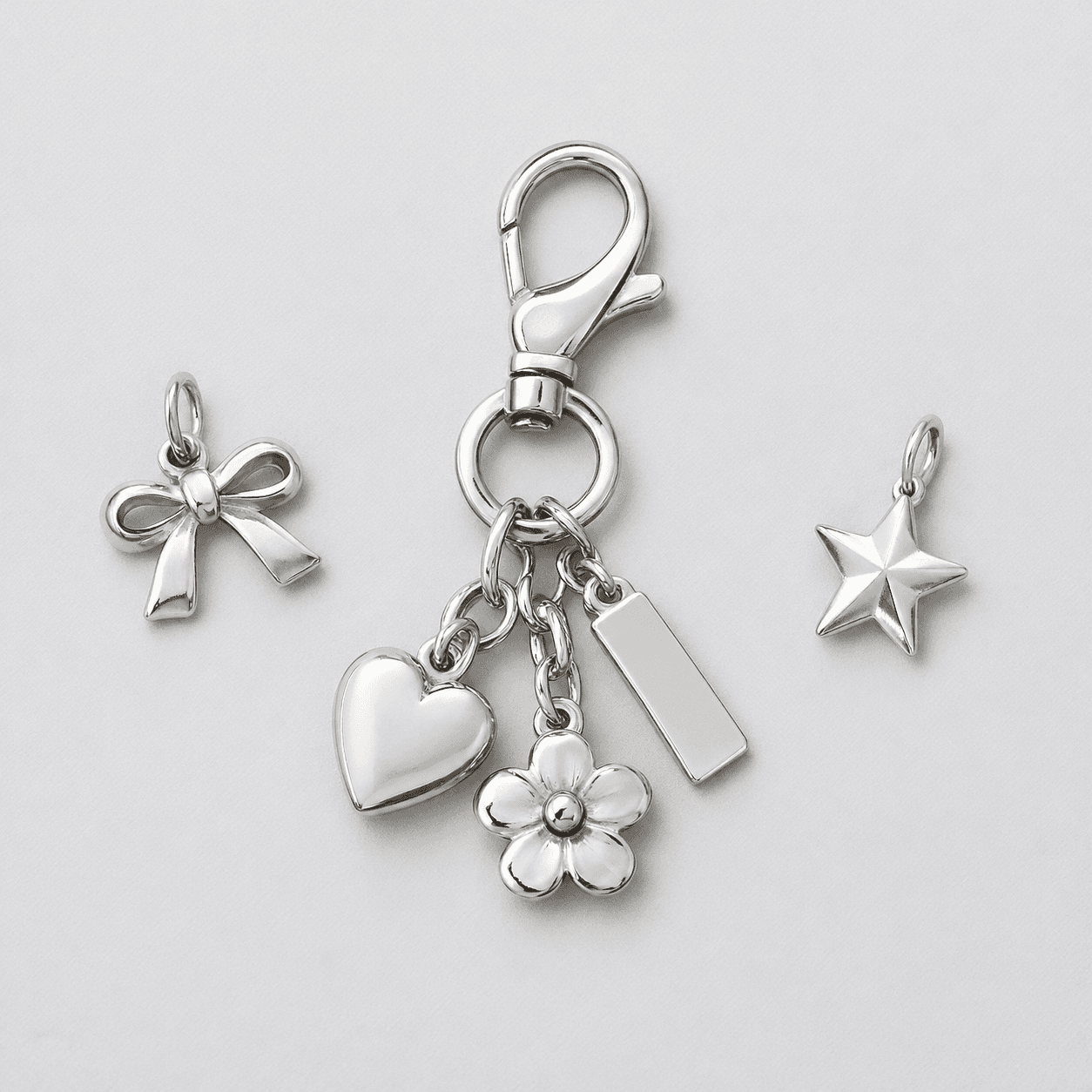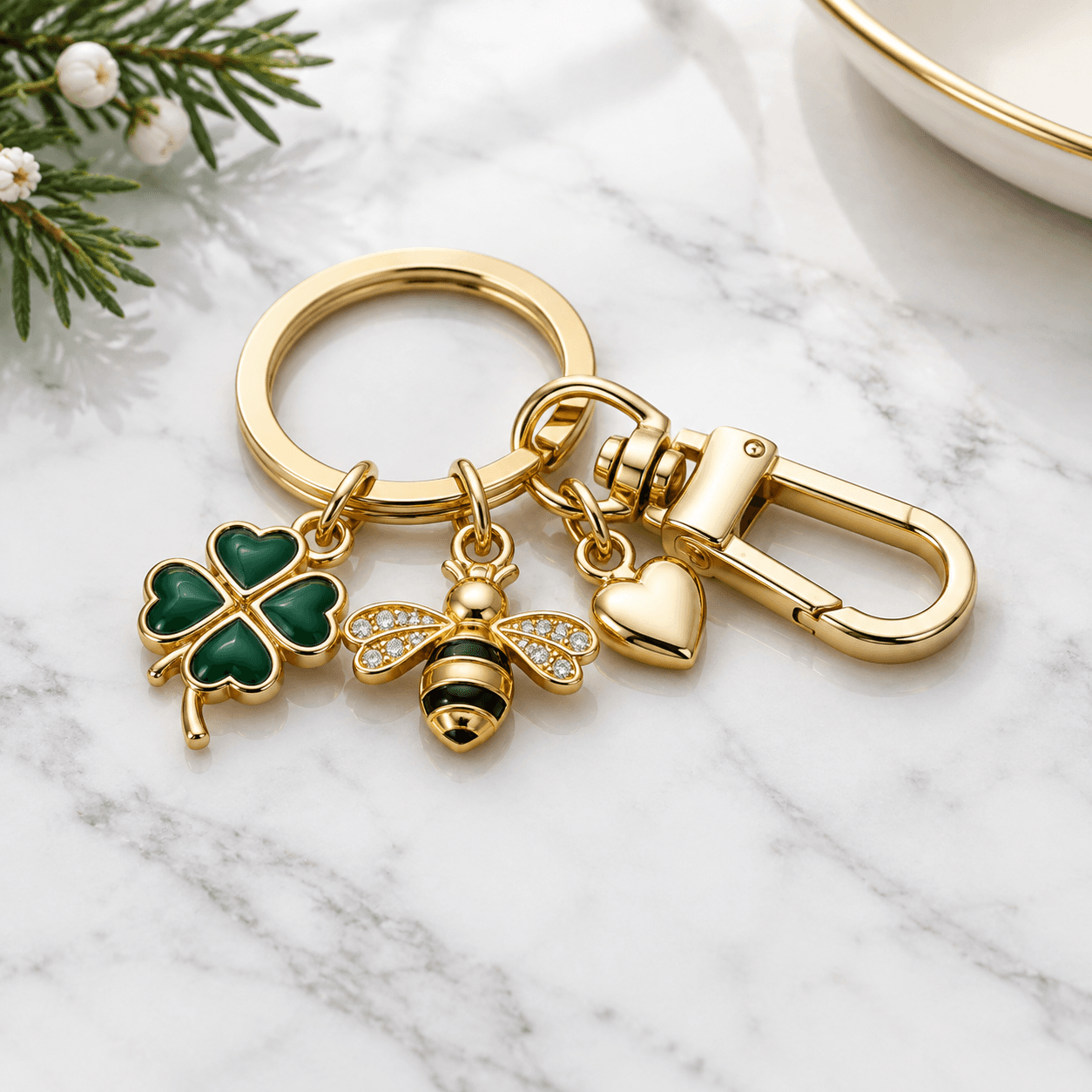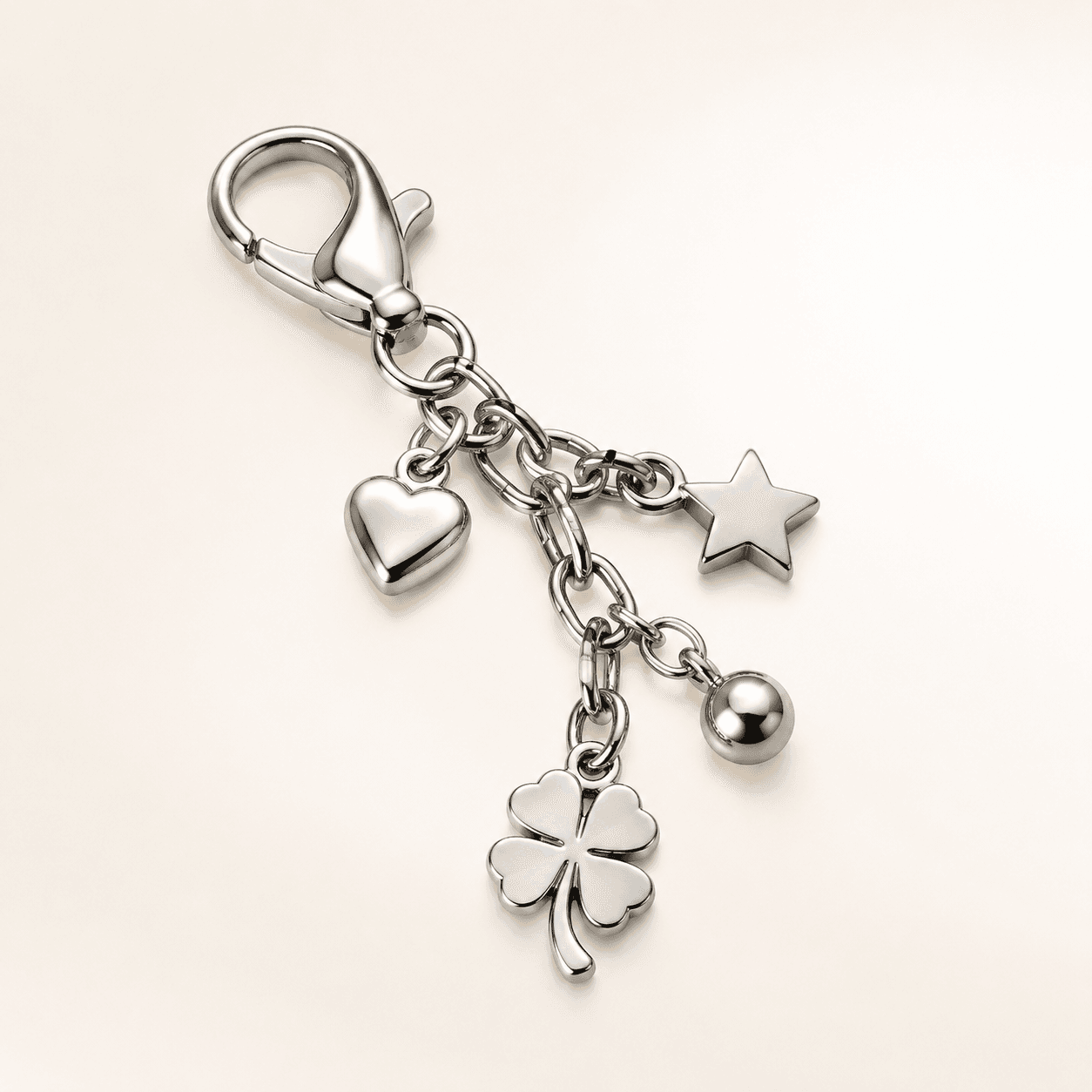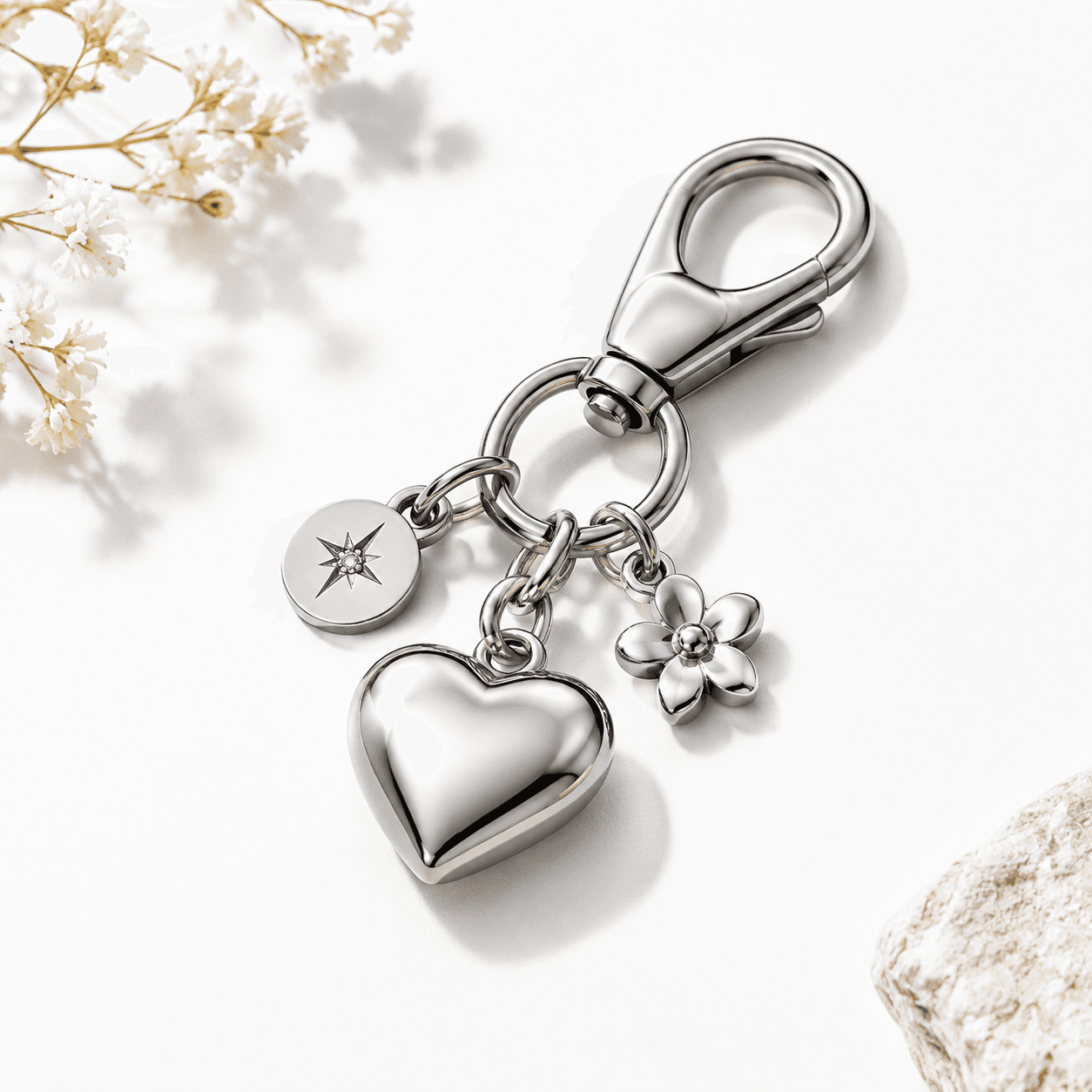
Choosing the right stainless steel charm keychain factory is an important step for boutique brands and private-label buyers building a reliable accessory program. A qualified manufacturing partner should provide more than production capacity. Buyers need consistent material quality, clear communication, flexible development support, and dependable delivery processes that protect brand positioning.
This sourcing guide provides an actionable checklist for evaluating suppliers before placing development projects or bulk orders. From reviewing manufacturing capability to confirming quality systems, these steps help purchasing teams create stronger supplier relationships and reduce production risks.
Stainless steel charm keychain factory supplier vetting checklist
☐ Check manufacturing experience and product specialization
A professional supplier should demonstrate focused experience in producing stainless steel charms and related accessories. Review whether the factory understands charm construction, surface finishing, attachment points, and decorative details required for commercial collections.
For buyers seeking a long-term partner, a dedicated stainless steel charms manufacturer can provide better production communication than a general sourcing channel. Lancy Jewelry focuses on 316L stainless steel charms development for boutique brands, gift companies, distributors, and private-label buyers.
☐ Confirm 316L stainless steel material capability
Material consistency is one of the first areas to verify. Buyers should confirm that the factory uses 316L stainless steel as the base material and understands requirements for surface appearance, durability, and finishing processes.
Ask suppliers about their production workflow, including CNC processing, laser cutting, laser marking, welding, polishing, PVD finishing, enamel color filling, and crystal inlay processes. A complete manufacturing system helps maintain stable results across different product series.
☐ Review OEM and ODM development support
Brand managers often need unique collections rather than standard inventory. A capable OEM charms manufacturer should support design discussions, technical feedback, prototype adjustment, and production planning.
ODM support is also valuable for brands that need assistance developing themed collections while maintaining their own market positioning. Evaluate whether the supplier can provide sample development services, communicate design improvements, and support practical manufacturing decisions.
Why supplier evaluation matters for private label programs
☐ Protect consistent product quality
For private label buyers, product consistency directly affects customer experience and repeat purchasing. A reliable factory should have clear inspection procedures covering dimensions, surface finishing, color consistency, attachment structures, and packaging preparation.
Lancy Jewelry supports quality-focused production with SGS certification coverage including RoHS, REACH, Nickel Release EN1811, and Salt Spray 240H testing. These certifications help buyers evaluate material and finishing standards when selecting a manufacturing partner.
☐ Build a scalable supply relationship
A supplier relationship should support both early-stage collection launches and future growth. Brands may begin with small development requests and later require larger production schedules. Discuss MOQ requirements, production timelines, repeat order processes, and communication methods before cooperation begins.
Flexible low MOQ charm production can help boutique brands test collections while managing inventory planning. At the same time, experienced suppliers should have the capability to support larger wholesale stainless steel charms requirements when demand increases.
☐ Improve brand differentiation through customization
Customization helps brands create recognizable accessory programs. During supplier evaluation, confirm available options such as logo engraving, custom shapes, PVD finishes, enamel details, crystal inlay, and private label packaging.
A supplier that understands brand requirements can help transform product concepts into commercially practical designs while maintaining production efficiency.
Detailed supplier vetting guide for buyers
Step 1: Review factory capabilities
Before requesting quotations, prepare a supplier assessment checklist. Review factory equipment, production processes, development resources, and quality control procedures.
Important questions include:
- Does the factory specialize in 316L stainless steel charms?
- Can the team support custom logo charms and private label projects?
- Are sample development processes clearly defined?
- Can the supplier manage different finishing requirements such as PVD, gold plated appearance, silver finish, rose gold plating, enamel, and crystal inlay?
A modern production facility with CNC, laser cutting, laser marking, welding, and polishing capabilities provides stronger support for customized accessory programs.
Step 2: Evaluate communication and project management
Good communication is essential for international sourcing. Buyers should evaluate response speed, technical understanding, documentation quality, and willingness to discuss solutions.
During the sample stage, suppliers should clearly explain design adjustments, production limitations, and expected timelines. Effective communication reduces misunderstandings and helps both sides build a stable partnership.
Step 3: Request and evaluate samples
Sample review is a critical stage before production approval. Inspect the sample for shape accuracy, surface quality, finishing consistency, attachment points, and overall presentation.
Ask whether the supplier can make revisions based on feedback. Strong sample development support indicates that the factory has experience managing customized projects rather than only producing standard items.
Step 4: Confirm production and quality controls
Before confirming bulk orders, discuss inspection methods and production checkpoints. A professional supplier should explain how materials are checked, how finishing quality is monitored, and how final products are prepared for shipment.
Quality control discussions should include:
- Incoming material verification for 316L stainless steel.
- Production inspection during key manufacturing stages.
- Surface finish evaluation after PVD or decorative processes.
- Final inspection before packaging.
Step 5: Review packaging and delivery support
Packaging is part of the private label experience. Ask whether the supplier can provide customized packaging solutions and support different market requirements.
Reliable delivery planning includes production schedules, order confirmation procedures, shipping preparation, and after-sales communication. These details contribute to a smoother long-term partnership.
Supplier evaluation checklist for first cooperation
- ☐ Verify factory experience with stainless steel charms.
- ☐ Confirm 316L stainless steel production capability.
- ☐ Review OEM and ODM development services.
- ☐ Request samples before bulk orders.
- ☐ Discuss MOQ and production planning.
- ☐ Confirm quality documentation and testing support.
- ☐ Evaluate communication during development.
- ☐ Review private label packaging options.

How Lancy Jewelry supports global buyers
Lancy Jewelry works with boutique brands, distributors, and private-label buyers that require dependable 316L stainless steel charms manufacturing support. The factory combines development experience, production equipment, and finishing capabilities to support customized accessory programs.
From initial concept review to sample approval and final production, Lancy Jewelry provides OEM and ODM cooperation options designed for different business stages. Buyers can discuss collection planning, customization requirements, packaging needs, and order schedules through a structured RFQ process.
For buyers exploring product options, visit our product catalog to review available categories. Brands interested in custom projects can learn more through our OEM service page. For direct project discussions, submit an inquiry through our RFQ request channel.
FAQ: Stainless steel charm keychain factory selection
What should buyers check before choosing a stainless steel charm keychain factory?
Buyers should review manufacturing experience, 316L stainless steel capability, customization services, quality controls, communication processes, MOQ requirements, and sample development support before starting cooperation.
Can a factory support private label charms for boutique brands?
Yes. A suitable supplier can support private label charms through custom designs, logo engraving, finishing options, packaging preparation, and production planning based on brand requirements.
Why is sample development important before bulk charm orders?
Sample development allows buyers to confirm design details, finishing expectations, and production feasibility before committing to larger quantities. It helps create clearer communication between the buyer and factory.
What quality certifications should buyers review?
Buyers can review available testing and certification information related to material safety and finishing performance. Lancy Jewelry provides SGS certification coverage including RoHS, REACH, Nickel Release EN1811, and Salt Spray 240H.
Partner with Lancy Jewelry for reliable charm production
Selecting the right manufacturing partner is a strategic decision for long-term accessory growth. A capable supplier should combine technical expertise, responsive communication, customization support, and reliable quality management.
Lancy Jewelry provides B2B manufacturing support for brands seeking custom stainless steel charms, ODM charm supplier cooperation, and scalable production solutions. Contact our team to discuss your collection requirements, request samples, or begin an RFQ for your next project.