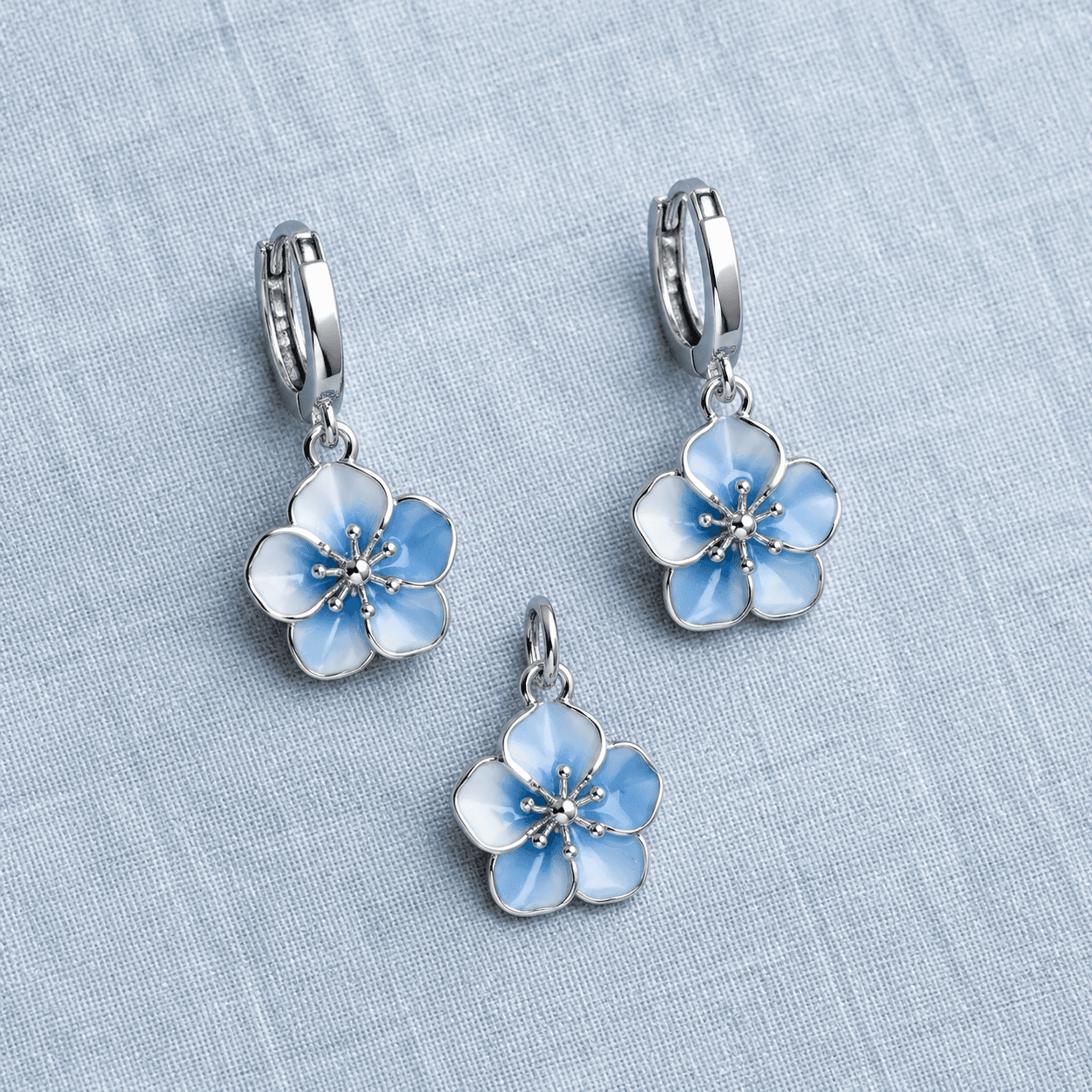
Choosing a supplier for stainless steel custom hard enamel charms is a procurement decision with consequences that extend beyond unit price. Unverified material specifications, inconsistent enamel filling, unclear acceptance criteria, incomplete compliance records, and weak dispute procedures can turn a promising product launch into a costly sourcing problem. For boutique jewelry brands, charm bar retailers, gift companies, and private-label buyers, the objective is not simply to find a factory that can produce an attractive sample. It is to establish a documented, repeatable, and commercially defensible manufacturing relationship.
This advanced supplier risk checklist gives procurement teams a structured process for evaluating technical capability, validating documentation, controlling production changes, and protecting commercial interests before approving bulk orders. Use it during initial screening, sample development, factory assessment, purchase order approval, and ongoing supplier reviews. Each checkpoint should have an owner, supporting evidence, and a recorded approval decision.
Stainless Steel Custom Hard Enamel Charms: Supplier Risk Checklist
Custom hard enamel charms require coordinated control of the base material, design geometry, surface preparation, color filling, finishing, and inspection. A supplier may demonstrate strong design skills but still lack the process discipline needed for consistent repeat orders. Procurement teams should therefore evaluate the complete manufacturing system rather than relying on a polished sample or a general quality statement.
1. Verify the manufacturer's actual production capability
- [ ] Confirm the legal supplier identity. Record the registered business name, manufacturing address, contracting entity, invoice issuer, and payment beneficiary. Investigate discrepancies before transferring deposits.
- [ ] Establish whether manufacturing is performed in-house. Ask which processes are completed at the supplier's facility and which are subcontracted. Document responsibility for cutting, marking, welding where applicable, polishing, enamel filling, finishing, and final inspection.
- [ ] Request process-specific evidence. Review equipment lists, process flow diagrams, inspection records, and examples of production documentation. Equipment availability alone does not prove process capability; ask how the factory controls and verifies each operation.
- [ ] Evaluate engineering support. Confirm that the supplier can review dimensions, attachment geometry, enamel boundaries, surface details, and tolerances before sample approval.
- [ ] Assess capacity against your launch schedule. Request realistic sample and production lead times, available capacity, order scheduling practices, and escalation procedures for delays.
- [ ] Identify subcontracting and continuity risks. Require advance disclosure and written approval for material changes, critical process transfers, or subcontractor changes that could affect quality or compliance.
A qualified stainless steel charms manufacturer should be able to explain how the approved specification is translated into controlled production instructions. Vague assurances such as consistent quality or premium workmanship are not substitutes for measurable controls and records.
2. Verify the 316L stainless steel specification
- [ ] State the required base material explicitly. The specification must identify 316L stainless steel as the charm base material, rather than relying on a generic description such as stainless steel.
- [ ] Request traceable material records. Ask for material declarations, available mill documentation, supplier records, or appropriate test reports linking the material to the supplied production lot.
- [ ] Establish identity verification procedures. Determine which verification methods are appropriate for the material claim and whether independent testing is necessary. Where laboratory analysis is used, confirm that the selected method can distinguish the relevant grade characteristics.
- [ ] Connect records to actual production. Material documents should identify the relevant batch, lot, or traceability reference. A generic certificate without a clear link to the ordered goods provides limited assurance.
- [ ] Document substitution controls. Prohibit unapproved changes to the specified base material. Require written authorization and renewed verification before any approved specification change is implemented.
Material traceability is particularly important when a buyer must substantiate product claims, respond to a compliance inquiry, or investigate a disputed shipment. A supplier's declaration is useful evidence, but it should be evaluated alongside traceability, testing, and contractual requirements.
3. Assess hard enamel process control
- [ ] Define the enamel specification. Record approved color references, filling boundaries, coverage requirements, surface appearance, and acceptable variation.
- [ ] Inspect the interface between enamel and metal. Look for incomplete filling, visible gaps, contamination, uneven boundaries, bubbles, chips, and defects that compromise the intended appearance.
- [ ] Evaluate adhesion and durability. Agree on suitable test methods, acceptance limits, and sampling procedures for the intended product application. Require documented results rather than relying solely on visual inspection.
- [ ] Check design feasibility before tooling. Ask engineering staff to review narrow channels, small color areas, sharp transitions, fine details, and other features that may create filling or finishing challenges.
- [ ] Verify finishing consistency. Inspect polishing, edges, exposed metal surfaces, and any specified PVD or other approved finish against the signed sample and written specification.
- [ ] Establish rework limits. Define which defects permit controlled rework, which require rejection, and who authorizes any disposition that departs from the approved standard.
Hard enamel performance cannot be judged reliably from color appearance alone. Procurement should distinguish cosmetic acceptance from functional durability and require evidence for both where relevant.
Why a Structured Supplier Risk Checklist Matters
Key benefit 1: Better compliance readiness
Market access requirements differ by destination, product classification, intended use, and applicable legislation. Buyers supplying the US, EU, UK, Australia, Canada, and other markets should identify the requirements that apply to their specific products before production approval. Avoid assuming that one report automatically covers every destination or every production change.
- [ ] Map destination-market requirements. Identify applicable chemical restrictions, nickel-release requirements where relevant, labeling obligations, and supporting documentation needed by the importer or retailer.
- [ ] Check report scope and validity. Review the issuing laboratory, test method, tested sample description, report date, and relationship between the tested sample and the ordered product.
- [ ] Record applicable limits and test conditions. Establish what constitutes a pass, which production characteristics the report covers, and whether further testing is needed after changes.
- [ ] Maintain a compliance file. Store specifications, declarations, test reports, approved samples, production references, and corrective-action records in a controlled location.
Lancy Jewelry reports SGS certification or testing coverage for RoHS, REACH, Nickel Release EN1811, and Salt Spray 240H. Procurement teams should request the relevant supporting documents and verify their scope, product applicability, dates, and limitations for each purchasing project. These references should not be treated as a blanket guarantee of compliance for every charm, finish, shipment, or destination.
Key benefit 2: More consistent quality across repeat orders
Approved samples establish a reference, but repeatability depends on controlled processes. A structured checklist makes it easier to identify whether differences originate in material selection, enamel application, polishing, finishing, dimensional control, or final handling.
- [ ] Approve a controlled reference sample. Assign a sample revision, date, SKU or project identifier, and approval owner.
- [ ] Set measurable inspection criteria. Include critical dimensions, appearance, color, attachment geometry, finish, and functional requirements.
- [ ] Require lot-level inspection records. Specify sampling plans, defect classifications, measurement methods, and release authority.
- [ ] Compare repeat orders against the same baseline. Do not allow undocumented changes to become the new standard merely because a later sample looks acceptable.
Key benefit 3: Stronger protection against commercial disputes
Disputes often arise because the buyer and supplier hold different assumptions about what was ordered, which defects are acceptable, or who pays for corrective work. Documented acceptance criteria reduce the scope for conflicting interpretations.
- [ ] Define quality acceptance in writing. Reference approved drawings, sample revisions, tolerances, finish specifications, defect classifications, and agreed inspection procedures.
- [ ] Establish evidence requirements. Specify photographs, inspection measurements, retained samples, lot numbers, and independent testing where appropriate.
- [ ] Agree on notification deadlines. Distinguish visible defects identified at receipt from latent defects that become apparent during subsequent handling or use.
- [ ] Define corrective-action responsibilities. Document investigation, replacement, rework, credit, return logistics, and cost allocation according to the circumstances and contract.
- [ ] Create an escalation path. Identify operational contacts, management escalation, independent technical review, and the agreed dispute-resolution mechanism.
Detailed Supplier Evaluation Guide: From RFQ to Bulk Approval
Stage 1: Build a procurement-ready RFQ
A detailed request for quotation establishes a consistent basis for comparing suppliers and reduces the risk of hidden exclusions. For custom stainless steel charms, the RFQ should describe both the commercial scope and the technical acceptance requirements.
- [ ] Provide the design package. Include dimensioned drawings, reference images created or authorized by your business, required attachment geometry, color specifications, finish requirements, and packaging details.
- [ ] Identify the base material and finish separately. Specify 316L stainless steel for the base and state the required enamel and any PVD, gold plated, rose gold plating, or silver finish treatment where applicable.
- [ ] Request a complete cost breakdown. Separate sample charges, tooling or setup costs, unit pricing, packaging, testing, freight assumptions, and any other applicable charges.
- [ ] Compare MOQ and price tiers. Obtain pricing at commercially relevant quantities and establish whether MOQ applies per design, color, finish, packaging configuration, or combined order.
- [ ] Require a documented timeline. Ask for design review, sample development, sample revision, production, inspection, and dispatch milestones.
- [ ] Ask for exceptions explicitly. Require the supplier to identify any requested specification that cannot be met, needs further validation, or depends on an unapproved assumption.
For buyers evaluating an OEM charms manufacturer, a standardized RFQ enables an evidence-based comparison of capability, risk, and total procurement cost rather than a decision based on the lowest quoted unit price alone.
Stage 2: Audit the sample development process
- [ ] Confirm design ownership and revision control. Assign unique identifiers to drawings, artwork, color references, and approved samples.
- [ ] Inspect the physical sample against the specification. Check dimensions, overall silhouette, enamel coverage, finish consistency, edge quality, and attachment security.
- [ ] Evaluate functional details. Confirm that any bail or jump ring passes through the intended hole or loop, closes properly where applicable, and does not create avoidable stress or interference.
- [ ] Request a pre-production sample. Ensure the sample reflects the intended production process and material specification, not merely a manually finished demonstration piece.
- [ ] Record all corrections. Document each defect, requested adjustment, responsible party, target completion date, and verification result.
- [ ] Obtain written approval before mass production. No verbal approval or untracked message should override the controlled specification without an authorized record.
Low MOQ support can be valuable for boutique launches and assortment testing, but a smaller order must not weaken inspection requirements, traceability, or change control. Confirm how the supplier maintains process consistency when designs and production volumes vary.
Stage 3: Verify the quality management evidence
- [ ] Review incoming material controls. Ask how the supplier checks material identity, incoming documentation, and lot references before production begins.
- [ ] Examine in-process inspection points. Confirm that critical operations have defined checks and documented reactions when results fall outside specifications.
- [ ] Review final inspection records. Ensure the inspection report identifies the order, SKU or design, production lot, sample size, defects, test results, and release decision.
- [ ] Assess measurement capability. Check whether the inspection tools are suitable for the tolerances specified and whether calibration or verification records are maintained where necessary.
- [ ] Review nonconformance handling. Ask for a redacted example showing containment, root-cause analysis, corrective action, and effectiveness verification.
- [ ] Test traceability through a sample record. Select a finished product and ask the supplier to demonstrate how its production and inspection history can be retrieved.
A practical audit should test the system in operation. Request evidence that links a specific production lot to its material records, process checks, final inspection, and release decision. This approach provides stronger assurance than reviewing a generic quality manual alone.
Stage 4: Protect the production order contractually
- [ ] Specify the governing documents. List the purchase order, approved drawings, sample record, quality agreement, packaging specification, and applicable compliance requirements in a clear order of precedence.
- [ ] Establish payment milestones. Tie payments to agreed commercial events and documented deliverables where appropriate. Define deposit conditions, final payment requirements, and any permitted holdback.
- [ ] Prohibit unauthorized deviations. Require written buyer approval before changes to base material, enamel colors, dimensions, finishing, critical processes, packaging, or approved subcontractors.
- [ ] Define delivery obligations. State the required ship date or delivery window, responsibility for freight arrangements, packaging standards, and notification requirements for anticipated delays.
- [ ] Address nonconforming goods. Establish inspection windows, evidence standards, response deadlines, remedy options, and responsibility for reasonable costs associated with confirmed nonconformance.
- [ ] Protect confidential information. Define ownership and permitted use of drawings, original artwork, tooling arrangements, technical files, and other confidential project information.
- [ ] Define termination and dispute procedures. Specify escalation contacts, governing law, dispute forum or agreed alternative procedure, and handling of unfinished work and confidential materials after termination.
Contract provisions should be proportionate to order value, product risk, and the buyer's legal obligations. Have qualified counsel review material commercial terms, particularly for cross-border transactions, intellectual property ownership, liability allocation, and enforceability.
Stage 5: Control bulk production and shipment release
- [ ] Confirm pre-production readiness. Verify that the approved sample, specification, packaging artwork, and compliance file are complete before the production order is released.
- [ ] Require notification of critical deviations. Changes to materials, processes, production location, or specifications must trigger review before affected goods proceed.
- [ ] Use risk-based inspection. Set inspection frequency and sampling intensity according to defect severity, historical performance, order value, and applicable requirements.
- [ ] Apply defined acceptance rules. Use an agreed sampling plan or inspection protocol. Do not treat a sample inspection as proof that every unit is defect-free.
- [ ] Verify shipment documentation. Match quantities, SKU references, carton details, inspection records, and applicable compliance documents to the purchase order.
- [ ] Retain reference evidence. Keep approved samples, shipment photographs, inspection results, and traceability records for the period required by your business and applicable obligations.
Shipment release should be an explicit decision supported by evidence. Where a serious defect, unresolved material question, or missing mandatory document remains, escalate the issue rather than allowing delivery pressure to replace the acceptance process.
Stage 6: Manage defects and resolve disputes systematically
When a shipment fails inspection, speed and evidence discipline are critical. An uncontrolled response can destroy traceability, increase costs, and make the cause harder to establish.
- [ ] Contain the affected stock. Separate the disputed lot and prevent unapproved distribution until the risk is assessed.
- [ ] Record the issue precisely. Capture purchase order references, batch information, defect quantities, photographs, measurements, and the relevant acceptance criterion.
- [ ] Notify the supplier within the agreed period. Provide a concise written description, supporting evidence, requested response date, and immediate containment expectations.
- [ ] Require a root-cause investigation. Ask the supplier to distinguish the immediate defect from the underlying process failure and identify why existing controls did not detect it.
- [ ] Agree on a corrective-action plan. Define containment, corrective action, preventive action, owners, deadlines, verification criteria, and treatment of affected inventory.
- [ ] Verify effectiveness. Require evidence that the corrective action works, including additional inspection or a controlled follow-up lot where warranted.
- [ ] Escalate unresolved claims. Follow the contractual procedure for independent testing, expert review, commercial settlement, or formal dispute resolution.
Corrective action should address the process failure, not just the individual shipment. Repeated enamel defects, recurring dimensional variation, or missing documentation indicate systemic risk and should influence future supplier approval, inspection intensity, and sourcing allocation.
Stage 7: Monitor supplier performance after approval
- [ ] Track on-time delivery. Compare actual performance with confirmed production and dispatch commitments.
- [ ] Measure defect trends. Track defect rates by type, SKU, production lot, and corrective-action status.
- [ ] Monitor document completeness. Record missing, expired, inconsistent, or insufficiently scoped compliance and inspection records.
- [ ] Review change-control discipline. Record unauthorized changes, late notifications, and repeated specification misunderstandings.
- [ ] Reassess supplier risk periodically. Increase oversight after serious defects, ownership changes, production transfers, compliance concerns, or repeated delivery failures.
- [ ] Maintain a backup and recovery plan. Preserve controlled technical records and define practical steps for recovering project information or qualifying another source if continuity is threatened.
Supplier Risk Scoring: Turn Evidence into an Approval Decision
A scoring framework helps procurement teams apply consistent standards across prospective suppliers. Rate each category from 1 to 5, where 1 represents inadequate evidence or unacceptable control and 5 represents verified, consistently implemented controls. Multiply each rating by its assigned weight divided by five to calculate the weighted score.
| Assessment category | Weight | Evidence to examine |
|---|---|---|
| Material identity and traceability | 20% | 316L documentation, lot linkage, substitution controls |
| Enamel and finishing quality | 20% | Approved samples, inspection criteria, durability evidence |
| Compliance documentation | 20% | Applicable reports, scope, dates, product traceability |
| Process control and traceability | 15% | In-process checks, lot records, nonconformance procedures |
| Contractual and dispute protection | 15% | Acceptance terms, remedies, escalation, confidentiality |
| Delivery and communication | 10% | Capacity evidence, schedule performance, escalation response |
Use the resulting score as a screening tool, not as a substitute for professional judgment. For example, an internal policy may classify scores of 85–100 as preferred, 70–84 as conditionally acceptable, and below 70 as requiring remediation or rejection. These thresholds are illustrative and should be calibrated to your organization's risk tolerance.
Apply mandatory gates independently of the numerical result. Unverified base material, unresolved serious safety or compliance concerns, falsified records, refusal to disclose critical subcontracting, or an inability to establish acceptable contractual remedies should prevent approval until the issue is resolved. A high score in delivery or communication must never compensate for a critical compliance failure.
Frequently Asked Questions
What documents should buyers request from a custom hard enamel charms supplier?
Request a detailed quotation, material specification and supporting traceability records, dimensioned drawings, approved sample records, finish and enamel specifications, relevant test reports, inspection criteria, production inspection records, packaging specifications, and written commercial terms. The exact document set depends on the product, destination market, and contractual requirements.
How can procurement teams verify that charms use 316L stainless steel?
Specify 316L stainless steel in the purchase documentation, request traceable material records, and evaluate whether independent material verification is warranted. Ensure the evidence relates to the actual production lot. Do not rely solely on appearance, a generic supplier declaration, or documentation that cannot be linked to the ordered goods.
What should buyers check before approving enamel charm samples?
Compare the sample with the controlled design and finish specification. Examine dimensions, enamel coverage, color consistency, filling boundaries, surface finish, edges, attachment geometry, and functional durability where relevant. Record defects and revisions, then approve a representative pre-production sample in writing before bulk manufacturing begins.
How can buyers reduce disputes over defective bulk orders?
Define acceptance criteria before production, establish inspection and notification procedures, retain traceable evidence, and document remedies for nonconforming goods. Agree on a corrective-action process and an escalation mechanism before a dispute occurs. When a claim is contested, use the agreed evidence requirements and independent technical review where appropriate.
Partner With Lancy Jewelry for Controlled OEM/ODM Production
Supplier qualification should create a reliable operating framework, not simply add paperwork to procurement. Lancy Jewelry supports B2B buyers seeking 316L stainless steel charms through OEM/ODM development, logo engraving, PVD plating, enamel color filling, crystal setting, private-label packaging, and sample support. Its manufacturing capabilities include CNC processing, laser cutting, laser marking, welding, and polishing.
For boutique brands, charm bar retailers, gift companies, and private-label buyers, the practical priority is to align design requirements, production feasibility, inspection criteria, documentation, and commercial terms before committing to volume. Lancy's SGS-related documentation covering RoHS, REACH, Nickel Release EN1811, and Salt Spray 240H can be reviewed for relevance to your particular project and destination market.
Use these resources to begin your supplier assessment:
- Explore OEM/ODM manufacturing services to discuss custom development and production requirements.
- Review the product catalog to assess available charm categories and design directions.
- Submit an RFQ and request a quotation with your target specifications, estimated quantities, and schedule.
- Contact Lancy Jewelry to discuss documentation, sample development, MOQ, and project-specific quality controls.
Before issuing a purchase order, prepare a complete specification package and identify the evidence required for approval. Request sample development, confirm the relevant compliance documents, agree on measurable acceptance criteria, and document dispute remedies in writing. A disciplined qualification process gives your procurement team greater control over quality, cost, delivery, and long-term supplier performance.