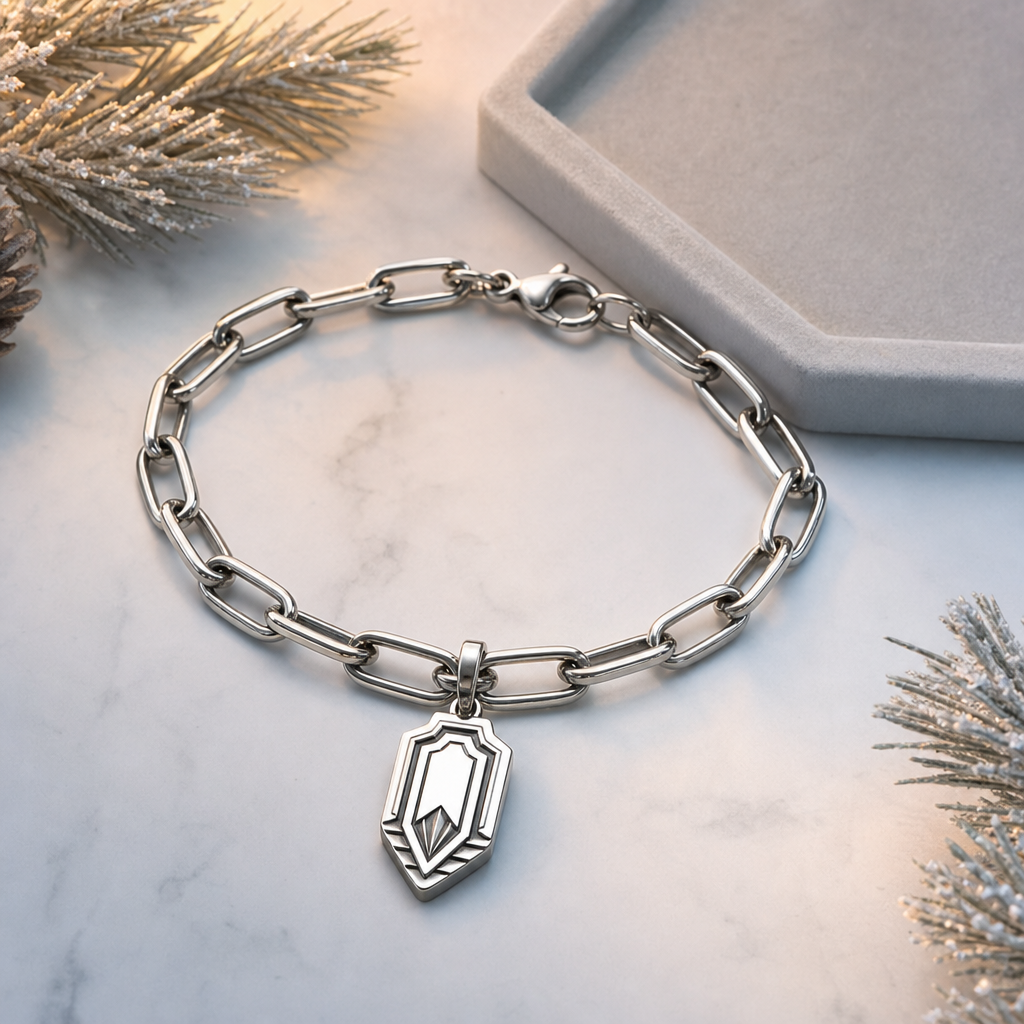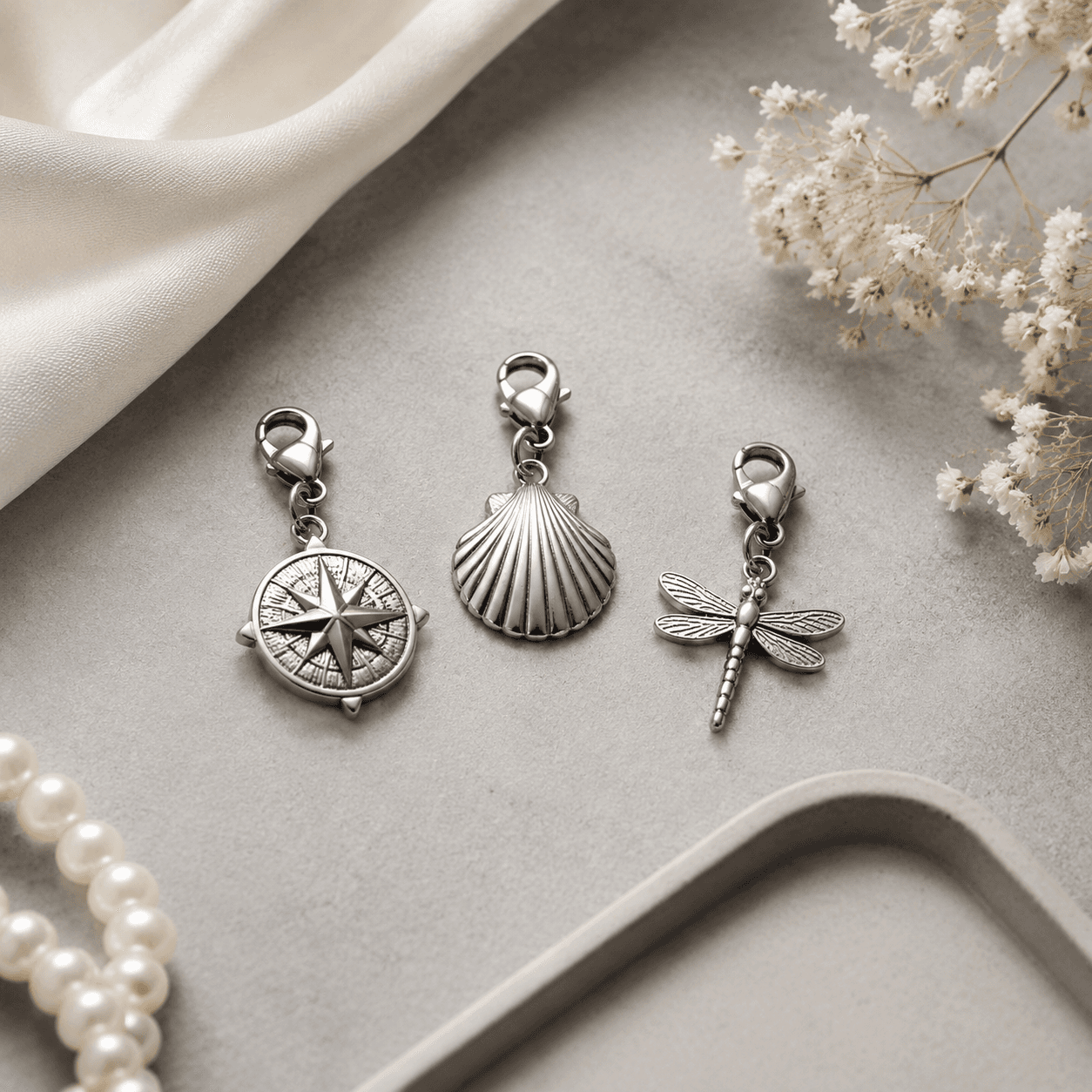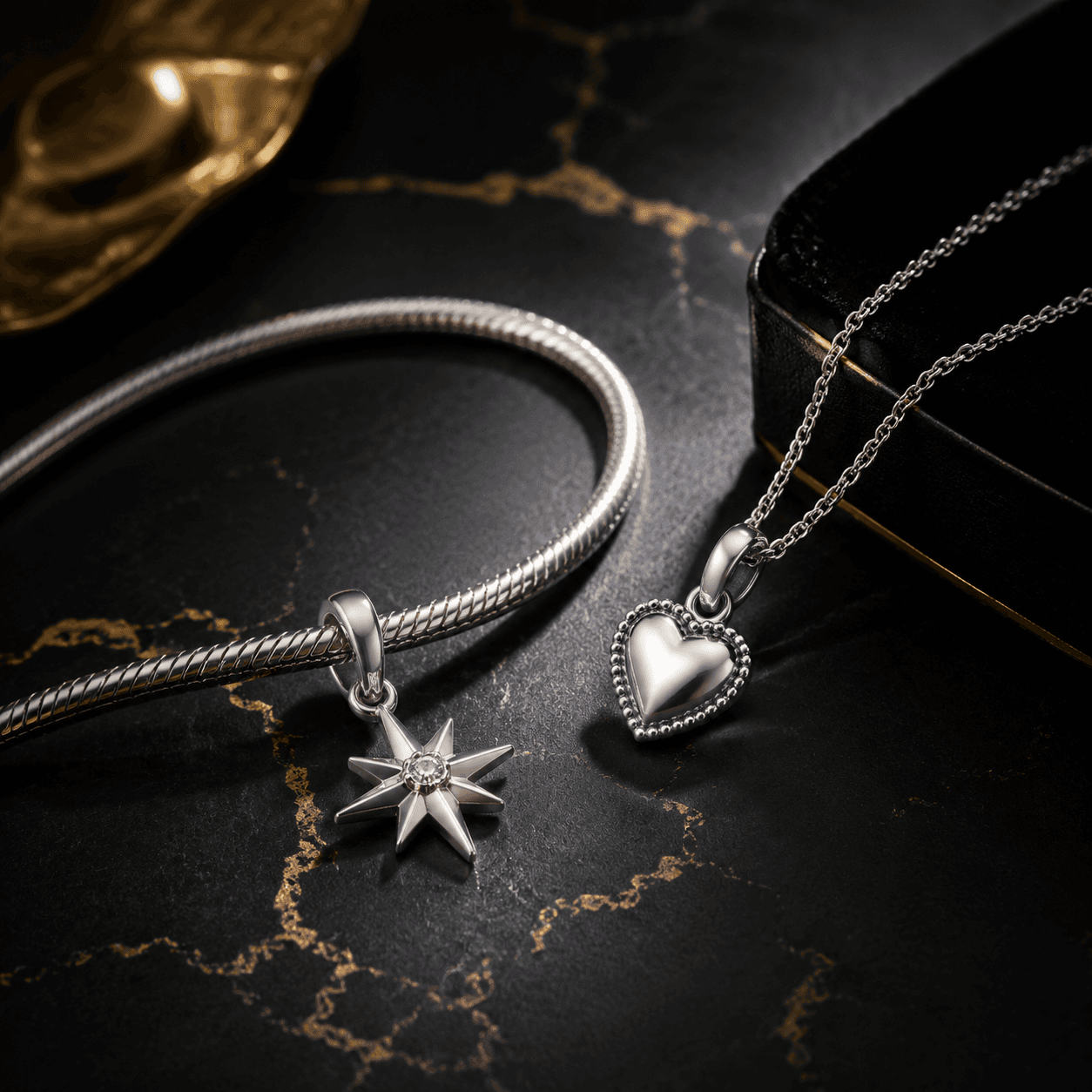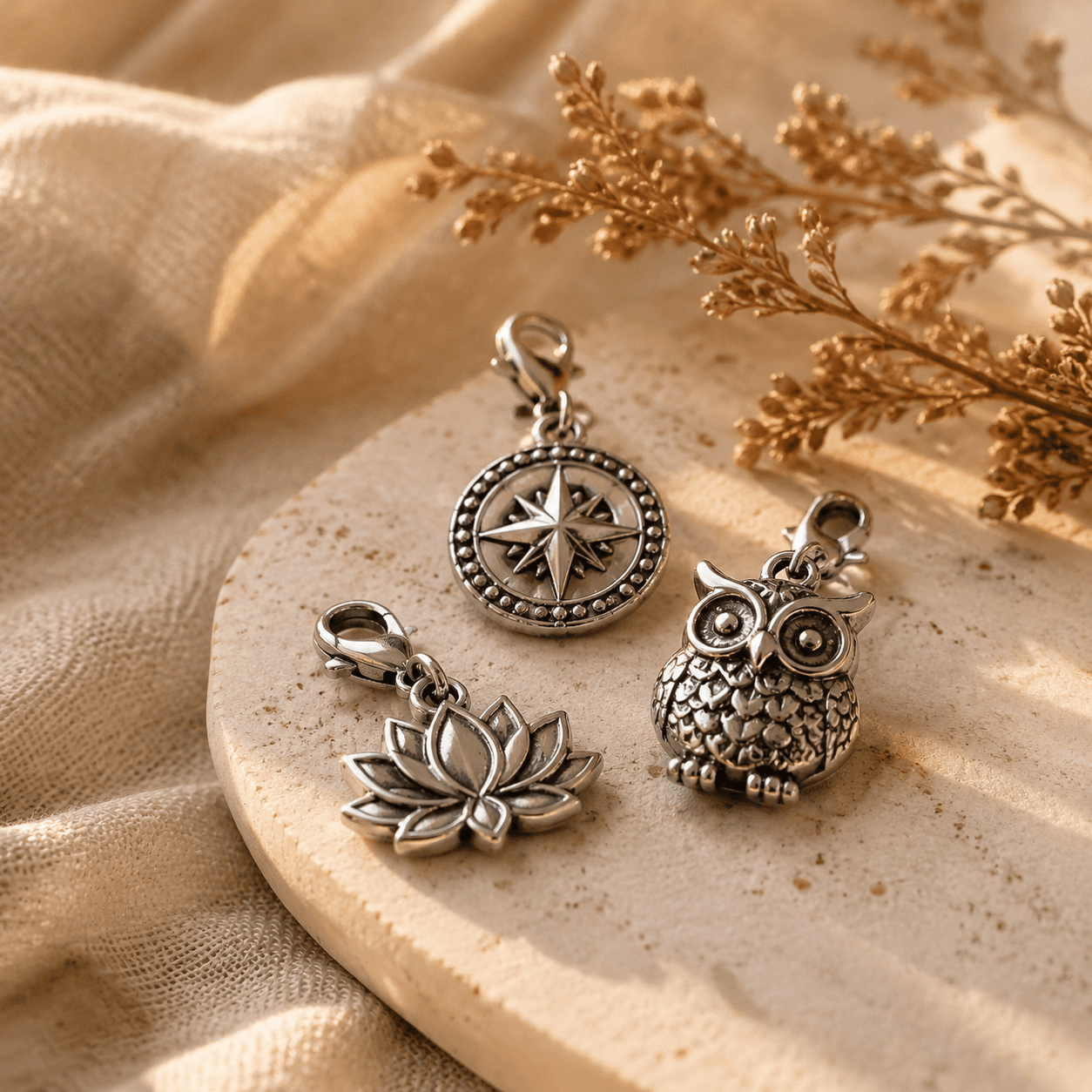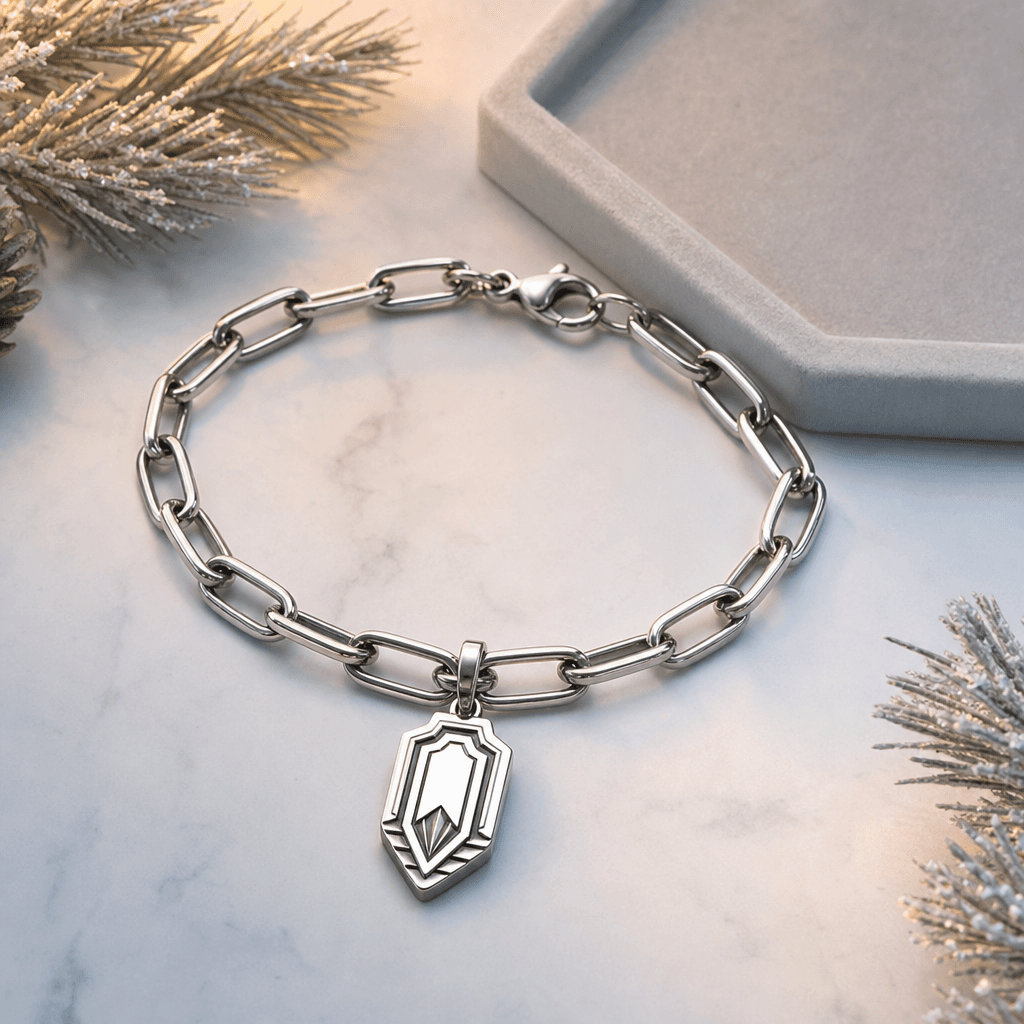
Wholesale charm programs live or die by documentation and repeatable material safety. When procurement teams standardize compliance from day one, you reduce chargebacks, product holds, and audit friction—while keeping your charm bar and gift accessories ready for market. This guide gives you a practical, buyer-first checklist to evaluate suppliers of 316L stainless steel charms for global requirements, focusing on RoHS, REACH, SGS testing, and nickel release safety.
Stainless steel jewelry charms wholesale compliance guide for sourcing teams
Before you shortlist suppliers: align on what “compliant” means
Hunt for evidence, not promises
Why it matters: compliance reduces risk in bulk charm orders
Key benefits procurement teams can measure
What certifications to prioritize (and what to ask for)
For Lancy Jewelry’s factory-directed OEM/ODM programs, compliance documentation is built around the testing and reporting you need for vendor vetting: SGS certified results for RoHS, REACH, Nickel Release EN1811, and Salt Spray 240H. Use this guide to translate those certificates into procurement-grade checkpoints.
Detailed compliance analysis: checklist steps from RFQ to bulk production
Step 1: Build your requirement spec into the RFQ
Step 2: Evaluate the supplier’s material and process controls
Step 3: Validate RoHS and REACH documentation for finished products
Step 4: Nickel release due diligence (where procurement should be strict)
Step 5: Confirm QC sampling and sample development workflow
Step 6: Audit readiness for wholesale procurement teams
FAQ: stainless steel charms wholesale compliance questions procurement teams ask
1) Do I need compliance testing for every finish like PVD gold plated and enamel?
Yes—procurement should request finish-relevant documentation. Nickel release and substance reporting can depend on the finished surface and the finishing process. For finished 316L stainless steel charms, ask that RoHS, REACH, and nickel release reporting match the exact finish (including PVD gold plated stainless steel charms and enamel/crystal inlay where applicable).
2) What should I check in SGS reports before approving a wholesale supplier?
Confirm report dates, test scope, and that the report maps to your SKU/finish. Look for evidence that the testing applies to the actual product configuration you will buy—then ensure your internal file includes both the certificate and the underlying lab report references.
3) How do low MOQ charm production programs affect compliance verification?
Low MOQ can speed up compliance validation because you can test the exact finished product configuration with documentation before scaling. Use sample development as a compliance gate: require the compliance pack before approving bulk charm orders.
4) When should a supplier redo compliance testing?
Require a clear change-control trigger list. Common triggers include changes to plating chemistry, enamel color formulations, decoration methods (crystal setting steps), or any process parameter that affects surface behavior. If your supplier can’t define triggers, you should require additional sampling and updated documentation.
Partner with us: build a compliance-ready wholesale charm program
If your team needs a stainless steel charms manufacturer that supports documentation-driven procurement, Lancy Jewelry is set up for OEM/ODM sourcing with structured compliance support. We manufacture 316L stainless steel charms with plating, enamel, and crystal inlay options, and we provide SGS certified documentation aligned to RoHS, REACH, nickel release, and corrosion testing.
Next step: Use our OEM/ODM workflow to confirm finishes, request sample development, and submit your RFQ details through the quote inquiry. If you’re planning bulk orders for boutique jewelry brands, charm bar accessories, gift programs, or private label charms, we’ll help you move forward with documentation you can audit.
Explore OEM Service | Request a Quote (RFQ) | Contact Sales