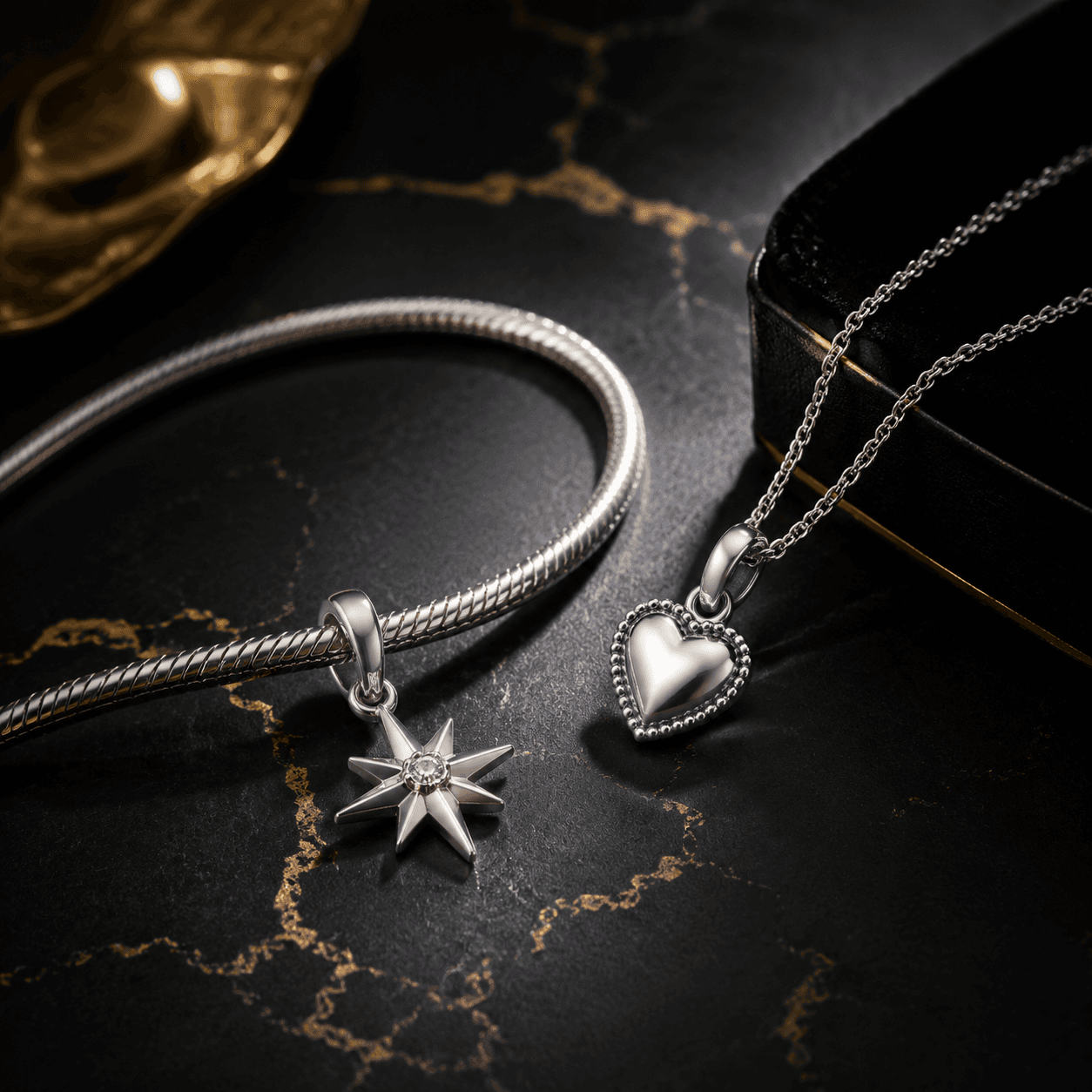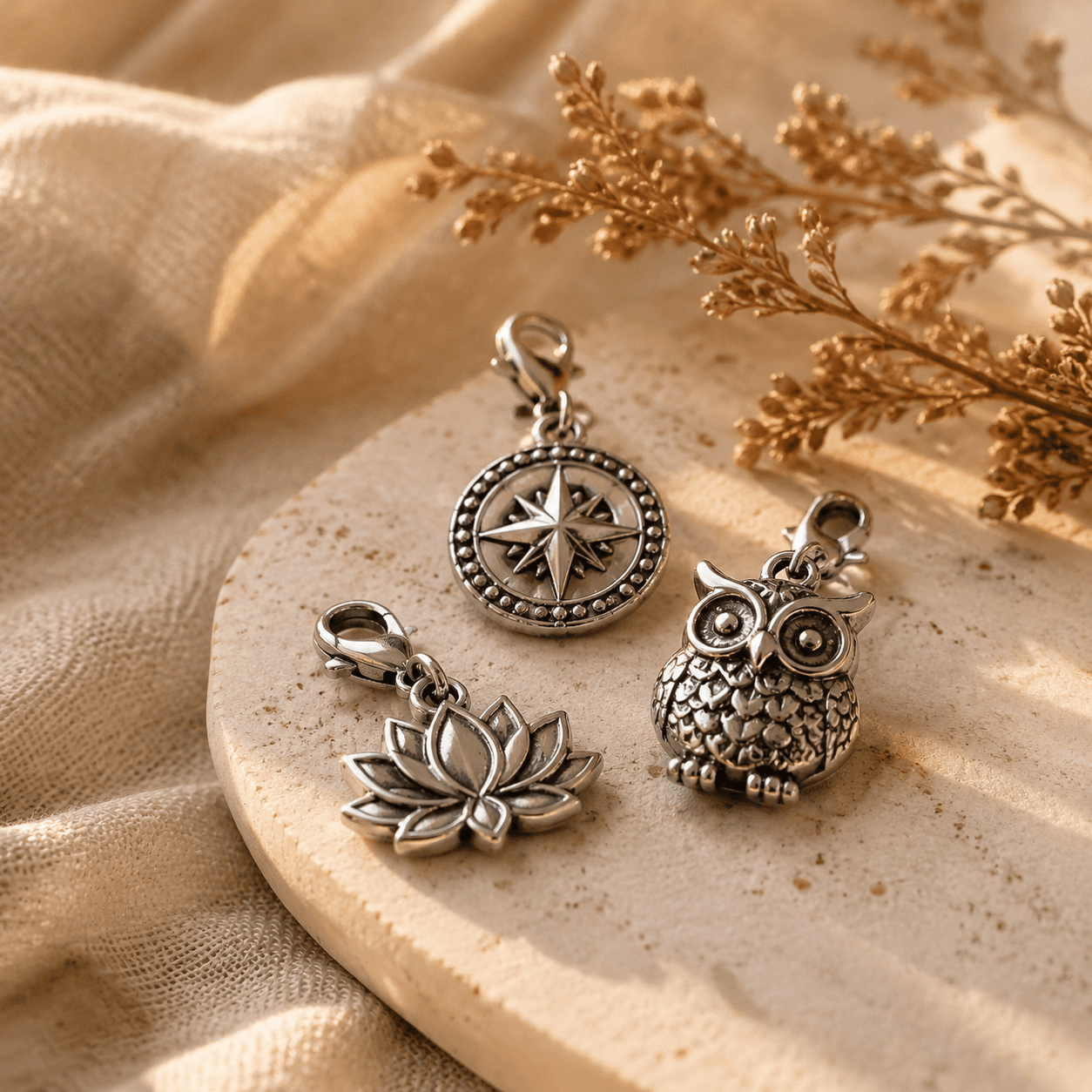
Wholesale buyers don’t get failed compliance—until the audit. When you source stainless steel charms wholesale, the real risk isn’t only product aesthetics; it’s regulatory exposure, documentation gaps, and inconsistent testing interpretations across markets. This guide is a procurement-first checklist built for vendor vetting, audit readiness, and long-term durability.
Stainless Steel Charms Wholesale Checklist: RoHS, REACH & Nickel Release Compliance
Start with the sourcing baseline (what to confirm before any bulk orders)
Compliance evidence you should request (procurement-ready documentation)
Benefits/Why it matters: compliance reduces audit friction and protects your margin
Key benefits for procurement teams (audit, safety, durability)
- Audit readiness with fewer back-and-forth cycles: When you request the right evidence up front, you reduce the likelihood of corrective actions during compliance reviews.
- Lower regulatory exposure: RoHS and REACH documentation, plus nickel release testing, help procurement teams defend sourcing decisions with structured evidence.
- Durability you can explain: Salt spray performance supports claims about corrosion resistance for coated surfaces and finished aesthetics over time.
- Consistent vendor performance across regions: Global buyers need repeatable processes, stable test results, and a documentation trail that travels across US/EU/UK/AU/CA and beyond.
- Better internal alignment: Procurement, QA, and product teams share the same acceptance criteria—less chance of late-stage disputes over finish quality vs. compliance.
At Lancy Jewelry, our modern facility uses CNC, laser cutting, laser marking, welding, and polishing to support stable production. We support documentation through SGS certified compliance testing, including RoHS, REACH, nickel release aligned to EN1811, and salt spray performance (240H). This is the type of evidence procurement teams should standardize across all charm SKUs.
Detailed analysis/Guide: how to vet vendors for wholesale charm programs
Step 1: Map compliance requirements to product reality
Start by translating regulatory and safety goals into practical checks:
- Material verification: Confirm the charm base is 316L stainless steel—not mixed base materials—because base composition is foundational to nickel release expectations and long-term stability.
- Finish and process coverage: If you’re sourcing PVD plated charms, enamel-filled designs, or crystal inlay, ensure compliance documentation addresses the full system where relevant.
- Contact assumptions: Charms are worn close to skin. Treat testing and safety documentation as if the buyer expects direct skin contact conditions.
Step 2: Demand a compliance pack tied to the SKU series
Procurement audits fail when evidence is generic. Require:
- Test report identifiers that correspond to the production timeframe or series.
- Clear scope for what was tested (nickel release and relevant restricted substances) and for which finished condition.
- Third-party evidence where your compliance policy requires it (e.g., SGS-certified test documentation).
Step 3: Interpret nickel release evidence like an auditor
Nickel release is where many wholesale programs face risk. Your job is to check that the vendor can:
- Provide nickel release results aligned to the standard your policy references (e.g., EN1811 as supported by SGS test scope).
- Explain consistency controls across batches, especially after plating cycles, polishing steps, and finishing changes.
- Support re-test triggers (new plating supplier, altered process parameters, changed materials, or design revisions that affect surface behavior).
Step 4: Use durability testing as a compliance signal (not just a quality claim)
Corrosion resistance relates directly to finish integrity over time, which can affect both appearance and performance. When reviewing vendor documentation:
- Review salt spray testing data (e.g., 240H) to assess stability for plated and finished charms under simulated corrosive conditions.
- Confirm finish integrity inspections during incoming QC: no cracking, no abnormal discoloration, and stable surface coverage.
- Align test expectations to real buyer scenarios: charm bars, gift accessories, and frequent handling require reliable surface endurance.
Step 5: Lock procurement controls for low MOQ and private-label programs
Many charm programs start small. Your compliance approach should still be strict:
- Define MOQ expectations and ensure compliance evidence is available even during early sample development.
- Require custom logo charms documentation for engraving/marking processes, confirming they don’t introduce compliance gaps.
- Use sample development as your risk-reduction phase: approve compliance pack and final appearance standards before scaling to bulk charm orders.
As an OEM charms manufacturer and ODM charm supplier, Lancy supports private label packaging and factory-direct development so procurement teams can standardize vendor onboarding across multiple product categories.
FAQ: RoHS, REACH & nickel release for wholesale stainless steel charms
1) What compliance documents should we request for stainless steel charms wholesale?
Request RoHS and REACH documentation and third-party test reports covering nickel release (including relevant standards such as EN1811 when applicable). Also request performance evidence for durability such as salt spray testing (e.g., 240H) if your audit expects corrosion resistance support.
2) Do RoHS and REACH apply only to the charm base material?
They apply to restricted substances within the product system. For wholesale programs, procurement should confirm the evidence scope covers the charm as produced, including finishes such as PVD, enamel-filled areas, and any process steps that could affect compliance interpretation.
3) How do we verify nickel release safety during vendor onboarding?
Ask for SGS-backed nickel release test documentation tied to the finished condition of the charm series. Then define a re-test trigger policy for process or materials changes so your compliance position remains stable as you scale.
4) What’s the procurement best practice for scaling from samples to bulk orders?
Use sample development to lock both compliance evidence and QC acceptance criteria (finish integrity, plating consistency, and durability expectations). Once approved, formalize bulk production batch traceability and confirm the documentation pack remains consistent for scaled output.
Partner With Us: make compliance and production predictable
If your procurement team needs a reliable stainless steel charms manufacturer for global wholesale programs, Lancy can support vendor vetting with structured documentation and stable production controls for 316L stainless steel charms. We offer OEM/ODM development, custom logo charms, PVD plated stainless steel charms, enamel and crystal inlay options, and private-label packaging to streamline your audits and speed up scaling.
Next step: Send your RFQ details (series concept, charm sizes, finish requirements, and target quantity). Our team can support sample development and provide the compliance pack your procurement process requires.
OEM Service | Request a Quote | Contact