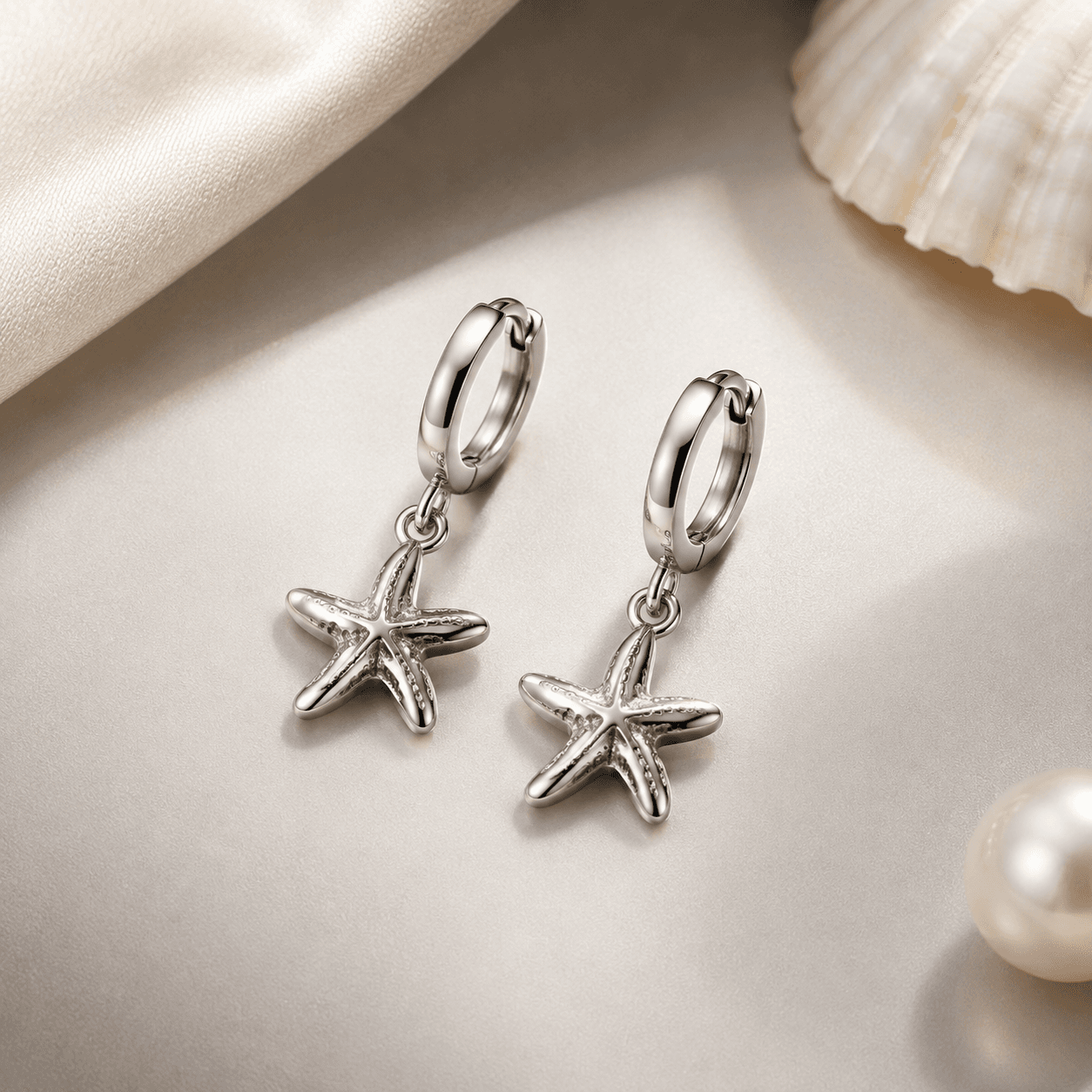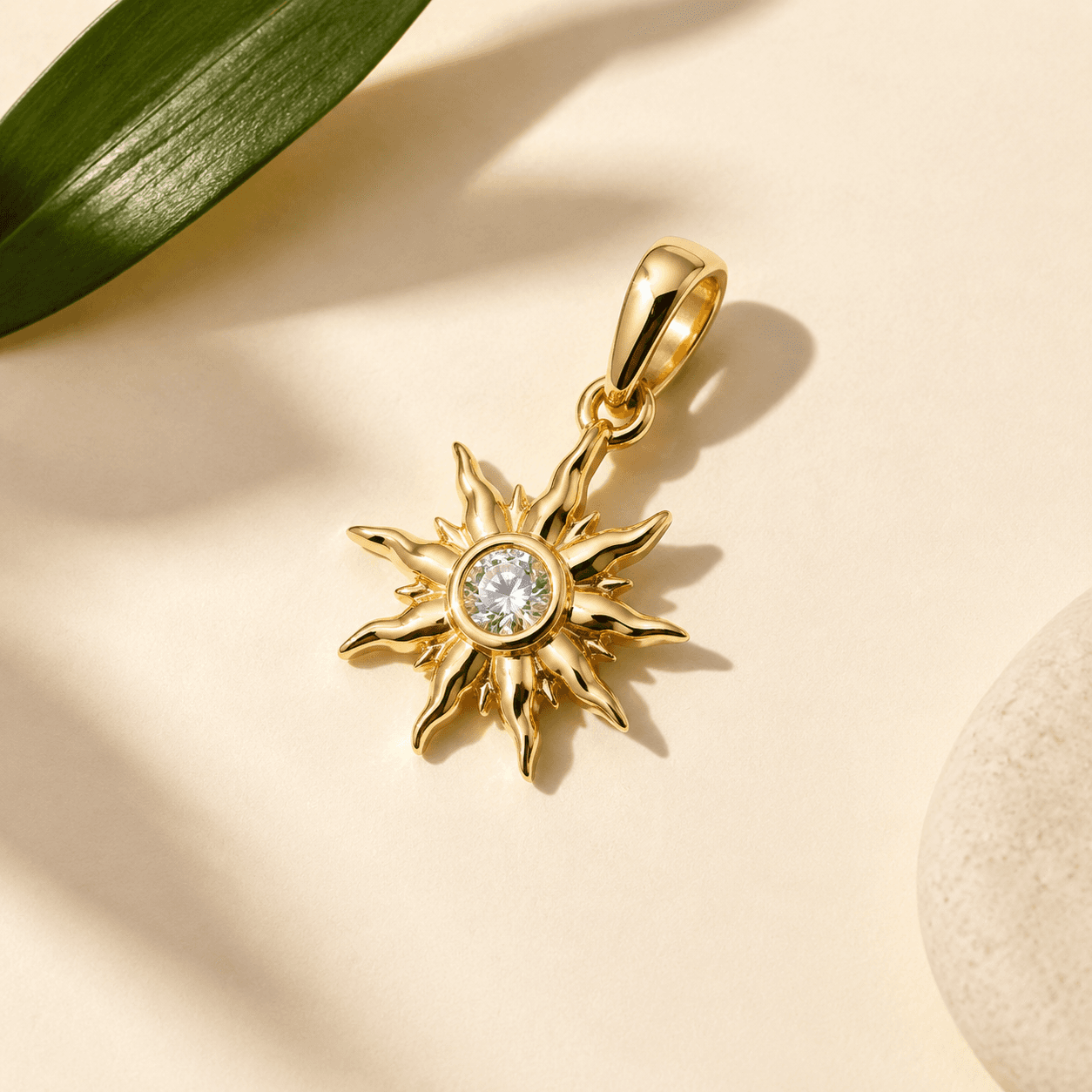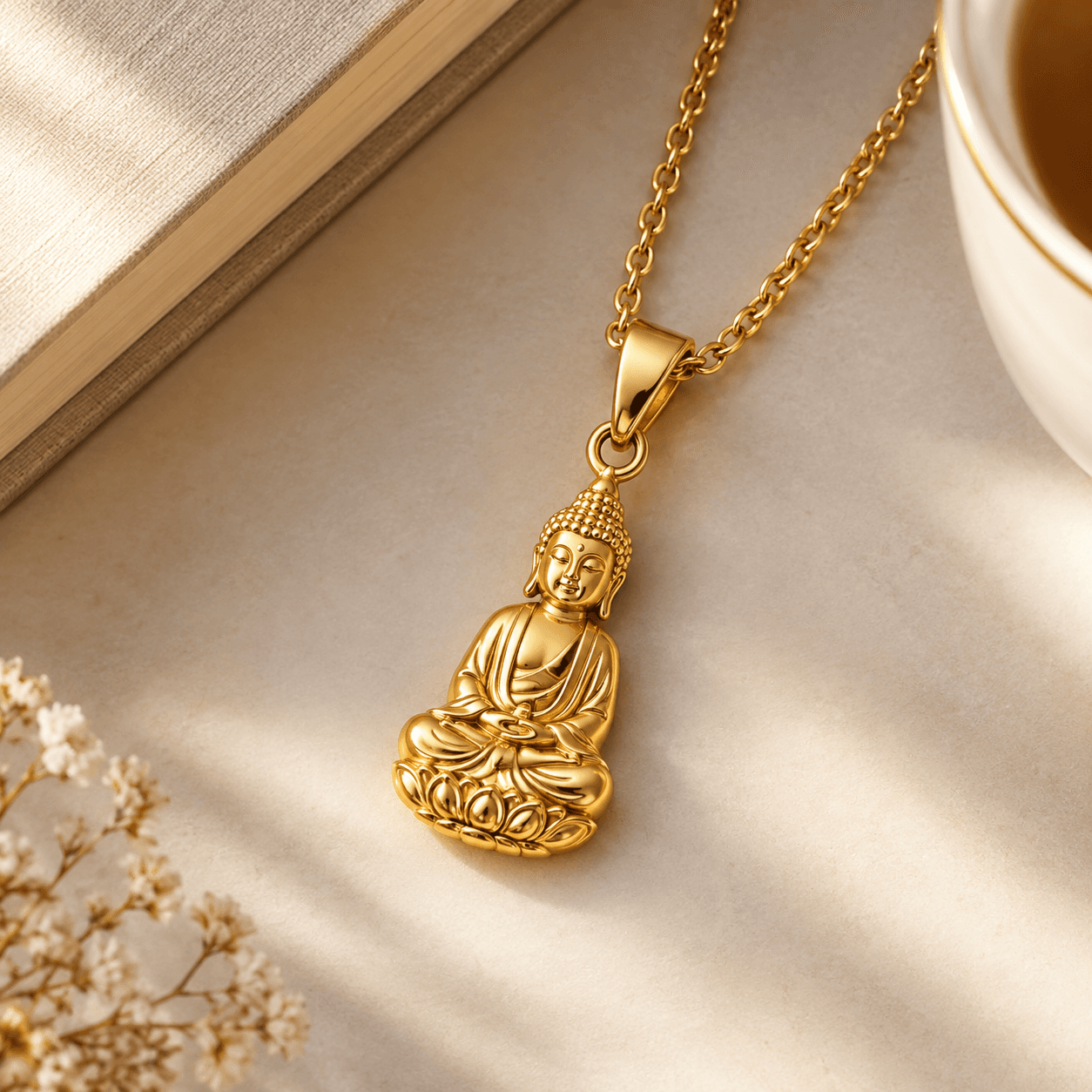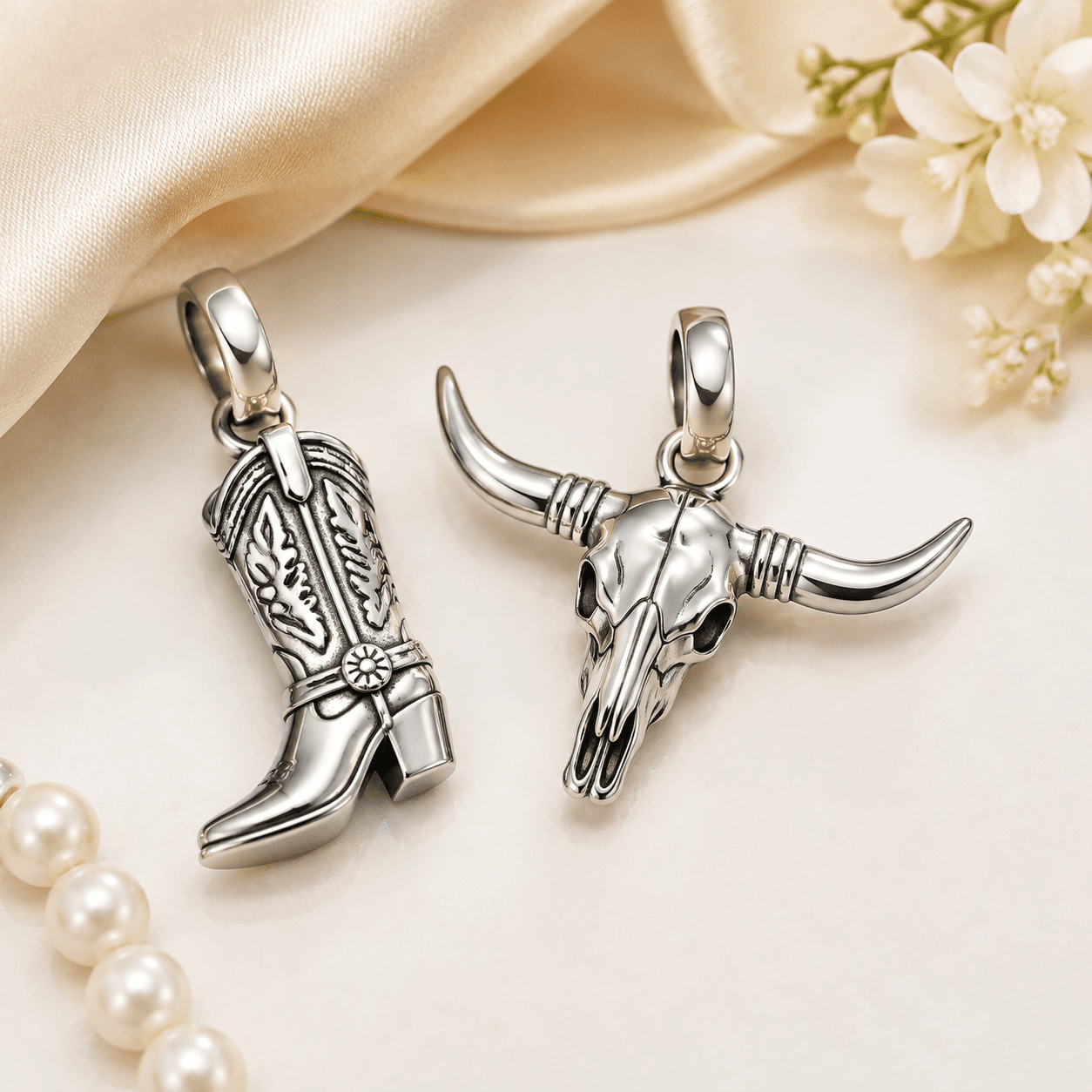
Stainless steel western charm jewelry wholesale offers boutique owners a way to build curated collections with strong storytelling, dependable quality, and flexible assortment planning. Choosing the right supplier is not only about product selection; it also requires evaluating manufacturing capability, communication processes, customization support, and long-term partnership potential.
For buyers developing western-themed accessory collections, a reliable supplier can help transform creative ideas into production-ready charm programs. This guide provides a practical checklist for reviewing suppliers, managing discussions, and creating a scalable sourcing strategy.
Stainless steel western charm jewelry wholesale: Supplier Guide
Checklist: Define your collection direction before supplier discussions
☐ Identify your customer story. Western themes can include outdoor lifestyles, symbolic elements, nature details, and personal expressions. A clear collection story helps suppliers understand the intended market position and recommend suitable designs.
☐ Plan your assortment structure. Decide whether your collection requires individual jewelry charms, coordinated seasonal releases, gift accessories, or charm bar accessories. A structured assortment improves communication and supports efficient development.
☐ Prepare reference details. Provide design sketches, size preferences, finish expectations, packaging requirements, and target quantities. Clear information allows suppliers to evaluate production requirements more accurately.
☐ Review supplier specialization. A qualified stainless steel charms manufacturer should demonstrate experience with 316L stainless steel production, surface finishing, quality control, and custom development processes.
Checklist: Confirm manufacturing capabilities
☐ Verify production equipment. Lancy Jewelry operates with manufacturing processes including CNC machining, laser cutting, laser marking, welding, and polishing to support detailed charm development.
☐ Review customization services. Professional OEM charms manufacturer support should include design communication, logo engraving, sample development, finishing selection, and packaging solutions for private label programs.
☐ Evaluate material consistency. Boutique buyers should confirm that the supplier uses 316L stainless steel charms as the production base and maintains stable standards across repeated orders.
☐ Check finishing options. PVD plated stainless steel charms, enamel details, crystal inlay, gold plated surfaces, silver finish options, and rose gold plating can help create different collection directions while maintaining a consistent product foundation.
Why Choosing the Right Supplier Matters
Key benefits of a structured supplier relationship
A strong supplier relationship supports better product planning, smoother communication, and more predictable production results. For boutique owners, the supplier becomes an important partner in developing collections that match customer expectations.
☐ Improve product consistency. Working with a specialized ODM charm supplier helps buyers maintain stable dimensions, finishes, and quality standards across multiple product releases.
☐ Reduce development risks. Experienced suppliers can identify production challenges early, provide realistic recommendations, and support efficient sample development before bulk production begins.
☐ Build a flexible purchasing strategy. Low MOQ support allows smaller brands and growing retailers to test collections while planning future expansion.
☐ Support quality requirements. Lancy Jewelry production is supported by SGS certification testing, including RoHS, REACH, Nickel Release EN1811, and Salt Spray 240H requirements, helping buyers review important quality considerations for international markets.
Benefits of working with a 316L stainless steel specialist
Specialized knowledge of stainless steel production helps suppliers manage detailed charm structures, surface treatments, and finishing processes. Lancy Jewelry focuses on 316L stainless steel charms for boutique brands, distributors, and private-label buyers seeking reliable production support.
The combination of OEM, ODM, and manufacturing experience allows buyers to discuss new concepts, seasonal collections, and customized programs with a factory-direct partner.
Supplier Evaluation Guide: Step-by-Step Checklist
Step 1: Review supplier communication quality
☐ Measure response clarity. A professional supplier should answer questions about materials, production methods, timelines, and customization options with practical details.
☐ Discuss development workflow. Ask how the supplier manages drawings, samples, revisions, approvals, and production confirmation.
☐ Confirm project ownership. Good supplier relationships depend on clear communication channels and responsible follow-up throughout the order process.
Step 2: Evaluate product development support
☐ Request sample information. Sample development allows buyers to review design accuracy, finishing quality, and overall product presentation before larger commitments.
☐ Discuss design flexibility. ODM services can help buyers develop exclusive collections based on market needs, seasonal themes, or customer preferences.
☐ Review technical details. Confirm dimensions, attachment points, engraving areas, enamel application, crystal inlay placement, and packaging requirements.
Step 3: Understand ordering and production processes
☐ Confirm MOQ requirements. A transparent MOQ policy helps buyers plan inventory investment and collection launches more effectively.
☐ Discuss bulk orders. Reliable suppliers should explain production schedules, inspection procedures, packaging methods, and shipping preparation.
☐ Request RFQ support. A detailed RFQ helps both sides understand product specifications, quantity expectations, and project goals.
Step 4: Build a long-term partnership approach
☐ Share market feedback. Supplier relationships improve when buyers communicate customer responses and future collection plans.
☐ Plan repeat programs. Consistent cooperation can support seasonal updates, expanded assortments, and ongoing private label charms development.
☐ Maintain quality discussions. Regular review of samples, finishes, and packaging helps protect brand presentation across different markets.

FAQ: Stainless Steel Western Charm Jewelry Wholesale
What should boutique owners check before choosing a charm supplier?
Boutique owners should review manufacturing capability, material standards, customization support, communication quality, MOQ requirements, and sample development processes. A reliable supplier should provide clear information from initial discussion through production.
Why is 316L stainless steel commonly selected for charm programs?
316L stainless steel is valued for its durability, stable appearance, and suitability for detailed accessory production. Buyers should confirm supplier processes, finishing options, and quality testing information when planning collections.
Can Lancy Jewelry support private label charm collections?
Yes. Lancy Jewelry supports private label programs through OEM and ODM development, logo engraving, PVD finishing, enamel color filling, crystal inlay, sample support, and packaging solutions.
How can buyers start a custom charm project?
Buyers can prepare design concepts, target quantities, finish preferences, and packaging requirements, then submit an RFQ request for project discussion and development planning.
Partner With Us
Lancy Jewelry helps boutique brands, retailers, and distributors develop professional stainless steel charm collections through factory-direct OEM and ODM support. With 316L stainless steel expertise, flexible MOQ options, and practical production services, Lancy Jewelry supports buyers from concept discussion to finished bulk orders.
Explore our product catalog, learn about our OEM service, or submit an RFQ request to discuss your next charm collection.