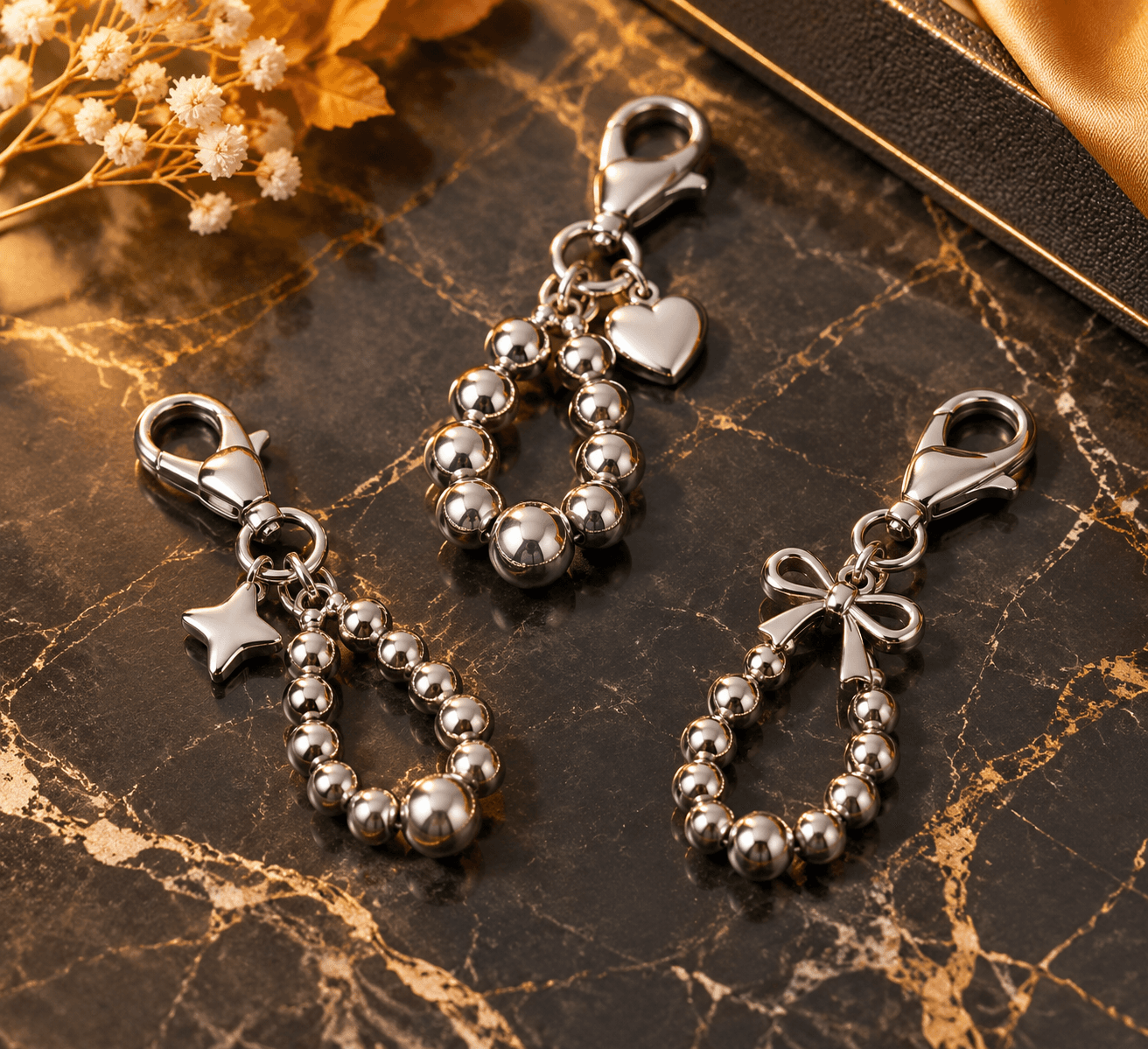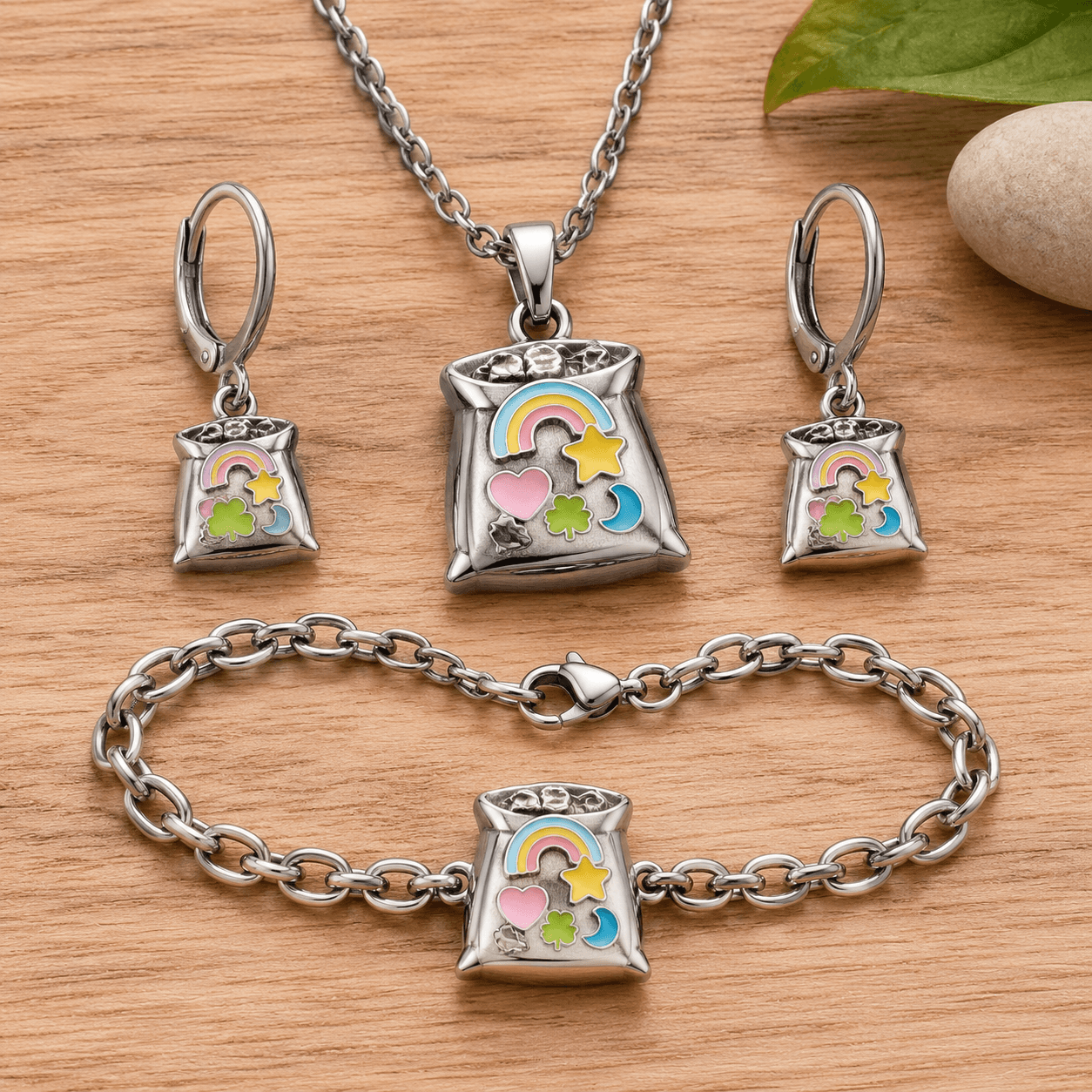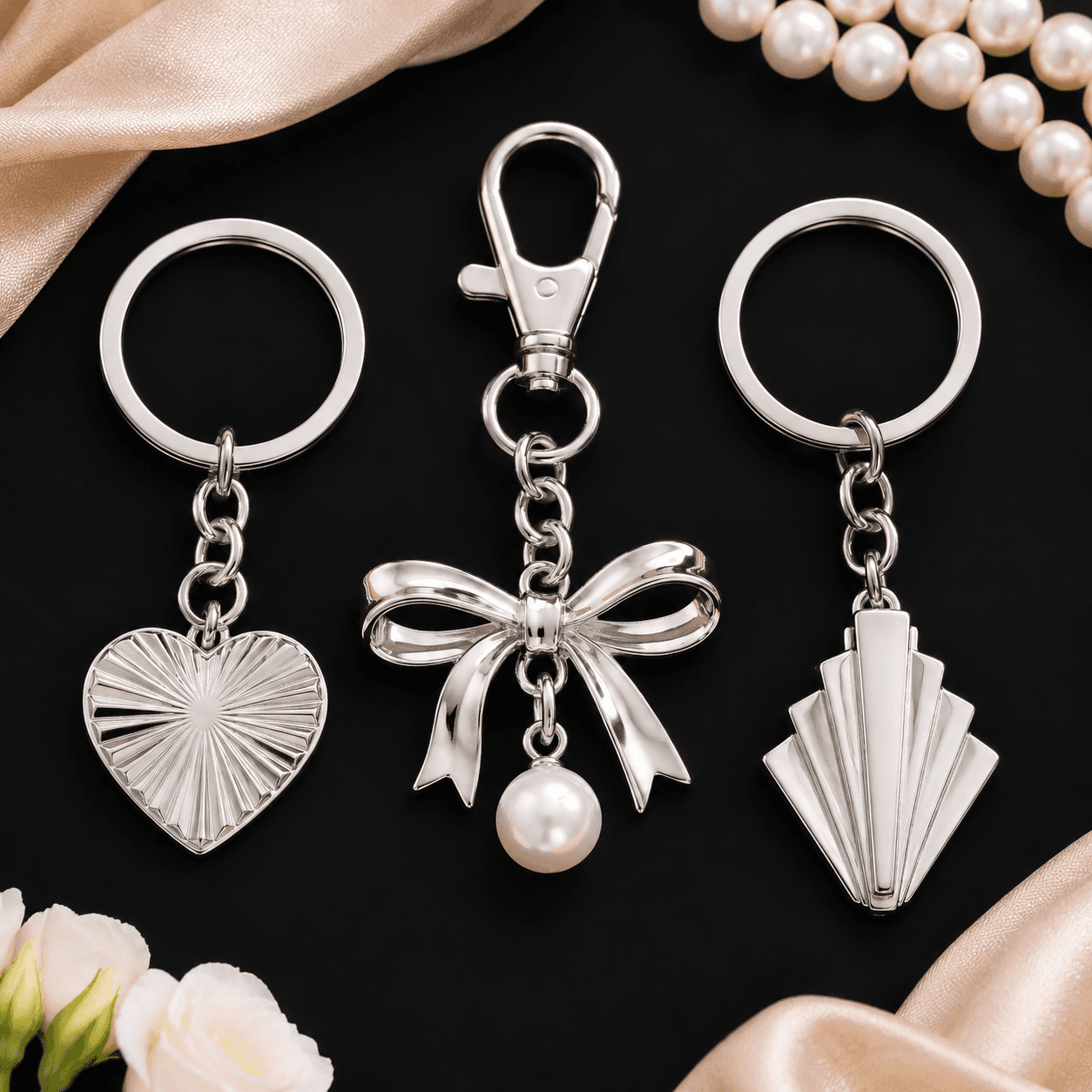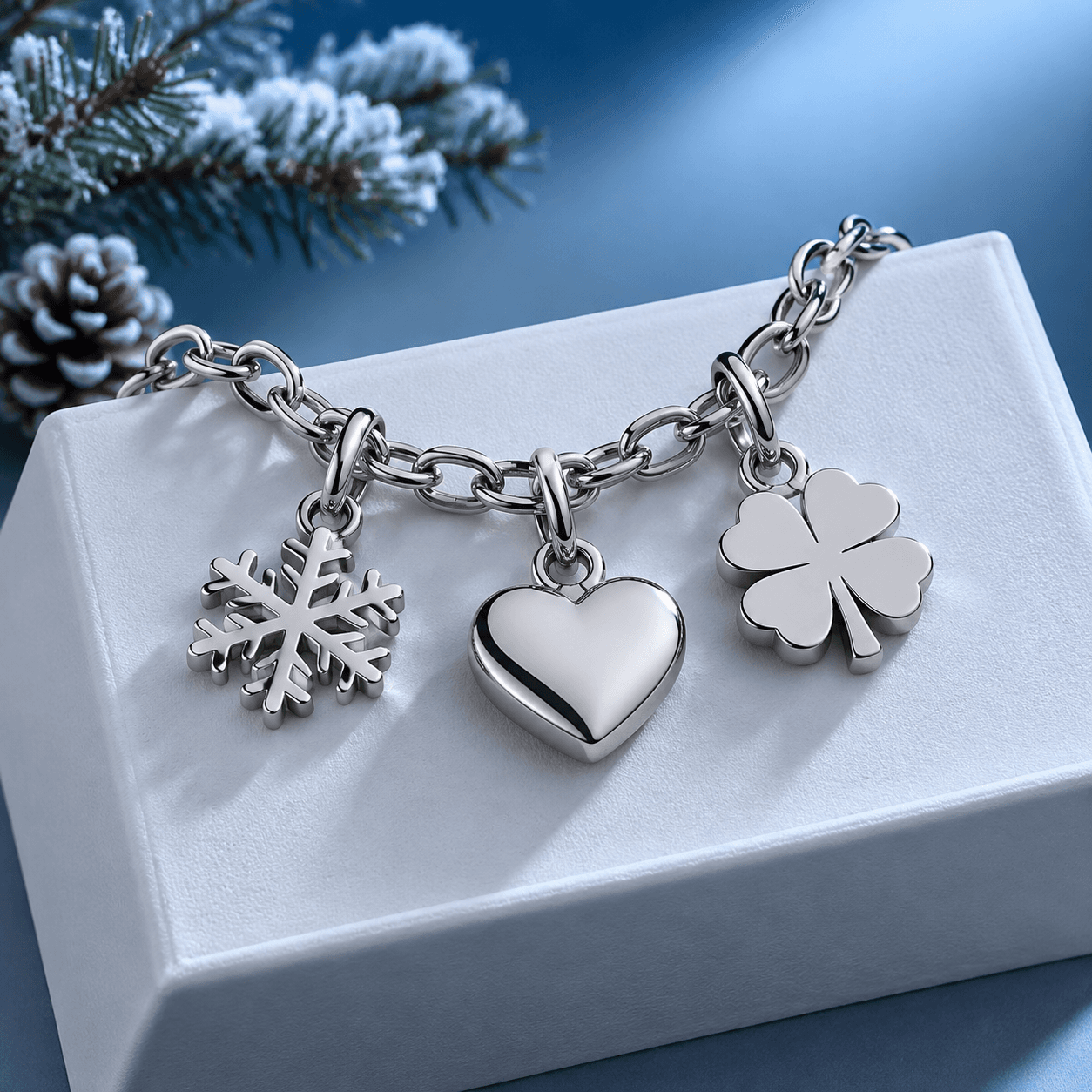
Designing a successful charm collection involves more than selecting attractive individual pieces. Jewelry designers must consider proportions, color combinations, surface finishes, visual balance, and how different designs work together in a coordinated collection. For boutique jewelry brands and private-label buyers, these decisions also influence production costs, product consistency, and retail appeal.
316L stainless steel charms provide a versatile foundation for developing contemporary jewelry collections. With options including PVD gold plating, silver finish, rose gold plating, enamel, and crystal inlay, designers can create distinctive visual themes while maintaining a consistent base material. This guide explains how to style stainless steel charms step by step and how to translate creative concepts into practical manufacturing specifications.
How to Style Stainless Steel Charms for a Cohesive Jewelry Collection
A well-designed charm collection should have a recognizable visual identity. Each piece can express a different idea, but the overall range should share a consistent design language. For jewelry designers, this means establishing a clear relationship between shape, color, finish, size, and decorative details before beginning production.
Understand the Design Language
Start by identifying the visual personality of your collection. Minimalist collections often use simple geometric silhouettes, clean edges, and restrained surface details. Romantic collections may feature hearts, flowers, and softer curves. Contemporary collections can combine abstract symbols, contrasting finishes, and carefully positioned crystal inlay.
For North American boutique customers, versatility is an important design consideration. Many retailers want products that work across everyday styling, gifting occasions, and seasonal displays. A collection with recognizable themes and coordinated finishes can serve several customer preferences without becoming visually inconsistent.
Choose a Consistent Visual Theme
Before selecting individual designs, create a simple visual direction. Consider whether your collection will emphasize personal expression, nature, meaningful symbols, birth months, or contemporary geometric forms. Choose two or three recurring visual elements and apply them throughout the range.
For example, a botanical collection could combine leaf silhouettes, flower details, and subtle crystal accents. A personalized collection could use alphabet initials alongside small symbolic designs. Repeating selected details helps customers recognize the collection as a coordinated assortment.
Why Styling Decisions Matter for B2B Charm Buyers
For commercial buyers, styling is directly connected to merchandising performance. A visually coordinated collection is easier to present in a boutique, organize in a charm bar, and develop into a recognizable private-label product range. It also gives retailers more opportunities to create gift combinations and encourage customers to select multiple pieces.
Key Benefits of 316L Stainless Steel Charms
- Consistent material foundation: Using 316L stainless steel across a collection helps maintain a consistent manufacturing specification.
- Flexible appearance: PVD gold plating, silver finish, and rose gold plating provide different visual directions without changing the base material.
- Creative customization: Enamel color filling, crystal inlay, and logo engraving create opportunities for distinctive designs.
- Practical collection planning: Coordinated shapes, finishes, and dimensions make it easier to develop seasonal assortments and repeatable product lines.
- Private-label presentation: Custom packaging and consistent product details support a professional retail experience.
Material Documentation and Certifications
Material quality should be considered alongside visual appearance. Lancy Jewelry focuses exclusively on 316L stainless steel charms and supports buyer evaluation with SGS-certified testing documentation covering RoHS, REACH, Nickel Release EN1811, and Salt Spray 240H.
These testing references help sourcing teams assess relevant material, chemical, nickel-release, and corrosion-resistance considerations. Buyers should request applicable reports, confirm that documentation corresponds to the intended product specifications, and verify any additional market-specific requirements before commercial distribution.
For North American buyers, FDA considerations should be handled according to the product's intended use and applicable regulatory requirements. Ordinary decorative jewelry should not be marketed with unsupported FDA approval or medical claims. FDA references should never replace appropriate jewelry material documentation, product testing, or review of applicable consumer product requirements.
A Step-by-Step Guide to Styling Stainless Steel Charms
The following process helps jewelry designers turn an initial creative concept into a coordinated, manufacturable collection. Each step addresses both visual design and the practical requirements of B2B sourcing.
Step 1: Define Your Target Customer and Collection Purpose
Begin with the customer rather than the individual charm. Identify the retail environment, typical purchasing occasion, and expected price positioning. A boutique focused on everyday accessories may need understated symbols and versatile colors, while a gift-oriented retailer may prefer recognizable shapes and personalized details.
Next, define the collection's main purpose. Is it intended for everyday jewelry, seasonal gifting, a charm bar, or a private-label launch? This decision affects design size, decorative complexity, packaging, and the number of variations worth developing.
For North American buyers, consider the popularity of personalization, meaningful gifts, and flexible styling. Initials, birth-month themes, nature motifs, and simple symbolic designs can provide useful starting points for a commercial assortment.
Step 2: Select a Coordinated Shape Family
Choose a limited group of related shapes before expanding the collection. Hearts, stars, flowers, initials, and geometric silhouettes can each establish a recognizable design direction.
Think about silhouette consistency. If one charm uses rounded edges and soft contours, other pieces can repeat similar edge treatments. If the collection emphasizes clean geometry, avoid introducing too many unrelated decorative styles.
A practical starting assortment could contain six to twelve designs organized around one theme. This provides enough variety for retail presentation while keeping initial sampling and inventory planning manageable.
Step 3: Plan Charm Size and Proportion
Size influences both the appearance and practical use of a charm. Small designs around 6–10 mm are appropriate for delicate styling and compact decorative details. Medium designs around 10–16 mm work well for many everyday charm applications. Larger designs around 16–25 mm can create a stronger focal point when the intended application requires more visual presence.
Consider the relationship between the charm body and its attachment mechanism. A decorative surface should remain visually dominant, while the bail or jump ring must be proportionate and functional. Confirm that connectors pass through actual holes or loops and allow practical attachment without creating awkward overlaps.
When combining several designs, vary their sizes intentionally. One moderately larger focal charm can provide visual emphasis, while smaller supporting designs maintain balance. Avoid making every piece equally prominent.
Step 4: Choose a Finish Strategy
Finish selection has a significant effect on collection identity. Rather than choosing finishes independently for every product, establish a coordinated palette.
- Silver finish: A clean, understated appearance suitable for minimalist, contemporary, and everyday collections.
- PVD gold plating: A warm visual direction for classic, personalized, and gift-oriented designs.
- Rose gold plating: A softer color option that can support romantic and feminine design concepts.
For an organized assortment, consider selecting one primary finish and one or two supporting finishes. This creates variation without making the collection appear disconnected. Confirm finish references and sample appearance before approving production, especially when multiple designs must share a consistent color tone.
Step 5: Introduce Enamel and Crystal Details
Decorative details help distinguish products within a coordinated range. Enamel color filling can introduce controlled areas of color, while crystal inlay can add focused visual highlights.
Use these elements with a clear purpose. For example, a collection of symbolic designs might use one recurring enamel color to connect different silhouettes. A minimalist series could reserve crystal inlay for selected focal pieces rather than applying it to every design.
When developing enamel details, specify the intended color, filling area, surface boundaries, and desired visual contrast. For crystal inlay, communicate the placement, quantity, and setting appearance. These details help the factory evaluate manufacturing feasibility and prepare more accurate samples.
Step 6: Balance Simple and Detailed Designs
A commercially useful collection should offer different levels of visual complexity. Some customers prefer understated designs, while others look for decorative pieces with stronger visual impact.
A balanced assortment might include approximately 60% simple designs, 30% moderately decorative designs, and 10% statement pieces. These percentages are planning guidelines rather than fixed retail rules. Adjust the mix according to customer feedback and the collection's intended positioning.
Simple pieces can provide visual breathing room between more detailed designs. This also helps retailers create attractive combinations without making displays look overcrowded.
Step 7: Coordinate the Collection for Layered Styling
Although each charm should work independently, consider how multiple pieces might appear together. Pay attention to shape contrast, color distribution, and relative scale.
For example, a small initial design can be paired with a symbolic charm and a slightly larger decorative focal piece. Repeating a finish across the group creates cohesion, while differences in silhouette add interest.
For charm bar retailers, organize products into recognizable visual groups. Birth-month designs, initials, nature motifs, and meaningful symbols are practical merchandising categories. This organization makes selection easier and supports personalized gift recommendations.
Step 8: Add Branding and Private-Label Details
Brand identity should be incorporated into the design process early. Consider whether the product needs logo engraving, customized back-surface details, or private-label packaging.
Laser marking can support precise logo placement, while carefully planned packaging helps establish a consistent presentation. For smaller decorative products, make sure branding remains readable without overwhelming the design itself.
Before approving artwork, confirm the logo dimensions, positioning, marking method, and any packaging requirements. These specifications should be included in the product development documents to reduce unnecessary revisions.
Step 9: Request Samples and Evaluate Production Details
Visual concepts should be tested through physical samples before a bulk commitment. Sample development allows designers to review actual dimensions, surface quality, color consistency, attachment functionality, and decorative details.
Evaluate each sample against an approved specification. Check the complete silhouette, edge finishing, logo position, plating appearance, enamel filling, crystal setting, and connector construction. If the design includes multiple finishes, compare samples under consistent lighting conditions.
Lancy Jewelry operates a modern manufacturing facility equipped with CNC processing, laser cutting, laser marking, welding, and polishing capabilities. These processes support custom development and help translate approved design requirements into production specifications.
Step 10: Plan the Commercial Assortment and MOQ
Once samples are approved, review the assortment from a purchasing perspective. Identify core designs, supporting variations, and products intended for seasonal or promotional use.
Discuss MOQ, finish variations, packaging quantities, production scheduling, and expected repeat-order requirements with your manufacturing partner. Low MOQ support can be particularly useful when testing a new collection or introducing several designs to a boutique retail program.
For a more efficient sourcing process, prepare an RFQ containing reference drawings, dimensions, material requirements, finish specifications, logo details, target quantities, and packaging instructions. Clear information makes quotation and production planning more straightforward.
How to Choose a Manufacturing Partner for Custom Charm Collections
Creative design needs reliable production support. A qualified stainless steel charms manufacturer should be able to discuss both the visual concept and its manufacturing requirements rather than simply accepting an image reference.
Evaluate Customization Capabilities
Ask whether the supplier can support design development, logo engraving, PVD plating, enamel color filling, crystal setting, and private-label packaging. Confirm which processes are available in-house and which require additional coordination.
Also evaluate communication quality. A useful manufacturing partner should identify unclear specifications, discuss design limitations, and provide practical recommendations before sampling begins.
Review Sample Quality and Repeatability
One attractive sample does not automatically guarantee consistent bulk production. Ask how approved samples, finish references, dimensions, and inspection requirements are documented. Confirm how the factory monitors visual consistency across different production batches.
Consider OEM and ODM Development Support
OEM development is useful when your brand already has drawings, dimensions, and a defined design direction. ODM development can help when you need assistance turning an initial concept into a manufacturable product.
Lancy Jewelry supports both approaches, offering custom stainless steel charms, sample development, and private-label production for boutique brands, gift companies, distributors, and charm bar retailers.
Frequently Asked Questions
1. What finishes are available for 316L stainless steel charms?
Available appearance options include silver finish, PVD gold plating, and rose gold plating. Designs can also incorporate enamel color filling and crystal inlay. Final finish selection should be confirmed through approved samples and documented specifications.
2. How do I create a coordinated charm collection?
Start with one recognizable theme, establish a consistent shape language, and select a limited finish palette. Balance simple and decorative designs, vary proportions intentionally, and repeat selected details across the collection. Physical samples help confirm that the complete assortment looks cohesive.
3. Can Lancy Jewelry manufacture custom logo charms?
Yes. Lancy Jewelry supports custom logo charms through OEM and ODM development, including laser marking, design customization, and private-label packaging. Buyers can provide artwork, dimensions, reference images, and quantity requirements for evaluation.
4. What information should I include in an OEM charm inquiry?
Include your design concept, dimensions, 316L stainless steel requirements, preferred finish, decorative details, logo artwork, estimated quantities, MOQ expectations, and packaging requirements. Reference drawings or images are also helpful for quotation and sample development.
Partner With Lancy Jewelry for Your Next Charm Collection
A successful charm collection combines creative design with practical manufacturing decisions. Consistent silhouettes, carefully selected finishes, appropriate proportions, and well-planned decorative details help create products that are visually appealing and commercially suitable for boutique retail.
As a B2B OEM/ODM 316L stainless steel charms manufacturer, Lancy Jewelry supports buyers from initial concept development through sampling and private-label production. Our capabilities include CNC processing, laser cutting, laser marking, welding, polishing, PVD plating, enamel color filling, crystal setting, and customized packaging.
Whether you are developing a new boutique collection, expanding a charm bar assortment, or planning bulk charm orders, our team can help evaluate your requirements and recommend practical production solutions.
Explore our stainless steel charm products, learn more about our OEM and ODM manufacturing services, or request a quote to discuss your next project with Lancy Jewelry.
Related resources
- Butterfly Charm Bracelet Styling: A Designer’s Visual Guide
- Letter Charm Necklace Styling: A Designer’s Visual Guide 2026
- Heart Charm Clip Styling Ideas: A Visual Guide 2026
- Birthstone Charms for Necklaces: 2026 Style Guide
- Terraria Moon Charm: How to Craft and Style It
- Letter Charm Bracelet Styling: 2026 Visual Guide