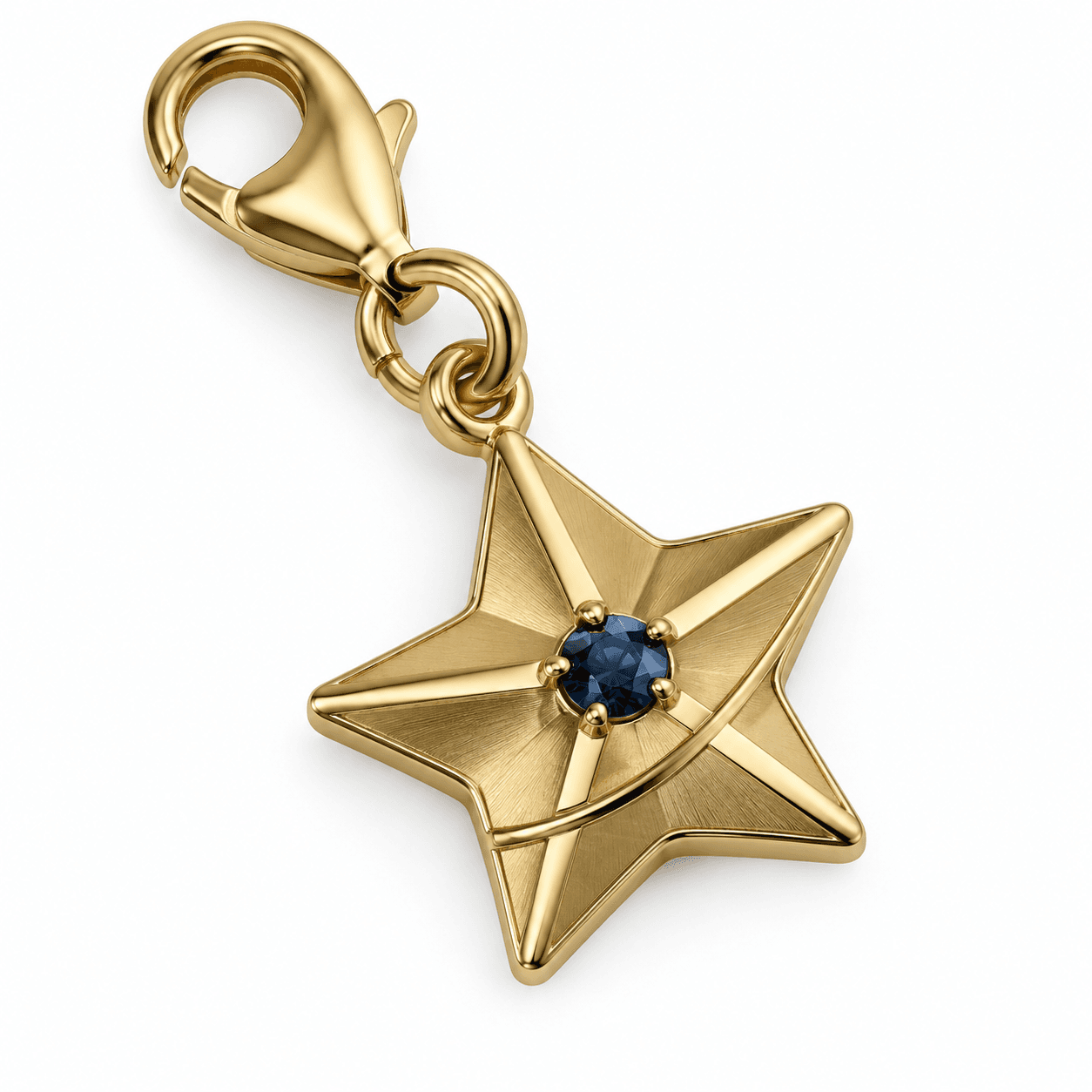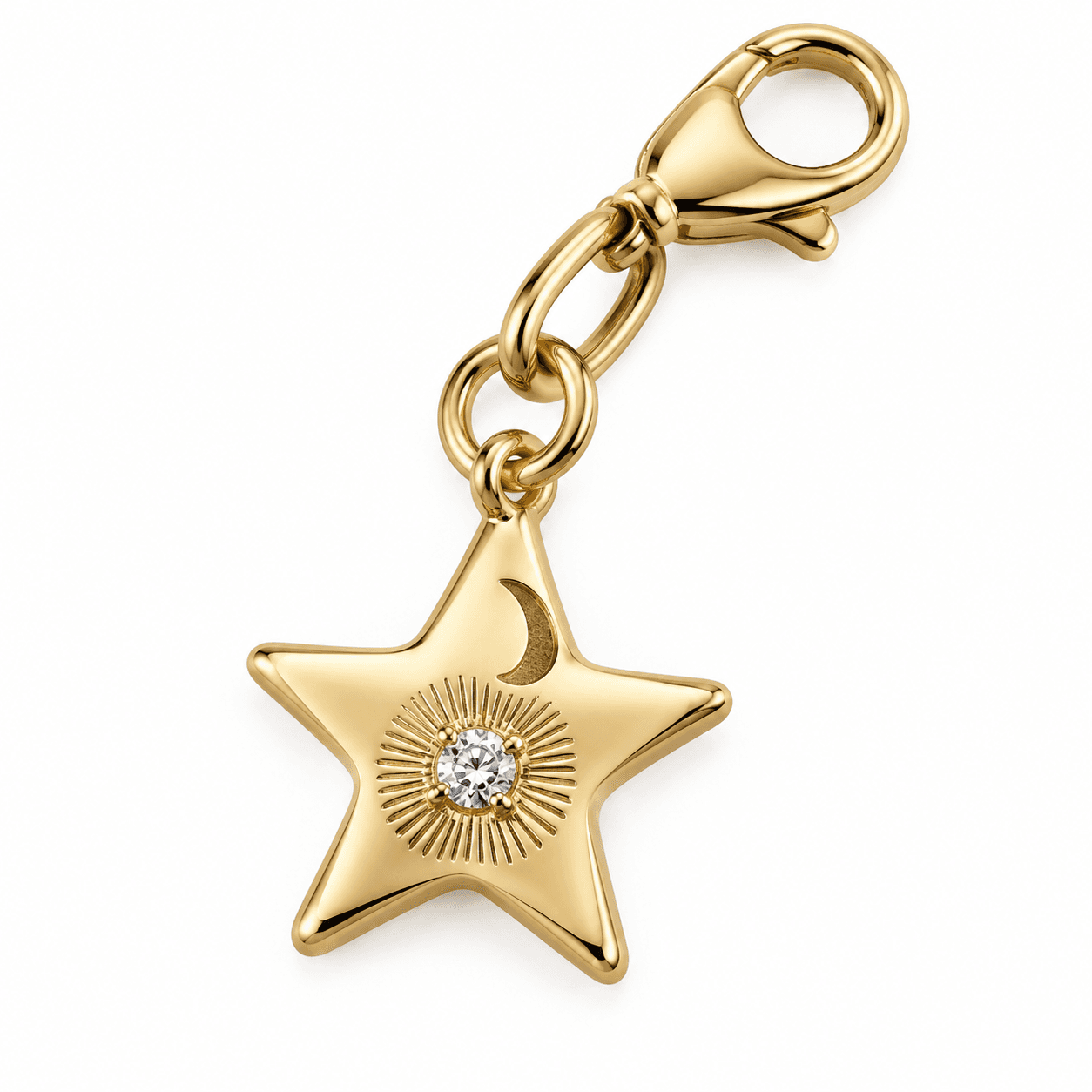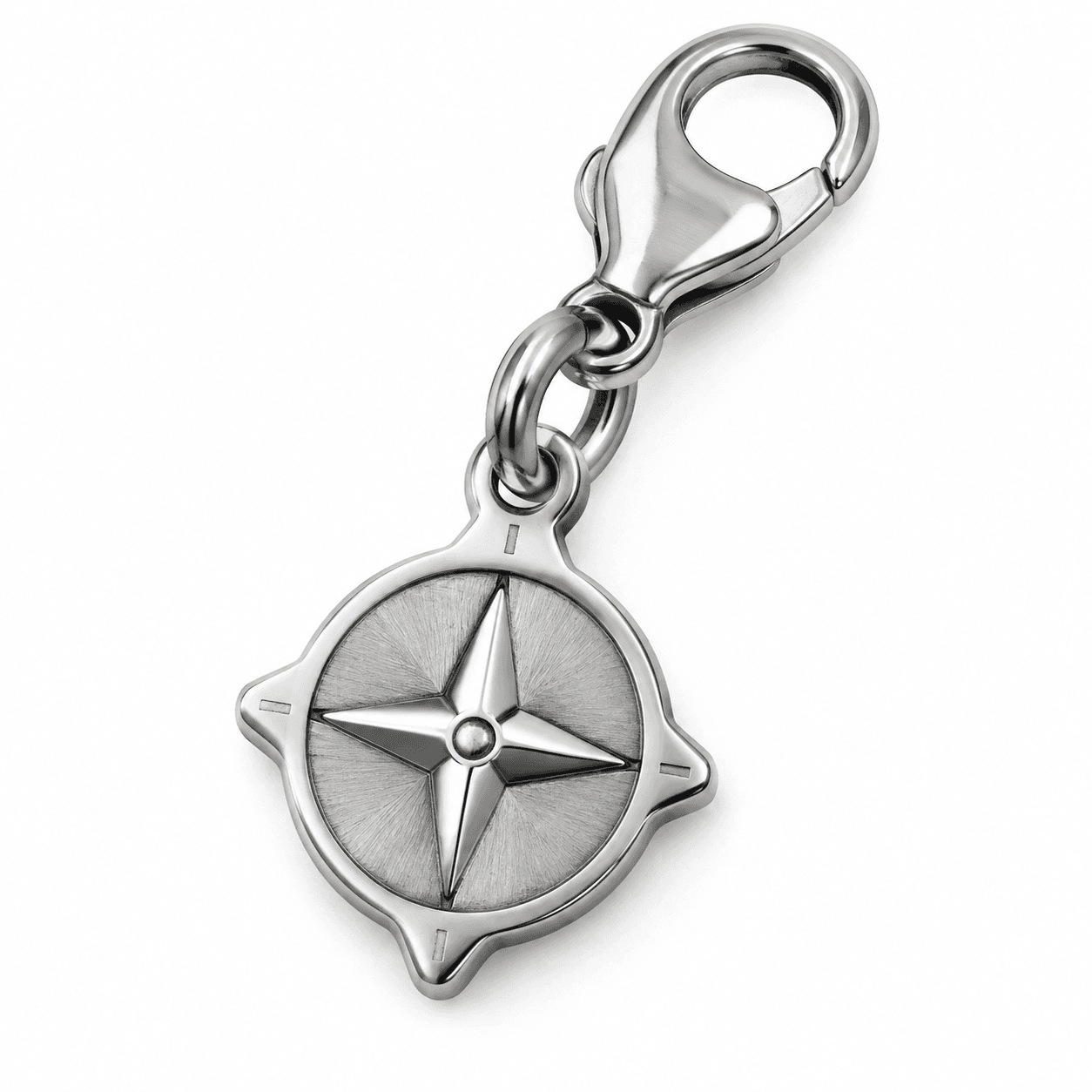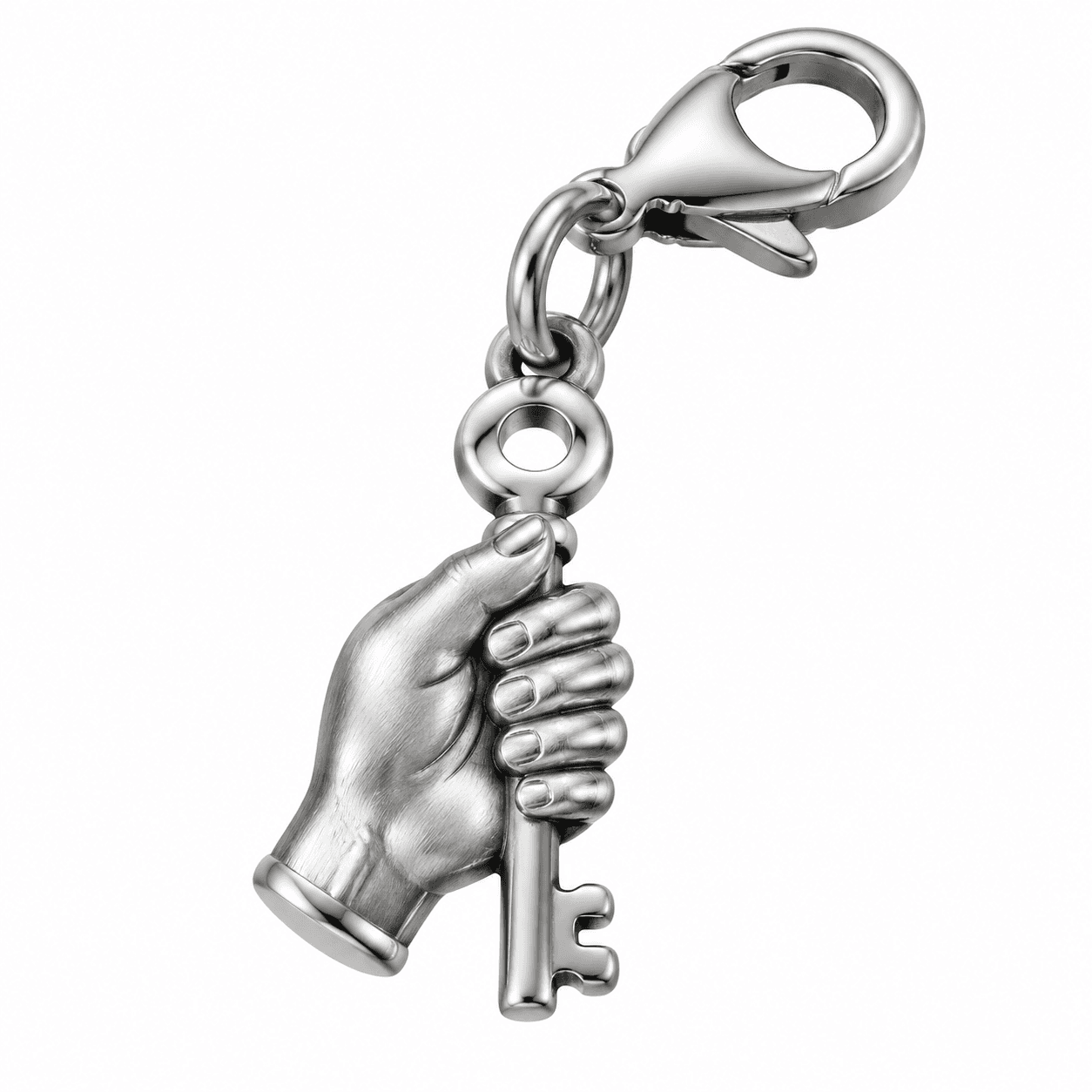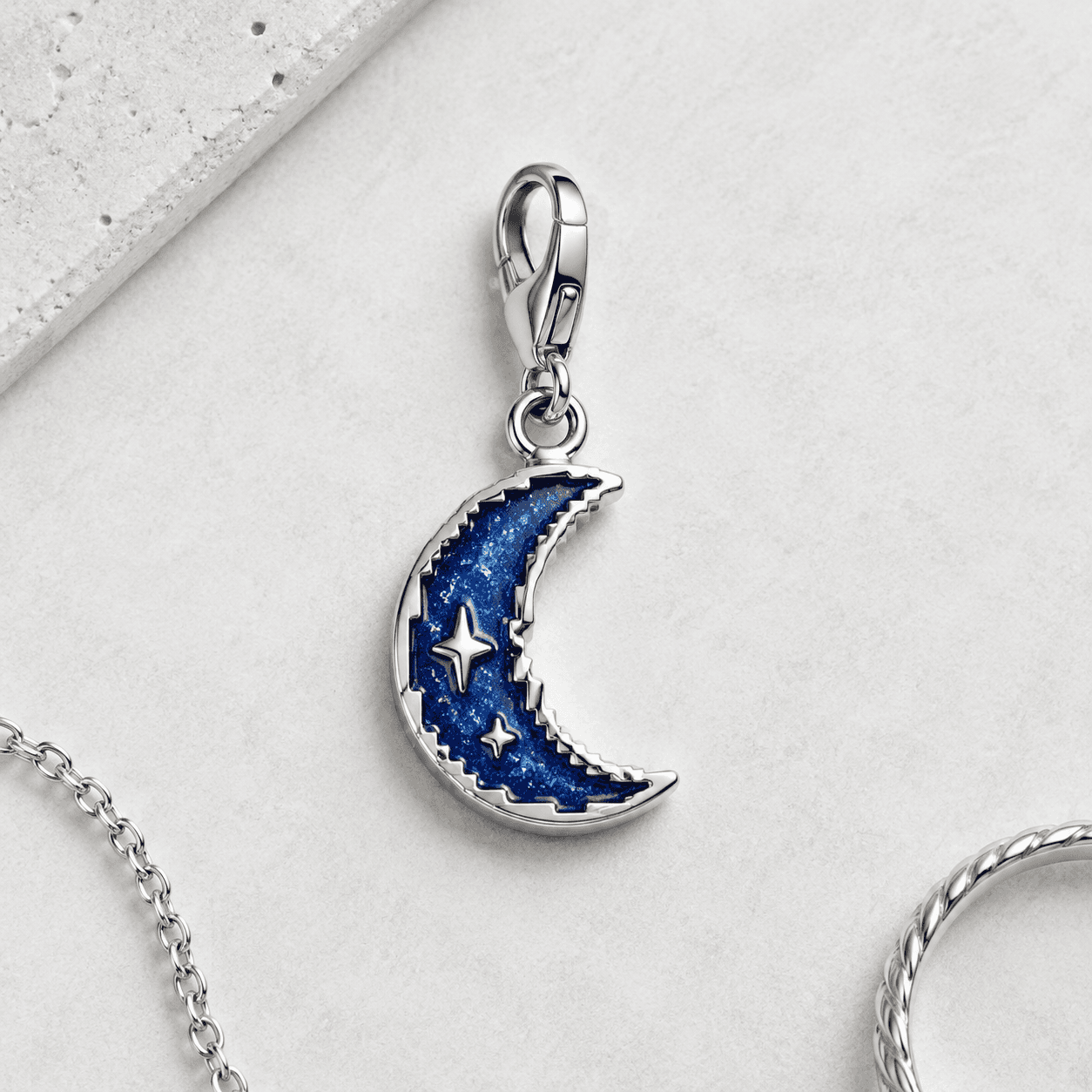
This evergreen guide explains how to plan a moon-themed stainless steel charm from concept through styling, sampling, and production. It focuses on practical design decisions such as silhouette, attachment geometry, surface finish, color treatment, scale, and presentation so buyers can develop a cohesive charm program without compromising manufacturability.
For boutique jewelry brands, gift companies, charm bar retailers, and private-label buyers, the same workflow also helps turn an individual concept into a repeatable commercial range. Lancy Jewelry supports OEM charms manufacturer and ODM charm supplier workflows using 316L stainless steel charms, with options including PVD, enamel, crystal inlay, logo engraving, sampling, and private-label packaging.
Overview and Prerequisites for a Moon Charm
Overview and prerequisites
Before developing a moon charm, define the intended use, approximate size, attachment method, visual language, finish, and target selling environment. A useful starting specification identifies whether the charm is intended for a necklace, bracelet, charm bar, gift program, bag charm, or another approved accessory context. For a commercial collection, keep the moon silhouette recognizable at the actual production size rather than relying on details that may disappear after finishing.
For the base, Lancy Jewelry uses 316L stainless steel. This material is well suited to repeat production because its composition and surface characteristics can be controlled consistently through machining, polishing, engraving, PVD finishing, enamel color filling, and crystal setting. Buyers should also decide whether the front face will remain a clean metal surface or include recessed details, enamel areas, crystal inlay, or logo engraving. The bail or jump ring must be integrated into the design from the beginning so the attachment remains mechanically plausible and visually balanced.
Prepare a reference sketch, target dimensions, preferred finish, color references, estimated order quantity, packaging requirements, and any required logo artwork before requesting sample development. For quality documentation, buyers can ask which applicable SGS testing or documentation is available for the finished specification, including RoHS, REACH, EN1811, and Salt Spray requirements where relevant to the destination market and product specification.
Step 1: Build the Moon Charm Design
Step 1: Build the moon charm design
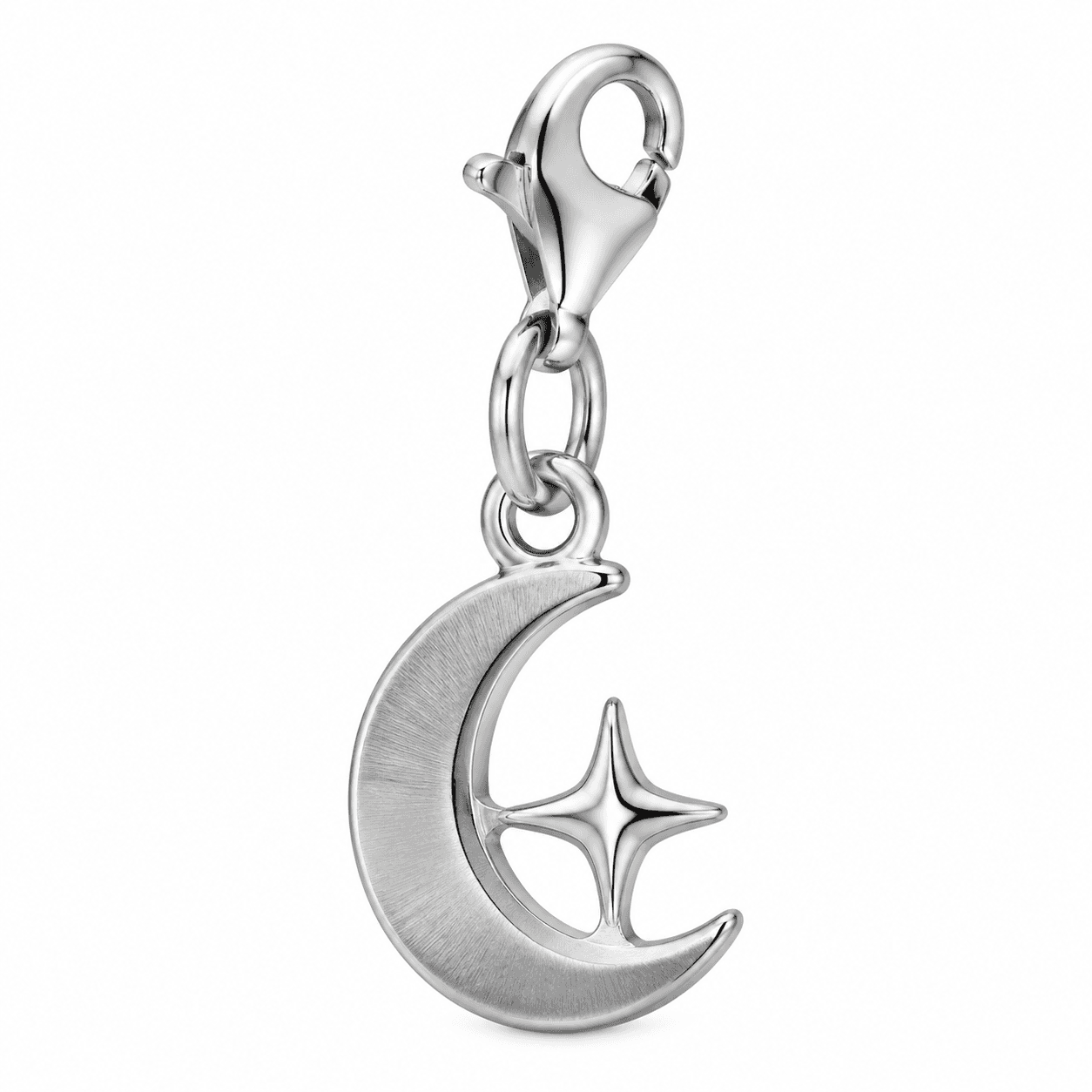
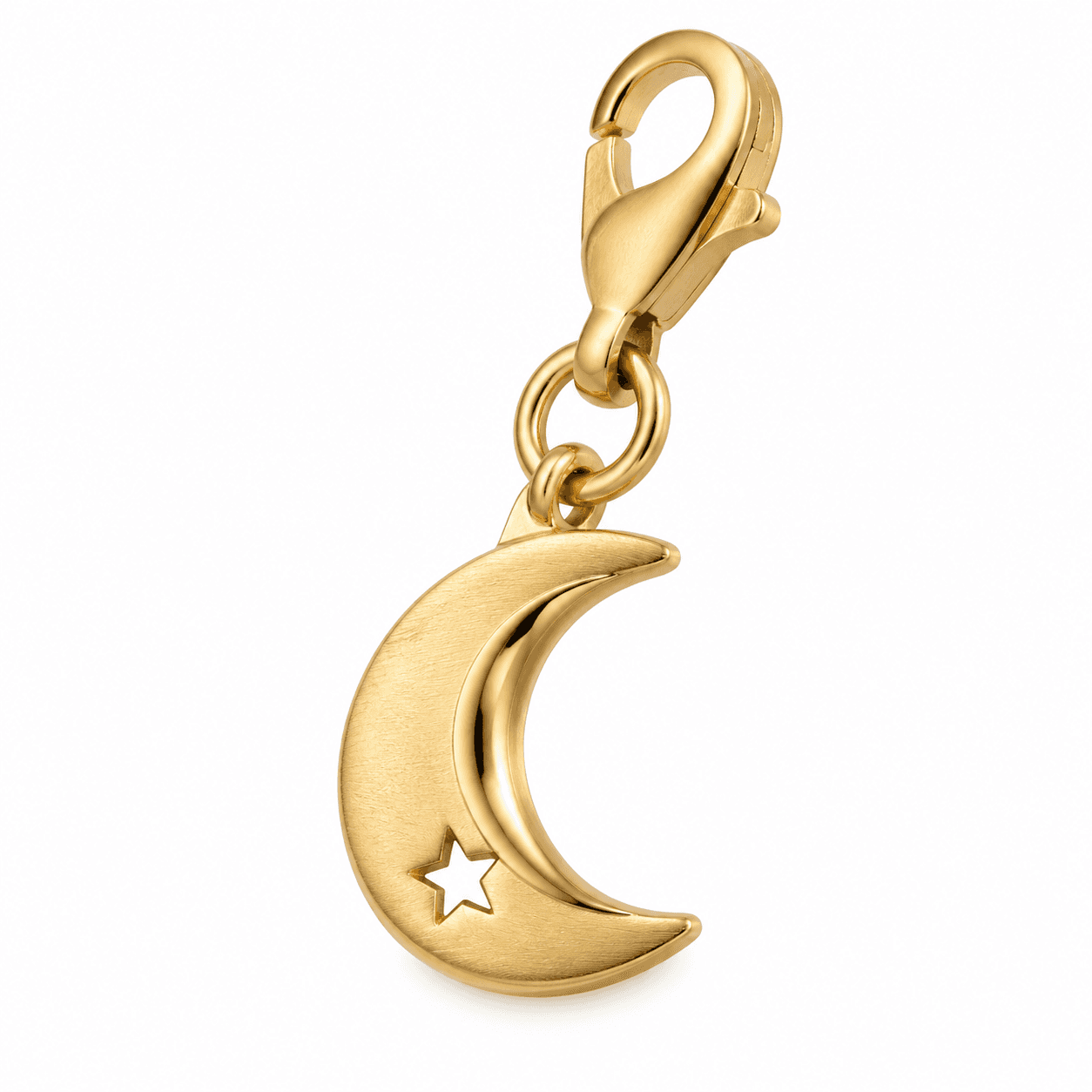
Start with the outer silhouette because it determines both recognition and manufacturing stability. A crescent, full moon, eclipse-inspired disc, or geometric lunar symbol can work, but the profile should have sufficient structural strength around narrow points and attachment areas. Avoid extremely thin projections or deep recesses unless the production team confirms that they can be manufactured and finished consistently at the selected size.
Next, define the front-face hierarchy. One primary feature should dominate, such as a crescent contour, star detail, orbital line, engraved mark, enamel section, or crystal inlay. Secondary details should support the main form rather than crowd it. For a boutique-ready series, consider creating related variations with consistent dimensions and finishing logic so the individual charm can be merchandised as part of a broader collection.
When preparing an OEM request, specify the target dimensions, front and back appearance, attachment location, finish, color requirements, logo position if applicable, and packaging expectations. Lancy can use this information to determine an appropriate development route. A clear specification at the start reduces revisions and helps buyers compare samples against a defined commercial target.
Step 2: Select Finish, Color, and Surface Details
Step 2: Select finish, color, and surface details
Choose the surface treatment after the form has been established. A silver finish can emphasize a clean technical appearance, while gold plated or rose gold plating can create a warmer boutique presentation. PVD is useful when the buyer wants a controlled decorative finish across a repeat production program. The chosen finish should be evaluated on both the main face and the edges because reflections can make small geometry appear different from the original design.
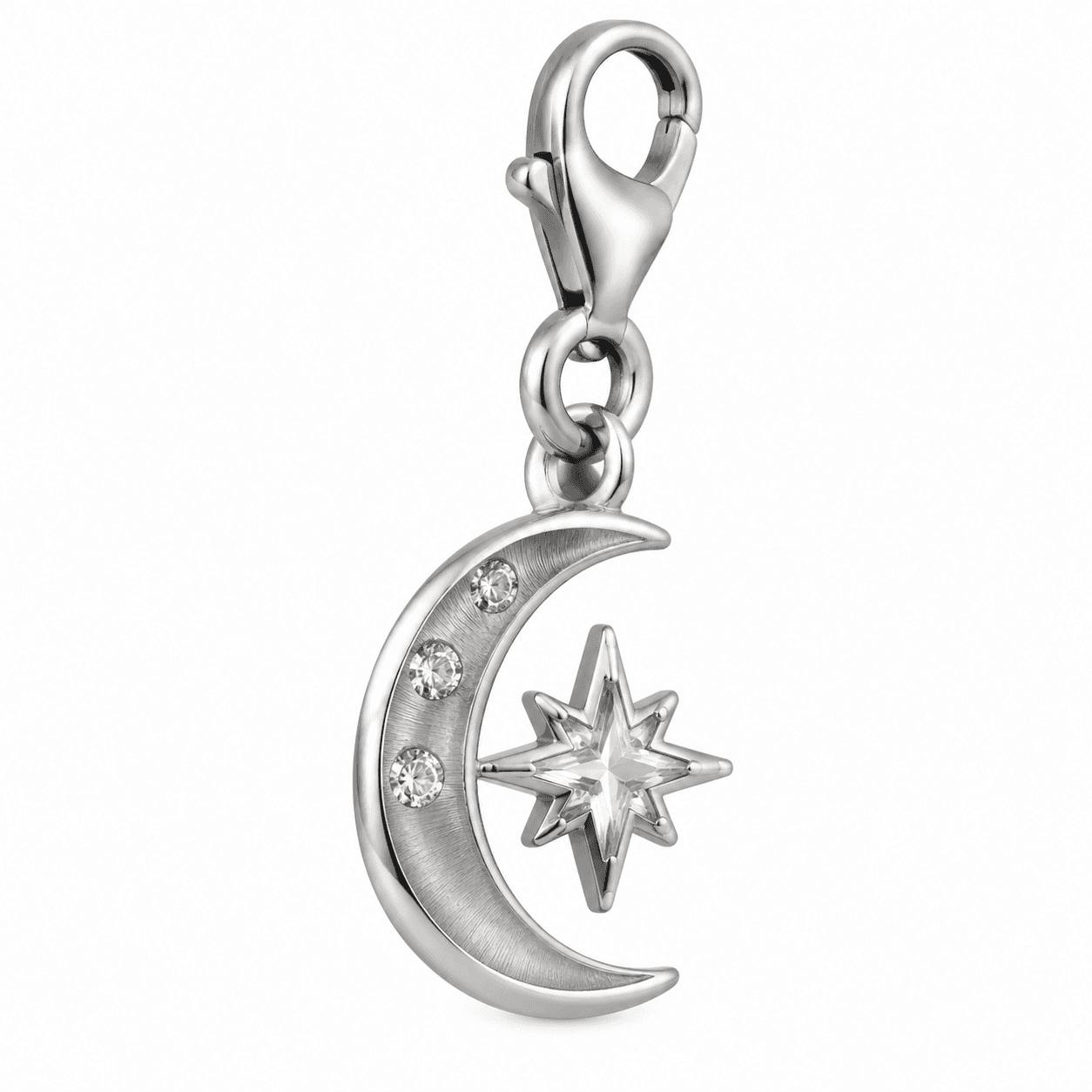
If the design uses enamel, define each color area as a distinct production zone and avoid unnecessarily narrow color channels. Enamel filling is more predictable when the recessed area has enough definition to contain the color cleanly. For crystal inlay, specify the intended setting location, size, quantity, and visual alignment. A good sample should be checked for clean edges, consistent color placement, secure setting, and an even transition between decorative areas and the surrounding stainless steel surface.
For B2B programs, finish consistency matters more than the appearance of one isolated sample. Ask the supplier how plating, polishing, enamel filling, and inspection are controlled across repeat batches. Lancy's factory workflow can combine 316L stainless steel charms with PVD, enamel, crystal inlay, engraving, and private-label packaging to support consistent product families.
Step 3: Validate Attachment, Size, and Sample Quality
Step 3: Validate attachment, size, and sample quality
Inspect the attachment mechanism before approving the decorative appearance. The bail or jump ring should pass through a real hole or loop, remain closed where required, and sit in a position that keeps the charm facing the intended direction during use. Check the junction between the charm body and attachment point for adequate material, clean edges, and a balanced load path. A visually attractive charm can still fail commercially if its connector is difficult to use or causes the charm to rotate unpredictably.
Size should be evaluated in the actual application rather than only on a computer screen. Small details may become visually insignificant after finishing, while an oversized design can change the intended styling effect. Use a packaging card, display tray, neutral ruler grid, or another simple scale reference when reviewing samples. Confirm the finished dimensions, thickness, weight, hole size, jump-ring specification, and surface finish against the approved sample.
For buyers planning wholesale stainless steel charms or private-label programs, request a physical pre-production sample before committing to larger quantities whenever the design is new. Record the approved sample specification, finish reference, artwork version, dimensions, and inspection points. This creates a practical production benchmark and helps reduce ambiguity during subsequent bulk charm orders.
Step 4: Prepare the Commercial Range and Production Brief
Step 4: Prepare the commercial range and production brief
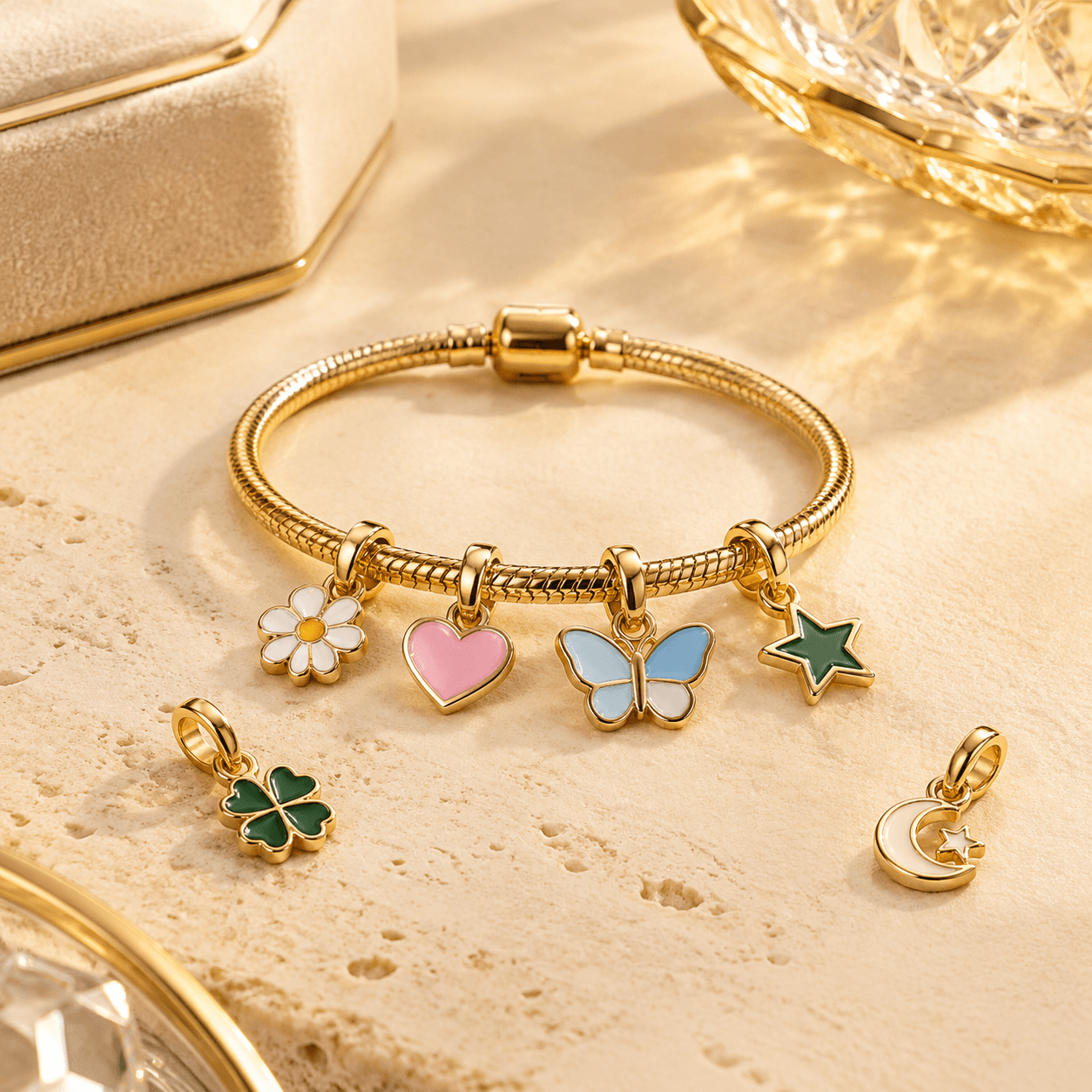
Once the individual charm is approved, decide how it fits into the broader product assortment. A moon motif can be grouped with coordinated celestial, symbolic, botanical, alphabet, or seasonal concepts while keeping the same production logic. Use consistent dimensions, attachment hardware, finish families, and packaging architecture where possible. This makes the range easier for boutique buyers to merchandise and easier for a factory to reproduce.
The production brief should contain the approved artwork, material requirement, target dimensions, finish, color references, decorative specifications, logo requirements, packaging instructions, estimated quantity, and delivery expectations. For an OEM charms manufacturer, clear files and measurable specifications are more useful than descriptive language alone. If the design is still being developed, an ODM charm supplier can help translate a commercial concept into a manufacturable product direction.
For buyers with smaller initial volumes, discuss low MOQ charm production at the quotation stage rather than after the sample is completed. Ask for the MOQ by design, finish, color, and packaging configuration, because these variables can affect production planning. A structured RFQ allows the factory to assess tooling, sampling, finishing, inspection, packaging, and bulk production requirements more accurately.
Tips, Common Mistakes, and Sourcing Questions
Request a Moon Charm RFQ and Sample
Request a moon charm RFQ and sample
To begin with Lancy Jewelry, send your preferred moon charm concept, target size, front and back artwork, attachment requirements, desired finish, enamel or crystal details, logo requirements, estimated quantity, packaging expectations, and destination market. If you already have a reference drawing or specification sheet, include it with your inquiry so the development team can assess manufacturability and recommend the most efficient sample route.
For a useful RFQ, also state whether you need OEM development or ODM assistance, your target MOQ, expected bulk order quantity, sampling deadline, and any applicable compliance documentation requirements. You can browse the 316L stainless steel product catalog, review OEM service options, or send an RFQ and inquiry to start the discussion. Lancy can then help translate the approved concept into a practical 316L stainless steel charm specification and private-label production plan.
Related resources
Related resources
- Custom OEM/ODM Guide to Stainless Steel African Jewelry Charms Wholesale
- Stainless Steel Animal Jewelry Charms Wholesale: Quality Guide
- The Ultimate ODM stamped 316L stainless steel angel charm customization Buying Guide
- How to Choose Durable Stainless Steel Charms for Cross-Border E-Commerce
- Stainless Steel Wholesale Charms for Keychains: Quality Checklist
- 316L Stainless Steel Zodiac Charms Wholesale: Quality Checklist
- Guide to Stainless Steel Lucky Charm Inspirational Jewelry Wholesale
- Antique Distressed Finish on Stainless Steel Charms: A Buyer’s Guide to Durability
- How to Choose a Stainless Steel Enamel Pins Manufacturer with Charms
- Where to Buy Stainless Steel Enamel Charms in Bulk: Quality Guide