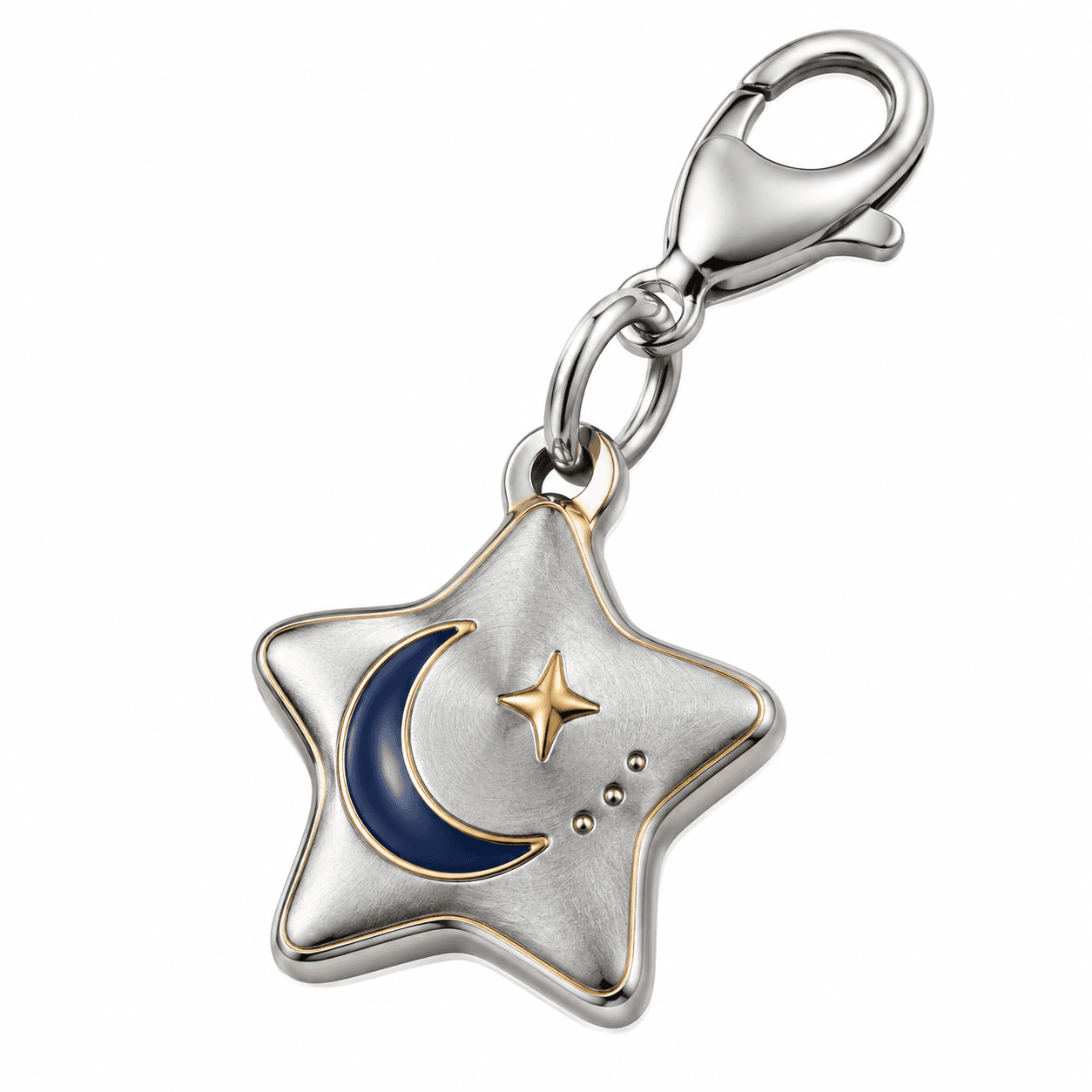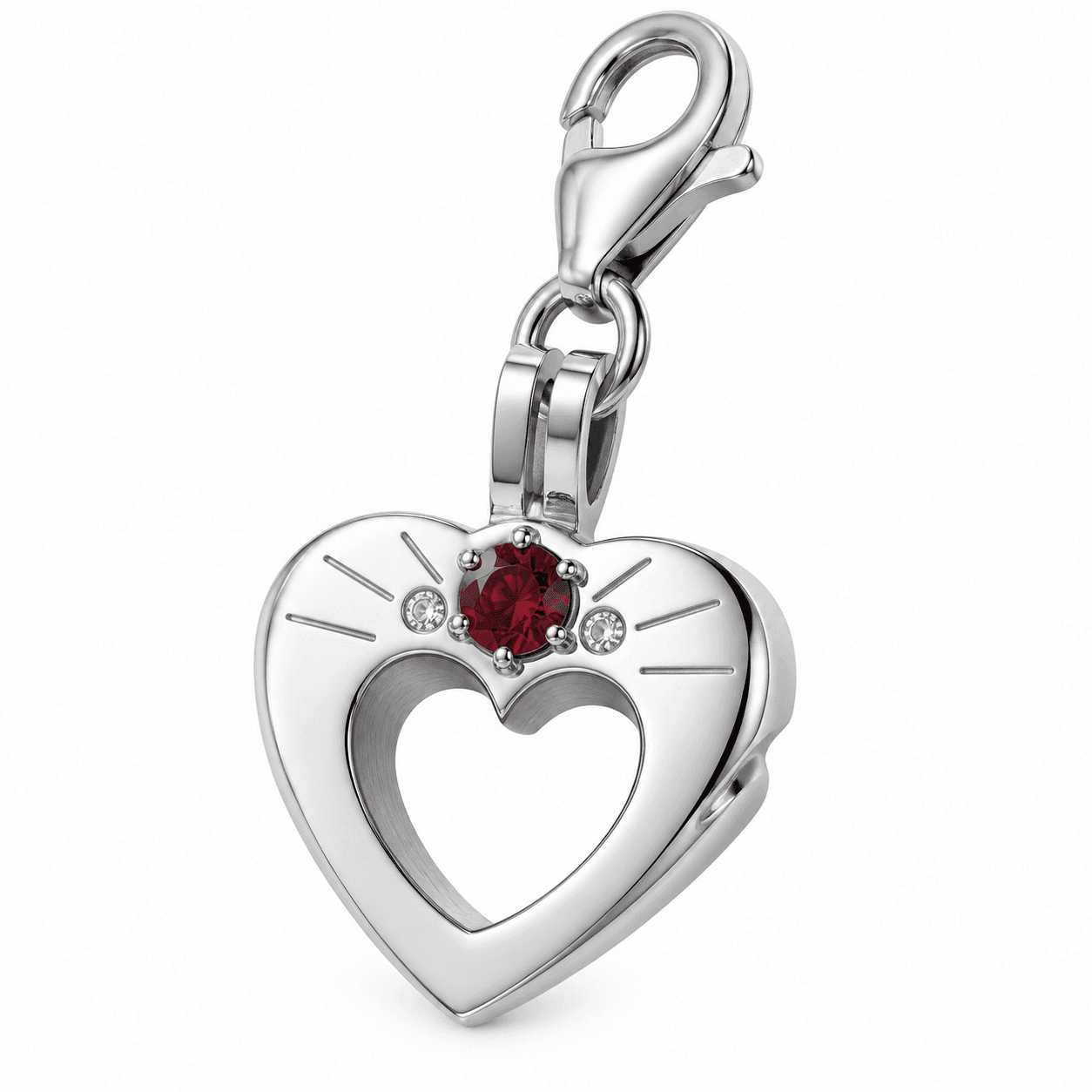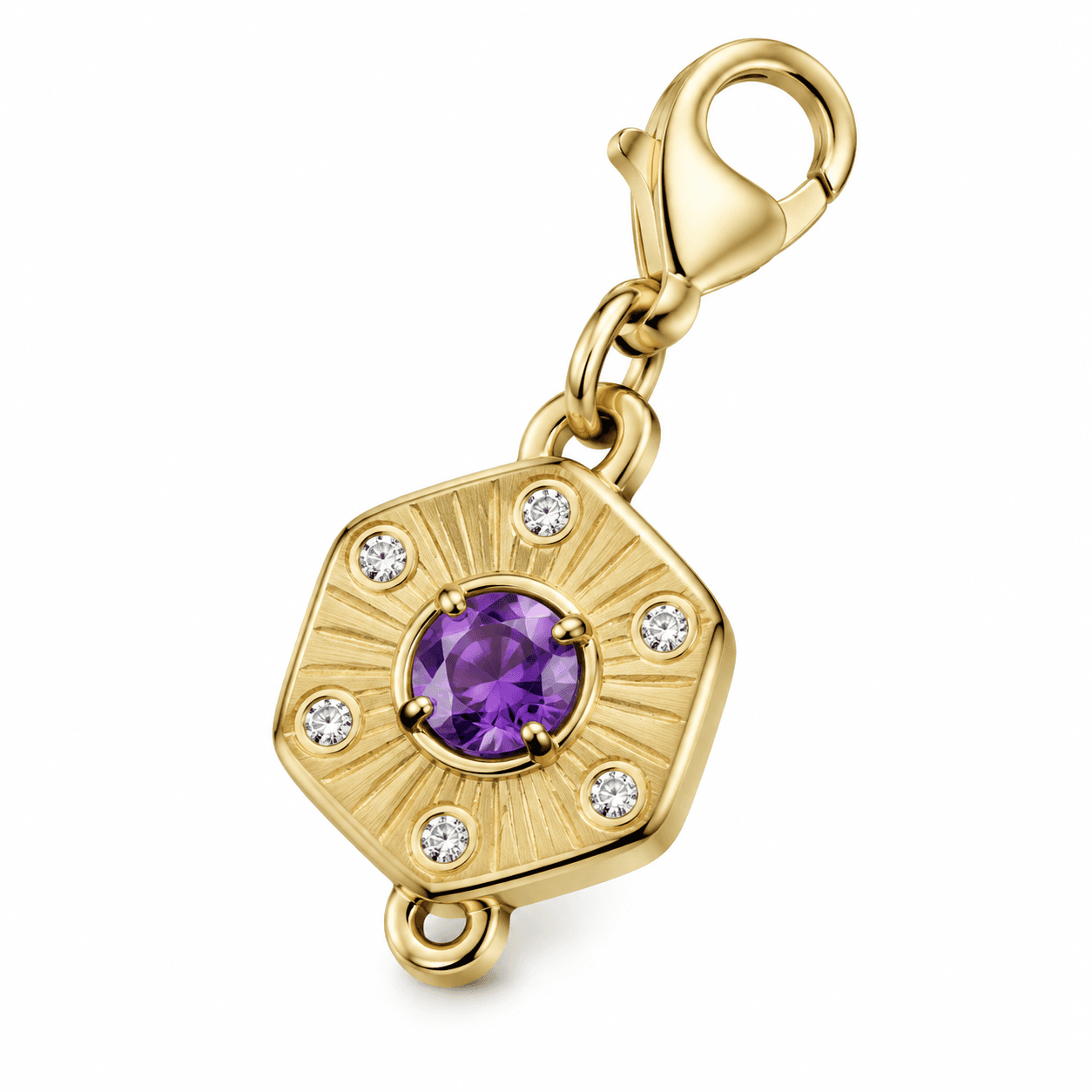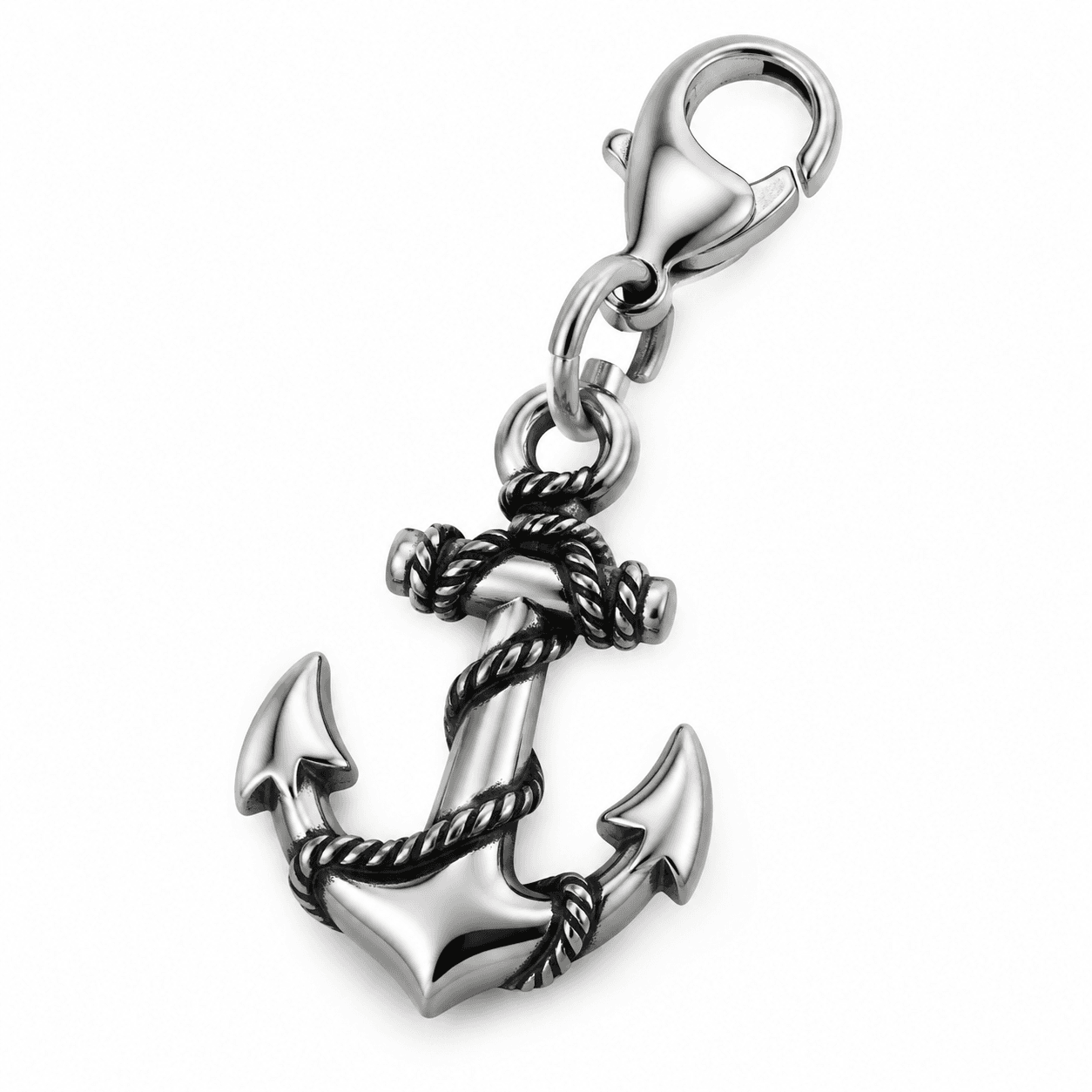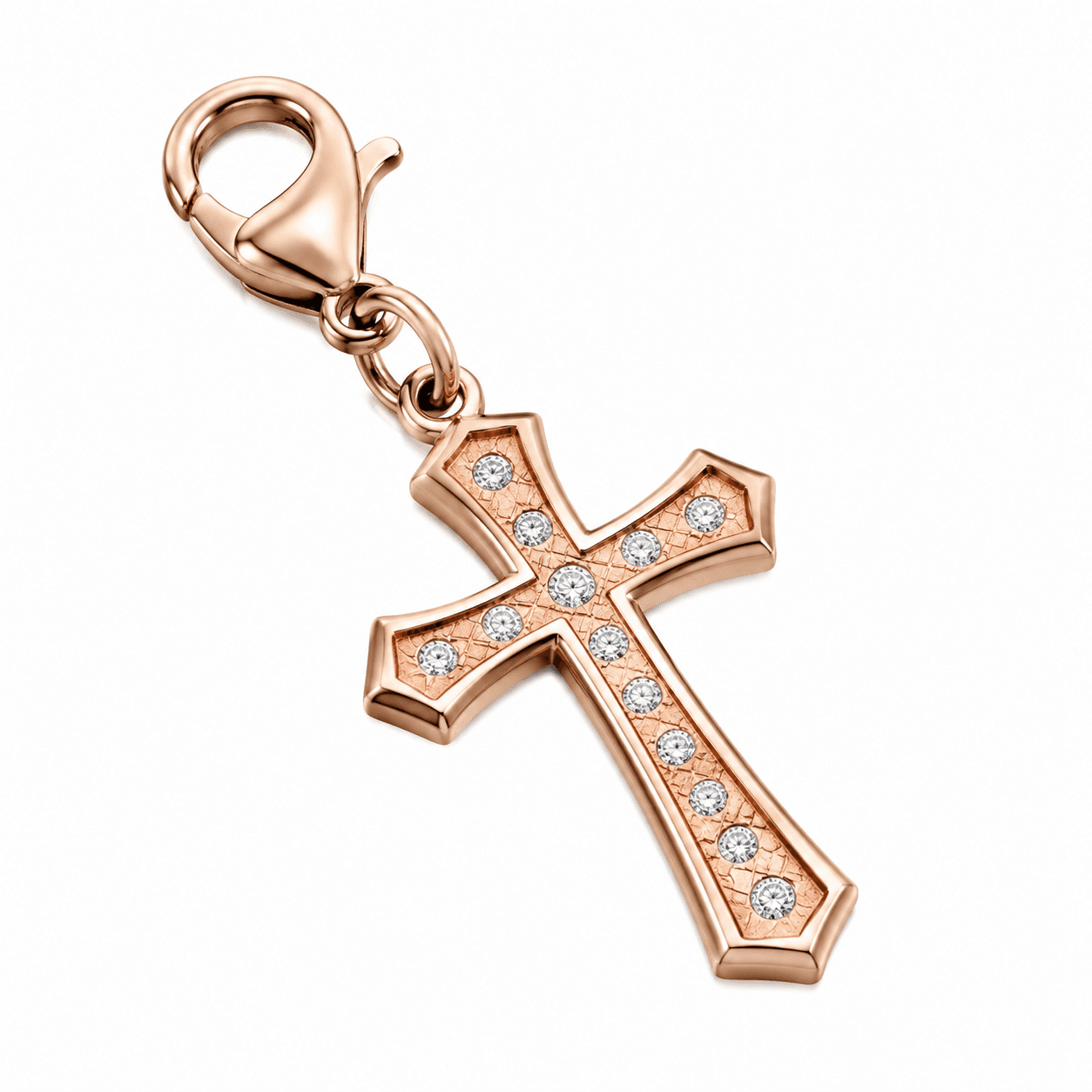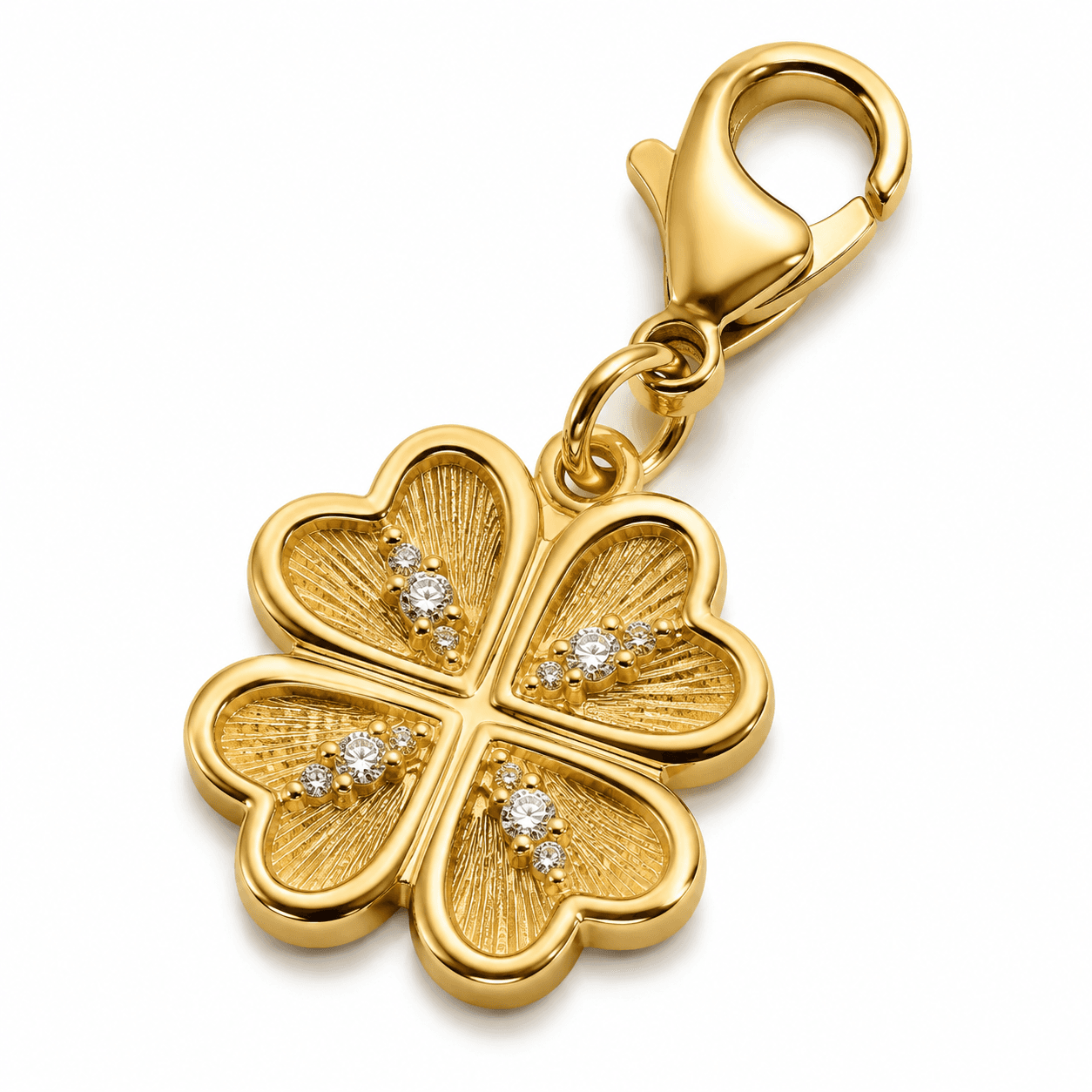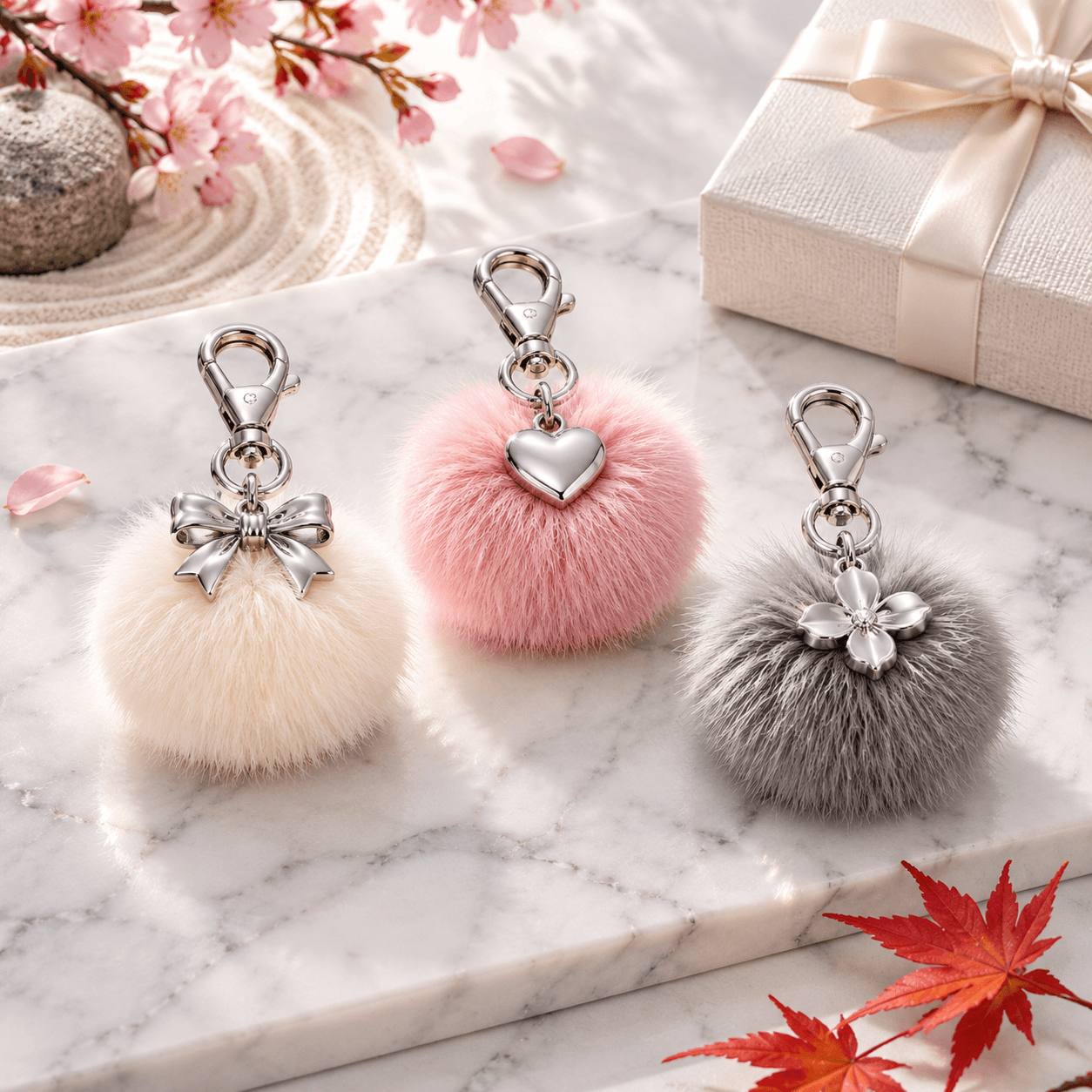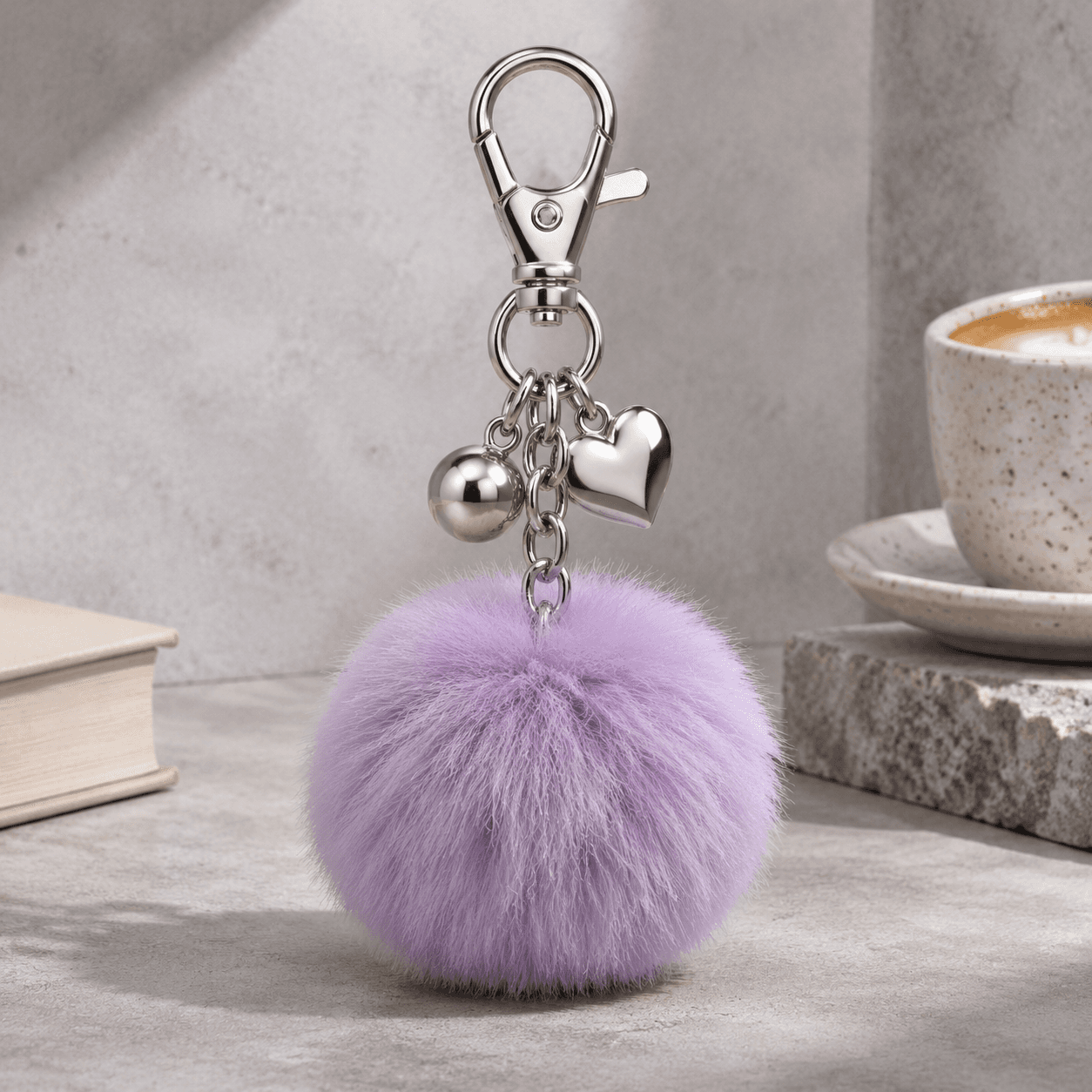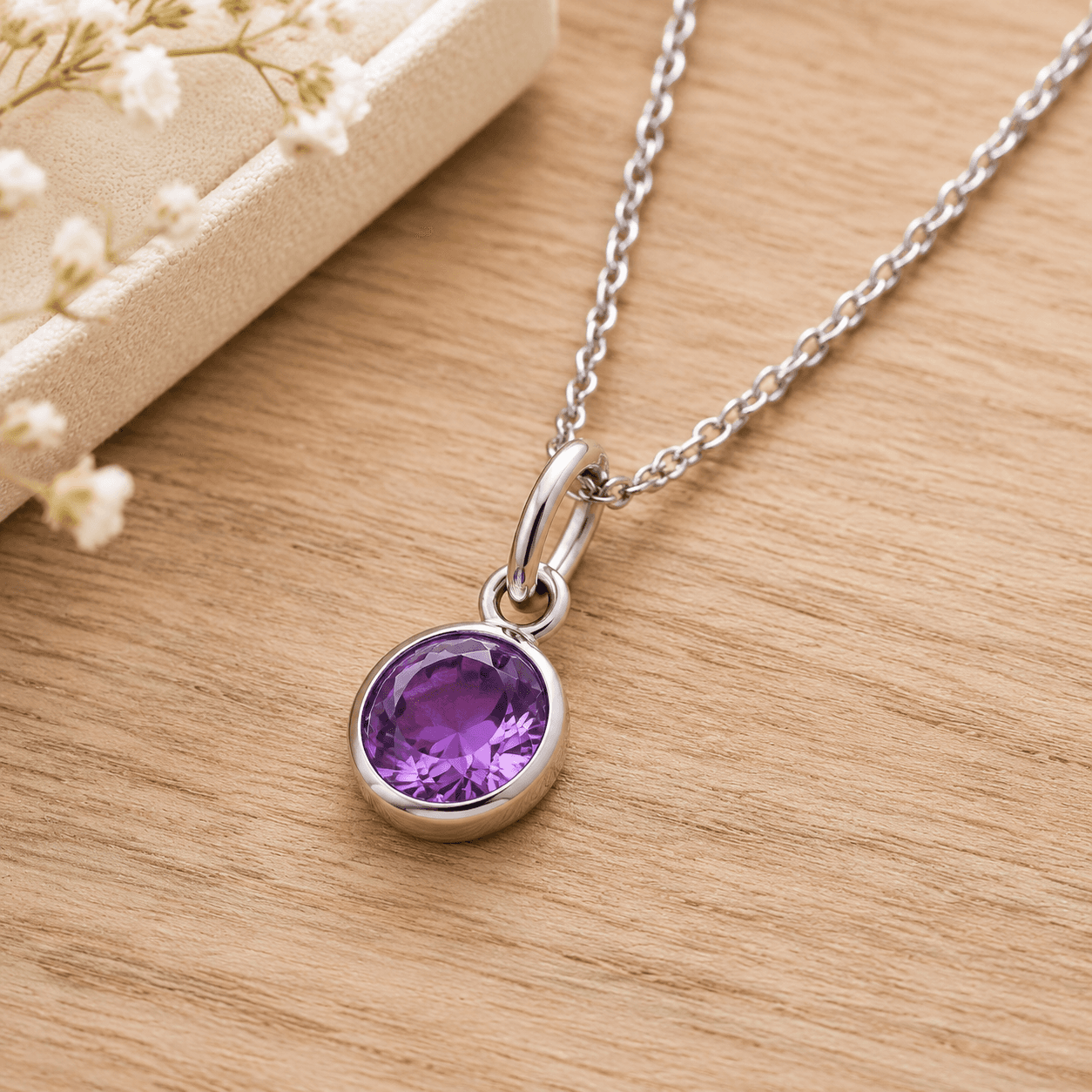
Birthstone charms for necklaces bring personal meaning, color, and visual detail to jewelry collections. For jewelry designers, they offer a flexible design direction that can be developed around twelve birth months, individual gifting occasions, and coordinated seasonal assortments. Choosing the right charm involves more than selecting a birthstone color. Proportion, setting construction, surface finish, attachment hardware, and necklace styling all contribute to the final design.
At Lancy Jewelry, birthstone charms are developed using 316L stainless steel as the exclusive base material, with customization options including PVD gold plating, silver finish, rose gold plating, enamel, and crystal inlay. As a stainless steel charms manufacturer, Lancy supports OEM and ODM development, sample development, logo engraving, and private-label packaging. This guide explains how designers can plan birthstone charms for necklaces, evaluate visual combinations, and prepare a technically practical collection.
Whether developing a twelve-month collection, a personalized gifting program, or a boutique necklace assortment, understanding the relationship between color, scale, attachment design, and manufacturing requirements helps turn creative concepts into consistent production-ready products.
How to Style Birthstone Charms for Necklaces
Birthstone charms for necklaces work particularly well when the design communicates a clear visual story. Begin by deciding whether the charm should represent a birth month, a personal milestone, or a color theme. A single crystal inlay charm creates a focused appearance, while a coordinated combination of birthstone colors can support a more expressive necklace collection. For boutique assortments, consider organizing the designs into twelve individual month options with a consistent charm silhouette and attachment structure. This makes the collection easy to understand while allowing customers to select meaningful colors.
Step 1: Choose the charm proportion. Standard charm dimensions around 8–18 mm offer useful flexibility for necklace applications. Smaller designs can create subtle accents, while larger designs provide more space for decorative detailing. Step 2: Select the color direction. Crystal inlay provides a defined focal point, while enamel color filling allows designers to introduce controlled color areas and graphic details. Step 3: Select the surface finish. Silver finish provides a clean, understated appearance, PVD gold plating creates a warm visual effect, and rose gold plating introduces a softer color direction. Each finish should be evaluated against the selected birthstone color under consistent lighting.
Step 4: Plan the attachment. A bail or jump ring should pass through a genuine mounting hole or closed loop, with enough clearance for the intended necklace chain. Step 5: Review the complete silhouette. Examine the charm from the front and side to confirm that its decorative face, attachment hardware, and overall thickness work together. These steps help jewelry designers establish a repeatable visual language across all twelve birth months without sacrificing individual design character. For additional design directions, explore the Birthstone Collection and complete product catalog.
Birthstone Color Combinations and Visual Design Ideas
A successful birthstone collection needs a recognizable color system. Designers should consider hue, saturation, contrast, and visual balance before selecting decorative details. A practical approach is to establish one primary color for each month, then develop the charm's surrounding design using a consistent frame, outline, or decorative motif. This allows the collection to remain visually coordinated even when the twelve color options are substantially different. The same design framework can also support necklace capsules, gift assortments, and personalized boutique programs.
For a visual gallery approach, organize design concepts into distinct styling directions. A blue crystal inlay with a silver finish can create a cool, contemporary appearance. Teal accents paired with PVD gold plating offer stronger color contrast. Soft pink and warm rose gold plating can create a delicate romantic direction, while deep red enamel provides a more pronounced focal point. Purple, green, and clear crystal inlay options can extend the range without changing the underlying charm construction. Designers should assess how each color reads at the intended viewing distance because small decorative surfaces may appear more saturated than expected in close-up photography.
Consider three coordinated design families when planning a collection. First, minimalist birthstone charms use a single central color element and a clean outer silhouette. Second, celestial designs combine birthstone colors with star, orbit, or constellation details. Third, botanical and symbolic designs use decorative outlines to give each month an individual identity. Lancy design references such as the Ginkgo Constellation 316L Birthstone Charm, Fortune Orbit Teal Starburst 316L Stainless Steel Charm, and Aurora Galaxy Birthstone Spiral Spacer 316L Stainless Steel Charm illustrate different ways to explore decorative geometry and color placement. These references can help designers discuss visual direction during custom stainless steel charms development without requiring every month to use an identical decorative layout.
316L Stainless Steel Properties, Finishes, and Decorative Techniques
Material selection is fundamental to the performance and appearance of birthstone charms for necklaces. Lancy uses 316L stainless steel as its exclusive charm base material. This material is widely selected for jewelry applications because its chromium-rich passive surface supports corrosion resistance, while its molybdenum content contributes to improved resistance in chloride-containing environments compared with common stainless steel grades. The actual performance of a finished charm also depends on manufacturing quality, surface preparation, design geometry, and exposure conditions. Buyers should distinguish the properties of the base material from those of the applied decorative finish when preparing product specifications.
PVD gold plating: Physical vapor deposition creates a controlled decorative surface coating. The final appearance depends on coating specifications, preparation, and process control. Silver finish: A polished or refined silver-tone appearance provides a versatile option for colorful birthstone designs. Rose gold plating: A warm-toned finish can support romantic and personalized collection themes. Enamel: Color filling is useful for graphic motifs, defined color fields, and month-specific decorative elements. Crystal inlay: Precisely planned settings introduce a reflective focal point while retaining a compact charm silhouette.
Technical development should address the interaction between these features. Designers need to specify the decorative element's dimensions, edge profile, setting depth, and intended surface finish before sampling. Crystal settings should have sufficient retaining geometry, and enamel areas should have clearly defined boundaries. Attachment loops need appropriate material thickness and clearance to reduce deformation during normal handling. For technical evaluation, buyers can request applicable SGS test documentation covering RoHS, REACH, EN1811, and salt spray performance. These references address different compliance or testing considerations and should not be treated as interchangeable guarantees. Confirm the exact test method, tested sample, report date, market requirements, and applicable product scope before making regulatory claims.
Visual Gallery: Six Creative Birthstone Necklace Directions
A visual gallery helps jewelry designers evaluate how different decorative approaches can be translated into a coherent commercial collection. The following concepts provide practical starting points for mood boards, CAD discussions, prototype briefs, and boutique assortment planning. Each concept should be developed as an individual 316L stainless steel charm rather than as a complete necklace. This keeps the charm's silhouette, attachment point, and decorative face easy to evaluate during design approval.
Gallery 1 – Celestial Blue: Develop a blue crystal inlay charm with a compact starburst or orbital outline. A silver finish can emphasize the cool color palette. Gallery 2 – Botanical Birthstone: Explore leaf and ginkgo-inspired outlines with a controlled central color element. The Ginkgo Constellation 316L Birthstone Charm provides a reference for combining botanical geometry with celestial details. Gallery 3 – Spiral Accent: Use a circular or spiral arrangement to create movement around the central birthstone color. The Aurora Galaxy Birthstone Spiral Spacer 316L Stainless Steel Charm illustrates how a coordinated geometric concept can be developed with controlled decorative placement.
Gallery 4 – Teal Starburst: Position a teal decorative focal point inside a radial silhouette, using the Fortune Orbit Teal Starburst 316L Stainless Steel Charm as a visual development reference. Gallery 5 – Warm Symbolic Detail: Consider a symbolic charm with a small birthstone color accent and PVD gold plating to create a gift-oriented design direction. Gallery 6 – Compass and Direction: Explore a directional motif with restrained decorative details. The Stormforge Compass Anchor 316L Stainless Steel Charm and Guardian Trunk Fortune 316L Stainless Steel Charm provide additional visual references for expanding a coordinated assortment beyond conventional month symbols. For every gallery concept, keep the charm fully visible, show the actual bail or jump ring, and include a close-up that reveals the finish, setting, and surface detail.
Custom Development, Prototyping, and Production Planning
Turning a birthstone concept into a repeatable product requires a clear development sequence. Start with a design specification that identifies the month, color reference, charm dimensions, outline, decorative method, and attachment structure. Include front, rear, and side views wherever possible. For a twelve-month program, prepare a master design with clearly documented variations rather than relying on verbal color descriptions. Pantone references or approved physical color samples can help communicate the intended enamel or decorative color. Buyers should also specify whether the charm will be sold individually, included in a necklace assembly program, or presented as part of a broader gift assortment.
Lancy supports OEM and ODM development through design review, engineering assessment, sample development, logo engraving, PVD plating, enamel color filling, crystal setting, and private-label packaging. During prototyping, the factory can evaluate the charm's thickness, weight, mounting loop, edge condition, and decorative positioning. A sample review should include dimensional measurements, finish appearance, attachment movement, and the quality of any crystal or enamel details. If adjustments are required, record them in a revision sheet so that the approved sample and subsequent production specifications remain aligned. This process is particularly useful when a buyer intends to launch several birthstone colors using one common mechanical structure.
For commercial planning, wholesale stainless steel charms programs should establish the expected assortment quantity, color breakdown, target order volume, packaging configuration, and required delivery schedule. Low MOQ support can help buyers assess a collection before expanding into larger bulk charm orders, subject to design complexity and production feasibility. A stainless steel charms manufacturer should also clarify the sampling lead time, production lead time, inspection criteria, and finish acceptance standards before order confirmation. Buyers can review the OEM manufacturing service to understand customization possibilities and use the Lancy contact page to discuss technical requirements. A complete specification at the beginning of development reduces repeated revisions and supports more predictable production planning.
Quality Control, Certification Interpretation, and Boutique Readiness
Quality control for birthstone charms should cover both mechanical construction and decorative appearance. A consistent inspection plan begins with incoming 316L stainless steel material verification, followed by dimensional checks, machining or forming review, surface preparation, finishing inspection, and evaluation of decorative components. The charm's outline should be consistent with the approved drawing, and the attachment loop should be securely integrated into the design. Inspect edges for burrs or irregularities, check the rear surface for unwanted marks, and assess whether the charm sits correctly when connected to its intended chain. These details matter because small components are often handled closely by both retail staff and end customers.
Finish inspection should evaluate color consistency, surface uniformity, visible defects, and coating coverage. PVD gold plating and rose gold plating should be reviewed against an approved reference sample under consistent lighting. Silver finish products should have an even appearance, while enamel color filling should show clean boundaries and consistent coverage. Crystal inlay inspection should include alignment, setting security, visible surface damage, and consistency of decorative placement. For multi-color collections, inspect representative samples from each color variation rather than assuming that one approved color automatically validates the entire assortment.
Compliance documentation requires equally careful interpretation. SGS testing and documentation may cover RoHS, REACH, EN1811, and salt spray performance, depending on the applicable test scope and product requirements. RoHS and REACH relate to different chemical and regulatory considerations. EN1811 is a test method relevant to nickel release from products intended for direct and prolonged skin contact, where applicable. Salt spray testing evaluates corrosion behavior under defined laboratory conditions; its results should be interpreted using the specified test duration and acceptance criteria rather than as a universal prediction of service life. Buyers should request reports for the relevant product construction and finish, verify sample identification, and check whether destination-market requirements are satisfied. These quality practices help Lancy support private label charms with documented specifications, consistent finish expectations, and boutique-ready series planning.
Frequently Asked Questions About Birthstone Charms for Necklaces
Start Developing Your Birthstone Charm Collection
Turn your birthstone necklace concept into a coordinated 316L stainless steel charm collection with Lancy Jewelry. Our OEM and ODM capabilities support custom silhouettes, crystal inlay, enamel color filling, PVD gold plating, silver finish, rose gold plating, logo engraving, and private-label packaging. Whether you are planning a twelve-month assortment, a boutique gifting program, or a new wholesale product range, our team can help assess design feasibility and organize the sampling process.
To receive a useful RFQ and sample development assessment, please send the following information: 1. Design drawings, reference images, or sketches showing the front, rear, and side views. 2. Preferred charm dimensions, thickness, weight expectations, and attachment mechanism. 3. Birthstone month and color specifications, including crystal inlay or enamel requirements. 4. Preferred finish, such as PVD gold plating, silver finish, or rose gold plating. 5. Estimated sample quantity, expected MOQ, quantity per color, and projected bulk orders. 6. Logo engraving artwork, private-label packaging requirements, destination markets, and relevant testing or certification requirements.
With these details, Lancy can review the concept, identify manufacturing considerations, and discuss sampling, production feasibility, and commercial requirements. Explore our birthstone charm collection, review our OEM and ODM services, or submit your RFQ and request a quotation. For additional assistance, contact our team through the Lancy Jewelry contact page and begin planning your next birthstone collection.
Related resources
Related resources
- How to Choose a Stainless Steel Custom Enamel Bracelet Charms Supplier
- 316L Steel Secrets: Sourcing Convertible Car Jewelry Bulk Charms
- How to Evaluate 316L Stainless Steel Zodiac Bracelet Charms Wholesale Suppliers
- 316L Steel Explained: Stainless Steel Fur Bag Charm Wholesale Guide
- 316L Alloy Guide: Choosing a Stainless Steel Rabbit Bag Charm Factory China
- Stainless Steel Custom Enamel Charms: A Buyer’s Quality Guide
- Stainless Steel Custom Car Charms: A Buyer’s Quality Checklist
- Stainless Steel Ganz Car Charms Wholesale: A Quality Buyer’s Guide
- Custom Stainless Steel Charm Bracelet Tutorial: A Buyer’s Guide to Quality
- How to Choose the Best Custom Car Charms in Stainless Steel