In the B2B landscape of boutique jewelry sourcing, turning a concept into a reliable prototype for stainless steel enamel charms requires a disciplined blend of material science, process control, and practical project management. For product developers and procurement managers, prototyping is where design intent meets manufacturability. At Lancy Jewelry, a modern OEM/ODM facility with capabilities including enamel filling, PVD finishing, logo engraving, and private-label packaging, we align material chemistry with process engineering to deliver enamel charms that meet global standards and private-label programs. This technical guide outlines 316L stainless steel behavior, enamel chemistry, and a streamlined plan for rapid prototyping that reduces risk and accelerates lead times. If you are evaluating suppliers for wholesale stainless steel charms or custom decorative charms programs, you will find actionable guidance on design tolerances, testing, and scalable options. Our OEM service readiness and catalog availability support efficient prototyping cycles. You may initiate inquiry or sampling through our RFQ workflow or connect with us via Contact.
stainless steel enamel charms custom
Material properties of 316L base
The core material for enamel charms is 316L stainless steel, a low-carbon austenitic alloy known for corrosion resistance and reliability in daily wear. Typical chemistry ranges for chromium, nickel, and molybdenum contribute to formability and weldability, with reduced carbon to aid processing. The 316L baseline supports robust performance across markets. This material framework guides mechanical properties that influence enamel bonding, edge geometry, and post-cut finishing during prototyping. It also informs how finishing layers, including PVD and logo engraving, will interact with the surface. 316L is suitable for standard passivation and cleaning regimes used in our certified processes.
Enamel filling and curing
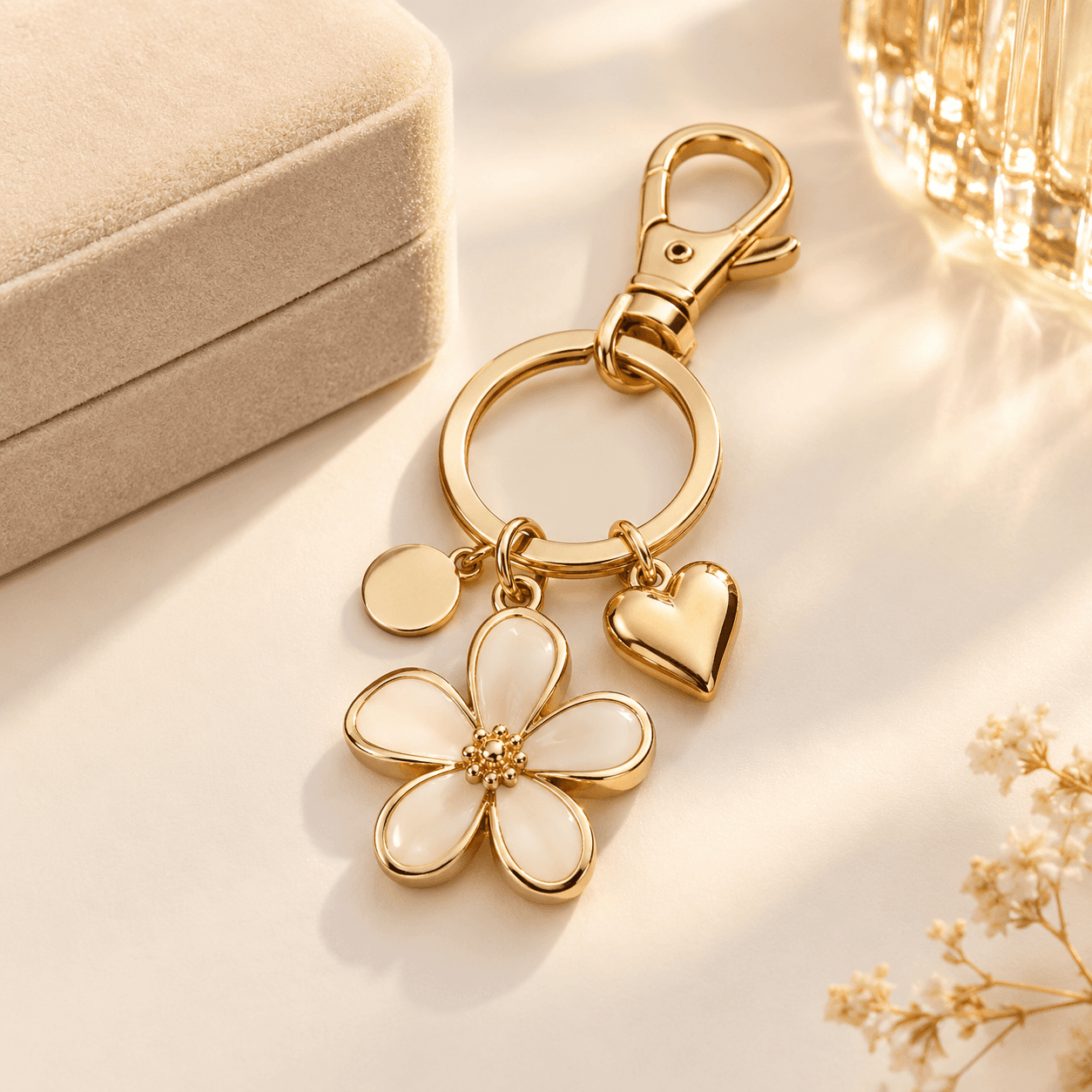
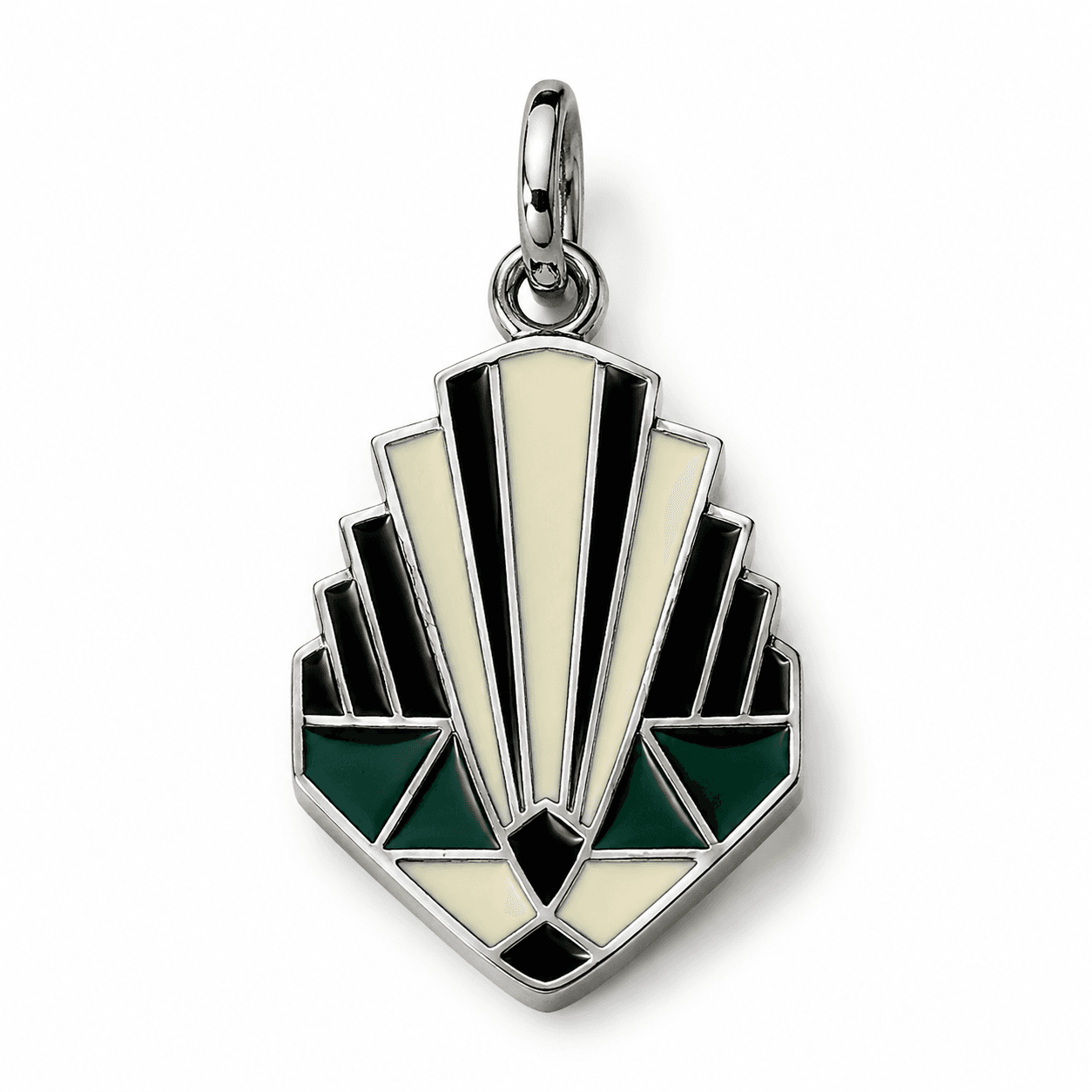
Enamel color filling relies on durable vitreous enamel systems that can be fired in controlled kilns. The process begins with meticulous surface preparation—clean, oxide-free surfaces, careful micro-sandblasting as needed, and removal of polishing residues. Enamel color is applied in layered steps to achieve depth, opacity, or translucency as required by the design. Each layer cures under specific firing temperatures and atmospheres to ensure color fastness and adhesion. Modern enamels used in our practice deliver high resistance to chipping and scratching, with color stability under normal wear. Prototyping benefits include rapid testing of color combinations, iterating enamel fills to achieve exact shades, and verifying enamel integrity through thermal cycles. When designing multi-color motifs, plan for uniform thickness to minimize mis-registration that could affect the final aesthetic. The enamel process also interacts with subsequent finishes, including PVD plating and logo engraving. See how this capability supports private-label packaging and OEM/ODM documentation by coordinating design files, color swatches, and finish specs in a single development package.
PVD plating workflow
Post-enamel surfaces may receive a protective or decorative PVD coating. PVD plating on 316L stainless steel charms provides durable color options—gold plated, rose gold, or silver finishes—while preserving enamel regions. Surface pretreatment is critical: degreasing, pickling, and a fine clean promote adhesion. The PVD process deposits a thin, hard coating that resists wear, tarnish, and corrosion. We design workflows to prevent enamel regions from being affected by plating, using masking or selective deposition. Typical thickness ranges from 0.5 to 5 microns, balancing color depth with abrasion resistance. Plating color, adhesion quality, and uniformity across production lots are validated through in-process checks and post-process tests to support repeatable bulk orders and private-label programs. This strategy aligns with our certifications and ensures OEM/ODM customers receive reliable finishes across production runs.
Quality certifications and compliance
Our production operates under certified processes with RoHS, REACH, and nickel-release testing, plus Salt Spray resistance testing. These certifications translate into confidence for cross-market programs—US, EU, UK, AU, CA, DE, FR, SP, NE, RU—where consumer safety and regulatory requirements matter. Nickel-release testing validates biocompatibility and reduces potential allergen exposure. Salt spray testing assesses corrosion resistance under harsh environments, simulating long-term wear. Together, these certifications underpin a robust supplier profile for OEM/ODM or wholesale stainless steel charms, particularly when private-label packaging is integral to brand integrity. By embedding testing results into design files and QA documentation, product developers can defend material choices and validate lead times during RFQ conversations with suppliers and contract manufacturers.
Benefits/Why it matters
Key benefits (with certifications)
- 316L stainless steel charms deliver corrosion resistance, mechanical strength, and formability for precise enamel work and durable finishes.
- Enamel bonding enables vibrant, durable color accents that stay intact under daily wear without compromising metal integrity.
- PVD plating expands aesthetic options (gold, rose gold, silver) while preserving the substrate and enamel layers.
- QA-certified production ensures RoHS/REACH compliance and validated nickel-release performance, supporting global market access.
- Low MOQ support and sample development programs accelerate prototyping cycles, enabling brands to validate concepts before large-scale commitments.
- Private-label packaging and thorough documentation streamline market-ready rollouts for boutique brands and charm bar retailers.
From a procurement perspective, this approach reduces redesigns, clarifies spec sheets, and supports reliable lead times for cross-border supply chains. The combination of 316L chemistry, enamel technology, and disciplined coating workflows makes the stainless steel enamel charms suitable for wholesale stainless steel charms programs and private-label collaborations alike. For readers evaluating suppliers, emphasize material integrity, process control, and traceable QA documentation as indicators of a factory-direct partner capable of meeting OEM/ODM requirements. To explore options or request a prototype, visit our OEM service page or start a conversation through Contact.
Detailed analysis/Guide
Step 1: define design tolerances
Begin with a precise design brief, including unit count, size ranges (defaultSize 8–18 mm for charms), layout, enamel color palette, and tolerances for hole alignment, bail diameter, and wall thickness. A well-scoped tolerance plan reduces late-stage rework and shortens the prototype-to-production ramp. For 316L charms, typical tolerances around 0.05–0.15 mm in critical features are common, depending on silhouette complexity and enamel regions. Documentation should include CAD files, fabrication notes, and finish requirements for PVD and enamel. For private-label projects, anticipate packaging constraints and branding overlays to ensure the final product meets brand guidelines.
Step 2: material preparation and fabrication plan
With 316L as the base, we optimize the fabrication sequence to minimize deformation and ensure enamel integrity. CNC, laser cutting, and welding steps are coordinated to produce clean edge geometry and consistent hole alignments for jump rings or bail attachments. Deburring and surface finishing are scheduled before enamel application to reduce micro-scratches that could trap air or impact enamel adhesion. Understanding the alloy’s response to heat and mechanical stress helps determine whether tight post-cut tolerances are necessary or if post-assembly smoothing is sufficient before enamel application.
Step 3: enamel color strategy and fill process
Color strategy starts with swatches and a defined palette. After surface prep, enamel colors are applied in layers, with attention to edge confinement to prevent color bleed. The curing cycle must be tuned to preserve enamel integrity and avoid micro-cracking in high-relief designs. For multi-color motifs, plan sequential fills with even thickness distribution to maintain consistent brightness under boutique display lighting. Documentation should capture color codes, firing temperatures, and pigment additives used for traceability in case of future color rework.
Step 4: post-enamel finishing and inspection
Post-enamel finishing includes surface cleaning, micro-polishing, and inspection for enamel chipping or cracking. Visual inspection, micrometer measurements, and hardness checks verify enamel integrity and base metal surface quality. When prepping for plating, a controlled passivation step ensures the base metal surface is ready for coating adhesion, reducing the risk of delamination. A robust QA protocol records defect rates, batch IDs, and corrective actions—information valuable for OEM/ODM customers tracking batch-to-batch consistency during sample development and small production runs.
Step 5: plating and finishing options
Plating options align with brand aesthetics and market expectations. The PVD process supports gold plated, rose gold plating, and silver finishes while preserving enamel gloss and color fidelity. Masking strategies protect enamel areas during plating to ensure edge definition remains crisp. Each lot receives instrumented inspection for coating thickness uniformity and adhesion strength. This ensures that subsequent logo engraving or private-label packaging does not compromise the plating layer or enamel surfaces.
Step 6: logo engraving and private-label packaging
Logo engraving can be performed using laser marking or mechanical engraving, with tolerances, font choices, and character height defined in the spec. Private-label packaging requires secure, branded packaging solutions, documentation, and labeling that align with regulatory and market requirements. Coordinating packaging artwork with product specs improves time-to-market for wholesale orders and private-label programs.
Step 7: lead times and sample development
Lead times depend on design complexity, material sourcing, and finishing options. Our sample development program accelerates validation cycles, enabling rapid iteration while preserving strict process controls. For new customers, an initial prototype batch demonstrates form, fit, and finish, followed by a small production run to confirm tolerances and plating consistency before larger orders. This approach is essential for OEM/ODM customers seeking reliable supply chains and scalable MOQs for private-label projects.
FAQ
Q1: What is the typical lead time for a prototype enamel charm?
A typical prototype lead time ranges from 2 to 6 weeks, depending on design complexity, color palette, and finishing options (PVD color, enamel layers, logo engraving). Our sample development program shortens this window by providing defined steps, approved color swatches, and a clear QA checklist. For urgent projects, we offer accelerated prototyping with a dedicated project manager through our OEM/ODM service.
Q2: What testing does Lancy perform for 316L enamel charms?
We conduct nickel-release EN1811 testing, RoHS/REACH compliance checks, and salt spray durability tests to simulate long-term exposure. In addition, we verify enamel adhesion, coating thickness uniformity, and mechanical integrity through impact, bend, and micro-scratch tests as part of our standard QA protocol. Certification documents are maintained for each batch to support traceability for wholesale and private-label orders.
Q3: Can we order small MOQs for a private-label program?
Yes. We support low MOQ charm production to help brands test concepts, minimize initial investment, and manage risk during early-stage private-label launches. MOQs are scalable as orders mature, with production plans aligned to forecasted demand and private-label timelines. Discussion of MOQs can be integrated into the RFQ process via our Request a Quote workflow or during conversations on our OEM service page.
Q4: What finishes and enamel options are available?
Available finishes include PVD plated options such as gold plated, rose gold plating, and silver finishes. Enamel options span a broad color spectrum with solid and translucent fills, including crystal inlay as an optional accent. The process supports multi-color enamel designs and, where needed, crystal accents for added texture. Finish choices are documented in the project brief and informed by QA results to ensure uniform appearance across production lots.
Call to action
If you’re developing a new line of enamel charms or expanding a private-label program, partner with Lancy Jewelry to access a dedicated OEM/ODM partner focused on 316L stainless steel charms. We provide robust engineering support, material science expertise, and end-to-end manufacturing capabilities—from design collaboration and logo engraving to enamel fills, PVD finishing, and private-label packaging. Start with a formal inquiry to discuss your design brief, or browse our product catalog to align your project with existing standard shapes. For a direct conversation about your prototype needs, contact us through Contact or place a formal RFQ via Request a Quote to kick off sample development and early-stage testing. Let’s move from concept to market-ready with predictable lead times and scalable manufacturing.