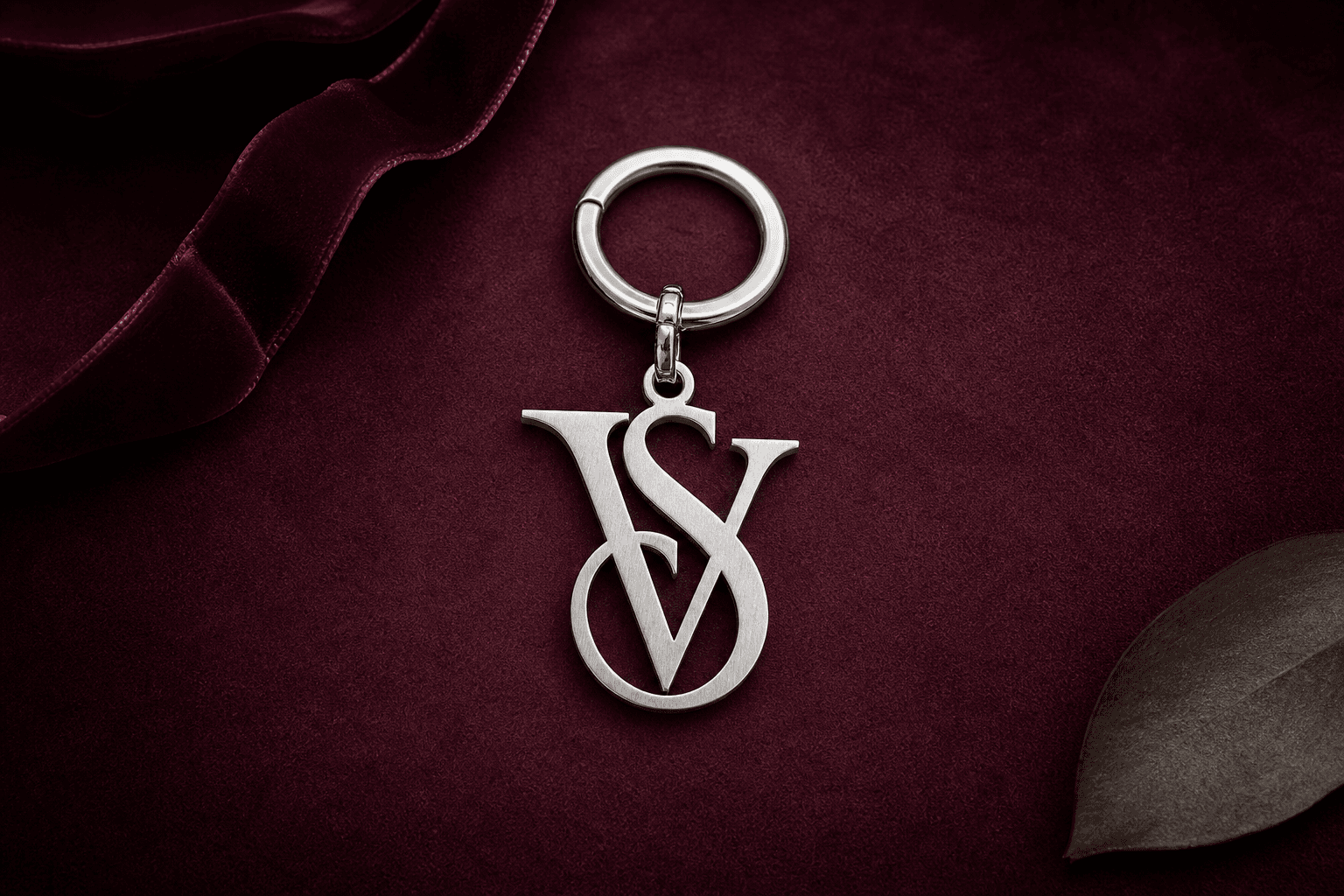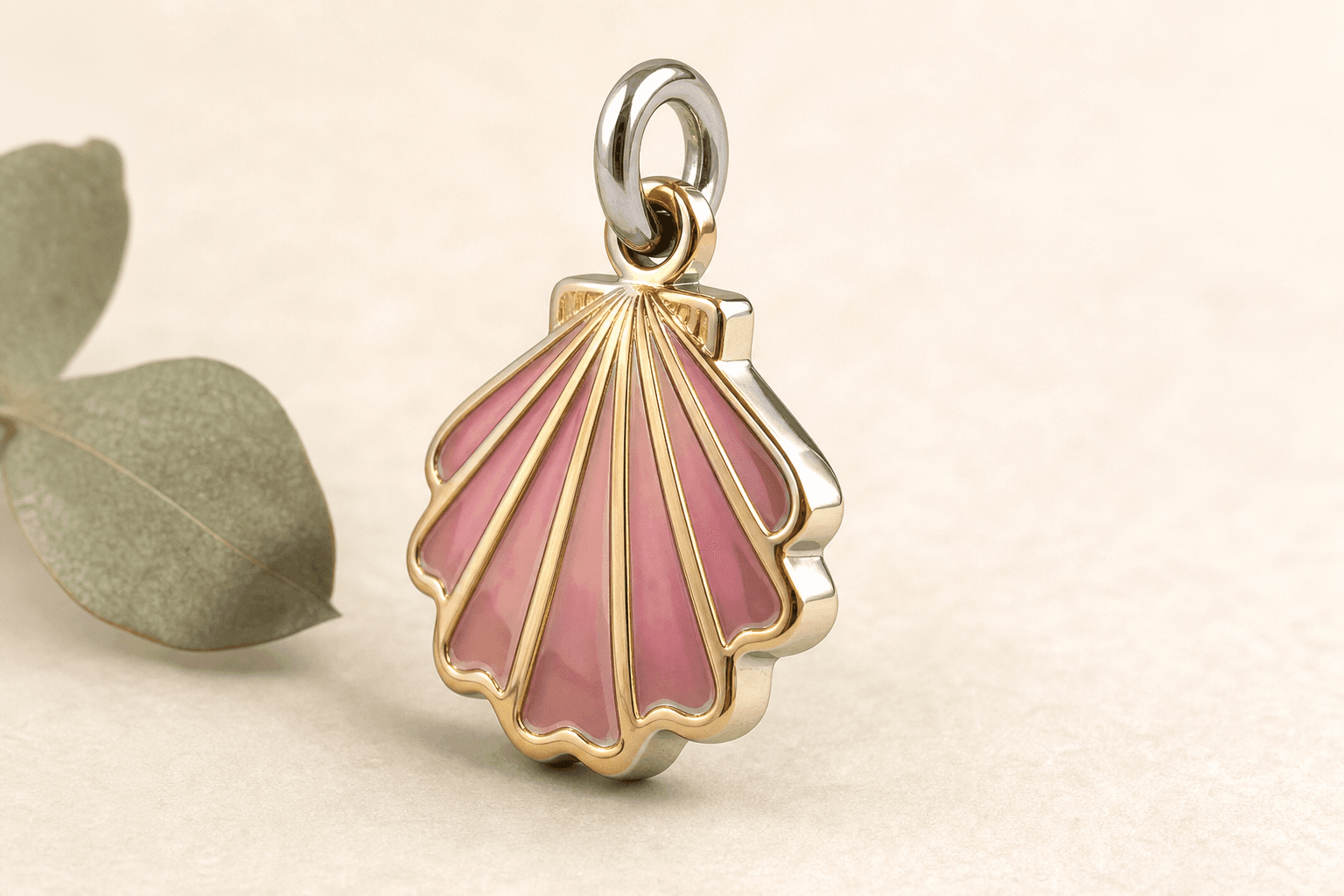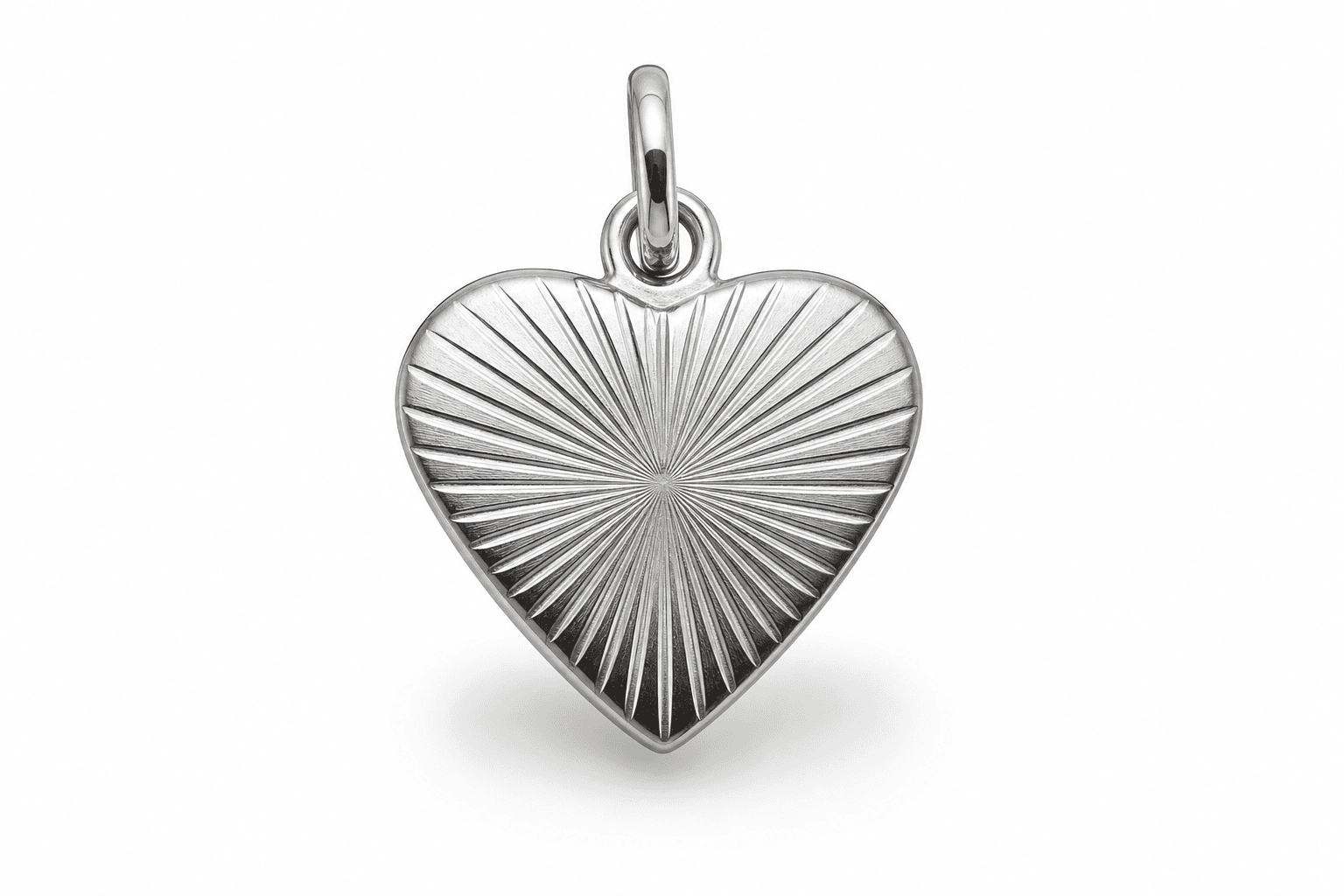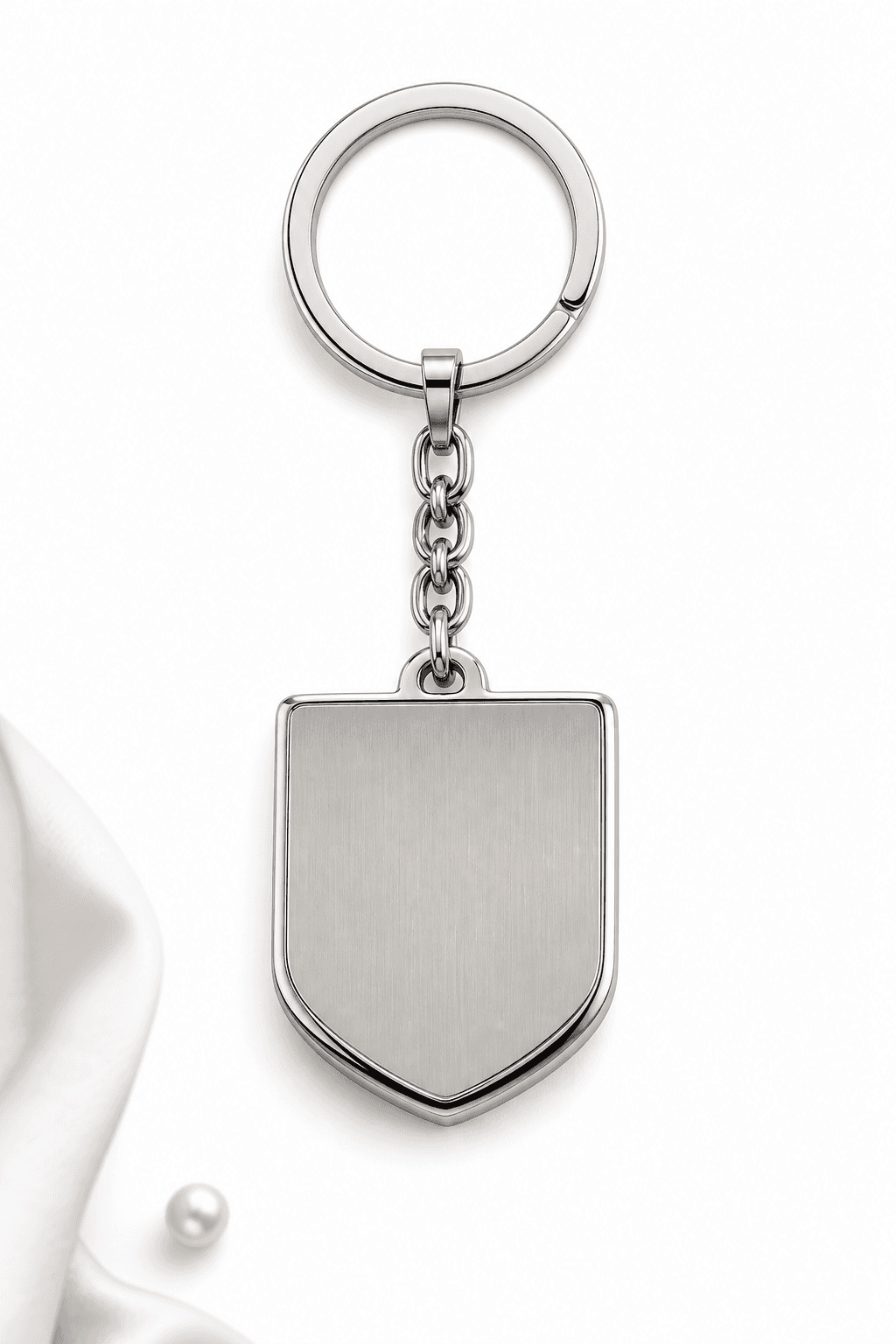
In today’s competitive B2B landscape, ensuring consistent quality and durability of stainless steel custom charm keychains is crucial. Procurement teams must adopt a systematic approach when vetting OEM charms manufacturers and ODM charm suppliers to protect brand reputation and meet end-customer expectations. This sourcing guide provides a data-driven, actionable checklist for vendor audits, focusing on 316L stainless steel charms, wear resistance testing, and longevity guarantees.
Why Vendor Audits for Stainless Steel Custom Charm Keychains Matter
Aligning Quality & Compliance
☐ Confirm vendor capabilities across design, production, plating, and finishing processes.
☐ Validate adherence to RoHS, REACH, and Nickel Release EN1811 standards.
☐ Ensure traceability of raw 316L stainless steel, PVD plating, and crystal inlay materials.
Mitigating Supply Chain Risks
☐ Identify weak points in production that could cause plating failure or structural defects.
☐ Reduce scrap rates, rework, and unexpected delays in sample development.
☐ Maintain MOQ consistency to avoid production bottlenecks and last-minute cost increases.
Benefits of Rigorous Vendor Audits
Enhanced Durability & Longevity Guarantees
Conducting on-site and remote audits helps procurement teams verify stainless steel charm hardness, surface finish adhesion strength, and salt spray resistance (240H) to guarantee long-term wear resistance. Quality audits boost confidence in bulk orders and private label charm production.
Compliance Documentation & Traceability
Detailed audit reports including material certificates, test results, and process flowcharts streamline RFQ reviews and compliance filings. SGS-certified test data for 316L stainless steel charms ensures your boutique brand meets global market requirements in the US, EU, UK, and beyond.
Optimized Cost-Quality Balance
Vendor audits reveal high-efficiency manufacturing processes, lowering per-unit cost for custom decorative charms while preserving plating consistency. Evaluating facility layout and equipment—CNC, laser cutting, laser marking, welding, and polishing—enables data-driven decisions on sample development and scaling to bulk orders.
Step-by-Step Vendor Audit Checklist
1. Pre-Audit Preparation
- ☐ Review supplier documentation: business license, SGS certifications (RoHS, REACH, EN1811).
- ☐ Define audit scope: focus on 316L stainless steel charm production, PVD plating, enamel color filling.
- ☐ Share NDA and audit schedule; confirm access to production, warehousing, and testing labs.
2. Facility & Process Inspection
- ☐ Entrance controls: observe metal storage conditions, raw material labeling, and traceability logs.
- ☐ Manufacturing zones: verify CNC machining, laser marking accuracy, and welding station safety protocols.
- ☐ Plating line: inspect PVD gold plated, silver finish, and rose gold plating bath quality and waste treatment procedures.
- ☐ Enamel & crystal inlay: check color-matching standards, curing temperatures, and contamination controls.
3. Quality Control & Testing
- ☐ Sample test logs: hardness testing, micro-scratch, and salt spray performance.
- ☐ Random part audit: cross-check production samples against approved drawings and 3D models.
- ☐ Plating adhesion: tape test and bend test to verify coating integrity.
4. Packaging & Logistics
- ☐ Private-label packaging: confirm flexibility for custom labeling, display cards, and tray inserts.
- ☐ Packaging stress tests: drop, compression, and humidity assessments to prevent damage in transit.
- ☐ Shipping readiness: evaluate handling procedures, pallet configuration, and documentation flow.
5. Supplier Performance Review
- ☐ Lead-time tracking: compare quoted timelines with actual delivery dates for sample development and bulk orders.
- ☐ Defect rate analysis: calculate PPM (parts per million) for plating defects, dimensional errors, and assembly flaws.
- ☐ Continuous improvement plan: request corrective action reports, root cause analyses, and KPI dashboards.
Frequently Asked Questions
Q: How often should we audit our stainless steel charm vendor?
A: Audit frequency depends on volume and risk factors. For high-volume bulk orders, a semi-annual on-site audit supplemented with quarterly remote reviews is recommended.
Q: What certifications matter for 316L stainless steel charms?
A: SGS certification covering RoHS, REACH, Nickel Release EN1811, and salt spray (240H) tests are essential. These ensure plating quality, metal composition, and corrosion resistance.
Q: Can remote audits replace on-site inspections?
A: Remote audits are a cost-effective supplement but should not fully replace on-site visits. Virtual video tours and real-time document sharing help maintain oversight between physical audits.
Q: How do we assess plating consistency across batches?
A: Use statistical sampling: measure coating thickness, perform adhesion tests, and compare surface finish uniformity across multiple production runs.
Ready to Ensure Quality with Lancy Jewelry?
Partner with Lancy Jewelry, your factory-direct OEM service provider for 316L stainless steel charms. Streamline your RFQ process and secure competitive pricing—Request a Quote today. Explore our full range of All Products or Contact our sourcing specialists for personalized support.