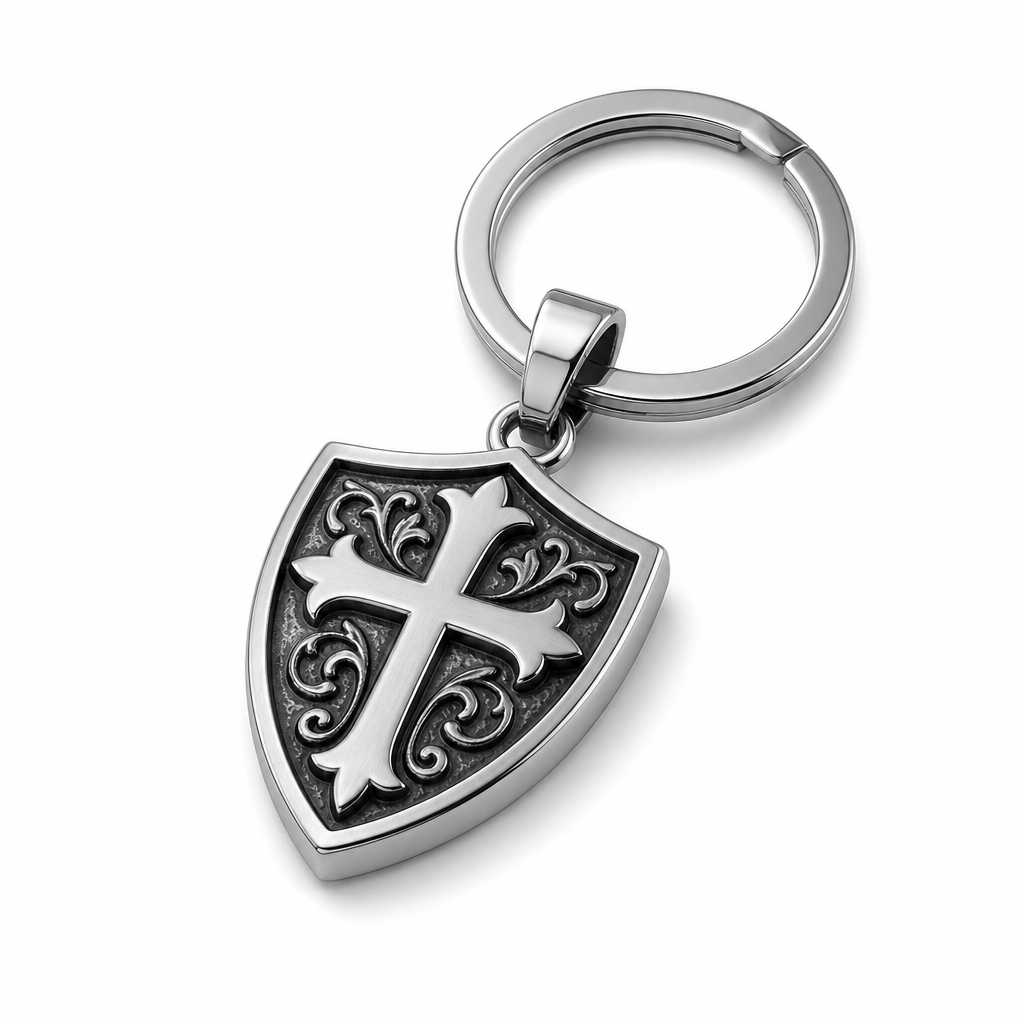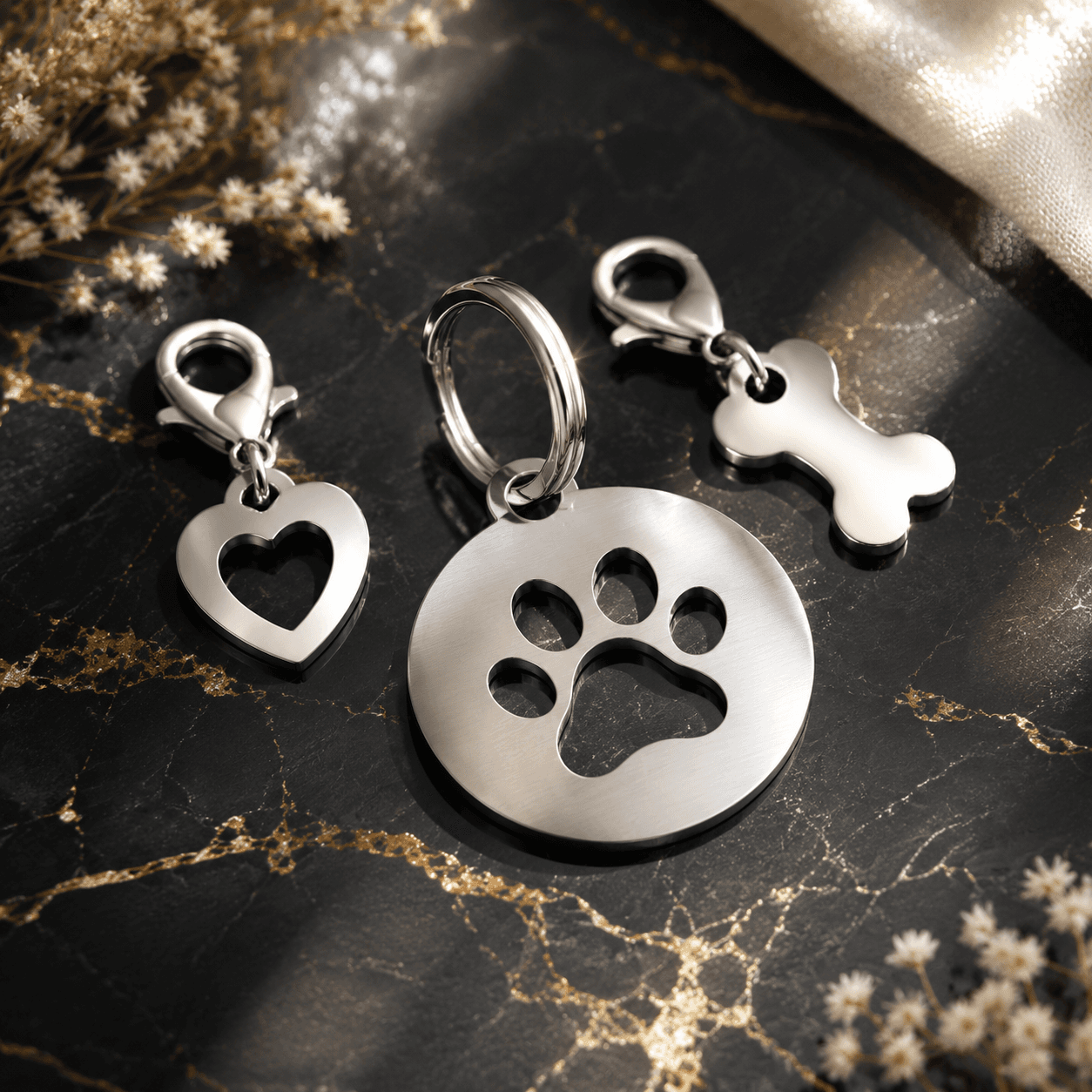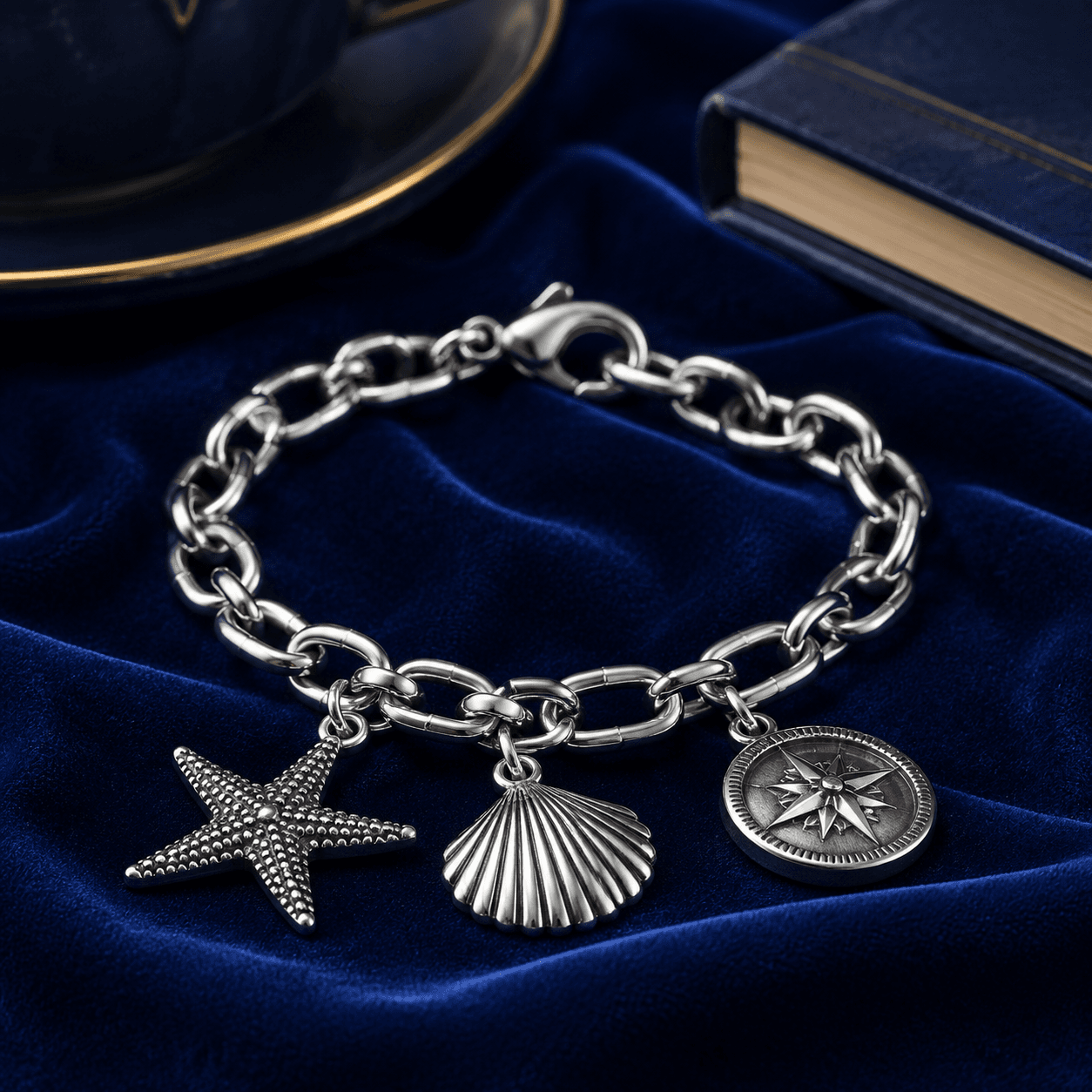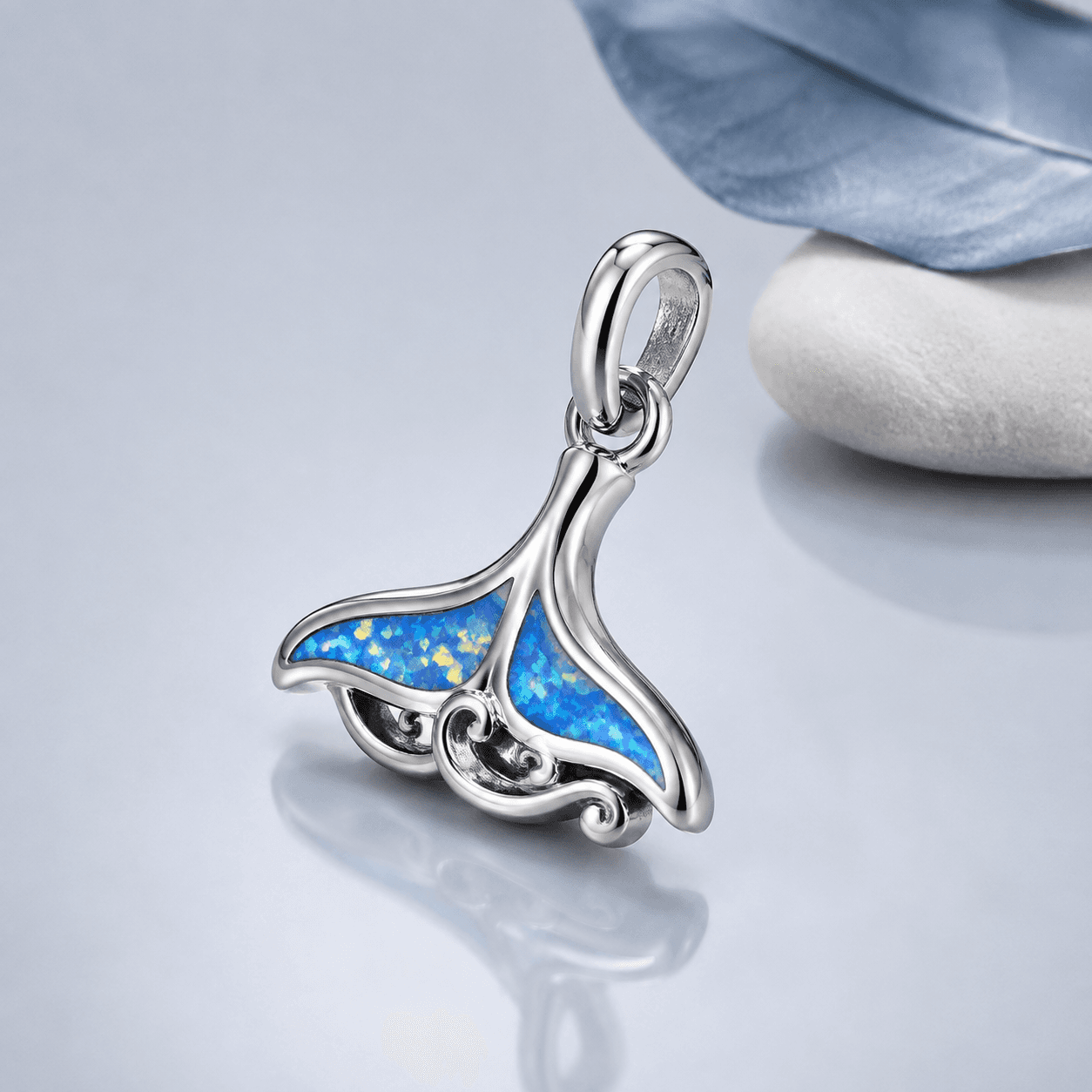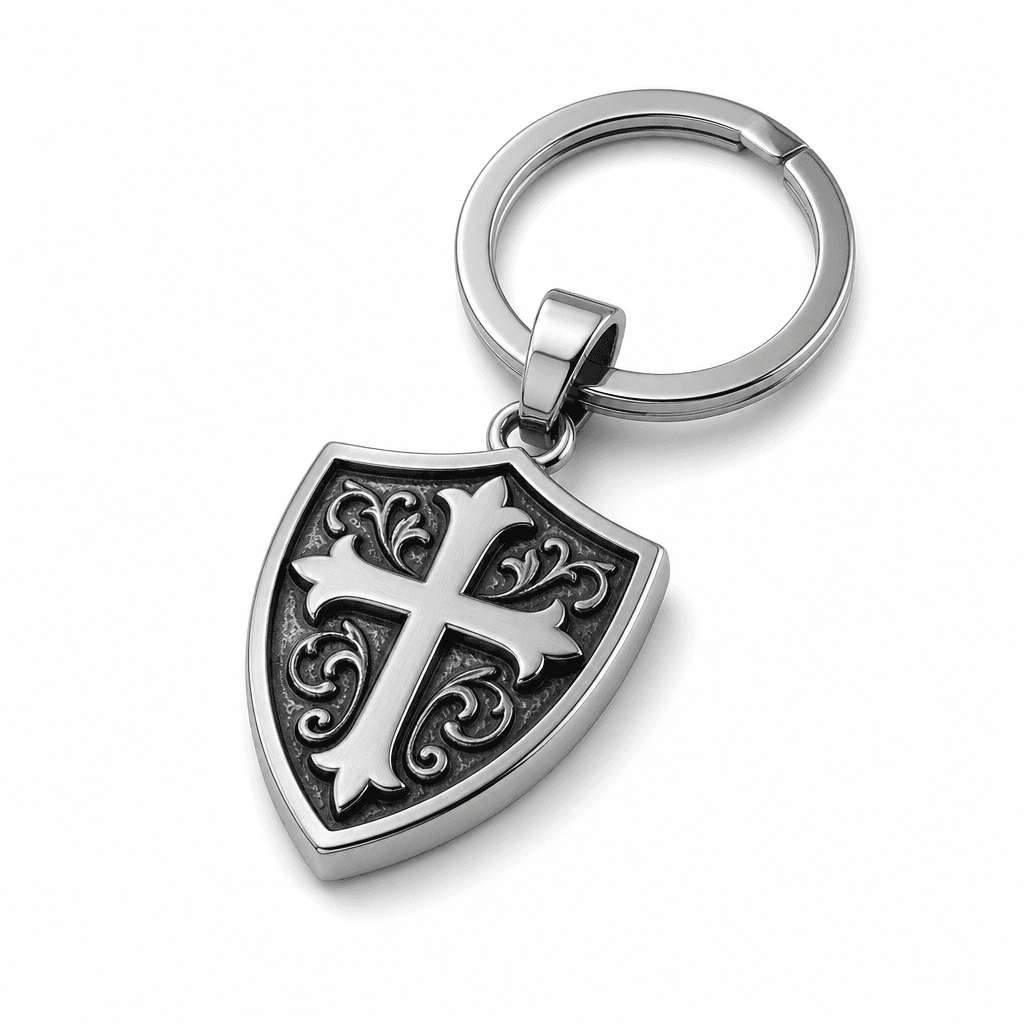
For procurement teams, the real cost of a charm program isn’t the unit price—it’s compliance risk, warranty claims, and vendor delays when documentation or performance falls short. When you source a stainless steel keychain charm for global retail and gift channels, you need a verification process that holds up during audits and inspections. Lancy Jewelry builds 316L stainless steel charms with a compliance-and-durability mindset backed by third-party testing coverage and clear factory controls.
Quality Standards Behind Stainless Steel Keychain Charm (Compliance Checklist)
Actionable pre-audit checklist (use for vendor vetting)
Benefits: Why Compliance-Driven Quality Standards Matter
Key procurement advantages
- Lower regulatory exposure: testing evidence supports your RoHS and REACH requirements for restricted substances across EU/UK and other global markets.
- Safer for end users: nickel release results aligned to EN1811 reduce risk of nonconformity tied to skin-contact concerns.
- Better long-term durability: corrosion resistance backed by Salt Spray 240H helps reduce finish degradation complaints after exposure cycles.
- Faster audits: having SGS-certified report coverage where applicable shortens back-and-forth during vendor qualification and inspections.
- More stable bulk charm orders: consistent factory processes (CNC, laser cutting, laser marking, welding, polishing, and PVD plating controls) reduce variability between sample approvals and production.
What “durable” should mean in buyer terms
Durability is not a marketing claim; it should map to measurable outcomes. For a stainless steel keychain charm program, procurement should require performance criteria that cover corrosion resistance, surface integrity, and nickel release safety for the finished item. When your spec includes plating, enamel, or crystal inlay, ask the vendor to show how each process affects those measurable outcomes.
Detailed Guide: How to Vet Stainless Steel Keychain Charm Quality (Step-by-Step)
1) Start with the spec that prevents mismatches
Before you even review certificates, align on your material and process boundaries. Lancy Jewelry supports 316L stainless steel charms as the base material only. Ask for confirmation that the charm body and relevant metal parts are produced from the required base and that any surface finishes are applied through controlled processes (including PVD where specified).
2) Build a compliance evidence checklist (RoHS, REACH, SGS, EN1811)
Procurement teams typically fail audits due to missing scope, incorrect finish coverage, or certificates not tied to the final product. Use this approach:
- Scope check: Request RoHS and REACH evidence that reflects the finished charm configuration, including plating/enamel/crystal inlay treatments.
- Third-party trail: Ask whether reports are issued under SGS-certified testing coverage where applicable. Ensure the tests correspond to the requested SKU finish variants.
- Nickel safety: Require Nickel Release EN1811 documentation for your production specification (material + surface finish + assembly state).
3) Validate corrosion resistance with salt spray requirements
For keychain usage, corrosion resistance matters because charms face sweat exposure, humidity, and abrasion over time. Review the Salt Spray 240H results and confirm they match the finish type you are purchasing. Ask:
- Was the test performed on the same finish (PVD gold plated, silver finish, rose gold plating, enamel, or crystal inlay configuration)?
- What pass/fail criteria are used for visible changes (discoloration, blistering, coating loss)?
- How do the results translate to expected retail lifespan under real usage?
4) Confirm mechanical safety and attachment realism
A keychain charm is a functional accessory: it must connect cleanly, stay closed, and avoid sharp or weak edges. During inspection, procurement should require:
- Hardware integrity checks (jump ring/bail interfaces): verify loops are fully closed where applicable and that connectors pass through real openings in a mechanically plausible way.
- Edge safety: confirm polishing and finishing reduce sharp points around the opening and mounting region.
- Impact readiness: check resistance to minor knocks typical of bag or key movement.
5) Inspect surface finish quality under buyer-defined acceptance criteria
Finish consistency is where charm programs often drift. Before approving bulk production, define acceptance criteria for:
- PVD surface uniformity (coverage, color consistency, and adhesion behavior).
- Enamel quality (color fill evenness, edge cleanliness, and durability against chipping during handling).
- Crystal inlay security (no looseness, secure setting process, and stable appearance after sample handling).
6) Use controlled sample development before bulk orders
If you’re running OEM or ODM procurement, sample development is where your documentation and design intent must converge. A practical plan:
- Request samples for each finish variant included in the charm program.
- Perform a functional check (attachment closure, movement, and safe handling).
- Compare samples against your acceptance criteria, then lock the configuration before bulk charm orders.
FAQ: Stainless Steel Keychain Charm Quality & Compliance
1) What compliance documents should procurement request for a stainless steel keychain charm?
Request a documentation pack covering RoHS and REACH scope for the finished charm, plus third-party test reports where applicable under SGS review. Also request nickel release testing aligned to Nickel Release EN1811 for the finished item configuration.
2) Are certifications enough to guarantee durability?
Certifications reduce regulatory risk, but durability should be validated with performance evidence. For corrosion resistance, review Salt Spray 240H results tied to your exact finish type (including PVD or enamel/crystal configurations) and your buyer-defined acceptance criteria.
3) How do you ensure finish quality for PVD gold plated or other plated options?
Ask for finish process controls and quality checks that address uniformity, adhesion behavior, and surface acceptance. During sample development, verify visual consistency and run your functional checks before committing to MOQ and bulk charm orders.
4) Can you support private label and low MOQ charm production without losing quality control?
Yes—private-label packaging and controlled sample development are standard for OEM/ODM programs. The key is to align your documentation needs and acceptance criteria early so production and packaging protect the 316L stainless steel charm finish during distribution.
Partner With Us: OEM/ODM Compliance-Ready Stainless Steel Charms
If your sourcing team needs an OEM/ODM charm supplier that can support audit-ready compliance and durability verification, Lancy Jewelry is built for global procurement workflows. We manufacture 316L stainless steel charms in a modern facility with CNC, laser cutting, laser marking, welding, and polishing, plus controlled PVD plating and finishing options. For next steps, submit your RFQ details and requested finish specs so we can support sample development and plan bulk charm orders with consistent quality.
Internal links: