Choosing the right manufacturing partner is one of the most important decisions for boutique jewelry brands and private-label buyers. A dependable 316L stainless steel charms manufacturer does more than produce products; the right partner helps protect brand reputation, maintain consistent quality, and reduce supply chain risks.
Before placing bulk orders, buyers should evaluate production capability, communication processes, quality standards, and long-term cooperation potential. This checklist provides a practical framework for selecting an OEM ODM partner that can support stable growth across global markets.
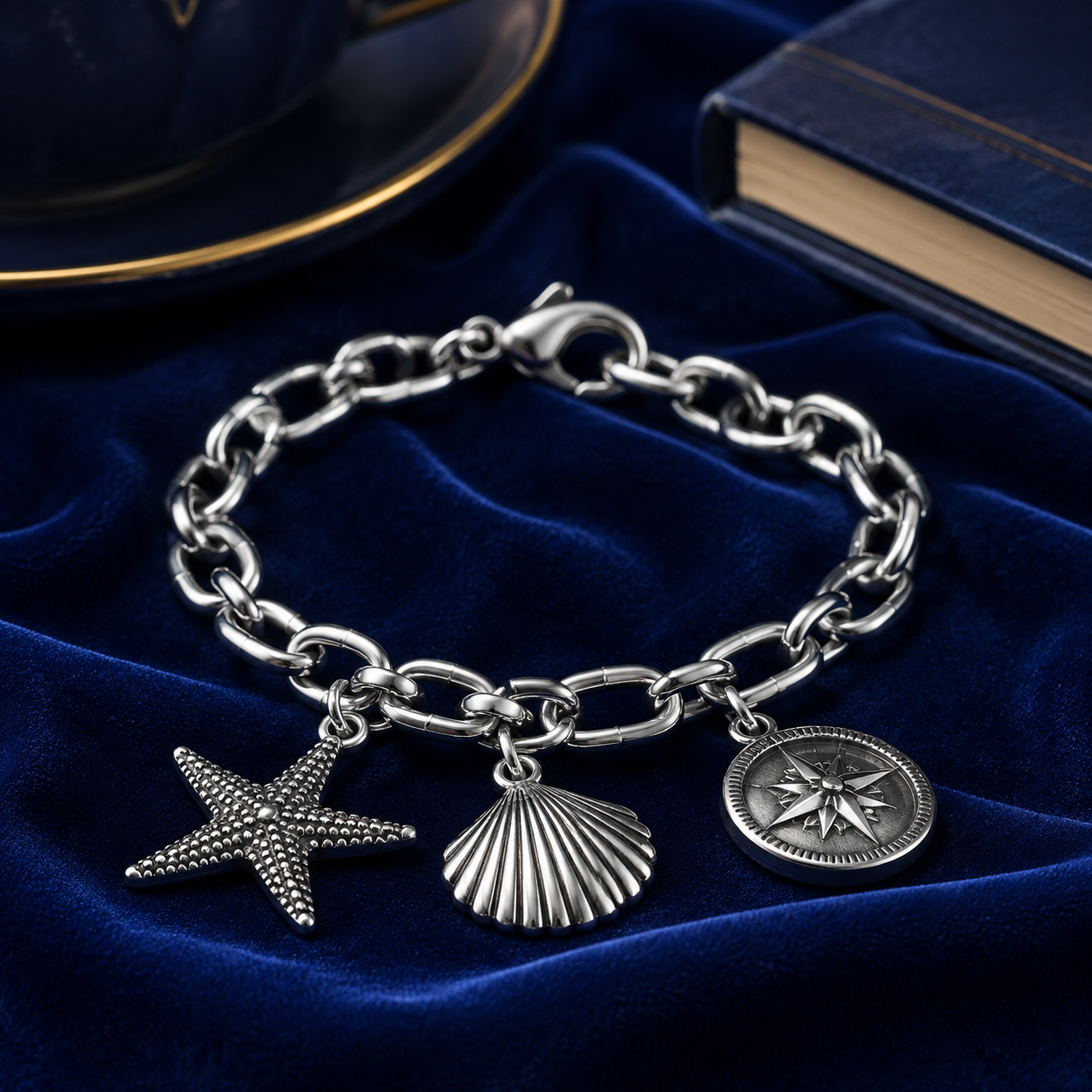
How to Choose a 316L Stainless Steel Charms Manufacturer for OEM ODM
1. Check manufacturing experience and factory capability
☐ Confirm that the supplier specializes in 316L stainless steel charms instead of treating charms as a small additional product category. A focused manufacturer understands material performance, finishing requirements, production consistency, and the details needed for commercial jewelry programs.
☐ Review factory equipment and production processes. Lancy Jewelry operates a modern manufacturing facility with CNC processing, laser cutting, laser marking, welding, and polishing capabilities. These processes support accurate shapes, clean surface treatment, and reliable production results for custom projects.
☐ Ask about development support. A capable OEM charms manufacturer should be able to assist from early concept review through sample development and final production. This reduces misunderstandings and helps brands move from ideas to market-ready collections more efficiently.
2. Evaluate material standards and finishing control
☐ Verify that the supplier clearly defines its base material. Lancy Jewelry focuses on 316L stainless steel charms, providing a stable foundation for durable accessory programs.
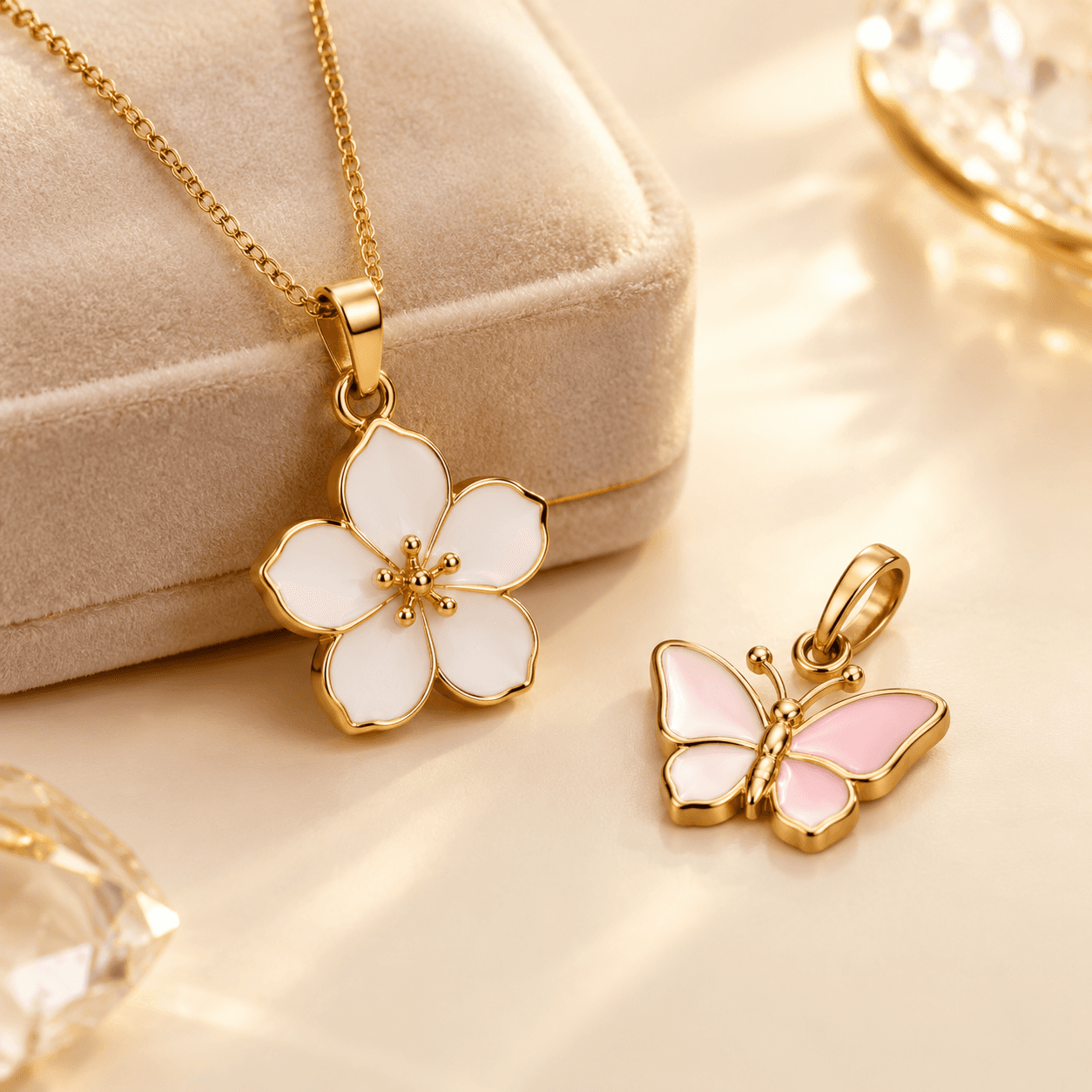
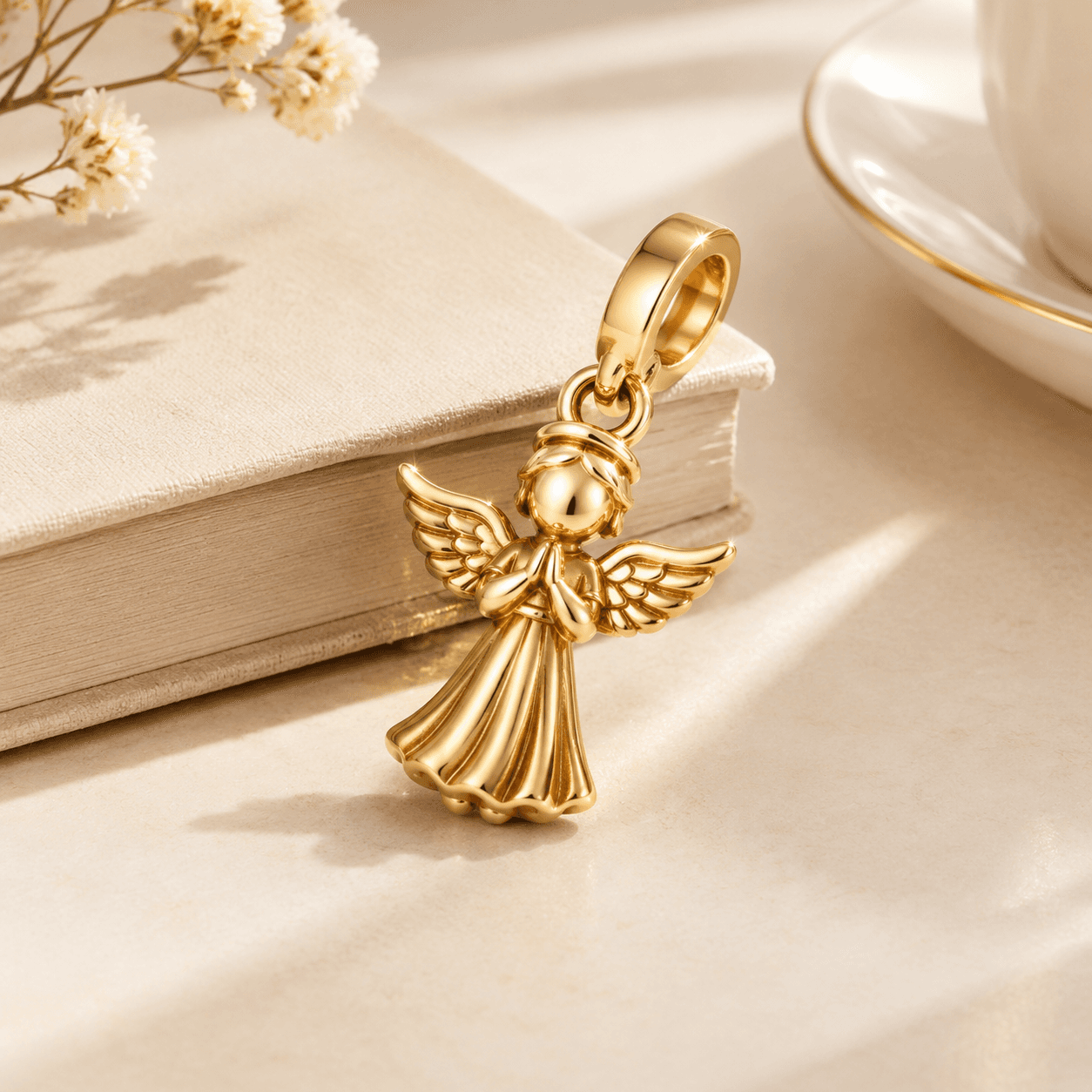
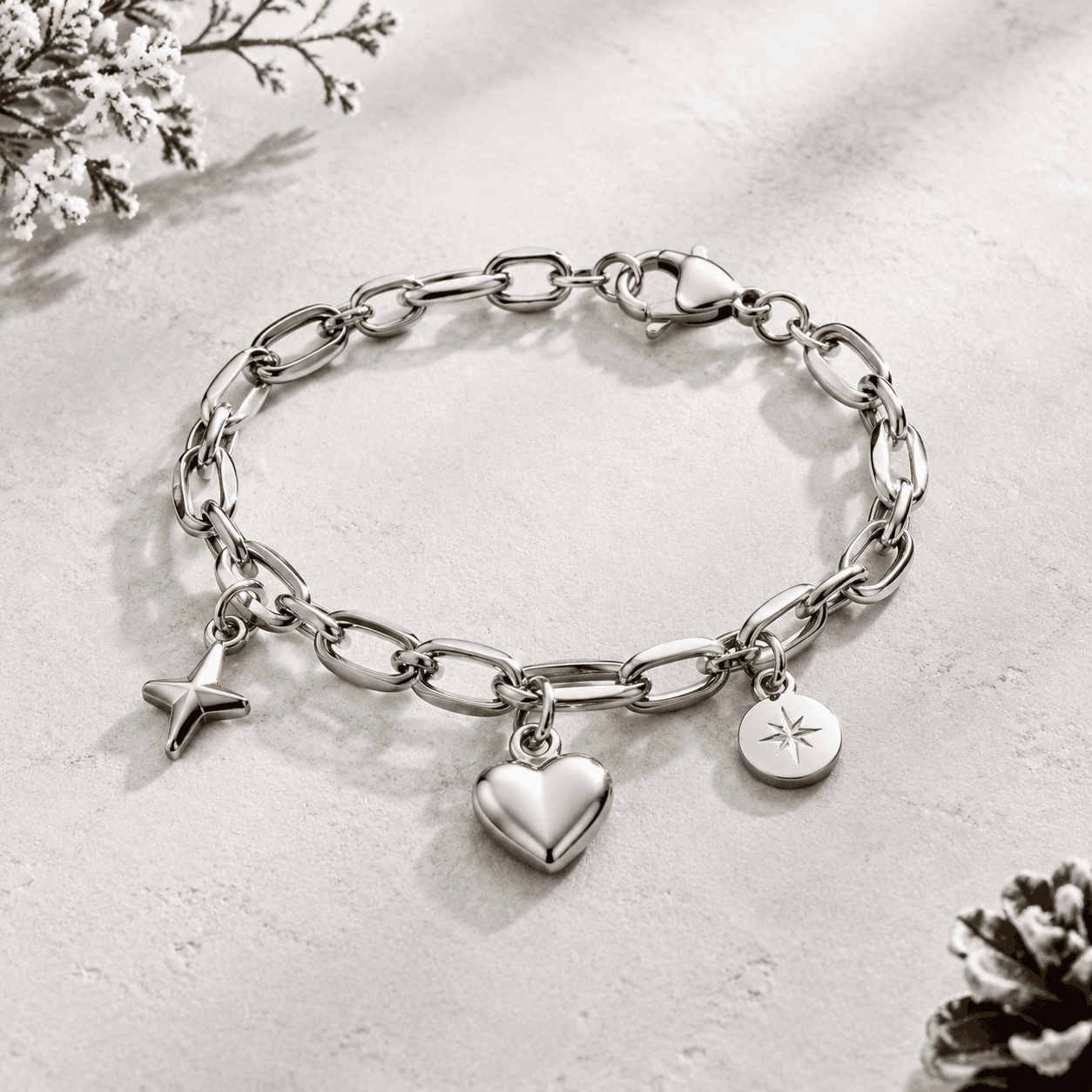
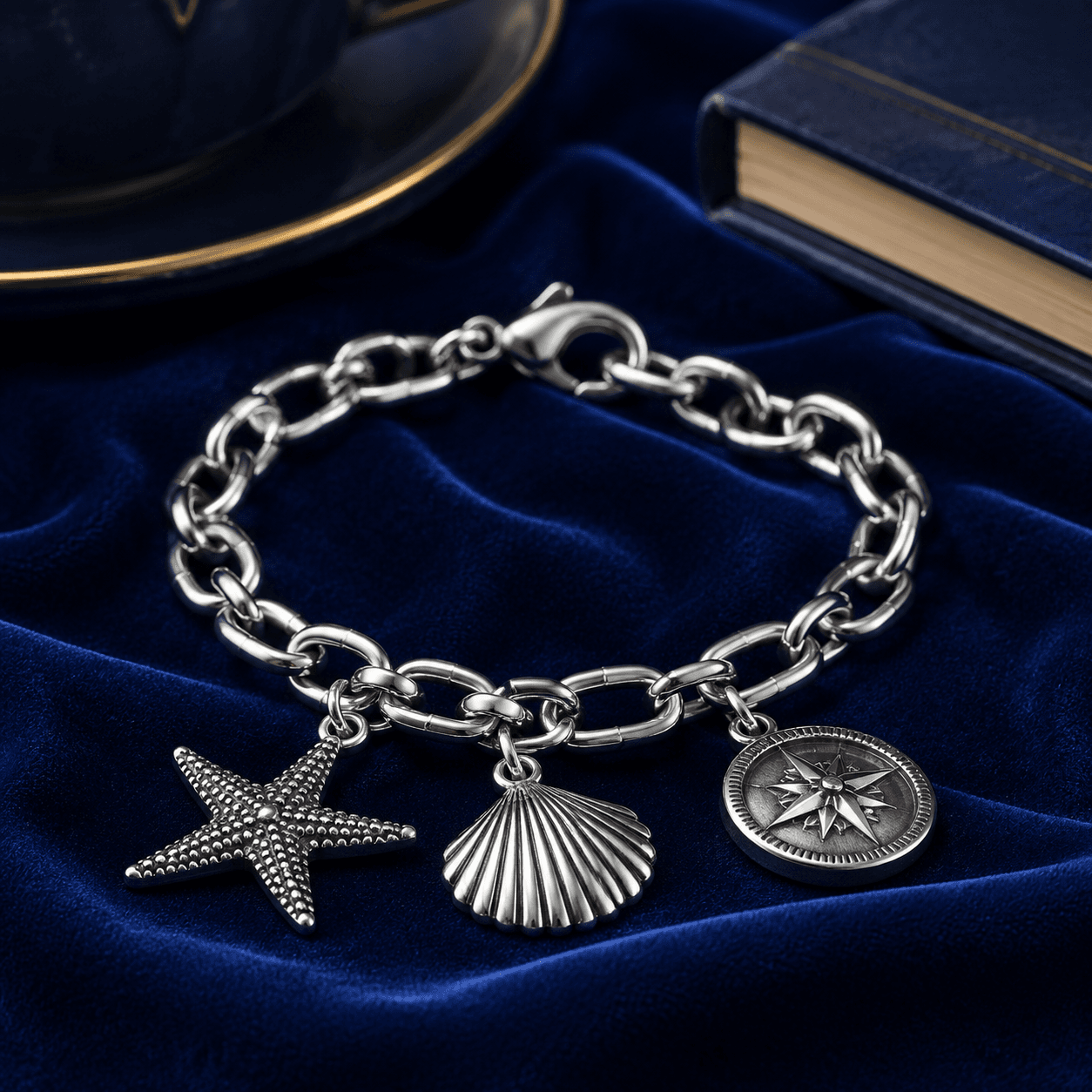
☐ Review available finishing options. Buyers may require different visual directions, including PVD gold plating, silver finish, rose gold plating, enamel details, or crystal inlay. The manufacturer should demonstrate consistent control of color, surface quality, and production repeatability.
☐ Request quality information before cooperation. A professional supplier should provide clear specifications and inspection methods rather than relying only on visual samples.
Why Choosing the Right Manufacturer Matters
Key benefits for private label brands
Selecting the correct manufacturing partner directly affects product quality, customer satisfaction, and business stability. For brand managers, supplier evaluation is not only about price. It is also about reducing risks related to inconsistent products, delayed deliveries, and unclear communication.
☐ Protect brand positioning through consistent quality. Boutique brands need products that match their market expectations. Stable manufacturing processes help maintain a professional customer experience.
☐ Improve product planning through flexible development. A reliable ODM charm supplier can provide practical suggestions during collection planning, helping buyers create coordinated series with suitable designs and finishes.
☐ Reduce sourcing risks through documented quality control. Lancy Jewelry follows quality management practices supported by SGS certifications covering RoHS, REACH, Nickel Release EN1811, and Salt Spray 240H testing. These certifications help buyers understand product compliance expectations for different international markets.
☐ Build stronger supply relationships. Long-term cooperation with a factory that understands private label requirements can improve communication efficiency and production planning.
Detailed Buyer Checklist for Manufacturer Selection
Step 1: Review customization and OEM ODM capability
☐ Confirm whether the supplier can support custom logo charms, exclusive designs, and packaging solutions. Private label buyers often need more than standard products; they need a partner who can support brand-specific requirements.
☐ Ask about the sample process. Effective sample development should include design confirmation, production feedback, modification options, and approval before mass production.
☐ Check whether the supplier can manage different project stages. From concept communication to finished production, clear responsibility reduces delays and prevents avoidable disputes.
Step 2: Understand MOQ and production flexibility
☐ Review MOQ requirements carefully. Low MOQ charm production can be valuable for boutique brands testing new collections or expanding product categories with controlled investment.
☐ Confirm production capacity for future growth. A supplier should support both initial development orders and larger wholesale stainless steel charms requirements as demand increases.
☐ Discuss timeline expectations. Reliable suppliers should provide realistic schedules for samples, production, inspection, and shipping preparation.
Step 3: Assess quality inspection procedures
☐ Ask how quality checks are performed during production. Inspection should cover design accuracy, surface finishing, attachment points, and final appearance.
☐ Confirm that functional details are tested. For charms, connection areas such as loops and attachment points should be practical and durable for intended applications.
☐ Request inspection records or quality documentation when needed. Transparent processes create stronger buyer confidence.
Step 4: Evaluate communication and dispute handling
☐ Choose a supplier with clear communication procedures. International sourcing requires accurate information sharing across time zones and markets.
☐ Discuss problem-solving methods before production begins. A professional partner should have a process for handling specification changes, quality concerns, and delivery issues.
☐ Confirm responsibilities in writing. Product details, approved samples, packaging requirements, and production schedules should be clearly documented.
Step 5: Review private label and packaging support
☐ Check whether the manufacturer can provide private label packaging solutions. Packaging plays an important role in boutique retail presentation and customer experience.
☐ Consider complete project support. A factory that understands branding requirements can help buyers create organized product launches instead of only supplying individual items.
Questions Buyers Should Ask Before Cooperation
What should a buyer verify before choosing a stainless steel charms manufacturer?
Buyers should review factory capability, 316L stainless steel production experience, customization support, quality documentation, communication methods, and production timelines. A complete evaluation helps prevent unexpected issues after ordering.
How can OEM ODM services help boutique brands?
OEM ODM services allow brands to develop custom collections with manufacturer support. This can include design adjustment, logo engraving, finishing selection, packaging preparation, and sample development.
Why is sample development important before bulk orders?
Sample development allows buyers to confirm design details, finishing quality, and production expectations before larger commitments. It is an important protection measure for managing quality risks.
What makes a manufacturer suitable for international buyers?
A suitable manufacturer should provide stable production, clear communication, compliance information, flexible MOQ options, and experience supporting different market requirements.
Partner With Lancy Jewelry for OEM ODM Charm Production
Choosing a manufacturing partner requires careful evaluation of quality, capability, and reliability. Lancy Jewelry supports boutique brands, private-label buyers, and distributors with 316L stainless steel charms manufacturing, custom development, and professional production services.
With OEM ODM support, PVD finishing options, logo engraving, enamel color filling, crystal inlay, and private-label packaging services, Lancy Jewelry helps buyers develop market-ready charm collections with confidence.
For buyers planning new collections or expanding existing product lines, visit our OEM Service, explore available options through All Products, or submit an RFQ to discuss your project requirements.