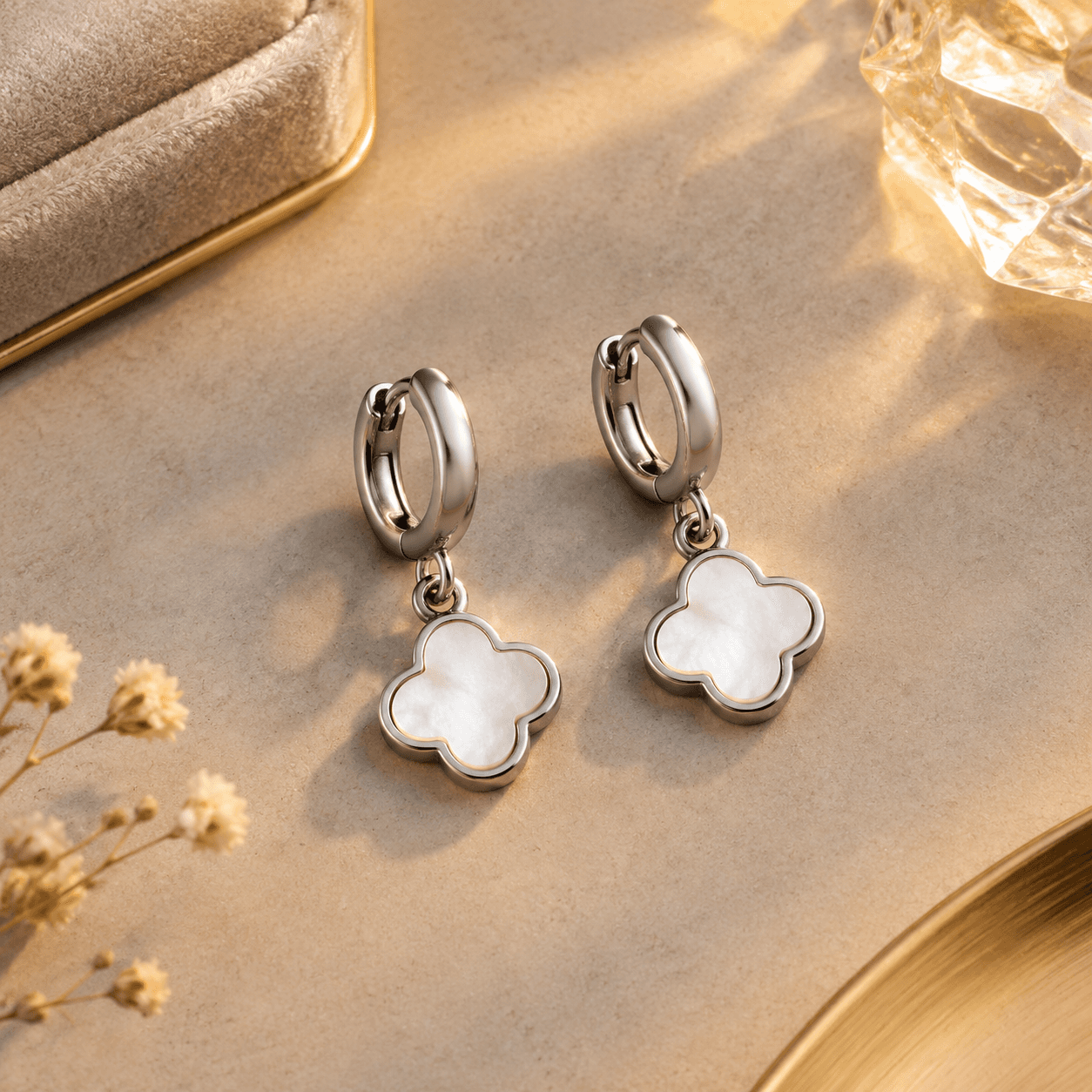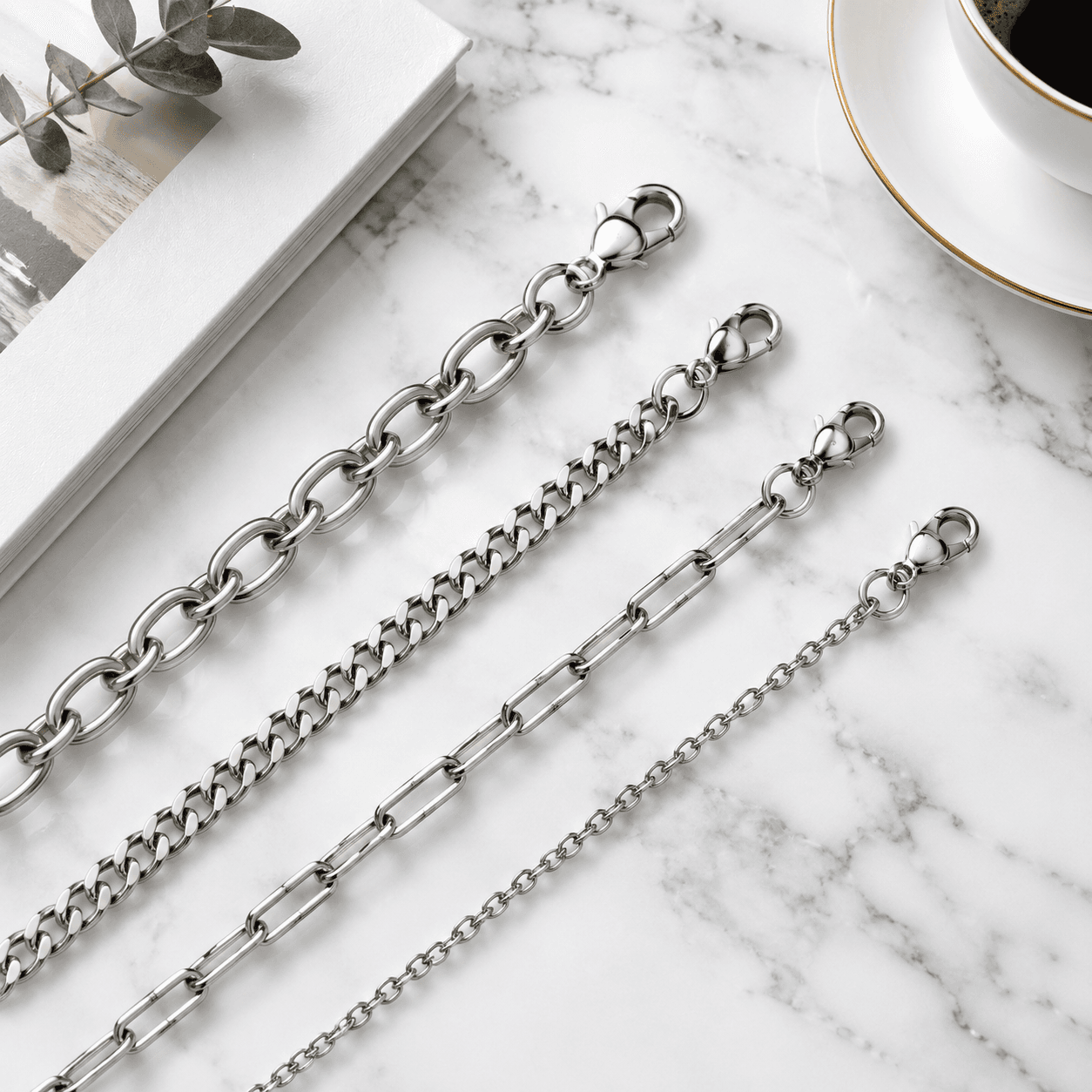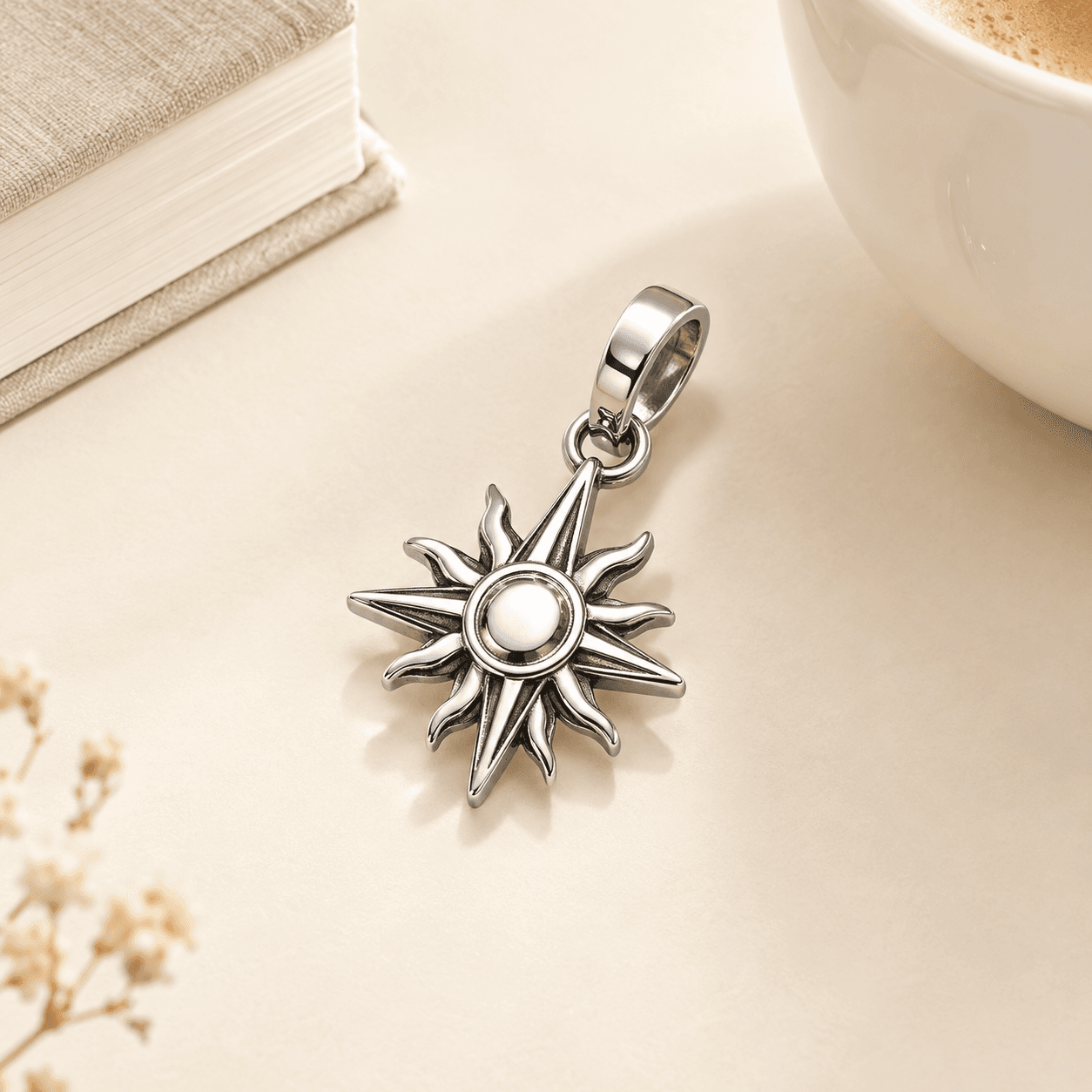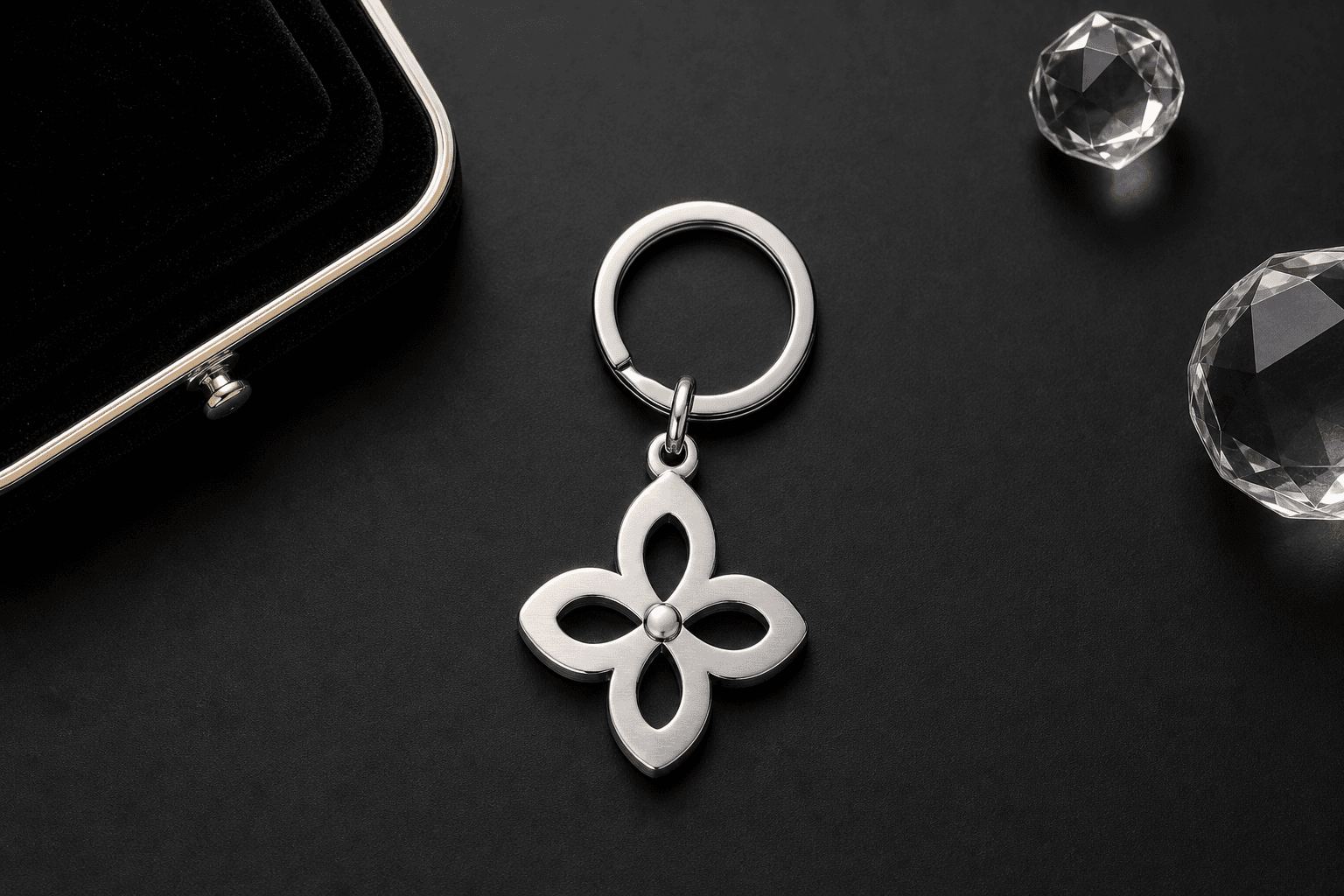
In today’s global procurement landscape, sourcing reliable 316L stainless steel keychains and bag charms requires a rigorous, documented vetting process. This guide from Lancy Jewelry, a proven stainless steel charms manufacturer with a modern CNC and laser-equipped facility, walks procurement teams through material science, supplier evaluation, and auditable documentation. The goal is to reduce compliance risk, shorten supplier qualification cycles, and accelerate private-label programs across markets. Note: this guide centers on 316L stainless steel charms and emphasizes governance, traceability, and consistent performance across regions.
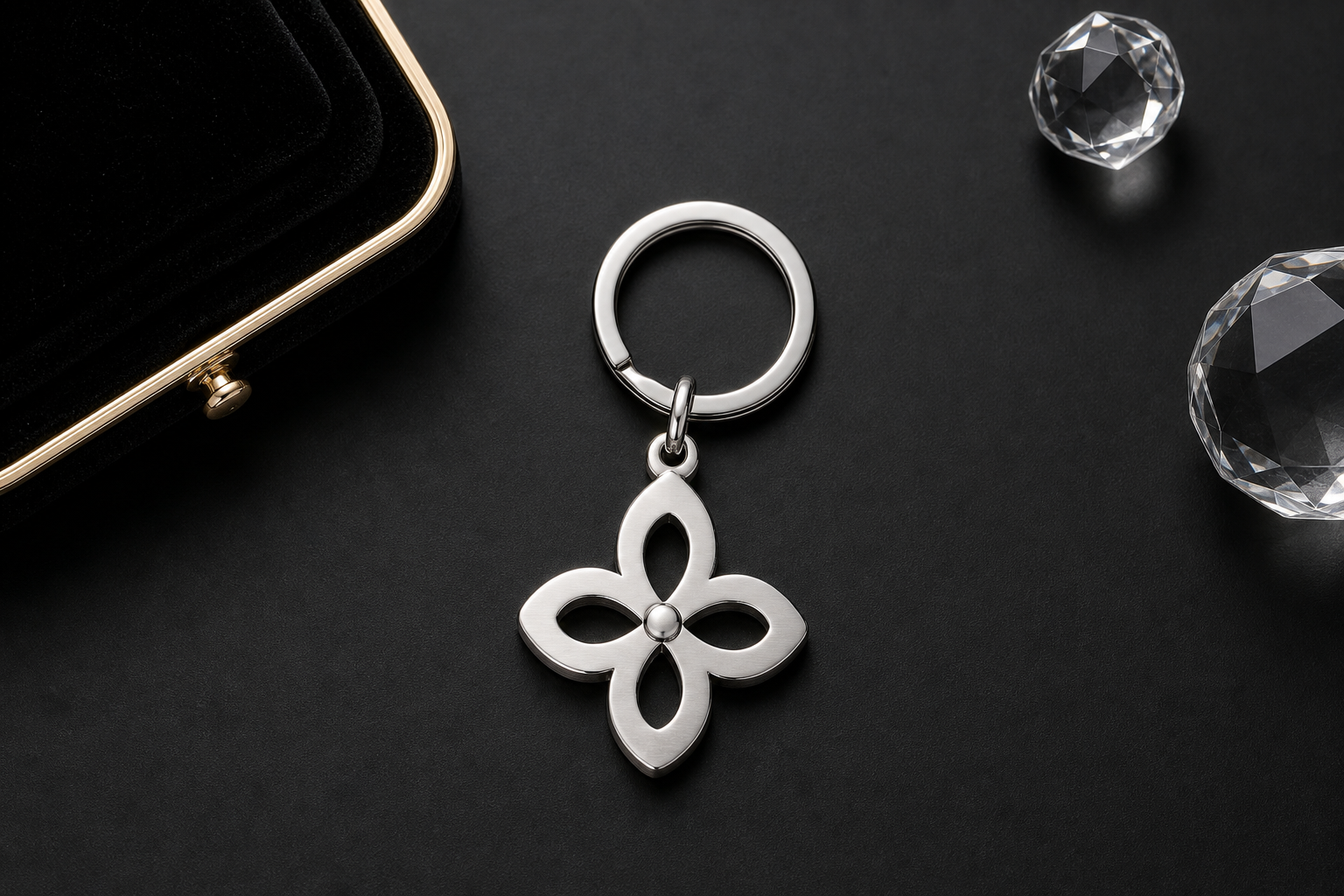
Stainless steel keychains bag charm: 316L Vetting Guide for Sourcing
Why 316L stainless steel matters for charms
316L stainless steel remains the benchmark base material for durable, corrosion-resistant charms. Its composition, typically featuring iron with chromium 16–18%, nickel 10–14%, and molybdenum 2–3%, provides robust passivation, excellent corrosion resistance in chloride environments, and compatibility with decorative finishes such as PVD plating. When you source 316L for bag charms or keychains, you gain predictable form retention, stable plating adhesion, and reliable surface chemistry for enamel, crystal inlays, or color fills. For procurement teams, this translates into clearer risk forecasting, easier material qualification, and more consistent yield during mass production.
- Chromium creates a protective, passive oxide layer that helps resist corrosion.
- Molybdenum enhances pitting resistance in chloride-rich environments often encountered in accessories and packaging.
- Nickel stabilizes the austenitic structure, aiding formability and surface uniformity during finishing processes such as PVD.
As an OEM charms manufacturer and ODM charm supplier, Lancy prioritizes 316L as the base material for all charm geometries, ensuring compatibility with PVD plating, enamel color fills, and crystal inlay. For buyers, this means you can request a full material traceability package, including chemical composition data and passivation details, at project start.
Key hazards to screen during supplier vetting
Even with a strong material story, supplier risk remains if your vetting stops at appearance. Prioritize evidence once you begin supplier assessment:
- Inconsistent plating thickness or color drift across lots
- Nickel release concerns (test results in line with EN1811 or equivalent) and RoHS/REACH compliance
- Correlation between enamel or crystal inlay performance and alloy finish quality
- Inadequate documentation of material origin, batch traceability, and process controls
SGS certified records (RoHS, REACH, Nickel Release EN1811, Salt Spray 240H) provide a baseline for trust. When evaluating suppliers, request copies of current certificates and interrogation reports; validate that these certifications remain in effect and cover the specific lot sizes you plan to order. This is especially critical for private-label ventures where your brand reputation hinges on consistent compliance and performance across geographies.
Documentation to request and verify
To maintain an auditable, procurement-ready file, assemble a documentation package that typically includes:
- Material safety data and chemical composition reports for 316L stainless steel
- SGS certificates covering RoHS, REACH, Nickel Release EN1811, and Salt Spray 240H
- Test reports for plating adhesion, color fastness for enamel, and crystal retention under typical wear
- Process control plans for CNC machining, laser cutting, laser marking, welding, and polishing
- Certificate of origin or supplier declarations for raw material sources
Work with a supplier who can share these documents in a controlled format (PDF or secure portal) and provide a clear point of contact for audits. This readiness reduces the typical back-and-forth during RFQ reviews and shortens your sample development timeline.
Benefits/Why it matters
Material traceability and compliance
When you demand traceability from the outset, you lay a foundation for consistent quality across private label charms lines. If the supplier maintains a well-managed traceability system, you can quickly link a finished charm back to its chemical data, production batch, and plating lot. This visibility is essential for global markets where regulatory expectations vary by region but common baseline requirements exist for material safety and non-toxicity. In practice, you should look for a supplier who can deliver:
- Material certificates and batch-level test data
- Third-party inspection results or SGS-style attestations
- Detailed material and process controls aligned with your packaging and labeling standards
Working with a supplier who can demonstrate robust traceability also supports your low MOQ programs by reducing risk for smaller runs and enabling faster ramp-ups for new private-label collections.
Production capabilities alignment
Beyond material properties, the ability to reproduce finishes and maintain stability across production cycles matters. GMP-like controls are less common in jewelry-focused plants, but well-documented process controls, equipment calibration, and routine maintenance deliver the same reliability. Key capabilities to verify include:
- Precision CNC machining and laser processes for complex charm geometries
- Precise welding, polishing, and surface finishing that achieve consistent luster
- PVD plating systems with stable color classes (gold plated, silver finish, rose gold plating) that resist wear and corrosion
- Enamel and crystal inlay processes with stable color and retention
When you align on these capabilities, you set up your team for predictable lead times and consistent aesthetics across your catalog.
Detailed analysis/Guide
Step 1 — Define your specs and tolerances
Begin with a formal tech brief that covers base material (316L stainless steel), finish options (PVD plated, silver finish, enamel fills, crystal inlays), and any assembly details (bail size, jump rings, and connector compatibility). Define tolerances for key dimensions (diameter, thickness, hole size) and plating thickness. Documenting these specs upfront reduces rework during prototype reviews and helps ensure that your OEM/ ODM partner can produce consistent samples for private-label packaging.
Step 2 — Request chemical and physical test data
Ask for a current material certificate and, if possible, independent test data showing composition, nickel release, and corrosion resistance. For 316L, you should expect a nickel impurity profile that stays within safe limits and a passivation layer that withstands handling during enamel filling and crystal setting. When the supplier has SGS-style documentation, you can benchmark against recognized industry standards and align with your internal compliance policies.
Step 3 — Verify manufacturing capabilities and workflow
Review the supplier’s production flow from raw material cutting to final finishing. The ideal profile includes a modern facility with CNC, laser cutting, laser marking, welding, and polishing. Confirm the capacity to support bulk charm orders and a scalable path to private-label packaging. You should also confirm whether the supplier can provide:
- Logo engraving or mark customization with repeatable depth and spacing
- PVD plating options with robust adhesion to 316L bases
- Enamel color filling and precise crystal inlay with uniform spec adherence
- Detailed packaging and labeling solutions for private-label programs
Partnering with a factory capable of finishing and packaging in-house reduces handoffs, speeds up sample cycles, and minimizes variances between prototypes and mass production.
Step 4 — Documentation and audit readiness
Audits are often the decisive factor in supplier selection for global buyers. Ensure the supplier can provide an auditable trail for every lot, including:
- Batch-based material data and plating records
- Change-control logs for process parameters and finishes
- Quality-control checklists and acceptance criteria used at each stage
- Evidence of factory inspections or third-party verifications
Documentation-driven vetting helps you avoid surprises during production ramp-up and supports a smooth path to OEM/ ODM engagement, with clear accountability for each batch.
Step 5 — Sample development and evaluation cycle
Well-structured sample development reduces risk and accelerates decision-making. Expect a staged approach: initial cut and sample, processed finish, then a final sample with the approved finish and tolerances. For 316L charms, confirm that the sample can demonstrate:
- Completion of logo engraving or marking as required
- Adherence to plating and finish specifications (PVD variants, enamel fill color, crystal setting)
- Functionality of bail, jump rings, and connectors to ensure mechanical plausibility
Ask for clear lead times and revision windows. A supplier capable of sample development on a predictable cycle is essential for private-label launches and responsive replenishment cycles.
Step 6 — Audit options: remote vs on-site
Global buyers often conduct remote audits first, followed by on-site visits when feasible. Remote documents, factory tour videos, and live Q&A sessions can establish baseline trust. If on-site audits are possible, plan around equipment checks, process control demonstrations, and packaging verification. Regardless of audit mode, require a formal corrective action procedure and a time-bound management response to any non-conformance.
Step 7 — Packaging, labeling, and compliance for global markets
Private-label buyers should specify the packaging format, label content, and any language or regulatory notices required for target markets. The supplier should provide packaging options aligned with your brand standards and ensure that labeling complies with regional requirements (e.g., country-specific care instructions). A well-defined packaging plan reduces post-production rework and enables faster market entry.
Step 8 — Commercial terms: MOQ, lead times, and warranties
Negotiate commercial terms that fit your procurement strategy. For many boutique brands and private-label programs, low MOQ arrangements, predictable lead times, and clear warranty terms are critical. Document the standard warranty period, exclusions, and the process for returns or replacements. If you require bulk charm orders, ensure the supplier can scale to your forecast without sacrificing quality or delivery performance.
Step 9 — Decision framework: private label vs wholesale vs mass customization
Use a simple scoring framework to decide between private-label arrangements and wholesale partnerships. Consider alignment on material control, regulatory compliance, finish stability, packaging capabilities, and lead-time reliability. For many teams, engaging with an experienced OEM/ODM partner streamlines the route to market, reduces in-house development risk, and yields a more predictable supply chain for 316L stainless steel charms.
FAQ
Q1: What makes 316L stainless steel ideal for charms?
A: 316L stainless steel offers a balance of corrosion resistance, formability, and compatibility with decorative finishes like PVD plating. Its low carbon content improves weldability and heat treatment response, while its chromium-nickel-molybdenum alloy matrix supports durable, long-lasting jewelry components that resist tarnish and humidity exposure common in packaging and wear.
Q2: What certifications should I verify when vetting a stainless steel charms supplier?
A: Look for SGS-style documentation covering RoHS, REACH, Nickel Release EN1811, and Salt Spray 240H. These attestations help ensure regulatory compliance, human- and environment-related safety, and long-term surface stability for 316L charms under real-world use. Validate the certificates are current and applicable to the specific lots you plan to order.
Q3: What should be included in a sample development cycle for private-label charms?
A: Expect staged samples that demonstrate engraving, plating, color fill, and crystal settings. The cycle should include a first cut sample, a processing finish sample, and a final pre-production sample with approved tolerances and packaging. Clear lead times, revision windows, and a documented sign-off are essential for private-label programs.
Q4: How should MOQ and bulk orders be managed for 316L stainless steel charms?
A: Start with a realistic MOQ aligned to your launch plan, with a scalable path to higher volumes for future replenishment. A reputable manufacturer will provide transparent pricing tiers, lead-time estimates, and a contingency plan for capacity fluctuations, ensuring your bulk charm orders can be fulfilled on schedule without compromising quality.
Call to action — Partner with Lancy Jewelry
If you are building or expanding a private-label program or seeking a dependable OEM/ODM partner for 316L stainless steel charms, consider engaging with Lancy Jewelry. Our modern facility supports CNC, laser cutting, laser marking, welding, and polishing, backed by SGS-certified quality management. We welcome OEM and ODM collaborations, and we offer low MOQ options, consistent plating quality, and robust sample development workflows. To begin, visit our OEM service page, request a quote via the cart, or contact our sourcing team directly. OEM Service | Request a Quote | Contact for strategy alignment and a detailed materials and process plan.