Stainless Steel Shiny Charm Keychain Finishing: A Practical Guide for 316L Charms
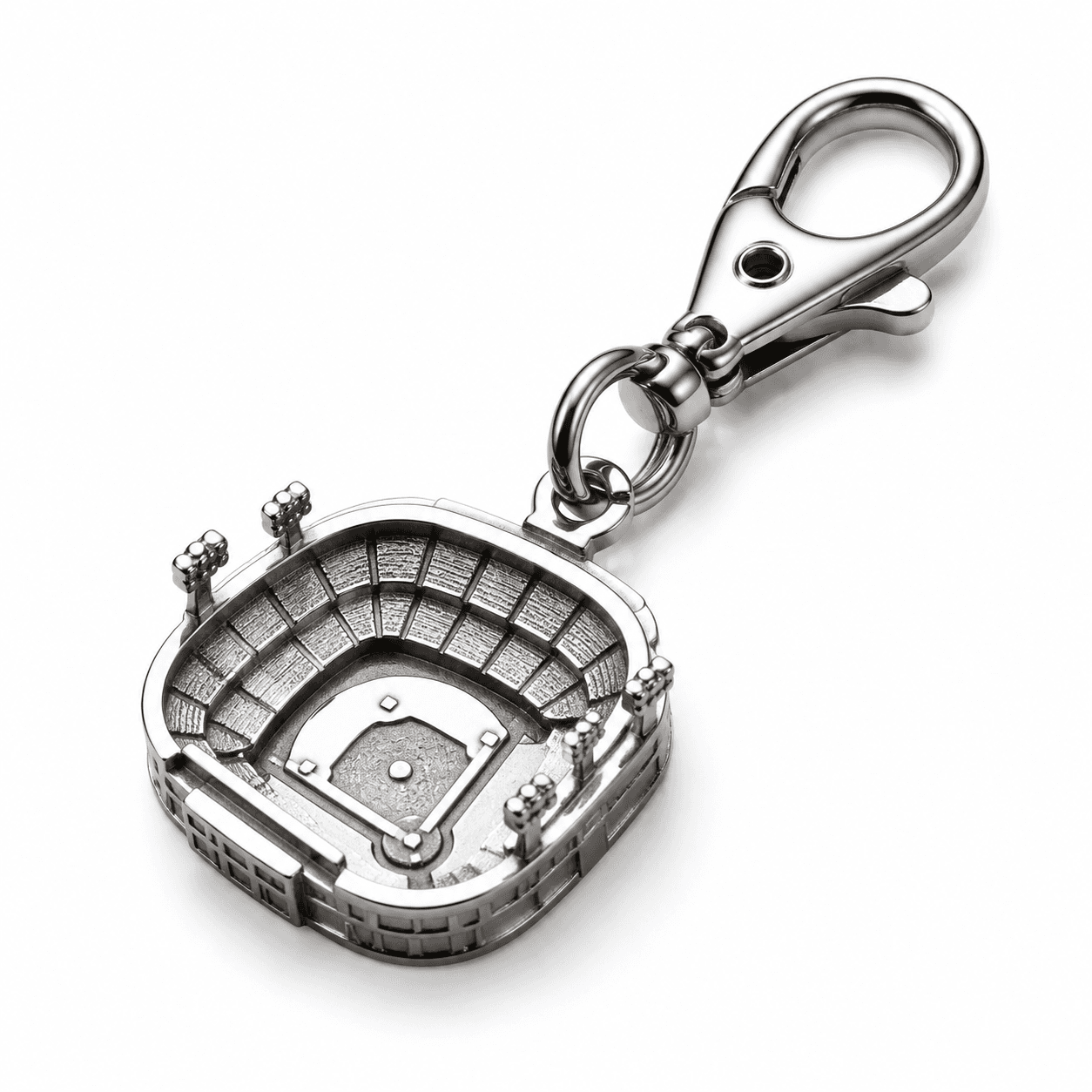
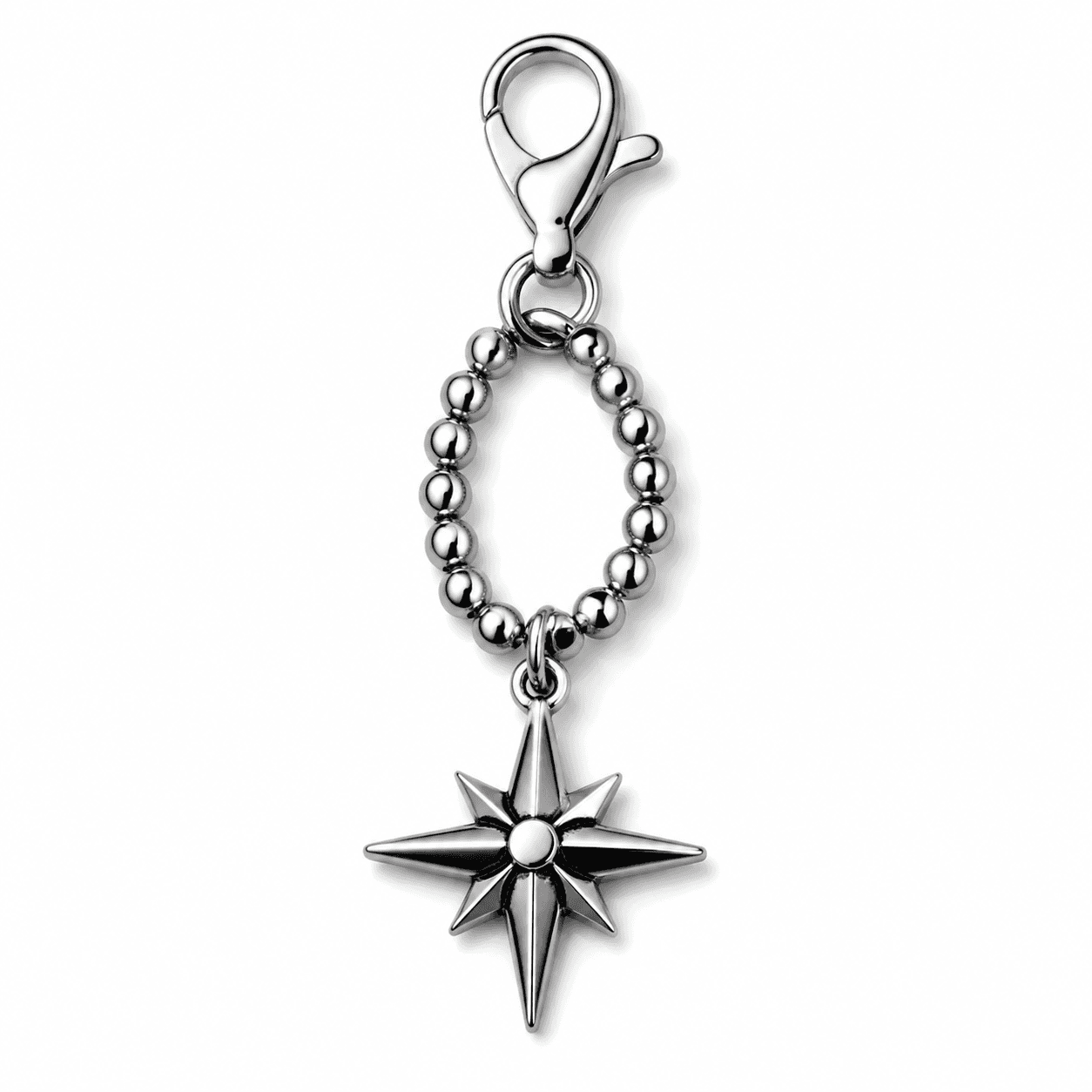
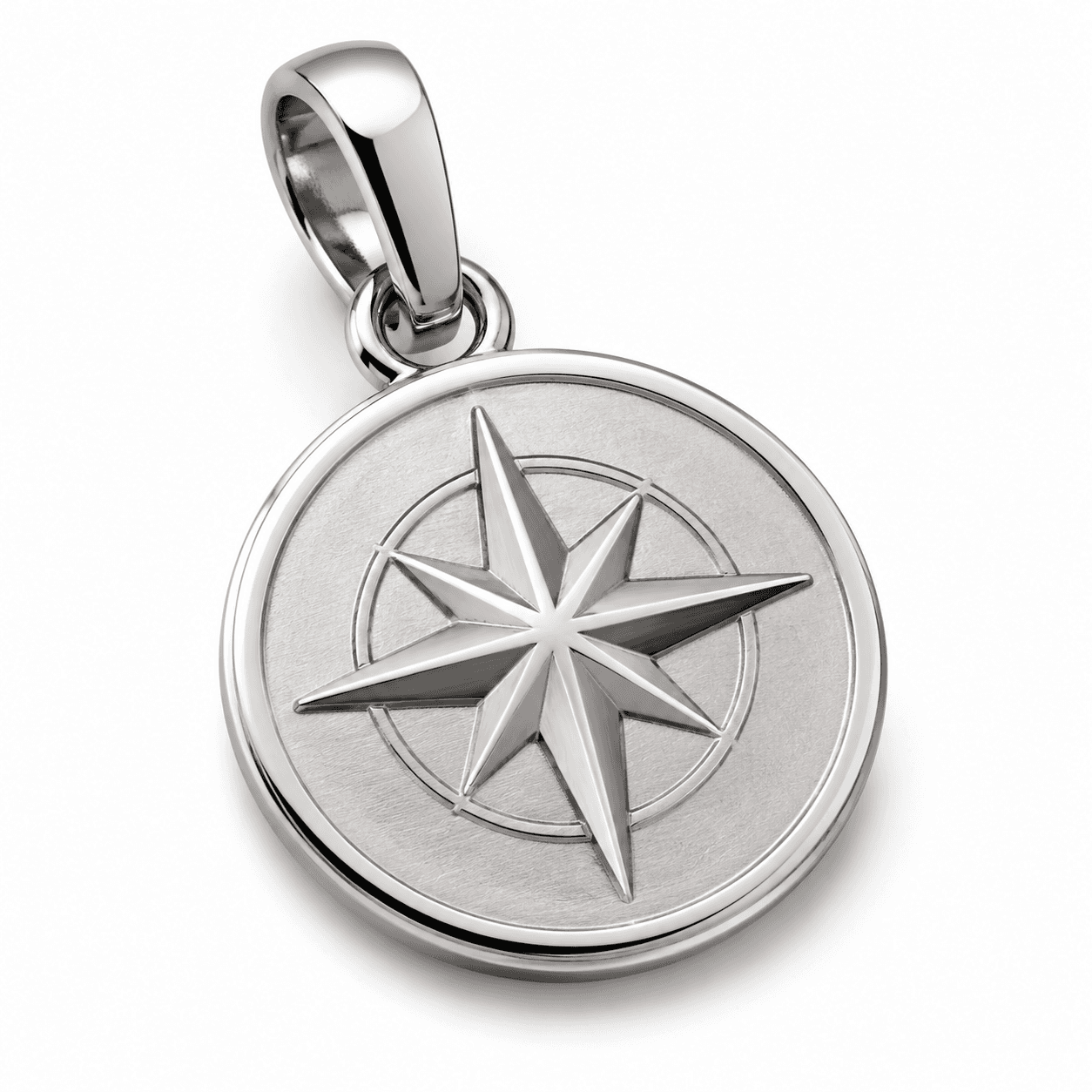
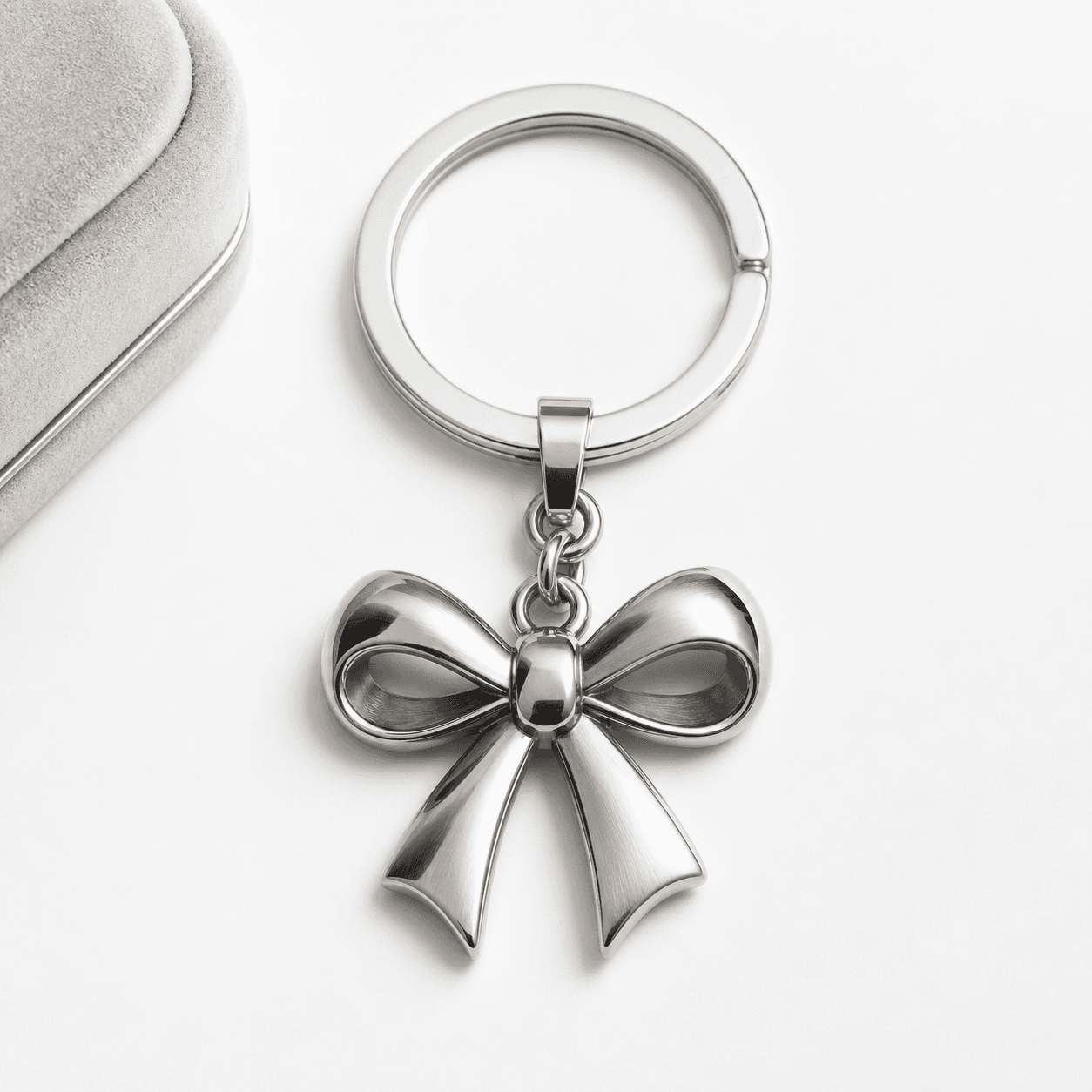
Finishing 316L stainless steel charm keychains is a strategic lever for boutique brands and private-label buyers seeking durable, premium surfaces at scale. This practical guide explains how finishing decisions—PVD coating, electroplating, polishing, and surface treatments—drive brand positioning, reliability, and cross-market performance. As a stainless steel charms manufacturer, Lancy Jewelry provides a framework to align design intent with process control, supplier capabilities, and private-label packaging requirements. The focus remains on 316L stainless steel base charms, with finishes engineered for demanding retail environments and global distribution. For OEM/ODM programs, the guide highlights how to structure samples, MOQs, and private-label packaging to accelerate market entry.
Stainless steel shiny charm keychain: Key topic and technical context
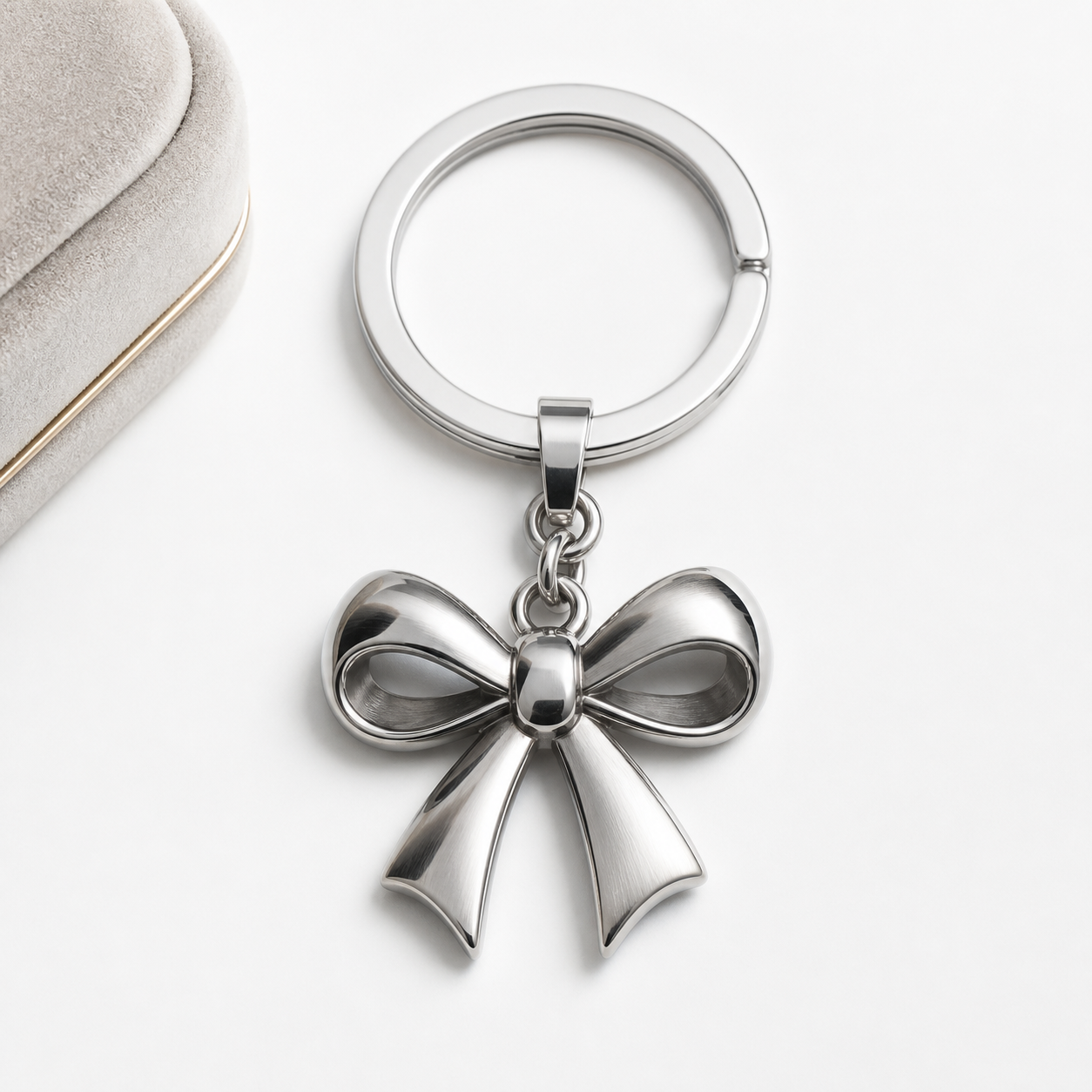
The core substrate is 316L stainless steel, chosen for corrosion resistance, biocompatibility, and surface stability across markets. Finishing turns this robust base into a boutique-ready accessory. The shiny aesthetic is not only about color but how the surface interacts with light, wear, and cleaning cycles in retail environments. Two primary finishing families dominate private-label programs: physical vapor deposition (PVD) and electroplating, each with distinct benefits for durability, colorfastness, and environmental compliance. In practice, many programs blend these approaches, using PVD as the durable core color layer and electroplating for accent tones or depth.
Sub-points
- Material science: 316L stainless steel provides a clean, uniform base for high-precision plating and coating. Surface preparation and passivation reduce diffusion barriers and improve coating adhesion.
- Coating choices: PVD coating delivers a hard, uniform, wear-resistant layer with excellent adhesion on stainless steel, while electroplating offers color versatility and cost efficiency for high-volume runs.
- Polishing and surface treatment: Polishing sequences—from belt grinding to micro-polish and final buff—establish surface roughness, reflectivity, and tactile quality that influence perceived value.
Benefits and why finishing matters for private-label success
Finishing decisions affect long-term performance, brand reputation, and cross-market feasibility. The right combination of coating, polish, and sealing improves abrasion resistance, corrosion resistance, and color stability in varied climates, sweat exposure, and skincare regimes encountered across markets. In addition to performance, finishing aligns with certification expectations and supply-chain reliability. Key benefits include:
- Durability and colorfastness: PVD finishes demonstrate strong adhesion, scratch resistance, and stable color across heat cycles, humidity, and handling typical in charm bar environments.
- Consistency across lots: Controlled deposition and polishing processes lead to repeatable gloss level and color depth, enabling reliable branding across wholesale orders and private-label programs.
- Brand positioning and packaging: Finishing quality supports boutique-ready series planning and private-label packaging concepts, accelerating market readiness for multiple channels.
- Certifications and risk management: SGS-style process controls reinforce compliance and reduce supplier risk in cross-border supply chains.
From a sourcing perspective, partnering with an experienced OEM/ODM charms manufacturer that provides low MOQ options, sample development, and private-label packaging reduces time-to-market and provides a scalable path to global reach. For buyers, this translates into predictable lead times, transparent pricing, and a clear path from concept to shelf. Internal teams should explicitly map finishing requirements to product spec sheets and QA checklists to ensure consistent color, texture, and tolerance control across batches. For reference, explore capabilities at our OEM service and contact pages.
Detailed finishing guide: practical steps for advanced practitioners
This section outlines a comprehensive workflow, from base-material preparation through final QC, suitable for private-label and wholesale programs. The steps emphasize repeatability, traceability, and cross-market suitability, with explicit notes on maintaining 316L stainless steel integrity while achieving a premium shiny finish.
1) Define design intent and tolerances
Begin with a precise definition of gloss level, color hue, thickness, and adhesion requirements. Establish target Ra (surface roughness) for initial polishing, and decide whether the finish will be pure PVD, electroplated with PVD accent, or full decorative electroplating. For private-label programs, incorporate packaging and branding constraints early to avoid downstream rework.
2) Material prep and surface conditioning
Surface preparation starts with degreasing and cleaning to remove oils and residues. Passivation treatment enhances corrosion resistance and improves adhesion for subsequent coatings. The 316L base charm should undergo controlled deburring, precision CNC finishing, and inspection for surface defects before coating.
3) Pre-polish and micro-surface control
Pre-polishing reduces micro-scratches and establishes a uniform base for coating. A controlled polishing sequence—crystal, buff, and final luster pass—achieves a target mirror or high-brightness satin appearance. Surface roughness measurements guide process adjustments and ensure consistent reflectivity for private-label aesthetics.
4) PVD coating strategy and parameters
PVD coating is favored for its durability and color stability on stainless steel. Key considerations include:
- Coating thickness: Typical ranges from 0.5 to 2.0 micrometers, depending on color and wear expectations.
- Color options: Gold, rose gold, silver, and custom tones can be produced with precise control of target color coordinates (CIE L*a*b* values).
- Adhesion and stress: Optimize substrate pre-treatments to minimize peeling and micro-cracks during flexing in hand and during packaging.
- Process environment: High-vacuum chambers with consistent temperature control yield uniform deposition across complex shapes and ridges on small charms.
For programs requiring color depth or metallic luster beyond standard PVD, electroplating can be used as an adjunct layer to enhance hue saturation while preserving base-layer durability.
5) Electroplating vs. PVD synergy
Electroplating is a mature option for nuanced color palettes and cost-efficient scaling. When combined with PVD, you can achieve a durable core color via PVD with an electroplated accent or protective topcoat to enhance brightness and depth. This approach is particularly effective for private-label lines seeking a distinctive yet cost-conscious finish.
6) Enamel filling and crystal inlay techniques
Enamel color filling and crystal inlays add dimension and highlight areas of the design. For enamel, use 316L-compatible enamel systems with excellent thermal stability and abrasion resistance. Crystal inlays should be secured with robust mechanical anchors to survive handling in charm bars and gift programs. Always verify adhesive compatibility with the base finish and perform adhesion tests to ensure long-term retention.
7) QC checkpoints and certifications
Quality control is critical to maintain consistency across markets. Recommended checks include:
- Coating thickness verification and color matching against approved standards.
- Salt spray or humidity tests to simulate corrosion resistance in coastal or humid environments.
- Nickel release testing per EN1811 to ensure low nickel migration for sensitive customers.
- Adhesion and scratch tests to confirm coating integrity on complex geometries.
- Mechanical wear tests to estimate long-term gloss retention under typical handling in retail environments.
8) Private-label packaging and labeling considerations
Packaging design should reflect the finish narrative and support the product story. Private-label programs benefit from packaging that protects the coating during transit and helps communicate durability, care instructions, and recycling considerations. Ensure label market-relevant aligns with regulatory disclosures for cross-border markets and includes MOQs, lead times, and warranty notes.
9) Sample development and rapid prototyping
Effective sample development accelerates private-label onboarding. A typical cycle includes concept approval, pre-production sample with full finish replication, and a 5–14 day review window. For OEM/ODM engagements, define tolerances for color, gloss, and thickness in the RFQ to minimize iterations and reduce total sample costs.
10) Step-by-step path to scalable production
1) Lock finish spec and packaging; 2) Align on MOQs and lead times; 3) Validate material supply and chemical compatibility; 4) Initiate pilot run with tight QA gates; 5) Ramp to full production with ongoing sampling and traceability; 6) Implement post-production inspection and packaging QA for cross-market shipments.
FAQ: Finishing 316L stainless steel charms for private-label success
Q1: What is the difference between PVD plating and electroplating finishes for 316L stainless steel charms?
A1: PVD plating creates a hard, uniform color with excellent adhesion and wear resistance, ideal for durable, premium finishes. Electroplating offers broader color options and cost efficiency, useful for more varied palettes or accent tones. Many programs combine both to balance durability with color versatility.
Q2: How can we ensure color durability and gloss retention across markets?
A2: Start with rigorous surface conditioning and passivation to optimize coating adhesion. Choose coating thickness and process controls aligned with expected wear profiles. Implement post-coating sealing or topcoats when appropriate. Regular QA checks for uniform gloss and color across lots are essential, along with adherence to validated processes to manage cross-border expectations.
Q3: Which certifications are important when selecting a finishing partner?
A3: Look for certifications covering RoHS, REACH, Nickel Release EN1811, and Salt Spray tests. These demonstrate regulatory compliance, low nickel risk, and corrosion resistance—critical factors for global distribution and private-label packaging.
Q4: How does Lancy Jewelry support private-label and OEM/ODM initiatives?
A4: Lancy Jewelry offers OEM/ODM development, logo engraving, PVD plating, enamel color filling, crystal setting, private-label packaging, and robust sample support. Our approach emphasizes low MOQ options, consistent plating quality, and rapid sample development to accelerate time-to-market for cross-border programs. Access our OEM services or request a quote for a formal RFQ, and contact our team for guidance on private-label packaging and branding options.
Call to action: Partner with Lancy Jewelry for scalable, high-quality finishing
As a dedicated stainless steel charms manufacturer, Lancy Jewelry provides factory-direct finishing capabilities for private-label and wholesale partnerships. Our OEM and ODM programs are designed for brand managers seeking reliable color stability, repeatable gloss, and scalable production with low MOQ options and sample development support. With standardized processes and a modern facility equipped with CNC, laser cutting, laser marking, welding, and polishing, we enable cross-market success from the first prototype to full-volume shipments. If you’re planning a private-label launch or a multi-colour charm line, start with a clear finish spec, validated samples, and a production plan that aligns with your target markets. To begin, explore our OEM services or request a quote, and contact our team for private-label packaging and branding options.