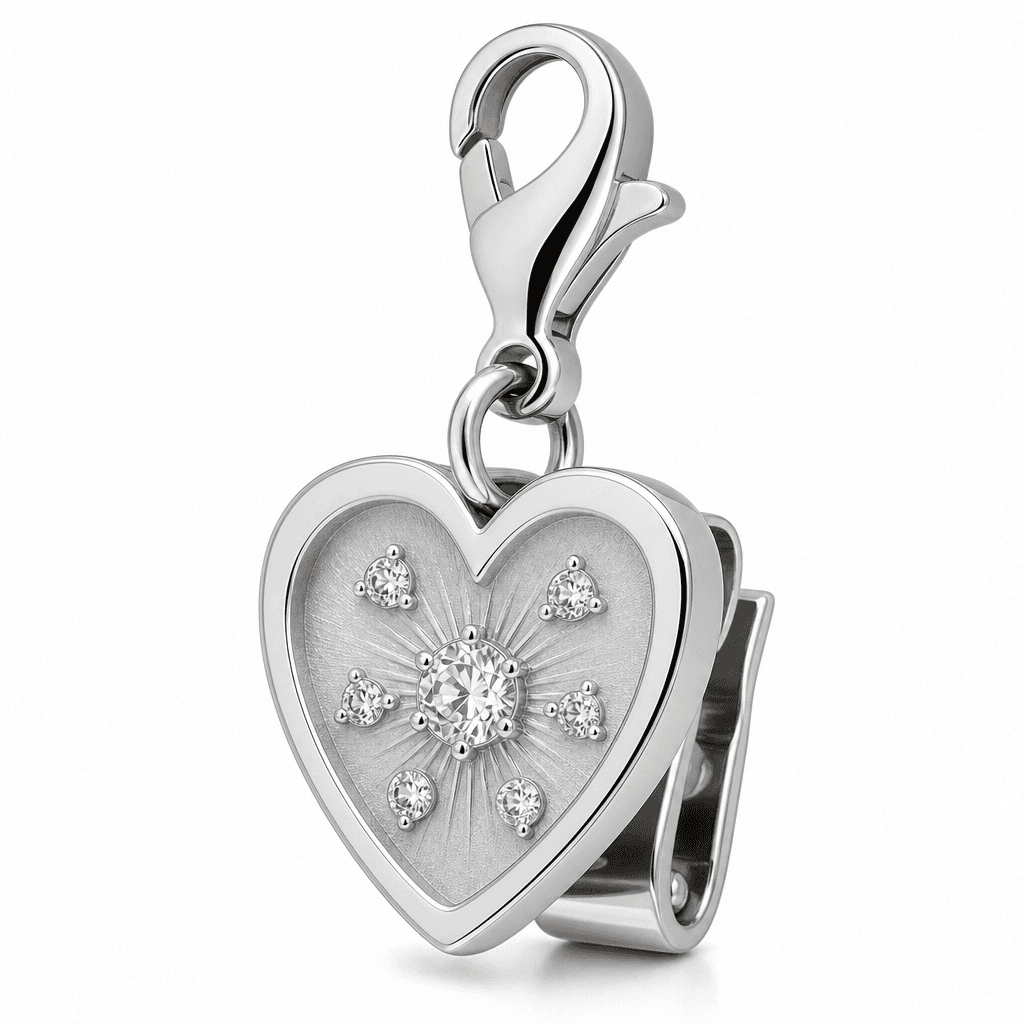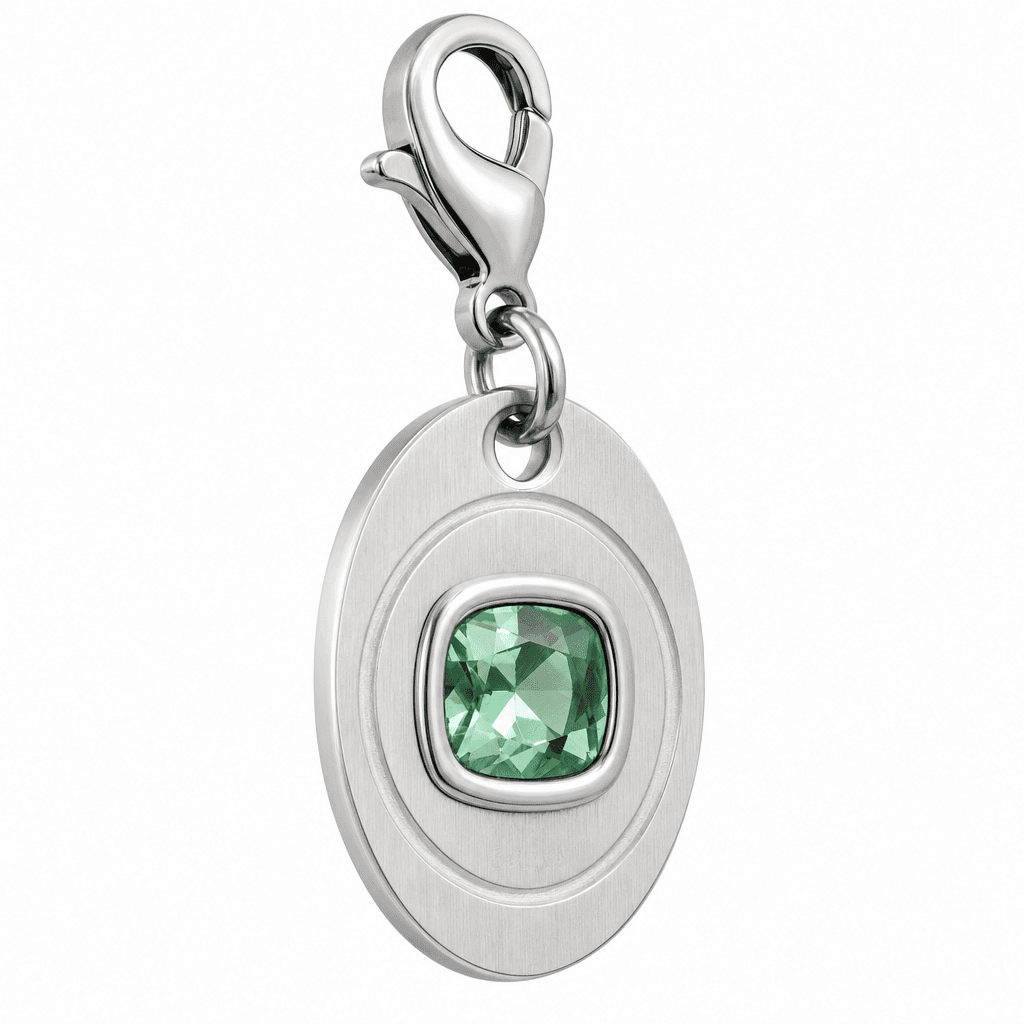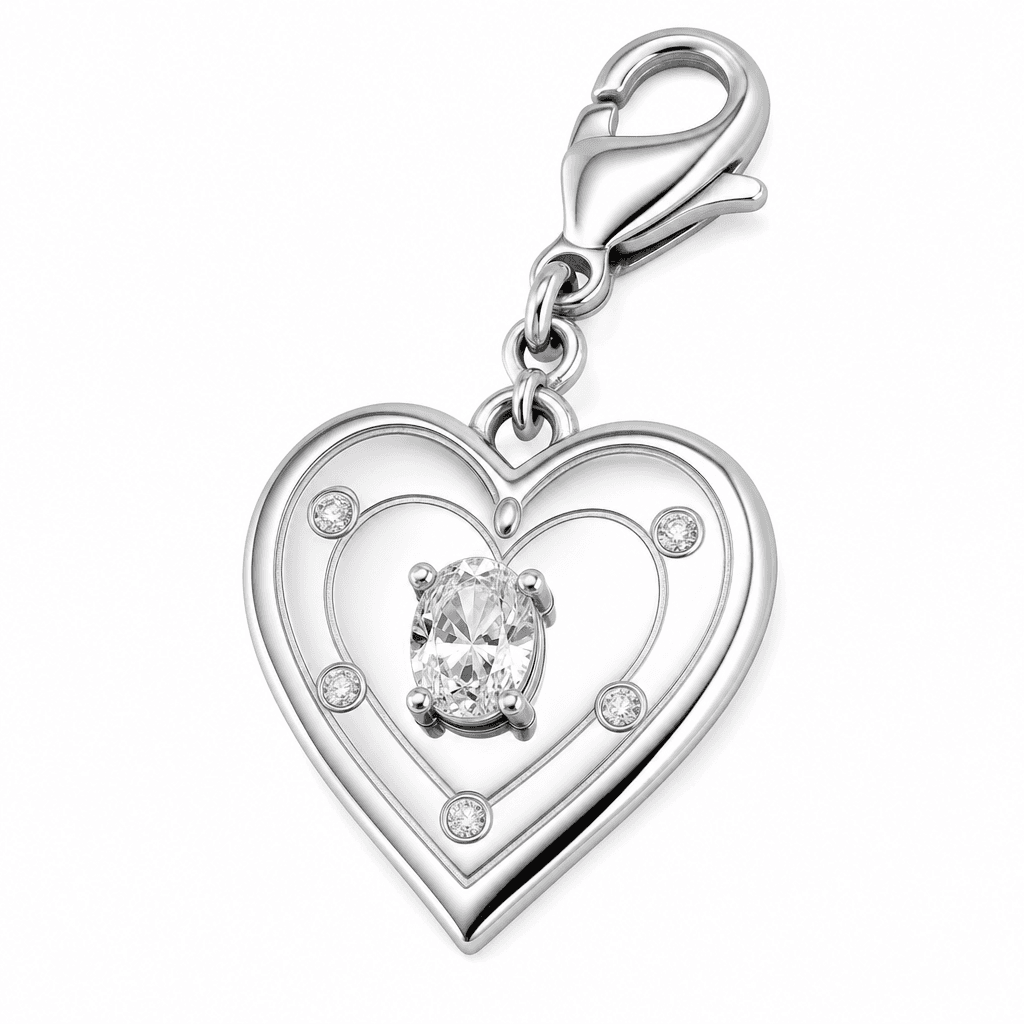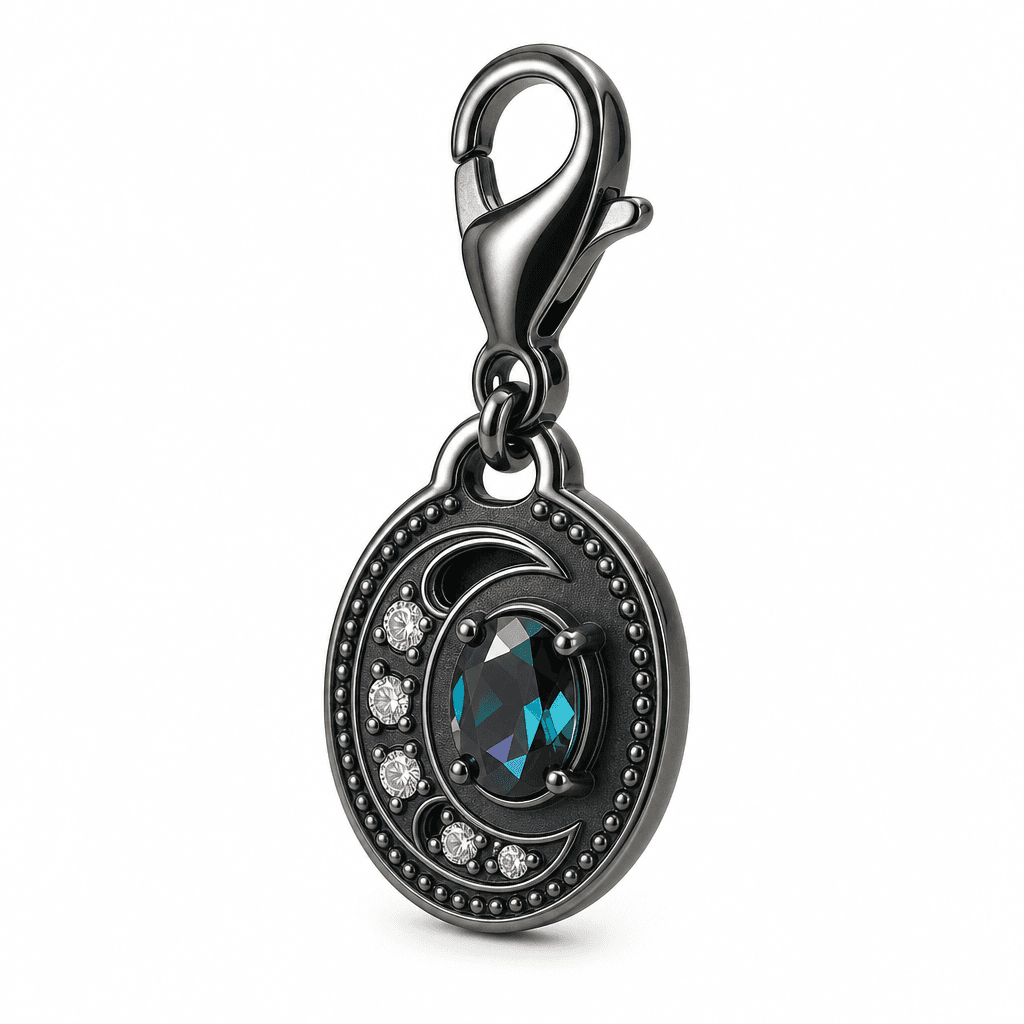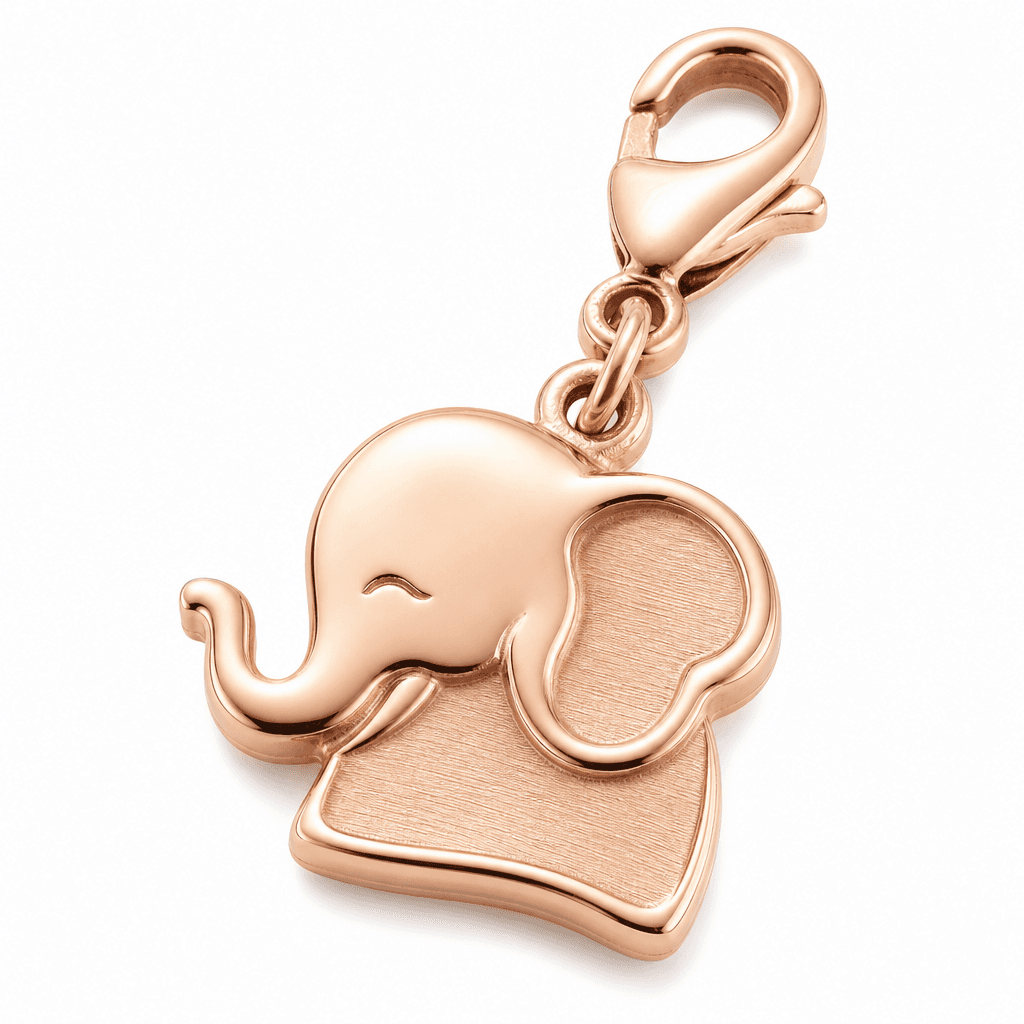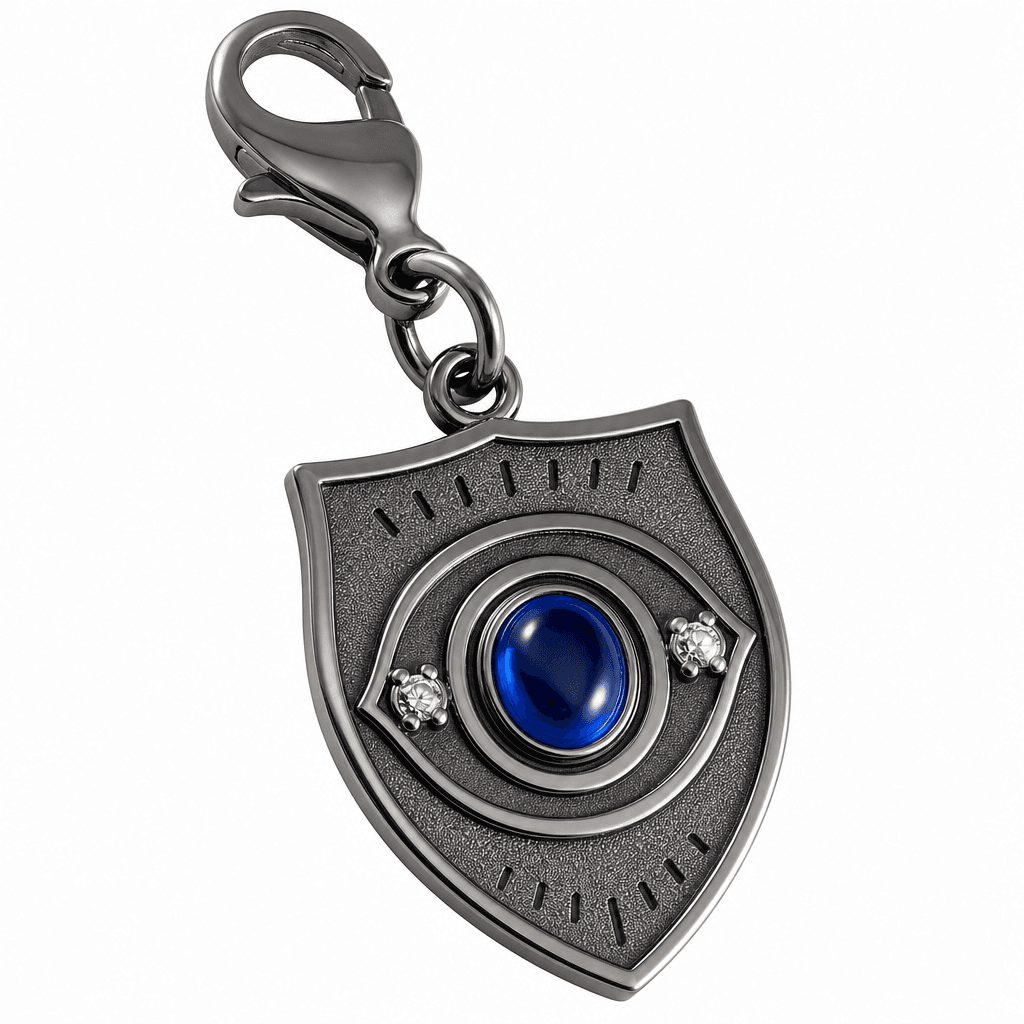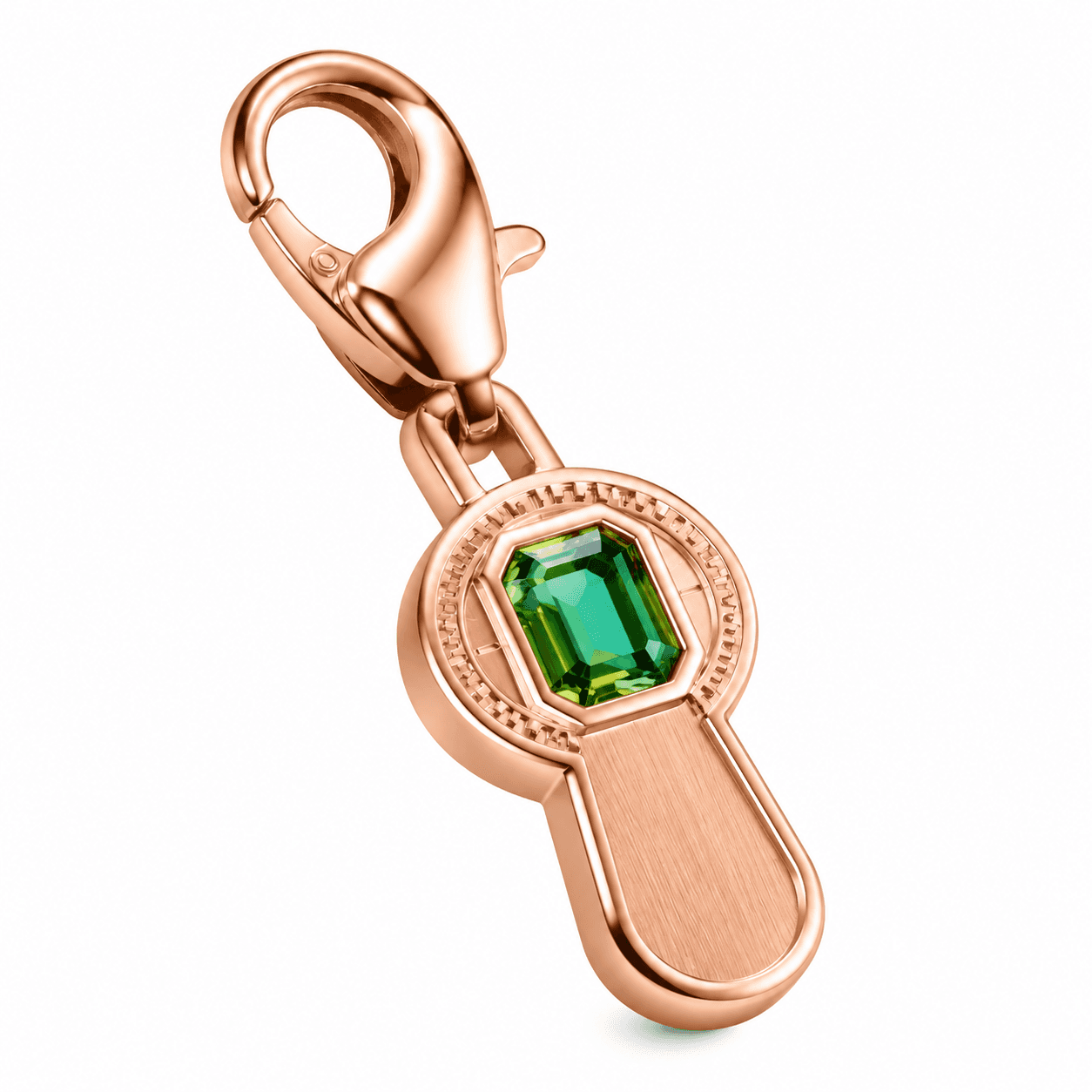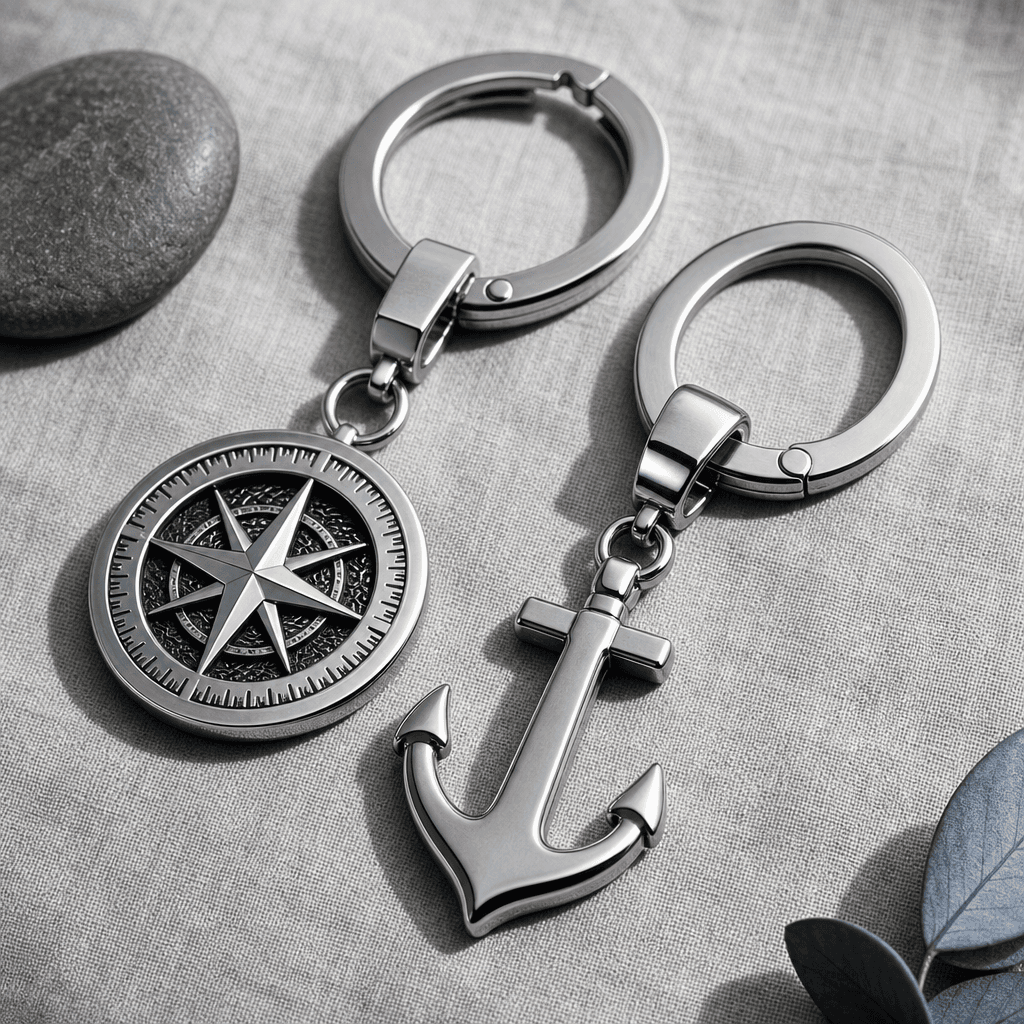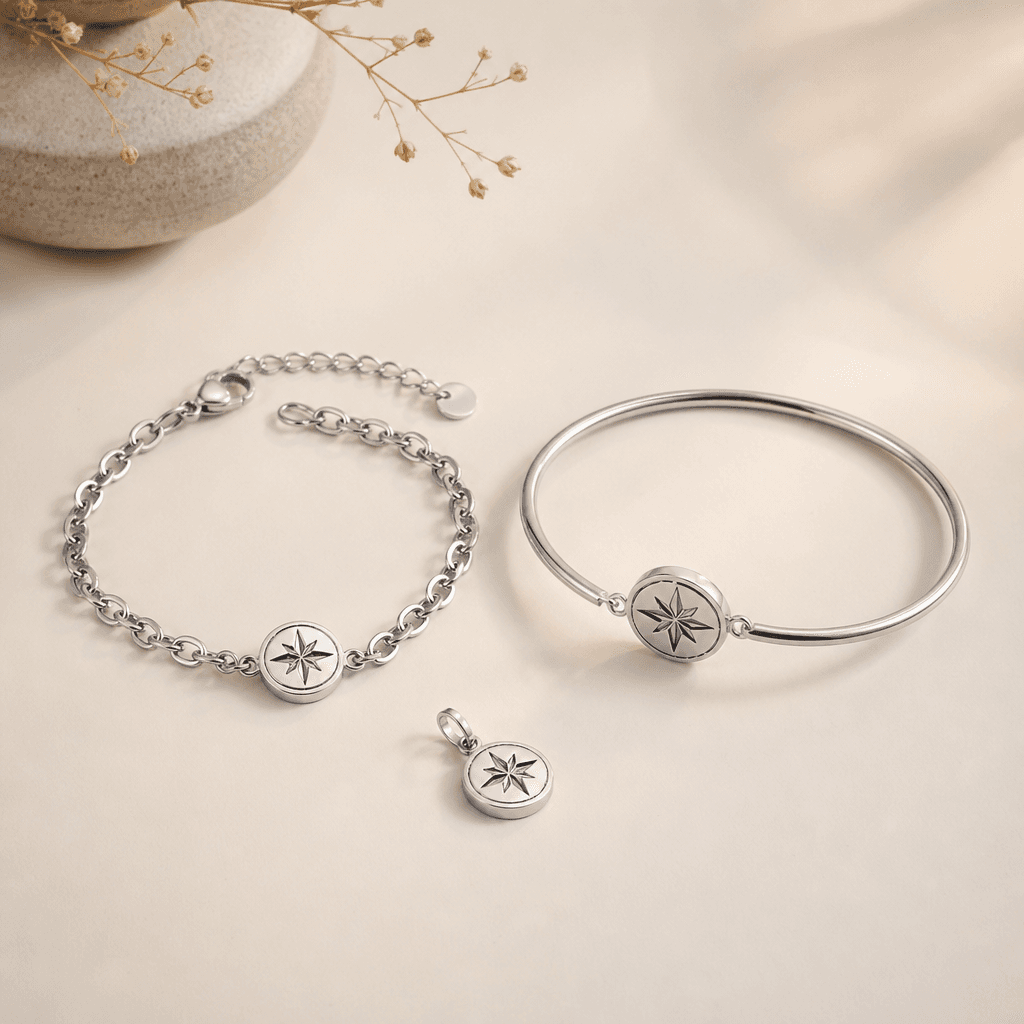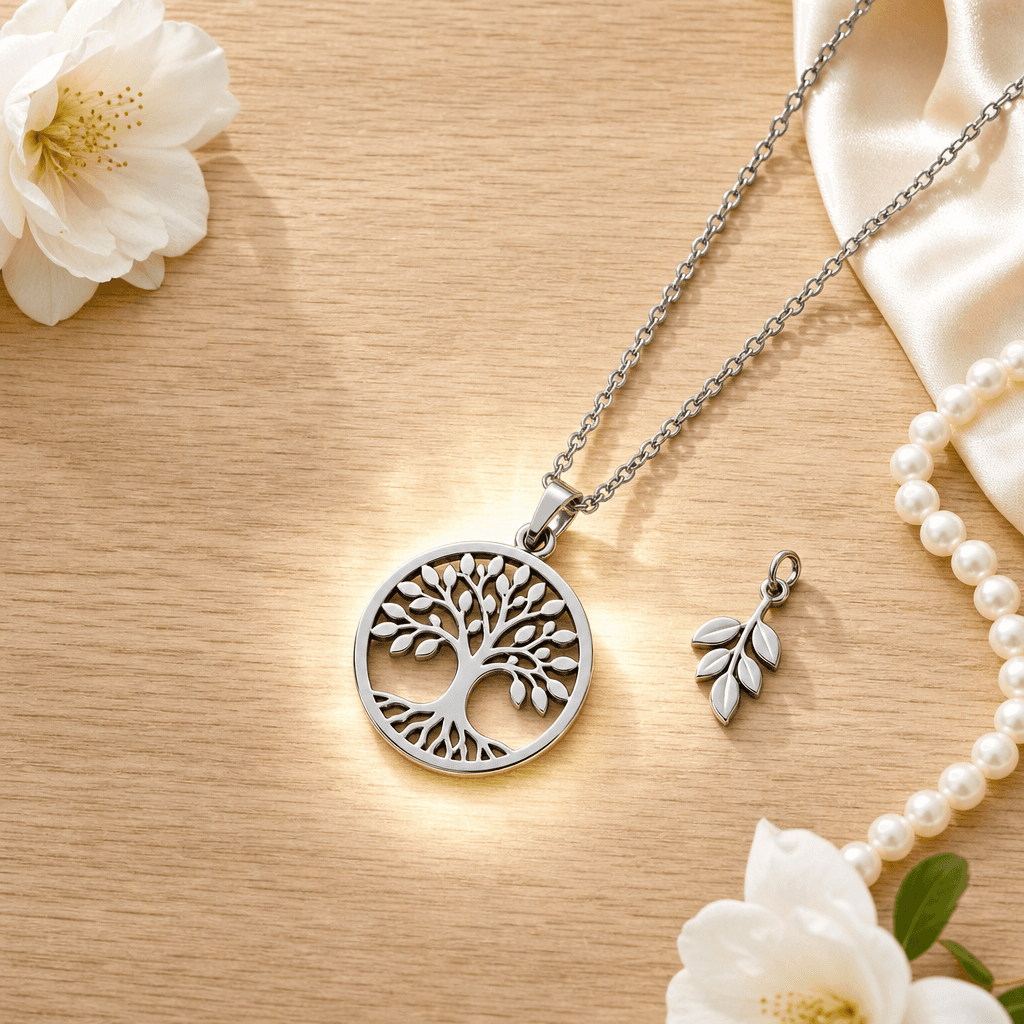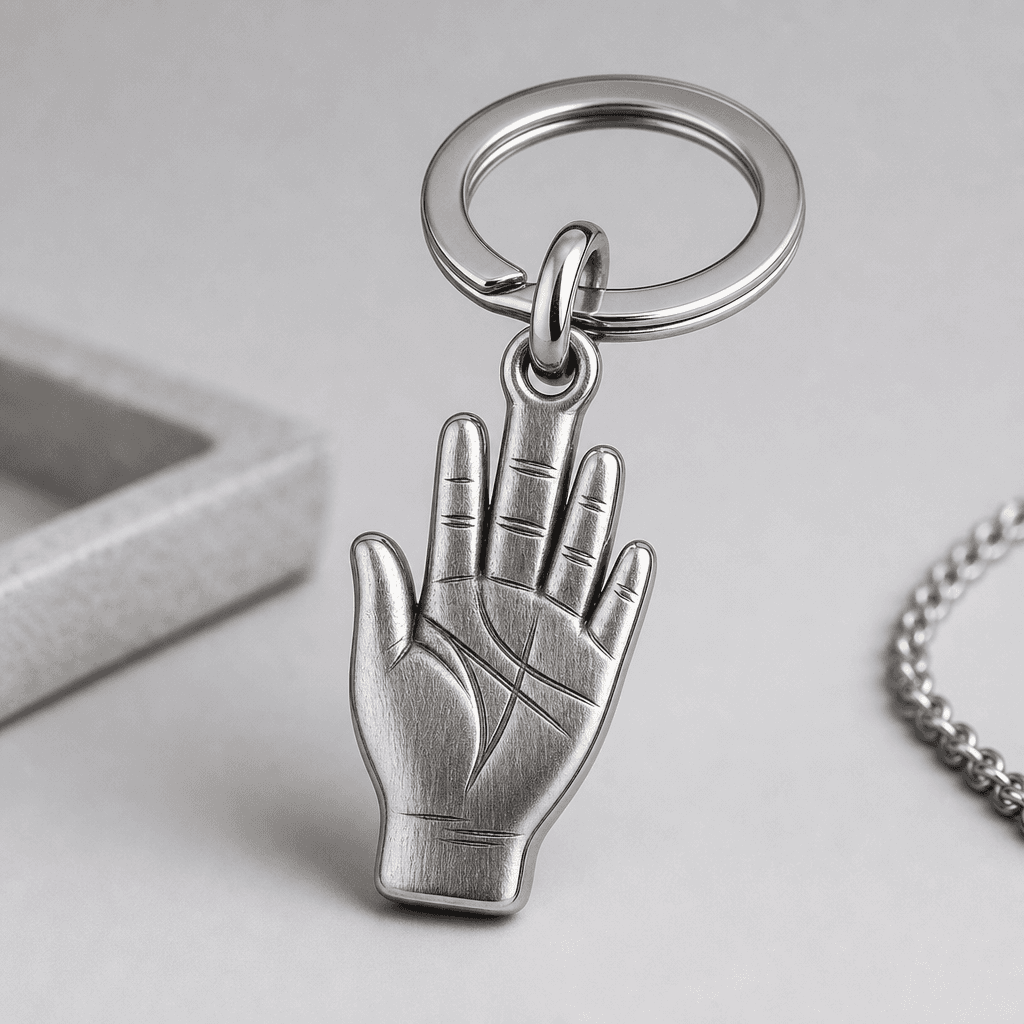
小売プログラムやプライベートラベルライン向けにステンレス製の手が持つキーチェーンチャームの導入を検討している場合、素材の選択がパフォーマンスの大部分を左右します:外観の保持、耐食性、そして長期的なメッキ安定性です。Lancy Jewelryは1つのベースのみ—316Lステンレスチャーム—に注力しているため、PVDゴールドメッキ、シルバー仕上げ、ローズゴールドメッキ、エナメル、クリスタルのインレイといった仕上げをまたいでも、素材挙動を一貫させたまま試作し、スケールできます。
この2026年のバイヤーガイドでは、316Lの素材システムがどのように機能するか(RoHS、REACH、EN1811、および塩水噴霧のような代表的な表面・試験の参照を含む)を説明し、チャームバー用アクセサリー、ギフト用アクセサリー、キーチェーンチャームの形式に関するデザインニーズの評価方法を示します。比較表を使って、リードタイム、カスタマイズのレベル、予算に合う生産ルートを判断してください—卸数量を発注する場合でも、低MOQのサンプル開発を実行する場合でも。
確実に調達するために、当社のOEM/ODM開発ワークフローをご確認いただき、仕上げ、サイズ、取付スタイル、包装要件を明記してRFQをご依頼ください。Lancyはカスタムロゴの刻印、エナメルの色入れ、クリスタルのセッティングに対応します。US、EU、UK、AU、DE、FR、ES、NE、RUの世界中のバイヤー向けに、316Lステンレス鋼のチャーム製造をベースに構築されています。
Material Deep Dive: Why 316L Stainless Steel for a Hand Holding Keychain Charm?
When buyers search for a stainless steel hand holding keychain charm, they’re usually looking for a charm that stays attractive after repeated handling, exposure to humidity, and shipping abrasion. In B2B production, the simplest way to control these outcomes is to standardize on 316L stainless steel charms as the single base material. Lancy Jewelry does exactly that: our factory produces 316L stainless steel charms with consistent alloy behavior, so subsequent steps—polishing, PVD, enamel, and crystal inlay—are performed on a stable foundation.
For material performance, 316L is commonly selected in industrial and jewelry applications because its “L” low-carbon formulation helps reduce sensitization risk during thermal exposure. Practically for OEM/ODM buyers, that supports predictable surface results after finishing and helps plating adhere more consistently across runs when process controls are tight. Lancy also aligns finishing and safety expectations with recognized compliance testing references, including RoHS and REACH for restricted substance management, plus evaluation pathways such as EN1811 for nickel release considerations and salt spray style corrosion checks used in buyer quality programs.
If you’re designing for customization—like adding a custom logo, selecting an enamel color field, or setting a crystal inlay—material consistency matters as much as aesthetics. With 316L stainless steel as the only base, you can prototype quickly, evaluate wear-and-appearance in your internal QA cycle, then transition toward bulk charm orders or private label charms with fewer surprises related to base-material variance.
Comparison Table: Picking the Right Finish Path for 316L Hand Holding Keychain Charms (OEM/ODM)
Below is a practical decision helper for buyers comparing finish and customization routes for a stainless steel hand holding keychain charm. Use it to match the charm’s intended buyer experience (visual tone, color depth, sparkle level, and day-to-day durability) with the production path. This is written for jewelry designers, sourcing managers, and private-label teams evaluating custom stainless steel charms for charm bar accessories, gift programs, and keychain charm formats.
Each option assumes 316L stainless steel as the base material. The difference is in surface finishing technology (polishing level, PVD, enamel filling, and crystal setting) and the customization work scope (logo engraving, color selection, and packaging). Lancy supports OEM and ODM development, with sample development and low MOQ when you’re validating a series or running seasonal drops.
- Manufacturer term: Lancy (factory-direct OEM/ODM charms manufacturer)
- Material term: 316L stainless steel
- Commercial intent: OEM/ODM, private label, and wholesale production planning
Comparison Table: Which Option Fits Your 2026 Program Best?
| Option (Finish & Customization) | Best for | What you evaluate in samples | Typical sourcing fit |
|---|---|---|---|
| Silver finish + custom logo engraving on 316L | Clean, versatile look; quick market testing | Surface polish consistency, engraving edge definition, scratch visibility after handling | Fast iteration; good for low MOQ charm production |
| PVD gold plated (316L base) | Warm tone demand; premium-looking keychain charms | Color uniformity under mixed lighting, coating thickness uniformity, resistance to spot dulling after abrasion | Ideal for private label charms and bulk charm orders |
| Rose gold plating (316L base) | Romantic palette themes; boutique series planning | Hue stability across batches, edge wear behavior at contact points | Good when you need consistent tone for seasonal launches |
| Enamel (color filling) over 316L | Strong color identity; gift accessories with “pop” | Color density, enamel coverage over fine details, micro-chipping at thin sections | Best for charm bar accessories with defined color specs |
| Crystal inlay (316L base) | High-spotlight sparkle effect; premium visual depth | Stone seating security, reflective clarity, finish protection around the setting | For designers ready to invest in showpiece-level samples |
All rows assume the same base requirement: 316L stainless steel. That’s the foundation for predictable plating performance and reliable appearance retention across OEM/ODM programs. For compliance expectations, buyers commonly review supporting documentation tied to RoHS and REACH, plus test references such as EN1811 and salt spray as part of internal acceptance criteria.
If you’re also selecting packaging, Lancy Jewelry can include private-label packaging in the same sourcing workflow, helping you align the charm finish with unboxing presentation—useful when you’re building a charm bar accessory assortment for retail and gift companies.
Detailed Analysis: Finish-by-Finish Fit for a Hand Holding Keychain Charm
To make the comparison table actionable, here’s how each finish path typically behaves during sampling and early sales testing for a stainless steel hand holding keychain charm. The aim is to help you evaluate custom stainless steel charms with fewer back-and-forth rounds when you move from sample development to bulk charm orders.
1) Silver finish on 316L + custom logo engraving
For designers who want a straightforward “base look,” silver finish is often the lowest-risk start. During sampling, evaluate polish uniformity, the crispness of engraved line width, and how quickly the engraved surface shows handling marks on a test card under your typical retail lighting. Because the base is 316L stainless steel, you can expect consistent tonal behavior compared with mixed base materials.
2) PVD gold plated (316L)
Gold-tone demand is common in charm bar accessories and gifting programs, but buyers should look beyond color. Ask for samples with known placement and check consistency on recessed and edge zones. In real-world handling, contact points are the first to show abrasion; your QA should focus on whether the coating maintains color integrity at the periphery of the charm design. Lancy uses PVD processes on 316L to target stable coating performance.
3) Rose gold plating (316L)
Rose gold plating can be sensitive to tone perception. For OEM/ODM buyers, the key is batch-to-batch hue matching. During sampling, compare multiple lighting conditions (warm retail lighting and cooler display lighting) and confirm the “read” of the rose tone is consistent for your target customers. This matters for boutique-ready series planning.
4) Enamel color filling (316L)
Enamel is where buyers often discover whether the charm’s design details support clean color capture. Evaluate color density and edge coverage, especially where the hand motif includes fine lines. If your design includes thin enamel areas, test for micro-chipping risk during packaging handling. Lancy supports enamel color filling as part of ODM/OEM development for defined color specifications.
5) Crystal inlay (316L)
For sparkle effects, the practical check is whether the stone seating and protective areas around the setting stay secure during normal packing and repeated display. Request samples that reflect your intended attachment hardware and ensure the crystal placement doesn’t create stress points. Crystal-inlay options work well for premium gift accessories, but they require tighter spec control in sample development.
For quality verification, buyers commonly reference compliance documentation and test references such as RoHS and REACH, and sometimes nickel-release evaluation using EN1811. For corrosion confidence, corrosion-related checks like salt spray are used by procurement teams to set expectations for long-term appearance retention.
Recommendation for 2026 Buyers: The Most Reliable Path to Bulk Orders
If you need a sourcing decision that balances speed, finish stability, and scalable production, Lancy’s recommendation for a stainless steel hand holding keychain charm program is to start with a finish path that matches your retail “decision driver,” then lock specs early. In B2B procurement, the goal is to reduce sampling cycles before you enter wholesale stainless steel charms or bulk charm orders.
Verdict (Decision Rule)
- Choose silver finish + engraving if your priority is fast validation, low MOQ charm production, and early series planning flexibility.
- Choose PVD gold plated if your buyers want a consistent warm tone and you’re ready to scale under a private-label charms program.
- Choose rose gold plating when your brand palette depends on a specific rose hue and you can support careful sample comparisons across lighting.
- Choose enamel when the design’s color identity is essential and your artwork supports clean enamel coverage in fine detail zones.
- Choose crystal inlay when your product presentation relies on sparkle and you want premium-level samples with tighter QA checkpoints.
Regardless of the finish, the foundation is 316L stainless steel. That consistency improves your confidence as you move from sample development to production planning. Lancy Jewelry can support OEM/ODM development including custom logo charms, logo engraving, PVD plating, enamel color filling, and crystal setting—plus private-label packaging so the charm and its presentation meet your brand standards.
For sourcing managers, the most reliable next step is to request a finish-specific sample plan with clear acceptance criteria tied to appearance, coating/finish stability expectations, and compliance references such as RoHS and REACH. If corrosion resistance is part of your vendor evaluation, ask about test reference expectations like salt spray along with any relevant nickel-release evaluation such as EN1811.
Frequently Asked Questions
Request Your Quote and Build Samples for Your Hand Holding Charm Program
Ready to source a stainless steel hand holding keychain charm as part of your upcoming retail or gifting program? Send an RFQ so Lancy can prepare the right OEM/ODM sample plan for 316L stainless steel charms with your selected finish—PVD plated stainless steel charms, enamel stainless steel charms, or crystal inlay options. If your team is running a private label rollout, we can also align private-label packaging with the charm series.
When you message us, please include: your intended application (charm bar accessories, gift accessories, or keychain charm format), finish selection (silver finish / PVD gold plated / rose gold plating / enamel / crystal inlay), required size range, custom logo engraving text or artwork, attachment style needs, target MOQ for this phase, and your timeline for sample development. For bulk pricing, add your projected order quantities and shipping region (US/EU/UK/AU/CA/DE/FR/ES/NE/RU). We’ll use your specs to evaluate manufacturability and confirm the production route before you commit to larger wholesale quantities.