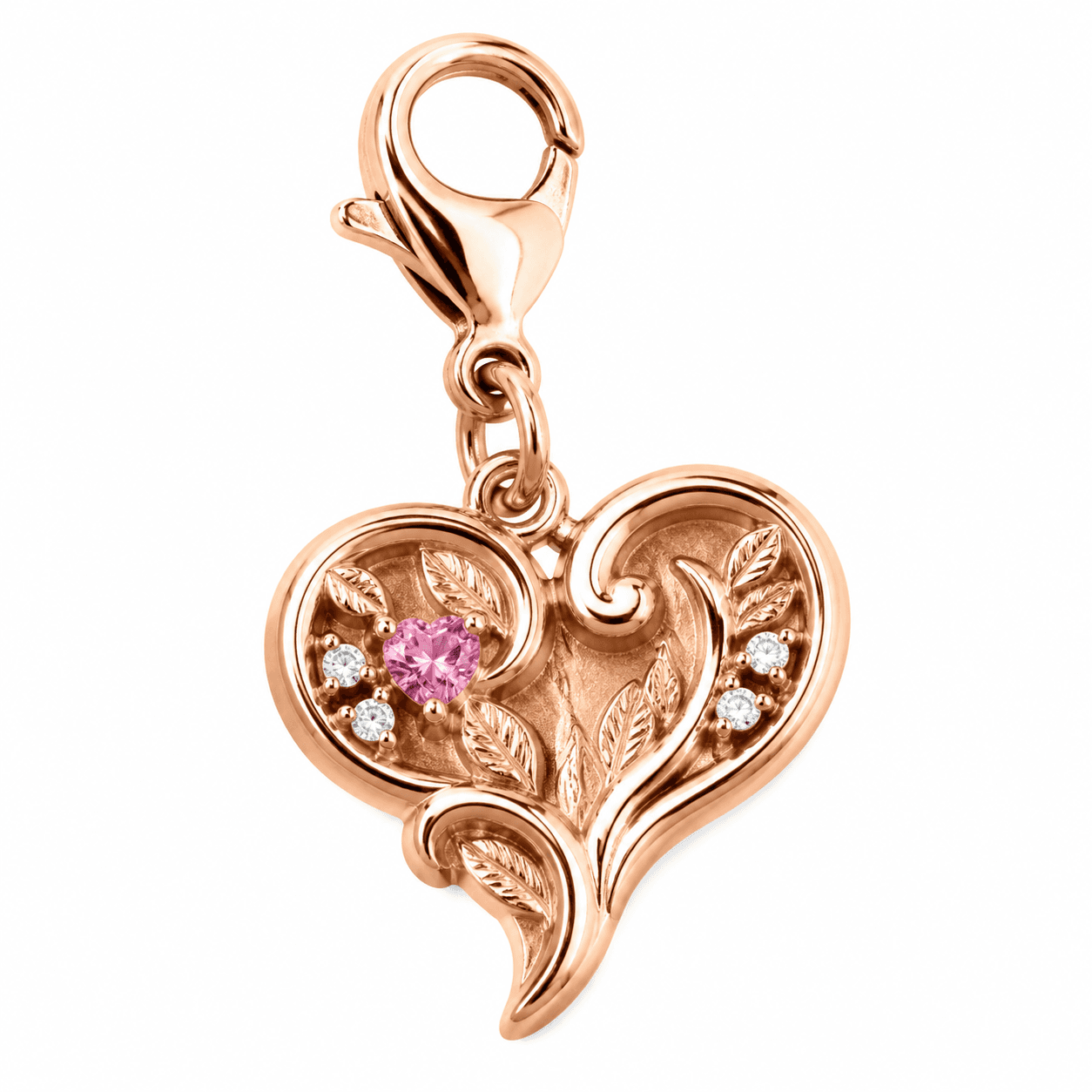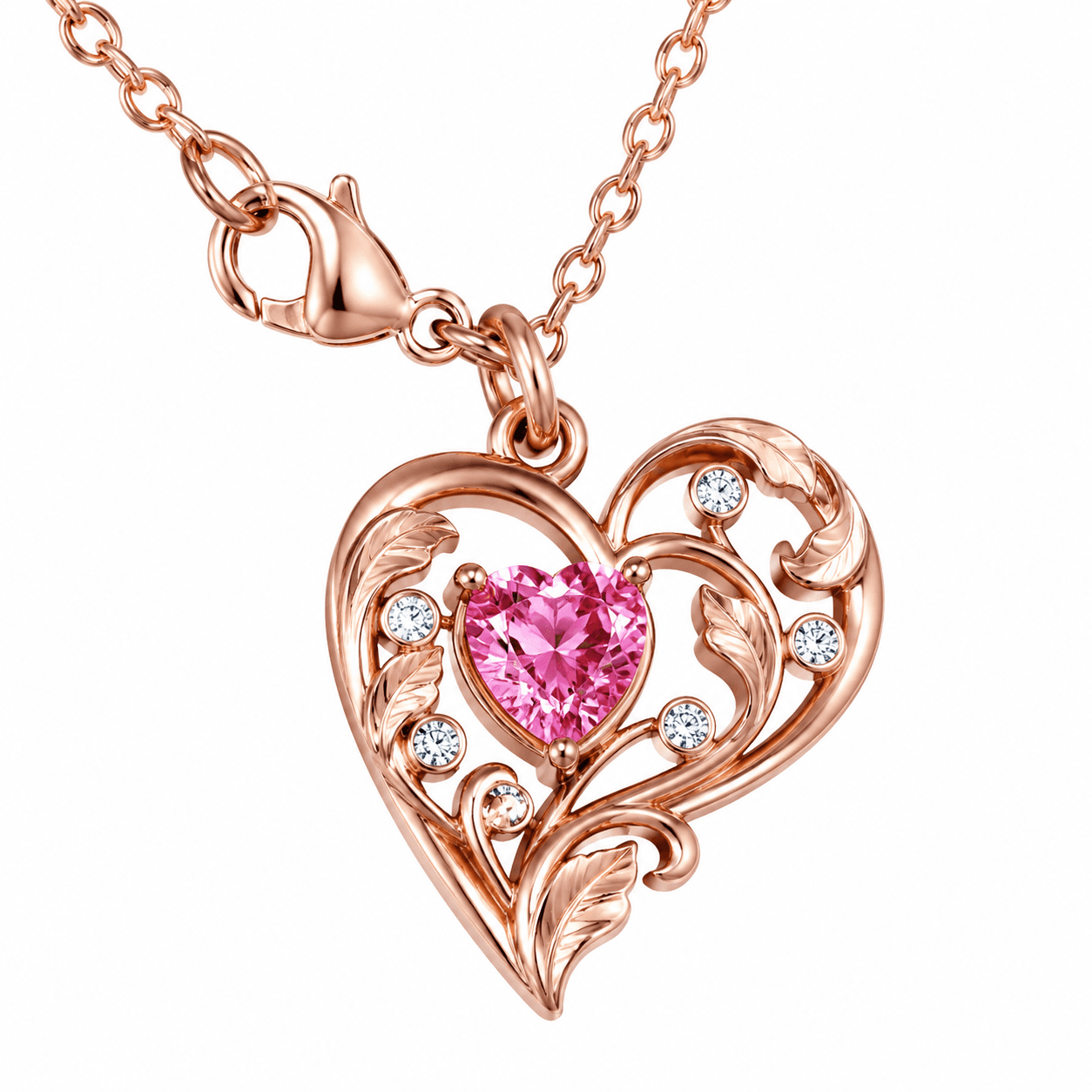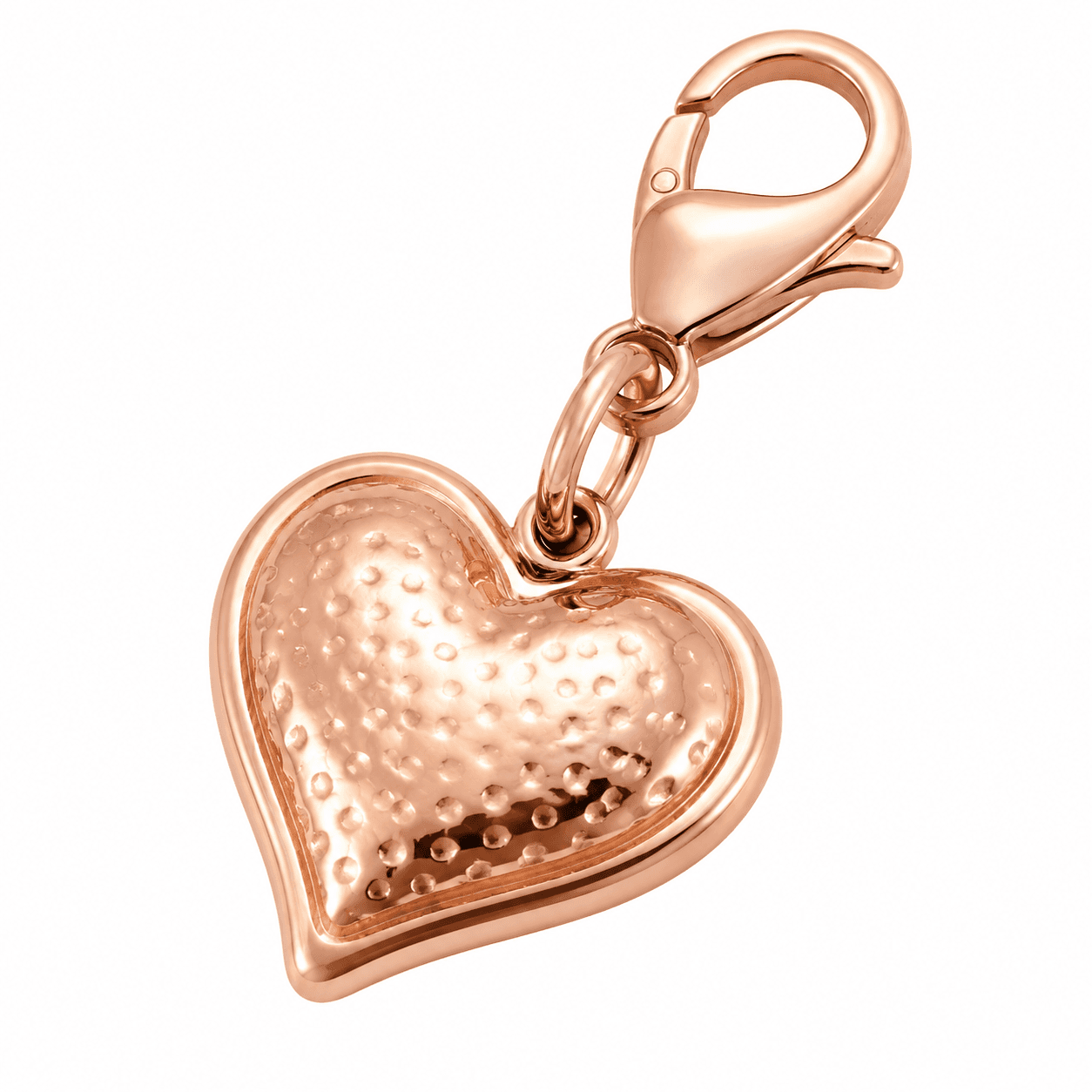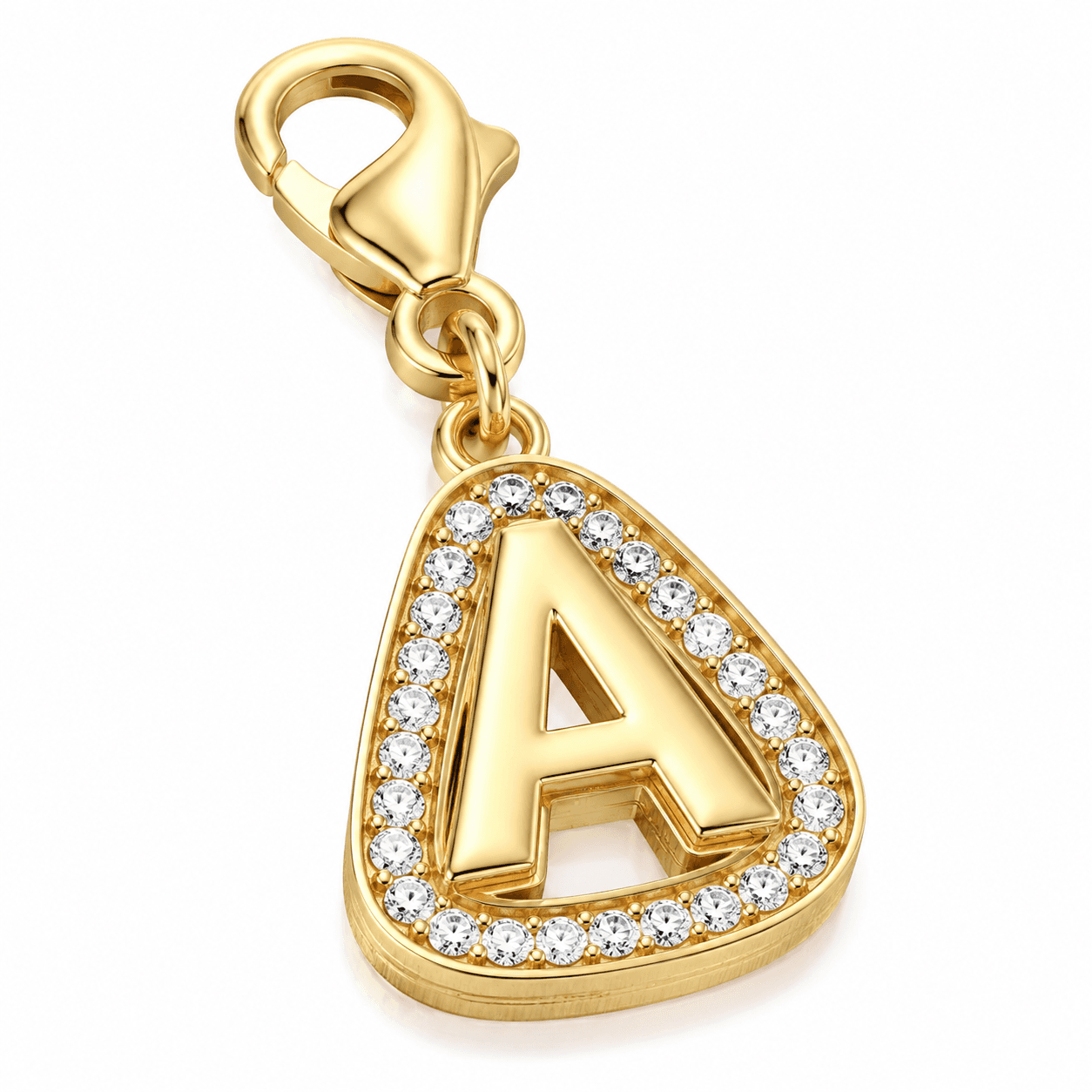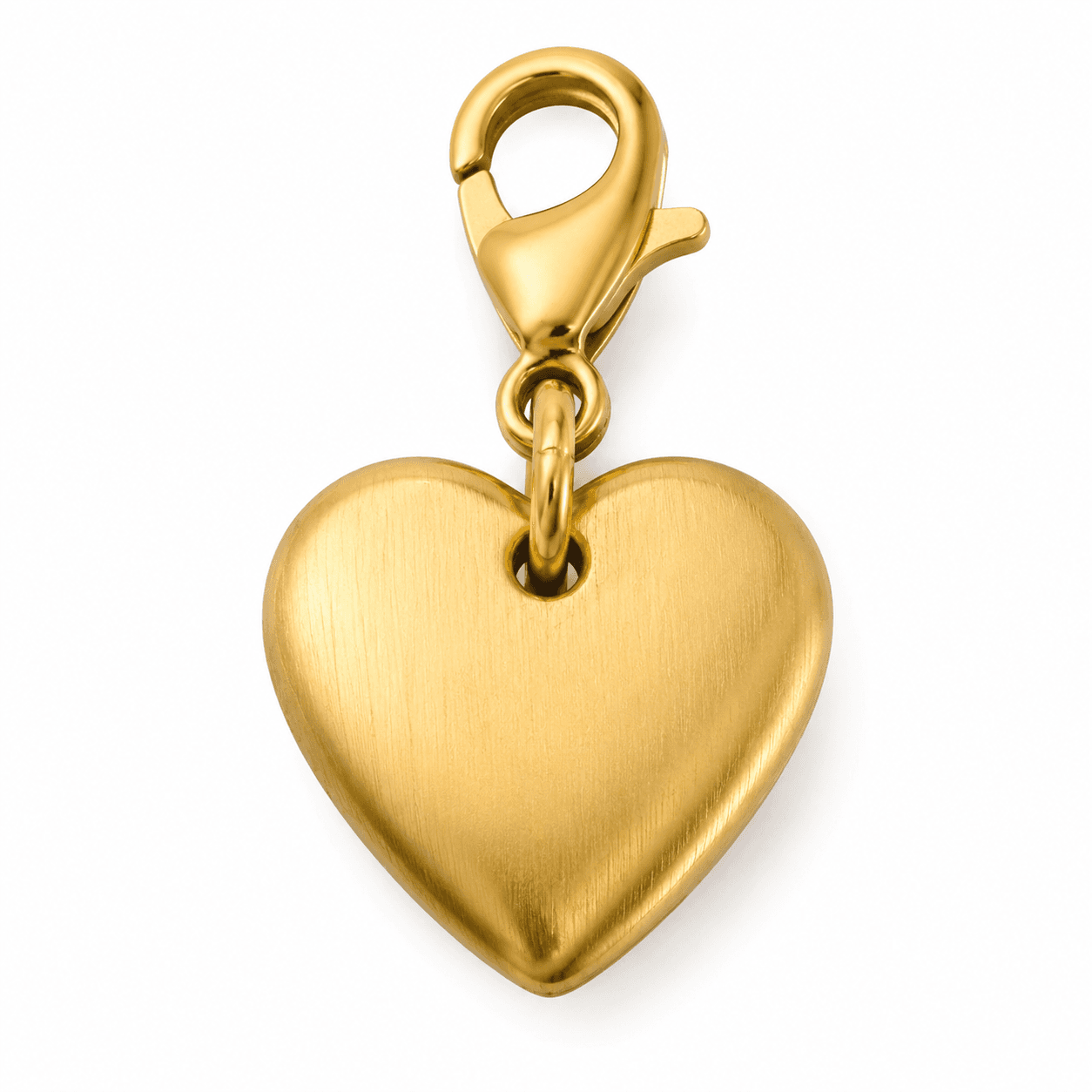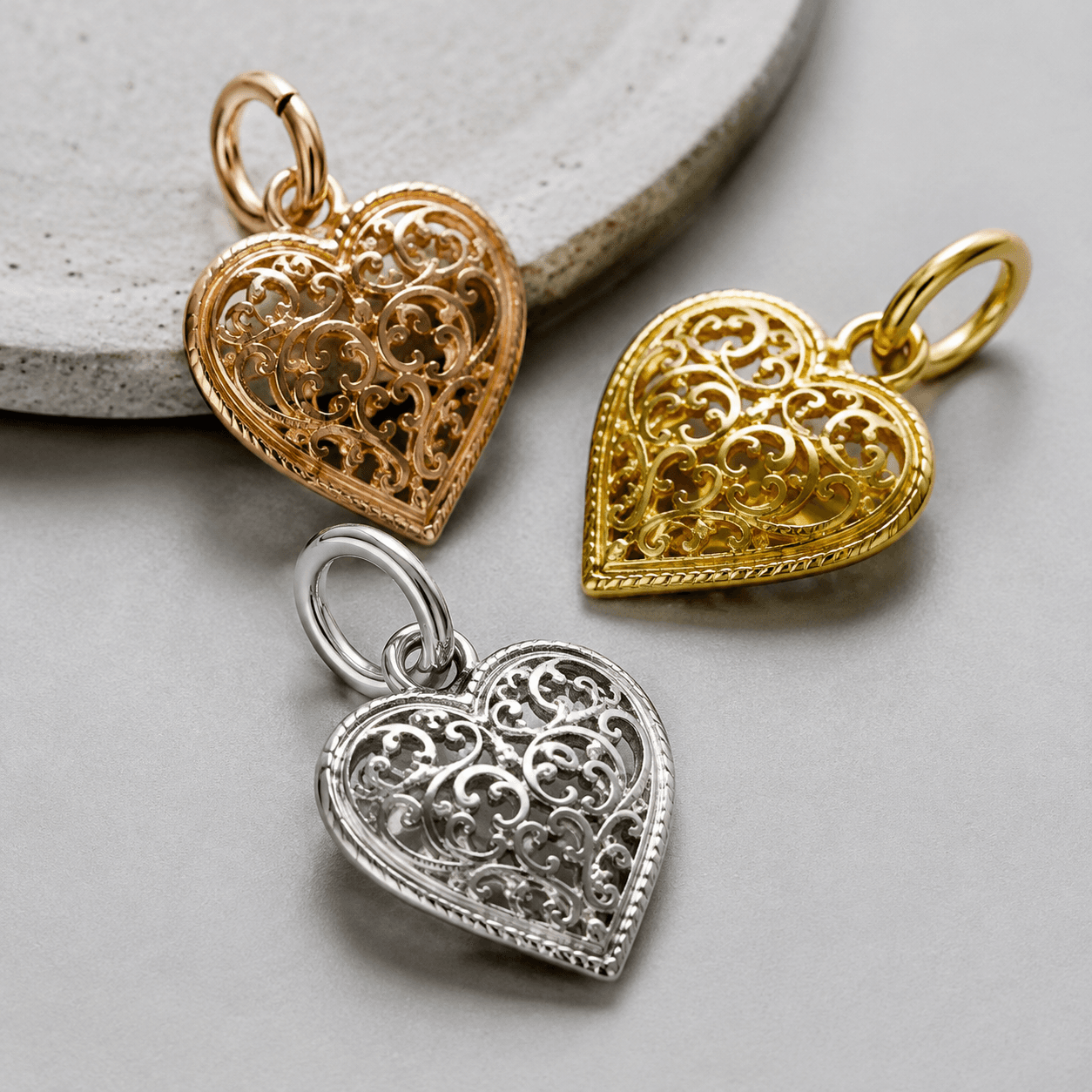
A filigree heart charm combines a recognizable heart silhouette with openwork detailing, so material selection directly affects edge definition, structural stability, surface quality, and production consistency. For jewelry designers developing a commercial collection, understanding how 316L stainless steel behaves during forming, polishing, PVD finishing, enamel work, and crystal inlay helps turn a visual concept into a repeatable production specification.
This deep dive explains the technical decisions behind a filigree heart charm, from geometry and wall thickness to finishing, inspection, certification, sampling, and bulk production. Lancy Jewelry focuses exclusively on 316L stainless steel charms and supports OEM and ODM development for boutique brands, private-label programs, and other B2B buyers seeking dependable sample development and scalable production.
Understanding the Material Behind a Filigree Heart Charm
Understanding the Material Behind a Filigree Heart Charm
A filigree heart charm depends on a balance between fine visual detail and sufficient structural strength. The base specification at Lancy is 316L stainless steel, a corrosion-resistant stainless steel grade widely used where durable surfaces and stable mechanical performance are important. For designers, the practical advantage is that the material supports a precise charm profile while providing a solid foundation for polishing, PVD finishing, enamel color filling, and crystal inlay.
Openwork geometry deserves particular attention. Very narrow bridges between filigree elements can become vulnerable during handling, polishing, finishing, or assembly, while overly thick bridges can make the design appear visually heavy. A strong production drawing therefore defines the outer silhouette, internal openings, hole locations, edge radii, and minimum feature dimensions rather than relying only on a reference image. This gives the stainless steel charms manufacturer a measurable specification for engineering review.
Designers should also consider how the charm will be used. A piece intended for a bracelet or charm bar can use a more compact proportion, while a larger decorative application may require stronger internal connections and a larger attachment opening. Lancy can review these functional details during sample development so the finished filigree heart charm remains visually delicate without creating avoidable production risks.
How Filigree Geometry Affects Design and Prototyping
How Filigree Geometry Affects Design and Prototyping
The most important design decision for a filigree heart charm is often not the finish but the geometry. Designers should establish the intended size, overall thickness, internal negative space, attachment point, and visual hierarchy before production tooling is finalized. Symmetry can make a heart easier to manufacture consistently, while deliberately asymmetric lines may create a more handcrafted visual character but require tighter review of the digital model.
Attachment geometry is equally important. The bail or jump ring must pass through a real hole or loop and remain mechanically plausible after finishing. The opening should be sized according to the intended connector and movement of the finished accessory. Internal filigree sections should avoid sharp transitions where possible, because controlled radii can improve both visual refinement and production robustness. A technical drawing should identify critical dimensions instead of leaving these decisions to interpretation.
During OEM charms manufacturer development, the prototype stage is an opportunity to evaluate more than appearance. Buyers can inspect edge smoothness, openwork definition, attachment movement, overall balance, and the relationship between the design and its intended use. When changes are needed, a controlled sample revision is preferable to discovering structural or finishing problems after a bulk order has been released.
Surface Finishing: PVD, Gold Plated, and Decorative Details
Surface Finishing: PVD, Gold Plated, and Decorative Details
Finishing changes how the geometry of a filigree heart charm is perceived. A polished stainless steel surface can emphasize clean reflections and crisp openwork, while a PVD finish can provide a controlled decorative appearance with options such as gold plated and rose gold plating effects. A silver finish can retain a clean stainless steel visual language, making it useful when the design relies strongly on line definition rather than color contrast.
PVD quality is influenced by surface preparation, cleaning, coating control, and handling. Fine filigree areas make preparation especially important because residue or uneven surface conditions can become visible around narrow openings. Buyers should therefore evaluate both the coating appearance and the underlying surface condition during sampling. Color consistency should be checked across the complete charm, including recessed areas and edges where geometry can affect visual uniformity.
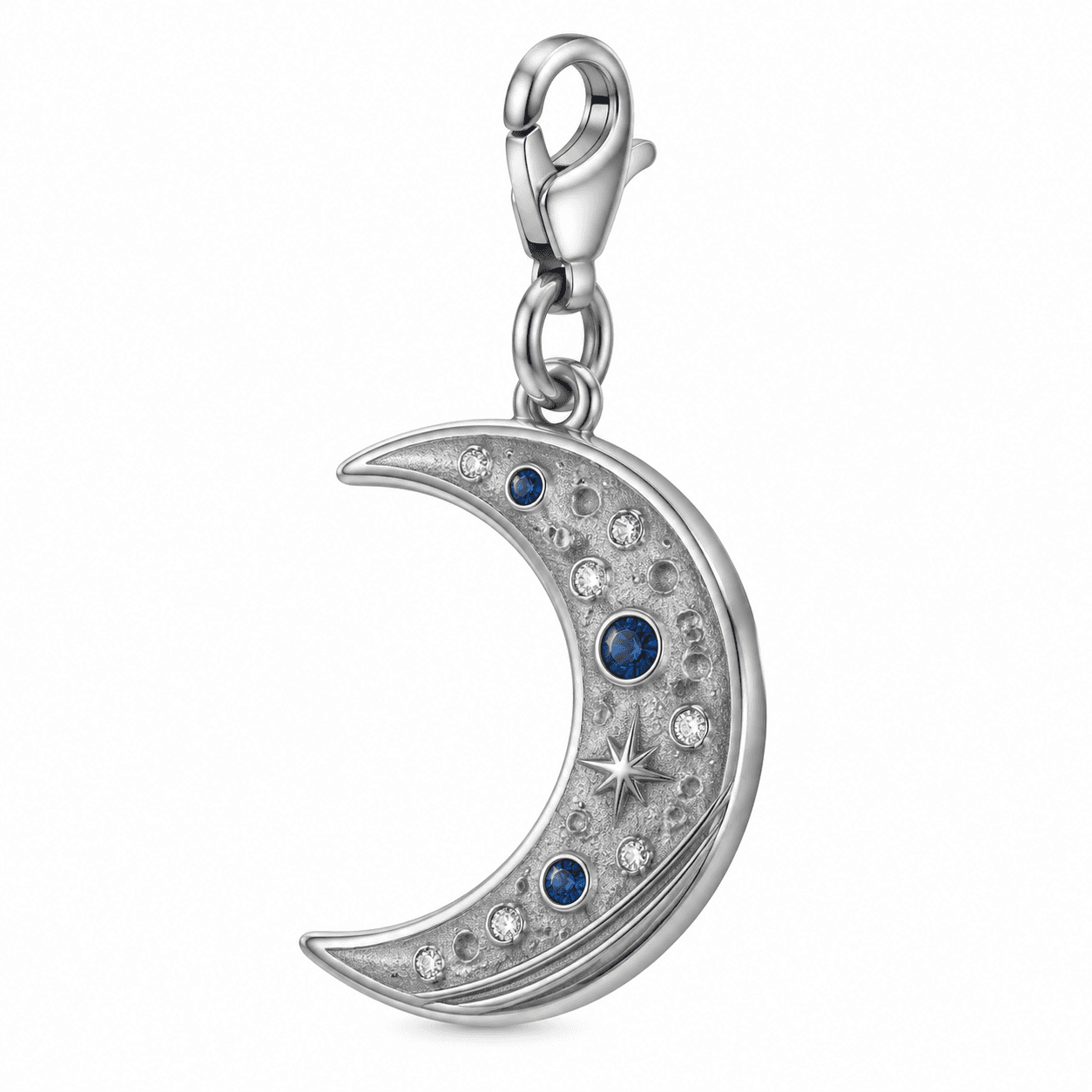
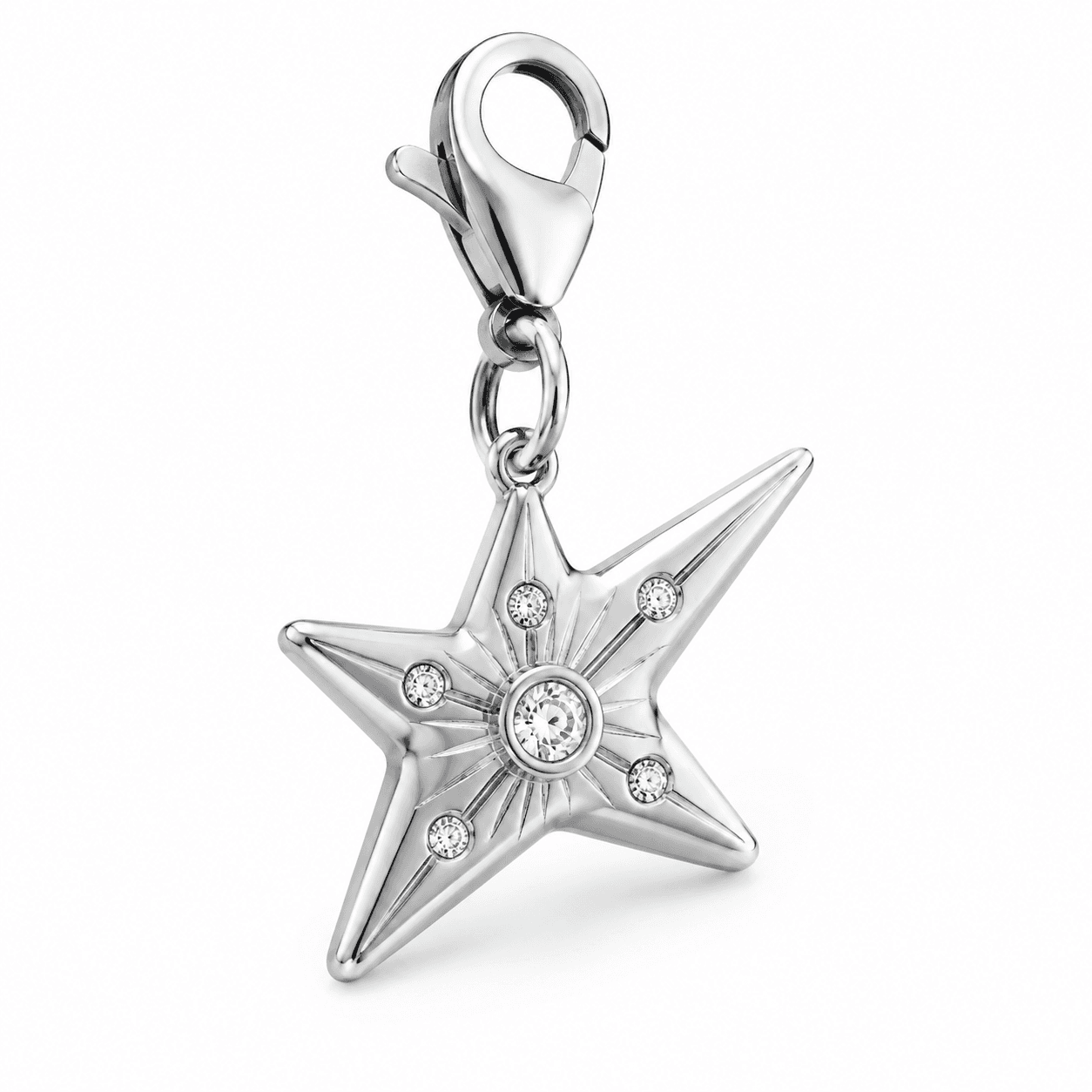
Decorative treatments can be added selectively. Enamel color filling can introduce contrast into designated recessed areas, while crystal inlay can create a focal point without changing the 316L stainless steel base. The production brief should specify color references, placement, fill boundaries, and acceptable variation. This makes an ODM charm supplier better able to translate creative direction into repeatable production standards.
Quality Control and Certification for Stainless Steel Charms
Quality Control and Certification for Stainless Steel Charms
For B2B buyers, quality evaluation should cover material, dimensions, finishing, decoration, and attachment mechanics rather than relying on visual inspection alone. Lancy's quality approach for 316L stainless steel charms can include checks for dimensional consistency, surface defects, coating appearance, enamel placement, crystal setting security, hole accuracy, and overall assembly logic. Critical dimensions should be agreed before sampling so inspection can be performed against a defined production target.
Certification and test documentation also require careful interpretation. Buyers may request SGS testing or reports covering areas such as RoHS, REACH, EN1811, and Salt Spray. These references address different compliance or performance questions, so a report should be reviewed for its exact sample description, test method, test scope, result, and applicable limits. A certificate is useful only when it corresponds clearly to the relevant material, finish, product configuration, and buyer requirement.
Salt Spray evaluation, for example, provides information about corrosion resistance under a defined test environment, while EN1811 is relevant to nickel release assessment for articles intended for direct and prolonged skin contact. RoHS and REACH address different regulatory considerations. Professional sourcing teams should request the applicable documentation during development rather than assuming that one report answers every compliance question. This creates a stronger quality record for wholesale stainless steel charms programs.
From CAD Concept to Repeatable Factory Production
From CAD Concept to Repeatable Factory Production
Turning a filigree heart charm from a design idea into a production item normally involves concept review, engineering refinement, sample preparation, finishing approval, inspection criteria, and production release. A useful RFQ package should include the preferred dimensions, artwork or CAD information, finish direction, decoration requirements, attachment specifications, estimated order quantity, packaging needs, and target market. Clear inputs reduce unnecessary revisions and help the factory identify technical questions early.
Lancy supports OEM and ODM workflows, including logo engraving, PVD plating, enamel color filling, crystal setting, private-label packaging, and sample support. Logo engraving can be positioned according to available surface area and the visual hierarchy of the heart design. For an openwork charm, branding should be placed where it does not interfere with narrow structural bridges or create an overly dense central area.
Low-volume programs can benefit from early sampling because the buyer can validate the commercial concept before committing to a larger run. Low MOQ charm production is particularly useful for boutique collections that need several coordinated designs rather than one very large quantity of a single item. Once the sample, finish, dimensions, packaging, and inspection requirements are approved, the same specifications can guide repeat production and bulk charm orders.
Frequently Asked Questions About Filigree Heart Charm Production
Designing Coordinated Charm Collections Around One Core Shape
Designing Coordinated Charm Collections Around One Core Shape
A single filigree heart charm can become more commercially useful when it is planned as part of a coordinated charm assortment. Designers can vary internal line patterns, engraving, enamel placement, crystal inlay, or PVD finish while retaining a consistent outer proportion. This creates visual continuity across a boutique-ready series and makes it easier for buyers to build displays around several related designs.
Collection planning should also account for merchandising roles. A heart design can function as a romantic motif, a gifting accent, or a decorative element within a broader charm bar program. The attachment system should remain consistent where practical so retailers can organize related products with similar handling requirements. At the same time, each SKU should have a clearly documented design identifier, dimensions, finish, and decoration specification to prevent production ambiguity.
For a private-label program, packaging can reinforce this system. Lancy supports private-label packaging alongside custom manufacturing, allowing the buyer to coordinate product presentation with the approved charm series. A disciplined collection architecture can reduce repeated development work, simplify sample review, and create a more coherent assortment for B2B accessory supplier purchasing decisions.
Practical Sourcing Checklist for Buyers and Designers
Practical Sourcing Checklist for Buyers and Designers
Before approving a filigree heart charm, buyers should verify five areas: material specification, geometry, finish, compliance documentation, and commercial production terms. The material should be clearly stated as 316L stainless steel. Geometry should cover the outer silhouette, internal filigree openings, thickness, attachment hole, and overall dimensions. Finish documentation should identify whether the required appearance is a stainless steel surface, silver finish, gold plated PVD, rose gold plating, enamel, crystal inlay, or a defined combination.
The second stage is sample evaluation. Inspect the complete silhouette, openwork edges, attachment mechanism, surface consistency, logo placement if applicable, and decorative details under normal retail lighting. Record any acceptable dimensional or color tolerances before approval. If the charm is intended for prolonged skin contact, confirm the relevant compliance requirements and request applicable SGS documentation, including the appropriate RoHS, REACH, EN1811, or Salt Spray information where required.
Finally, confirm the commercial specification. A professional RFQ should state quantity, packaging, target delivery requirements, sample expectations, and any private-label details. For buyers comparing production routes, a clear specification makes quotes easier to evaluate because each supplier is responding to the same requirements. This is especially valuable for bulk charm orders, where small differences in dimensions or finish can become significant across a large production quantity.
Explore Related 316L Stainless Steel Charm Development Options
Explore Related 316L Stainless Steel Charm Development Options
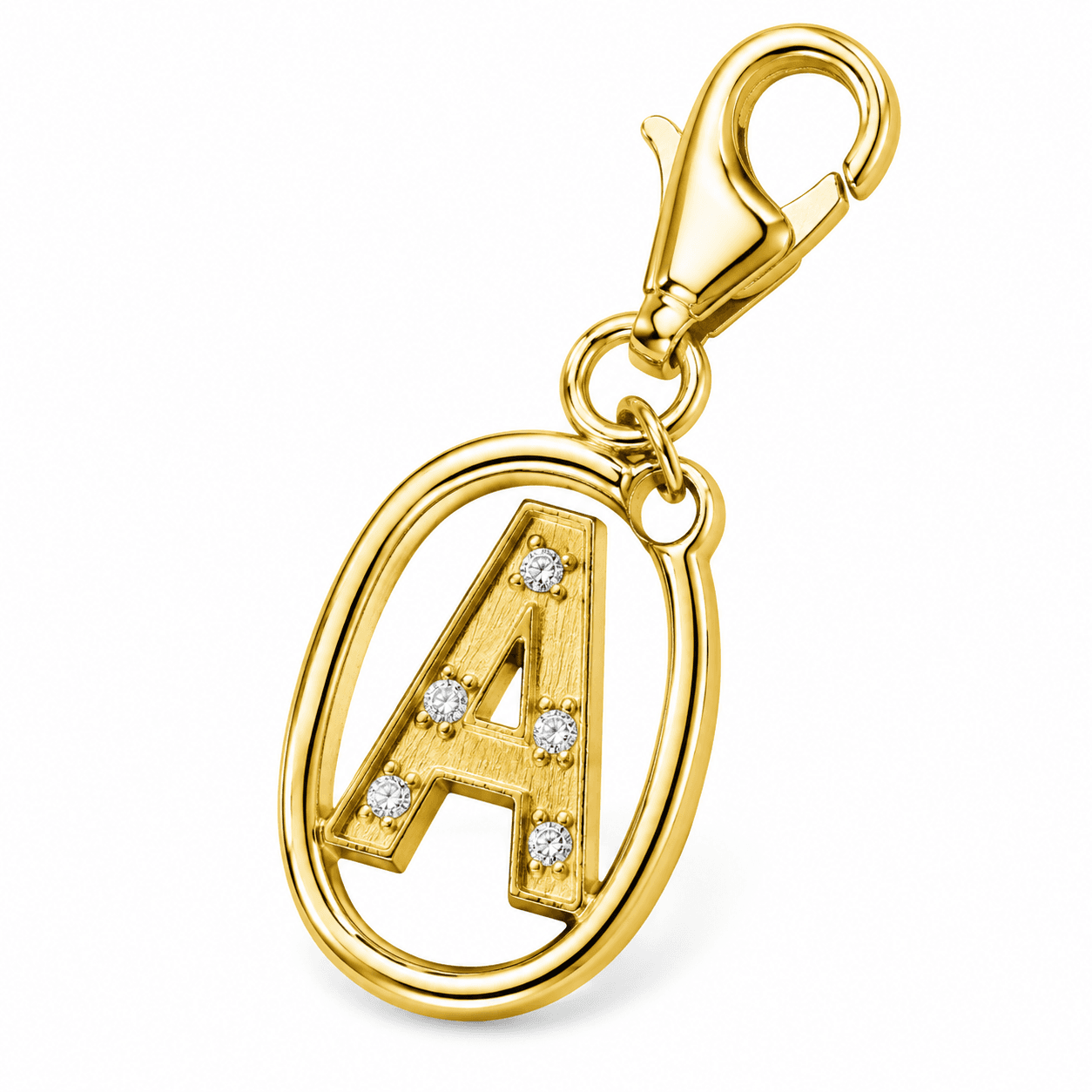
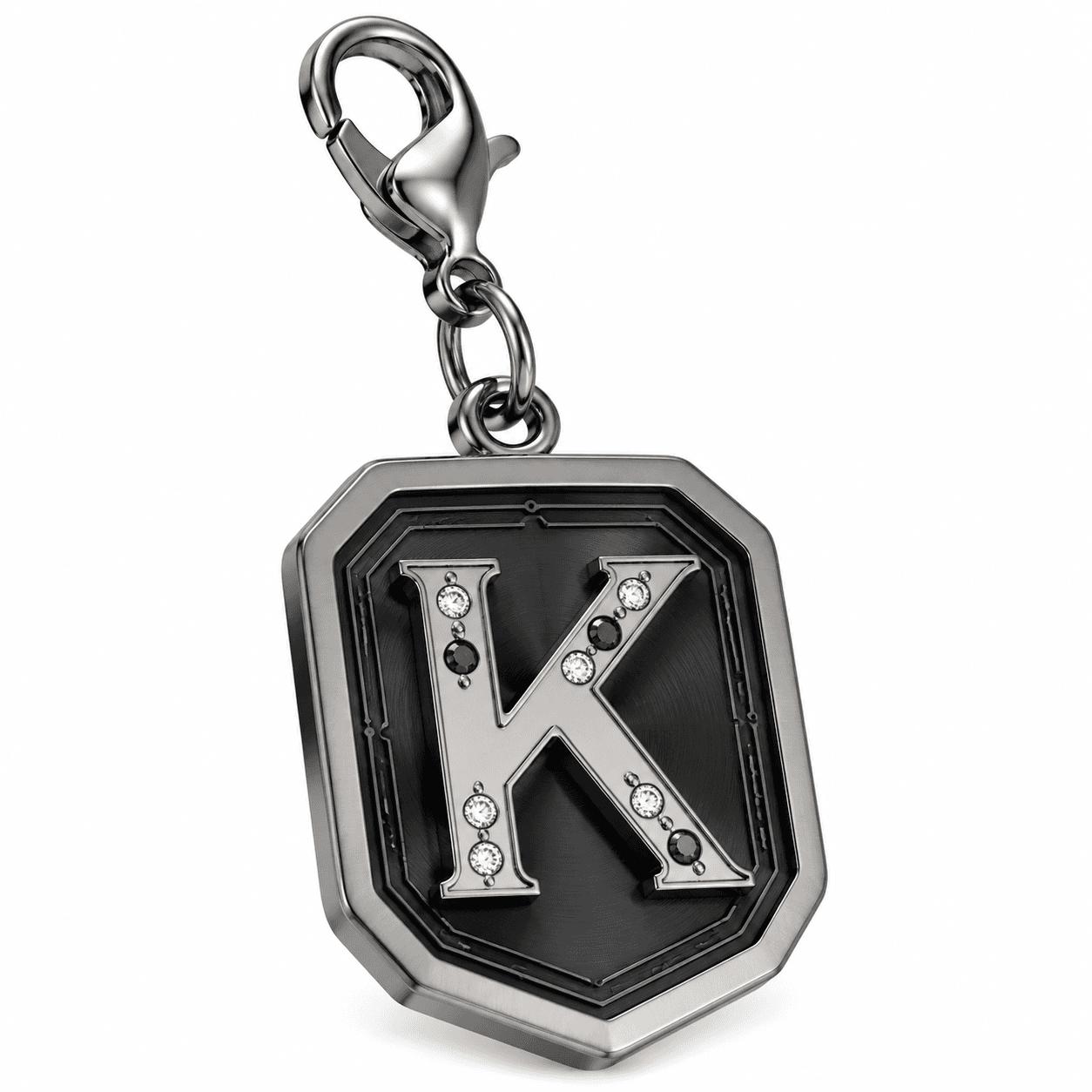
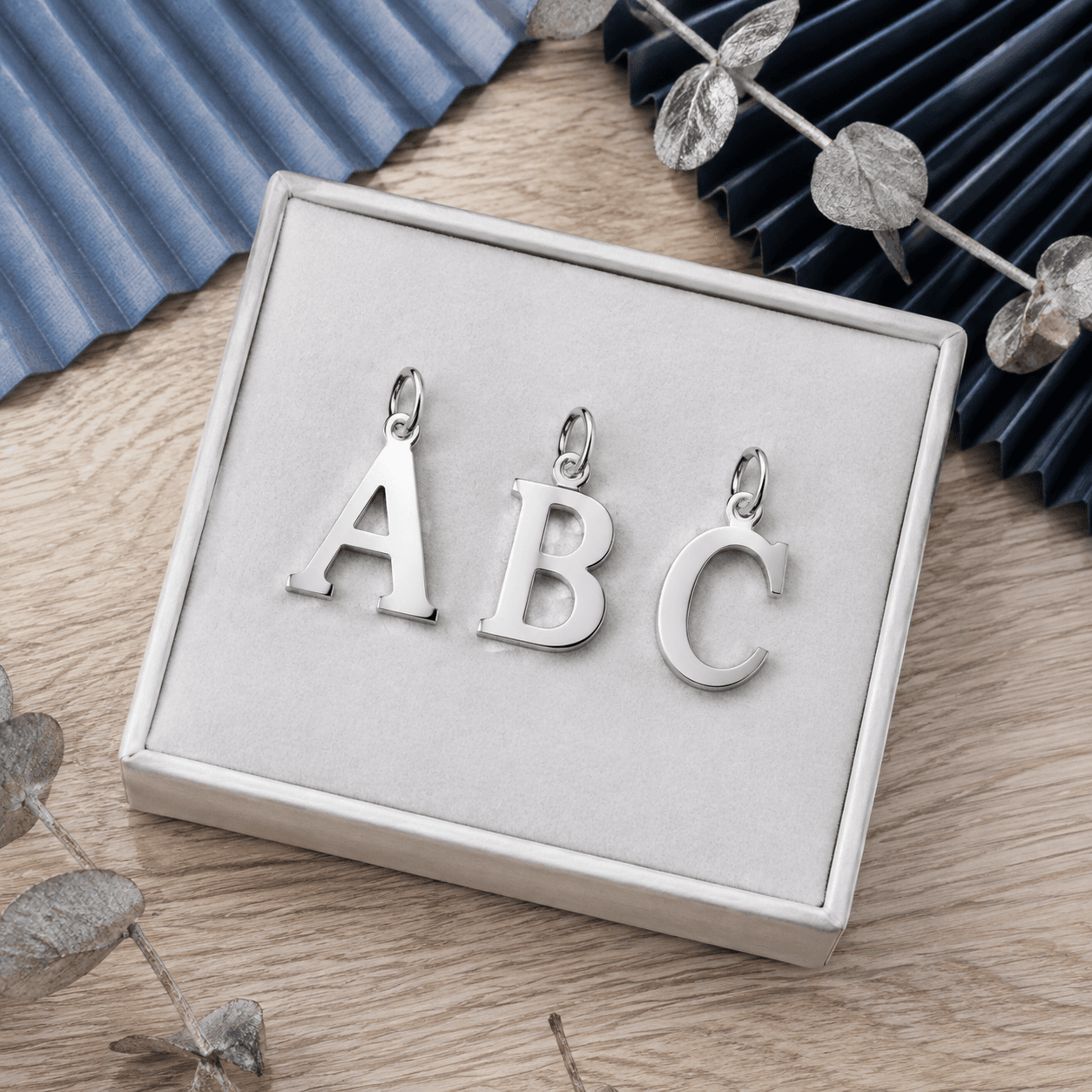
The design principles used for a filigree heart charm can also guide other decorative charm concepts. Lancy's Birthstone Collection can support month-themed concepts, while the Alphabet Series provides initial and monogram directions. The Special Symbols, Nature & Botanical, and Ocean Life collections offer additional motif categories for designers planning a balanced assortment around a consistent 316L stainless steel specification.
For buyers developing functional accessory programs, the Chains, Clasps, and Key Rings collections can be reviewed as related hardware categories. Keeping the material specification and finish direction consistent across connected components can simplify collection planning and quality review. For broader catalog discovery, buyers can also browse All Products to identify additional stainless steel charm forms for a coordinated range.
When a standard design is close to the intended concept but requires changes to dimensions, logo placement, decoration, finish, or packaging, the OEM Service route provides a structured starting point. Buyers can prepare an RFQ with the desired specifications and use Request a Quote for commercial discussion. For direct project communication, the Contact page provides another route to the Lancy team.
Start Your Filigree Heart Charm Project
Ready to turn a filigree concept into a production-ready specification? Send Lancy Jewelry your artwork, CAD file or clear design reference together with the target charm size, required 316L stainless steel finish, PVD color if applicable, enamel or crystal inlay details, attachment-hole requirements, logo information, estimated quantity, and packaging expectations.
For the fastest review, also state your target market, preferred sample quantity, desired sampling timeline, and any compliance requirements such as SGS documentation for RoHS, REACH, EN1811, or Salt Spray. Lancy can use these details to assess manufacturability, clarify MOQ requirements, prepare sample development, and define the quality checkpoints needed for an eventual bulk charm order. Begin through Request a Quote or contact the team through Contact.
Related resources
Related resources
- Black Stainless Steel Charms Process: A PVD Finish Guide
- stainless steel enamel necklace charms Quality Testing: Guide
- How to Choose a Stainless Steel Charm Keychain Supplier for PVD
- Lead Time Insights: Stainless Steel Custom Made Enamel Charms (316L)
- OEM / ODM Services
- Stainless Steel Car Charms Sourcing Guide: Finishes & Suppliers
- Why Designers Choose Stainless Steel Charms: 316L Buyer Guide
- stainless steel enamel charms wholesale india: A Quality Guide
- How to Optimize MIM Technology for Stainless Steel Charms Precision
- How to Source wholesale stainless steel letter charms with OEM Options