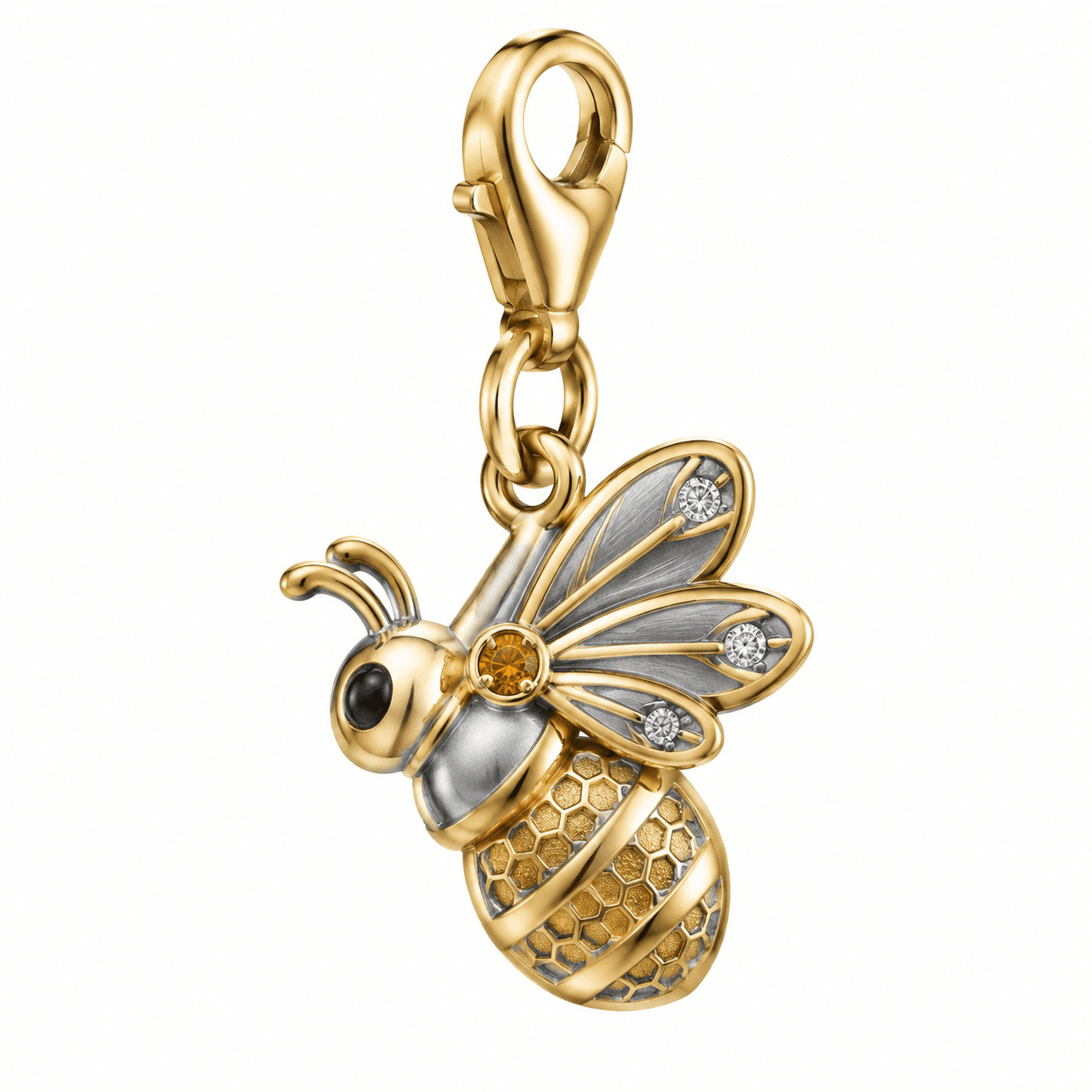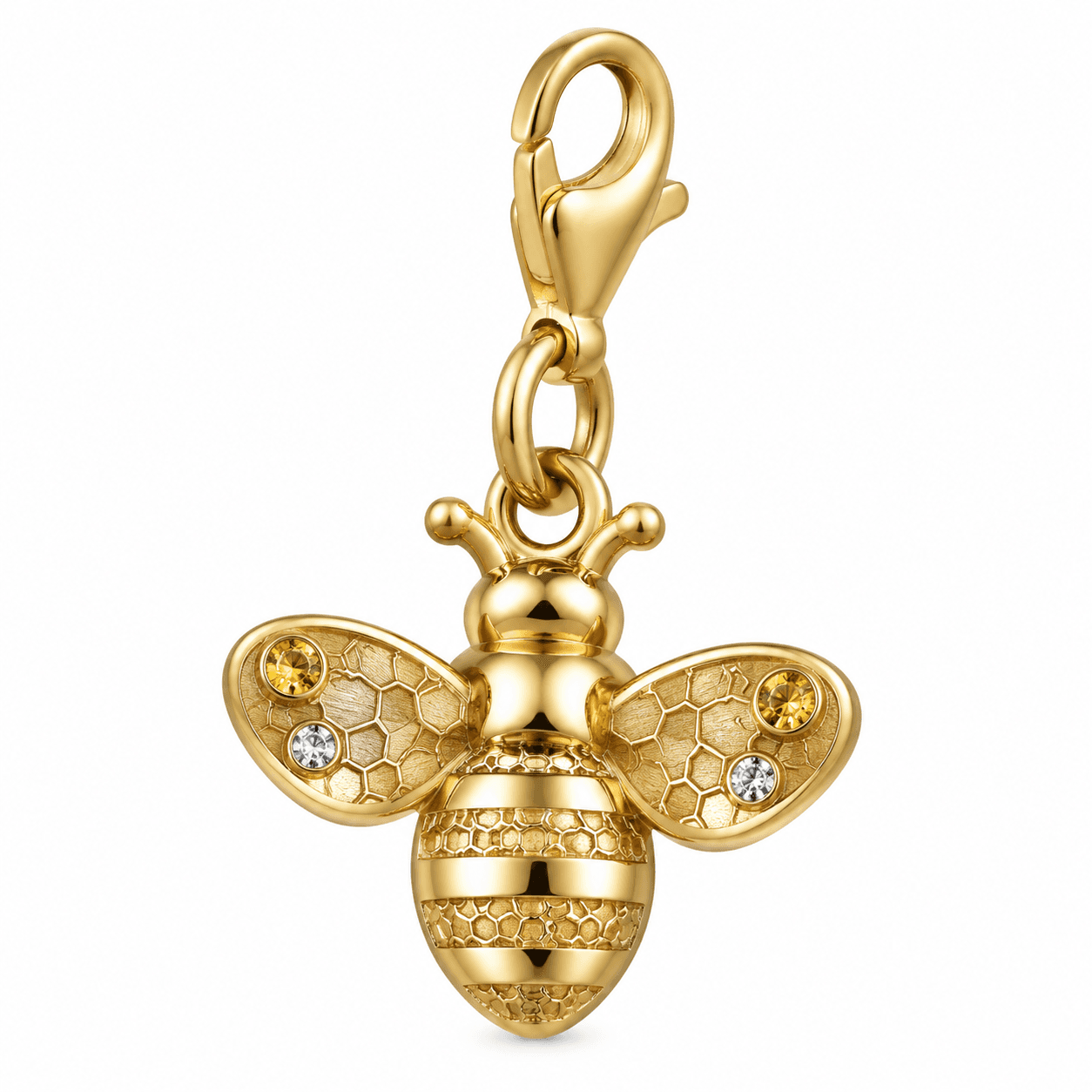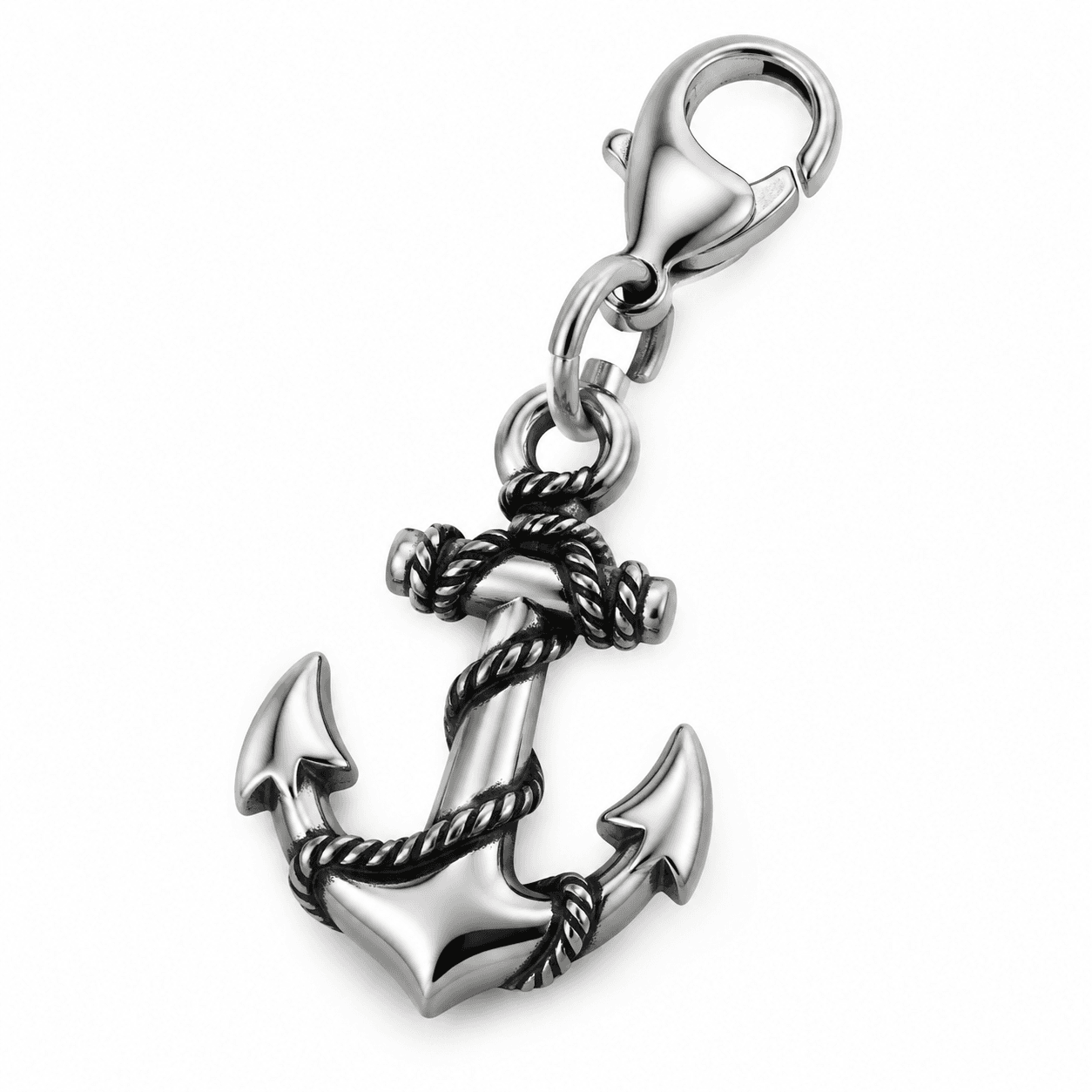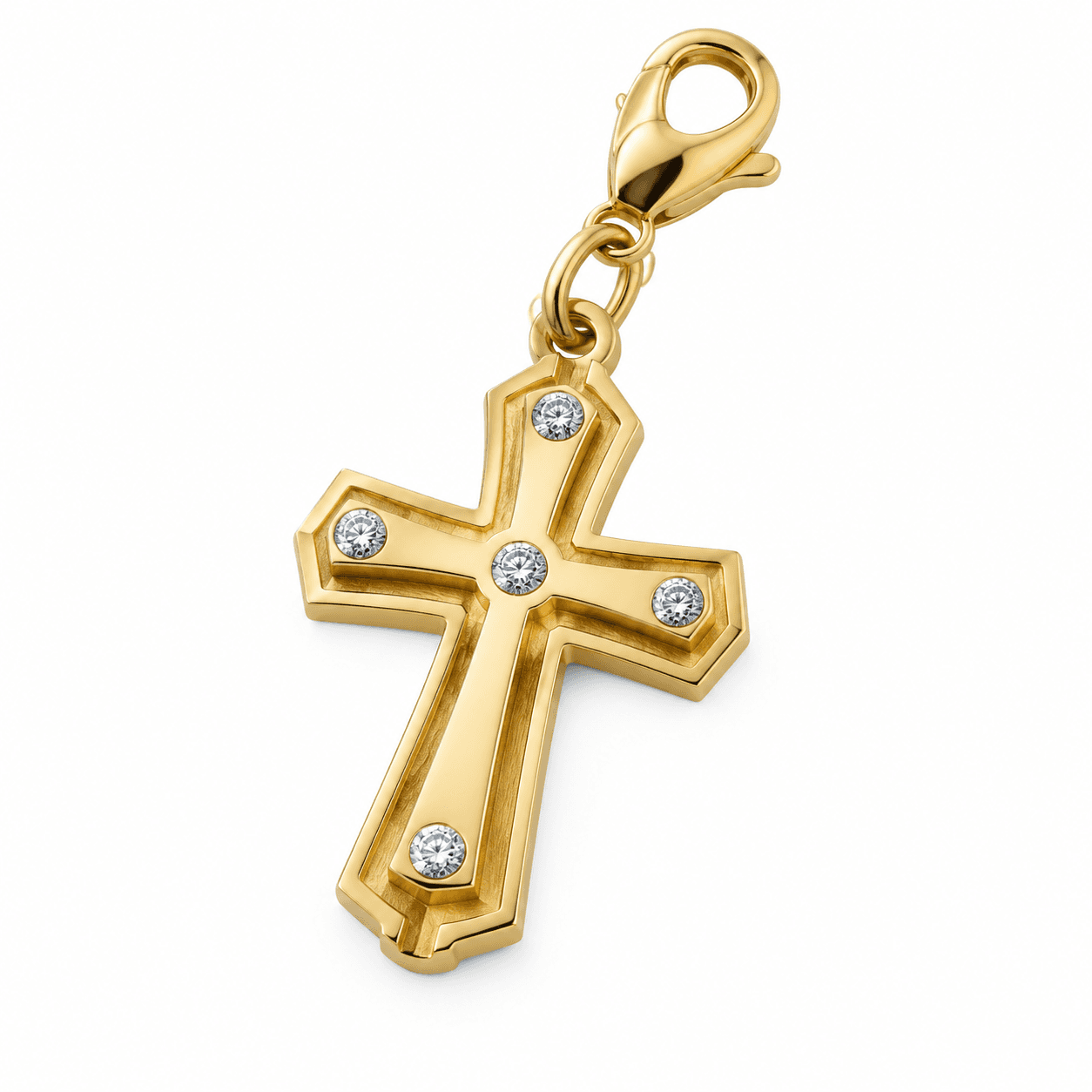
The science behind silver owl charm materials begins with understanding how surface treatment, structural design, and manufacturing control influence a finished jewelry component. Lancy Jewelry focuses on 316L stainless steel charms for designers and private-label buyers who need durable, consistent, and customizable charm solutions.
This deep dive explains material properties, prototyping considerations, finishing options, and quality evaluation methods used by a stainless steel charms manufacturer. From creative concepts to production-ready samples, buyers can understand how OEM and ODM processes support reliable charm development.
Material Science Behind silver owl charm Development
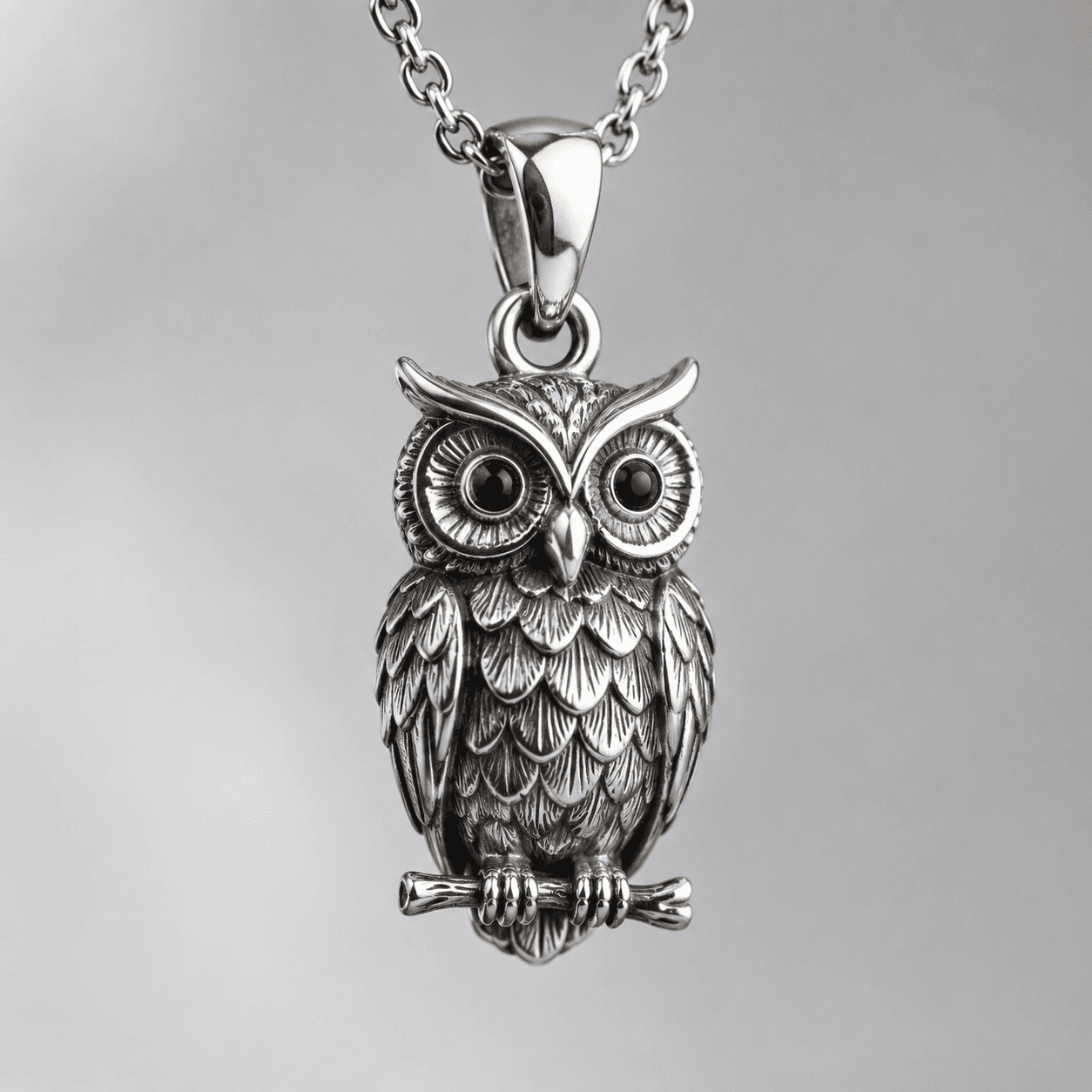
Understanding the science behind a silver owl charm concept requires more than selecting a visual shape. Professional jewelry designers evaluate the foundation material, surface behavior, detail retention, and long-term performance before moving into production. Lancy develops charms using 316L stainless steel, a material known for its stable structure, corrosion resistance, and suitability for detailed decorative applications.
The manufacturing process begins with design review, mold planning, and sample development. Engineers consider thickness, edge definition, attachment points, and finishing areas so the charm maintains its intended appearance during daily use. A carefully planned structure helps support detailed owl motifs while keeping the component practical for jewelry applications, gift accessories, and decorative programs.
For buyers working with a stainless steel charms manufacturer, material knowledge helps reduce sampling adjustments and improves communication between designers and production teams. Lancy provides technical guidance during OEM and ODM projects to help transform creative ideas into production-ready 316L stainless steel charms.
Key Features of 316L Stainless Steel Charm Production
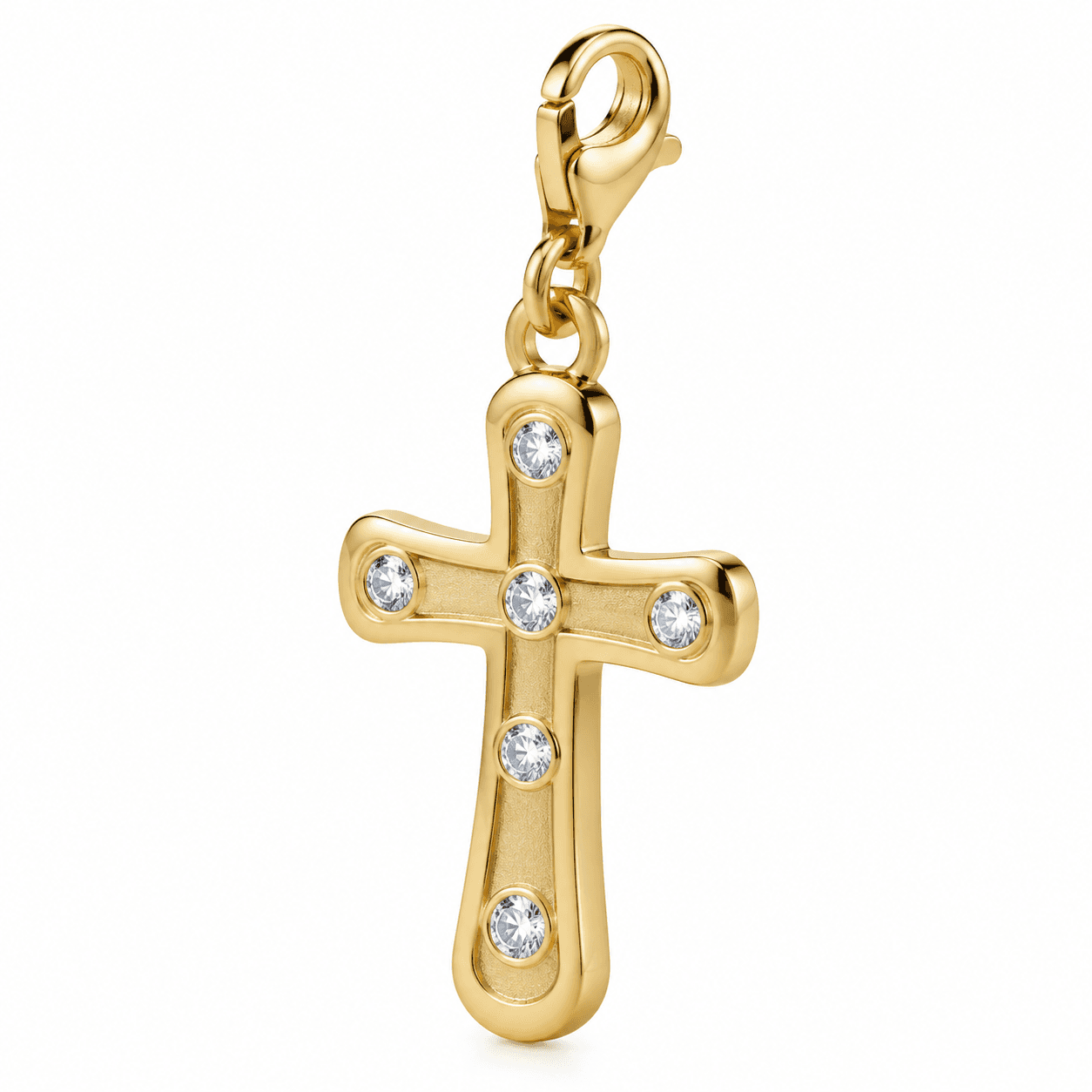
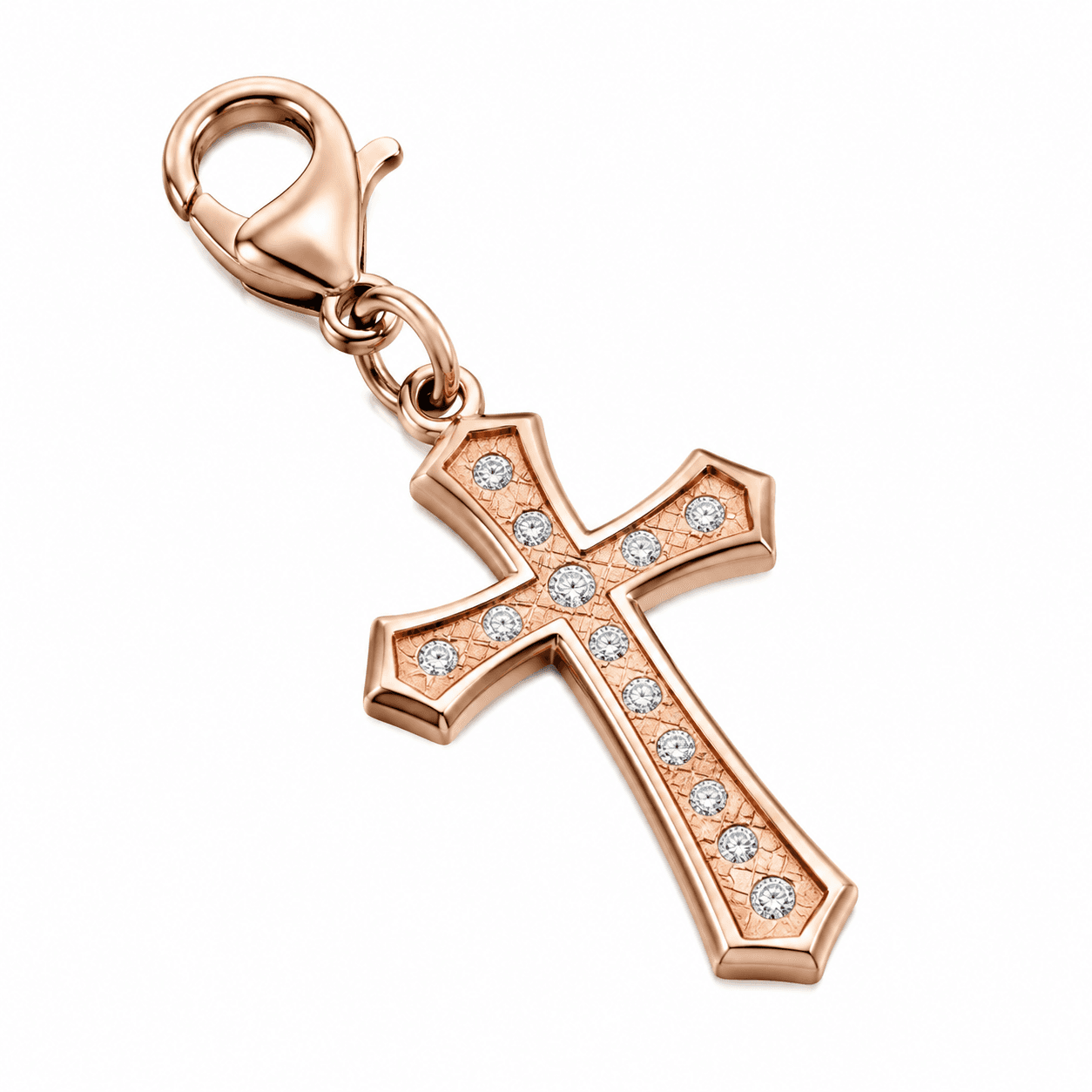
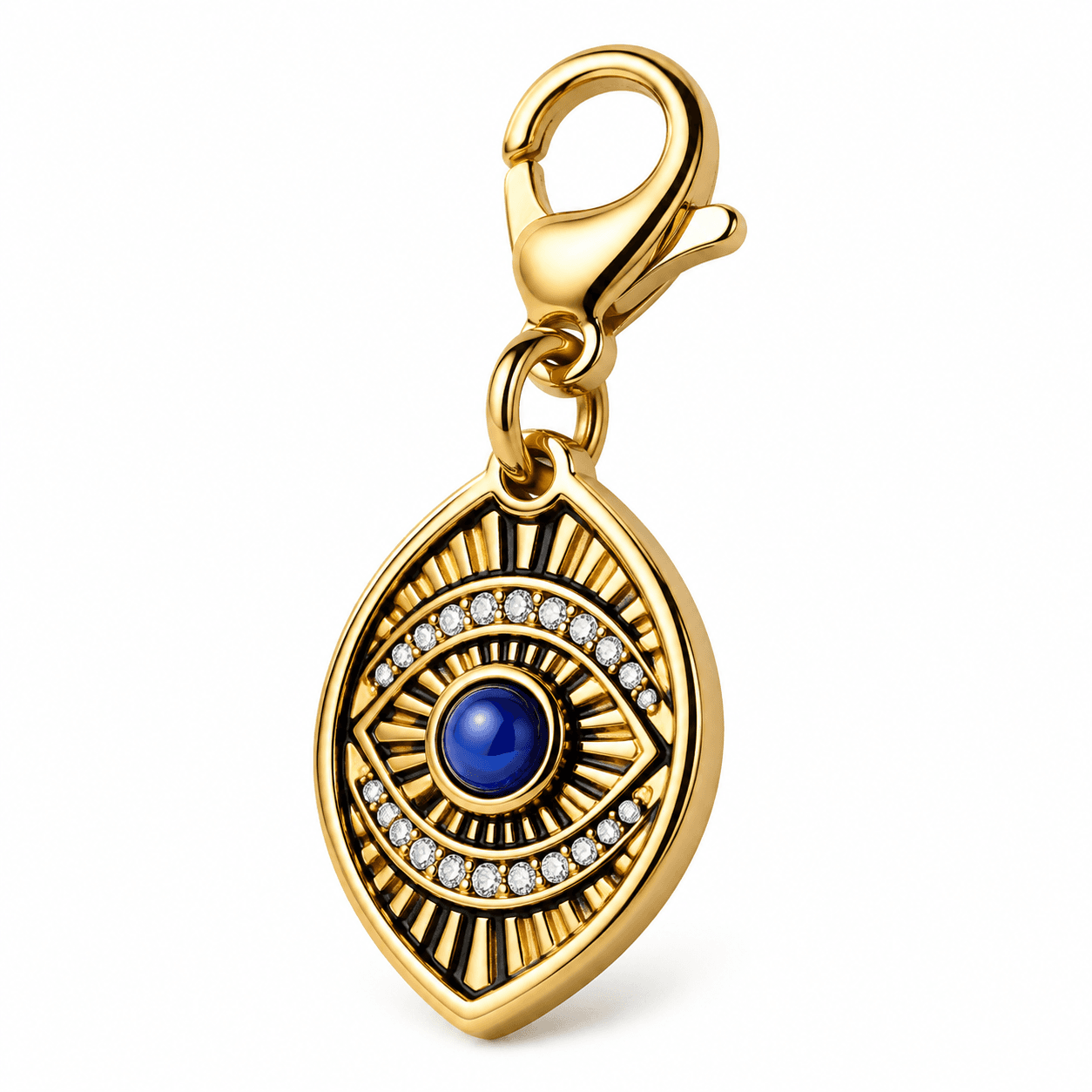
316L stainless steel charms offer designers a reliable platform for customization because the material supports multiple surface treatments and decorative techniques. Lancy production capabilities include PVD finishing, gold plated options, silver finish surfaces, rose gold plating, enamel color filling, and crystal inlay details while maintaining a 316L stainless steel base.
Material performance is closely connected with manufacturing precision. Controlled polishing, plating preparation, and surface inspection help create consistent results across repeat production runs. These steps are important for boutique brands that require coordinated collections, stable appearance, and dependable supply planning.
When selecting a private label charms partner, buyers should evaluate not only appearance but also process control, sample accuracy, and communication efficiency. Lancy supports designers with prototype feedback, production recommendations, and flexible MOQ planning for different collection sizes.
Customization Options for Designer Charm Concepts
Customization is a central part of modern charm development. Designers may begin with sketches, references, dimensions, or brand concepts, then work with a factory team to refine the structure. Lancy supports custom stainless steel charms with options including logo engraving, shape adjustments, decorative textures, enamel applications, and PVD surface treatments.
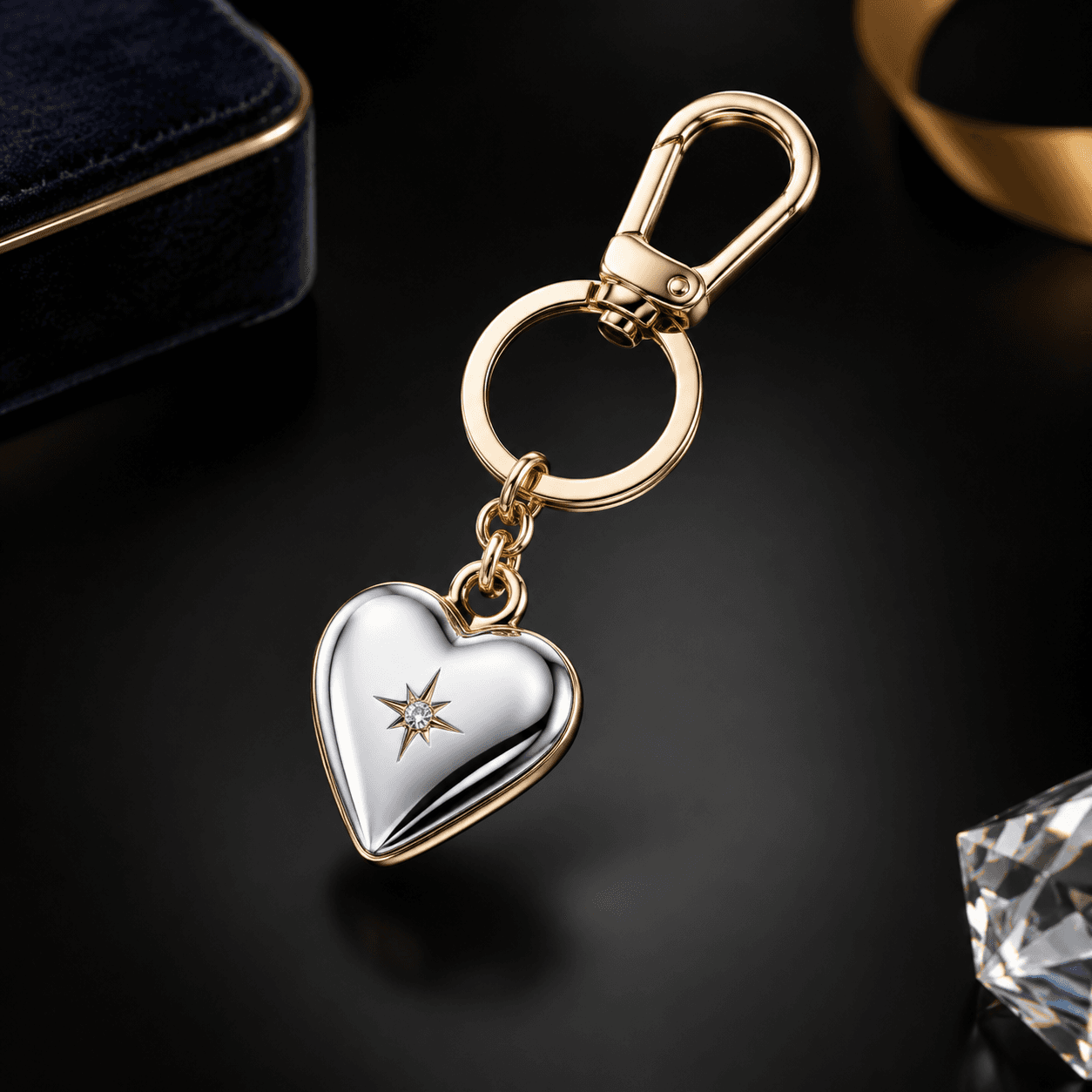
During sample development, technical teams review important details such as hole placement, connector positioning, thickness balance, and surface clarity. These factors influence how a charm functions in jewelry collections, charm bar accessories, keychain charms, bag charms, and gift programs.
A professional ODM charm supplier can help buyers move from early concepts to repeatable manufacturing. By combining design support with production expertise, Lancy helps international buyers create customized charm collections with clear specifications and consistent quality expectations.
Quality Standards and Material Verification
Quality evaluation for 316L stainless steel charms involves checking material performance, finishing consistency, and production reliability. Lancy follows structured inspection methods and supports documentation including SGS certifications such as RoHS, REACH, EN1811, and Salt Spray testing to help buyers understand compliance and product performance.
RoHS and REACH evaluations help buyers review material-related requirements for different markets, while EN1811 and Salt Spray testing provide additional information about wear considerations and surface durability. Certification interpretation should always be connected with the intended application, production process, and market requirements.
For bulk charm orders, consistent quality control is essential because repeated collections require stable color, shape, and finishing results. Lancy combines factory capabilities, inspection procedures, and production experience to support reliable B2B accessory supplier relationships.
Production Workflow from Sample Development to Bulk Orders
A successful charm project follows a clear workflow from initial inquiry to finished production. Buyers typically provide design files, size requirements, finish preferences, packaging expectations, and target quantities. Lancy reviews these details before creating samples and confirming production specifications.
Sample development allows designers to evaluate physical details before larger commitments. Adjustments may include surface refinement, enamel color updates, logo placement, or structural improvements. This collaborative process helps align creative expectations with manufacturing possibilities.
For buyers planning wholesale stainless steel charms programs, a well-defined workflow improves efficiency and reduces unnecessary delays. Lancy supports international customers with factory communication, production planning, and private-label packaging solutions.
Frequently Asked Questions
Design Considerations for Global Jewelry Collections
International jewelry designers often need charm components that balance creativity, manufacturing feasibility, and consistent quality. A well-developed charm should consider visual identity, attachment structure, finishing durability, and collection coordination from the earliest design stage.
Lancy helps buyers create organized product programs by combining 316L stainless steel manufacturing knowledge with flexible customization options. Whether developing seasonal collections, boutique programs, or gift accessories, designers can explore different finishes and decorative approaches while maintaining a reliable production foundation.
For businesses seeking a long-term manufacturing relationship, selecting an experienced OEM charms manufacturer provides access to technical guidance, production resources, and scalable solutions for future collections.
Why Professional Charm Manufacturing Matters for Brands
Professional charm manufacturing supports brands that require dependable quality, repeatable production, and clear communication. Beyond the initial design, manufacturers must manage material preparation, surface treatment, inspection, packaging, and delivery coordination.
Lancy Jewelry works with boutique brands, gift companies, distributors, and private-label buyers that need practical manufacturing support. The combination of 316L stainless steel expertise, low MOQ options, and customization services helps buyers develop products suitable for different market strategies.
Understanding material science allows purchasing teams and designers to make informed decisions. A strong production partner can help balance creative goals with manufacturing requirements while supporting efficient development from concept to finished collection.
Partner With Lancy Jewelry
Ready to develop your next 316L stainless steel charm collection? Send Lancy your design files, reference images, dimensions, preferred finish, estimated quantity, packaging requirements, and target market details when preparing an RFQ.
Our team can support sample development, OEM and ODM customization, PVD finishing, private-label packaging, and bulk charm orders. Contact Lancy Jewelry to discuss your project requirements and create a production plan for your jewelry program.
Related resources
Related resources
- Why Designers Choose Stainless Steel Charms: 316L Buyer Guide
- Black Stainless Steel Charms Process: A PVD Finish Guide
- stainless steel enamel necklace charms Quality Testing: Guide
- How to Source blank charms for bracelets wholesale stainless steel
- Guide to Stainless Steel Charm Production Steps for OEM Buyers
- How to Choose a Stainless Steel Charm Keychain Supplier for PVD
- How to Choose a stainless steel mobile keychain charm supplier
- Guide to stainless steel mobile keychain charm manufacturer china
- How to Choose bulk aromatherapy stainless steel charms OEM Suppliers
- Why stainless steel christmas enamel charms Resist Corrosion