Stainless Steel Enamel Butterfly Charms: Finishing for Pros
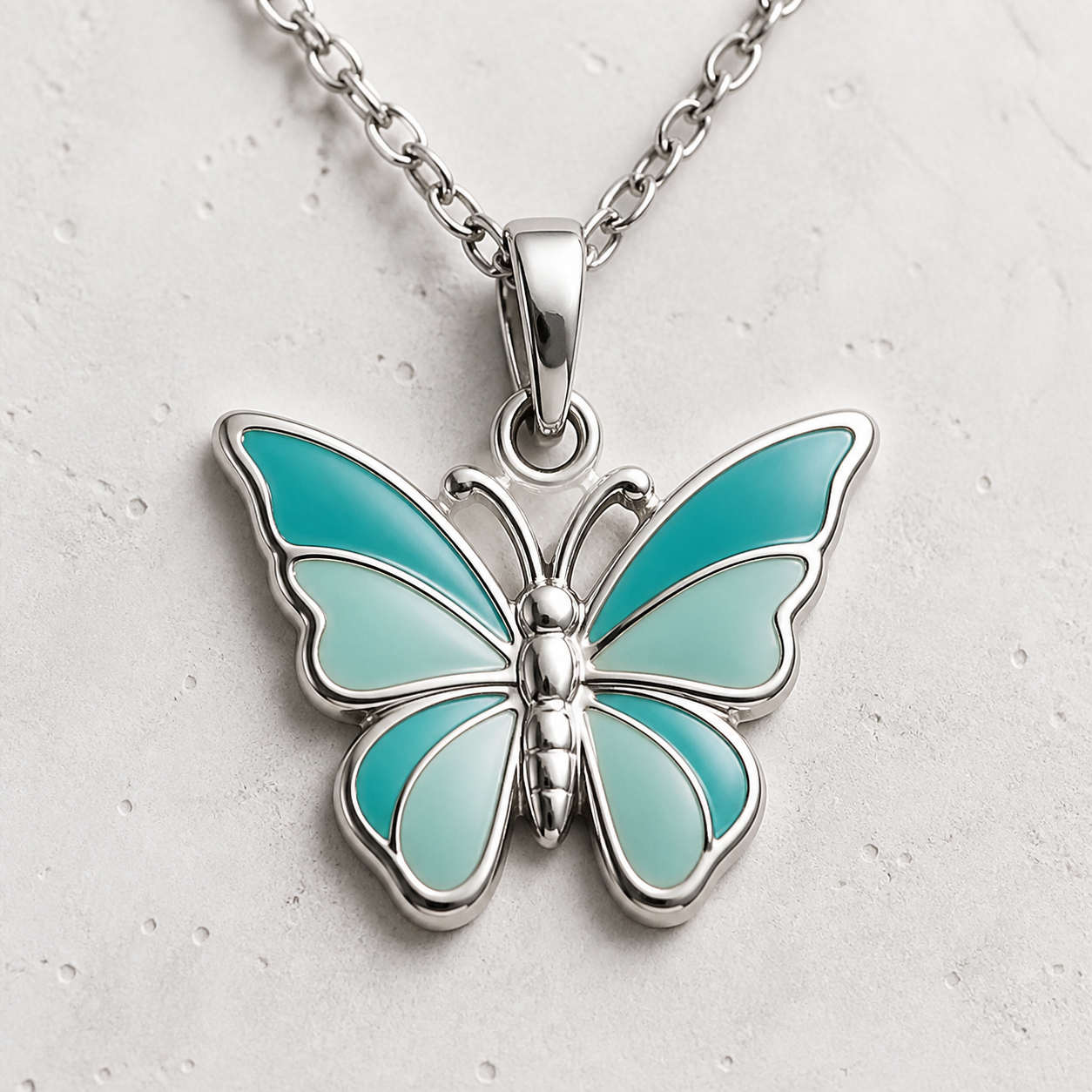
Finishing 316L stainless steel charms, especially delicate butterfly motifs with enamel fills, is a precision-driven process that combines surface science with aesthetic execution. For designers and sourcing teams, the right sequence of surface preparation, coating choice, and enamel application determines yield, color stability, and long-term durability across global markets. This guide outlines proven approaches used by a modern stainless steel charms manufacturer to deliver boutique-ready pieces at scale. It emphasizes PVD coatings, enamel fills, polishing, and advanced surface treatments that support OEM/ODM programs, private-label packaging, and fast sample development.
Material fundamentals: 316L base and enamel adhesion
All finishing work starts from a 316L stainless steel base. The alloy’s corrosion resistance and compatibility with enamel processes make it the standard for boutique charms. Designers focus on how the base will accept enamel and how pretreatment influences enamel adhesion and color retention. As a stainless steel charms manufacturer, we emphasize controlled surface energy and strict cleanliness at every step to avert porosity or mottling that could impact enamel fill and plating integrity.
Enamel options and color strategies
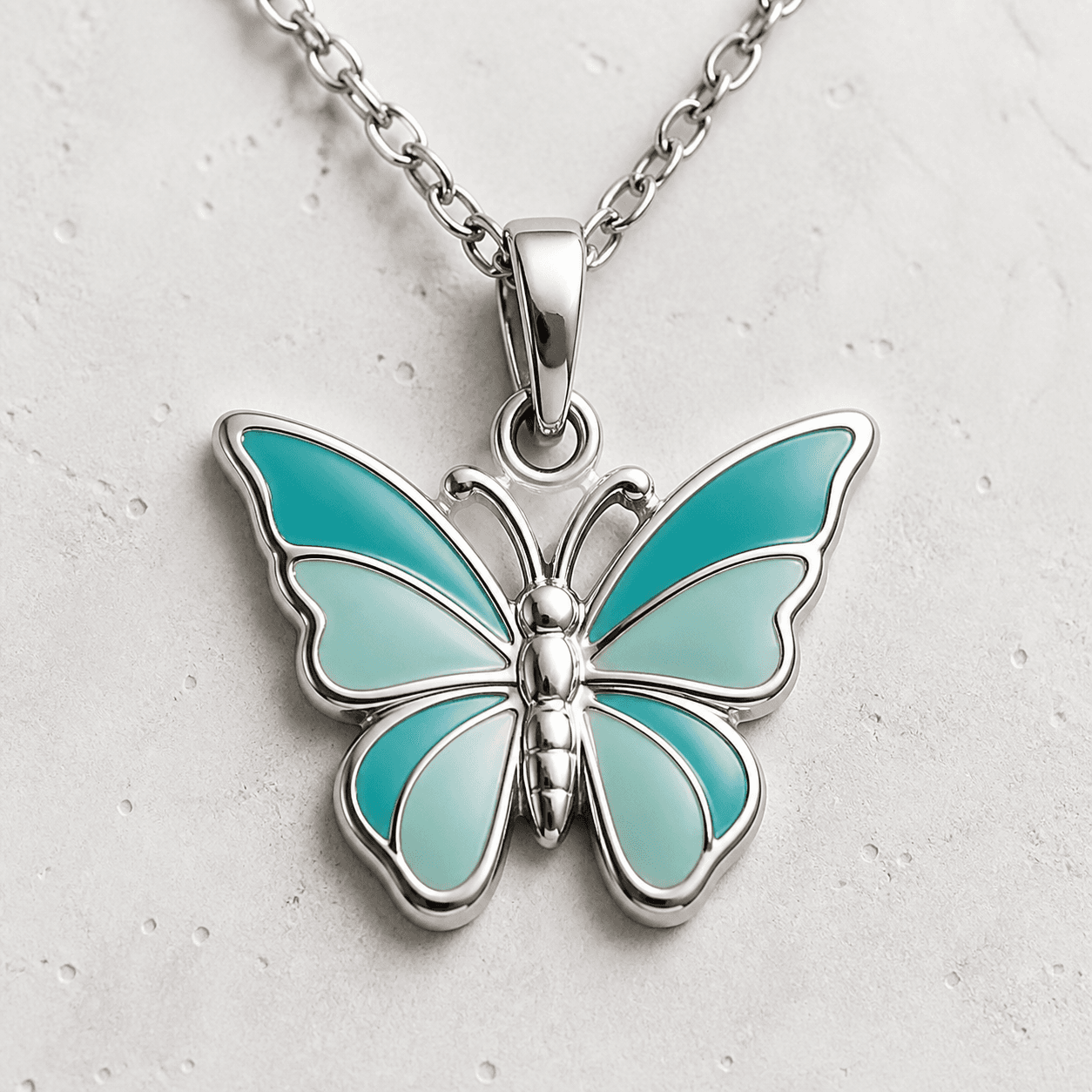
Enamel filling provides the visual emphasis for butterfly forms, from opaque brights to translucent overlays. Options include enamel types that cure at moderate temperatures market-relevant 316L stainless steel and PVD coatings. For color palettes across markets, choose enamel formulations with robust UV resistance, stable thermal behavior, and reliable crack resistance. Working with a partner who can provide color-matched references and batch traceability helps maintain consistency across private-label runs and wholesale orders.
PVD coating vs electroplating: selecting the finish for butterfly motifs
PVD coatings are favored when color stability, uniform thickness, and wear resistance are priorities. For butterfly charms, a PVD gold or rose-gold finish can be applied as a topcoat over a 316L base to achieve boutique aesthetics with superior adhesion. Electroplating remains a viable option when cost targets or color variety drive the plan, but PVD often yields tighter thickness control, fewer defects, and easier compliance with regulatory requirements. In an OEM/ODM program, specify exact coating thickness, color tolerance, and curing conditions to ensure replicable results across tooling batches.
Surface preparation, cleaning, and micro-etching
Surface prep is foundational. Typical steps include degreasing, mechanical cleaning, and meticulous inspection for residues or scratches. Micro-etching or light chemical etching may be used to raise surface energy, promoting enamel adhesion and coating uniformity. A documented pre-treatment protocol reduces enamel pull-out and hotspots, delivering a more predictable finish for high-volume runs and private-label packaging programs.
Enamel filling: techniques, curing, and color reliability
Enamel application should be controlled via a consistent process: precise pigment weight, controlled slurry deposition, and standardized curing cycles. For transparent or translucent fills, enamel layering and flux management are essential to avoid color bleed or uneven opacity. Quality-minded manufacturers document cure times, temperature ramps, and post-curing stabilization to ensure colorfastness under wear and environmental exposure across markets such as the US, EU, UK, AU, CA, and beyond.
Crystal inlay and decorative accents
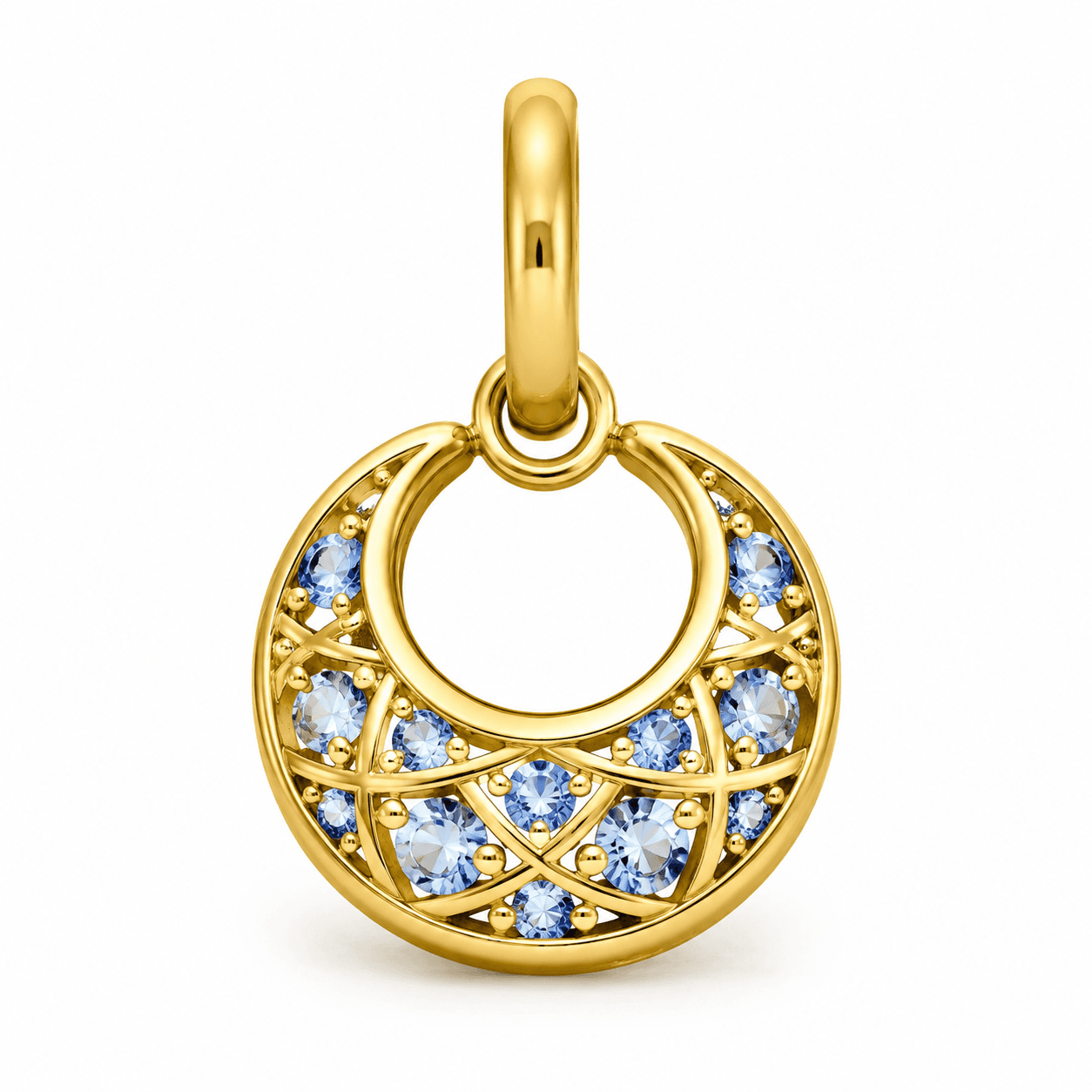
Crystal inlay adds sparkle without compromising the base’s integrity. When used with butterfly charms, stone settings must be mechanically secure and positioned to avoid interference with the bail or holes. For multi-part designs, ensure settings are orthogonal to the enamel plane and that polishing does not degrade stone seats. As part of ODM charm supplier workflows, crystal inlays should be validated under salt spray testing to verify long-term adhesion and color stability.
Polishing, finishing, and protective post-treatments
Polishing sequences range from fine mechanical polishing to chemical polishing for surface brightness. The goal is a smooth, residue-free surface that highlights both the metallic luster of 316L stainless steel and the color depth of enamel. Post-polish passivation and protective topcoats reduce micro-scratches and improve corrosion resistance. A consistent polishing discipline supports cross-market aesthetics, ensuring that a butterfly charm produced for a US boutique brand matches expectations in Europe and Asia.
Quality assurance: standards, tests, and certifications
Robust QA processes verify color consistency, coating thickness, adhesion, and corrosion resistance. SGS-certified facilities with RoHS and REACH conformity, plus Nickel Release EN1811 and Salt Spray tests, provide auditable evidence of performance. For designers and sourcing managers, these verifications translate into lower risk when expanding into new markets and private-label campaigns. This commitment to standards also supports bulk charm orders with predictable results, regardless of location.
Private-label packaging and branding considerations
Finishing decisions should align with packaging and labeling requirements. A butterfly charm arriving with consistent finish quality is easier to package in private-label programs, especially when the partner supplies coordinated packaging artwork, hang tags, and MOQs. MVPs (minimum viable products) with clearly specified finishes streamline sample development cycles and reduce rework for OEM/ODM clients. For companies exploring private-label opportunities, a clear specification that links finish, color, and packaging to a private-label program reduces friction in procurement cycles.
Progressive workflows: OEM/ODM and wholesale collaboration
Collaborations that emphasize repeatable processes, traceable batches, and scalable tooling support wholesale stainless steel charms growth. In practice, this means defined transfer specs, a shared color library, and a documented enameled butterfly design that can be replicated across facilities and production lines. For designers seeking consistent results, partnering with a factory that offers sample development, low MOQ charm production, and efficient private-label packaging is essential for global expansion.
Benefits of mastering finishing techniques for butterfly charms
Durability and corrosion resistance across markets
316L stainless steel provides baseline corrosion resistance, while enamel and PVD or plating add protective layers that guard against surface wear. When finished correctly, butterfly charms tolerate daily wear and exposure to sweat, humidity, and temperature changes without significant enamel cracking or color fading. Certification-backed processes further reinforce long-term performance across regulatory environments.
Visual consistency and batch-to-batch repeatability
Precise pre-treatment, controlled enamel application, and standardized curing cycles enable predictable, repeatable finishes. For designers and sourcing teams, this means fewer surprises when scaling to wholesale orders or private-label programs. A robust QA framework makes color matching across production lots a reliable capability rather than a risk.
Flexibility for OEM/ODM and private-label programs
Finishing options—from PVD gold to rose gold plating and enamel palettes—support varied brand identities. OEM workflows must integrate color libraries, coating thickness tolerances, and packaging specifications to ensure smooth handoffs between design, tooling, and manufacturing. A strong private-label program benefits from transparent lead times, predictable MOQs, and fast sample development that validates finish choices before large-scale production.
Certification and compliance as a competitive edge
SGS-certified RoHS, REACH, Nickel Release EN1811, and Salt Spray 240H tests provide buyers with a compliance advantage. In global markets, such certifications help minimize regulatory risk and expedite import clearance, enabling faster time-to-market for new enamel butterfly designs. This is particularly valuable for boutique brands and gift companies seeking reliable partner manufacturing with a global footprint.
Detailed Analysis: Step-by-Step Finishing Guide
Step 1 — Define the finish concept and color palette
Begin with a precise finish concept that aligns with the butterfly silhouette and target market. Decide on a base finish (polished, satin, or brushed) and the enamel color strategy (opaque, translucent, or multi-layer). For OEM/ODM programs, create a color library with references to ensure cross-batch fidelity.
Step 2 — Establish surface prep and cleanliness standards
Document cleaning agents, degreasers, and rinsing protocols. Maintain oxide-free environments to prevent contamination. Establish a micro-etching protocol if required to improve enamel adhesion. Keep detailed batch logs that link prep steps to observed enamel performance in tests.
Step 3 — Decide on coating strategy: PVD vs plating
Choose coating approaches based on performance and cost targets. For premium lines, PVD coatings provide color stability and wear resistance. For more cost-sensitive programs, electroplating can be used with tight process controls to maintain color and thickness within tolerances. Ensure coating thickness specs are documented and verified with periodic metrology checks.
Step 4 — Enamel application, curing, and color validation
Apply enamel with controlled deposition methods, then cure under standardized conditions. Validate color depth, gloss, and surface smoothness. Implement a color-matching protocol with inline or offline spectrophotometry to confirm batch-to-batch fidelity before final assembly.
Step 5 — Decorative options: crystal inlay and accents
If crystals are used, schedule precise seating operations and verify seating depth and alignment. Conduct adhesion tests and vibration checks to ensure stones remain secure under normal wear. Document seat depths and retention forces for ODM programs and bulk orders.
Step 6 — Final polishing, passivation, and protective coatings
Implement a polishing sequence that removes micro-scratches while preserving enamel edges. Apply passivation to improve corrosion resistance at the stainless-steel interface and consider a protective topcoat for extra durability. Use non-toxic, environmentally friendly chemistries aligned with eco-compliance to support global distribution.
Step 7 — Quality assurance and testing regime
Adopt a multi-point QA framework: visual inspection for color and finish uniformity, thickness metrology for coatings, adhesion tests for enamel, and Salt Spray tests for corrosion resistance. Maintain traceability by batch and finish variant, linking back to the design file and production lot for efficient root-cause analysis in case of defects.
Step 8 — Private-label packaging readiness
Prepare packaging and labeling that reflect the finish and branding strategy. Ensure packaging aligns with private-label MOQs, lead times, and branding requirements. A centralized library of finish references speeds up RFQ and sample development, reducing back-and-forth and accelerating time-to-market for new collections.
FAQ
What is the typical lead time for sample development of enamel butterfly charms?
Sample development timelines depend on finish complexity and color-make requests, but with a defined color library and pre-approved enamel formulations, initial samples can be delivered within 2-3 weeks. A rapid revision cycle and parallel testing help shorten overall lead times for OEM/ODM and private-label programs.
Can we customize enamel colors and PVD finishes?
Yes. Custom enamel colors and PVD finishes are core capabilities. We work from a color library, allow color-matching with approved references, and provide detailed finish specs to ensure consistency across production lots and global markets. For ODM and OEM projects, exact color codes, coating thickness, and curing profiles are documented to protect brand identity.
What certifications does Lancy carry?
Our facility is SGS certified with RoHS and REACH compliance, Nickel Release EN1811, and Salt Spray 240H tests. These certifications support cross-market distribution and private-label programs by demonstrating regulatory diligence and reliable, tested performance for 316L stainless steel charms.
What is the MOQ and sample development policy for private-label orders?
We offer low MOQ options for many private-label programs to reduce initial risk and facilitate private-label packaging. Sample development is supported to accelerate design validation, and bulk charm orders scale once the design is confirmed. For precise targets, submit an RFQ via our Request a Quote page so our team can tailor a production plan to your needs.
Call to Action: Partner With Us
Ready to translate design concepts into scalable, boutique-ready 316L stainless steel enamel butterfly charms? Partner with us to leverage OEM/ODM capabilities, fast sample development, and consistent plating quality across global markets. Explore OEM service to initiate a project, or Request a Quote for a formal proposal. If you’d like to discuss branding, packaging, or a private-label arrangement, Contact our team today to align on timelines, MOQs, and color specifications.