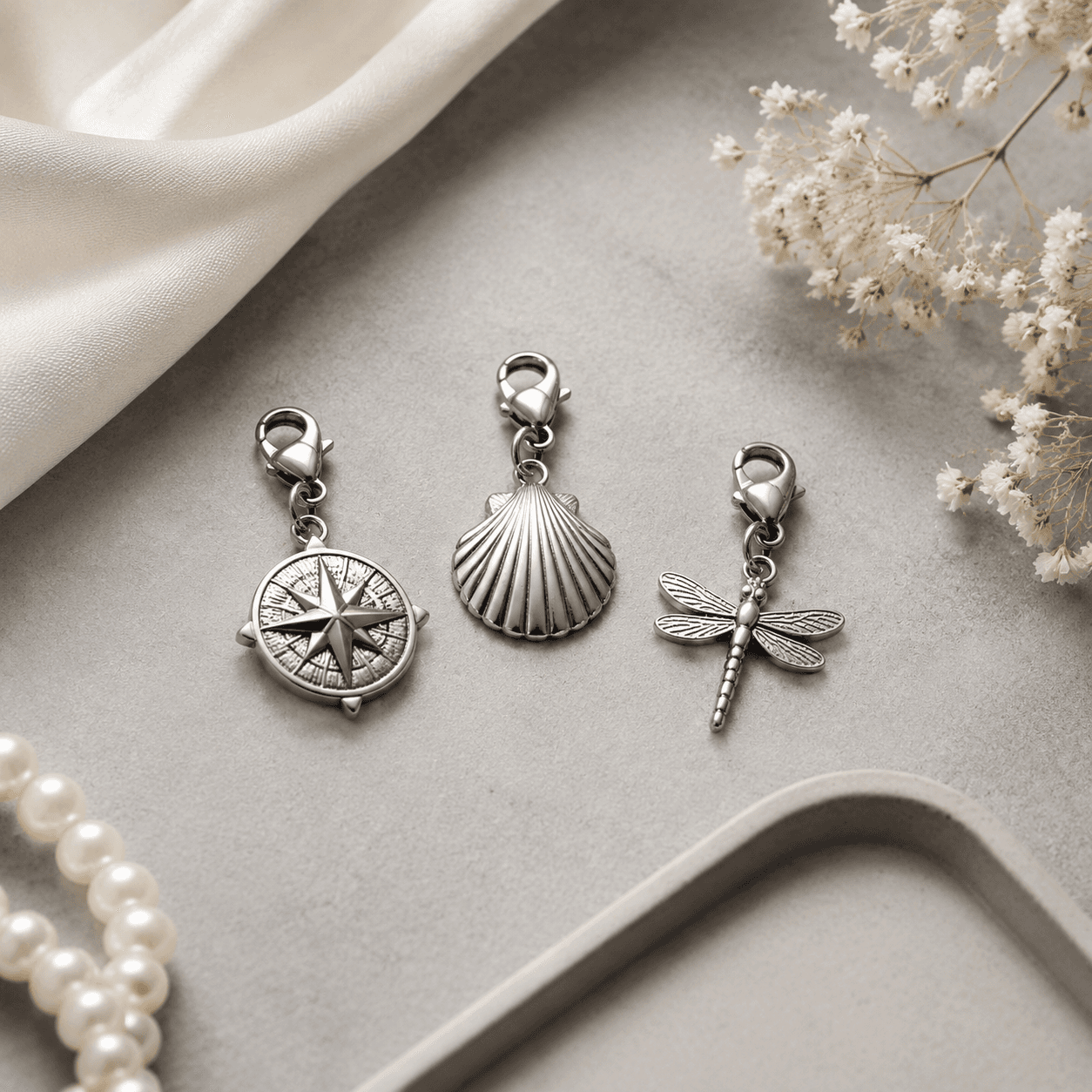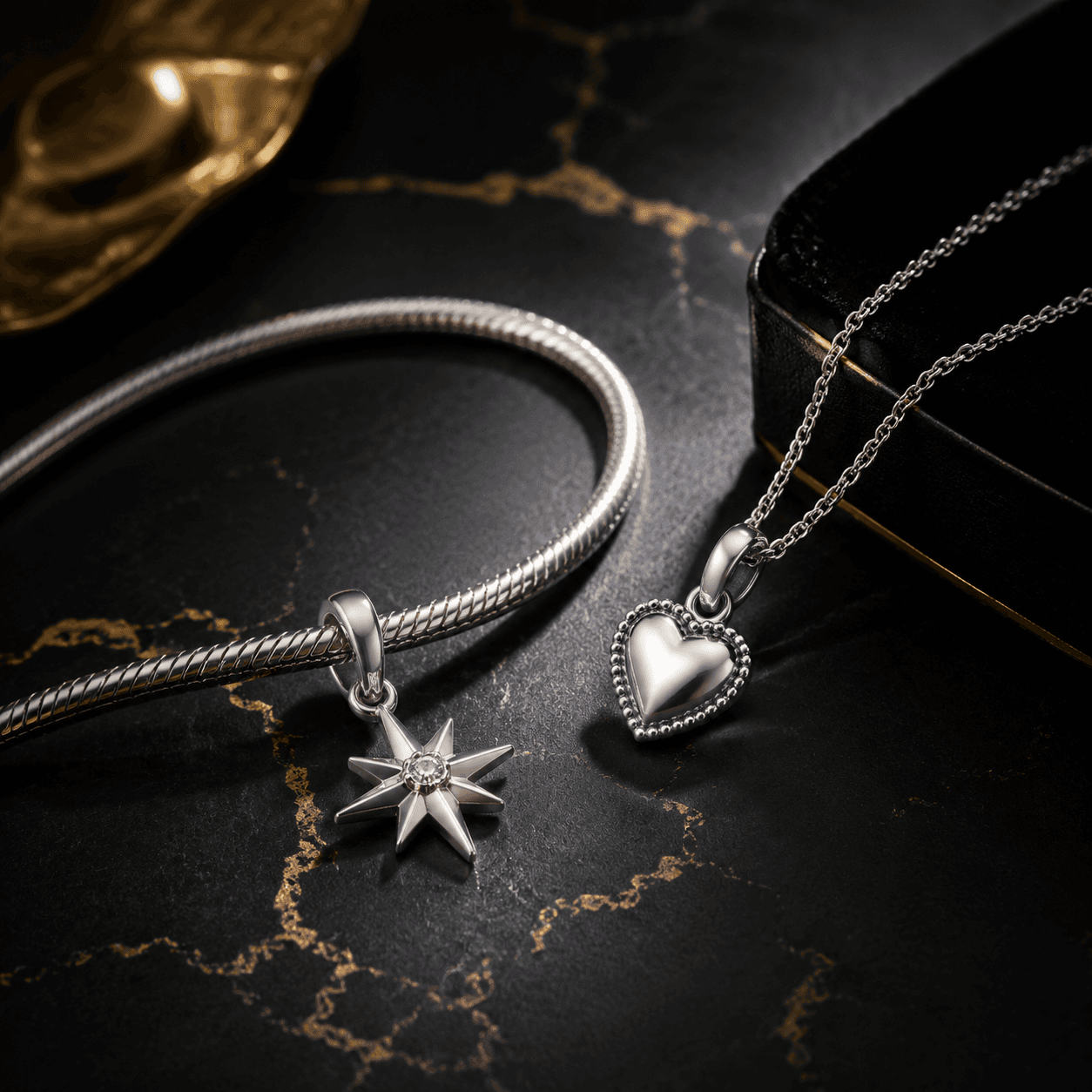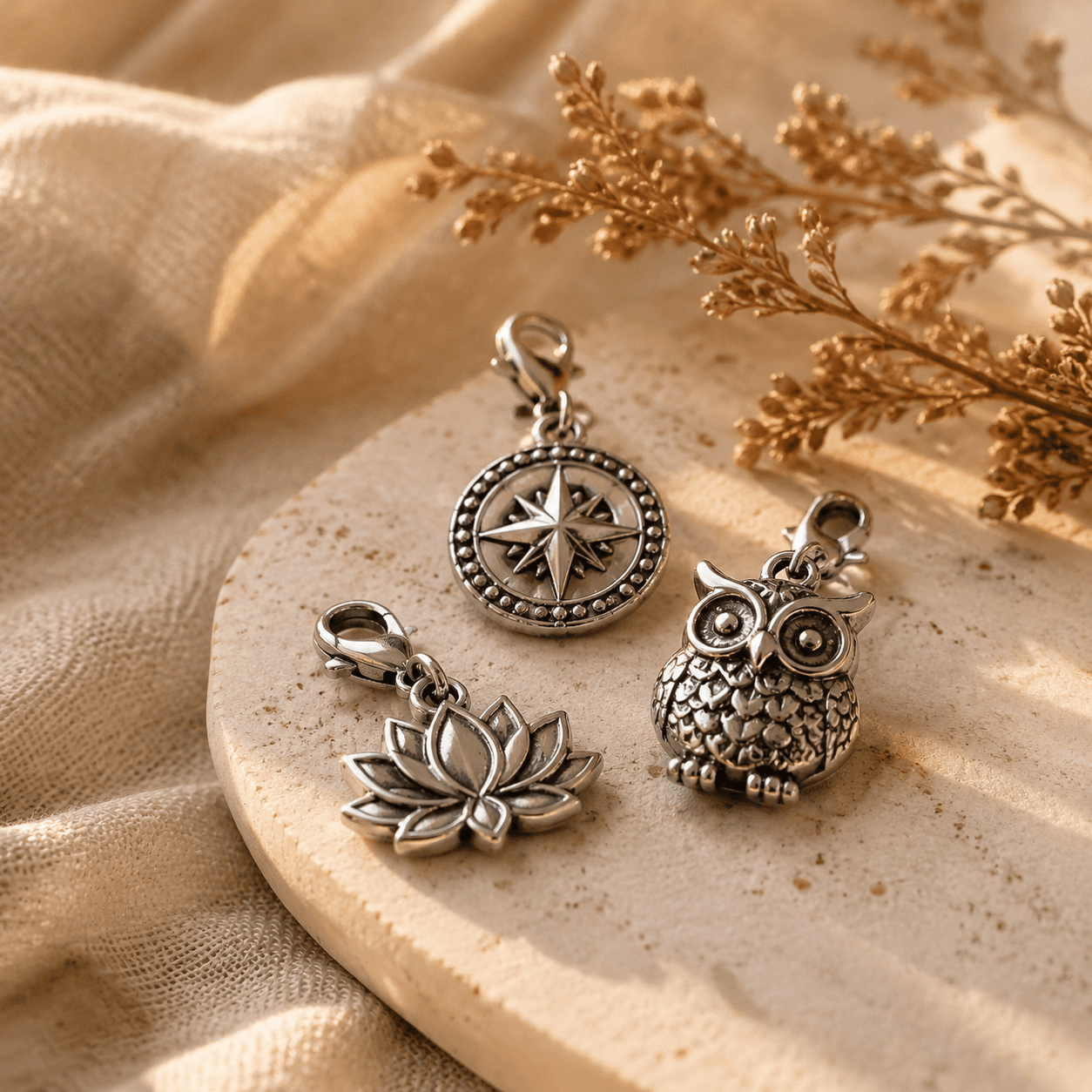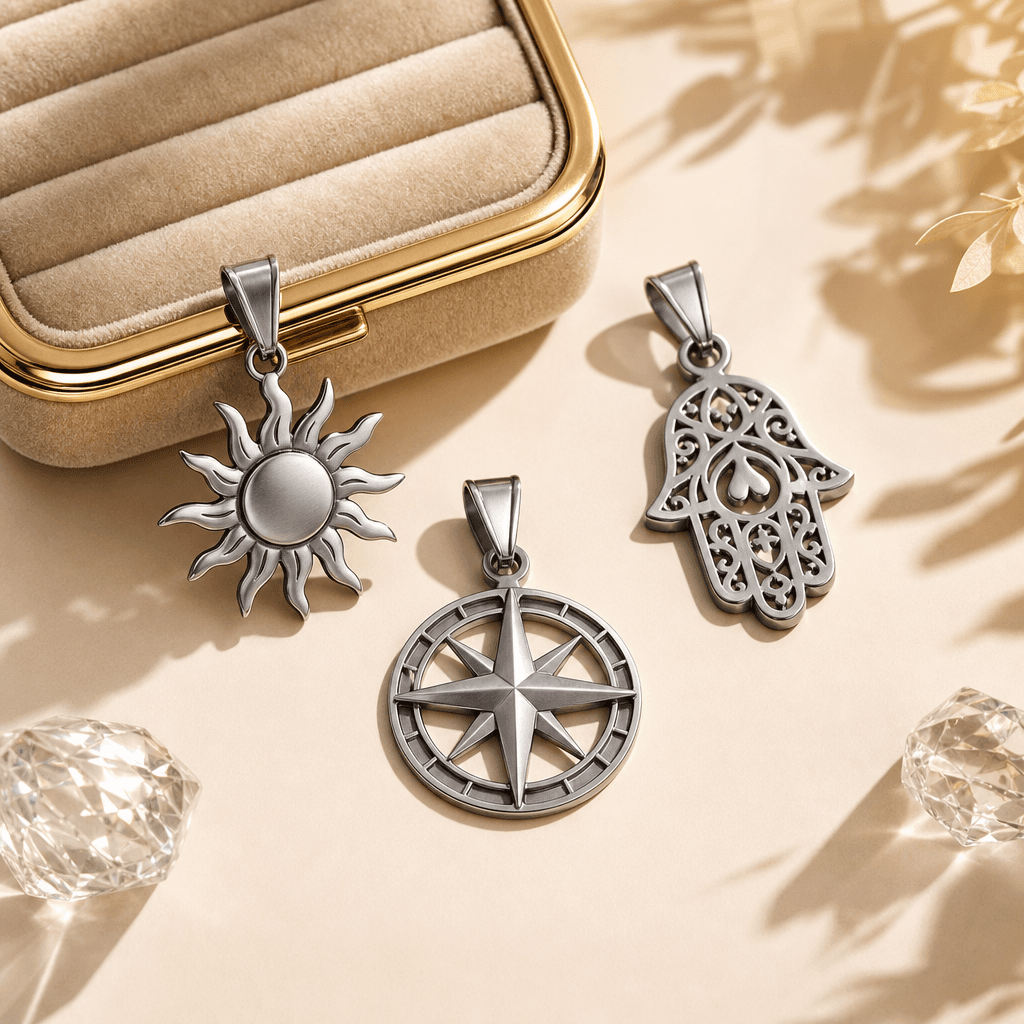
stainless steel wholesale charms for jewelry
For boutique jewelry brands and private-label buyers, 316L stainless steel charms deliver durability, formability, and scalable consistency. This article explores the material characteristics, finish options, and manufacturing discipline that power scalable, boutique-ready charms through an OEM/ODM model. For wholesale programs, understanding the 316L grade composition, surface finishes, and robust quality controls helps protect margins and ensure reliable supply across markets.
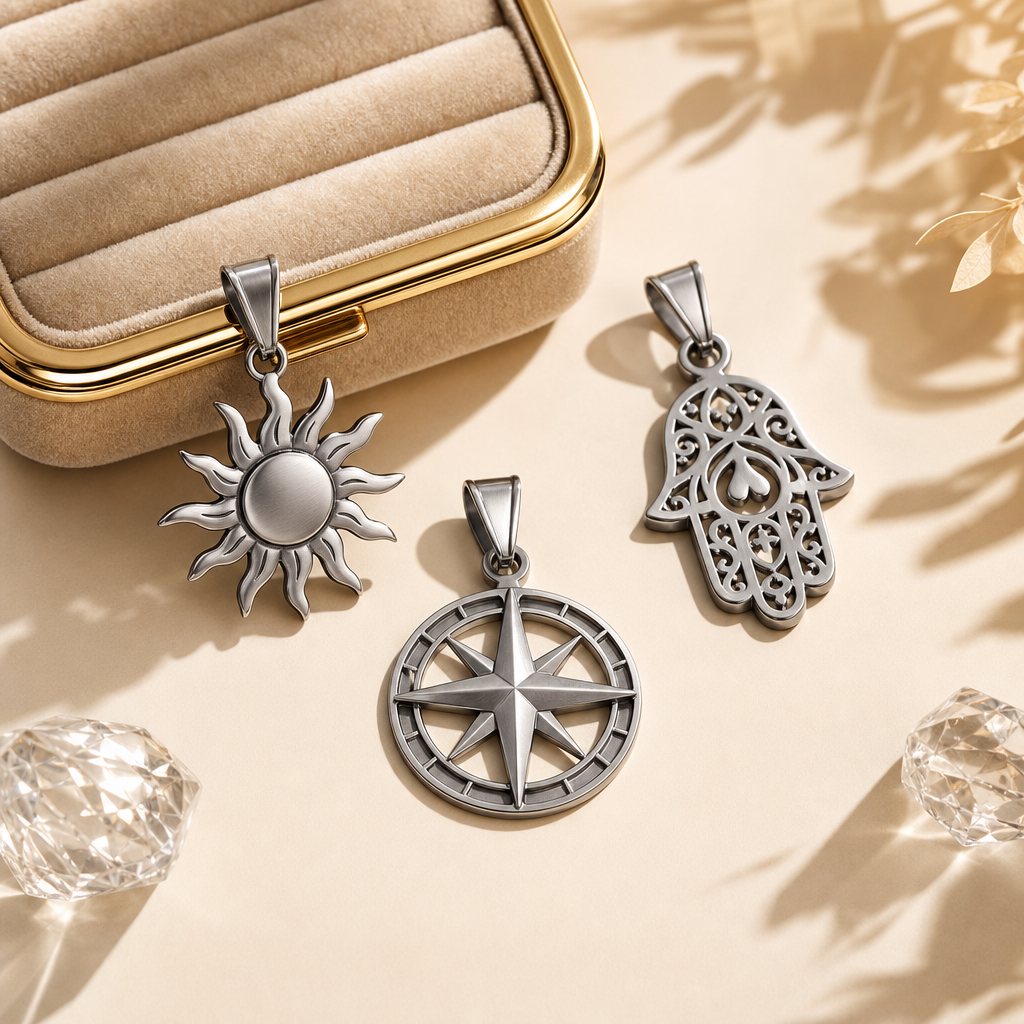
Main topic: 316L stainless steel charms and wholesale manufacturing
The base charms offered by Lancy Jewelry are crafted from 316L stainless steel. This grade is favored for robust corrosion resistance, good mechanical strength, and compatibility with a range of finishes and decorative processes. By anchoring decisions in material science, wholesale buyers can anticipate performance across diverse environments—from coastal regions in Europe to climate-controlled retail spaces in North America. This section outlines the chemistry that defines 316L and why it matters for high-volume charm production.
316L chemistry and grade design
316L stainless steel is a low-carbon variant in the 316 family. Typical composition ranges include chromium 16–18%, nickel 10–14%, and molybdenum 2–3%, with carbon kept at or below 0.03% to minimize carbide precipitation. The molybdenum content enhances resistance to pitting and crevice corrosion in chloride-rich environments, which supports longevity for fashion jewelry that may encounter sweat, humidity, and occasional cleaners. In a bulk charm program, this corrosion resistance translates into fewer returns and more consistent performance across lots.
From a processing perspective, the low carbon content (the L in 316L) enables a forgiving heat-treatment window during finishing operations such as annealing, polishing, and plating. The 316L grade supports CNC and laser-based fabrication, aligning with modern facility capabilities—CNC, laser cutting, laser marking, welding, and polishing. For wholesale operations, predictable machinability reduces cycle times and improves yield, supporting lower MOQ impact and steadier production planning.
Surface finishing and its impact on performance
Finish choice is a primary lever for value in wholesale programs. Common finishes for 316L charms include:
- PVD gold plating to meet market demand for warm tones without sacrificing core properties.
- Silver finish, leveraging bright polish for a clean, modern look.
- Rose gold plating for fashion-forward pieces that pair with enamel colors and crystal inlays.
- Enamel color filling for bold colorways that require high opacity and colorfastness.
- Crystal inlay for accent stones that require precise seating and long-term adhesion.
Finish quality is central to margin protection in wholesale programs. A robust PVD process yields durable color that resists wear, dulling, and chipping—crucial for mass-market wearers who expect consistent performance across thousands of units. Lancy’s facility emphasizes consistent plating quality and controlled color deposition, which directly influences defect rates in bulk orders.
In practice, the finish interacts with design features such as bail geometry, hole size, and overall charm weight. For example, densely enameled or crystal-inlaid charms may require different adhesion profiles and substrate preparation than a plain brushed finish. A technically managed process reduces rework during ODM projects and shortens time to market for new SKUs.
Enamel and crystal inlay integration
When enamel and crystal inlays are used, precision in surface prep and color filling becomes critical. Enamel filling relies on epoxy-based colorants that bond well with 316L substrates and resist chipping during daily wear. Crystal inlays require tight tolerances for crystal seating and a reliable adhesive system. For wholesale runs, standardizing enamel palettes or crystal sizes across a collection helps reduce tooling variance and simplifies private-label packaging decisions. It also supports consistent labelling and SKU mapping for bulk orders.
Mechanical design considerations for mass production
Charm design should balance aesthetic intent with production efficiency. Key mechanical considerations include:
- Hole and bail geometry: ensuring the bail passes through without excessive play while maintaining secure engagement in movement.
- Tolerances: maintaining consistent internal gaps and plating thickness across batches to avoid misfits in assembly lines or with customer chains.
- Wall thickness and curvature: optimizing for strength without unnecessary weight, which supports a boutique look while enabling cost-effective bulk production.
- Surface texture compatibility: some textures may influence enamel fill or crystal seating; a standard smooth finish often yields best overall yield in high-volume runs.
With 316L, these design considerations translate into repeatable manufacturing routines that align with CNC machining, laser cutting, and post-processing protocols at a modern facility, enabling scalable, reliable production for global markets.
Benefits/Why it matters
Key benefits for wholesale jewelry buyers
Choosing 316L stainless steel charms offers predictable performance, long service life, and compatibility with a broad range of finishes and decorative processes—benefits that directly affect margins and reliability in wholesale programs. The material’s corrosion resistance and low maintenance profile reduce after-sales risk and return rates, which is critical when managing distributor networks and multi-region rollouts.
Beyond material properties, a few strategic benefits differentiate a reliable supplier in wholesale markets:
- Consistent plating quality across large volumes reduces rework and warranty costs.
- Private-label packaging and branding capabilities simplify SKUs and marketing support for partners.
- Low MOQ support helps new private-label lines test market viability without heavy upfront investment.
- Sample development accelerates design validation and speeds time-to-market for new collections.
- Cross-market applicability: universal menus of finishes and sizes enable global distribution with standardized product family logic.
In addition, certifications such as SGS RoHS, REACH, EN1811 nickel release, and Salt Spray 240H reassure wholesale buyers that regulatory expectations are met. This reduces compliance risk across US, EU, UK, AU, CA, DE, FR, SP, NE, and RU markets, supporting smoother distributor onboarding and fewer compliance flags during inspections.
Why these benefits matter for margins
From a margin perspective, the combination of a stable base material, efficient manufacturing, and scalable finishing options translates into predictable unit costs. MOQ flexibility reduces capital tied to inventory, while private-label packaging adds perceived value and allows partners to command premium pricing in certain market segments. For global buyers, a reliable supplier with consistent plating and tight tolerances reduces spoilage and returns, which can disproportionately impact profitability in wholesale and bulk orders.
Moreover, a supplier that supports BOM clarity, clear lead-time estimates, and reproducible color recipes helps sourcing teams maintain accurate cost forecasts and timeline planning for multi-country launches. The end result is a wholesale program that scales with demand while preserving boutique-quality aesthetics.
Detailed analysis/Guide
Step-by-step guide to sourcing 316L stainless steel charms for wholesale programs
Step 1: Define grade specs and finish options
Begin with a clear specification for 316L stainless steel as the base material, including carbon content goals (≤0.03%), molybdenum level (2–3%), and the target finish family (PVD gold, silver, rose gold, enamel, crystal). Align with budget and market expectations for colorfastness and wear-resistance. Ensure the supplier can provide test reports for EN1811 nickel release and Salt Spray 240H to support RoHS/REACH compliance.
Step 2: Establish tolerances and QA gates
Define critical tolerances for hole diameters, bail thickness, and geometry to ensure compatibility with typical chains and connectors used by wholesale customers. Establish QA gates at incoming material, in-process, and final inspection stages. Document defect thresholds and define remediation paths for non-conforming lots, including retesting and rework allowances.
Step 3: Choose finishes with production reliability
Map finishes to market demand and production feasibility. If opting for PVD plating, specify thickness targets and color stability requirements. For enamel and crystal inlays, set process controls for color uniformity, adhesion strength, and crystal seating pressure. Consider standard color palettes for faster turnaround on new designs while preserving customization potential for ODM projects.
Step 4: Plan sample development and private-label packaging
Leverage a structured sample development process to validate design concepts quickly. Private-label packaging design should consider branding flexibility, labeling compliance, and protection during transit. A fast-track sample program reduces time-to-market and gives wholesale buyers confidence to place early bulk orders.
Step 5: Align lead times with MOQ and bulk orders
Coordinate lead times with MOQ considerations and production capacity. For new SKUs, negotiate a short-run MOQ to test market acceptance, followed by a scalable ramp-up plan for bulk orders. A well-defined lead-time matrix helps distributors and retailers plan inventory and promotional cycles without stockouts.
Step 6: Implement cross-market compliance and documentation
Ensure product documentation covers regulatory and safety requirements across target markets. SGS certifications and EN1811 nickel-release data should be readily accessible to buyers, along with test reports for salt spray resistance and other relevant corrosion metrics. Clear documentation supports distributor onboarding and reduces friction during audits.
Step 7: Establish pricing, terms, and supplier reliability metrics
Develop a transparent pricing model that accounts for MOQs, volume discounts, and private-label packaging options. Define supplier reliability metrics such as on-time delivery rate, defect rate, and first-pass yield. For global programs, implement a supplier scorecard to maintain consistent performance across markets.
ODM vs OEM: practical implications for wholesale programs
In ODM engagements, the supplier helps ideate and finalize a collection aligned with brand aesthetics, offering design iterations, colorways, and packaging concepts. In OEM projects, the buyer provides a design and branding, and the supplier executes manufacturing to those exact requirements. For wholesale programs with private-label ambitions, a blended approach (OEM production with ODM design support) often yields the best balance of speed, customization, and cost control. Lancy’s modern factory setup supports both paths through CNC, laser processes, and controlled plating capabilities, enabling seamless transitions from concept to bulk orders.
FAQ
- What is 316L stainless steel, and why is it preferred for charms?
316L stainless steel is a low-carbon grade with excellent corrosion resistance and good formability. Its durability makes it well-suited for daily wear, and it accepts a wide range of finishes (PVD plating, enamel, crystal inlays) that wholesale programs rely on for consistent quality across bulk orders.
- What MOQ ranges should wholesale buyers expect from a reliable supplier?
MOQ varies by design and finish, but a reputable OEM/ODM partner often offers low MOqs for initial private-label tests, followed by scalable quantities for ongoing bulk orders. Always confirm lead times and batch traceability for margin planning.
- Which finishes are most popular for wholesale charm lines?
PVD gold and rose gold are strong performers for premium lines, while silver finishes offer a clean, modern aesthetic. Enamel fillings provide bold colorways for seasonal releases, and crystal inlays add a touch of sparkle suitable for gift programs.
- What certifications should buyers request when evaluating a supplier?
Certifications such as SGS RoHS, REACH, EN1811 nickel release, and Salt Spray 240H are important indicators of regulatory compliance and material durability. Request test reports and ensure traceability across production lots.
Call to action: Partner With Us
Ready to explore a scalable, boutique-ready 316L stainless steel charm program with reliable OEM/ODM support? Lancy Jewelry offers a modern factory with CNC, laser cutting, laser marking, welding, and polishing capabilities, paired with private-label packaging and fast sample development. Connect with our team to discuss MOQ, lead times, and design iterations, and begin a risk-managed path to bulk charm orders. Learn more about our OEM/ODM services or request a quote to start the process. For design consultation and direct support, contact our sales desk at our sales desk to ensure a smooth path from concept to market. You can also browse all products at our catalog to identify baseline charm silhouettes and finish options that align with private-label goals.