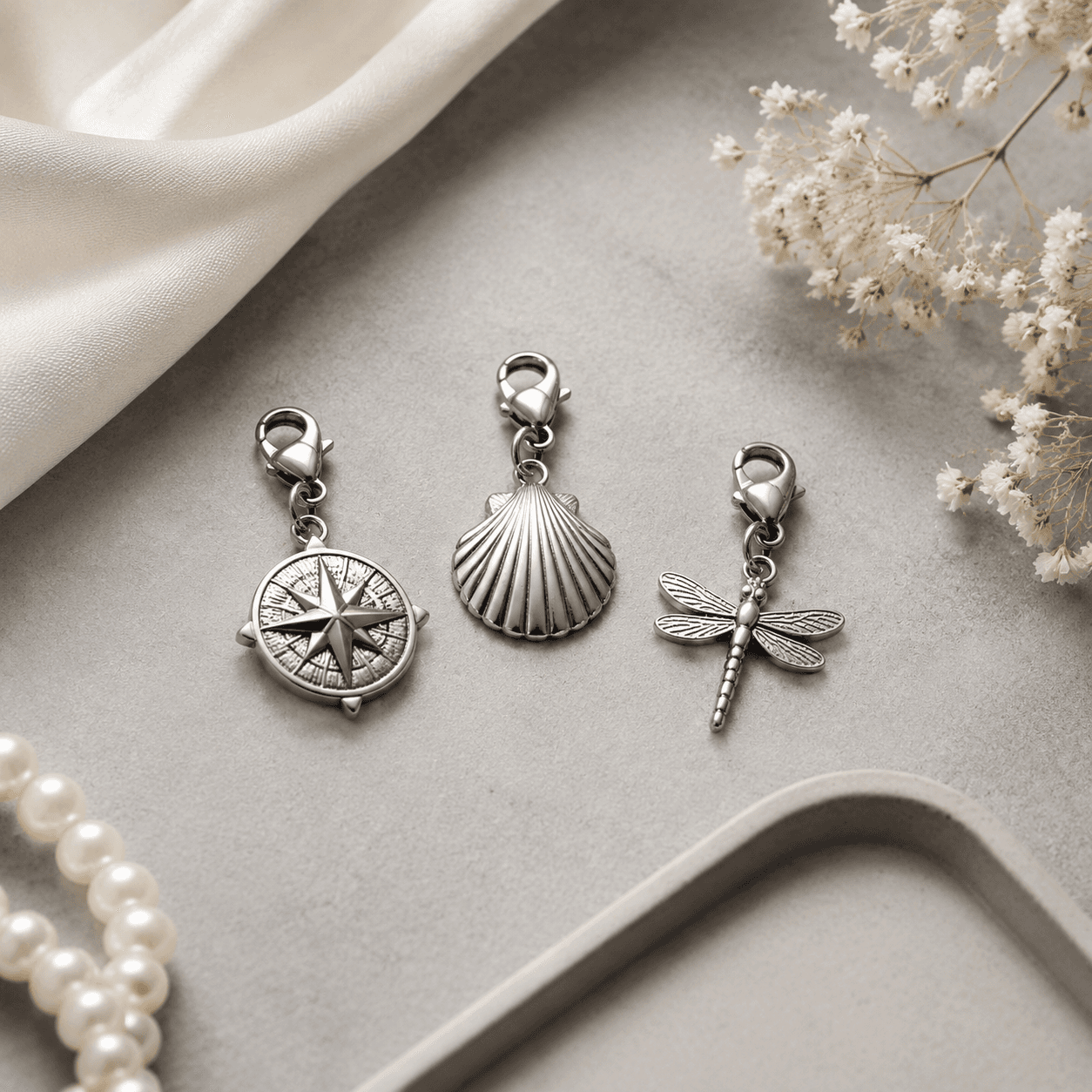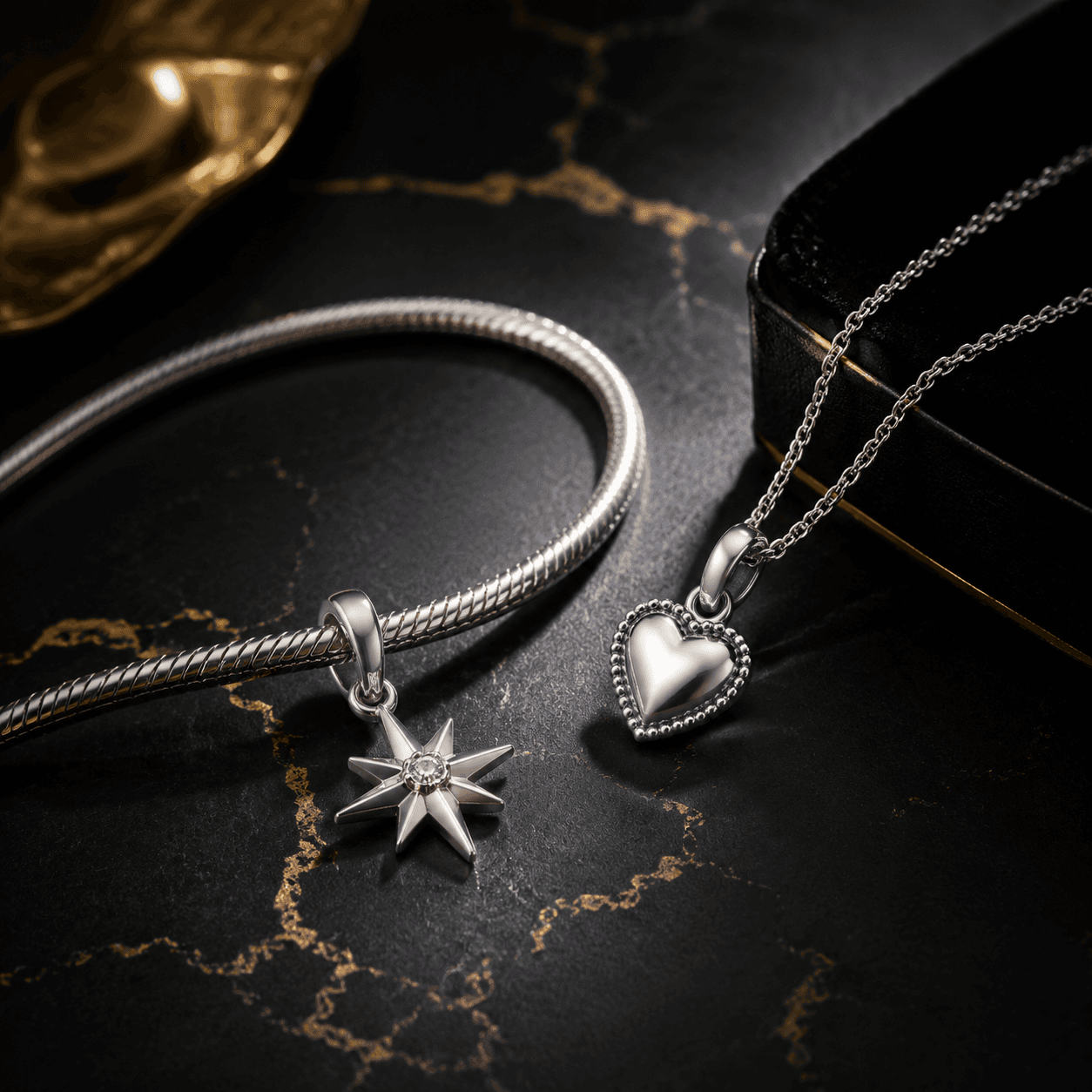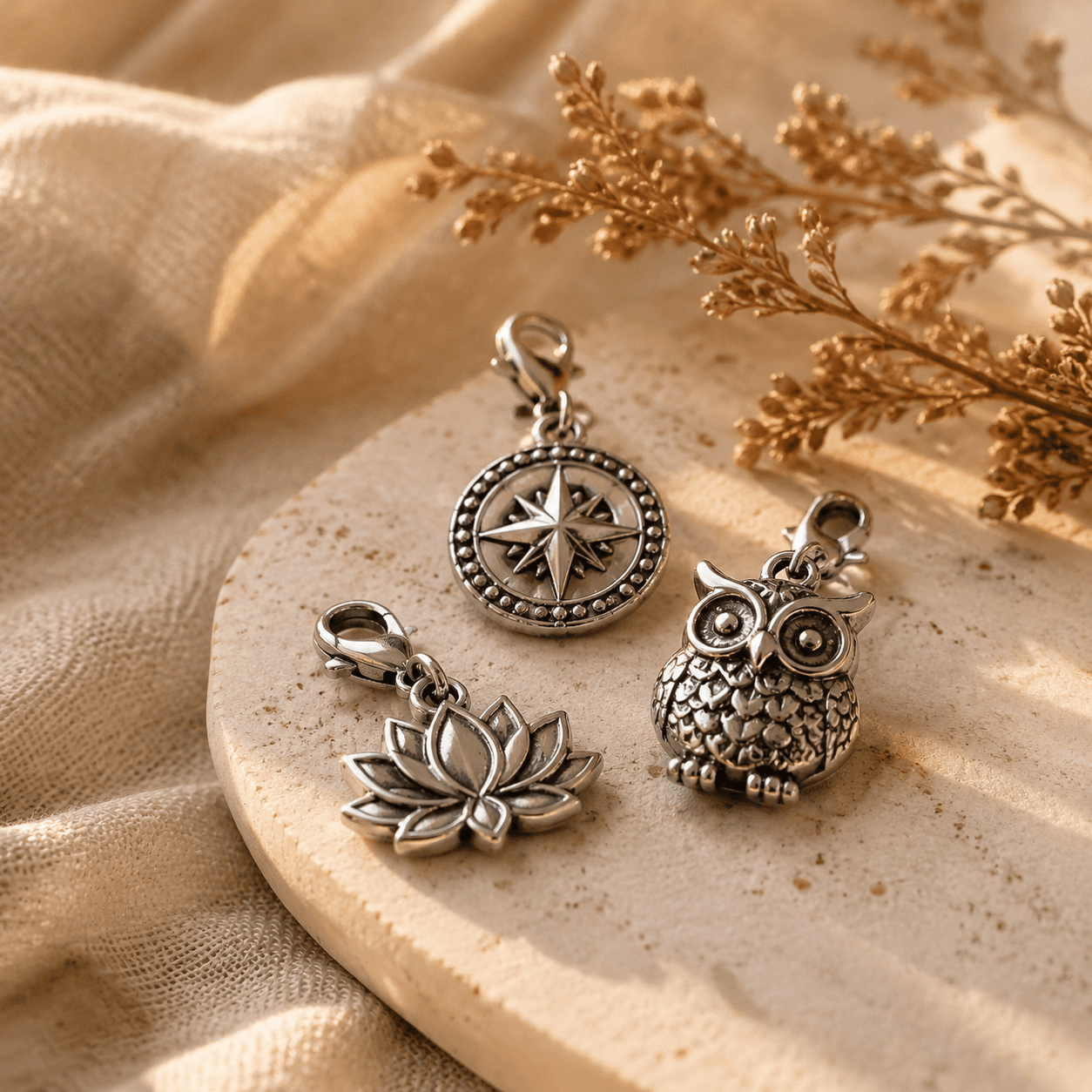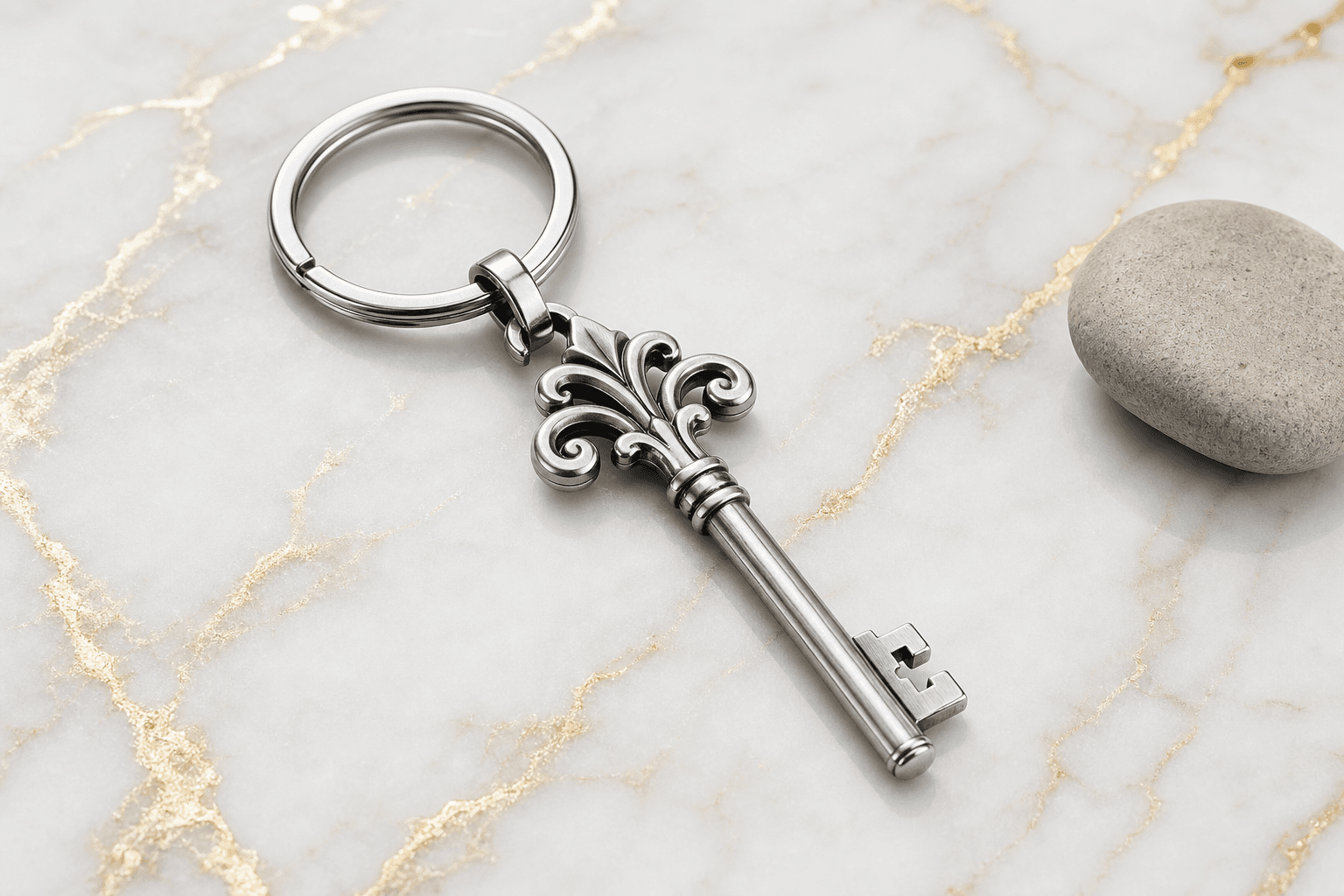
Hook: Why 316L Stainless Steel Matters for Vintage Keychain Charms in Sourcing
For procurement teams, selecting 316L stainless steel vintage keychain charms is about more than aesthetics. It is about material resilience, supply chain reliability, and a vendor that can scale from sample development to bulk orders while maintaining consistent plating and finishes. This sourcing guide from Lancy Jewelry, a B2B OEM/ODM 316L stainless steel charms manufacturer, walks you through material science, supplier vetting, and practical steps to minimize risk across global markets.
Sourcing stainless steel vintage keychain charm 316L properties
Sub-point 1: What defines 316L stainless steel for charms
316L stainless steel is a low-carbon variant of 316 stainless steel, designed to improve welding and reduce sensitization without compromising corrosion resistance. For charm applications, the low carbon content aids in tighter tolerances during CNC machining, laser cutting, and engraving. The nickel–chromium–molybdenum alloy composition provides strong resistance to chloride-induced corrosion, making it well-suited for environments where skin contact, humidity, or perspiration may occur. In practical terms, this means fewer tarnish-related concerns and more stable surface integrity during PVD plating, enamel filling, and crystal inlay processes.
Sub-point 2: Alloy chemistry and what it means for finishing
Key elements in 316L contribute to ductility and formability, enabling precise detailing for vintage-inspired motifs. When combined with finishes like PVD gold plating, silver finishes, or rose gold plating, the underlying 316L base remains chemically stable, reducing rebound or discoloration over time. For buyers, this translates into predictable plating behavior, repeatable color tones, and robust resistance to wear during handling in boutique environments or charm bar displays.
Sub-point 3: PVD plating, enamel filling, and crystal inlay considerations
PVD plating on 316L stainless steel charms offers a durable, uniform color layer that can withstand daily wear in gift programs and boutique settings. Enamel color filling adds vibrant detail but requires careful sealing to prevent chipping. Crystal inlay provides sparkle without sacrificing metal integrity when properly set. For procurement teams, the material combination is a critical supply chain decision: verify plating thickness, enamel cure cycles, and crystal settings with the supplier’s process documentation to ensure consistent results across hundreds or thousands of SKUs.
Sub-point 4: Other material-compliant considerations
As you evaluate 316L stainless steel charms, ensure that all base materials and finishes stay within the permitted terms. Lancy Jewelry emphasizes 316L stainless steel as the base material and offers options such as PVD plating, enamel, and crystal inlay within that framework. The focus remains on stainless steel charm production, avoiding incompatible base materials, and maintaining clear documentation to support global compliance and audits.
Sub-point 5: Understanding corrosion resistance and surface protection
Resistance to corrosion and surface wear is essential for keychain charms that experience frequent handling. The presence of molybdenum in 316L is a contributor to its corrosion resistance, while PVD finishes create a protective barrier that mitigates micro-abrasion. When sourcing, request corrosion-test data, salt spray test results, and nickel-release testing (EN1811) to confirm compliance and long-term performance across markets in the US, EU, UK, AU, CA, DE, FR, ES, NE, RU, and beyond.
Benefits/Why it matters for procurement teams
Key benefits: material integrity, compliance, and supplier reliability
Choosing 316L stainless steel charms supports reliable mass production and a clear path to private-label success. Working with a dedicated manufacturer such as Lancy Jewelry delivers several advantages: consistent plating quality, integrated OEM/ODM capabilities, and well-documented material compliance trail. Certifications like SGS RoHS, REACH, Nickel Release EN1811, and Salt Spray 240H underpin trust during cross-border audits and supplier approvals. For procurement teams, the outcome is a smoother supplier qualification process and fewer post-production surprises in private-label packaging or gift programs.
Certification and audit considerations
When vetting suppliers, a robust certification footprint is essential. SGS-certified RoHS and REACH compliance, combined with Nickel Release EN1811 testing and Salt Spray 240H results, demonstrate a supplier’s commitment to safety, durability, and performance under real-world conditions. These certifications support due diligence during RFQ processes, supplier pre-qualification, and on-site audits for private-label programs and wholesale orders. A compliant supplier also aligns with your internal QA standards and cross-market regulatory expectations.
Commercial-readiness and scalability
Beyond material chemistry, consider a supplier’s ability to scale from prototype through bulk charm orders. An established OEM/ODM partner can support custom logo charms, private-label packaging, and fast sample development. For buyers, this translates into a single source for 316L stainless steel charms that cover design customization, color filling, and finish options while maintaining a predictable lead time and MOQ framework. In practice, this reduces project risk and accelerates time-to-market for new boutique collections.
Detailed analysis: Step-by-step guide for vendor vetting
Step 1: Define your technical and commercial specs
Prepare a comprehensive spec sheet that covers base material (316L stainless steel), acceptable finishes (PVD gold plating, silver finish, rose gold plating), enamel color options, crystal inlay, and tolerance levels for dimensions and finishing. Include required packaging formats for private-label programs, labeling standards, and any required serial or batch documentation for traceability. A precise spec minimizes back-and-forth and reduces risk during supplier selection.
Step 2: Request documentation and test data
Ask for material compliance certificates, process control documentation, and test reports. Relevant documents include RoHS and REACH declarations, EN1811 nickel-release testing results, and Salt Spray (NSS) tests. Request plating thickness ranges and coating adhesion test results to verify finish durability. Documentation supports your internal audits and cross-market certifications for wholesale and private-label programs.
Step 3: Assess manufacturing capabilities
Evaluate the supplier’s factory capabilities: CNC machining, laser cutting, laser marking, welding, and polishing, as well as enamel application and crystal-setting operations. Confirm whether the facility can support OEM and ODM development, logo engraving, and private-label packaging. A modern facility with dedicated lines and controlled environments reduces variability in quality and improves consistency across large-order batches.
Step 4: Plan the sample development process
A robust sample program should cover multiple iterations and color options, including 316L stainless steel charm prototypes with enamel fills and crystal inlays. Ensure your supplier offers fast sample development with a clear timeline and transparent costing. Consider a staged sampling approach: quick-turn trials for form/fit, mid-cycle samples for color and plating, and final samples for packaging and labeling. This approach minimizes risk before committing to bulk charm orders.
Step 5: Quality control and inspection protocols
Define inspection criteria for visual appearance, dimensional accuracy, and finish consistency. Establish a sampling plan aligned with ISO-like QA checkpoints, even if ISO9001 is not explicitly required. For cross-market sales, ensure you have traceability, lot numbers, and batch records tied to each order. A reliable QC framework helps achieve consistent plating quality across orders and supports private-label branding commitments.
Step 6: Private-label packaging and value-added services
Many buyers seek not only a 316L stainless steel charm but also complete gift-program support: branded packaging, insert cards, and coordinated display materials. Ensure the supplier can provide private-label packaging and alignment with your brand guidelines. This reduces post-production integration work and strengthens the market-ready appeal of your boutique collections.
Step 7: Lead times, MOQs, and pricing transparency
Define MOQs up front and clarify pricing for sample development, standard production, and bulk orders. A transparent MOQ policy reduces risk when launching new lines or expanding into wholesale channels. Discuss capacity planning for peak seasons and potential rush orders to maintain supply consistency across global markets.
Step 8: Documentation, audits, and ongoing supplier management
Establish a vendor qualification dossier that includes audit results, corrective action plans, and ongoing performance metrics. Schedule regular reviews and update your risk assessment, focusing on supply continuity for 316L stainless steel charms, plating consistency, and packaging quality. A proactive vendor-management approach supports stable long-term relationships with OEM/ODM partners and wholesale customers.
FAQ: Common questions from procurement teams
Q1: What makes 316L stainless steel suitable for vintage keychain charms?
A: The low carbon content of 316L reduces welding sensitization and helps maintain dimensional stability during fabrication. Its corrosion resistance, especially in chloride-rich environments, keeps charm surfaces looking good even with frequent handling. When paired with durable finishes like PVD plating and enamel, 316L offers reliable longevity for keychain charm programs across markets.
Q2: How should I evaluate a supplier’s OEM/ODM capabilities?
A: Look for a partner with a modern manufacturing facility (CNC, laser cutting, laser marking, welding, polishing), proven private-label packaging capabilities, and a documented sample-development process. Confirm they can engrave logos, perform enamel and crystal work, and provide consistent plating across batches. Certifications such as SGS RoHS/REACH and EN1811 support compliance and risk mitigation during audits.
Q3: What documentation is essential during supplier vetting?
A: Material compliance certificates, RoHS/REACH declarations, EN1811 nickel-release results, salt spray testing data, plating-thickness specifications, process-control documentation, and QC inspection records. In addition, request a clear MOQs, lead times, and private-label packaging capabilities to align with your procurement plan.
Q4: How does sample development tie into private-label programs?
A: A well-structured sample program accelerates time-to-market for private-label charms. It allows you to validate logo engraving quality, enamel color accuracy, crystal settings, and final packaging. Fast sample development reduces risk before committing to bulk charm orders and supports a smoother onboarding of boutique-brand partners.
Call to action: Partner with Lancy Jewelry for reliable 316L stainless steel charms
When you choose Lancy Jewelry as your OEM/ODM partner, you gain access to a modern factory with CNC capabilities, laser cutting, laser marking, welding, and polishing, plus private-label packaging and full sample support. Our focus on 316L stainless steel charms—paired with PVD plating, enamel finishes, and crystal inlays—delivers consistency, traceability, and scale for global buyers. We invite procurement teams to explore our OEM service offerings, request samples, and discuss private-label programs that align with your MOQ, private-label, and wholesale targets. For quick inquiries or RFQs, connect via Request a Quote or reach out through Contact for direct sales assistance. To browse our standard catalog and existing options, visit All Products and consider how we can tailor a dedicated private-label charm program that meets your market needs.
Internal links
- All Products (catalog browsing)
- OEM Service (custom manufacturing)
- Request a Quote (RFQ and inquiry)
- Contact (sales contact)