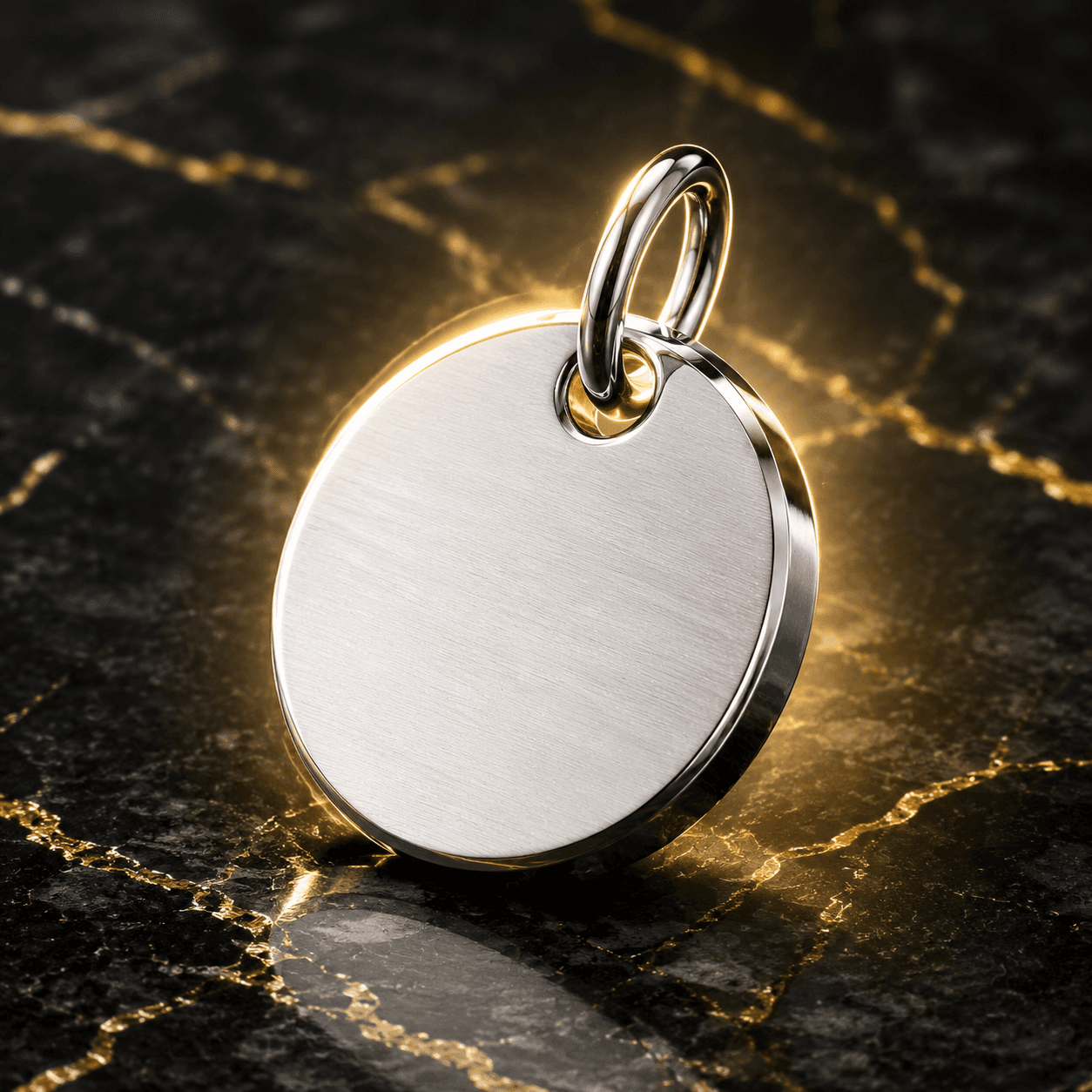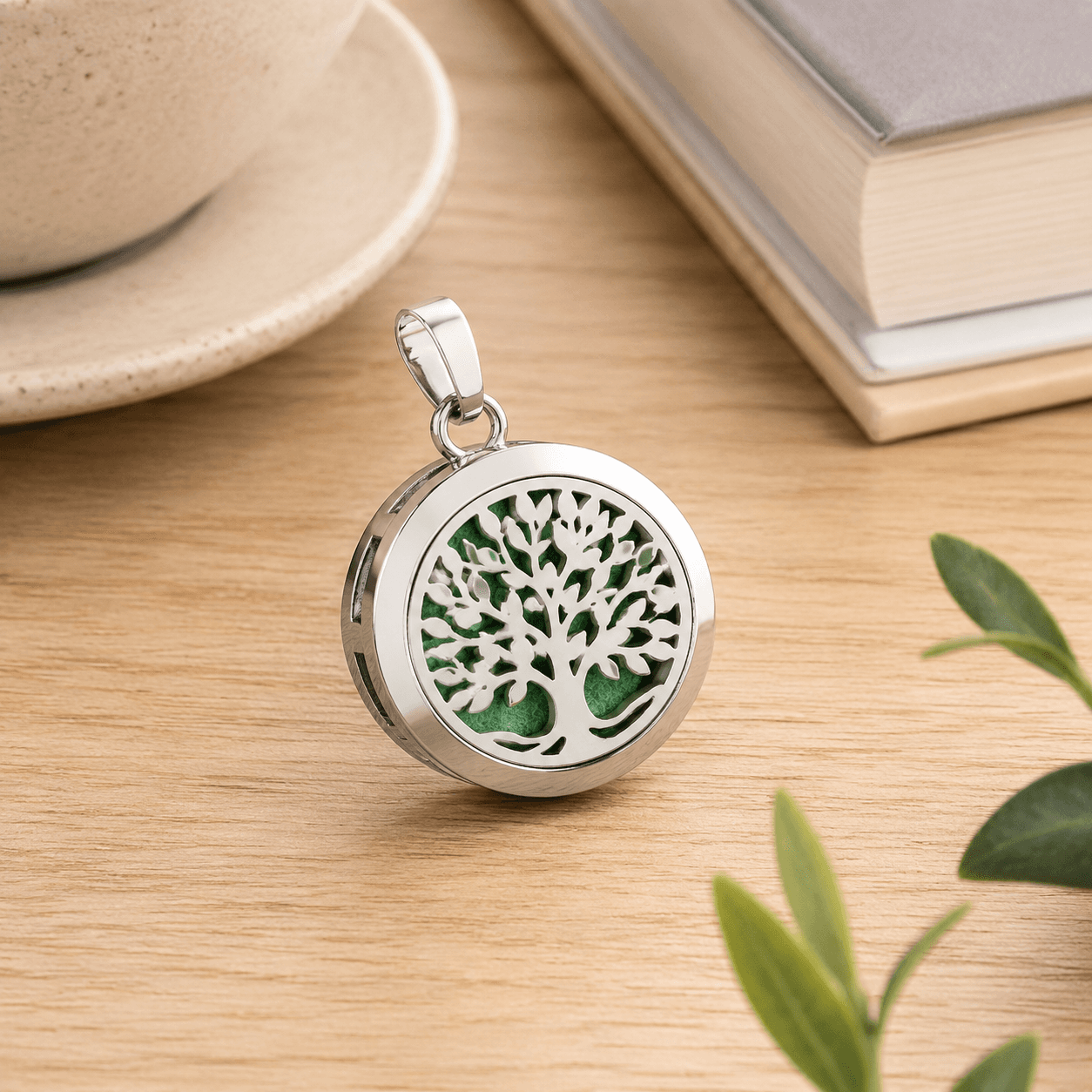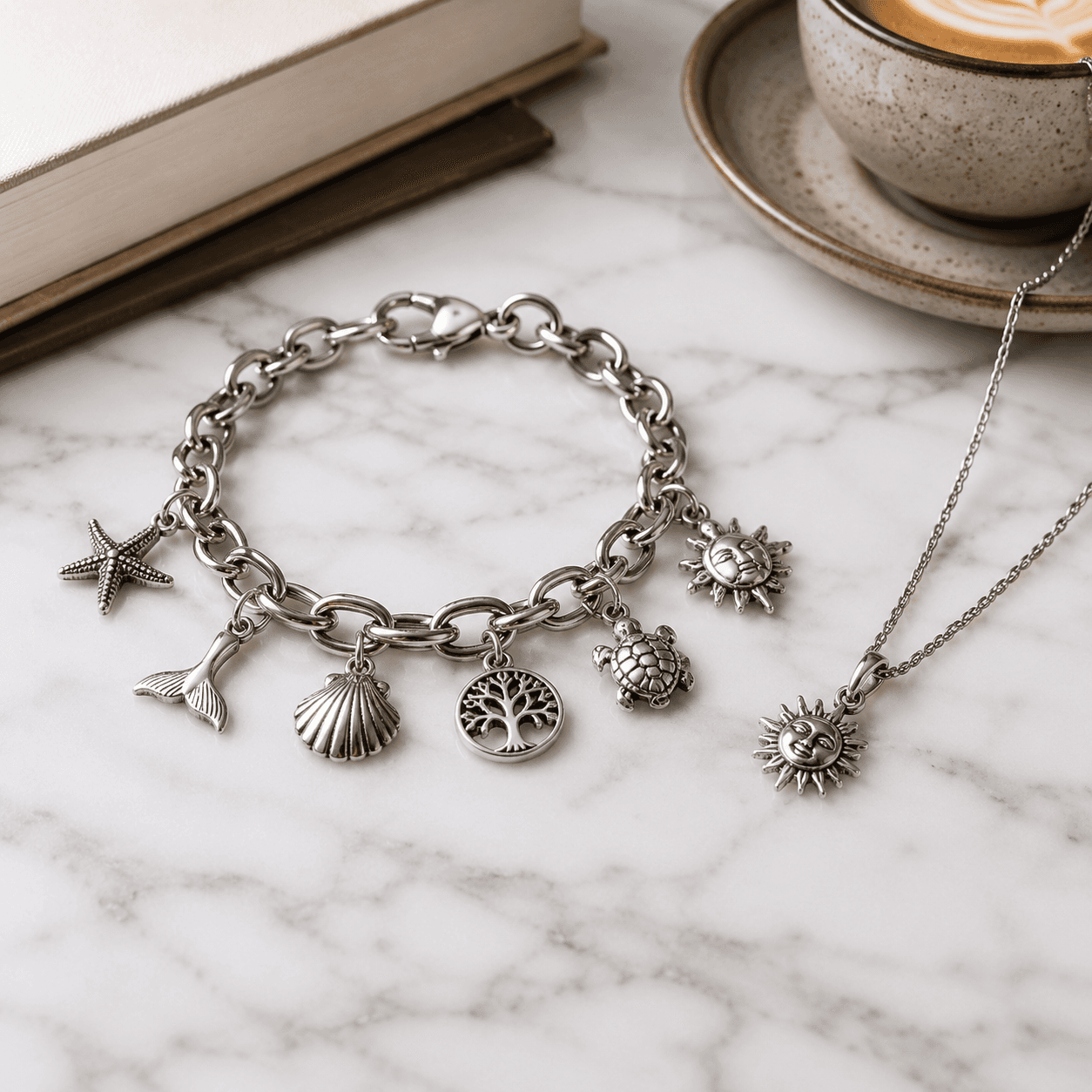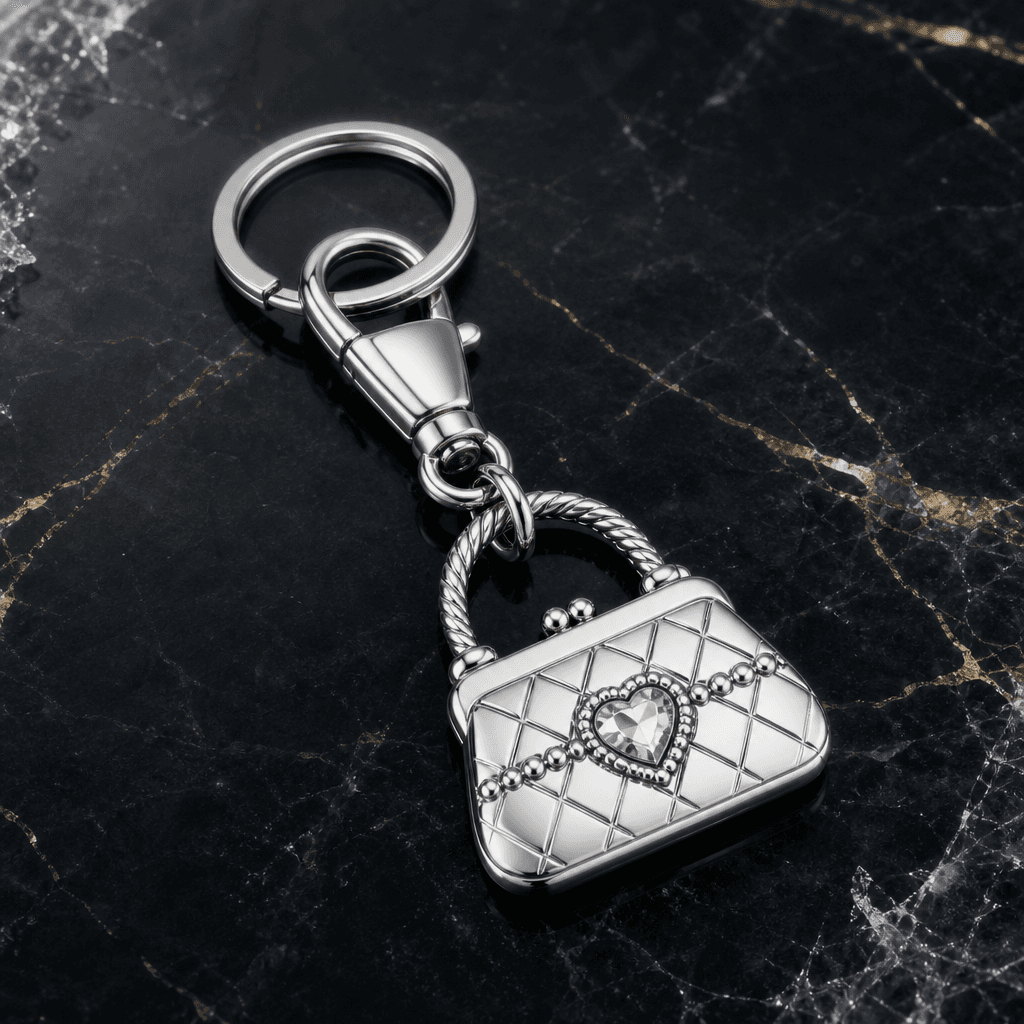
In the world of boutique charm programs, the interplay between material science and production discipline defines both performance and profitability. For purse charm keychains, the choice of material shapes corrosion resistance, aesthetic longevity, and manufacturing feasibility. This technical deep dive unpacks why 316L stainless steel stands out as the base material for purse charm keychains, how alloy chemistry translates into real-world performance, and what this means for OEM and ODM sourcing teams seeking private-label partnerships with a factory-direct supplier.
Stainless steel purse charm keychain: materials science and 316L fundamentals
At the core of every purse charm keychain is a metal that can withstand daily handling, contact with cosmetics, humidity, and occasional abrasion. 316L stainless steel is an austere yet forgiving alloy, designed to resist corrosion while accommodating intricate shapes, detailed engravings, and precision finishing. The 316L designation refers to a low-carbon variation of 316 stainless steel, which reduces sensitization during welding and improves formability — a practical advantage when tooling a petite charm with a decorative bail, hole, or attachment feature.
The fundamental composition of 316L stainless steel includes iron as the base, with chromium (Cr) for passivation, nickel (Ni) for ductility and corrosion resistance, and molybdenum (Mo) for enhanced pitting resistance in chloride environments. The ‘L’ stands for low carbon content, typically around 0.03% max, which minimizes carbide precipitation during welding and reduces post-weld sensitization. For purse charms aimed at global markets, this chemistry translates into reliable performance across varied climates, from coastal regions to high-humidity interiors.
Alloy chemistry: key elements and their roles
- Chromium: creates a passive oxide layer that dramatically improves corrosion resistance and reduces surface rust, a critical factor for items that may encounter sweat, moisture, or light exposure to salt spray in shipping or consumer use.
- Nickel: provides ductility and toughness, enabling fine detailing such as micro-engraved logos or enamel inlays without cracking or fracturing under small bending radii.
- Molybdenum: enhances resistance to chlorides and pitting, supporting durability when the charm is subjected to sweat and ocean air during wear or display in store environments.
- Carbon: kept intentionally low (hence 316L) to minimize hardening during fabrication and to support consistent weldability and post-process finishing.
Microstructure and corrosion behavior
316L’s microstructure forms a stable austenitic matrix that remains non-magnetic in the annealed condition, a trait that eases plating compatibility and surface finishing. The passive chromium oxide film forms quickly when exposed to air, providing a self-healing surface after minor abrasion. For purse charms, this means the base metal remains resilient under routine handling, while surface finishes — such as PVD gold, silver, or rose gold, as well as enamel and crystal inlays — adhere reliably without rapid degradation.
Mechanical properties relevant to charm design
The yield strength and tensile strength of 316L strike a balance between formability and rigidity. This allows designers to sculpt small bail loops, intricate cutouts, and engraved surfaces without sacrificing structural integrity. The low-carbon characteristic of 316L also reduces the risk of work-hardening during stamping, laser cutting, or CNC milling, enabling tight tolerances on features such as inner holes, thread adaptors, or attachment points for jump rings and clasps.
Surface finish compatibility: plating, enamel, and crystals
316L stainless steel serves as an excellent substrate for PVD plating, enamel fills, and crystal settings. PVD (Physical Vapor Deposition) creates robust, uniform finishes such as gold plated, silver finish, and rose gold plating, with strong adhesion to stainless steel when the surface is properly cleaned and pre-treated. Enamel color filling requires a compatible substrate and thermal stability to resist craze or flaking in wear. Crystal inlays demand precise holes or cavities and secure settings to prevent loss of stones during shipping or consumer handling. From a manufacturing perspective, the stainless steel base must be clean, oxide-free before plating, and properly masked in areas not intended to receive finish.
Why 316L stainless steel matters for purse charm keychains: benefits and market impact
Choosing 316L stainless steel for purse charm keychains delivers consistent performance across markets and aligns with global sourcing expectations. The metal’s corrosion resistance, formability, and compatibility with contemporary finishing techniques support a range of business models, from private-label programs to wholesale orders. For brands seeking predictable, scalable results, 316L offers a reliable platform for customization and branding without sacrificing manufacturability.
Key benefits for OEM/ODM partnerships
- Material consistency: Uniform chemistry across lots reduces variation in appearance, finish adhesion, and wear, enabling reliable color matching for PVD finishes.
- Process compatibility: The alloy’s weldability and formability support efficient CNC, laser cutting, and engraving workflows, essential for customized logo charms and private-label packaging.
- Production efficiency: Low-carbon composition minimizes heat-affected zones during laser engraving and welding, improving yield for small charm components with delicate features.
- Quality assurance alignment: SGS certified (RoHS, REACH, Nickel Release EN1811, Salt Spray 240H) provides a robust third-party framework for compliance and performance testing across territories.
From the perspective of a B2B partner, these attributes translate into a factory-direct model with predictable lead times, high repeatability, and the ability to support low MOQ charm production and bulk orders while preserving quality integrity.
Detailed analysis and practical guide for purse charm production
This section translates material science into actionable steps for design teams, production engineers, and sourcing managers working on 316L stainless steel purse charm keychains. The guide emphasizes collaborative workflows between design intent, material selection, process choices, and QA checkpoints that ensure a reliable, scalable product line.
Step 1: Concept to material briefing
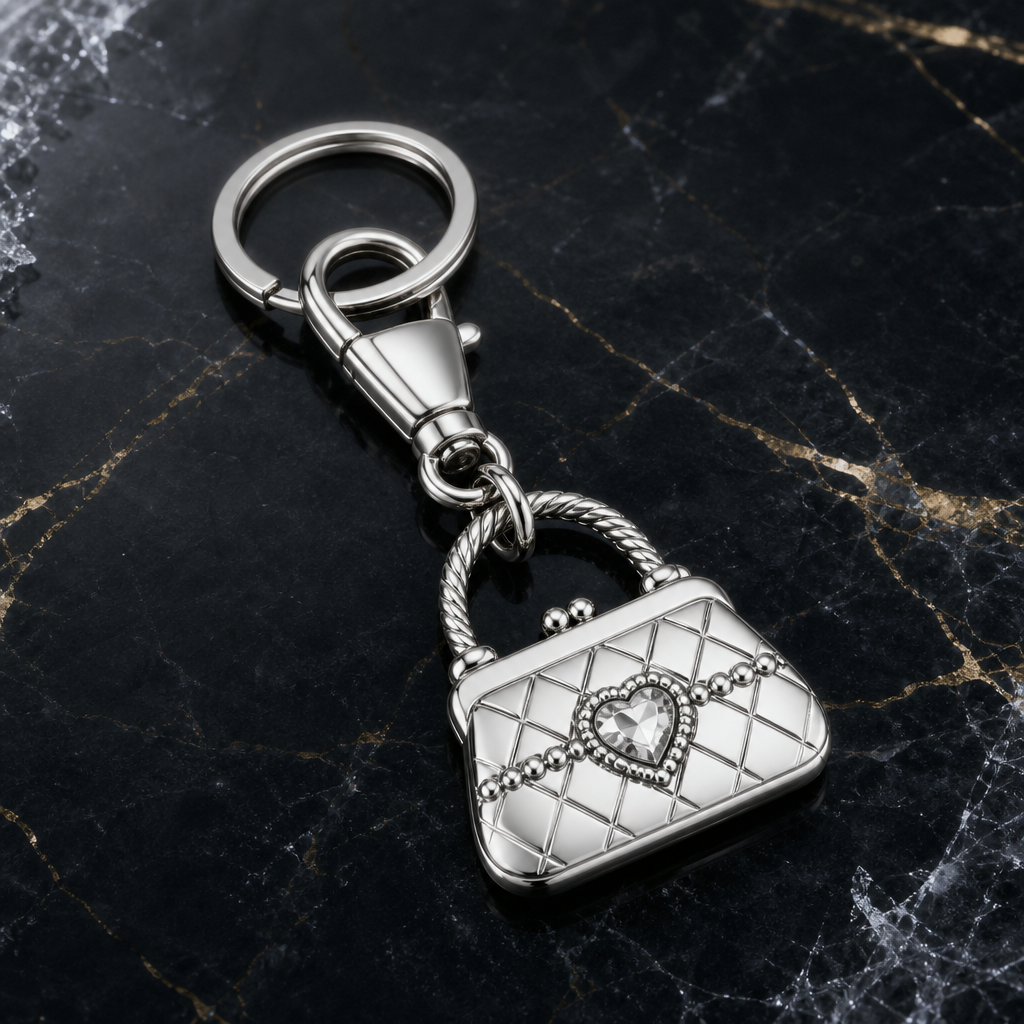
Before any prototype, align design intent with material capabilities. Consider bail geometry, hole diameters, and attachment provisions for jump rings or clasps. The purse charm should maintain a complete outer silhouette with clean inner features, ensuring that enamel fills or crystal inlays do not obscure critical engravings or structural integrity. At this stage, specify 316L stainless steel as the base material, together with intended finishes (PVD gold, silver finish, rose gold), enamel palette, and any crystal accents. For partner teams, request a formal specification package and a sample development plan through the OEM/ODM channel.
Step 2: Alloy supply and tolerances
Work with a trusted supplier who can provide 316L material certification and traceability. Tight tolerances for charm thickness, bail diameter, and hole size matter for consistent plating coverage and reliable engagement with jump rings. Typical tolerance bands for small charms might be ±0.05 mm to ±0.15 mm depending on the feature; the most critical tolerances usually concern the bail loop and through-holes that must accommodate standard jump rings without binding.
Step 3: Surface preparation and plating choices
Surface preparation is the foundation of finish adhesion. Processes often include degreasing, pickling, and micro-dishing to produce a uniform surface. PVD plating is the preferred route for durable gold, silver, and rose gold finishes on 316L bases. For enamel finishes, ensure the substrate temperature and paint compatibility prevent micro-cracking. Crystalline inlays require a precise pocket depth and robust edge retention; designers should specify pocket depth tolerances and stone seating depth to avoid looseness during wear.
Step 4: Engraving, logo fidelity, and branding considerations
Engraving adds subtle or bold branding to purse charms. Laser engraving or CNC engraving on stainless steel 316L requires a stable substrate and proper masking to preserve the engraving against wear. Elegant logo fidelity benefits from a stable engraving depth and contrast with secondary finishes (e.g., black enamel fill within engraved recesses). For OEM/ODM projects, define minimum legibility standards and confirm compatibility with the chosen finish before mass production.
Step 5: Finishing and assembly workflow
Enclosures for enamel or crystal inlays must be designed with a clean interface between metal and decorative elements. When assembling, ensure adhesives, crystals, or enamel fills are cured and cured residues are removed to prevent surface contamination. Assembly fixtures should accommodate the small charm’s geometry and maintain alignment of engraving, pockets, and bail openings. This step is critical for achieving repeatable quality across high-volume runs.
Step 6: Quality assurance and testing regimes
QA should cover physical dimension checks, finish adhesion tests, corrosion and salt spray exposure, and nickel-release testing to comply with RoHS and EN1811 requirements. SGS-certified oversight is a helpful benchmark for cross-market acceptance and supplier audits. Include functional tests for the bail, jump ring compatibility, and closure integrity to ensure no loosening under normal wear and bag-handling scenarios.
Step 7: Private-label packaging and branding integration
Packaging is a critical value proposition for boutique buyers. Private-label packaging options should reflect brand aesthetics while preserving product integrity. Consider packaging materials that complement 316L finishes—soft cloths, anti-tarnish pouches, and carton inserts that label the SKU and batch code for traceability. When partnering with a trusted charm factory, request private-label packaging capabilities and a packaging specification doc alongside the production schedule. For partners exploring private-label opportunities, coordinating packaging design with the same supplier streamlines the supply chain and preserves color and finish fidelity across orders.
Practical tips for cross-market viability and supply chain resilience
Global demand for purse charm keychains demands robust supply chain planning and market-aware production. The 316L stainless steel base supports consistent performance across markets, while finishing options like PVD plating provide aesthetic versatility to align with regional preferences. For designers and sourcing managers, engaging with a dedicated fabricator that operates a modern facility with CNC, laser cutting, laser marking, welding, and polishing capabilities is essential. A capable partner can deliver not only the base charms but also private-label packaging, sample development support, and scalable production for bulk orders.
Certifications and compliance as a risk mitigation baseline
In addition to material performance, compliance is a critical pillar for global sales. SGS certifications covering RoHS, REACH, Nickel Release EN1811, and Salt Spray 240H provide a documented path to compliance in multiple jurisdictions. Consumers and retailers alike expect metal components to meet health and safety standards; for OEM/ODM engagements, a supplier with these certifications offers a transparent quality framework and reduces due diligence burdens for brand owners. When evaluating potential partners, request current certificates and a summary of test methods used to support the claims.
FAQ: common questions about 316L stainless steel purse charm keychains
What makes 316L stainless steel a good base for purse charms?
316L offers excellent corrosion resistance, good formability for small, intricate shapes, and compatibility with modern finishes like PVD and enamel. The low carbon content reduces welding sensitization, which is important for a product that may involve assembly steps or be subject to heat during finishing. For buyers focusing on long-term wear, 316L delivers durable performance with stable surface finishes and reliable soldering or assembly behavior.
How does PVD plating affect durability and color options?
PVD plating creates dense, hard finishes with superior adhesion to stainless steel. It provides a wide color palette (gold, silver, rose gold, etc.) and enhanced scratch resistance compared to traditional electroplating. For purse charms, PVD is particularly advantageous when branding requires consistent color across thousands of units and across varying environmental conditions. PVD finishes also resist tarnish and color fading under typical wear scenarios encountered by handbag accessories and keychains.
What should I consider when requesting a sample for private-label programs?
When requesting a sample, specify the base material (316L stainless steel), finishing option (e.g., PVD gold plating), and any enamel or crystal inlays as part of the prototype. Ask for a complete QA dossier, including dimensional tolerances, finish thickness, and compatibility with common jump rings and clasps. Ensure you receive a proof with engraving or logo fidelity, and request a lead-time estimate for production batches and private-label packaging. For buyers pursuing low MOQ charm production or bulk charm orders, confirm that the supplier can scale from sample to production without compromising finish consistency.
How can I integrate private-label packaging into my supply chain?
Private-label packaging can differentiate your product line and give a boutique feel to your offerings. A reputable manufacturer with in-house packaging capabilities can provide branding-ready packaging, sleeves, and inserts that align with the finishes and color stories of your charms. This reduces the need for third-party packaging development and helps maintain color and label fidelity. When negotiating, include packaging lead times, minimums, and warranty terms to ensure a smooth transition from sample to full-scale production.
Call to action: Partner with Lancy Jewelry for reliable 316L stainless steel charms
As a dedicated stainless steel charms manufacturer, Lancy Jewelry offers OEM/ODM capabilities for boutique brands and private-label buyers worldwide. Our modern facility, equipped with CNC, laser cutting, laser marking, welding, and polishing, supports custom logo charms, PVD plating, enamel fills, crystal inlays, and private-label packaging. With SGS certifications and a track record of low MOQ charm production and consistent plating quality, we are positioned to help you scale from concept to market with confidence. Explore our All Products to see the breadth of 316L stainless steel charms we can tailor, or connect with our team via Contact to start an RFQ or discuss sample development timelines. For detailed OEM pathways, visit OEM Service and review how private-label packaging, custom logo charms, and bulk orders integrate into your product roadmap.