Choosing the right supplier for custom made stainless steel charms is a strategic decision that directly affects product quality, customer trust, and long-term brand positioning. For boutique jewelry brands and private-label buyers, supplier evaluation is not only about production capacity. It requires a structured review of manufacturing control, communication ability, quality consistency, documentation, and risk management.
A reliable sourcing partner should help transform product concepts into market-ready collections while reducing uncertainty during development and bulk production. This checklist provides an advanced evaluation framework for buyers searching for a dependable stainless steel charms manufacturer that can support consistent results across global markets.
How to Vet Custom Made Stainless Steel Charms Suppliers Safely
1. Check manufacturing capability before discussing large orders
Before selecting a supplier, confirm whether the factory has the technical foundation required for your product requirements. A professional supplier should have clear control over design development, tooling, production processes, finishing, inspection, and packaging.
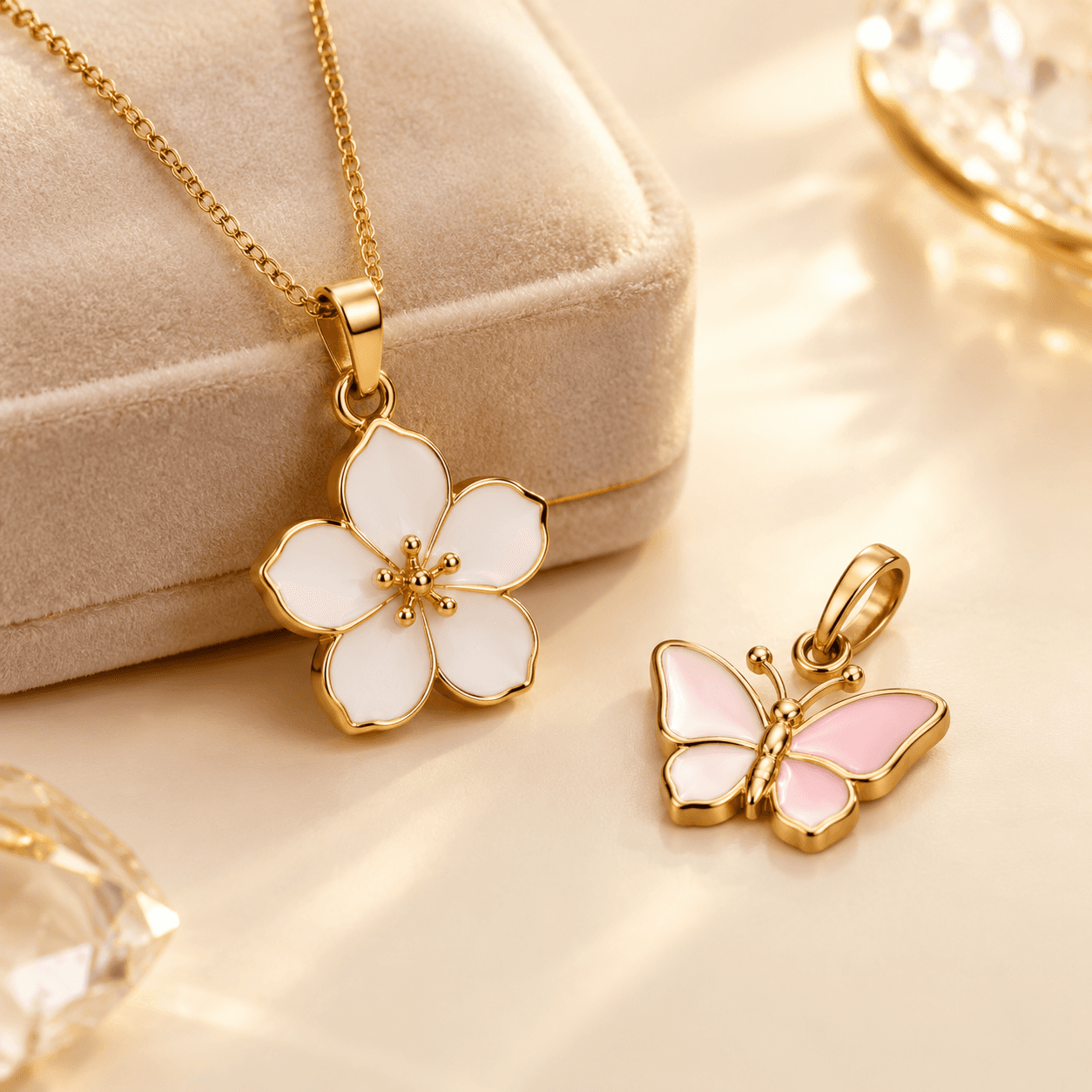
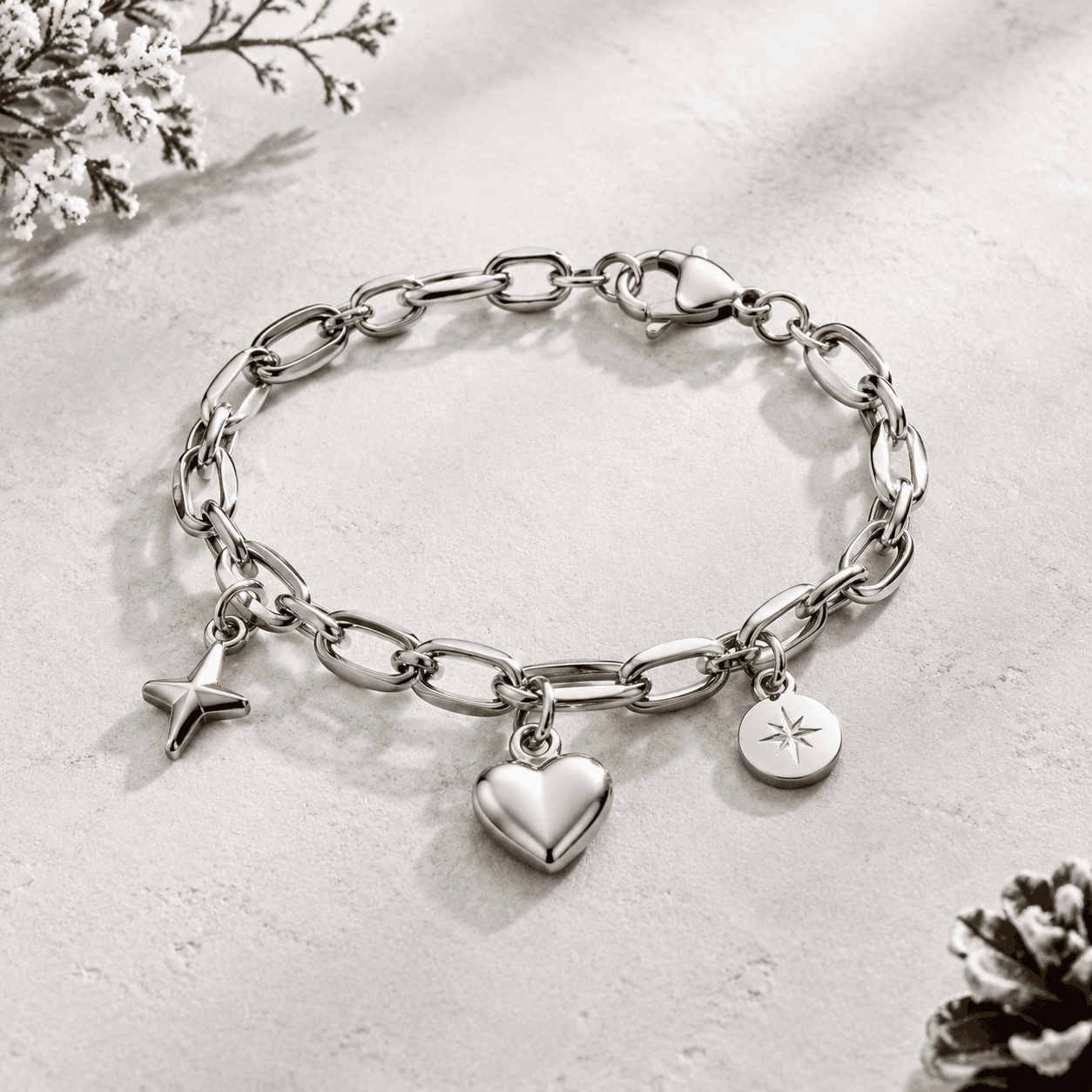
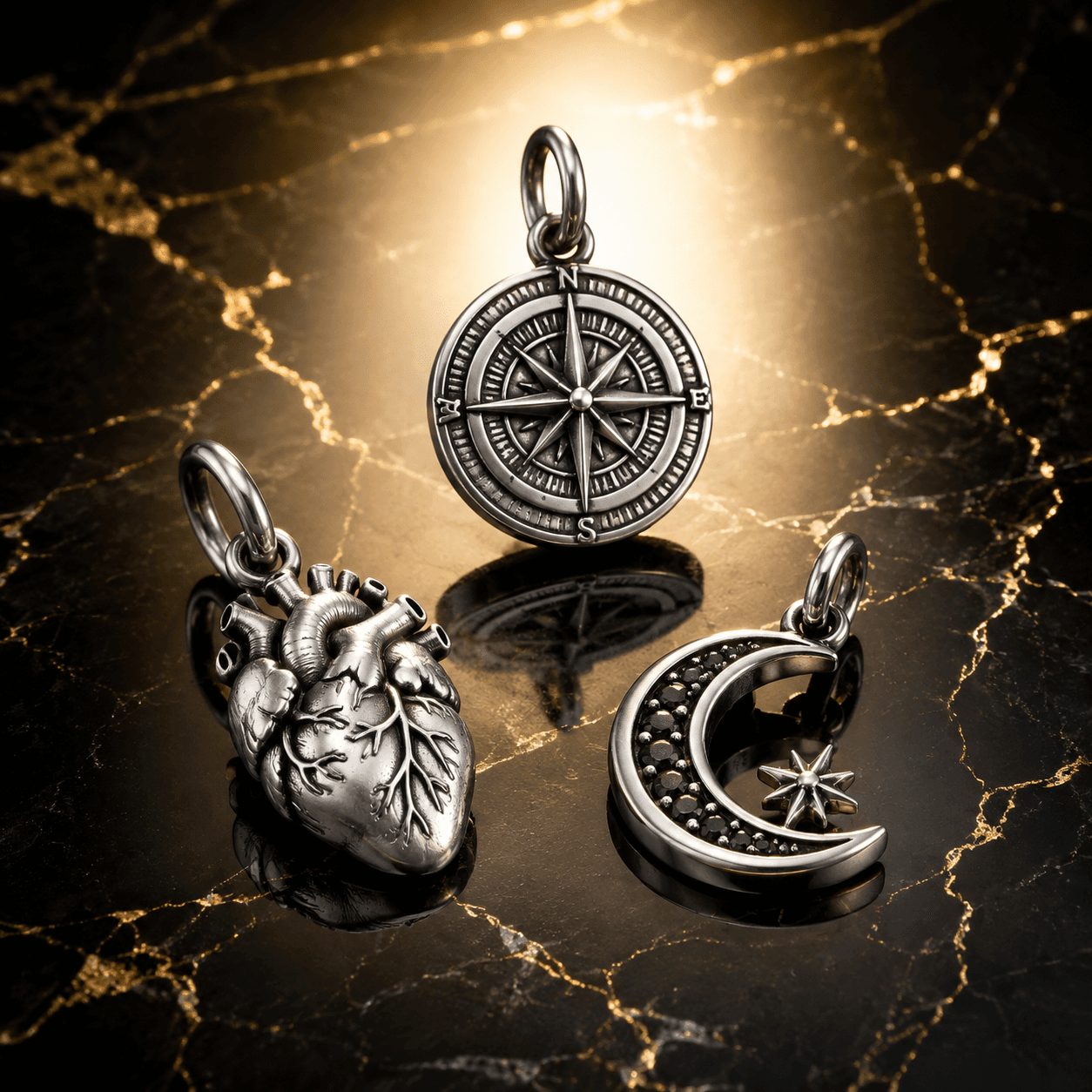
For custom stainless steel charms projects, review whether the supplier can support processes such as CNC machining, laser cutting, laser marking, welding, polishing, PVD plating, enamel color filling, crystal inlay, and private-label packaging. These capabilities indicate whether the factory can manage detailed customization instead of only providing standard products.
At Lancy Jewelry, production planning is built around OEM and ODM development for boutique brands and private-label buyers. The factory supports sample development, customized designs, and structured production processes for different collection requirements.
2. Verify material control and finishing standards
Material consistency is one of the most important supplier evaluation points. Buyers should confirm that the supplier specializes in 316L stainless steel charms and maintains stable material sourcing and processing procedures.
Ask for information about:
- 316L stainless steel material confirmation
- Surface finishing procedures
- PVD coating quality control
- Color consistency between samples and bulk orders
- Inspection standards for scratches, uneven surfaces, and production defects
A supplier experienced in PVD plated stainless steel charms should have clear processes for maintaining appearance consistency across repeated production runs. This is especially important for brands building recognizable collections where customers expect reliable quality.
3. Evaluate supplier communication and project management
Many sourcing risks come from communication gaps rather than production limitations. A capable supplier should provide clear responses about design feasibility, sample timelines, production schedules, packaging requirements, and quality expectations.
During early discussions, evaluate whether the supplier:
- Provides detailed answers about manufacturing processes
- Understands your target market requirements
- Documents product specifications accurately
- Communicates potential production challenges early
- Offers practical solutions during development
Strong communication reduces unnecessary revisions and helps protect your launch schedule.
Why Supplier Verification Matters for Private Label Growth
Quality protection and consistent customer experience
For private label charms programs, product consistency is directly connected to customer satisfaction. A supplier that lacks quality controls may create differences between samples and bulk production, resulting in additional inspection costs, delayed launches, or reputation risks.
Working with a professional OEM charms manufacturer allows buyers to establish clear production expectations from the beginning. This includes approved samples, defined finishing standards, inspection checkpoints, and packaging confirmation.
Reliable compliance support for international markets
Global buyers often require documentation to support product compliance and internal quality reviews. Lancy Jewelry provides SGS certified testing support covering RoHS, REACH, Nickel Release EN1811, and Salt Spray 240H requirements.
These certifications help buyers evaluate product reliability and create stronger confidence when developing collections for different regions. A supplier that can provide transparent testing information demonstrates a stronger commitment to quality management.
Better control of development costs and production risks
A structured supplier selection process helps buyers avoid unnecessary development expenses. Clear evaluation of MOQ requirements, sample development processes, and production capabilities allows brands to plan investments more effectively.
Low MOQ support can be valuable for emerging brands testing new collections, while experienced suppliers should also have the capacity to manage bulk charm orders when products achieve market demand.
Supplier Evaluation Checklist for Custom Stainless Steel Charms Projects
Step 1: Review factory capability and product expertise
☐ Confirm the supplier is experienced in 316L stainless steel charms manufacturing.
☐ Review available OEM and ODM development services.
☐ Check whether the factory can support logo engraving, PVD plating, enamel details, crystal inlay, and packaging customization.
☐ Request examples of previous development processes, including concept review, sampling, and production preparation.
A supplier with complete development capability can help brands move from initial ideas to production-ready products with fewer risks.
Step 2: Confirm sample development procedures
☐ Ask how the supplier handles drawings, specifications, and design approvals.
☐ Confirm sample review procedures before bulk production.
☐ Verify whether the supplier records approved details for future repeat orders.
Sample development is a critical stage because it establishes the reference standard for production. Professional suppliers should treat approved samples as an important quality benchmark.
Step 3: Review MOQ and production flexibility
☐ Understand minimum order requirements before placing an inquiry.
☐ Ask whether different designs can be developed with suitable MOQ support.
☐ Confirm production scheduling for seasonal launches or collection updates.
Flexible production planning is especially important for boutique brands that need to test new collections while maintaining controlled inventory.
Step 4: Evaluate quality inspection systems
☐ Ask about inspection points during production.
☐ Confirm how surface quality, plating appearance, dimensions, and attachment components are checked.
☐ Request information about final inspection before shipment.
A reliable charm factory should have a repeatable inspection process instead of depending only on final visual checks.
Step 5: Protect your brand through clear agreements
☐ Define product specifications before production begins.
☐ Confirm ownership and handling of custom design information.
☐ Establish clear communication channels for quality discussions and issue resolution.
☐ Keep approved samples and production records for future reference.
Strong supplier relationships are built on transparency. Clear expectations help both sides manage changes and solve problems efficiently.
Step 6: Assess packaging and market readiness support
☐ Confirm availability of private-label packaging options.
☐ Review whether packaging matches your brand positioning.
☐ Check support for retail-ready preparation.
A supplier offering complete B2B accessory supplier support can simplify the transition from manufacturing to market delivery.
Advanced Risk Management Considerations for Buyers
Build a supplier scorecard
Professional buyers should compare suppliers using measurable criteria rather than choosing only by price. A supplier scorecard can include production capability, communication speed, quality documentation, customization ability, MOQ flexibility, and delivery performance.
Prioritize long-term production stability
The lowest initial quotation does not always create the best business outcome. Stable quality, predictable production, and responsive support often provide greater value for brands building repeat collections.
Choose suppliers that understand collection planning
Boutique brands often require coordinated product releases instead of isolated items. An experienced ODM charm supplier can help organize product series, recommend practical production solutions, and support future expansion.
FAQ: Custom Made Stainless Steel Charms Supplier Evaluation
What should I check before selecting a stainless steel charms manufacturer?
Review manufacturing capability, 316L stainless steel expertise, quality inspection procedures, sample development support, MOQ flexibility, communication standards, and documentation availability.
Why is sample development important before bulk charm orders?
Sample development allows buyers to confirm design details, finishing expectations, dimensions, and production standards before committing to larger quantities. It reduces quality disputes and improves production accuracy.
Can a supplier support private label charms programs?
Yes. A qualified supplier should be able to support private label charms through customized designs, logo engraving, packaging solutions, quality control procedures, and production planning.
How can buyers reduce risks when working with overseas suppliers?
Buyers can reduce risks by verifying factory capabilities, requesting certifications, confirming approved samples, maintaining clear specifications, and choosing suppliers with transparent communication and documented processes.
Partner With Us for Reliable Charm Manufacturing Support
Finding the right manufacturing partner is essential for building dependable product collections. Lancy Jewelry supports boutique brands, distributors, and private-label buyers with OEM and ODM manufacturing services focused on 316L stainless steel charms.
From initial concept review and sample development to PVD finishing, enamel details, crystal inlay, inspection, and private-label packaging, our team helps buyers create market-ready collections with controlled quality standards.
For customized projects, visit our OEM Service page to explore development support, or send an RFQ request for your project requirements. You can also browse our full catalog through All Products or contact our team through Contact for sourcing discussions.