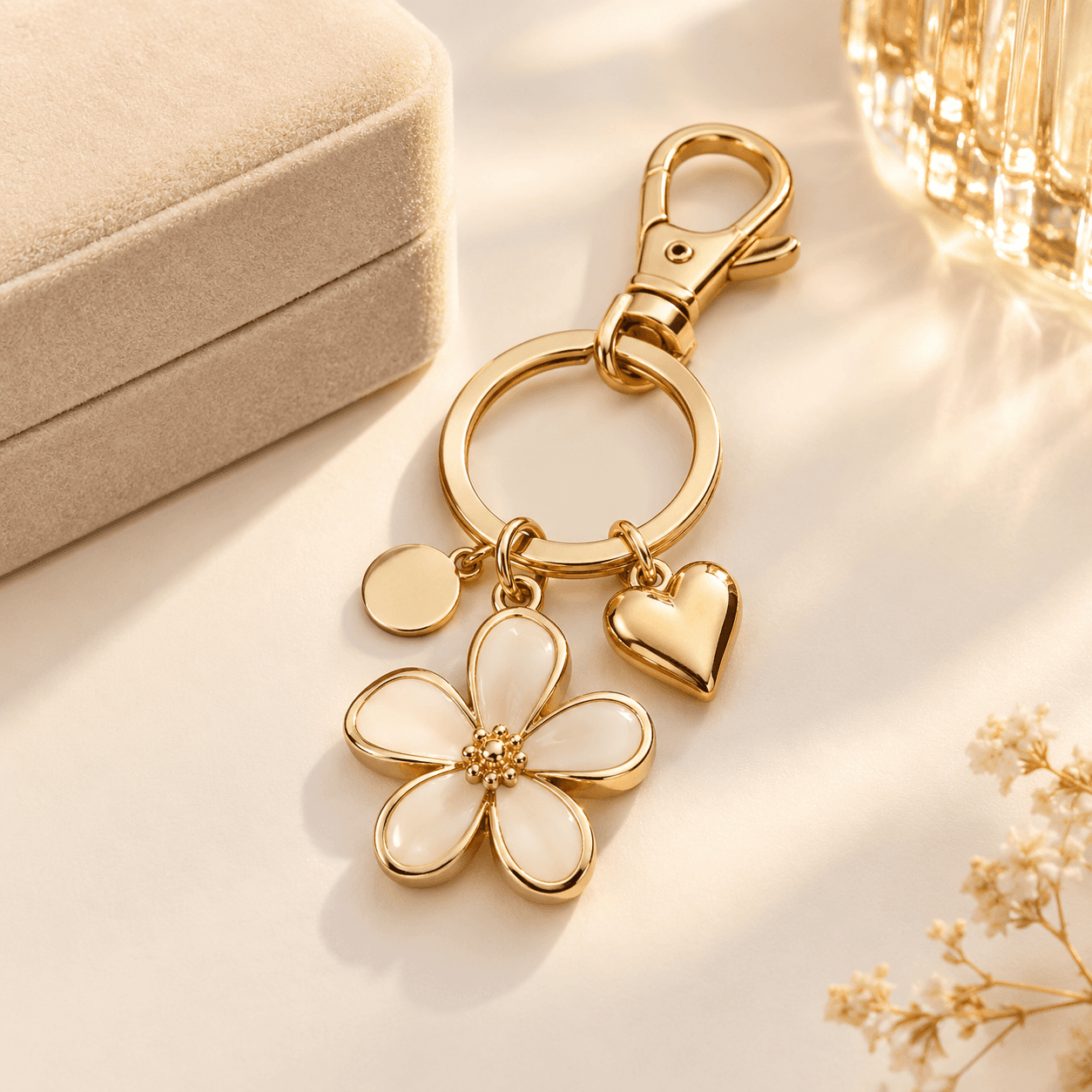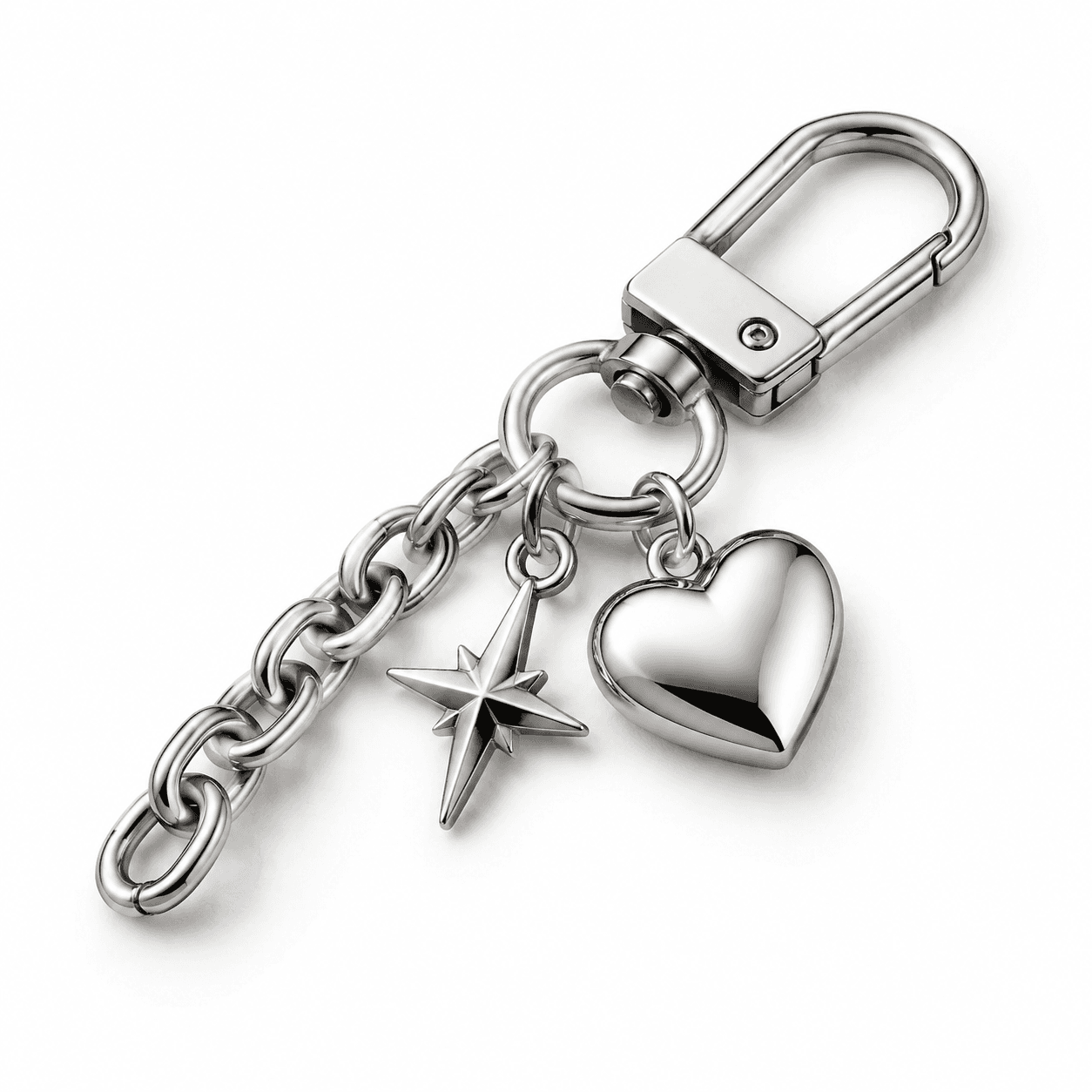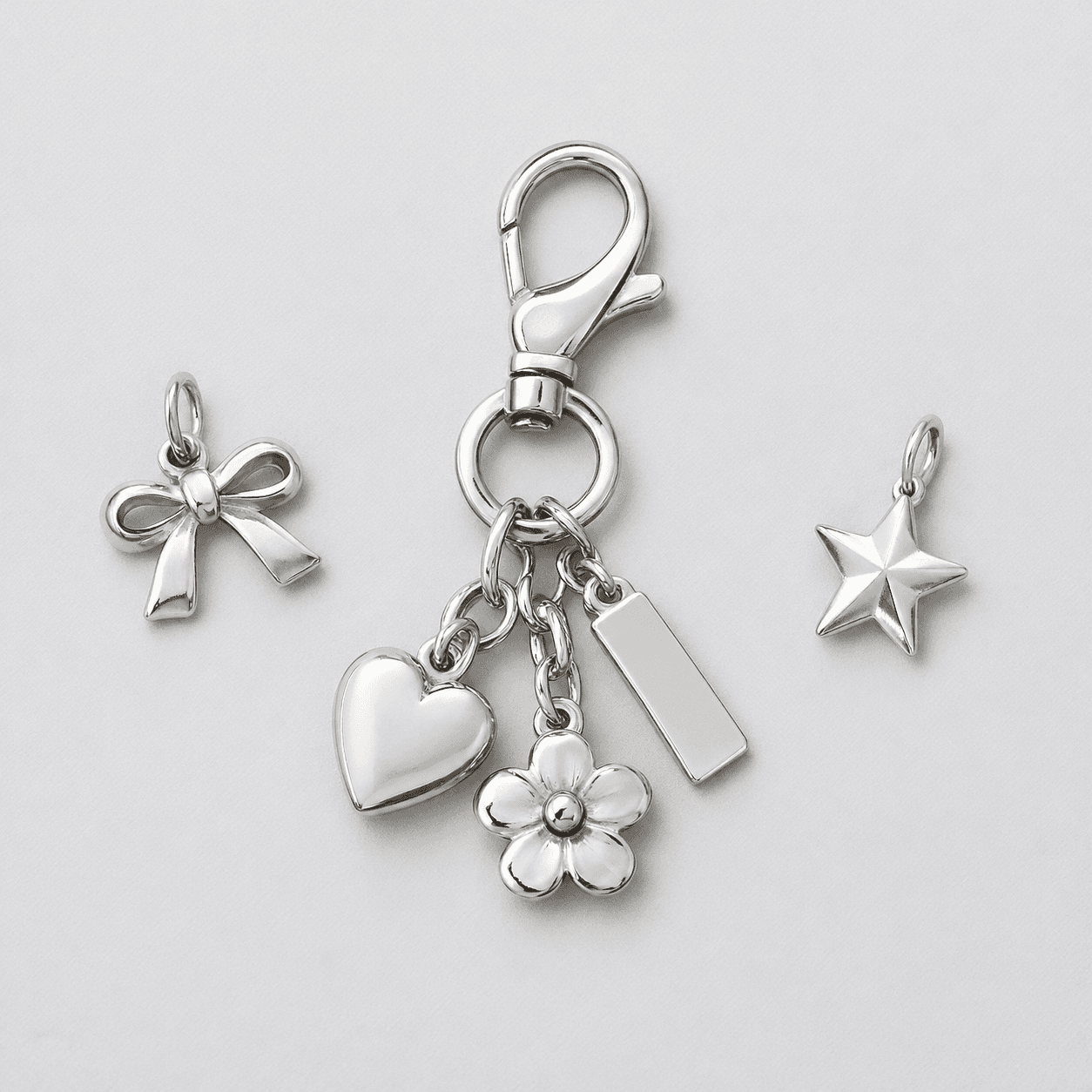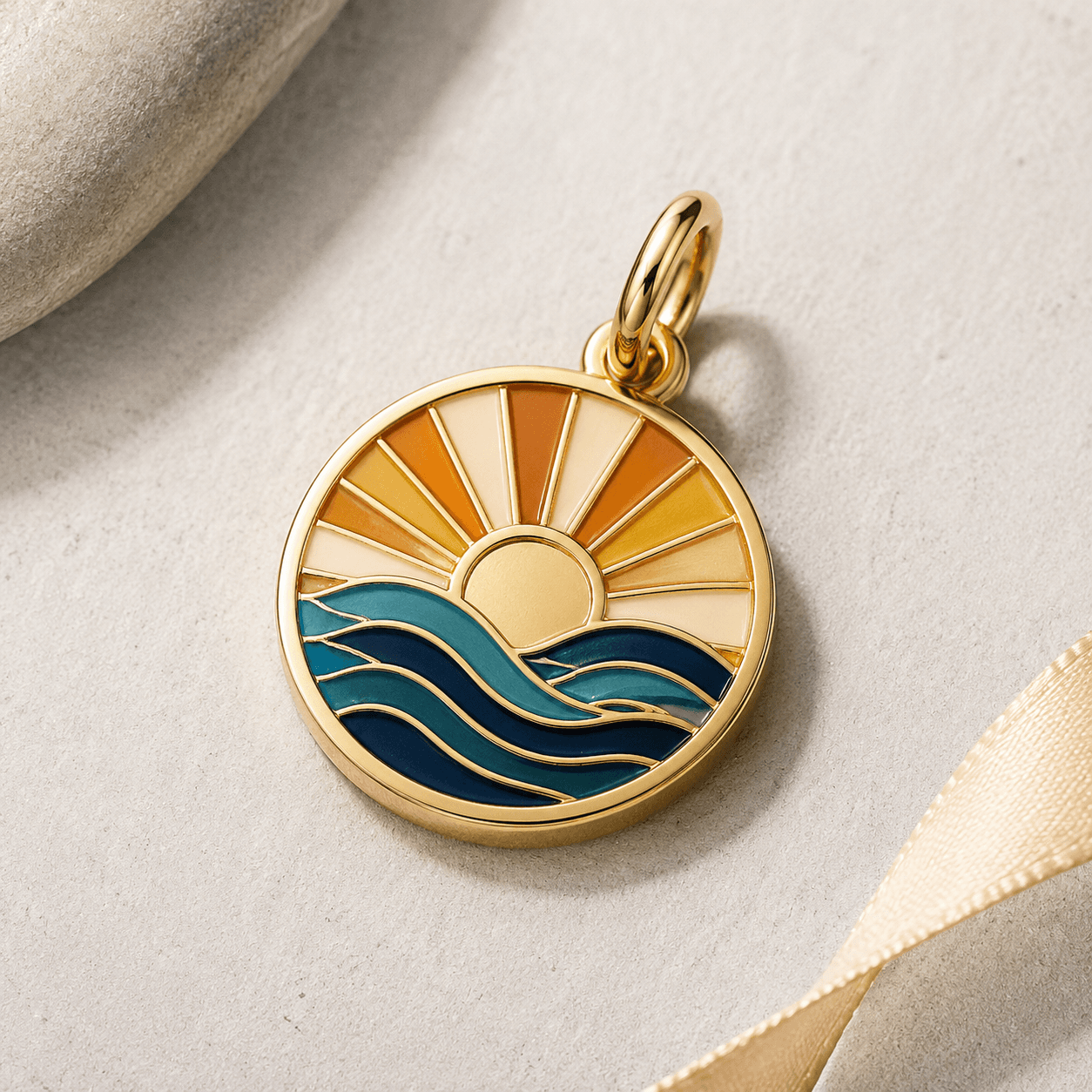
In global procurement for boutique brands and private-label programs, vetting a stainless steel enamel charms manufacturer is essential to minimize risk, ensure compliance, and support scalable production. This guide outlines a practical approach to evaluate capabilities, material integrity, and fit with a 316L stainless steel charms supplier. The focus is on clear documentation, transparent processes, and a collaborative path to private-label success, including OEM/ODM development and reliable sample development.
Why choose a stainless steel charms manufacturer
Partnering with a dedicated stainless steel charms manufacturer enables consistent finishes, reliable plating, and durable construction across enamel, crystal inlay, and metal finishes. The right partner should support end-to-end services, including OEM/ODM development, logo engraving, and private-label packaging to serve markets across the US, EU, UK, AU, CA, and beyond.
Core capabilities to look for
- OEM/ODM development for custom designs and private-label programs
- Logo engraving and branding services that meet brand standards
- PVD plating with durable color options (gold, rose gold, silver)
- Enamel color filling and crystal inlay processes
- Private-label packaging and sample support for quick turnarounds
- Quality controls, tolerance management, and scalable production capacity
Materials and finishes: 316L basis and approved options
Only 316L stainless steel is used as the base material for charms, ensuring corrosion resistance and compatibility with enamel, PVD plating, and crystal settings. Approved finishes include enamel fills, PVD plated gold, silver finish, and rose gold plating, plus crystal inlays. This combination supports consistent color, durability, and market-ready aesthetics across regions.
Compliance and certifications to verify
Request documentation and lab verification that supports multi-market distribution. A reputable supplier should provide test reports and certifications such as RoHS and REACH compliance, EN1811 nickel release testing, and salt spray resistance data. Confirm the scope, validity period, and test reports for the product families you plan to source.
Vendor assessment and documentation
- Request a capability profile covering equipment (CNC, laser cutting, laser marking, welding, polishing), production capacity, and private-label packaging options.
- Obtain current documentation on quality management practices and standard operating procedures for plating, finishing, and assembly.
- Review references or case studies from similar markets to gauge performance and reliability.
- Evaluate lead times, minimum order quantities, unit pricing, and private-label capabilities through a formal vendor scorecard.
Sample development and testing plan
- Initiate sample development with clear specs for bail/jump ring compatibility, engraving tolerance, enamel fill quality, and finish uniformity.
- Set timelines for iterations, including color changes or engraving refinements, and document all expectations in a formal plan.
- Require dimensional verification samples and a plating-pass/return policy to address defects or inconsistencies.
Commercial terms and private-label readiness
- Clarify OEM and ODM capabilities, packaging options, and brand guidelines for private-label programs.
- Agree on MOQ, pricing bands, lead times, and payment terms; consider pilot orders or sample-focused batches to validate production flow.
- Ensure engraving services meet brand standards and that packaging aligns with your GTM strategy.
- Discuss reverse logistics, warranty, and defect remediation as part of ongoing partnerships.
Risk management and ongoing collaboration
Plan for periodic supplier reviews, document controls, and performance scorecards to monitor consistency across batches. Establish a single point of contact for daily communications and set a cadence for quarterly business reviews to review KPIs. Develop a risk mitigation plan for supply disruptions and alternate sourcing options.
Throughout this process, maintain open lines of communication. If you need broader capability comparisons, start from an OEM/ODM service overview and explore product options via a catalog of products. For formal inquiries or to begin a project, use the Request a Quote flow or contact our team to discuss your needs.
FAQ
What documents should I request from a stainless steel charms manufacturer?
Request a capability profile, facility overview, current certifications (RoHS, REACH, EN1811 nickel release, salt spray), quality control procedures, and recent test reports. Ask for references in your target markets and a sample development timeline.
How long does sample development take?
Typical turnaround for an enamel sample with engraving and plating can range from 2 to 4 weeks, depending on finish complexity and engraving fidelity. Document timelines in a formal sample development plan and RFQ timeline.
What makes 316L stainless steel enamel charms reliable for global programs?
316L stainless steel provides corrosion resistance and reliable plating adhesion market-relevant enamel and crystal inlays. When paired with certified processes and controlled plating, it yields stable color and performance across markets, reducing quality risk for cross-border programs.
How does a factory partner support private-label programs and low MOQ orders?
A dedicated stainless steel charms manufacturer offers OEM/ODM capabilities, private-label packaging, logo engraving, and flexible MOQ options to suit boutique brands and private-label buyers, with fast sample development to accelerate time-to-market.
Partner with a trusted partner
Engage with a modern stainless steel charms manufacturer to simplify compliance, accelerate private-label programs, and scale wholesale orders. Look for capabilities such as CNC, laser processing, and polishing, backed by certifications that support RoHS, REACH, and salt spray performance. To begin, explore our OEM/ODM service, browse product ranges, and reach out to discuss your project or request a quote.